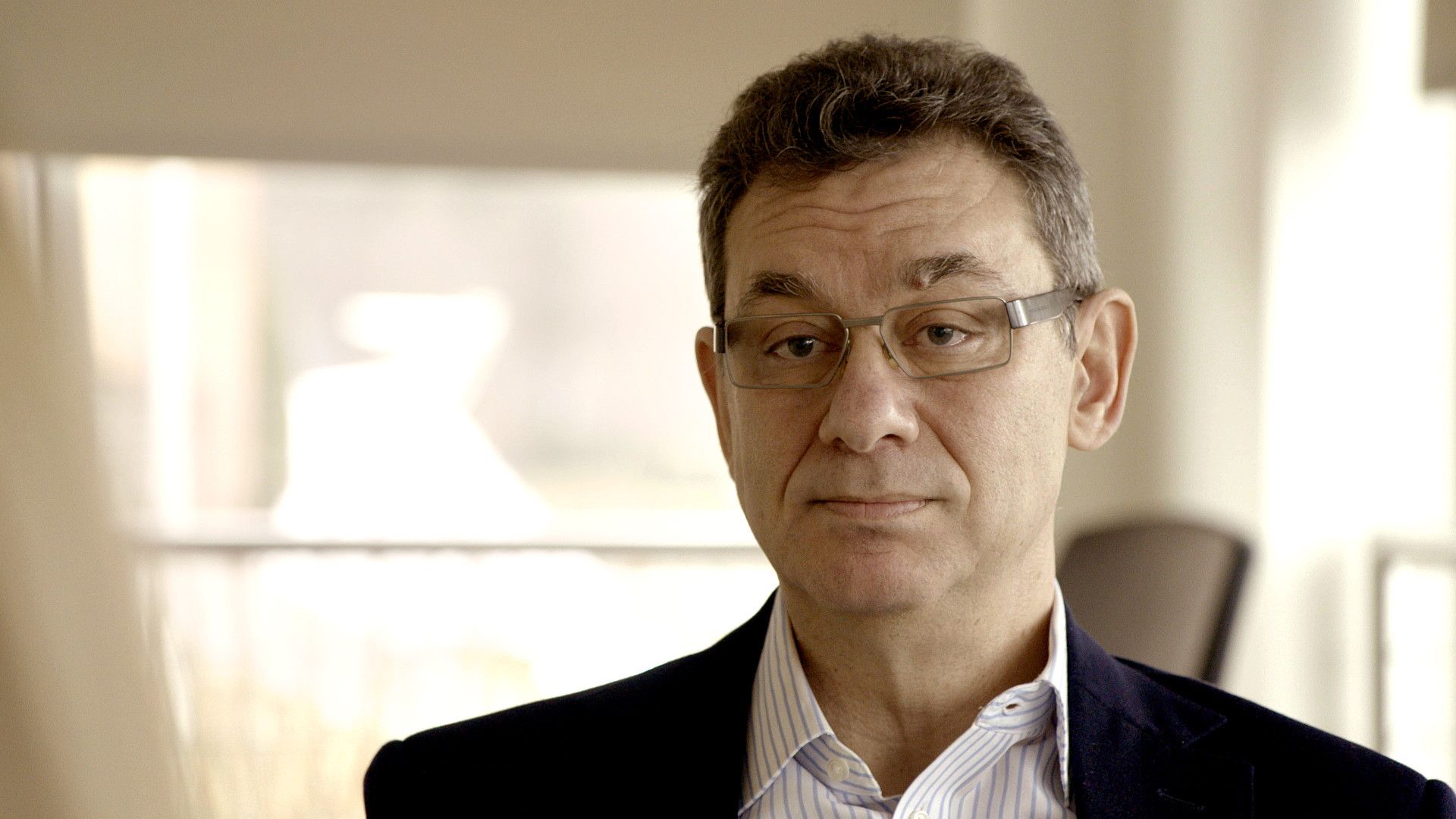
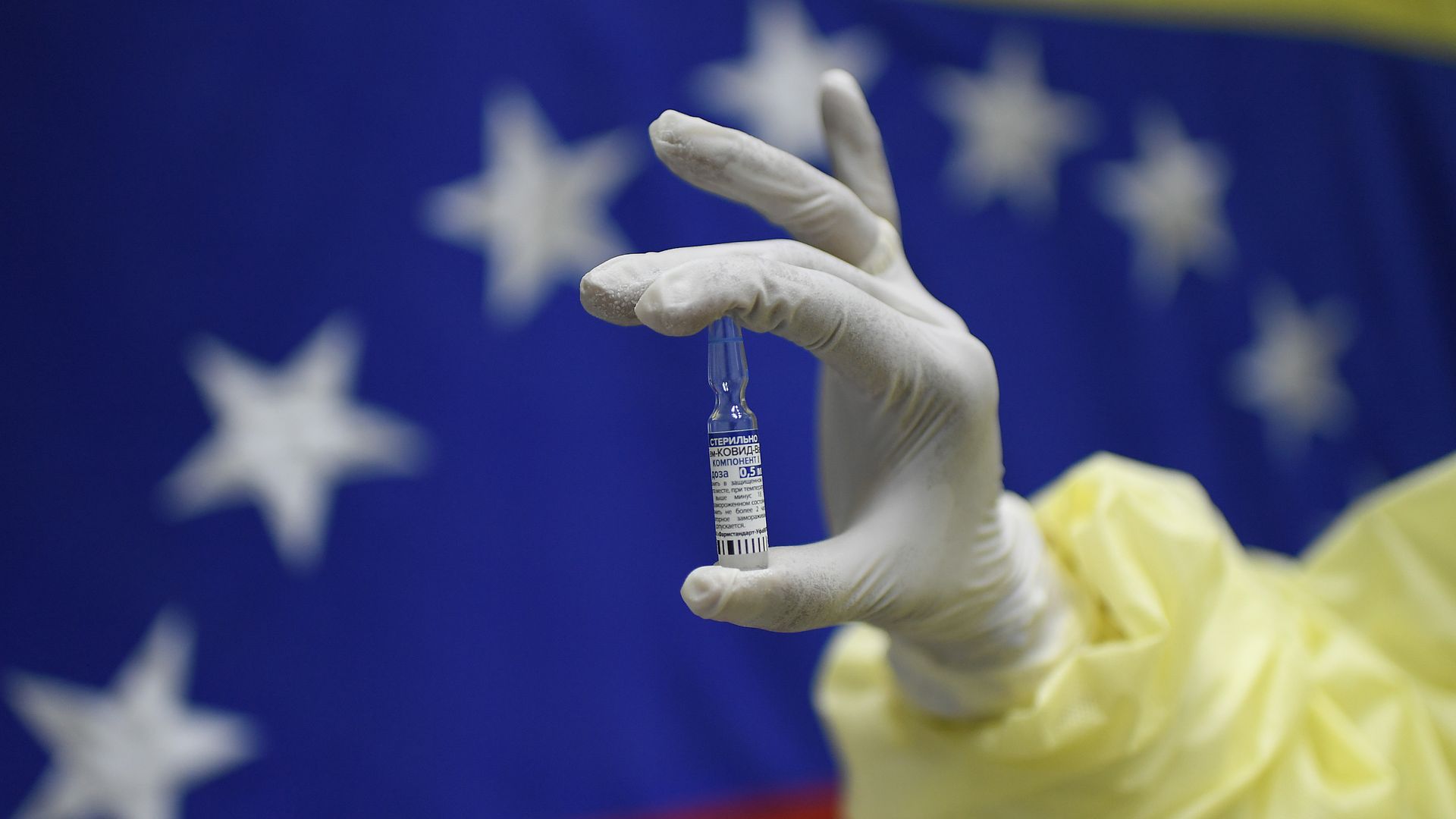
Pfizer CEO Albert Bourla tells "Axios on HBO" that he recently received his first of two doses of the company's coronavirus vaccine.
Why it matters: Bourla told CNBC in December that company polling found that one of the most effective ways to increase confidence in the vaccine was to have the CEO take it.
Pfizer CEO Albert Bourla told "Axios on HBO" that it "will be terrible for society" if the price of coronavirus vaccines ever prohibits some people from taking them.
Why it matters: Widespread uptake of the vaccine — which might require annual booster shots — will reduce the risk of the virus continuing to spread and mutate, but it's unclear who will pay for future shots or how much they'll cost.
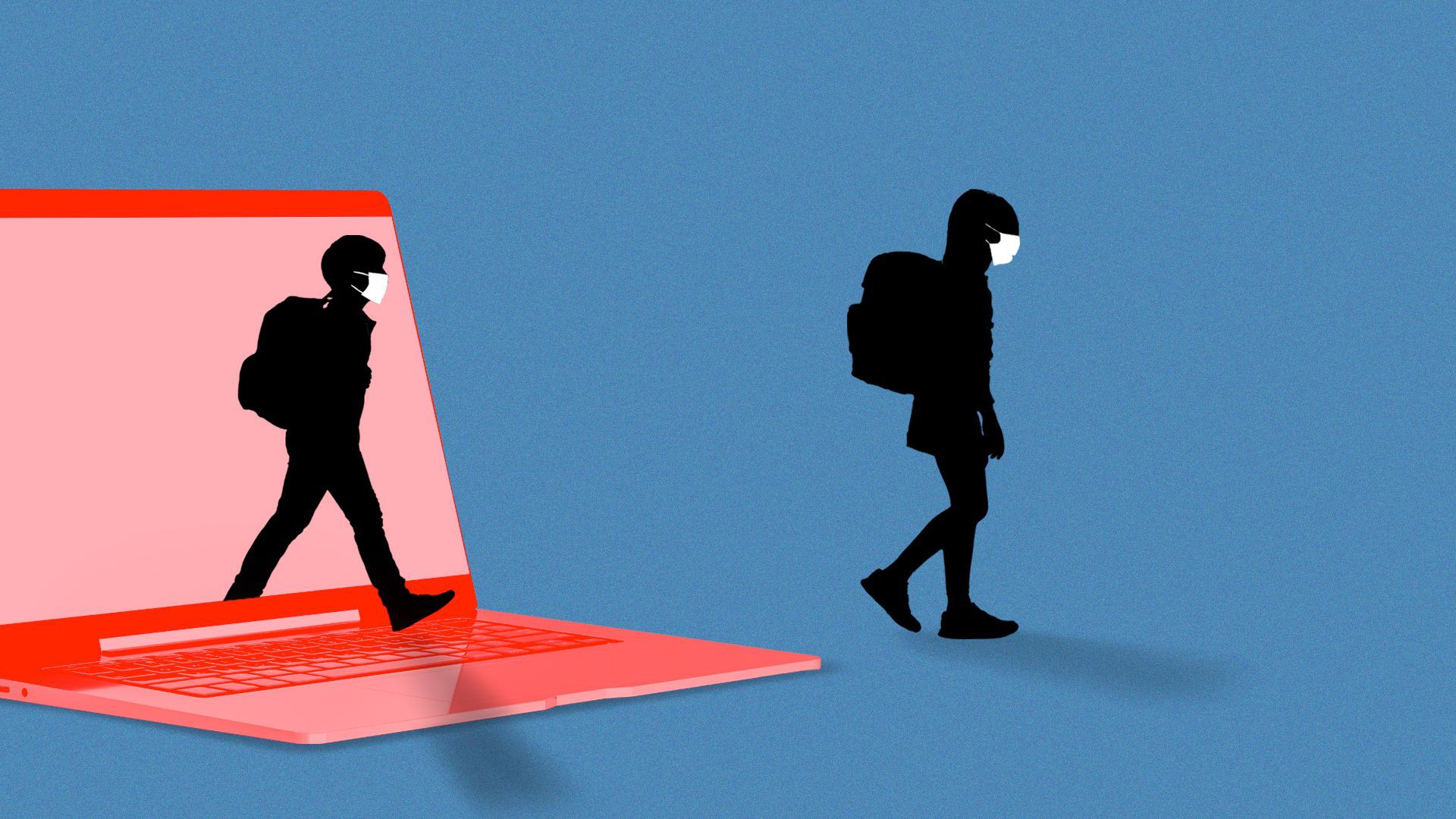
Students in the U.K. will return to in-person learning on Monday after being closed for two months.
Why it matters: The British government is reopening schools as the first step to lift all COVID-19 restrictions by June, the AP reports. Students will be tested for the virus frequently, with high schools and colleges to reopen in phases, allowing students to be tested several times before returning to regular classes.
Mississippi Gov. Tate Reeves (R) defended his decision to revoke the state's mask mandate on CNN's "State of the Union" Sunday, describing the move as backed by data and a necessary step to boost the state's economy.
Why it matters: Although hospitalizations have dropped, Mississippi had the largest increase in the average of new coronavirus cases over a seven-day period in the country as of March 2, according to Axios' weekly tracker.
Addressing homelessness has taken on new urgency in cities across the country over the past year, as officials grapple with a growing unhoused population and the need to preserve public safety during the coronavirus pandemic.
Why it matters: It’s led to tension when cities move in to clear encampments — often for health and safety reasons — causing some to rethink the role of law enforcement when interacting with people experiencing homelessness.
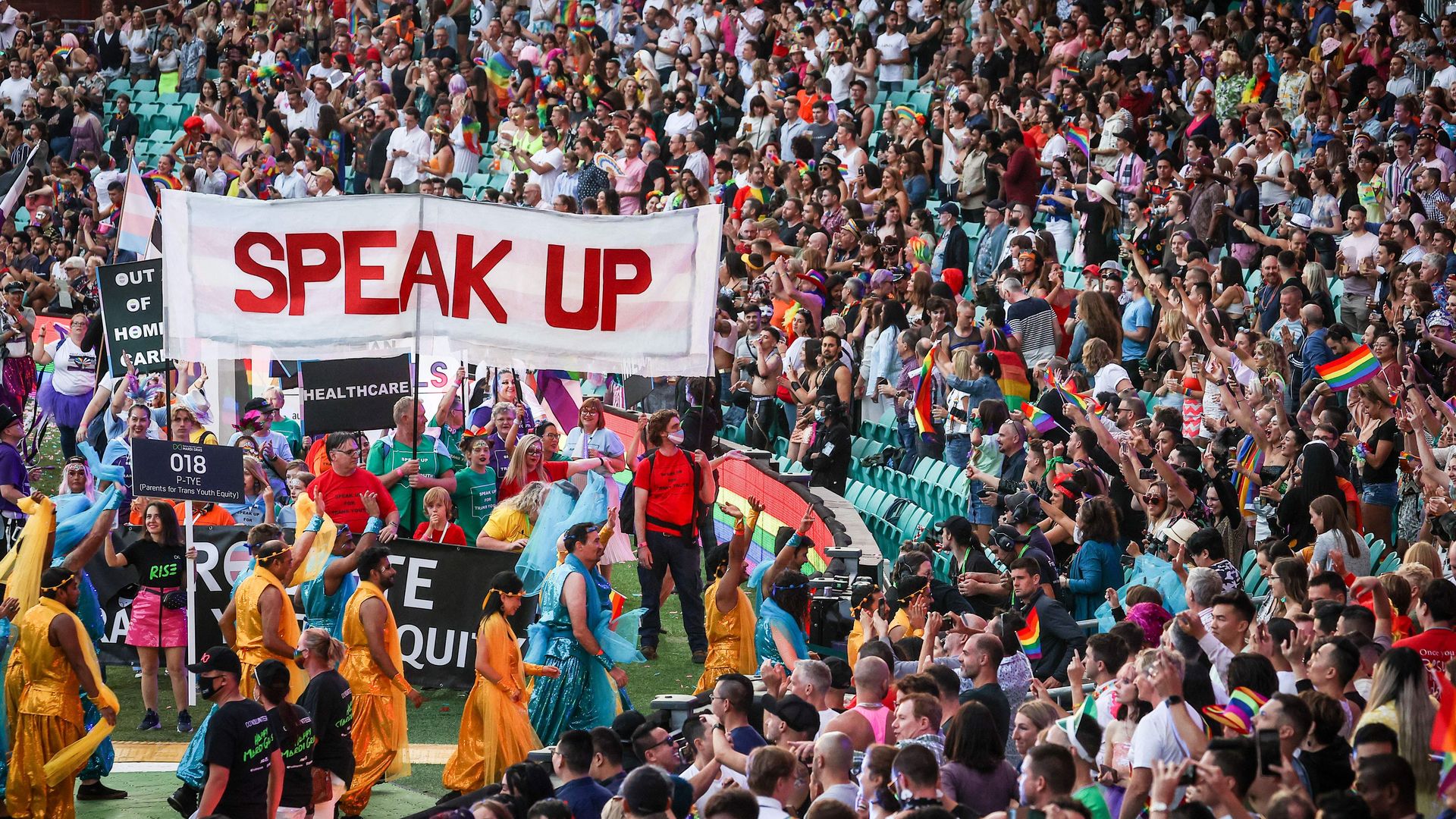
Some 36,000 people turned out for the 2021 Sydney Gay and Lesbian Mardi Gras parade celebrating the LGBTQ community in Australia Saturday, per Nine News.
The big picture: For the first time in its 43-year history, organizers moved the event from Oxford Street to the Sydney Cricket Ground because of the COVID-19 pandemic. New South Wales, of which Sydney is the state capital, has reported no community cases for 50 days.
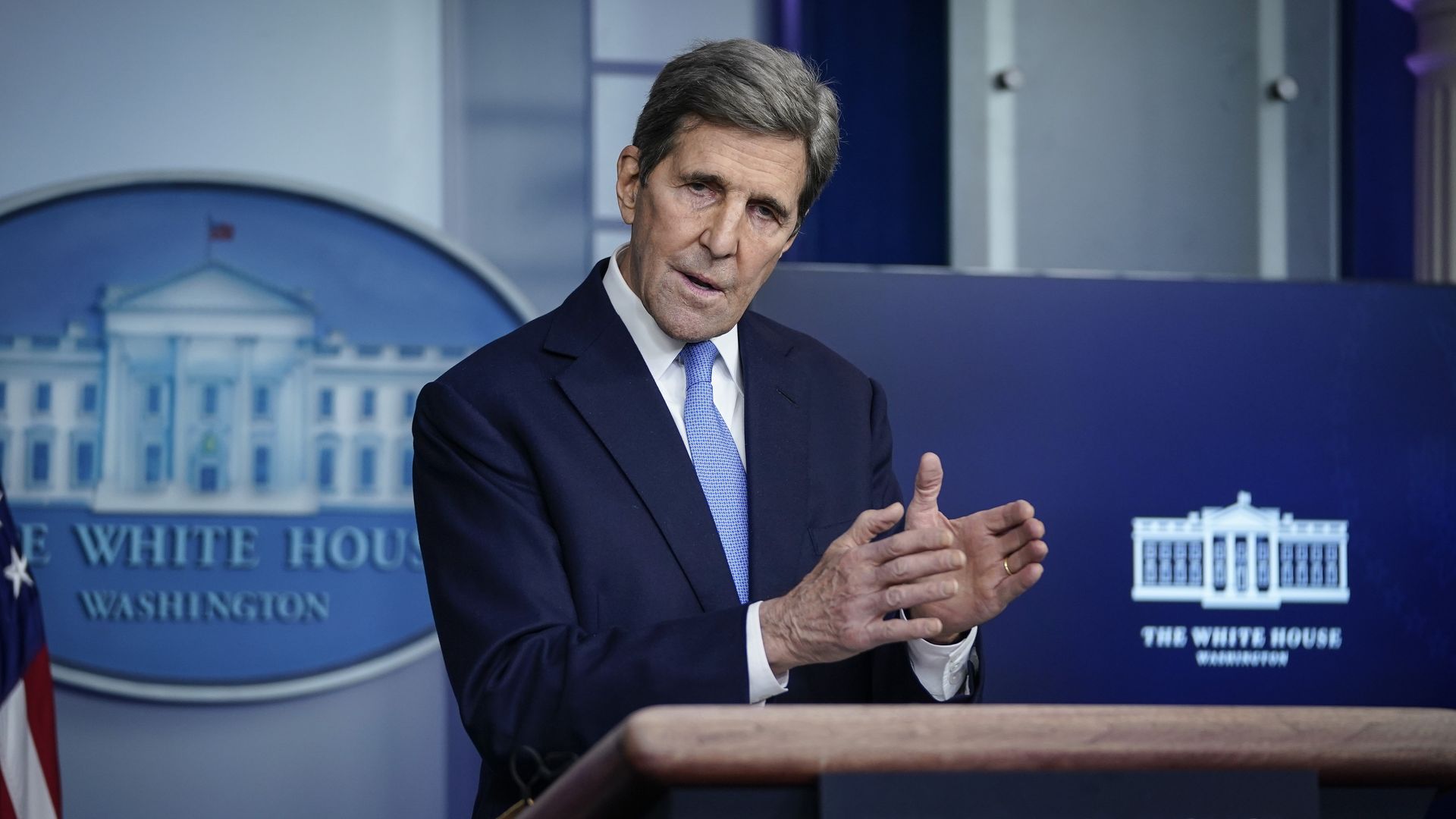
Special Presidential Envoy for Climate John Kerry will travel to London, Brussels, and Paris next week to "work with European allies to strengthen global climate ambition" ahead of two key summits on the issue, his office announced Saturday.
Our thought bubble, via Axios' Ben Geman: Kerry's trip is a sign that team the U.S. is seeking tangible outcomes from President Biden's Leaders Summit on Climate next month, not just talk and vague calls to get serious about tackling climate change.
The World Health Organization said this week that variants of the coronavirus are provoking another uptick in infections across Europe.
Why it matters: European countries reported around 1 million new cases last week, around a 9% increase from the week prior. Last week's surge ended a six-week decline in new infections, the WHO said Thursday, according to AP.
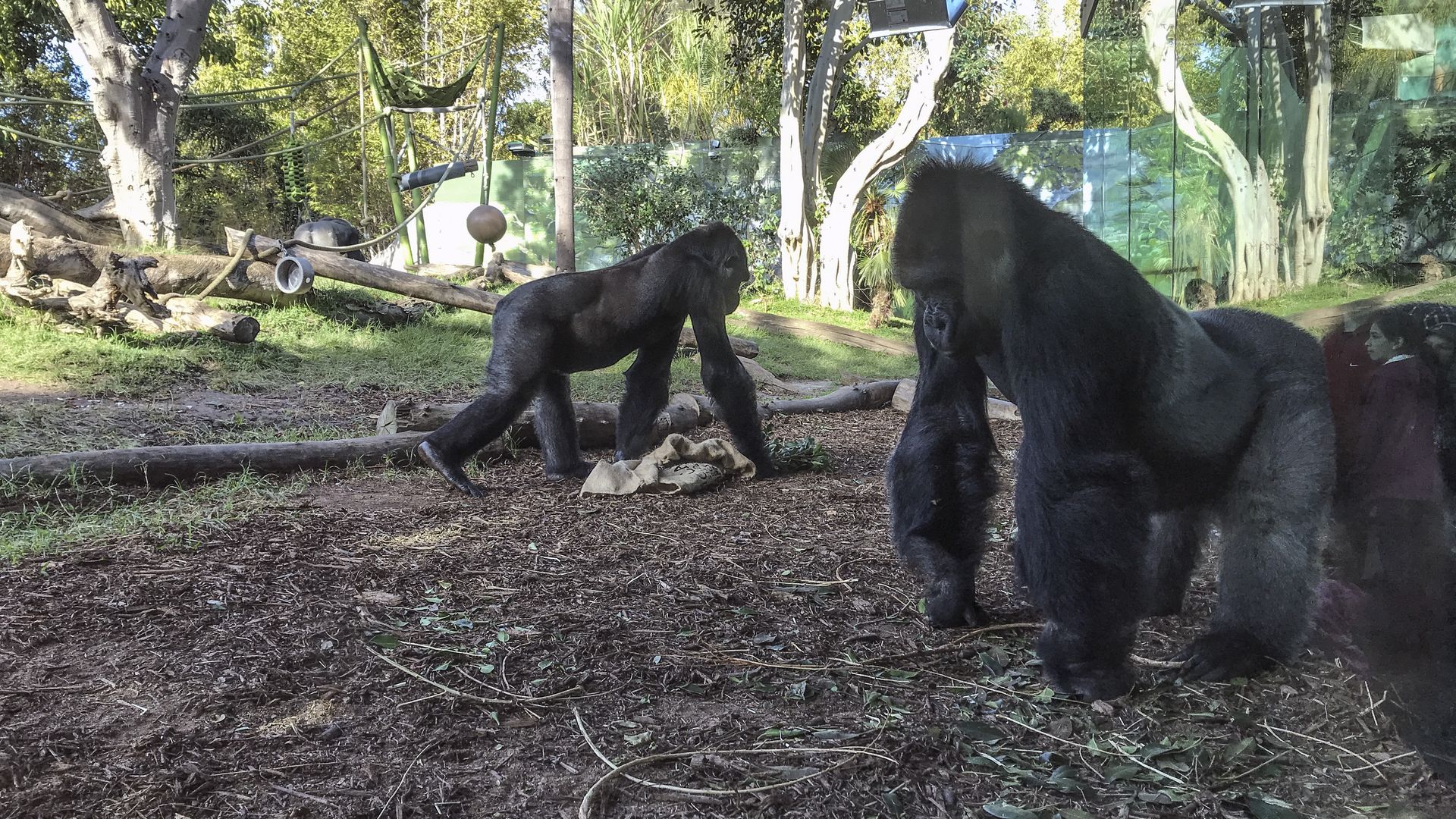
Details: Four orangutans and five bonobos were inoculated with the vaccine developed by Zoetis, a veterinary pharmaceuticals company, according to The New York Times.
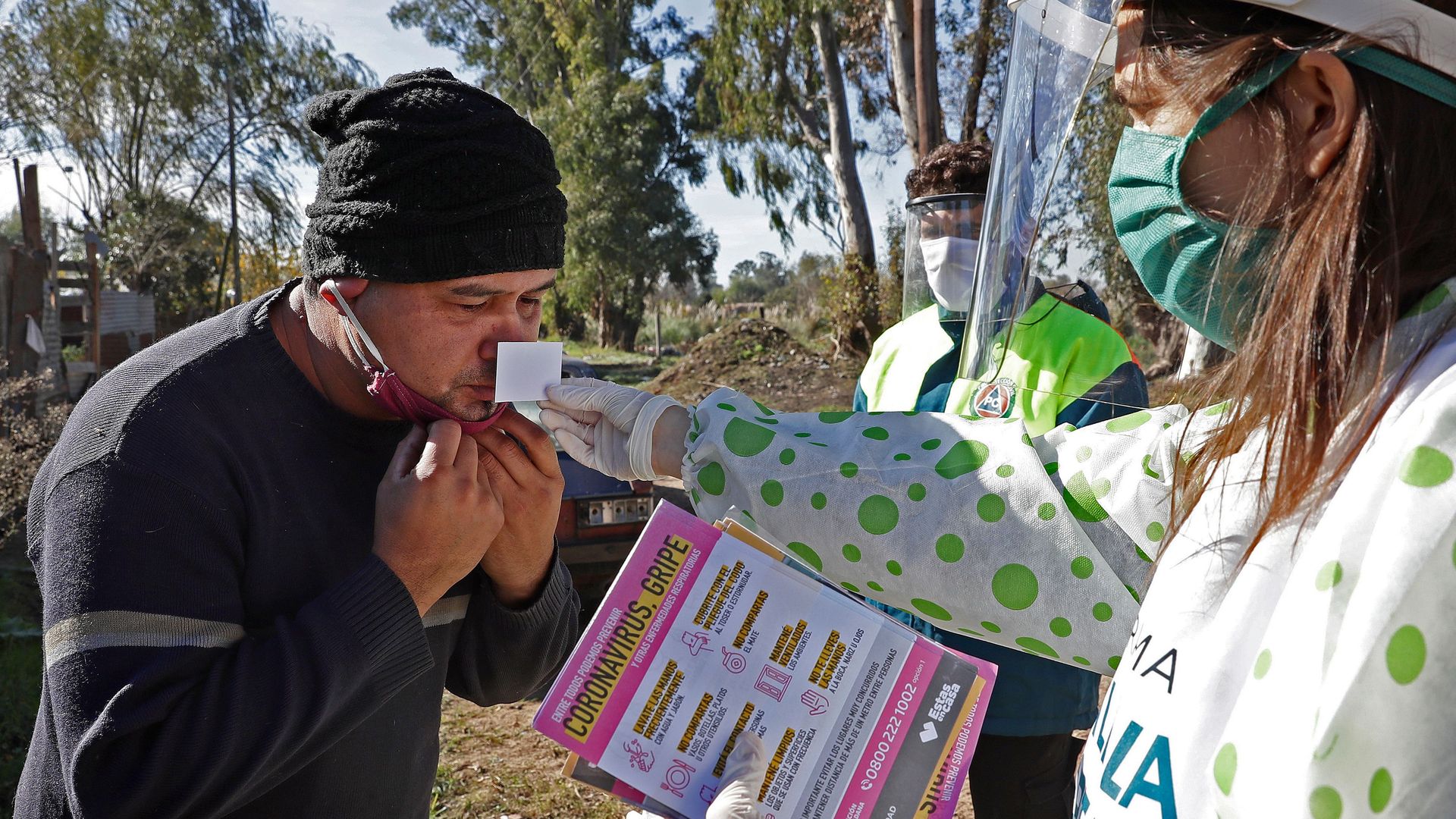
The pandemic has thrust a relatively unknown ailment, anosmia — or smell loss — into the international spotlight.
Why it matters: Researchers hope smell testing becomes as standard as the annual flu shot, helping to detect early signs of neurodegenerative diseases like Alzheimer’s and Parkinson’s.
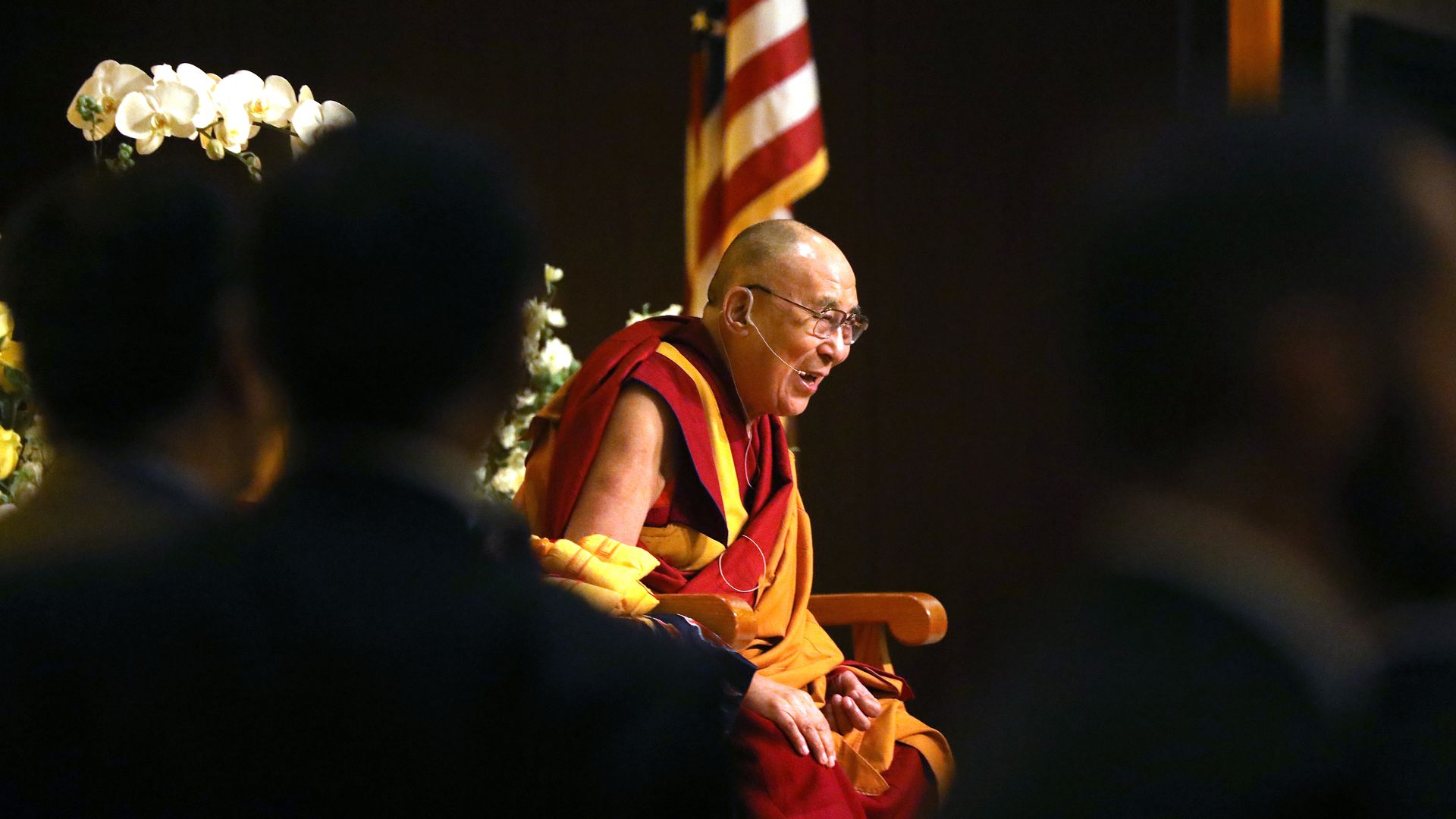
The Dalai Lama received his first dose of coronavirus vaccine on Saturday in a hospital in northern India, AP reports.
Why it matters: The 85-year-old Tibetan spiritual leader urged others to follow his example and get vaccinated. Ten other people who live in the Dalai Lama’s residence also got a dose of the vaccine.
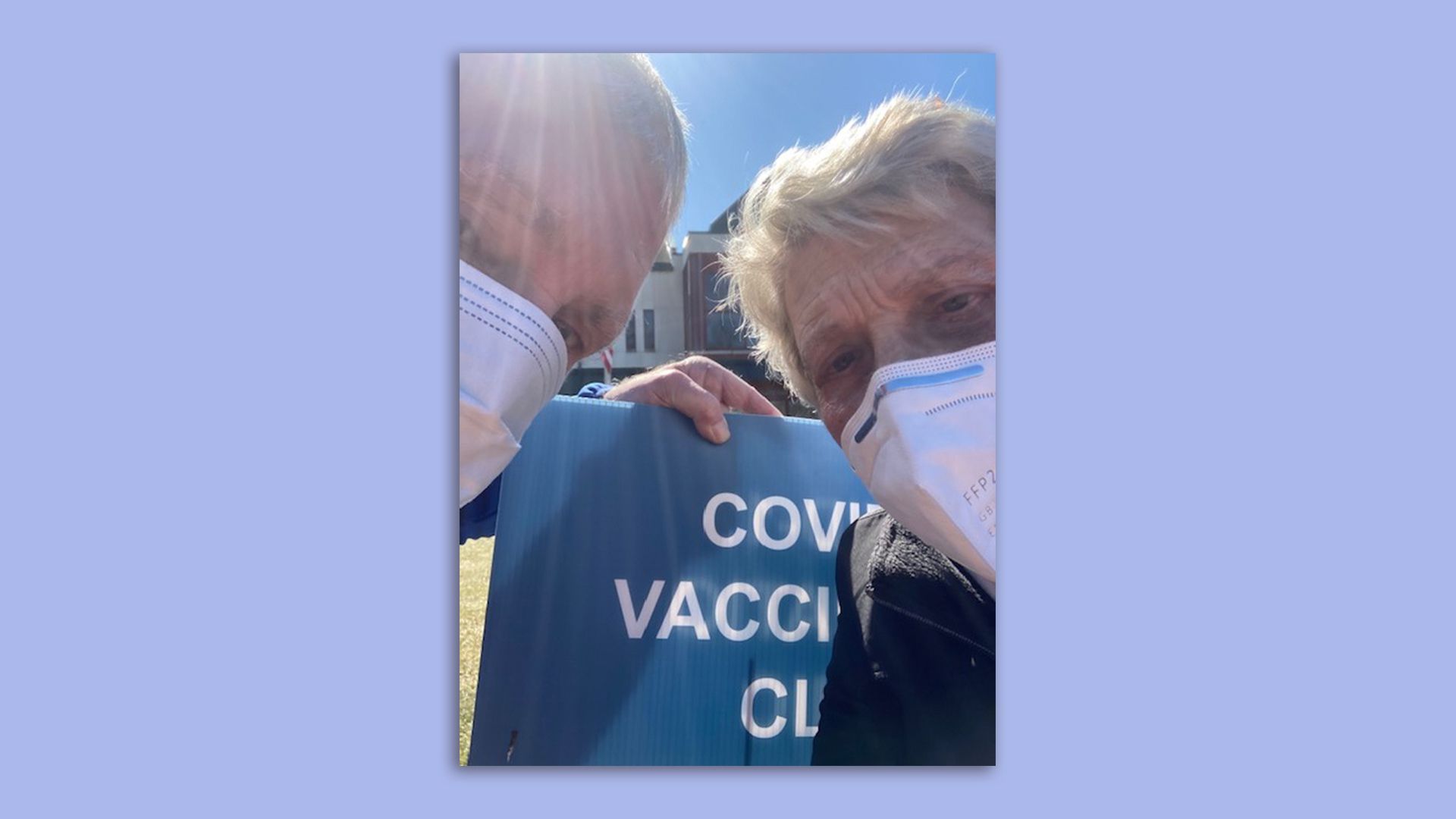
People are lighting up social media with COVID-19 vaccination selfies.
Why it matters: After a long, hard year with COVID-19, vaccine selfies offer a much-needed dose of hope — and act as an advertisement for those on the fence about getting vaccinated.
Geopolitical tensions are foiling efforts to get to the bottom of how COVID-19 originated.
Why it matters: Insights into how COVID-19 began can help us prevent future pandemics — especially if it involved any kind of leak or accident at a virology lab.
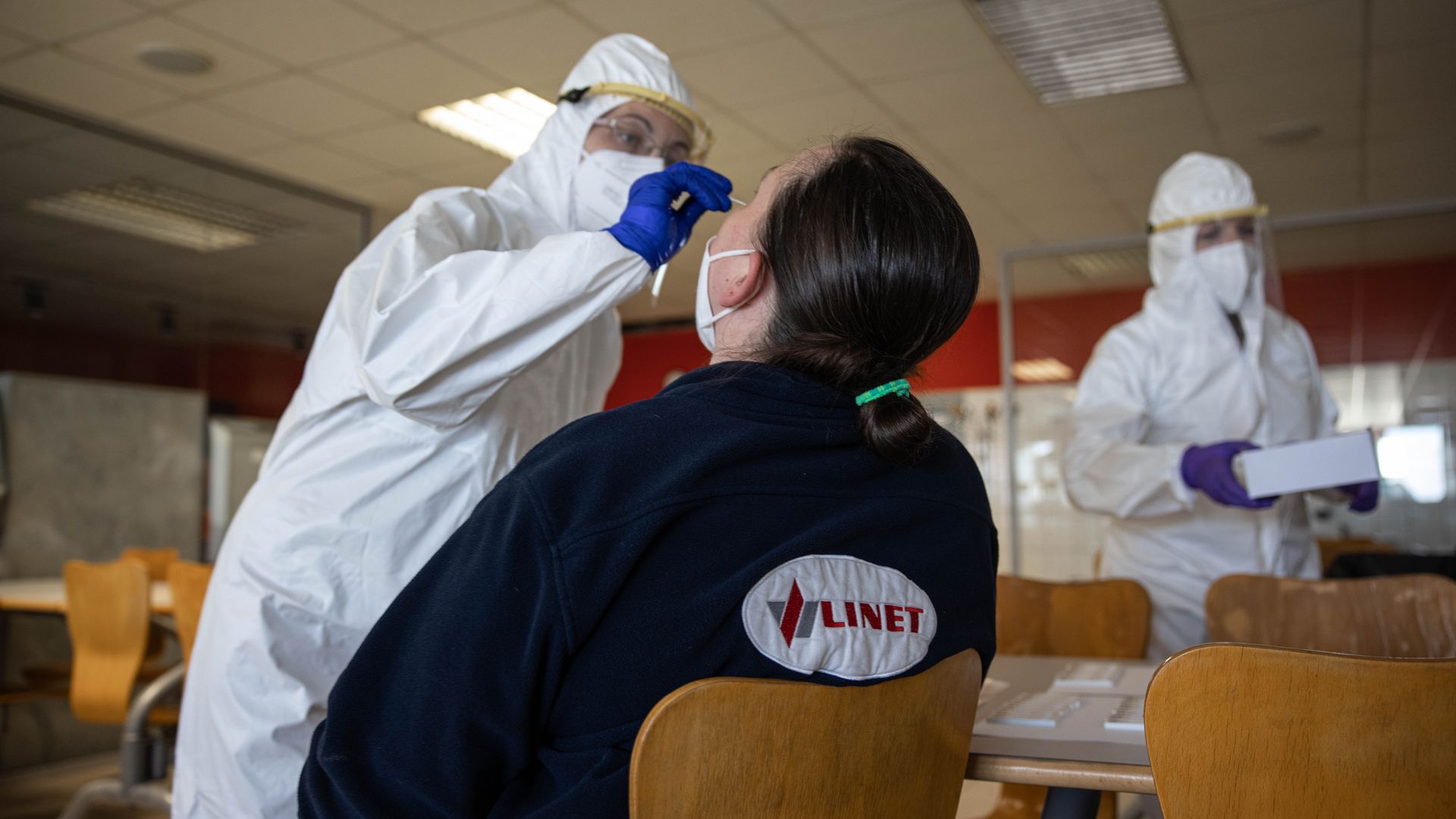
Daily COVID-19 tests in the U.S. have declined by more than a quarter since mid-January.
Why it matters: Even with cases and deaths falling dramatically in recent weeks, the pandemic is far from finished, and less demand for testing could put us a step behind the spread.
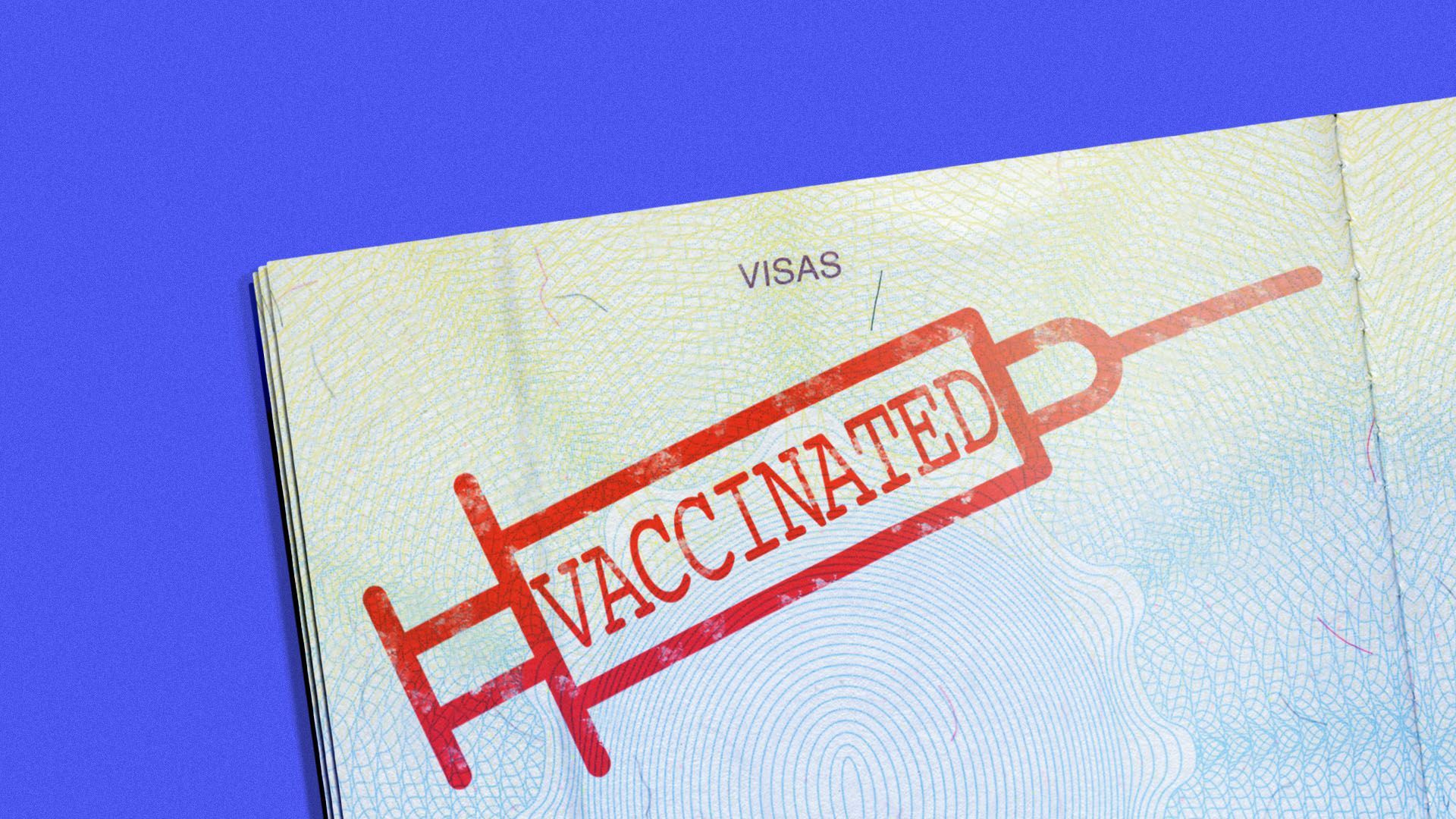
Vaccine passports could become available soon to help people resume their lives — but theyface numerous scientific, social and political barriers to being accepted.
The big picture: Reliable and accessible proof of vaccine-induced protection from the novel coronavirus could speed international travel and economic reopening, but obstacles to its wide-scale adoption are so great it may never fully arrive.