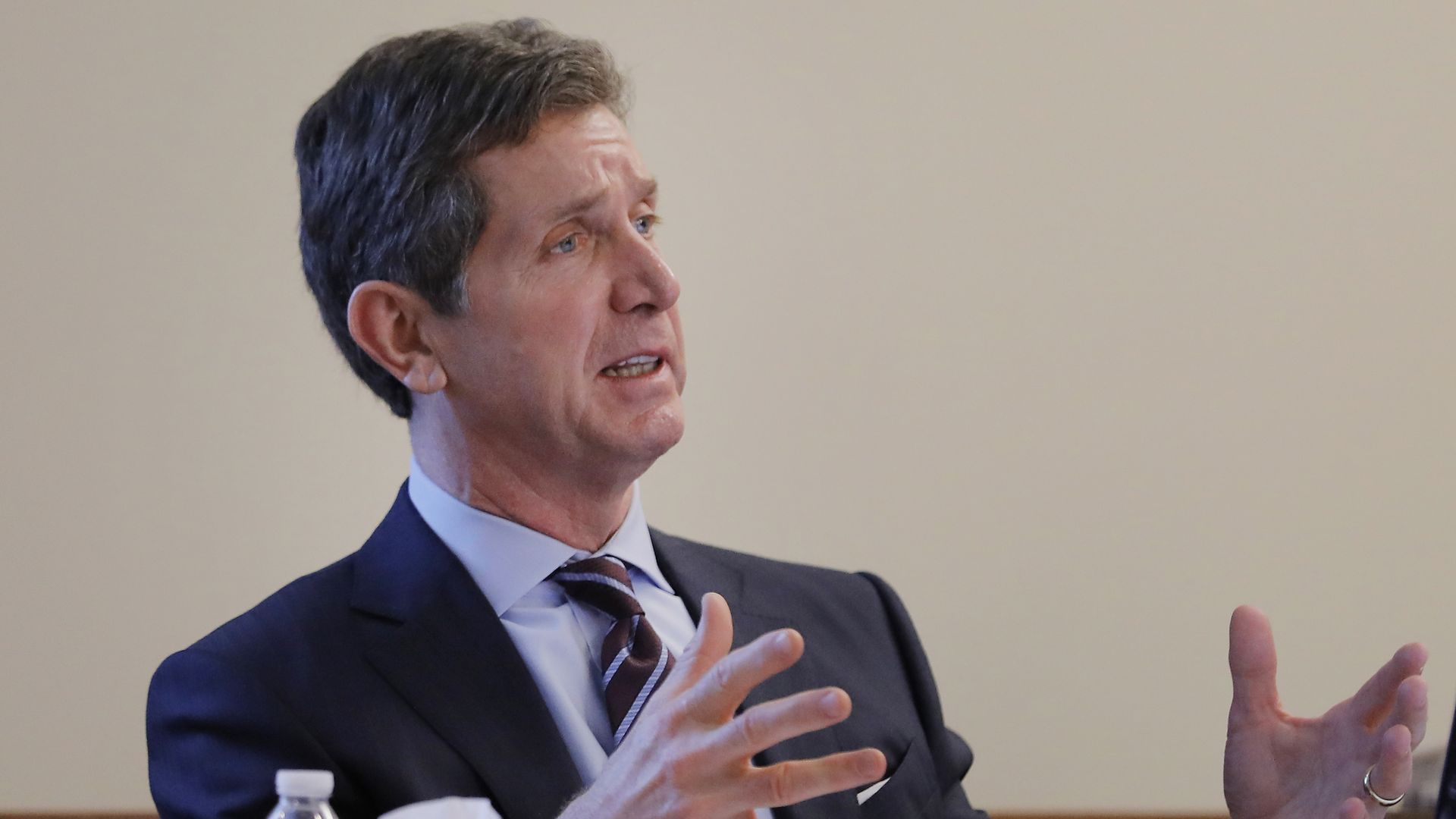
People might need the coronavirus vaccine annually in years to come, much like the seasonal flu shot, Johnson & Johnson CEO Alex Gorsky told CNBC on Tuesday.
What he's saying: "Unfortunately, as [the virus] spreads it can also mutate," Gorsky said at an event. "Every time it mutates, it’s almost like another click of the dial so to speak where we can see another variant, another mutation that can have an impact on its ability to fend of antibodies or to have a different kind of response not only to a therapeutic but also to a vaccine."
Randi Weingarten, president of America's second-largest teachers union, told the Axios Re:Cap podcast that she "was wrong" to say in September she'd support requiring in-school teachers to take a COVID-19 vaccine once readily available.
What she's saying: Weingarten now says that while she thinks teachers should take the vaccine she believes too many people have been scared off by misinformation.
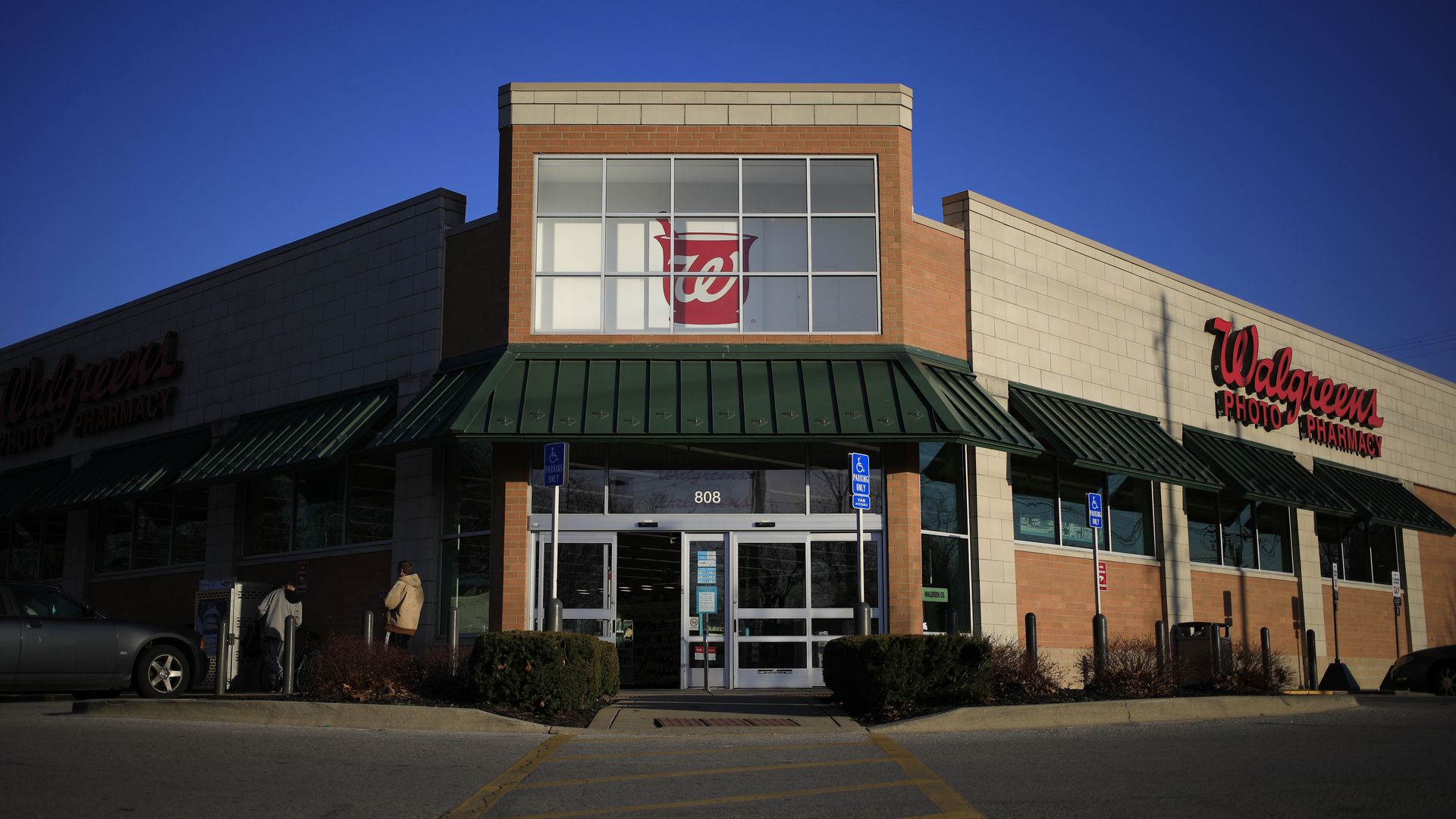
Uber and Walgreens on Tuesday announced they will join forces to offer communities of color free rides to vaccination sites.
Why it matters: The pandemic has disproportionately affected Black and Hispanic people, and initial vaccination data already shows that people of color are being vaccinated at lower rates than white people.
A growing body of research keeps undermining a key tenet of health economics — the belief that requiring patients to pay more out of their own pockets will make them smarter consumers, forcing the health care system to deliver value.
Driving the news: Even a seemingly modest increase in out-of-pocket costs will cause many patients to stop taking drugs they need, according to a new working paper from Harvard economist Amitabh Chandra.
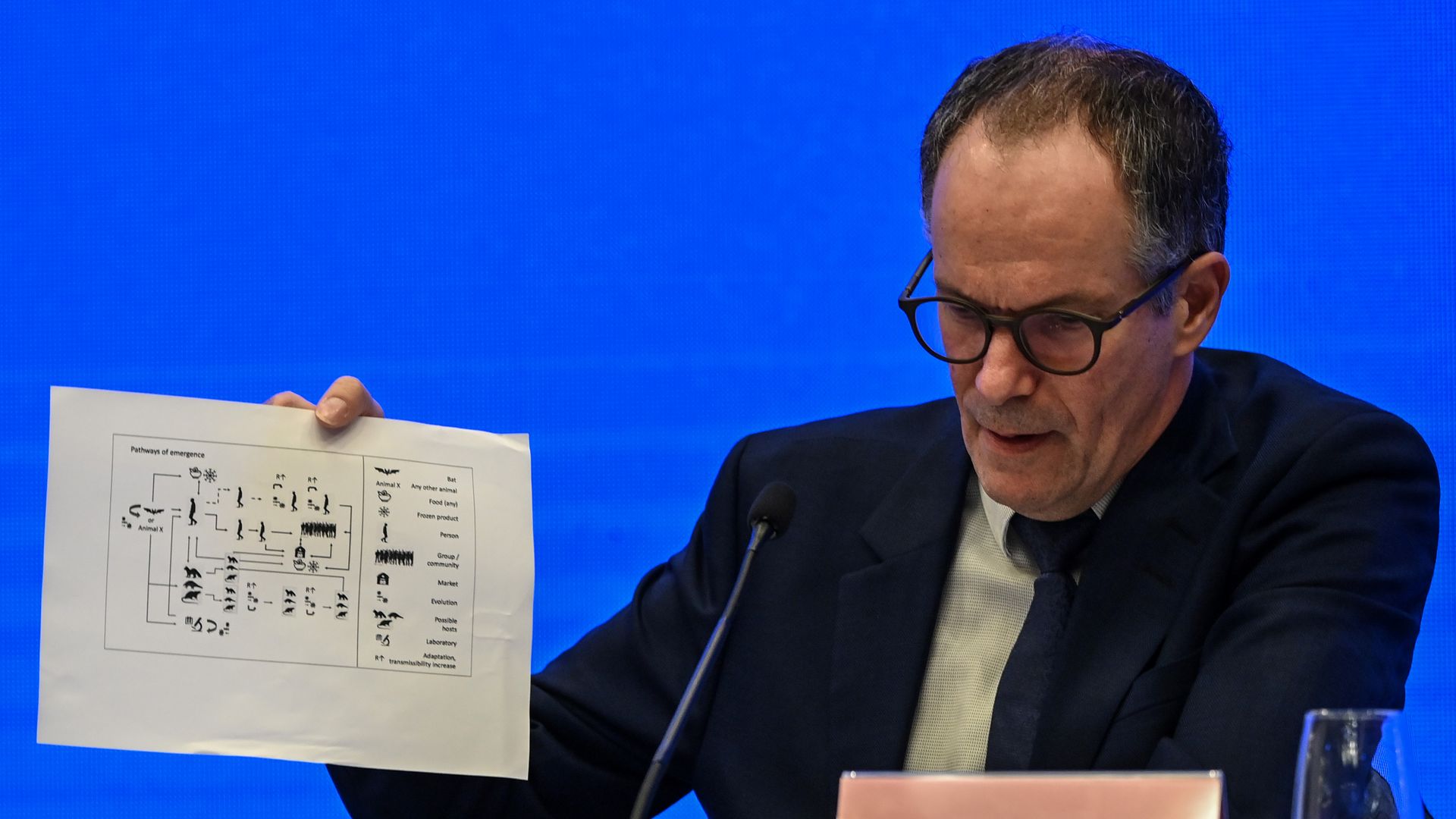
A World Health Organization team researching the origins of COVID-19 in Wuhan said Tuesday that it's "extremely unlikely" the virus came from a laboratory accident, and that it most likely jumped to humans via an intermediate species, per AP.
Why it matters: The Wuhan Institute of Virology, located just under 9 miles from the wet market where some scientists say the outbreak may have began, has been at the center of conspiracy theories over the origins of the virus.
Facebook on Monday became the latest in a run of tech firms and media outlets taking action to stem the tide of COVID-19 vaccine misinformation, but experts worry the scramble to limit vaccination skepticism may be too little, too late.
Why it matters: "With all of these press releases, what we don't understand is, how is it actually going to be operationalized?" says Claire Wardle, the U.S. director of anti-misinformation nonprofit First Draft. "Anti-vaxxers have historically always figured out where the policy guidelines are and figure out a way around them."
Most seniors have not gotten a COVID-19 vaccine yet, according to an analysis from the Kaiser Family Foundation.
Why it matters: There's simply not enough vaccine available right now to take on every priority. Even as states eye the next phase of the process and additional high-risk groups clamor for access, there's still a long way to go just in protecting most vulnerable.
Most Americans aren't convinced that getting the COVID-19 vaccine is the silver bullet to returning to normal life, according to the latest installment of the Axios/Ipsos Coronavirus Index.
The big picture: Our weekly national survey finds broad disagreement and confusion over which cues people intend to follow to decide what behaviors are safe again.
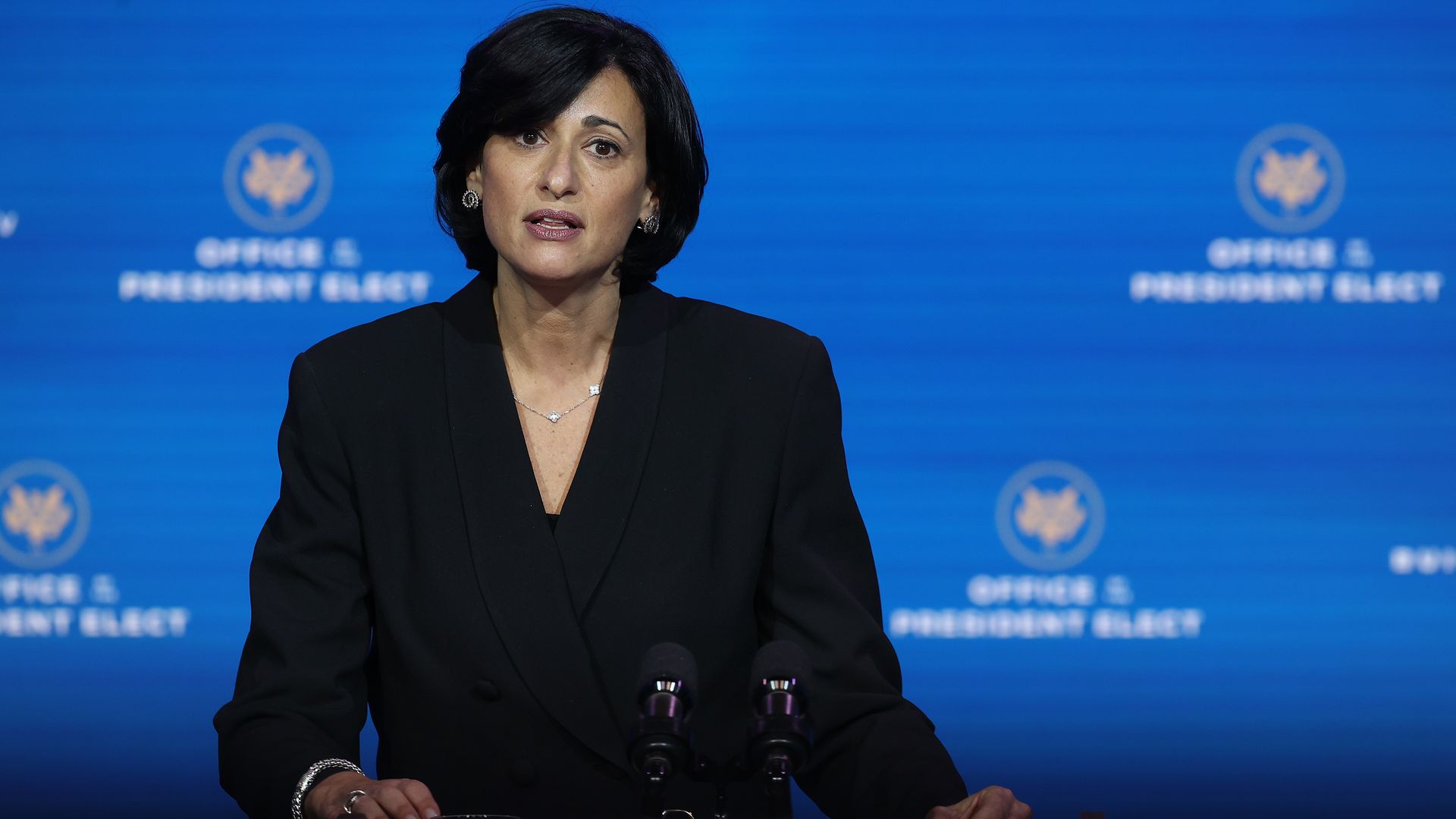
CDC director Rochelle Walensky told the Washington Post on Monday that "a vast minority" of the agency's COVID-19 pandemic response guidelines had been "politically swayed" by some staff appointed by former President Trump.
Driving the news: Walensky said CDC principal deputy director Anne Schuchat was leading a review into the matter and that the agency was updating affected guidelines.
A number of countries around the worldhave fudged official coronavirus statistics, shared artificially sunny outlooks about the pandemic, or cracked down on reports that counter the official narrative.
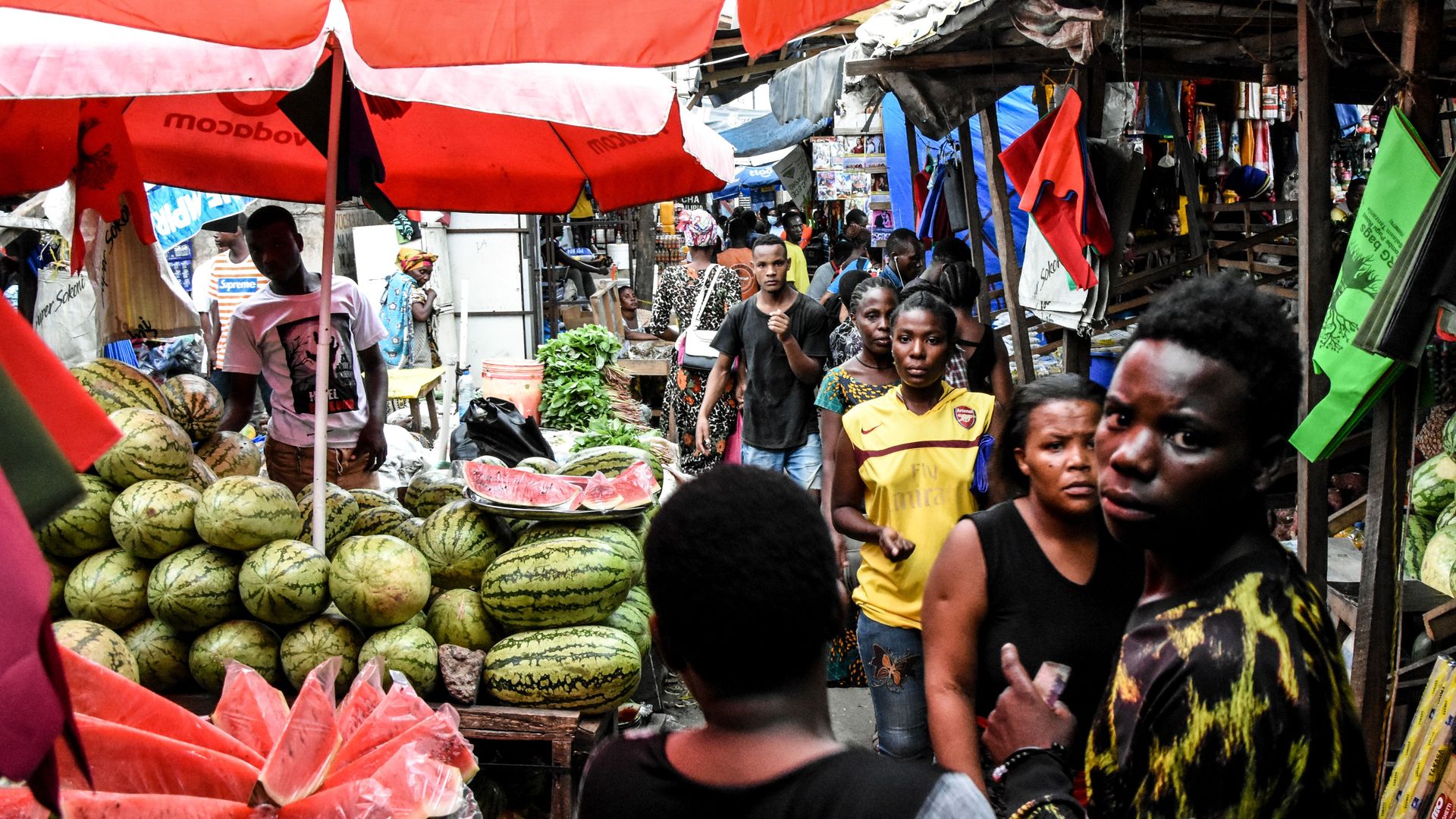
Zoom in: But no country has taken coronavirus denial to the extent of Tanzania — which is not only denying that it has a single case, but it's also rejecting vaccines.