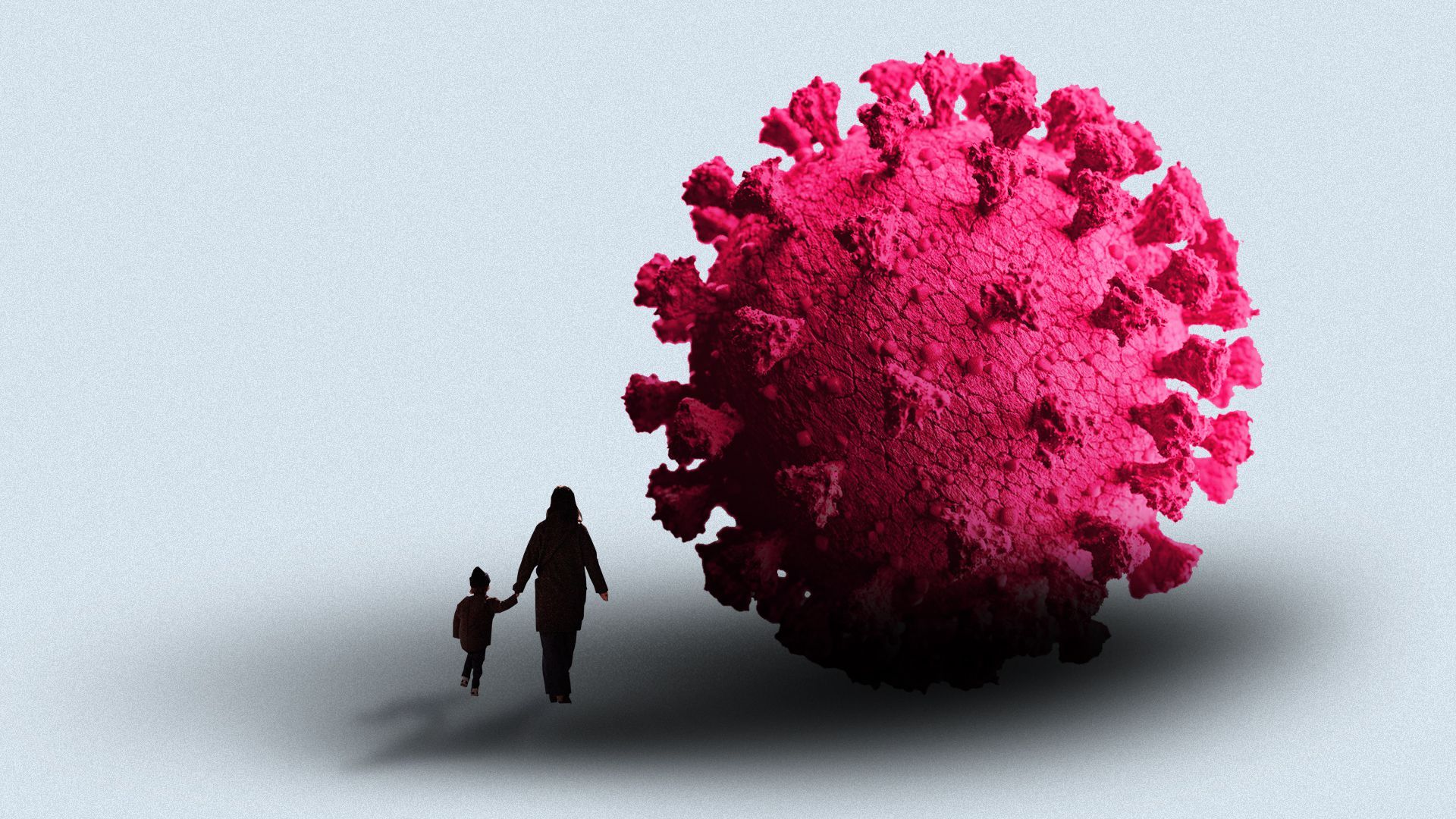
As coronavirus cases continue to surge across the country, many of the hardest-hit states are declining to take meaningful action to slow the spread, the New York Times reports.
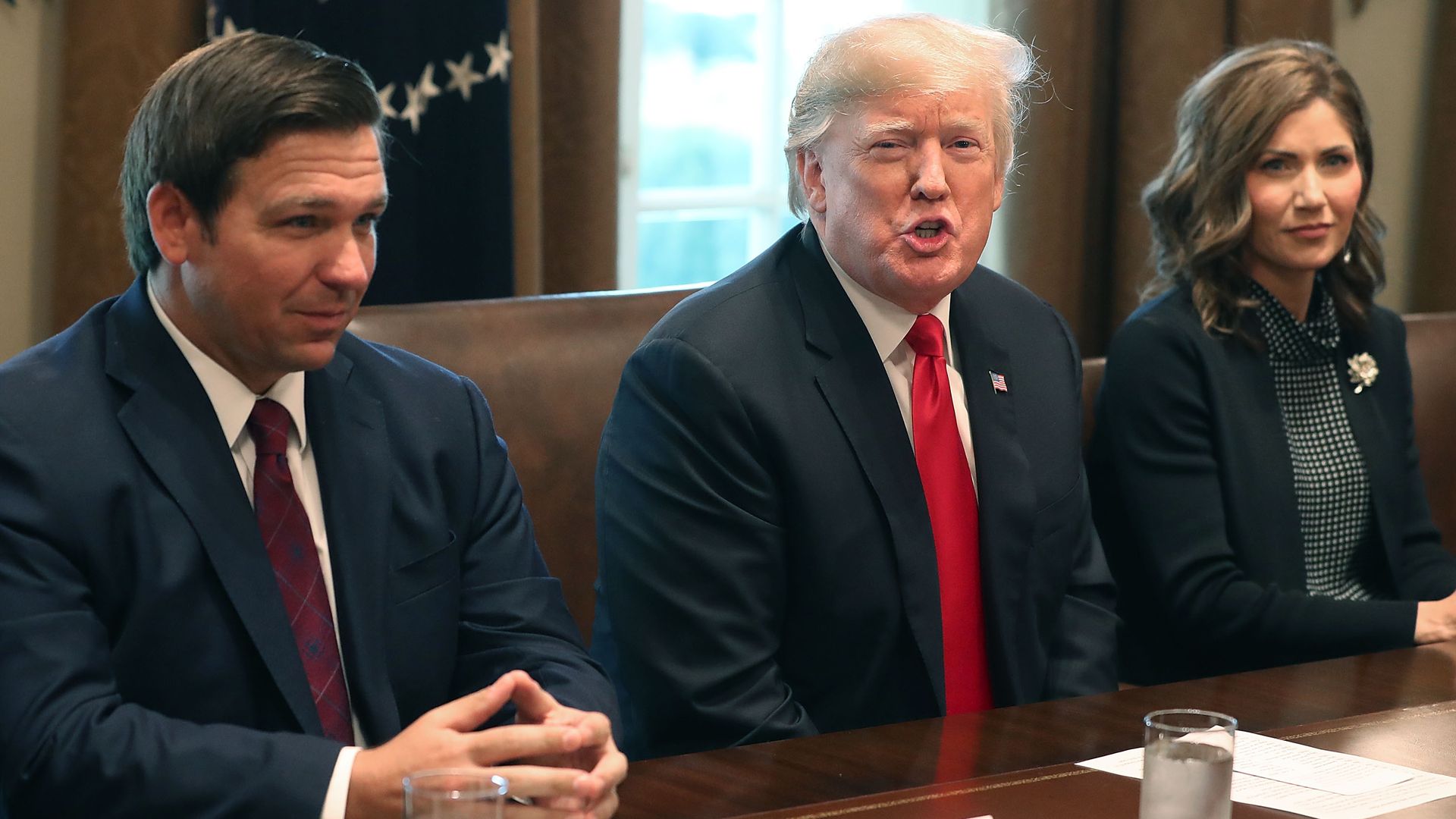
The big picture: Governors, particularly Republicans, are resisting the kinds of restrictions that experts say are necessary to mitigate the virus.
New data reveals pregnant women are at an increased risk for severe illness and death if they contract the coronavirus, the CDC said Monday in a shift from its health advisory from June.
Why it matters: Pregnant women with symptoms of COVID-19 were more likely to require ventilation, and had a 70% increased chance of death compared to non-pregnant women with symptoms.
Who Americans voted for in 2016 is a strong predictor of how they reacted to the deadliest pandemic in a century, according to a new study published in Nature.
Why it matters: The coronavirus doesn't care who someone voted for; it infects and kills whenever it is given the opportunity. By doing less social distancing, Republicans are giving it more opportunities, with predictable results.
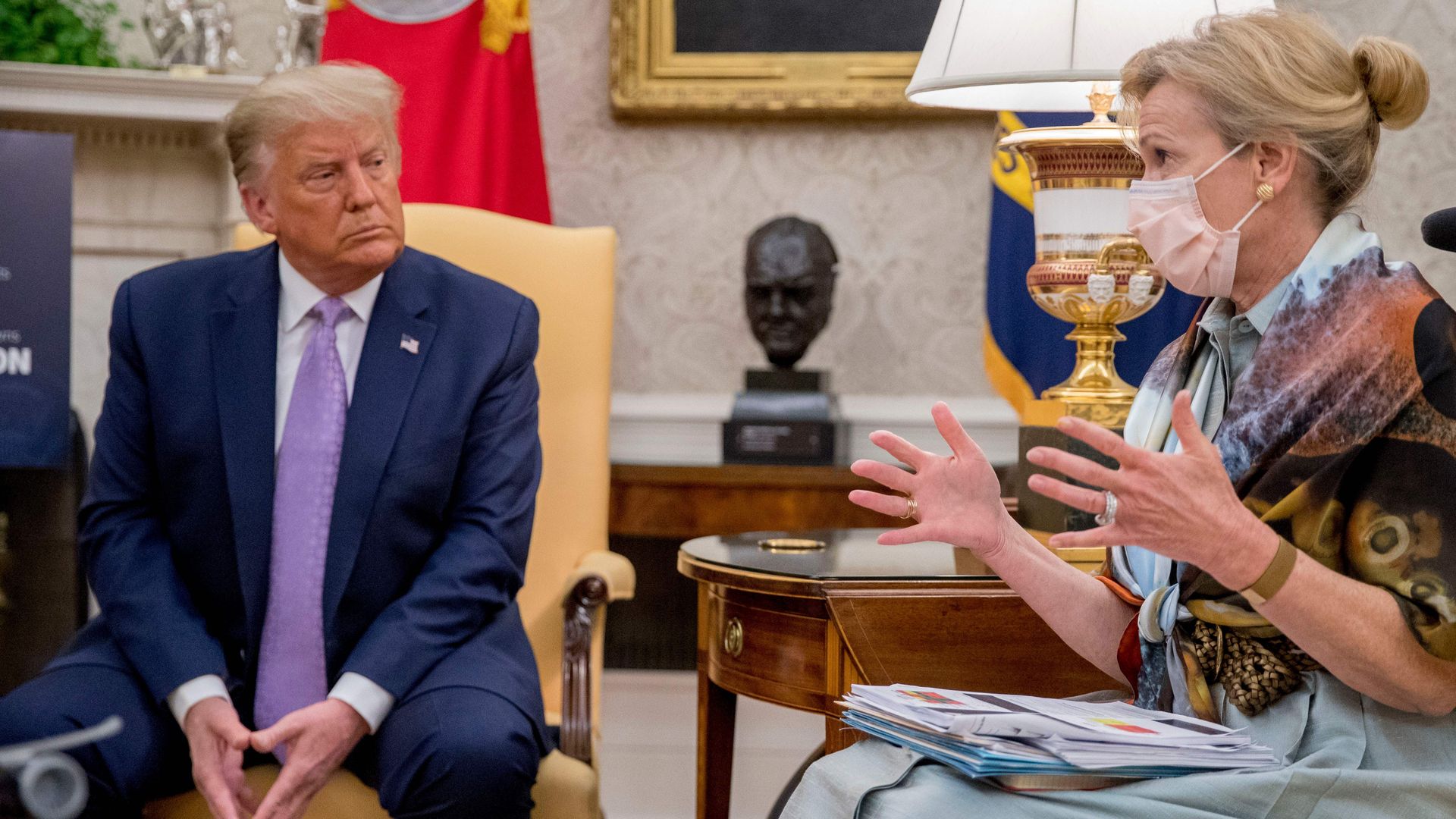
White House coronavirus task force coordinator Deborah Birx said in a memo Monday first obtained by the Washington Post that the U.S. is "entering the most concerning and most deadly phase of this pandemic."
Why it matters: In the memo on the eve of the election, Birx contradicts President Trump's repeated claims that the U.S. is "rounding the corner" in the virus fight, as she calls for "much more aggressive action" on the COVID-19 response.
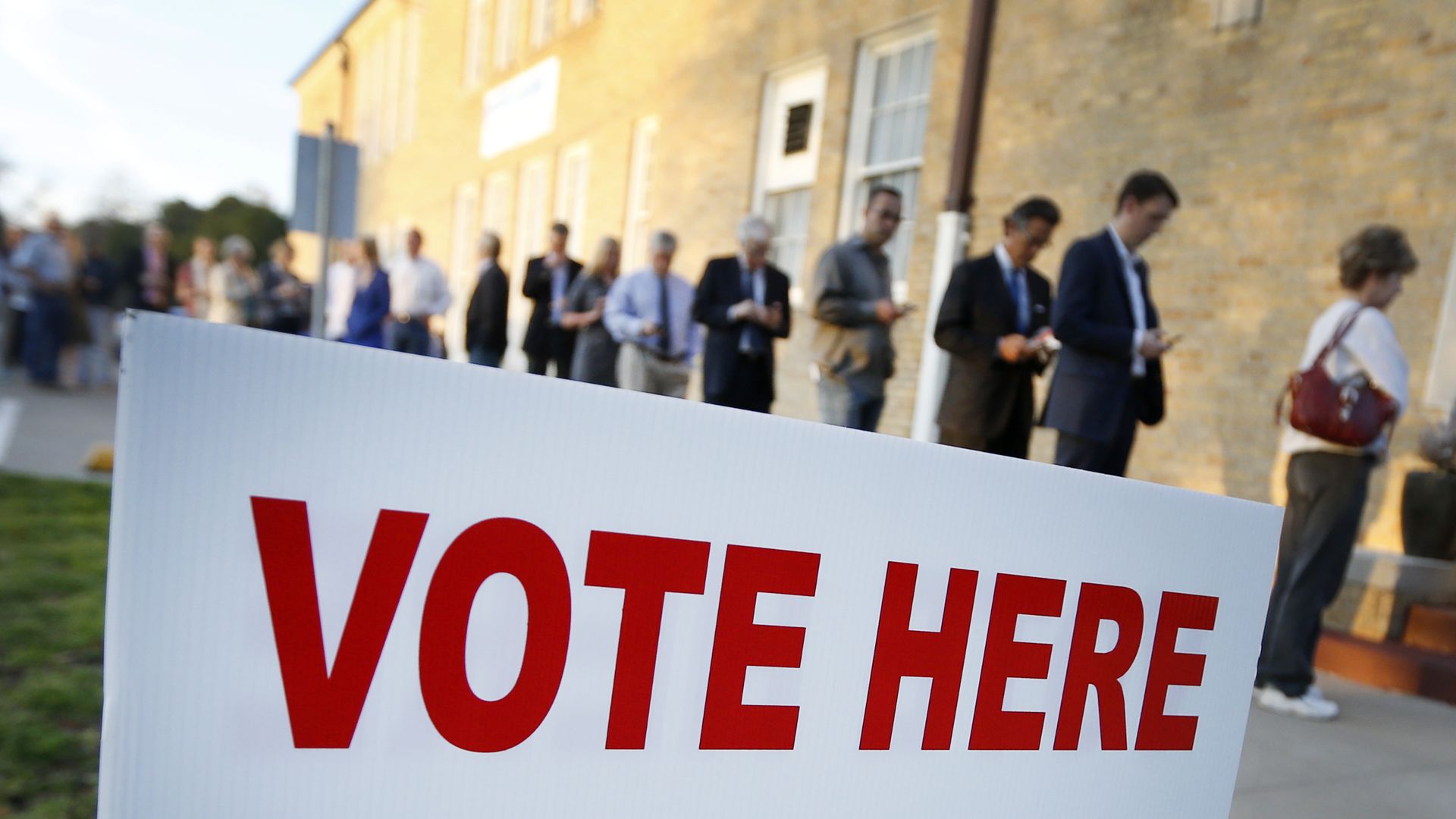
The Centers for Disease Control and Prevention said in a post Monday that people with coronavirus "have the right to vote, regardless of whether they are sick or in quarantine."
The state of play: Voters who are sick should "take steps to protect poll workers and other voters," like washing their hands before and after voting, wearing a mask, and keeping at a distance from others, the CDC wrote.
Europe is swiftly shutting down as the unprecedented spike in new cases hits perilous new heights.
The big picture: Cases are growing uncontrollably across most of the continent. While spikes in hospitalizations and deaths have thus far been less sharp in most countries, fears of overcrowded hospitals are growing. The U.S. may be tracking just two or three weeks behind.
With less than 24 hours until Election Day, there's one truth that applies to every federal elected official running for re-election, from President Trump to the furthest backbencher in Congress: They failed to produce the economic stimulus that almost everyone agrees is needed, including a second wave of PPP loans.
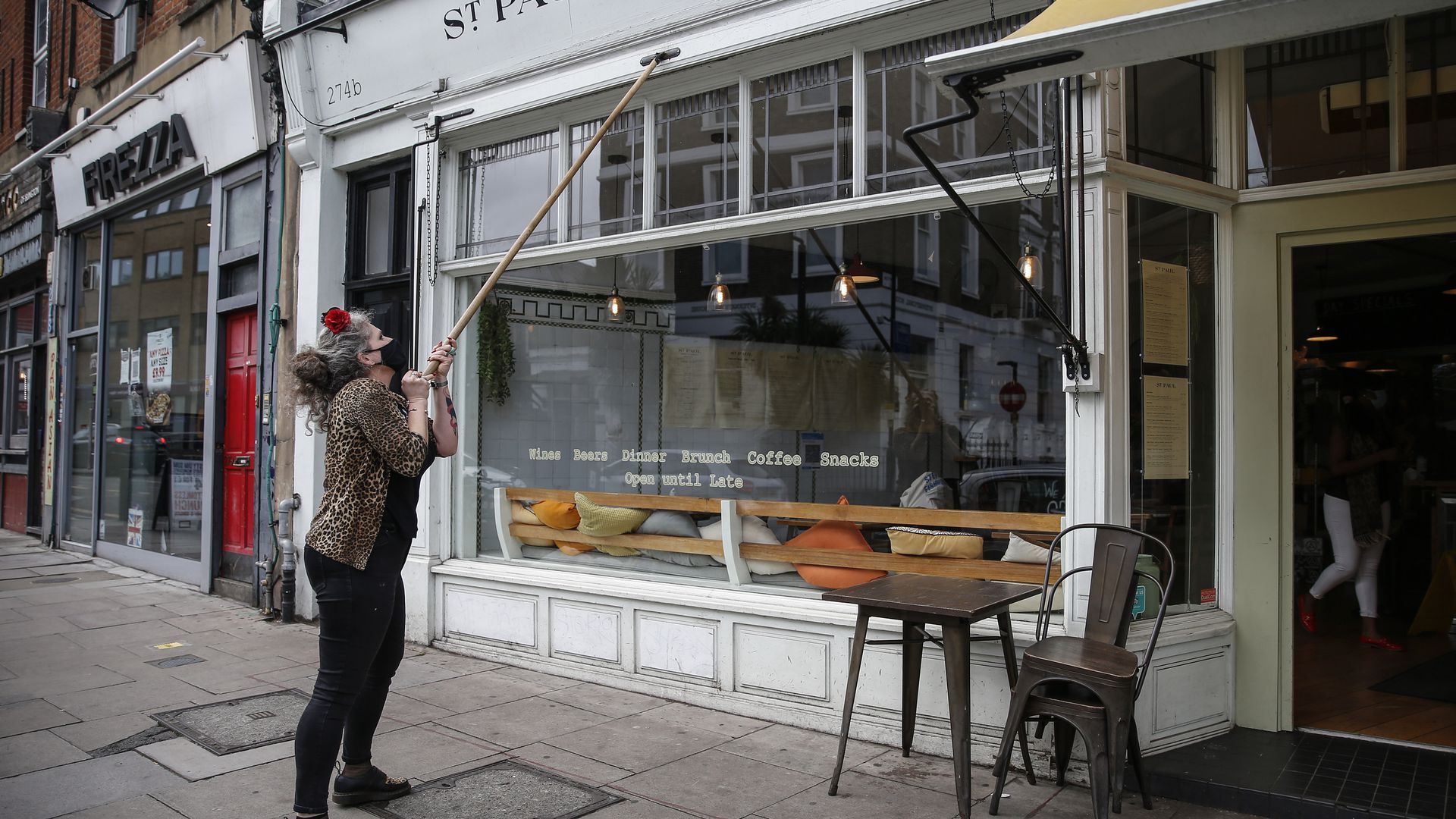
Why it matters: Coronavirus infections and hospitalizations are rising, including in areas that weren't hard hit earlier. Many small businesses and nonprofits have failed since negotiations began in earnest just before Labor Day, and more will fail as politicians sort through the election debris. This didn't need to happen.
America's pro sports leagues sputtered back to life in 2020 with bubbles, comprehensive testing programs and a host of other changes that still seem unimaginable after the fact.
The state of play: The leagues succeeded because they have enormous wealth and were operating mostly in "salvage the season" mode — but now comes the hard part: Figuring out how to do it again — this time from an even worse financial position and amid a third coronavirus wave.
Americans increasingly have no idea where they're catching the virus, and contact tracing efforts are falling apart in the face of the sheer number of cases, NYT reports.
Why it matters: It's much easier to close down a meatpacking plant — or even contain an outbreak in a nursing home — than to contain a virus spreading rapidly through the population from an unknown number of origins.
A slew of European countries have announced new lockdowns over the last week in response to uncontrolled spread of the coronavirus.
Between the lines: Many of these countries are facing the threat of overrun health care systems in the near-term future and, potentially, harrowing decisions about how to ration care, the Washington Post reports.
President Trump vowed to overhaul the health care system, notably saying in one of his first post-election speeches that pharmaceutical companies were "getting away with murder" over their pricing tactics.
Yes, but: Four years later, not a lot has changed. If anything, the health care industry has become more financially and politically powerful.
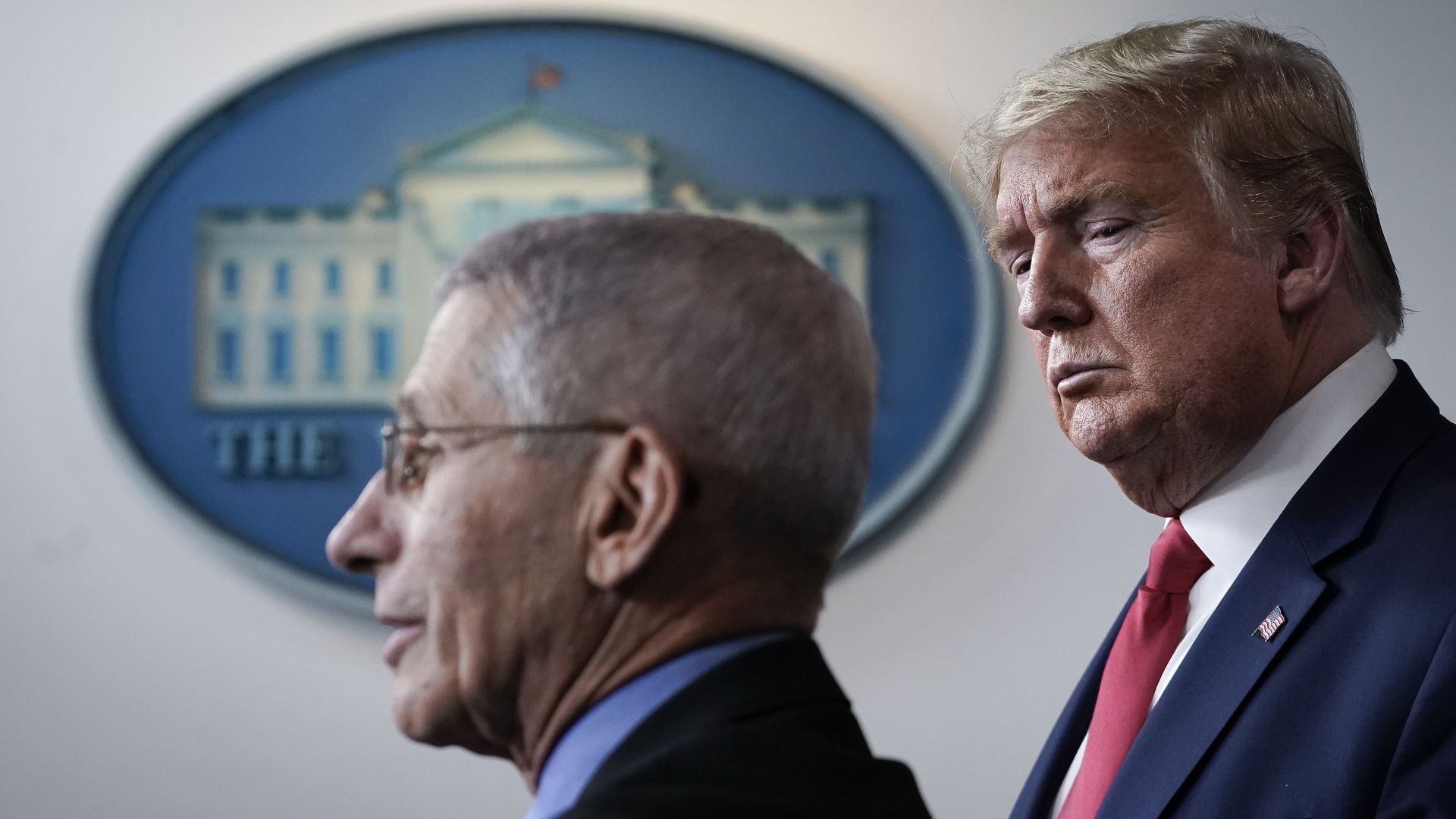
President Trump responded early Monday to chants from the crowd at his Florida campaign rally to fire NIAID director Anthony Fauci by saying, "Don't tell anybody, but let me wait until a little bit after the election."
Why it matters: Trump's remarks at the Opa-locka rally come less than 48 hours before polls close and a day after the White House slammed Fauci for telling the Washington Post the U.S. "could not possibly be positioned more poorly" in responding to the coronavirus pandemic.