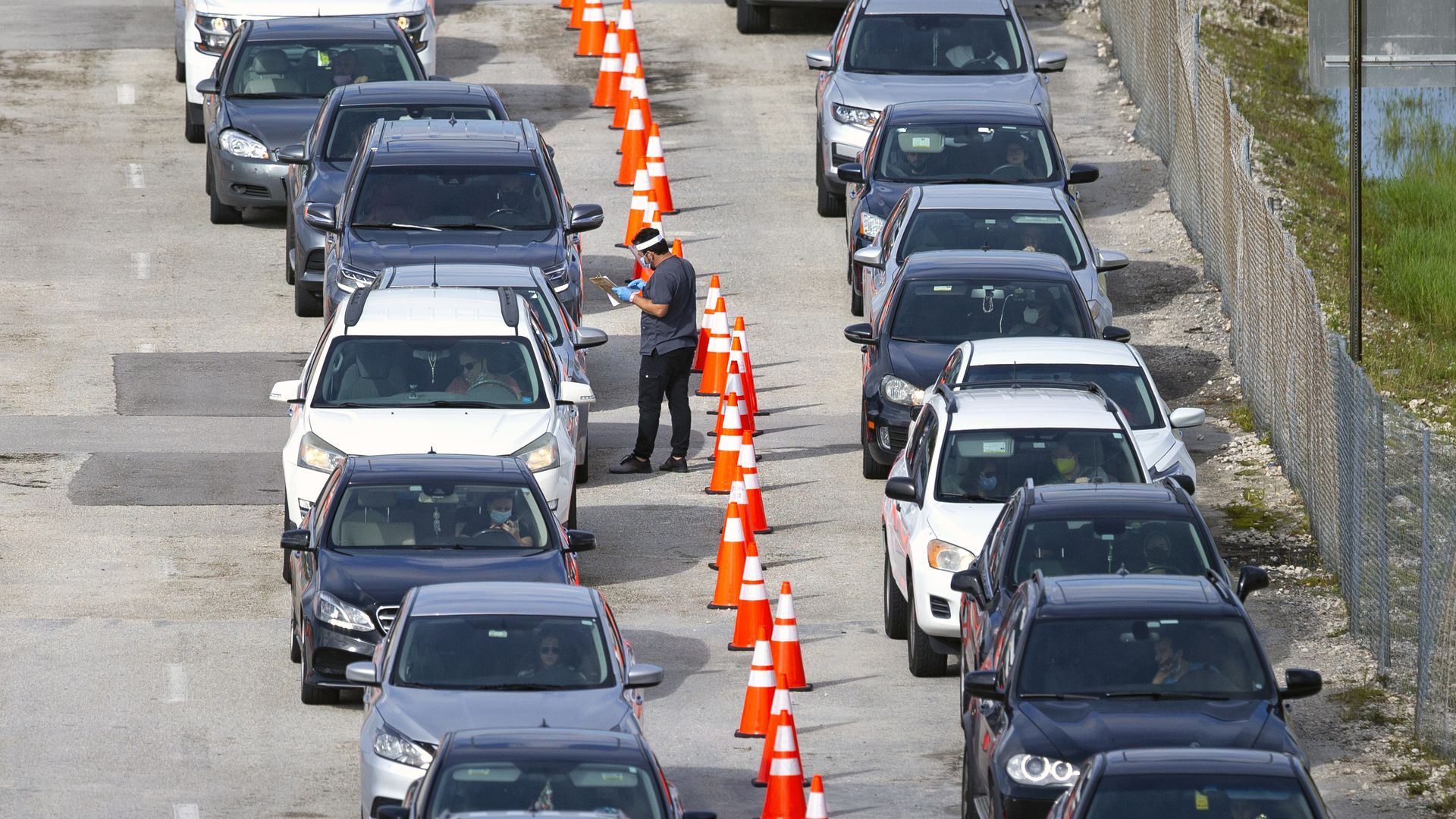
Coronavirus cases and hospitalizations are surging, particularly in areas that had been largely spared this spring. One big question now is whether hospitals are better prepared for this new wave, including if they'll be able to continue providing elective services.
Axios Re:Cap digs into what hospitals have, and what they still need, with Lloyd Dean, CEO of CommonSpirit Health, one of America's largest operators of hospitals and health clinics.
The Centers for Disease Control and Prevention announced Friday it's replacing its "no-sail" order on U.S. cruises with a less restrictive "Conditional Sailing Order," setting the stage for the phased resumption of passenger cruise line travel.
Why it matters: Cruise ships were the sites of some of the most severe coronavirus outbreaks early in the pandemic, before the industry shut down in March.
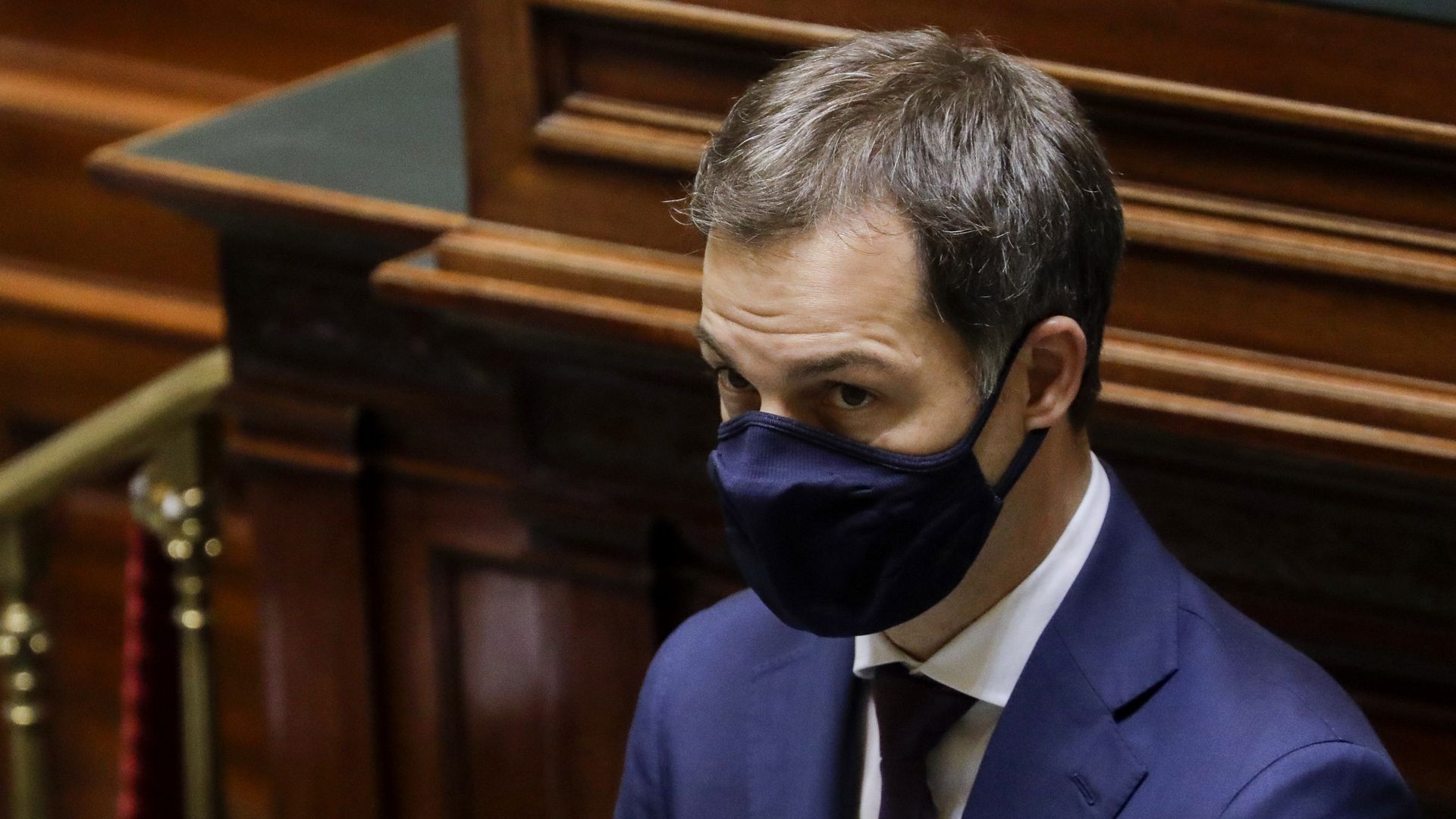
Belgium is enforcing a strict lockdown starting Sunday amid rising coronavirus infections, hospital admissions and a surge of deaths, Prime Minister Alexander De Croo announced on Friday.
Why it matters: De Croo said the government saw no choice but to lock down "to ensure that our health care system does not collapse." Scientists and health officials said deaths have doubled every six days, per the Guardian.
The economy will not return to the "pre-pandemic level of activity" until the fourth quarter of 2021, the chief economist at the Conference Board, Dana Peterson, said in an Axios virtual event on Friday, foreseeing "many more quarters of weakness."
Why it matters: Peterson said the economy's recovery will depend on governments reopening businesses and "allowing mobility both internally and externally," as well as on the handling of the coronavirus pandemic.
Antibody treatments are showing promise as an important tool against the coronavirus, but there aren't going to be a lot of them at first and they could also come with hefty price tags.
Driving the news: Regeneron announced on Wednesday that its antibody cocktail reduced infected patients’ need to visit the doctor or go to the hospital by 57% — but there are only 50,000 doses available right now, Stat reports.
The nationwide surge in coronavirus cases is forcing many school districts to pull back from in-person instruction.
Why it matters: Remote learning is a burden on parents, teachers and students. But the wave of new infections, and its strain on some hospitals' capacity, makes all forms of reopening harder to justify.
Operation Warp Speed has an Achilles' heel: States need billions to distribute vaccines — and many say they don't have the cash.
Why it matters: The first emergency use authorization could come as soon as next month, but vaccines require funding for workers, shipping and handling, and for reserving spaces for vaccination sites.
The United States reported 88,452 new coronavirus cases on Thursday, setting a single-day record, according to data from the COVID Tracking Project.
The big picture: The country confirmed 1,049 additional deaths due to the virus, and there are over 46,000 people currently being hospitalized, suggesting the U.S. is experiencing a third wave heading into the winter months.
The coronavirus pandemic is worsening, both in the U.S. and abroad, with cases, hospitalizations and deaths all rising.
Axios Re:Cap digs into the state of global vaccine development — including why the U.S. and China seem to going at it alone — with medicinal chemist and biotech blogger Derek Lowe.
In September, Health and Human Services spokesperson Michael Caputo privately pitched one branch of the agency's $250 million coronavirus ad campaign with the theme: "Helping the President will Help the Country," according to documents released by House Democrats on the Oversight Committee on Thursday.
Why it matters: These are the latest documents that suggest the deep politicization of the Trump administration's coronavirus response.
Many of the states where coronavirus cases have recently skyrocketed are also seeing the highest death rates in the nation, a painful reminder that wherever the virus goes, death eventually follows.
Between the lines: Deaths usually lag behind cases by a few weeks. Given America's record-high case counts, it's reasonable to expect that death rates across the country will continue to rise in tandem.
In the final week before Election Day, new coronavirus infections have soared to an all-time high — virtually guaranteeing that the pandemic will be the most prominent issue in America as voters prepare to choose the next president.
The big picture: Cases are surging and local hospitals are straining at the very moment that voters are choosing between President Trump, who continues to insist that the pandemic is almost over, and Joe Biden, who has made the crisis a centerpiece of his campaign.
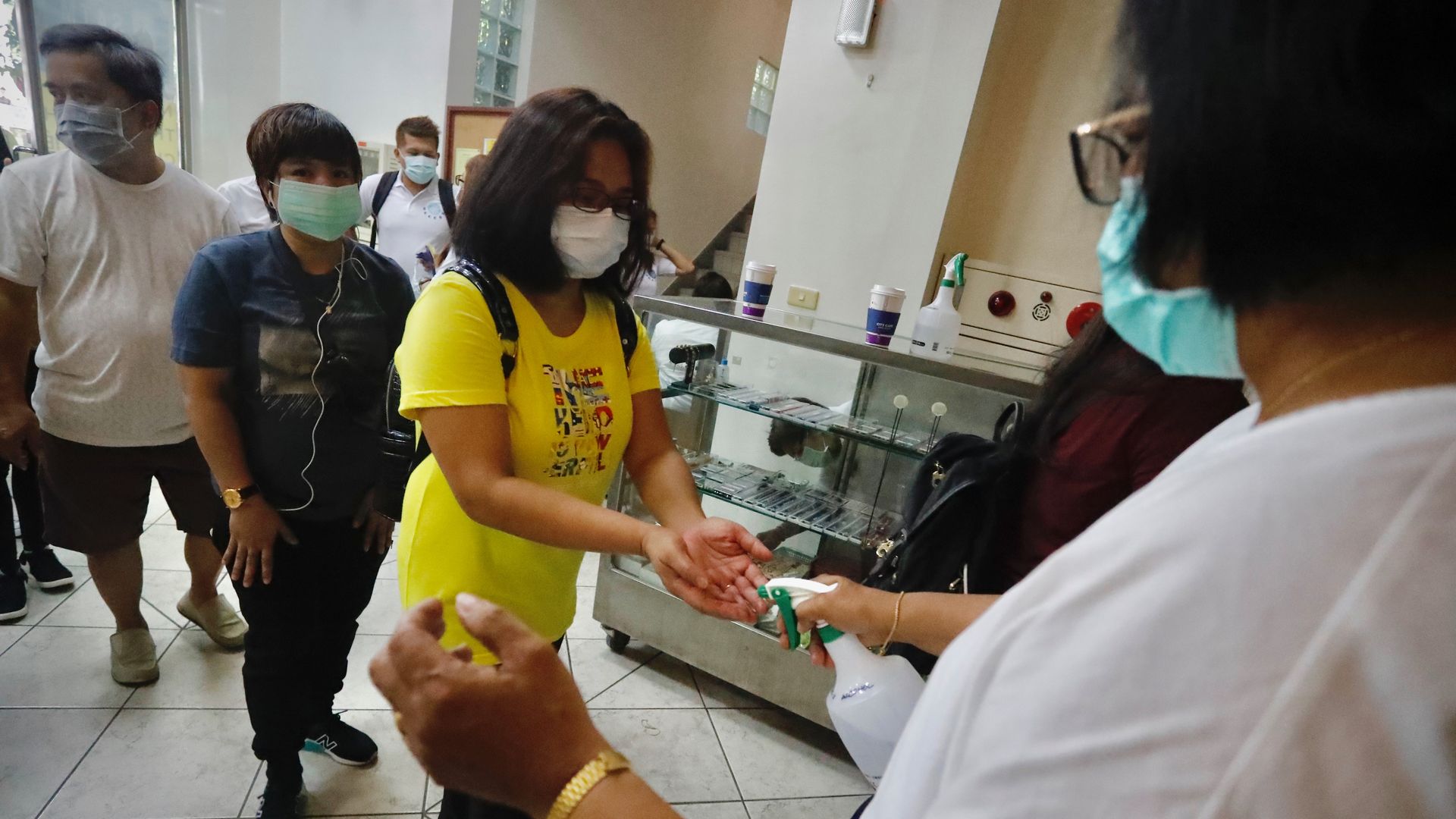
Taiwan on Thursday marked no locally transmitted coronavirus cases for 200 days, as the island of 23 million people's total number of infections reported stands at 550 and the COVID-19 death toll at seven.
Why it matters: Nowhere else has reached such a milestone. While COVID-19 cases surge across the U.S. and Europe, Taiwan's last locally transmitted case was on April 12. Experts credit tightly regulated travel, early border closure, "rigorous contact tracing, technology-enforced quarantine and universal mask wearing" and the island state's previous experience with the SARS virus for the achievement, per Bloomberg.
Gen. David Thompson, the Space Force’s vice chief of space operations, is self-quarantining and working from home after testing positive for COVID-19, per a news release issued Wednesday evening.
The big picture: Officials are following guidelines that include contact tracing and quarantining, "if needed," said the statement, which didn't mention if any other military personnel had recent contact with Thompson. He took the test after a close family member tested positive for the virus. It comes three weeks after members of the Joint Chiefs of Staff went into quarantine following Adm. Charles Ray's positive coronavirus test results.
NIAID director Anthony Fauci told the Journal of the American Medical Association on Wednesday he doesn't expect a COVID-19 vaccine to be ready until January 2021 or later.
What he's saying: Fauci said during the interview that the U.S. was in a "bad position" after failing to keep case numbers down post-summer. "We should have been way down in baseline and daily cases and we’re not," he said.