America's great economic reopening is hitting a major snag, just like the public health experts warned.
Why it matters: Confirmed case counts are soaring to the point where Texas Gov. Greg Abbott is pausing the state's reopening and canceling elective surgeries to stockpile PPE.
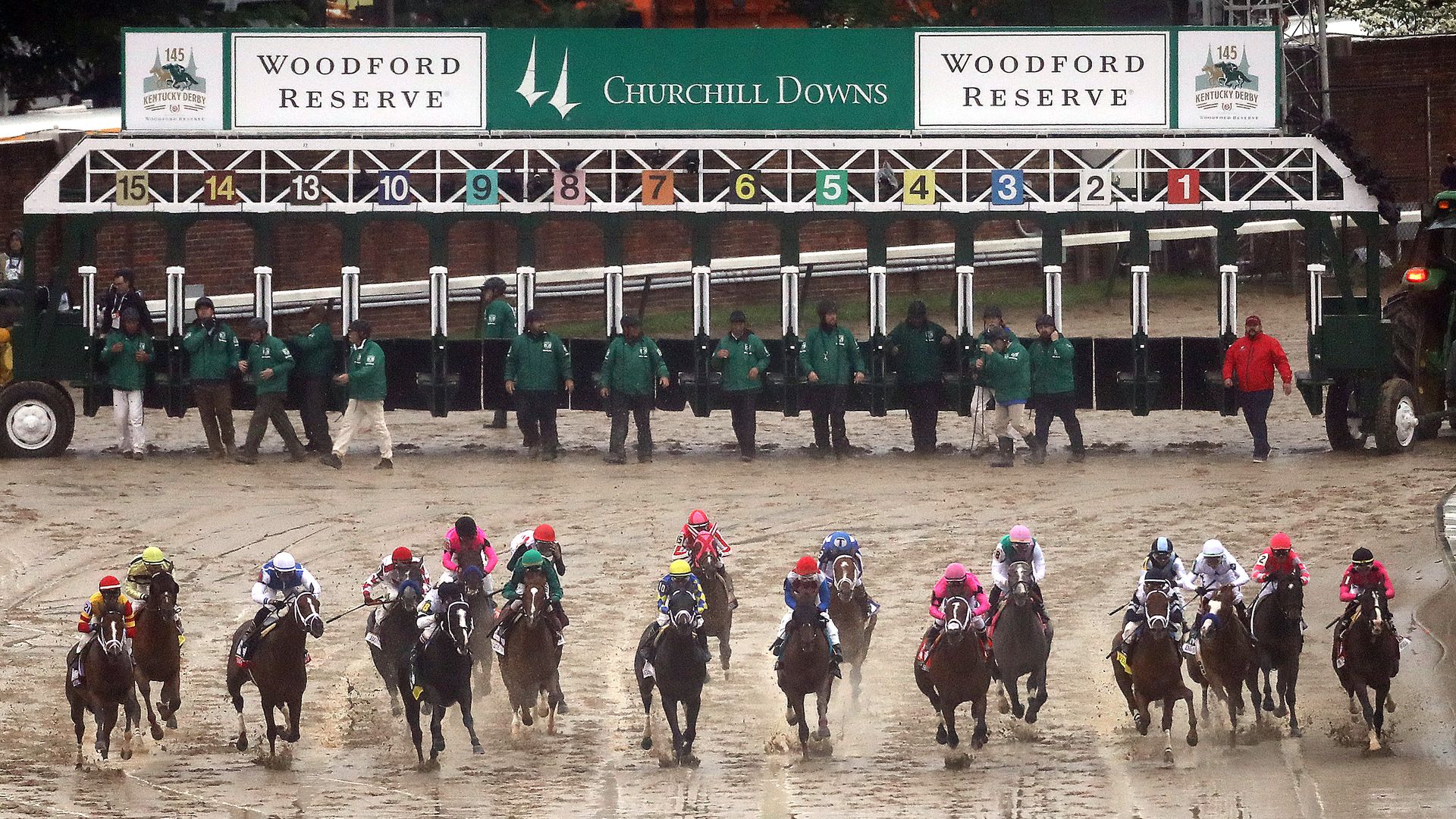
The Kentucky Derby has been rescheduled for September 4-5, and is expected to allow spectators on site, but will impose COVID-19 precautions including limited occupancies and barn access, as well as encouraging guests to wear face masks, per a Thursday announcement.
Why it matters: The Derby, usually held in May, is the world's most famous horse race. Kentucky itself has seen a plateau in coronavirus cases, according to state data, and has not experienced the spikes that other states across the U.S. have amid reopening plans.
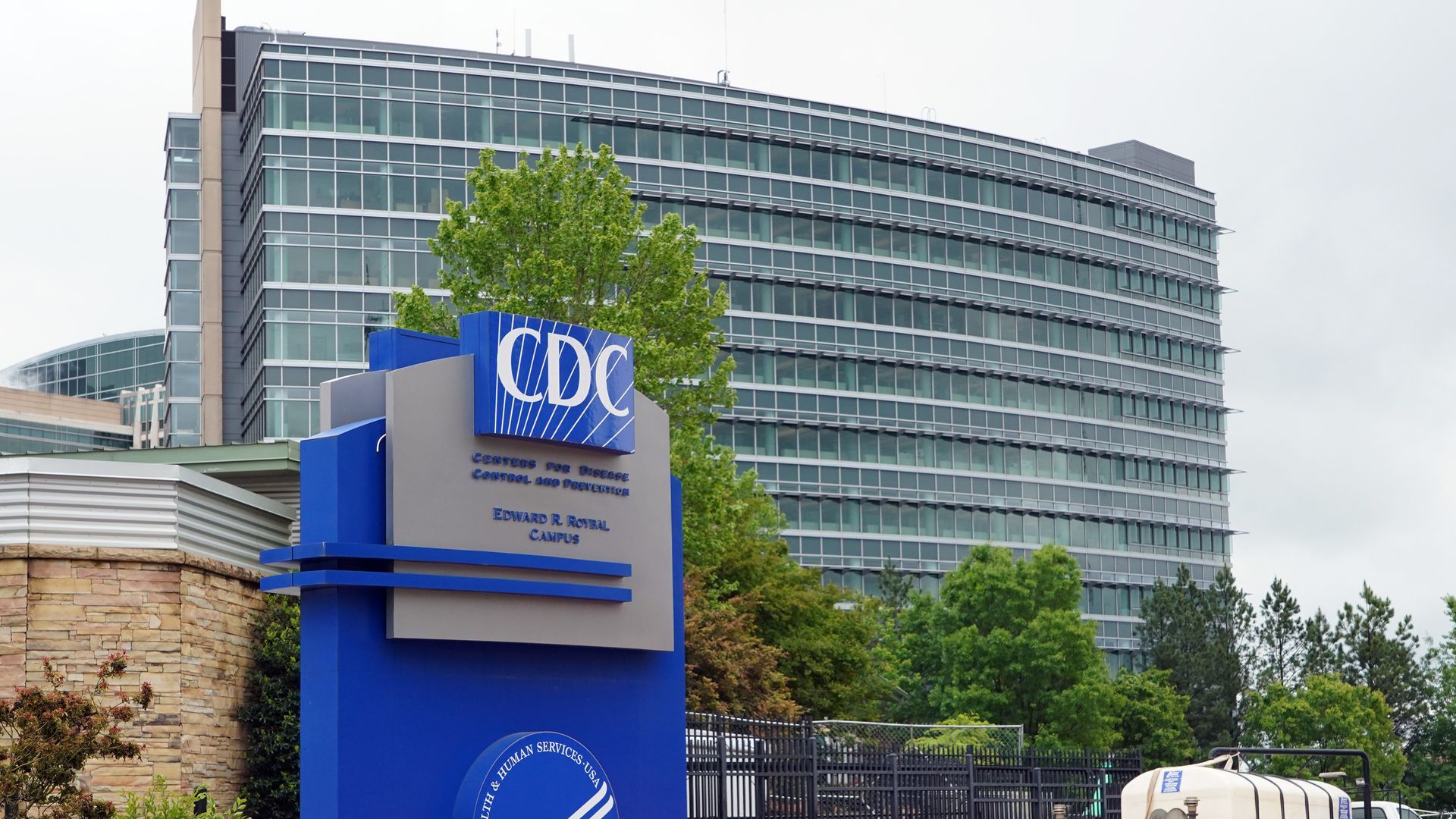
The Centers for Disease Control and Prevention expanded its warnings Thursday to include more demographic groups at risk for the coronavirus such as younger people who are obese and who have underlying health problems.
Why it matters: The shift reflects what states and hospitals have been seeing since the pandemic began, which is that young people can get seriously ill from COVID-19. Much of the directive was focused on those with preexisting conditions and individuals who are 65 or older.
A more realistic estimate of the total number of U.S. coronavirus cases could be as high as 23 million — 10 times the 2.3 million currently confirmed cases — the CDC said Thursday on a call with reporters.
Why it matters: The estimate comes after the agency tracked blood samples across the country during testing for COVID-19 antibodies. "Our best estimate right now is that for every case that's reported, there actually are 10 other infections," CDC director Robert Redfield said.
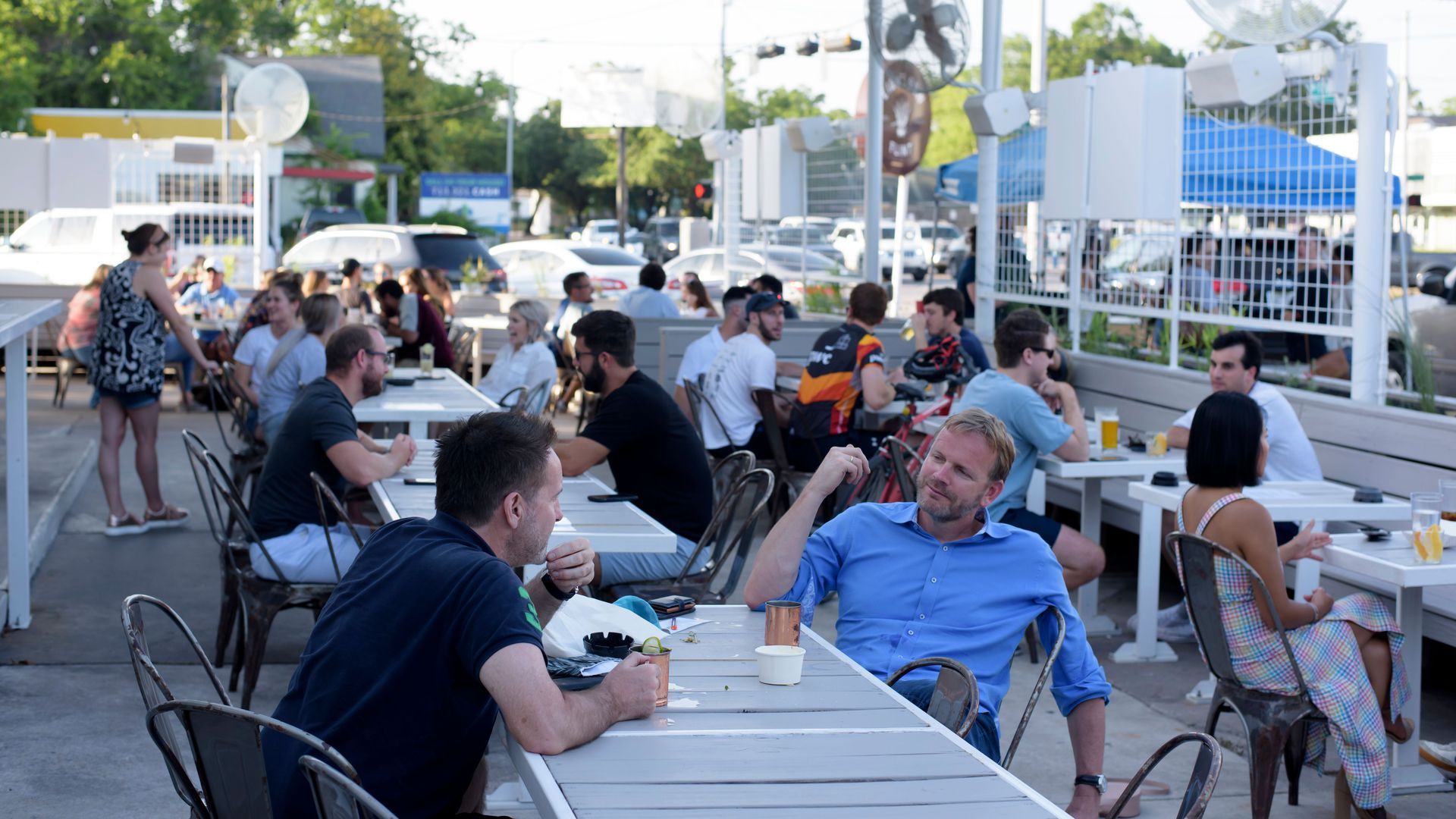
The state of play: Abbott said the move "will help our state corral the spread until we can safely enter the next phase," but allowed businesses — including restaurants and bars — already open under the state's guidelines to remain in operation.
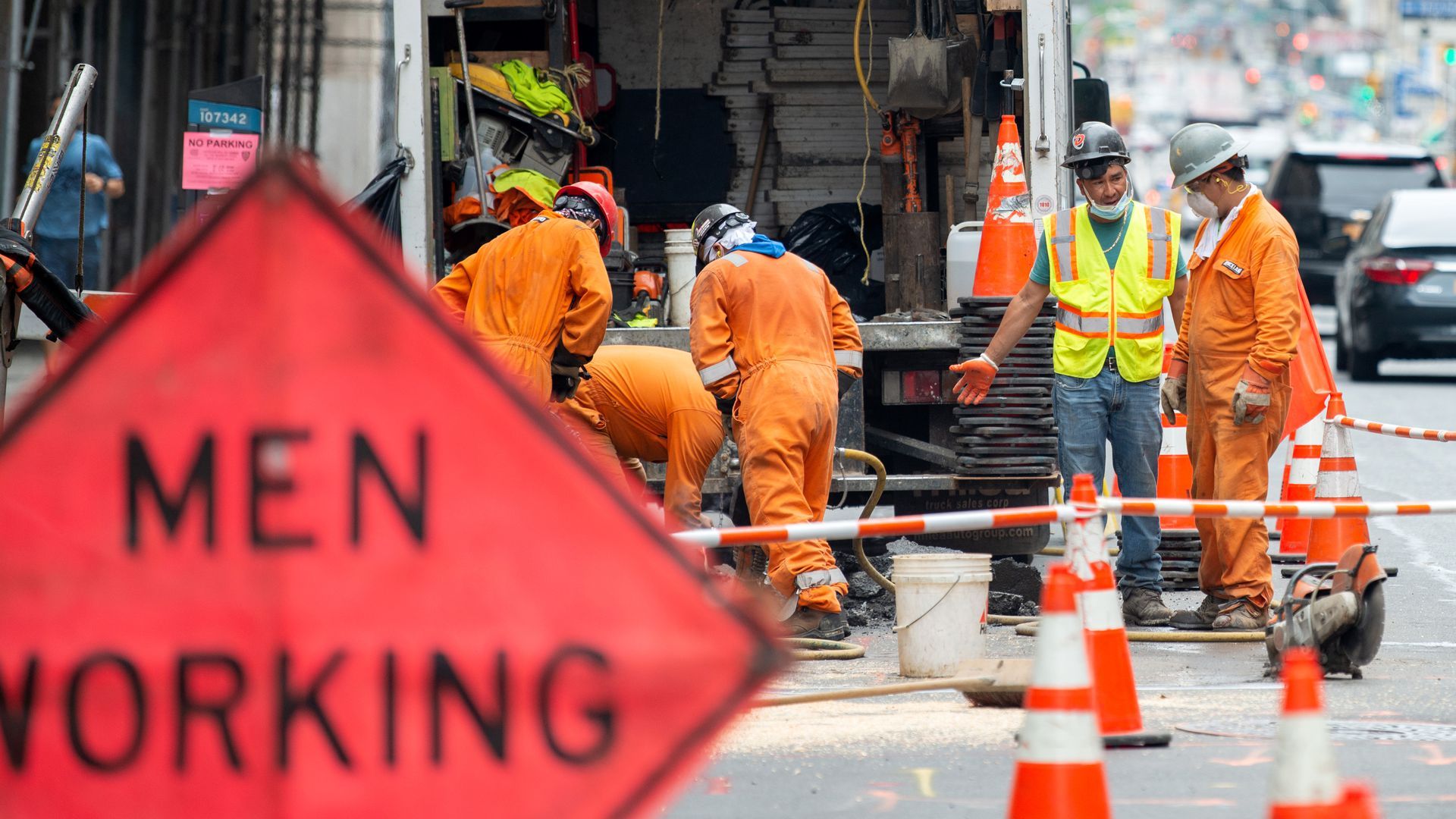
Major infrastructure projects have been put on ice, economic development programs are getting the ax, and workers are losing their jobs.
Why it matters: These are the realities for localities dealing with multimillion-dollar budget holes while also continuing to pour money into COVID-19 response as cases spike.
Another 1.5 million Americans filed for unemployment benefits last week, the Labor Department announced Thursday.
Why it matters: The number of newly filed jobless claims has steadily dropped since peaking in March, but the pandemic is still forcing more than a million workers to the ranks of unemployment each week — over twice the all-time record seen before the coronavirus hit.
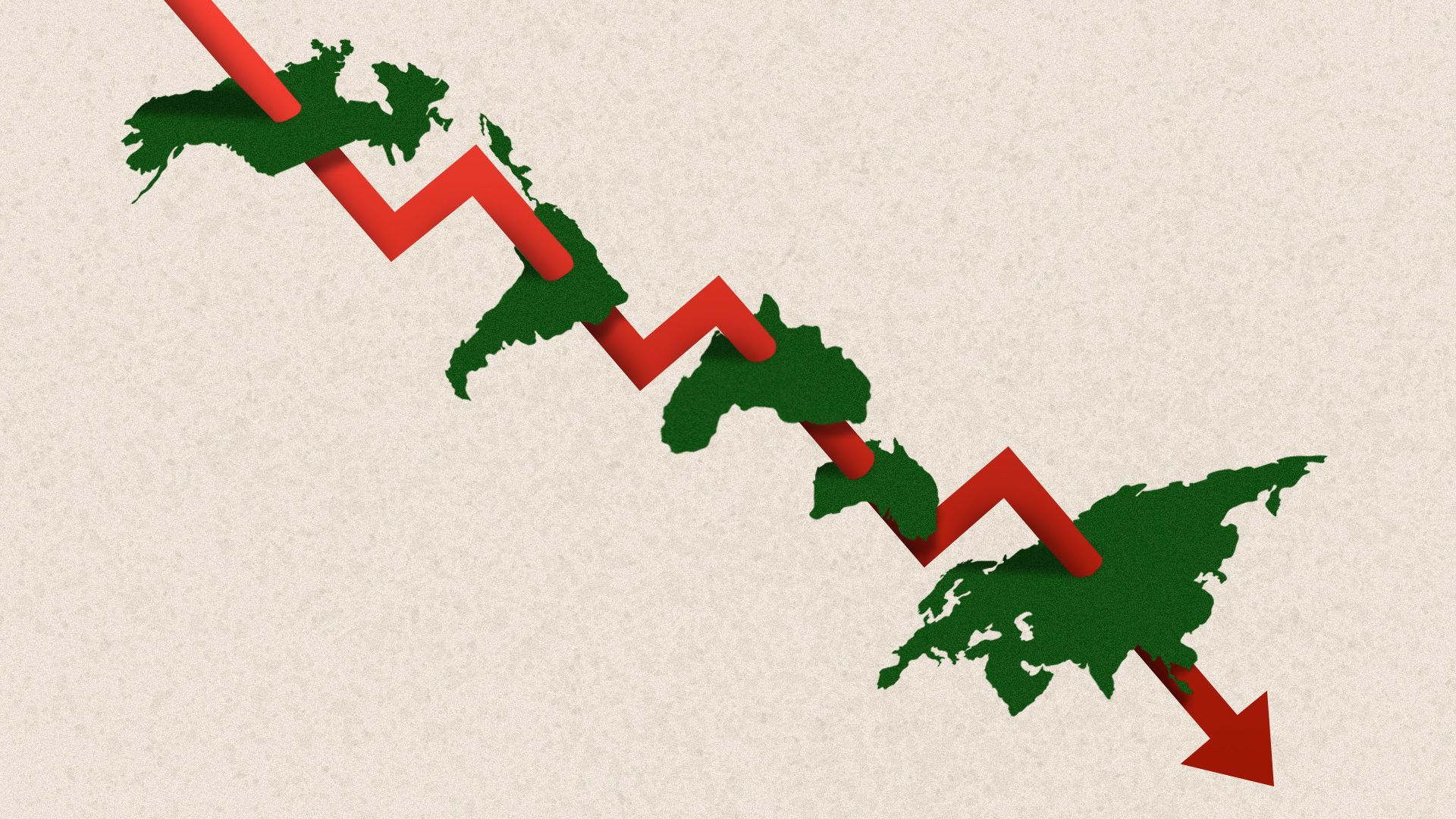
The coronavirus pandemic's spread around the globe looks to be intensifying, bringing closer a worst-case scenario in which many of the world's developing countries are left with economic damage that is deep and long-lasting.
Why it matters: The Great Lockdown, as the IMF calls it, is pushing the world into a synchronized recession unlike any seen before.
The coronavirus pandemic is getting dramatically worse in almost every corner of the U.S.
The big picture: The U.S. today is getting closer to the worst-case scenario envisioned in the spring — a nationwide crisis, made worse by a vacuum of political leadership, threatening to overwhelm hospitals and spread out of control.
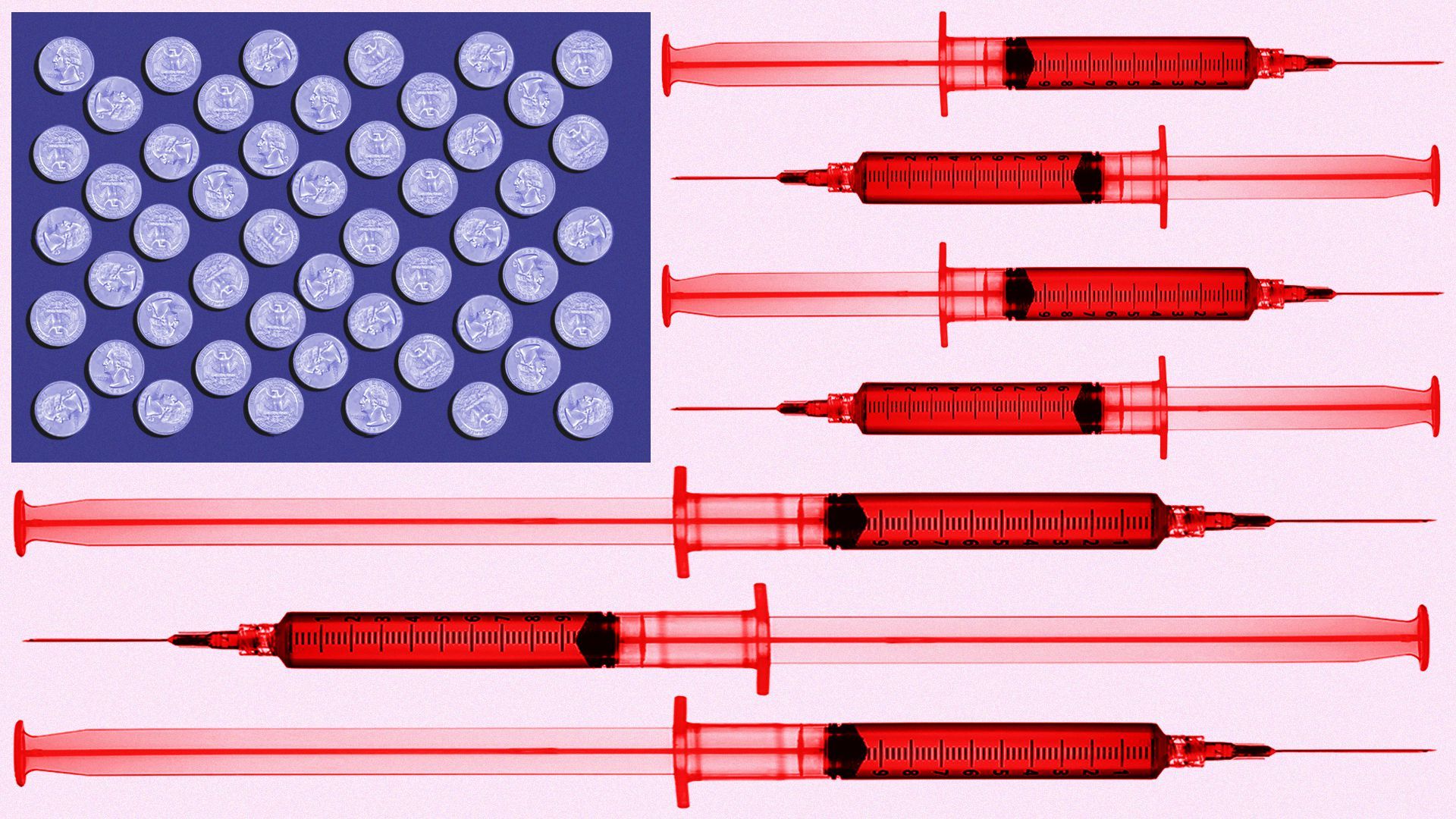
Why it matters: Because the federal government has an actual stake in this vaccine, it could try to make the vaccine a free or low-cost public good with wide distribution, if the product turns out to be safe and effective.
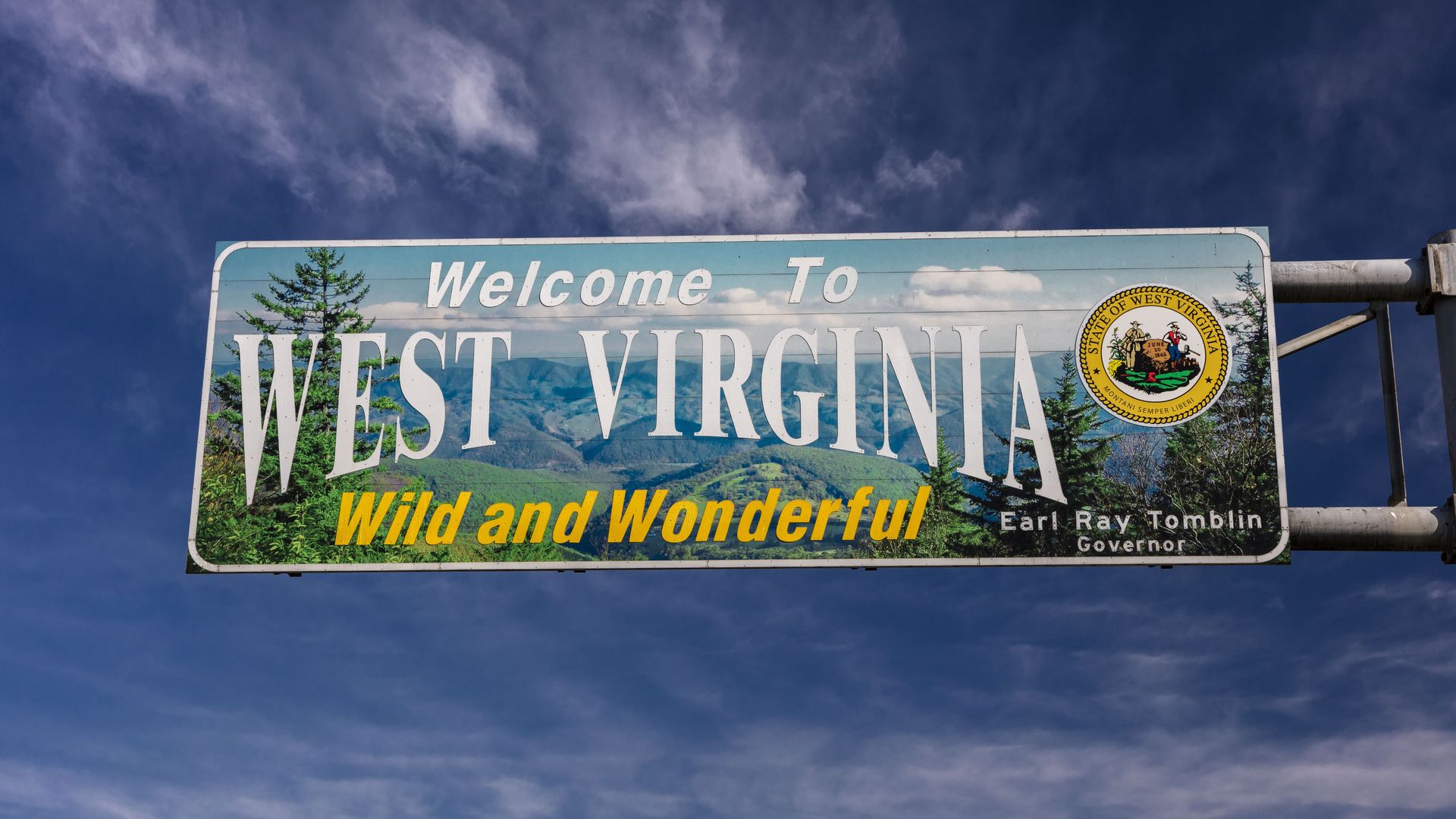
West Virginia Gov. Jim Justice (R) on Wednesday pushed Cathy Slemp, the state's public health commissioner, to resign hours after Justice publicly questioned the accuracy of coronavirus data in the state, NBC News reports.
Why it matters: Roughly a dozen West Virginia counties are seeing their case counts grow. Justice said he expressed a "lack of confidence” in Slemp to the secretary West Virginia's health department, who subsequently asked for and received Slemp's resignation, according to a statement.
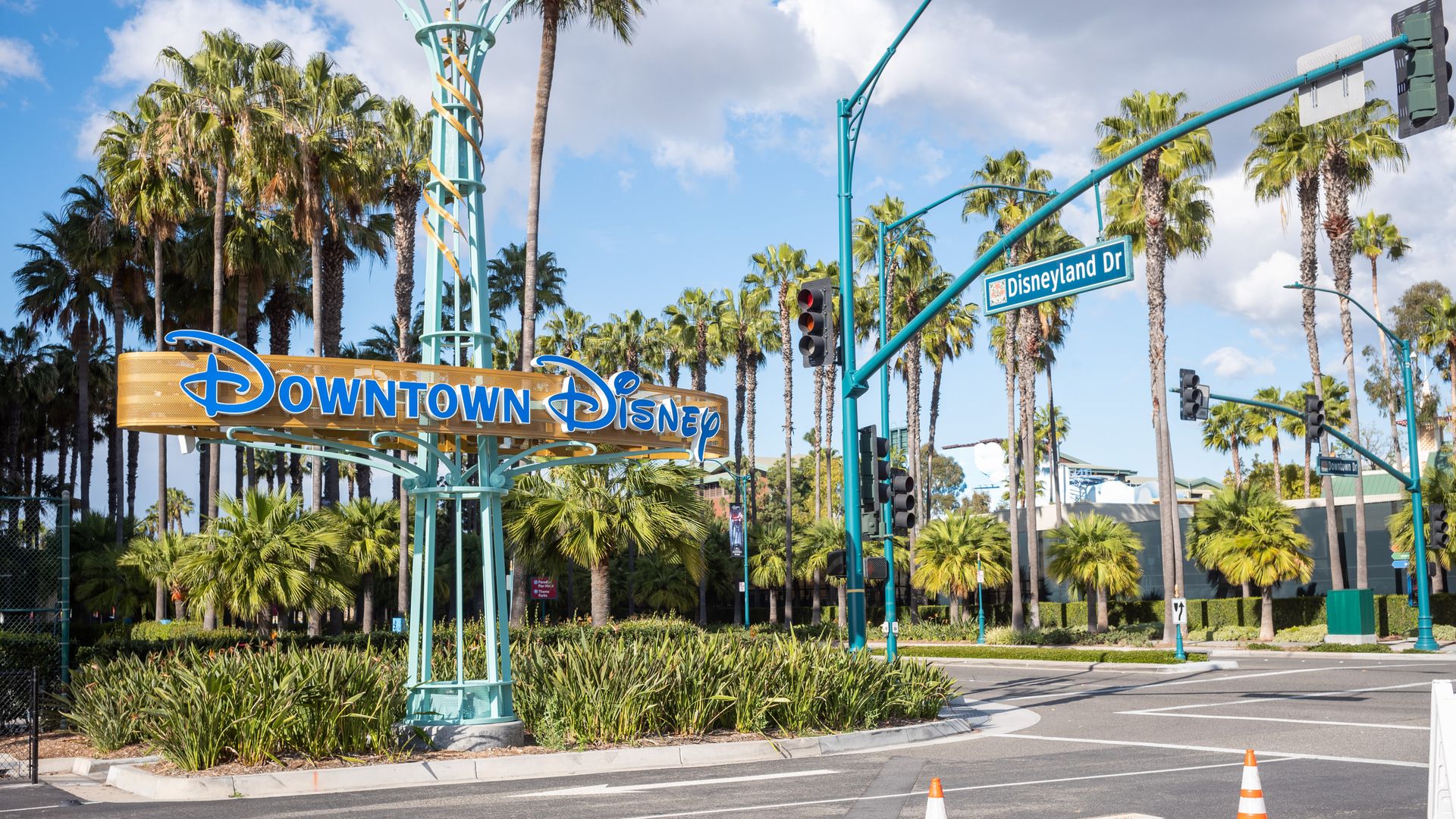
California's Disneyland announced on Wednesday it would no longer reopen as planned on July 17, as the state is not expected to release specific guidelines for theme parks until after July 4.
Why it matters: Daily recorded coronavirus infections in California have continued to hit new highs this week, per the state's health department data.