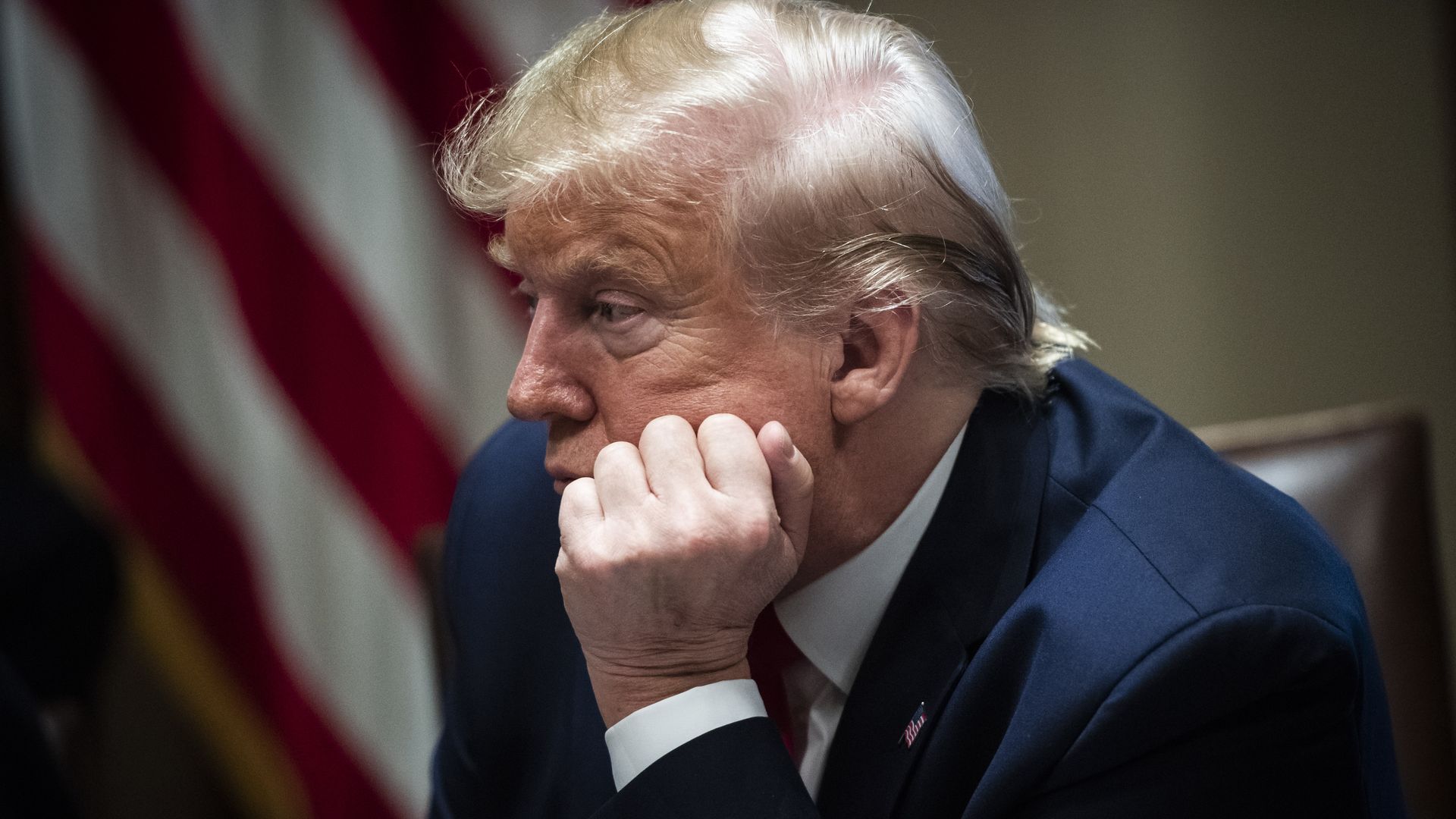
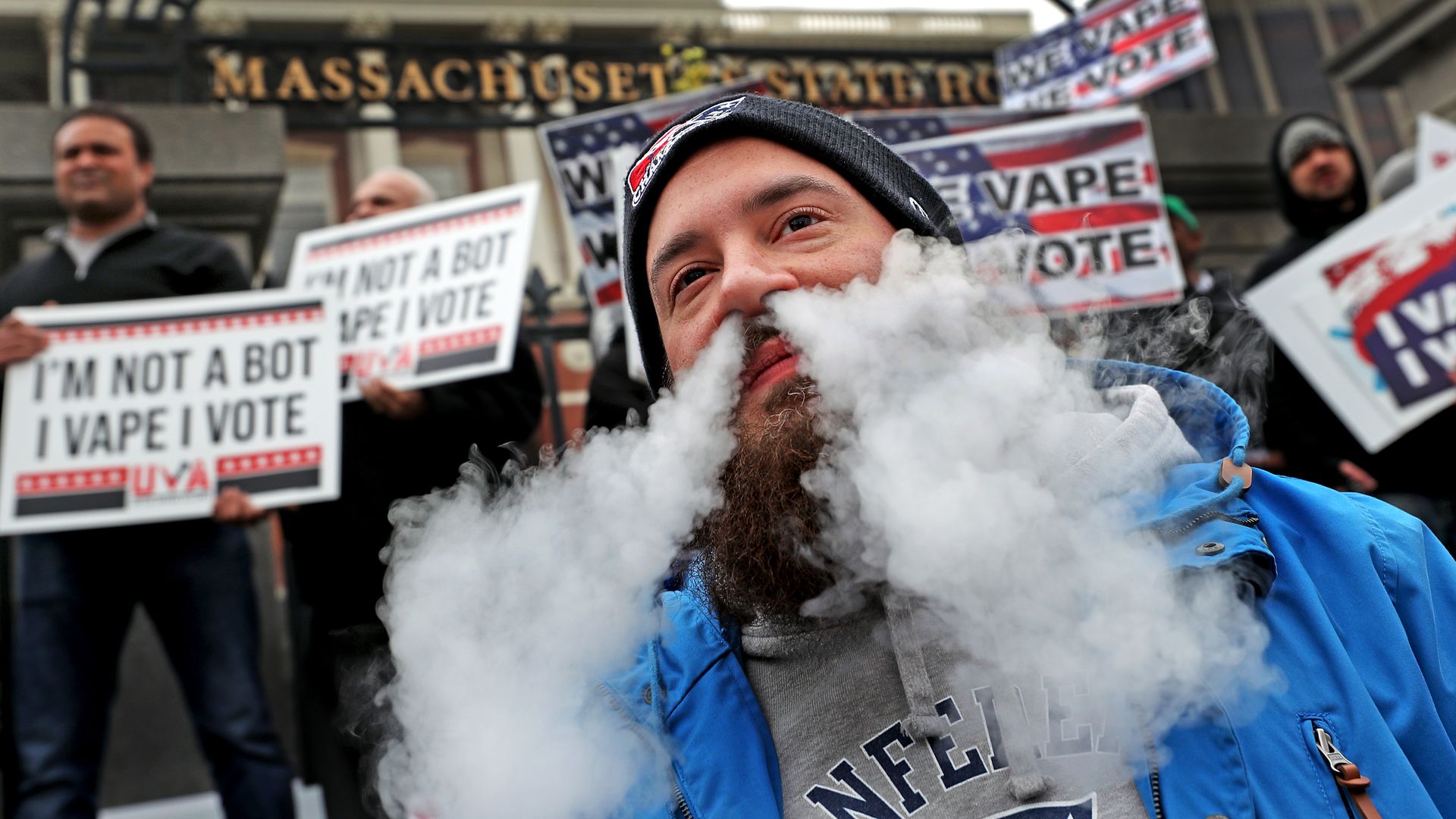
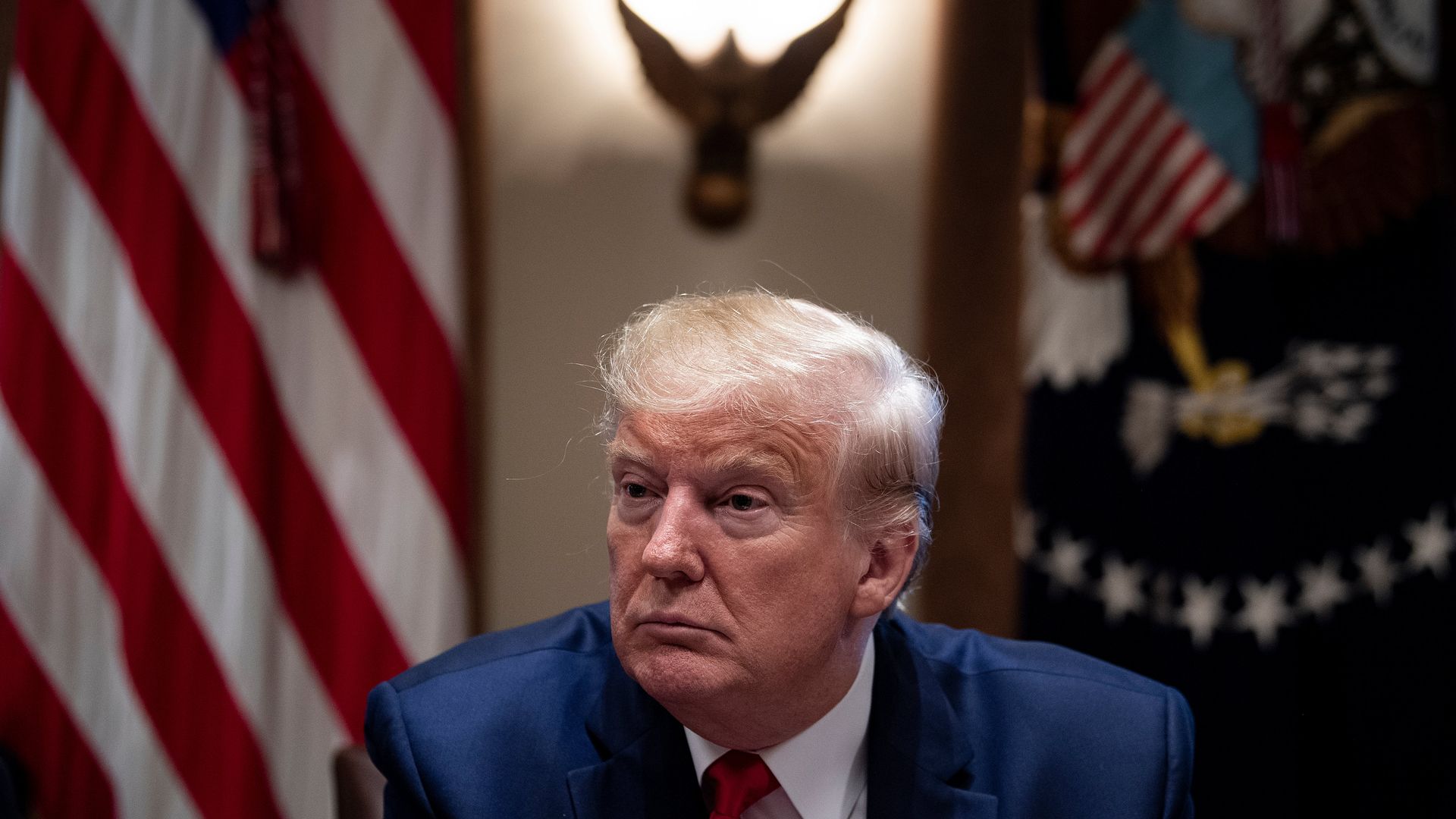
About 10% of President Trump's 2016 voters said they would be less likely to vote for a 2020 presidential candidate that backs a flavored e-cigarette ban, a Morning Consult poll published Wednesday shows.
Why it matters: The Trump administration has been weighing a federal ban on almost all flavored vaping products since September. At least 47 people have died from a lung injury associated with e-cigarette use in 25 states.
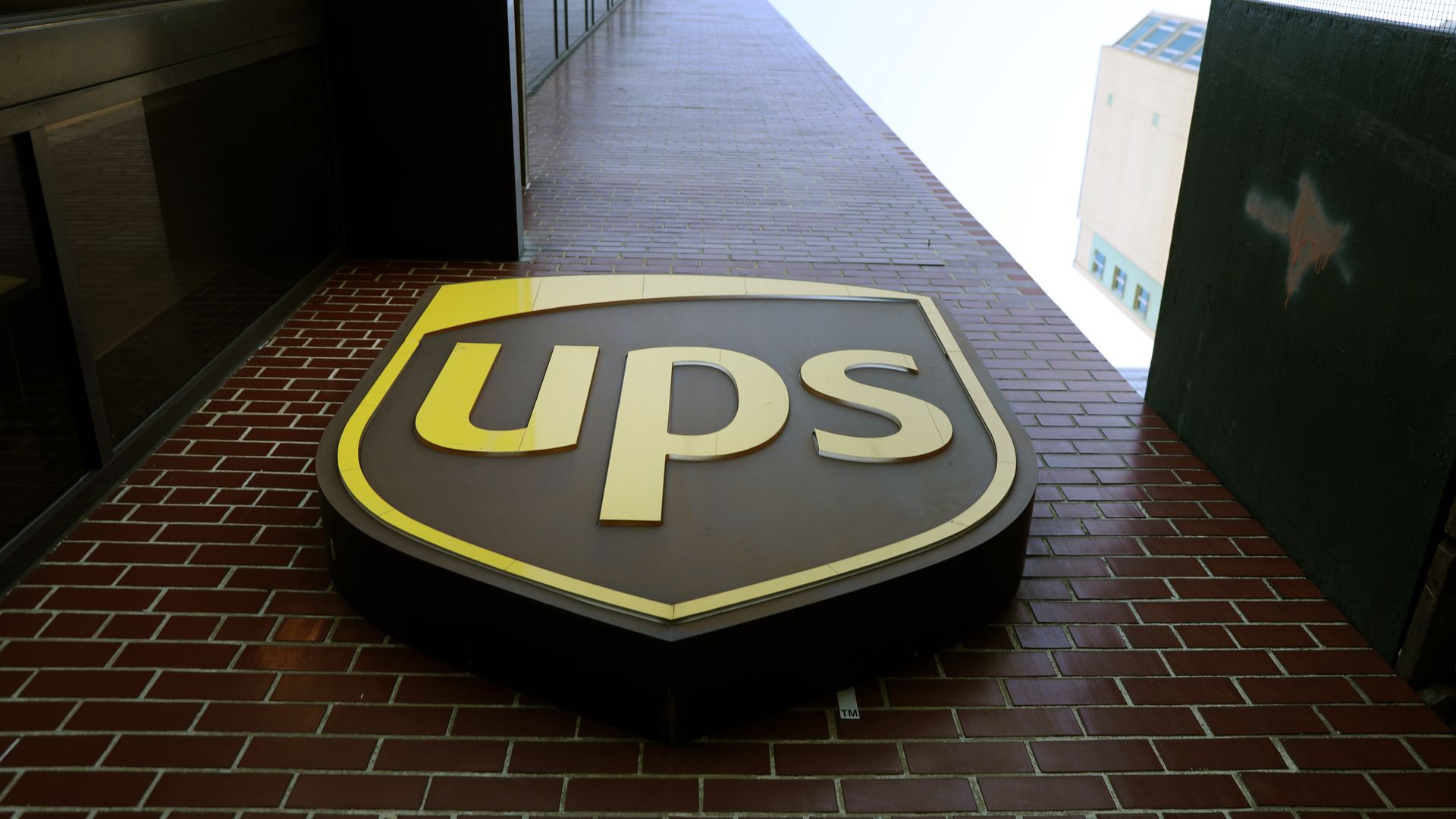
A group of United Parcel Service employees in Tucson, Arizona, reportedly helped import "thousands of pounds of marijuana and narcotics" from Mexican drug traffickers into the U.S. per week at the peak of its 10-year operation, the Washington Post reports.
Details: "Narco-traffickers" packed cardboard boxes with the drugs, and UPS employees helped move them through the carrier's delivery system, officials told the Post. Among the shipments were black market vaping products that have been linked to thousands of illnesses and dozens of deaths. The investigation involved cooperation from federal, state and local officials.
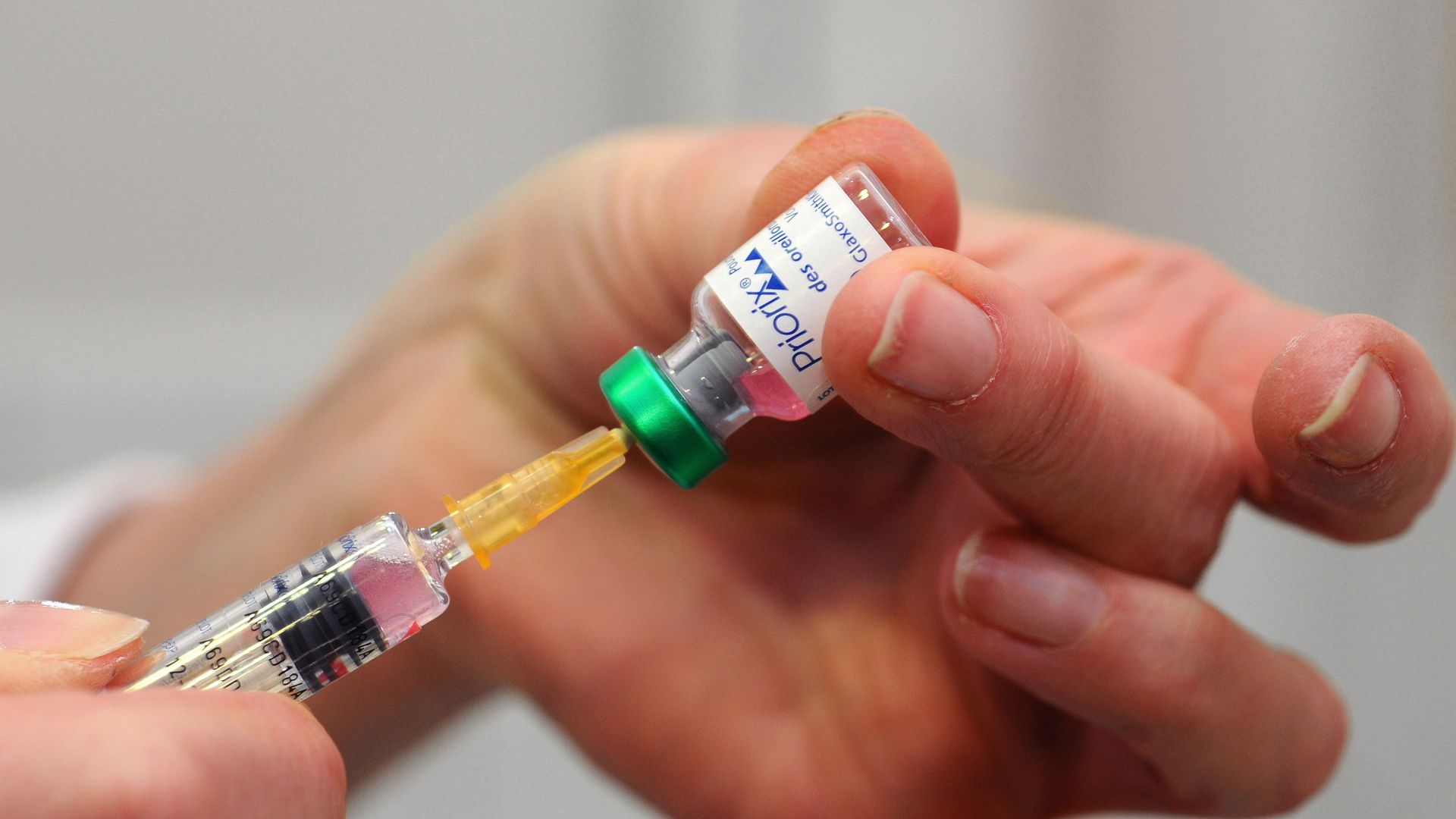
Cases of measles around the world continue to spike, with major outbreaks in Africa, Europe, Latin America and the Middle East, the World Health Organization said in a health update on Wednesday.
By the numbers: The infectious disease can be prevented with two doses of measles-containing vaccine. There have been 440,263 confirmed cases reported to the United Nations health agency as of Nov. 5. In 2018, there were about 350,000 cases.
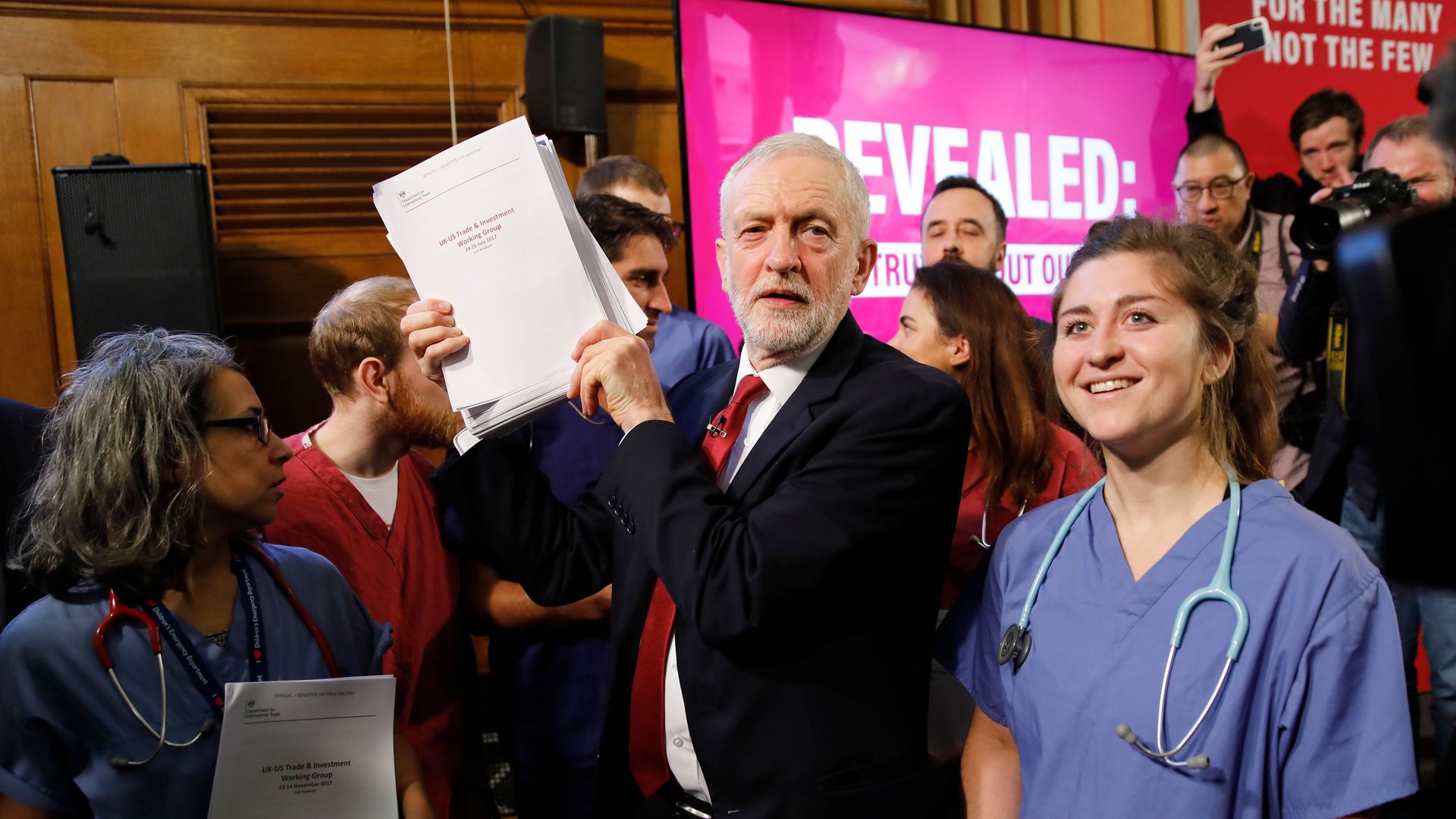
Jeremy Corbyn, the leader of the U.K.'s Labour Party, accused Boris Johnson's Conservative Party on Wednesday of putting the country's National Health Service "up for sale" during post-Brexit trade negotiations with the U.S., per the BBC.
The big picture: Many red state lawmakers have been challenging abortion rights by passing six-week "heartbeat" bans with no exceptions for rape or incest. Meanwhile, many progressive states are loosening restrictions on abortions for later-term pregnancies.
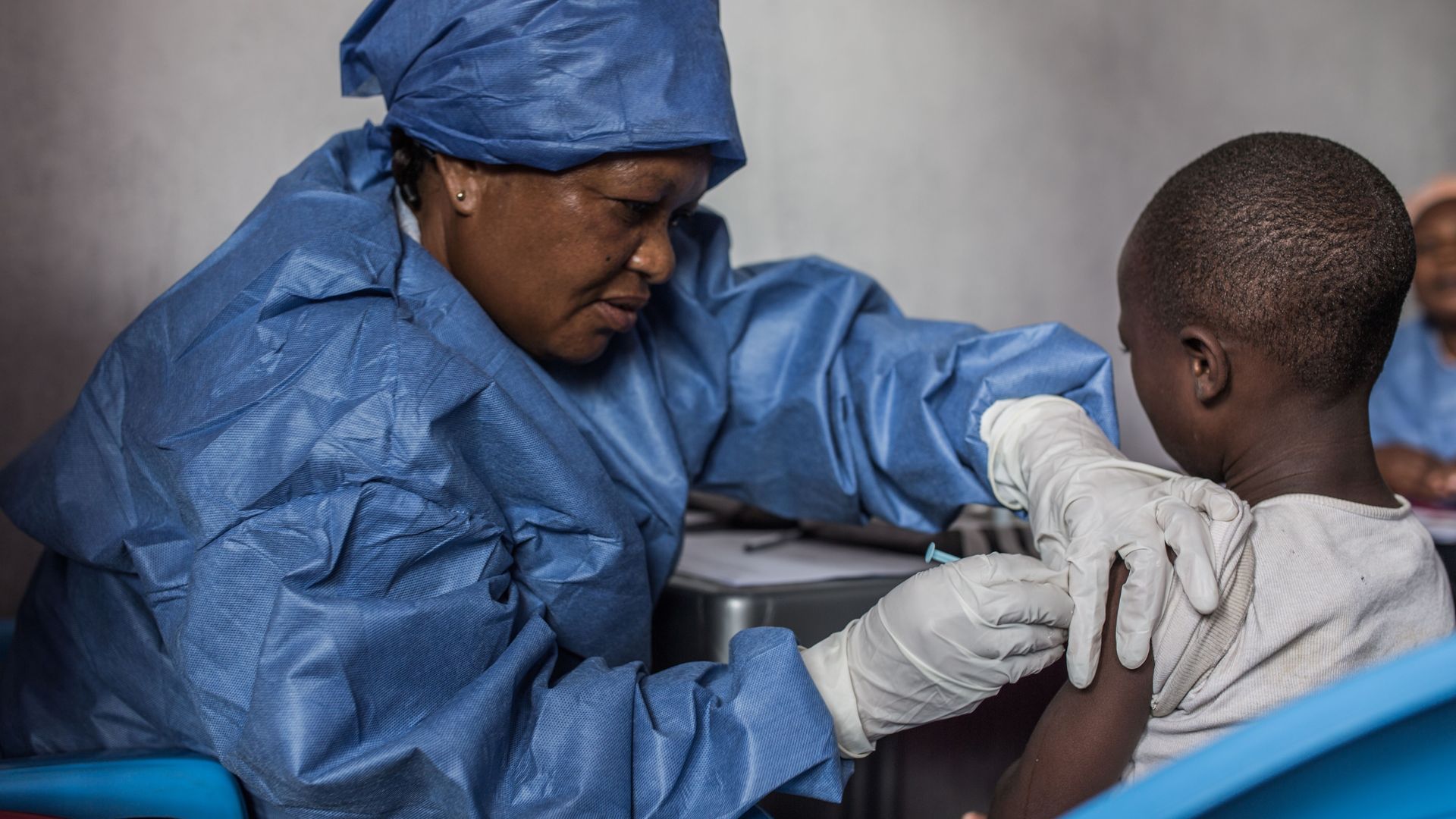
Ebola responders in Congo are on lockdown, unable to contain the spread of the infectious disease, after residents attacked a United Nations base in the eastern city of Beni, AP reports.
Why it matters: The most recent attack left 12 killed on Wednesday, local officials told AP. The latest uptick in violence against Ebola health care workers threatens encouraging signs that the end of the outbreak could be near. Health care workers need safe access to those who were in contact with any Ebola patient.
Why it matters: The Act Modernizing Tobacco Control law is the first of its kind prohibiting these products permanently and on a statewide basis. The ban on flavored vaping products will be effective immediately, while the outlawed sale of menthol cigarettes starts June 1, 2020 in the wake of the vaping epidemic, resulting in illnesses and deaths across the country.
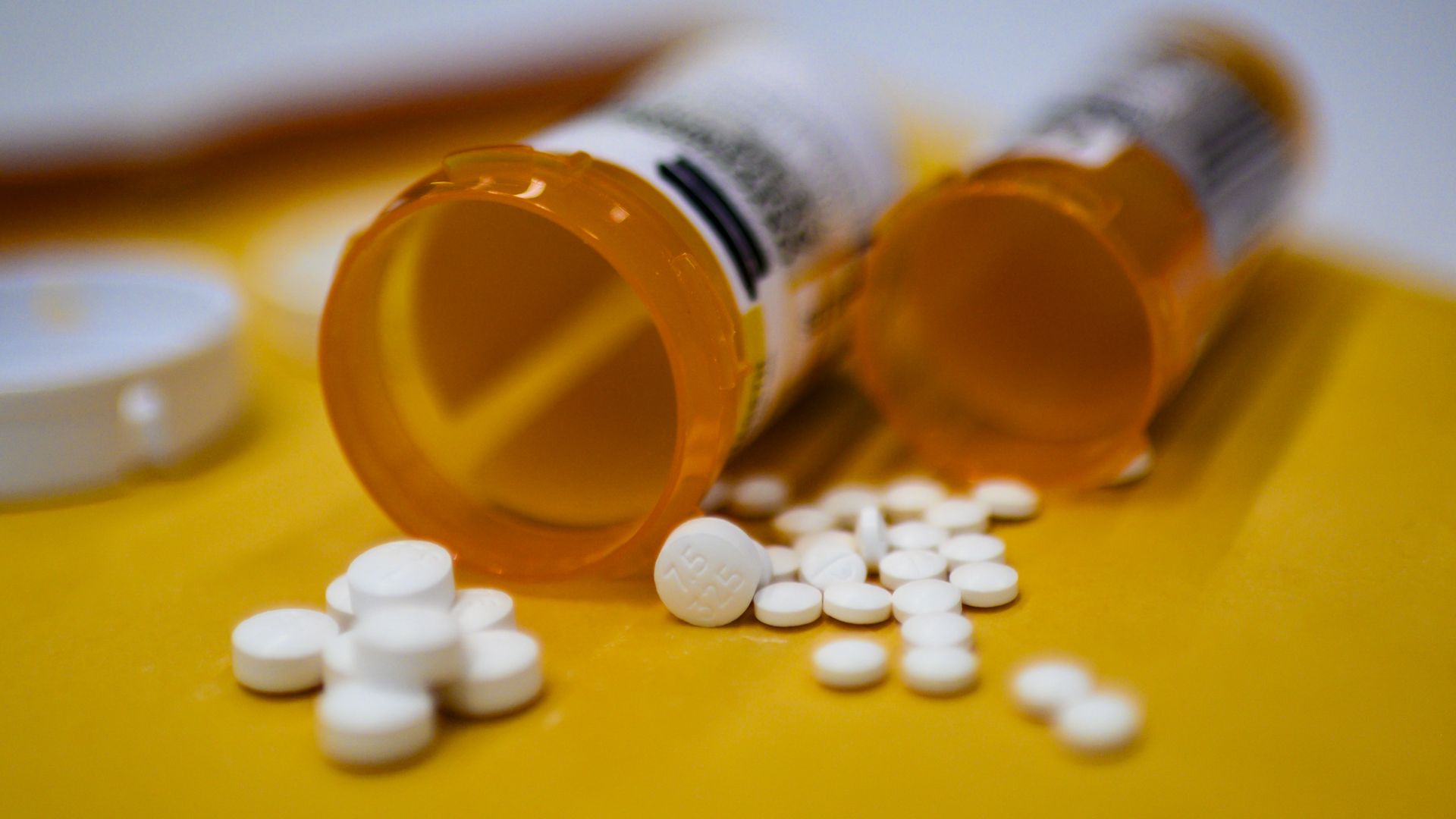
Major League Baseball players could be randomly tested for the first time for opioids like oxycodone and fentanyl as the sport grapples with how to address the opioid epidemic, the Wall Street Journal reports.
Why it matters: Professional athletes, who are especially prone to injury, risk greater exposure and addiction to opioids due to pain management. The discussions between the league and its players' union were prompted by the July death of Los Angeles Angels pitcher Tyler Skaggs, who had oxycodone, fentanyl and alcohol in his system.
Several opioid manufacturers and drug distributors are facing criminal investigations from the Department of Justice about whether they intentionally skirted federal law by not monitoring the flow of potent painkiller pills, the Wall Street Journal reports.
Why it matters: Purdue Pharma has already been ensnared in criminal probes, and now federal prosecutors are casting a wider net to determine the level of alleged wrongdoing that has resulted in tens of thousands of overdose deaths.
The White House hasn't weighed in on how to resolve the debate over surprise medical bills, but Joe Grogan, head of the Domestic Policy Council, had some choice words about ads being run by private equity-backed groups:
What they're saying: "The advertisements that are targeting members on this and are being run by the private equity groups who are using the arbitrage on surprise medical billing should make every American and member want to puke," Grogan told Axios.
The Senate's drug pricing bill would likely be better for the pharmaceutical industry than either President Trump's agenda or House Speaker Nancy Pelosi's.
Between the lines: Industry opposes anything that would hurt its bottom line, but of those three proposals, the Senate's "is a positive tradeoff," analyst Ronny Gal of AllianceBernstein wrote to investors this week.