The Federal Trade Commission approved the $4.34 billion sale of DaVita's physician unit to Optum on Wednesday, a growing division of UnitedHealth Group; but Optum will be required to divest DaVita's large physician operations in Nevada to clear antitrust concerns.
The big picture: The deal, which has been under FTC review for 19 months, allows UnitedHealth to continue its conquest of all aspects of the health-care system — in this case, as a health insurer and care provider.
Hedge fund manager and philanthropist Bernard Selz and his wife have contributed more than $3 million to anti-vaccination movements since 2012, the Washington Post reports.
Why it matters: The current measles outbreak has been the worst in a century. The extremely contagious measles virus has crept back into American society primarily through communities that refuse vaccinations, experts have told Axios.
Since 1988, a federal program has compensated only about 6,600 people for harm that they said was caused by vaccines, NYT reports. Americans have received billions of doses of vaccines over that time period.
By the numbers: About 70% of these awards were settlements in cases where officials hadn't found sufficient evidence that a vaccine caused the harm.
The House Ways and Means Committee recently held a hearing about universal coverage, examining incremental and more sweeping Medicare for All style strategies for getting to universal coverage. That means one way or another everyone would be covered, right?
The catch: In practice, universal coverage will not mean 100 percent coverage, because making everyone eligible for some form of coverage or financial assistance does not mean everyone will actually get covered. Even under Medicare for All, some populations could be left out.
Allowing people to buy into Medicare is more popular than establishing a single-payer health care system — including among Democrats, according to a recent Navigator poll.
Why it matters: Bernie Sanders made "Medicare for All" a popular concept, but even its supporters have different ideas about what it entails. And more moderate versions have the upper hand.
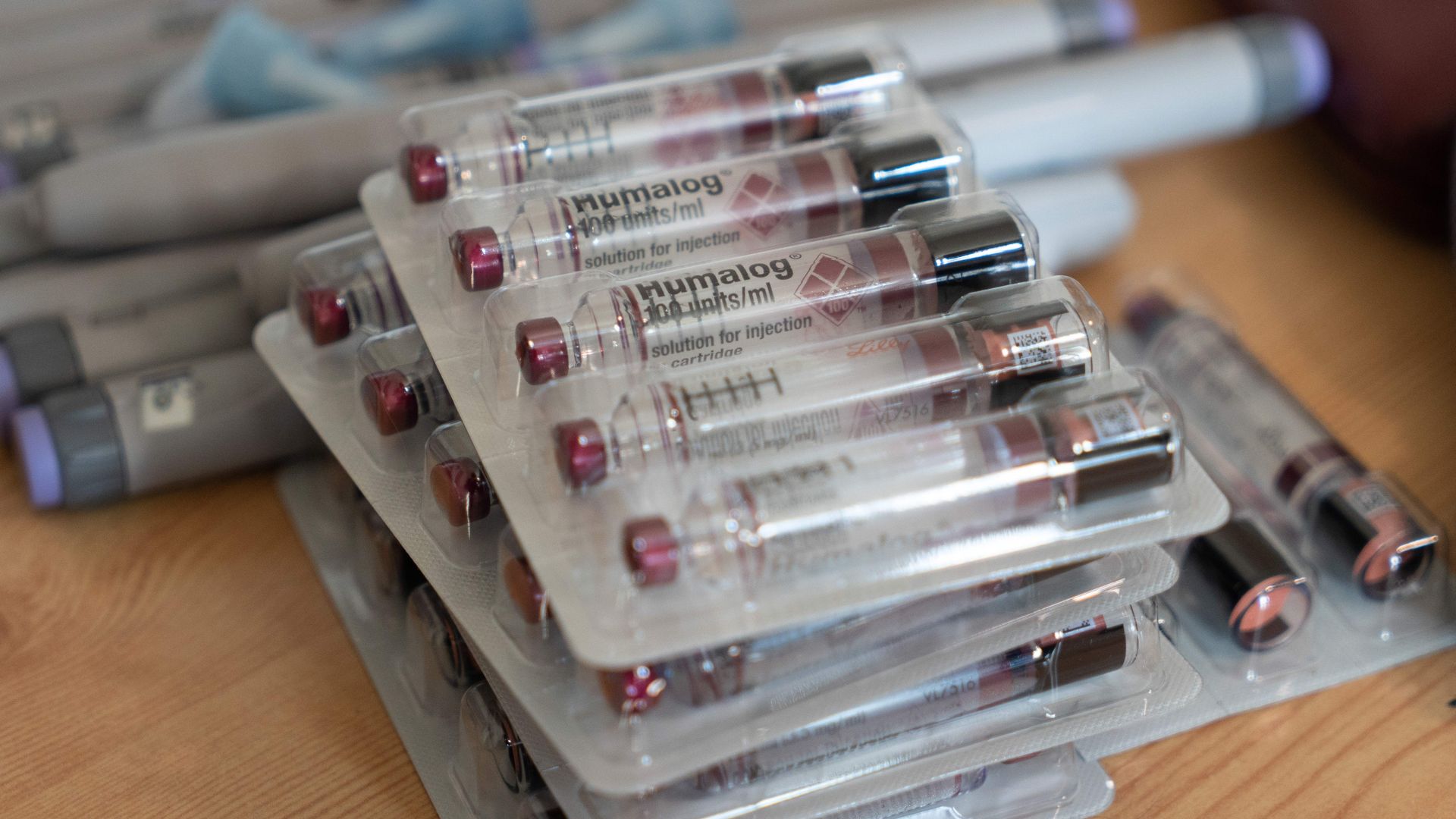
Almost 26% of people with Type 1 diabetes in the U.S. rationed their insulin in the past year, a rate that is 4 times higher than other people who have the disease and live in other affluent countries, according to a survey from the nonprofit diabetes advocacy group T1 International.
Why it matters: Stories about U.S. patients dying from rationing insulin have put the drug at the center of the debate on how the country will lower prices for essential medicines.
Due to the lack of new antibiotics in the pipeline, current drugs must be better monitored and prescribed before the problem of antimicrobial resistance (AMR) reaches a "Titanic" stage, World Health Organization scientists warned Tuesday as they launch a campaign to promote the use of a monitoring tool, AWaRe.
Why it matters: The growing level of superbugs is a potentially "catastrophic" global threat that could have a yearly death toll of 10 million people by 2050. WHO says using AWaRe would be one tool in promoting its goal that 60% of all antibiotics used come from the "access" category of antibiotics, or what's typically thought of as the first or second line of defense.
Pfizer's $11.4 billion takeover of Array BioPharma highlights how eager industry titans are to commercialize cancer medications, making cancer the most in-demand pharmaceutical asset outside of gene therapy.
The state of play: Big Pharma wants to expand cancer lineups because cancer drugs command huge price tags that health insurers and society usually pay for uncritically.







/2019/06/18/1560862826956.gif?w=3840)