UnitedHealth Group has reportedly agreed to acquire Equian, an Indianapolis-based health care payments firm, for about $3.2 billion from New Mountain Capital, according to the WSJ.
Why it matters: UnitedHealth Group is the parent company of the largest U.S. health insurer, UnitedHealthcare, and is on an acquisition spree. "It is likely that UnitedHealth would merge Equian into its Optum health-services arm, a rapidly growing part of its business that caters to insurers, hospitals and other health-care companies. Equian would add to its array of offerings and help Optum branch out beyond health care, since Equian has other types of insurers as clients as well," writes the Wall Street Journal's Cara Lombardo.
Hospital and provider groups may hate the leading House and Senate proposals for ending surprise medical bills, but the largest providers will likely be least affected, according to a Moody's analysis.
Driving the news: The Federation of American Hospitals, the American Hospital Association and the American Medical Association all oppose tying payments for out-of-network care to the median in-network rate for the service.
As measles spreads and public officials try to prevent the disease from becoming endemic in the U.S. again, a debate is heating up nationally over whether to mandate vaccines or keep in place laws that allow for more individual choice.
The latest: Anthony Fauci, head of the National Institute of Allergy and Infectious Diseases, tells Axios instead of mandating vaccines, it's time for states to tighten their exemptions — "the flexibility has gone too far."
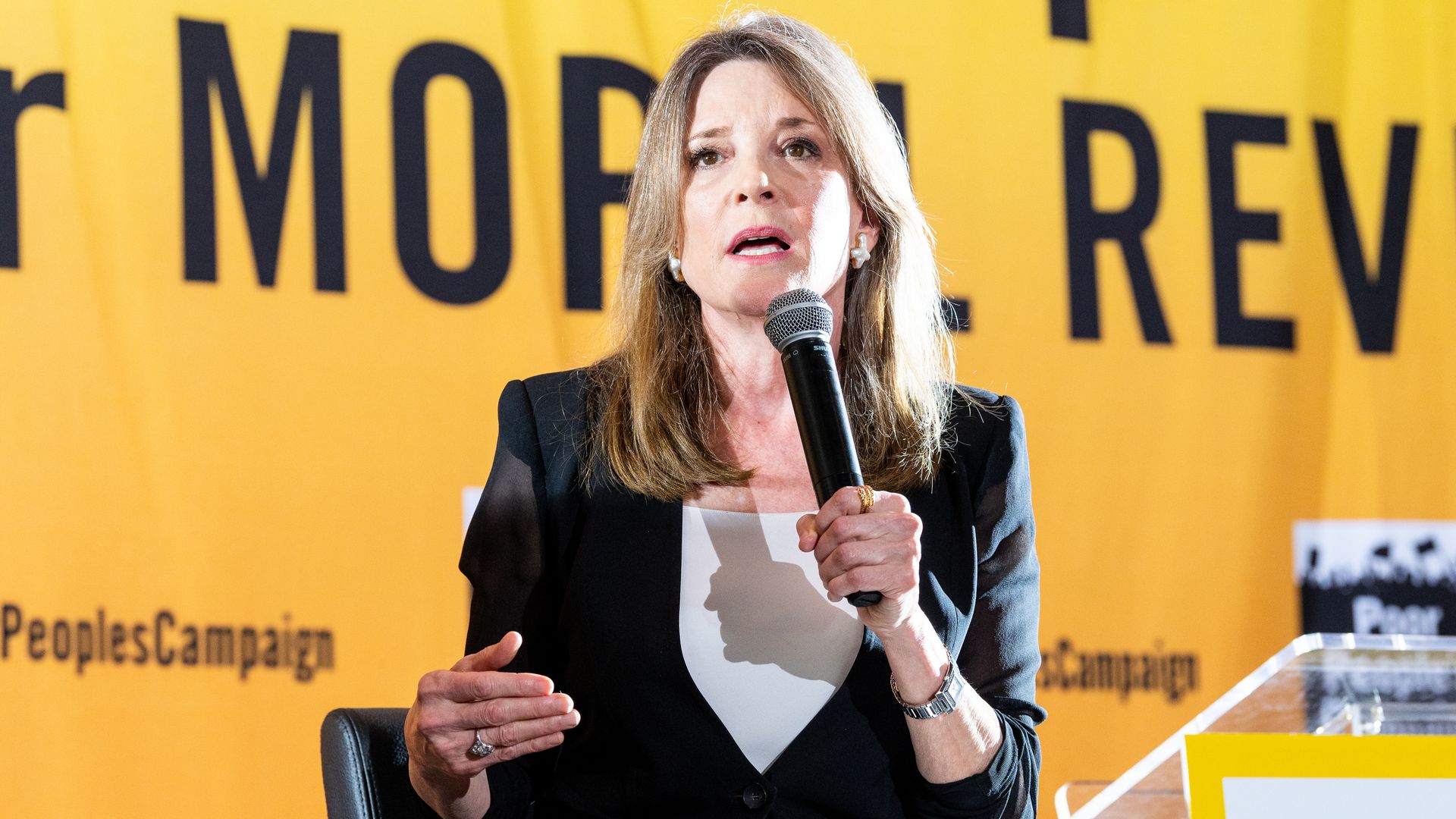
2020 Democrat Marianne Williamson apologized in a response to The Daily Beast on Wednesday for calling vaccine mandates "draconian" and "Orwellian."
"Public safety must be carefully balanced with the right of individuals to make their own decisions. I am sorry that I made comments which sounded as though I question the validity of life-saving vaccines. That is not my feeling and I realize that I misspoke."
Members of the Sackler family, who own Purdue Pharma, have notoriously avoided the media, but David Sackler broke the silence by speaking with Bethany McLean of Vanity Fair to say his family "didn't cause the [opioid] crisis."
What he said: Sackler conceded that marketing claims saying OxyContin had small risks of abuse and addiction were wrong, but argued they were based on the science at the time.
Employers will likely step up their efforts to rein in health care costs next year, a new PwC Health Research Institute report predicts, partially because they've nearly maxed out their ability to offload costs onto employees.
What they're saying: "2020 likely will be, in some ways, a turning point in the long arc of employer-sponsored insurance, a year in which more employers fight back," the report's authors write.