As measles spreads and public officials try to prevent the disease from becoming endemic in the U.S. again, a debate is heating up nationally over whether to mandate vaccines or keep in place laws that allow for more individual choice.
The latest: Anthony Fauci, head of the National Institute of Allergy and Infectious Diseases, tells Axios instead of mandating vaccines, it's time for states to tighten their exemptions — "the flexibility has gone too far."
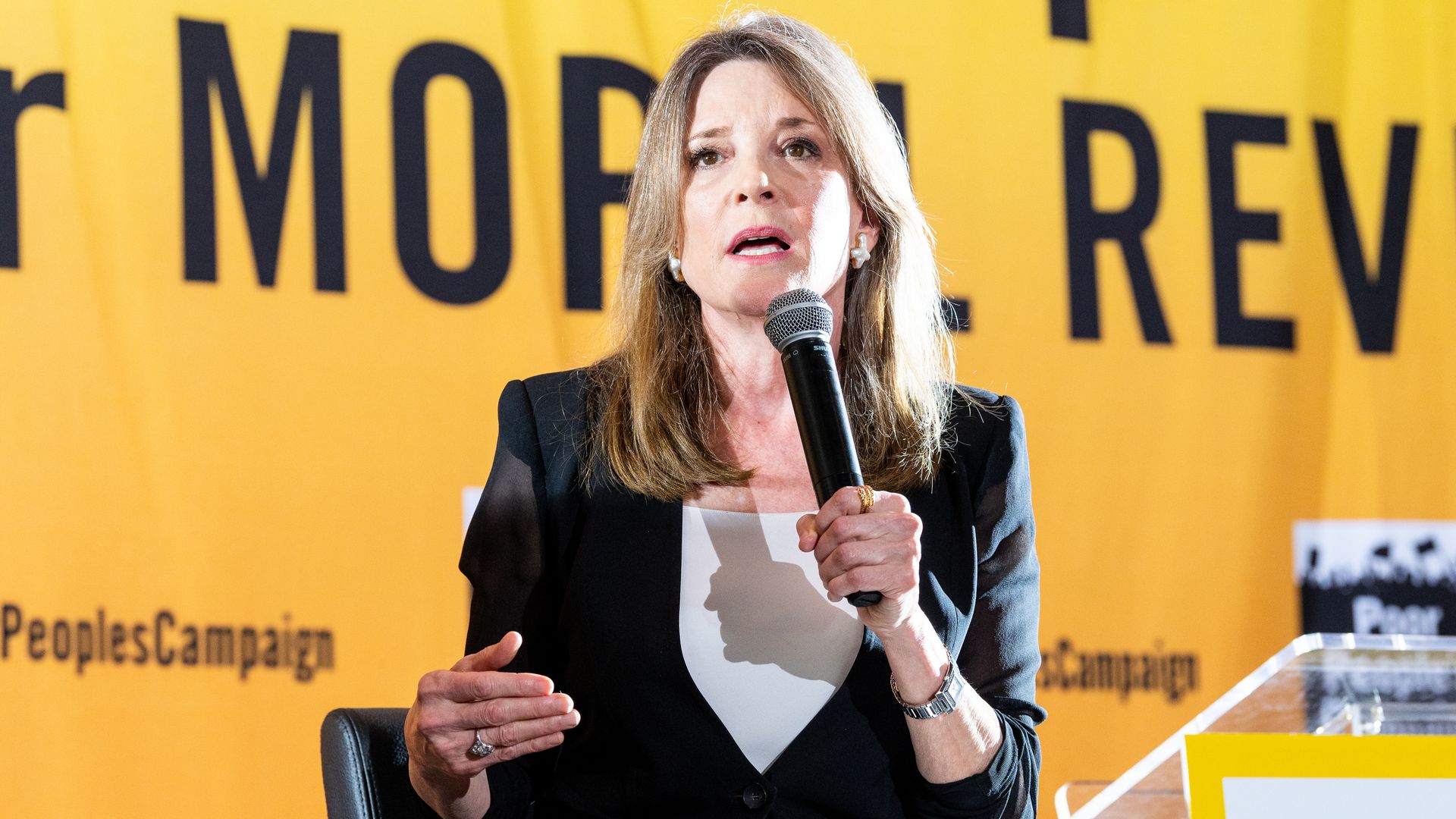
2020 Democrat Marianne Williamson apologized in a response to The Daily Beast on Wednesday for calling vaccine mandates "draconian" and "Orwellian."
"Public safety must be carefully balanced with the right of individuals to make their own decisions. I am sorry that I made comments which sounded as though I question the validity of life-saving vaccines. That is not my feeling and I realize that I misspoke."
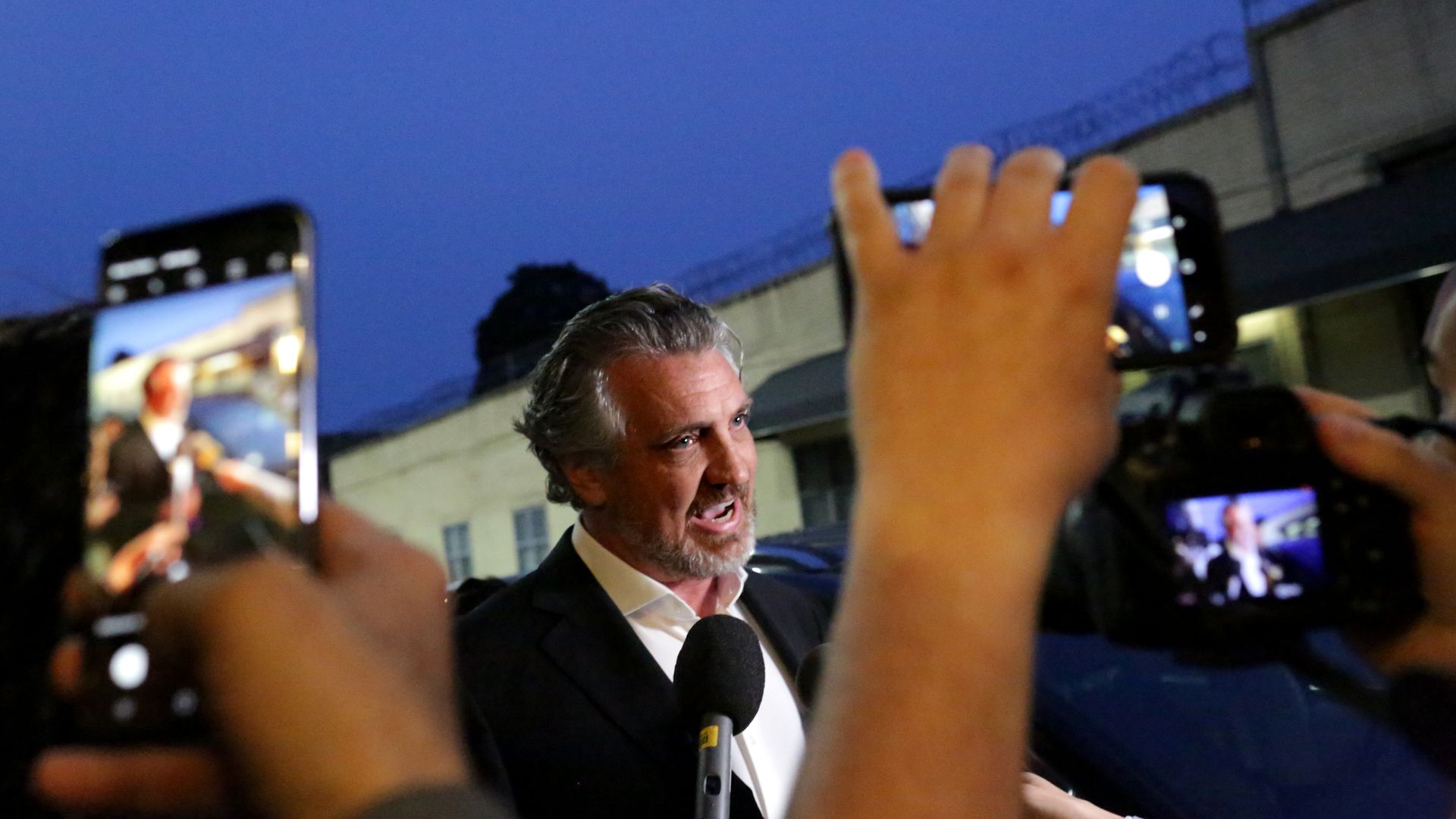
Members of the Sackler family, who own Purdue Pharma, have notoriously avoided the media, but David Sackler broke the silence by speaking with Bethany McLean of Vanity Fair to say his family "didn't cause the [opioid] crisis."
What he said: Sackler conceded that marketing claims saying OxyContin had small risks of abuse and addiction were wrong, but argued they were based on the science at the time.
Employers will likely step up their efforts to rein in health care costs next year, a new PwC Health Research Institute report predicts, partially because they've nearly maxed out their ability to offload costs onto employees.
What they're saying: "2020 likely will be, in some ways, a turning point in the long arc of employer-sponsored insurance, a year in which more employers fight back," the report's authors write.
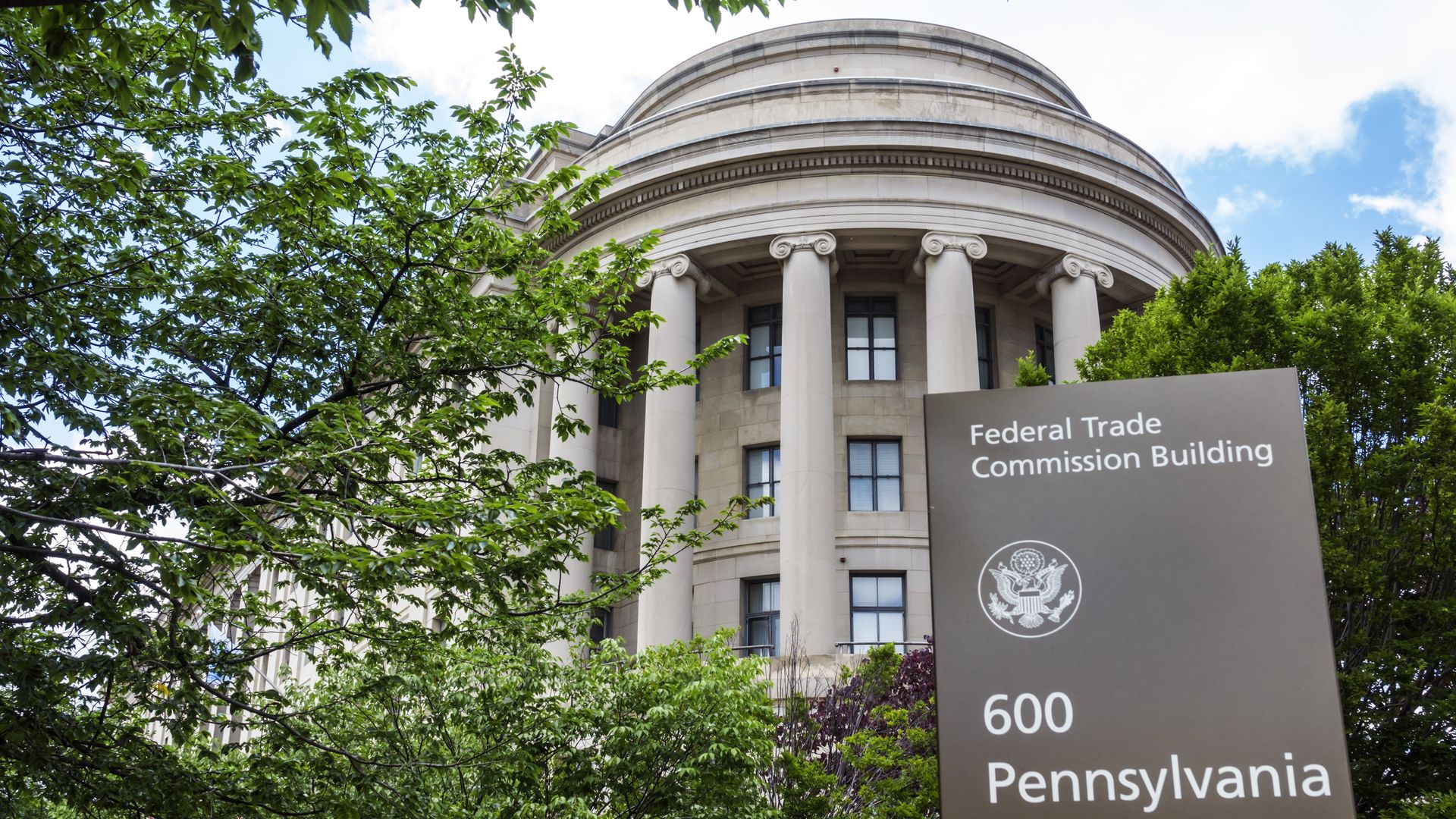
The Federal Trade Commission approved the $4.34 billion sale of DaVita's physician unit to Optum on Wednesday, a growing division of UnitedHealth Group; but Optum will be required to divest DaVita's large physician operations in Nevada to clear antitrust concerns.
The big picture: The deal, which has been under FTC review for 19 months, allows UnitedHealth to continue its conquest of all aspects of the health-care system — in this case, as a health insurer and care provider.
Hedge fund manager and philanthropist Bernard Selz and his wife have contributed more than $3 million to anti-vaccination movements since 2012, the Washington Post reports.
Why it matters: The current measles outbreak has been the worst in a century. The extremely contagious measles virus has crept back into American society primarily through communities that refuse vaccinations, experts have told Axios.
Since 1988, a federal program has compensated only about 6,600 people for harm that they said was caused by vaccines, NYT reports. Americans have received billions of doses of vaccines over that time period.
By the numbers: About 70% of these awards were settlements in cases where officials hadn't found sufficient evidence that a vaccine caused the harm.
The House Ways and Means Committee recently held a hearing about universal coverage, examining incremental and more sweeping Medicare for All style strategies for getting to universal coverage. That means one way or another everyone would be covered, right?
The catch: In practice, universal coverage will not mean 100 percent coverage, because making everyone eligible for some form of coverage or financial assistance does not mean everyone will actually get covered. Even under Medicare for All, some populations could be left out.
Allowing people to buy into Medicare is more popular than establishing a single-payer health care system — including among Democrats, according to a recent Navigator poll.
Why it matters: Bernie Sanders made "Medicare for All" a popular concept, but even its supporters have different ideas about what it entails. And more moderate versions have the upper hand.