Thursday's health stories
After deadly season, surgeon general pushes flu vaccinations
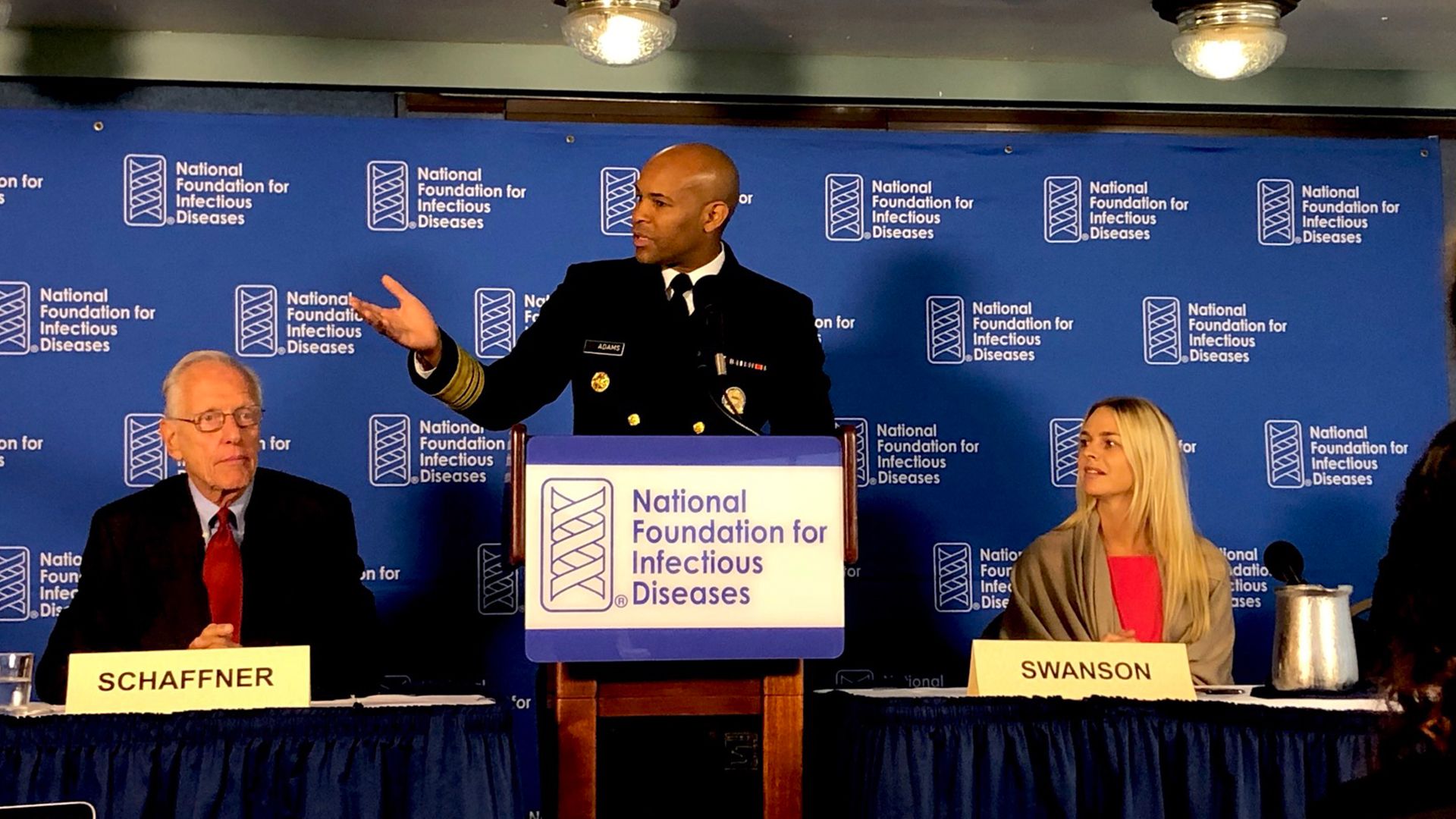
The last flu season was particularly severe — causing at least 80,000 American deaths including 180 children and 900,000 hospitalizations — because of the types of influenza strains and the fact that certain groups did not get inoculated, public health officials said Thursday. They made these announcements as they kicked off their #FightFlu vaccination campaign.
Why it matters: Many of those deaths were preventable, according to U.S. Surgeon General Jerome Adams. Even when the vaccine's effectiveness is not as high as hoped, as happened last season, the shots or FluMist can still boost the immune system enough to limit how hard the virus hits as well as minimizing its spread.
"80,000 people died last year ... Guess what? They all got the flu from someone."— Jerome Adams

Most countries with highest childhood autism rates lack resources


The latest findings from the Global Burden of Disease Study (GBD) show 4.57 million children under five living with autism, or about one in 138 kids. The largest numbers of young autistic children live in developing or low- and middle-income countries, including over one million children each in South Asia and Sub-Saharan Africa, while the highest rates of childhood autism are seen in the Middle East, Central Asia and North Africa.
Why it matters: So much of the dialogue surrounding autism is focused on the U.S., Canada, and Western Europe that we often forget much of the world's childhood autism is concentrated in regions where health resources are limited.

Last year's flu season killed about 80,000 in the U.S.


Last season's flu epidemic is estimated to have killed 80,000 Americans — the highest level for at least four decades, Robert Redfield, director of the Centers for Disease Control and Prevention, told the Associated Press in an interview. It also caused the deaths of at least 180 children, 80% of whom were not vaccinated, per the CDC.
Why it matters: U.S. Surgeon General Jerome Adams and other public health officials will kick off a campaign today to promote seasonal flu vaccinations, in an effort to prevent a repeat of last year's terrible flu season.

Aetna to sell Medicare drug plans as part of CVS deal
Aetna announced Thursday that it will sell its Medicare prescription drug plan business to WellCare Health Plans. Financial terms were not disclosed, although Aetna said in a disclosure that the purchase price was not material.
Why it matters: This divestiture is dependent on antitrust officials signing off on CVS Health's takeover of Aetna — meaning CVS and Aetna believe this sale will resolve any antitrust concerns and foreshadows imminent federal approval.
HHS Secretary to knock "Medicare for All"
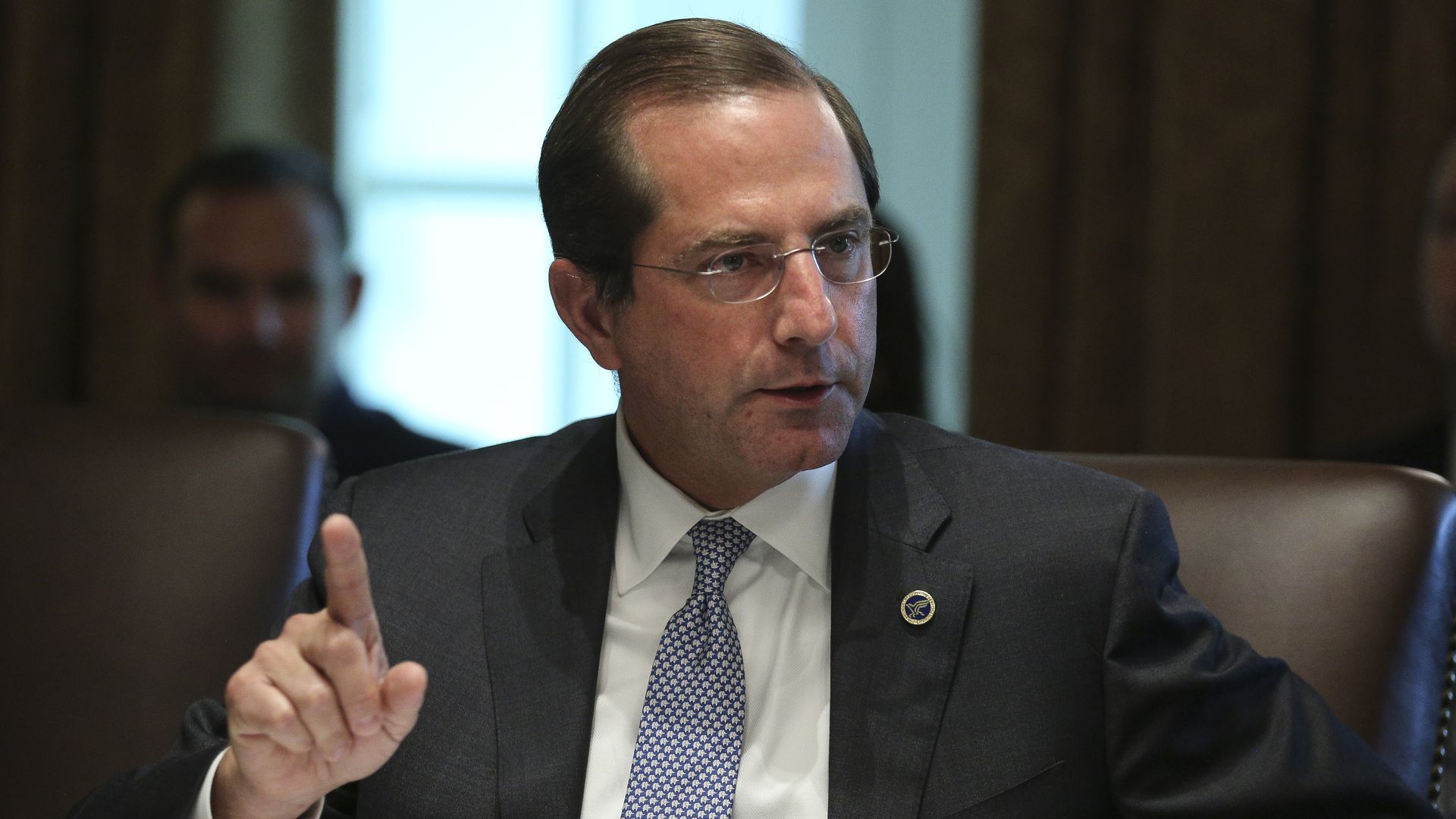
HHS Secretary Alex Azar will criticize Democrats' "Medicare for All" proposals today, during a speech in Nashville.
Why it matters: Medicare and Medicaid administrator Seema Verma also has come out against the idea. It's hardly surprising that they would be opposed to "Medicare for All." But it is somewhat unusual for the people running executive agencies to make such an aggressive case about proposals that exist largely in theory.

How consultants and pharmacy middlemen work the drug pricing system
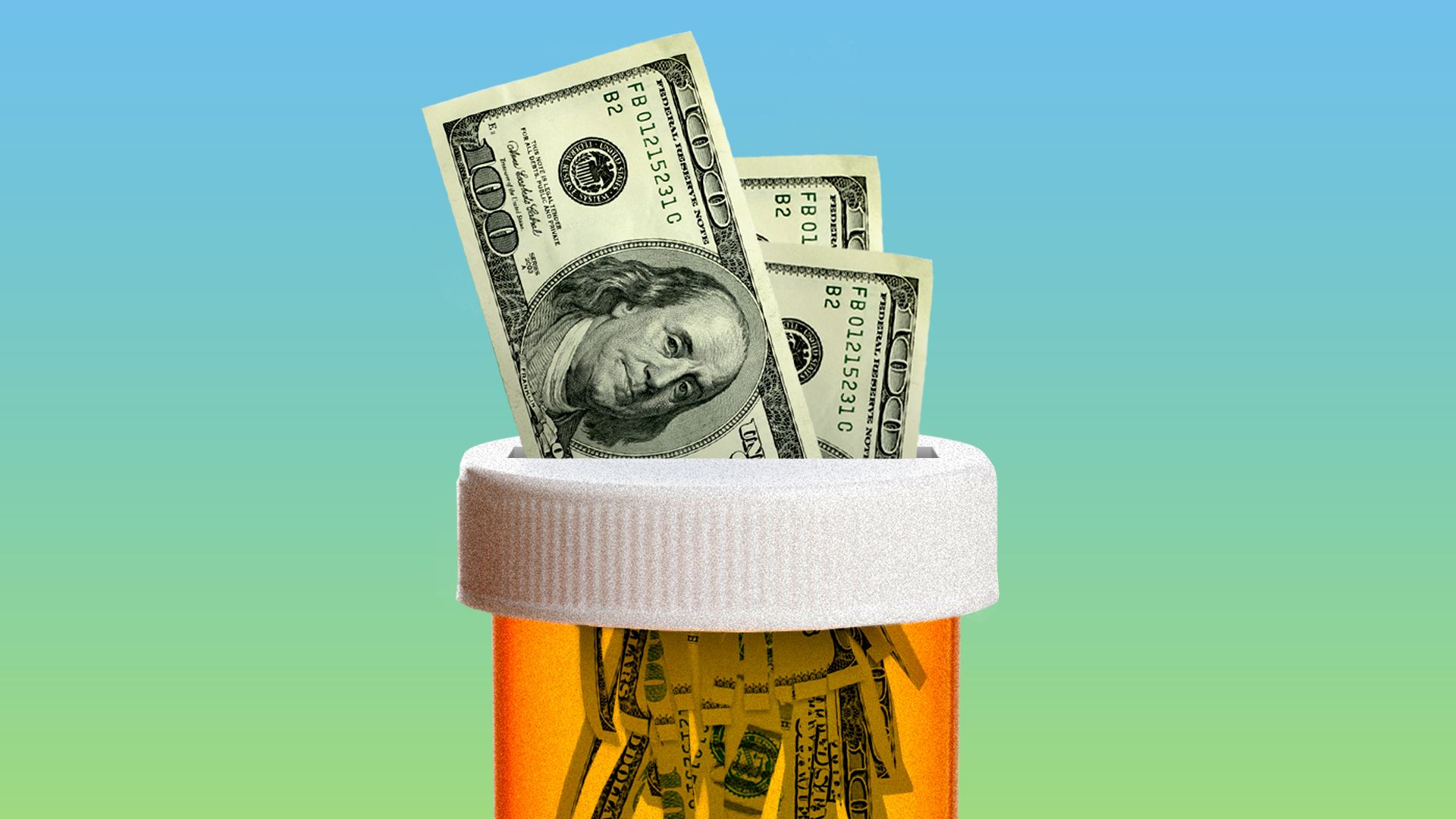
Employers hire consultants to help them manage their prescription drug costs. But industry sources say those consultants don’t steer companies toward the best deals.
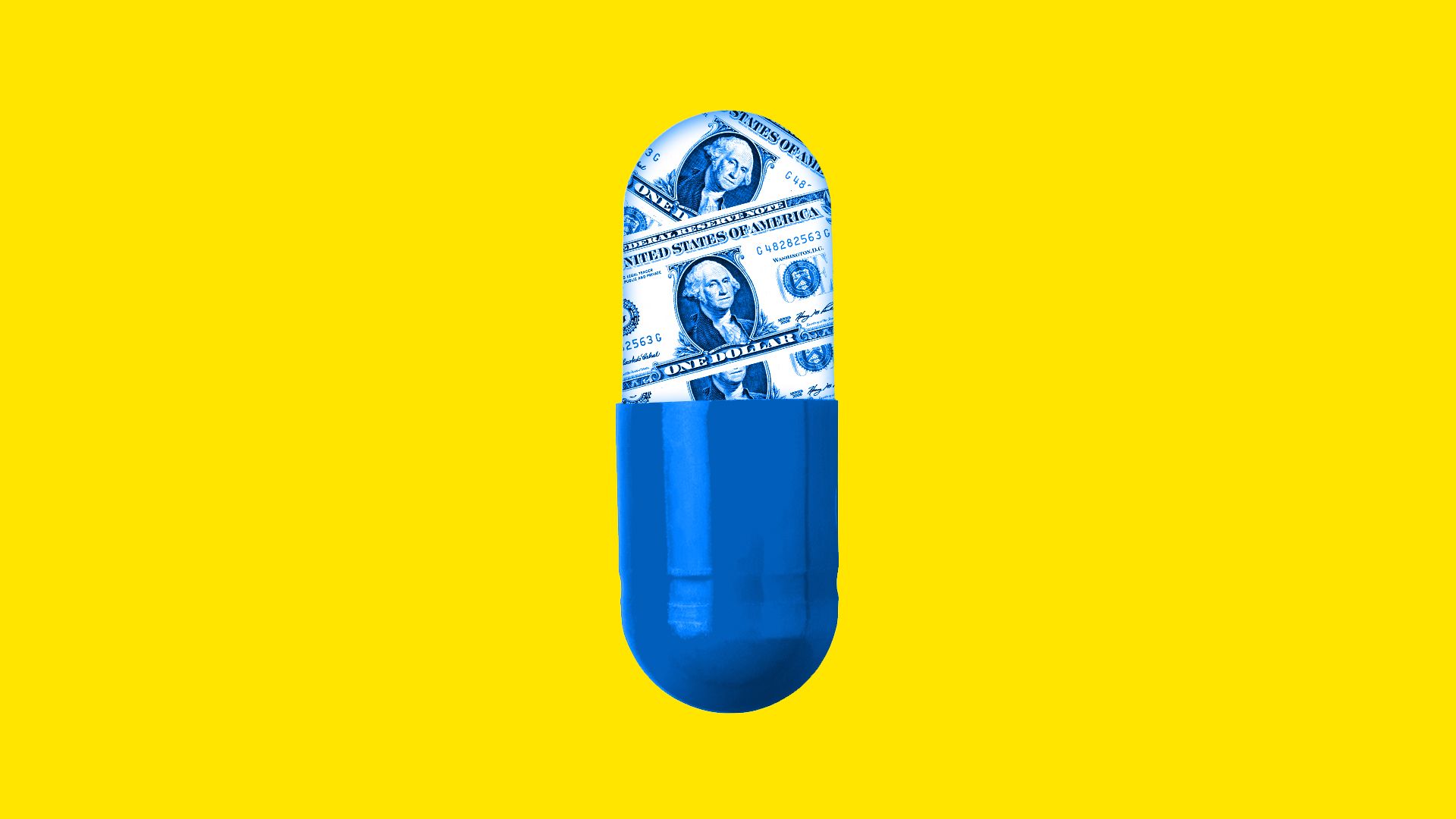
Why it matters: Prescription drugs represent one-fifth of employers’ spending on health benefits. Employers and employees alike are increasingly worried about drug prices and how those prices affect their premiums.

How Congress passed an HHS spending bill for the first time in years
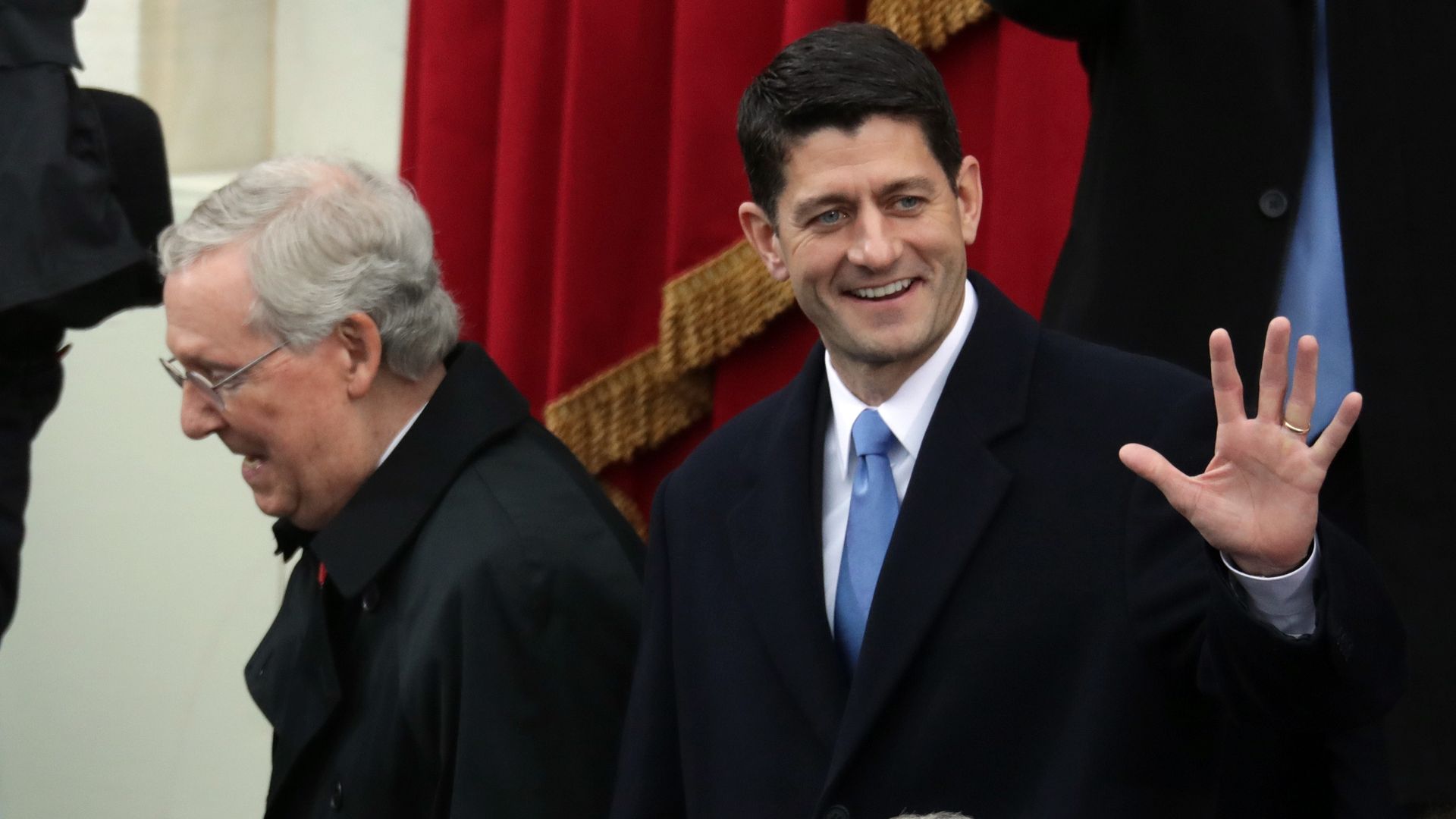
Congress yesterday sent a funding bill for the Department of Health and Human Services to President Trump's desk — the first time it has completed that bill in more than 20 years.
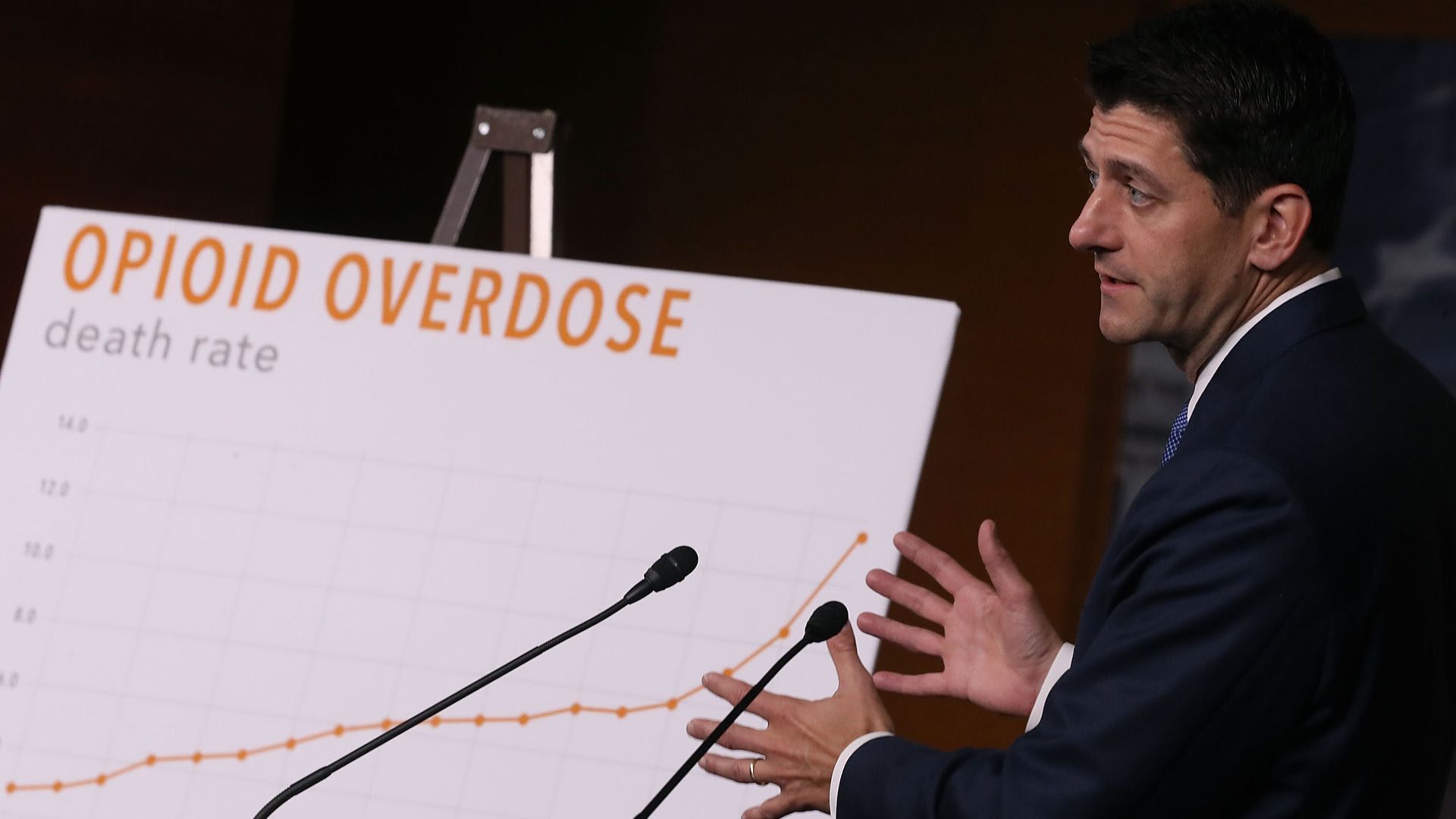
Why it matters: For all the chaos consuming Washington, this is a notable achievement for leadership, especially Speaker Paul Ryan. This bill has historically been bogged down by the politics surrounding abortion and the Affordable Care Act.

The unclear benefits of drug price coalitions
Each of the predominant health care consulting firms — Aon, Mercer and Willis Towers Watson — has its own prescription drug coalition made up of employers. The conventional wisdom is firms use the combined scale to negotiate lower drug prices with large pharmacy benefit managers, but there's no hard evidence the coalitions provide meaningful savings.
What we're hearing: "The contracts are basically no different from what an individual company can get from a PBM, which means that all the individual company is doing is adding a layer of additional fees from the coalition," said Linda Cahn, an independent consultant who has reviewed coalition PBM contracts.

WHO warns renewed violence in Congo endangers Ebola efforts
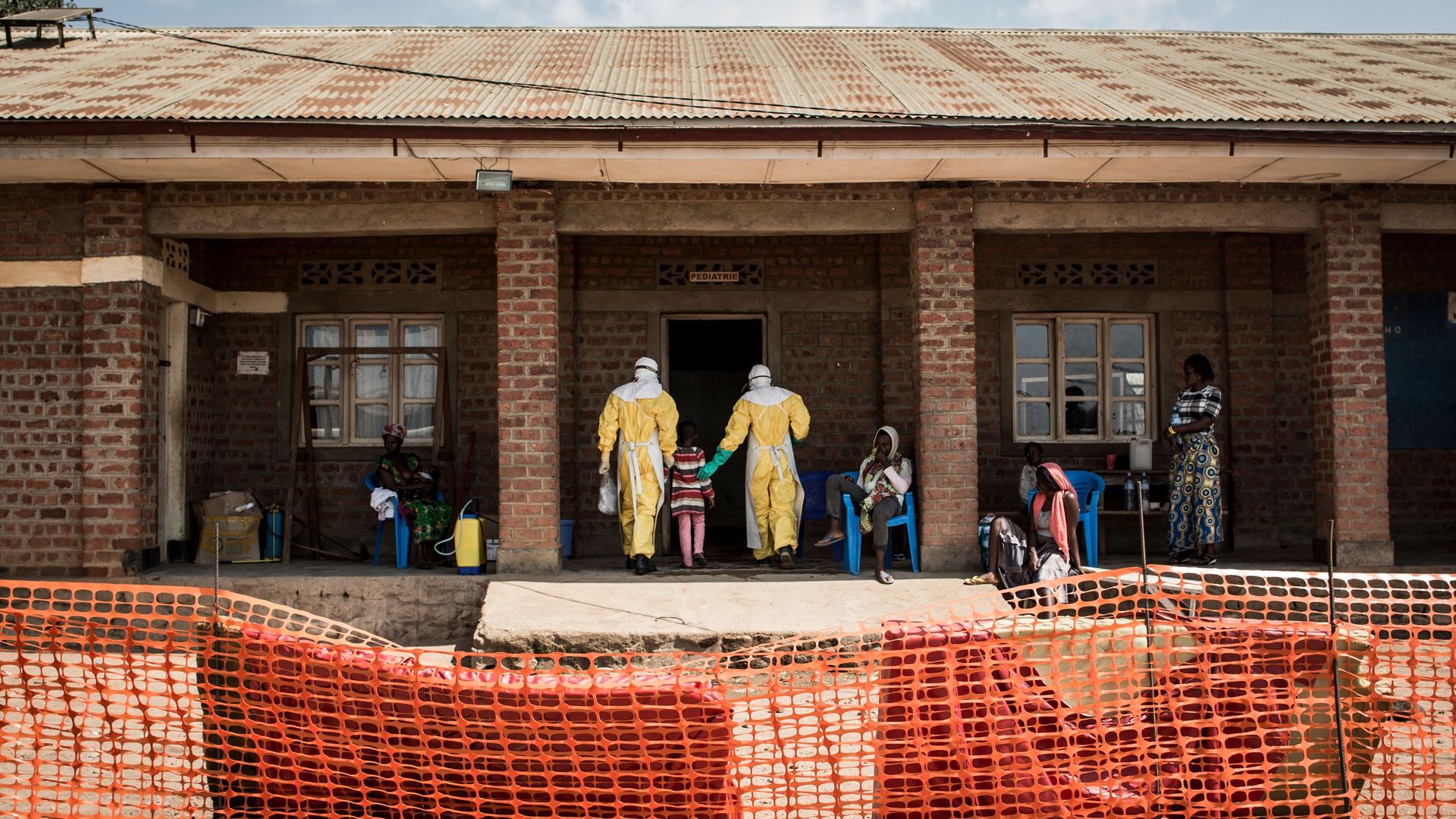
The escalation of violence in the Democratic Republic of the Congo jeopardizes the recent gains made in halting the ongoing Ebola outbreak and could trigger a surge in new infections if health care workers and civilians are not protected, World Health Organization officials warned Wednesday.
The perfect storm: Peter Salama, WHO's head of emergency response, said Tuesday they were "extremely concerned" about recent violence that in some areas endangered health officials and halting the Ebola prevention and treatment regimes.
News Shapers: The Vaping Debate

Tuesday morning, Axios Executive Editor Mike Allen hosted a series of conversations on the risks, reality and innovation challenges facing our public health, particularly as they relate to the rise in e-cigarette use. While regulators like the Food and Drug Administration (FDA) have declared the rapid rise in youth vaping to be a "public health emergency," vaping advocates are fighting back — arguing that e-cigarettes give adult cigarette addicts a safer alternative.
Why it matters: This debate was brought to a head last month when the FDA issued a notice to the most popular makers of e-cigarettes. The notice declared that these companies had 60 days to prove they can keep their products away from minors or risk a complete ban.
FDA Commissioner Scott Gottlieb
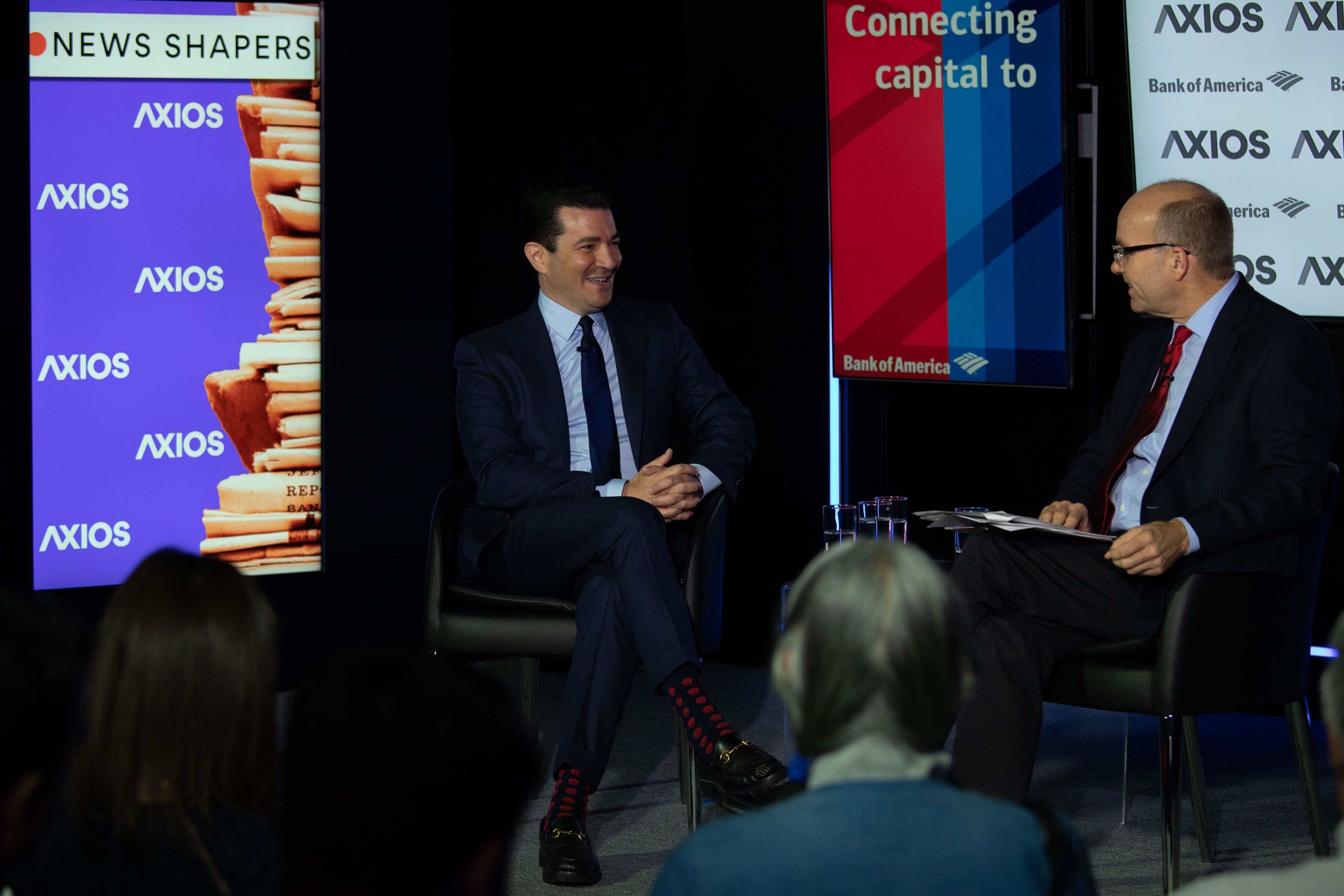
Gottlieb discussed the data he's seen on the rise of vaping in high schools and middle schools and the measures the FDA is considering to mitigate it.
- What caused the problem. "We have two problems: [e-cigarettes] are too appealing to kids and they’re too accessible to kids." E-cigarettes often come in flavors like skittles, watermelon or cotton candy, which critics argue heighten their appeal to minors.
- How big the problem is. "This is a public health emergency. ... There’s nothing to indicate to me that this trend isn’t growing. We’re getting into frightening numbers of kids using these products."
- Curbing underage use of e-cigarettes. The Food and Drug Administration is considering a ban on the online sale of e-cigarettes, and new limits on flavored products are also on the table, Axios' Sam Baker reports.
Winston Churchill High School Students
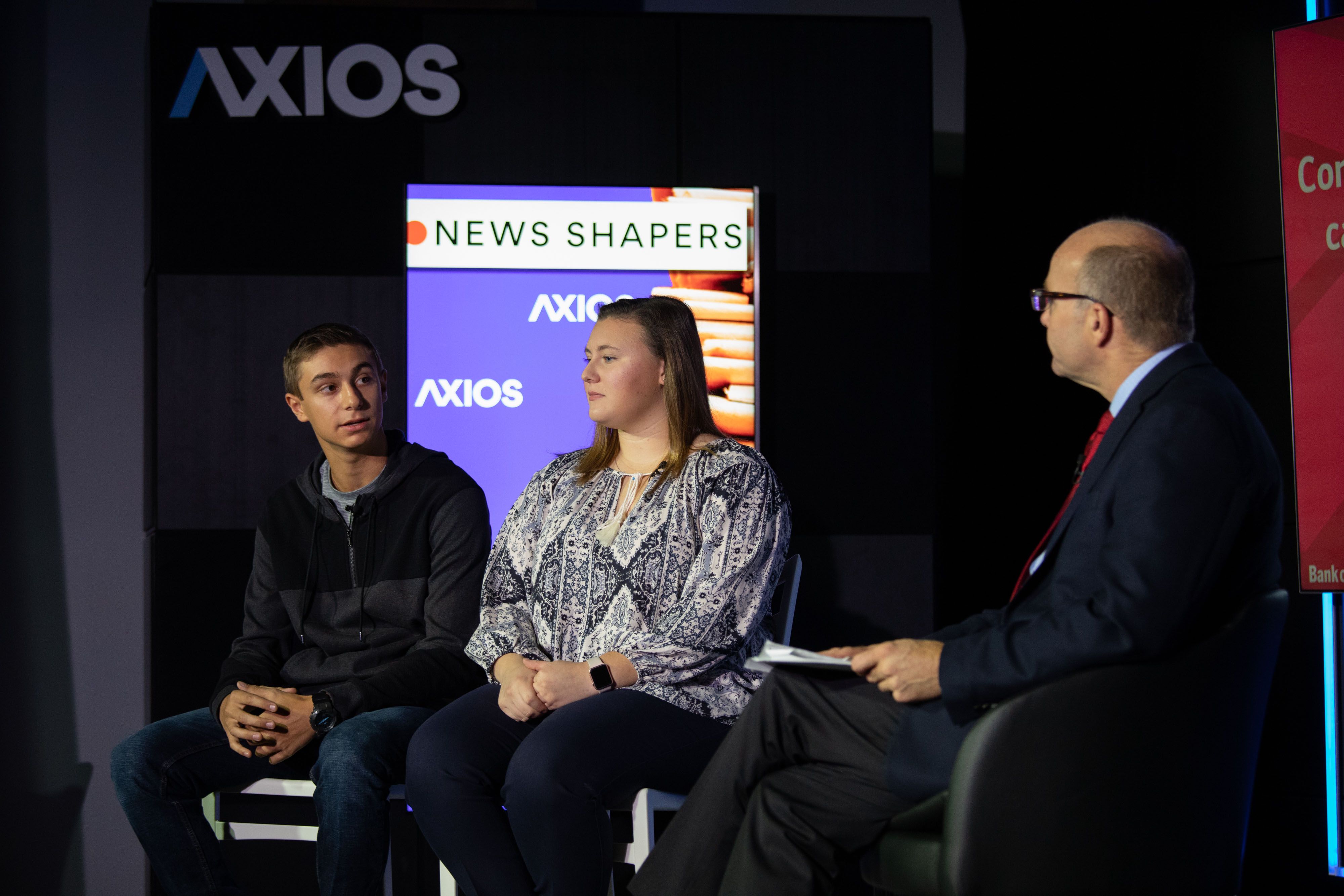
High School students Brandon Schoenfeld and Jaclyn Frank spoke about what they see as the vaping culture at their school and what fuels it.
- The power of access. "Kids can get their hands on the devices much easier. ... There’s a lot of retail stores that will sell to kids. Fake IDs are used not just for alcohol but for vaping," Frank said.
- Not everyone vapes. "The kids who aren’t involved in the culture of going out and drinking and smoking aren’t involved in it. The kids who are involved now have a new outlet to be involved," Schoenfeld said.
American Vaping Association President Gregory Conley
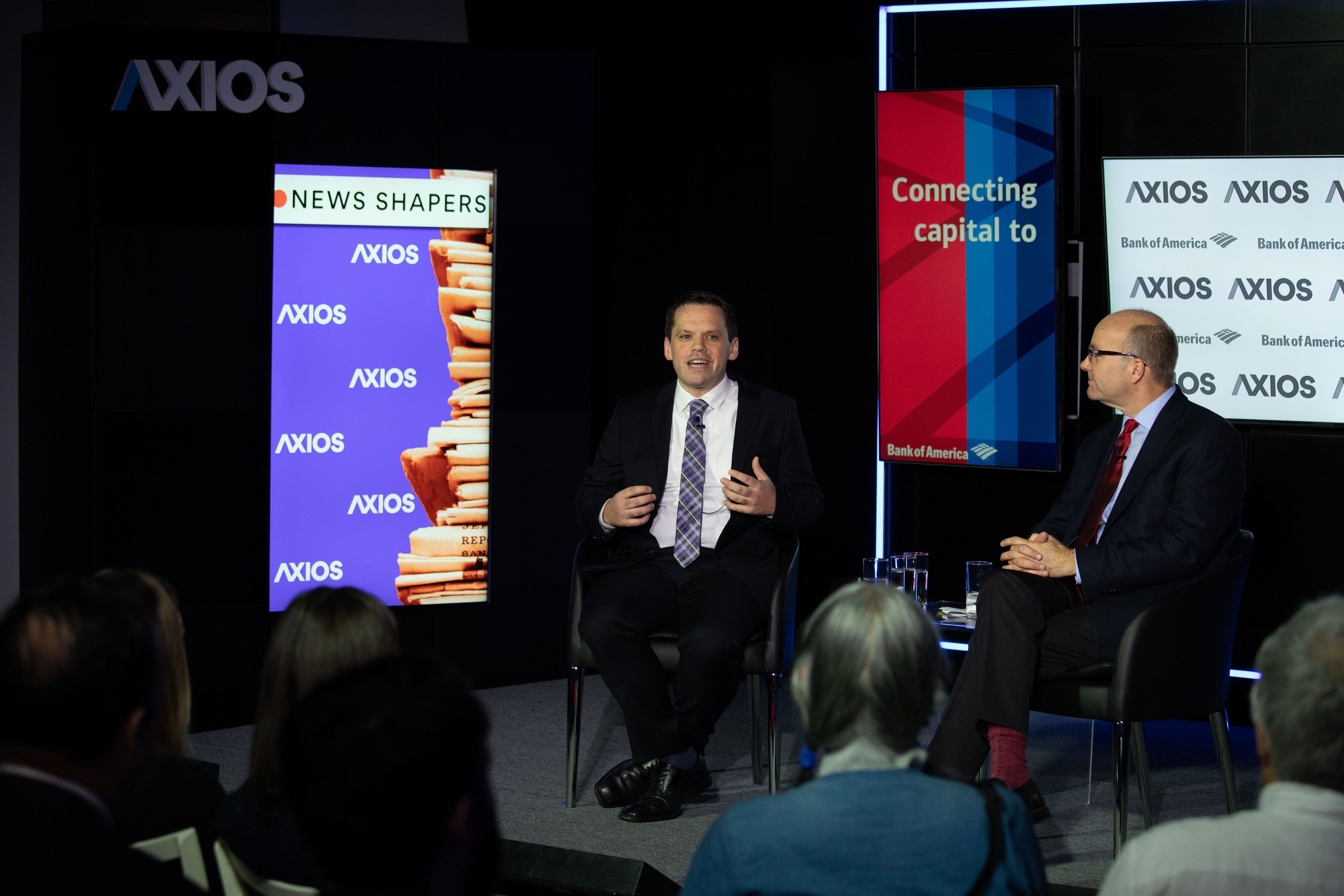
Conley discussed how e-cigarettes are a safer alternative to cigarettes and why he thinks having flavored e-cigarettes is important.
- A cigarette alternative. "E-cigarettes help adults get off of deadly products. ... The vast majority of vapers are using non-tobacco flavors. That’s why so many former tobacco users say it’s so effective."
CATCH Global Foundation CEO Duncan Van Dusen

Van Dusen dug into the appeal of vaping, its risks and CATCH Global Foundation's e-cigarette prevention program CATCH My breath, which is currently in 49 states.
- The tech appeal of vaping. "[Vaping] looks more like something that would be produced by apple than a big tobacco company."
- The importance of prevention. "If you reward nicotine receptors early, you’re more likely to become addicted. If you don’t reward them, the receptors will have atrophied. That’s why it’s important to prevent middle schoolers from starting."
Go deeper:
Thank you Bank of America for sponsoring this event.
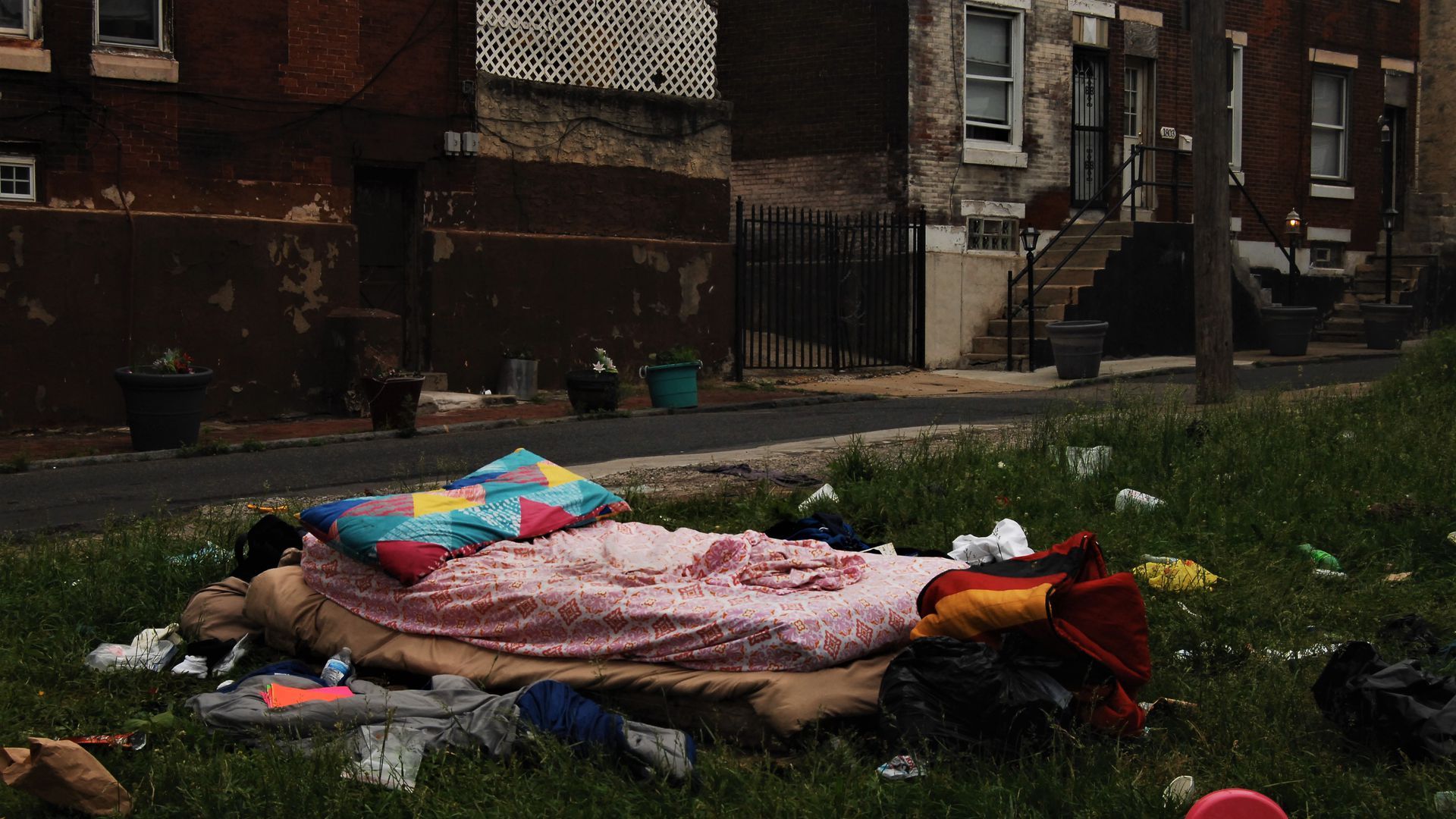
The opioid crisis is everywhere
Simply going to work in the morning puts a lot of people on the front lines of the opioid crisis, whether or not they want to be — and whether or not they’re prepared to be.
What's happening: "Service workers are … the unwitting first line of medical responders," CityLab reports, because public restrooms have become such a popular place to use opiates.
Congress releases its final opioids bill
Republican and Democratic lawmakers from the House and Senate released their final opioids package last night, bridging the differences between bills the two chambers passed previously.
The big picture: This is a big bill and there are provisions in here that public health experts believe will make a difference.