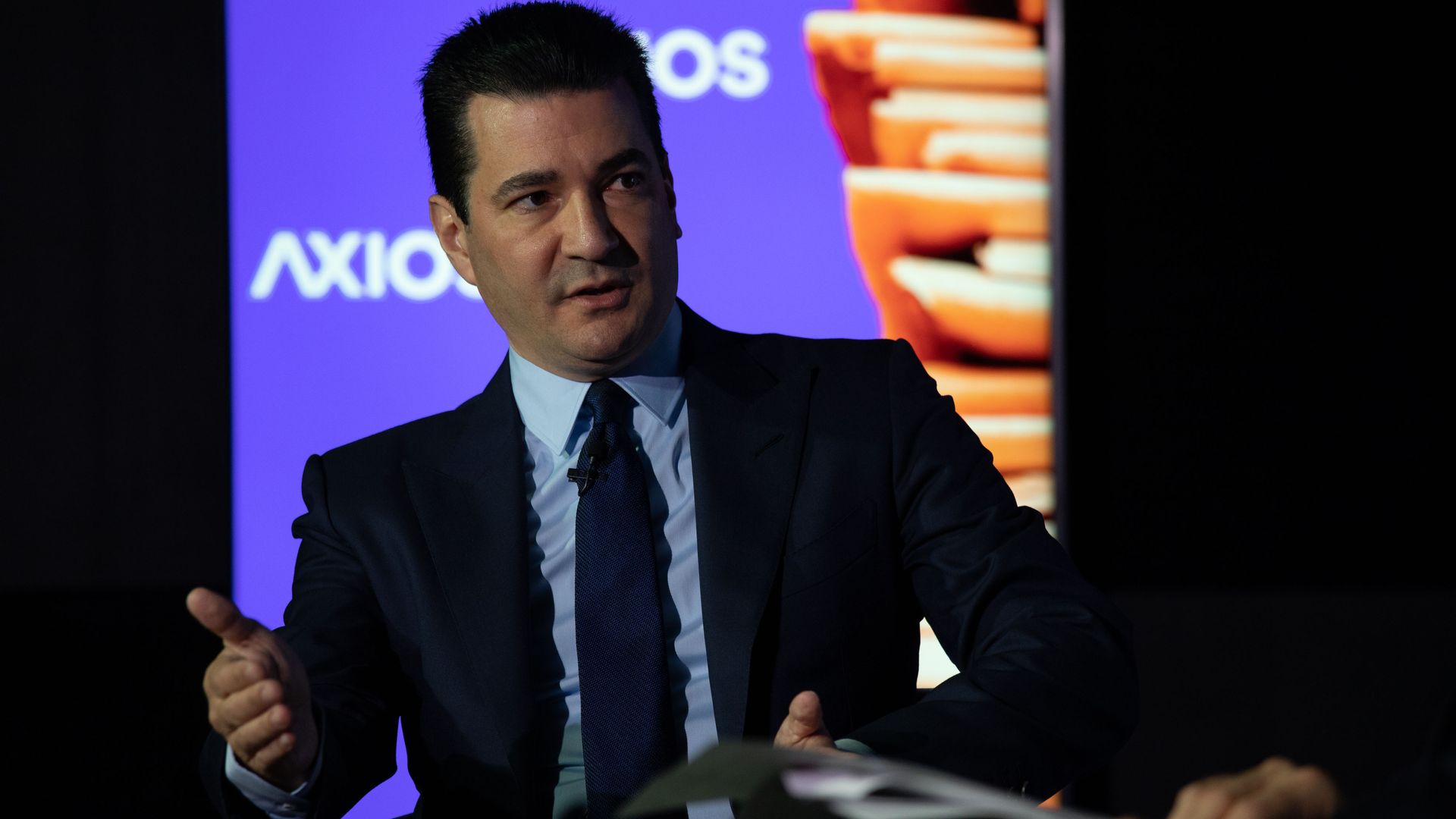
The Food and Drug Administration is considering a ban on the online sale of e-cigarettes, Commissioner Scott Gottlieb said at an Axios News Shapers event this morning. New limits on flavored products are also on the table, he said; the agency will release new data about teen vaping and announce its next steps in November.
Why it matters: Gottlieb has consistently said e-cigarettes can be a safer option for adults who smoke cigarettes, but that the products are "too appealing" and "too accessible" to children and teens. Regulations to ban or at least curb online sales or flavored products could come soon, Gottlieb said today.
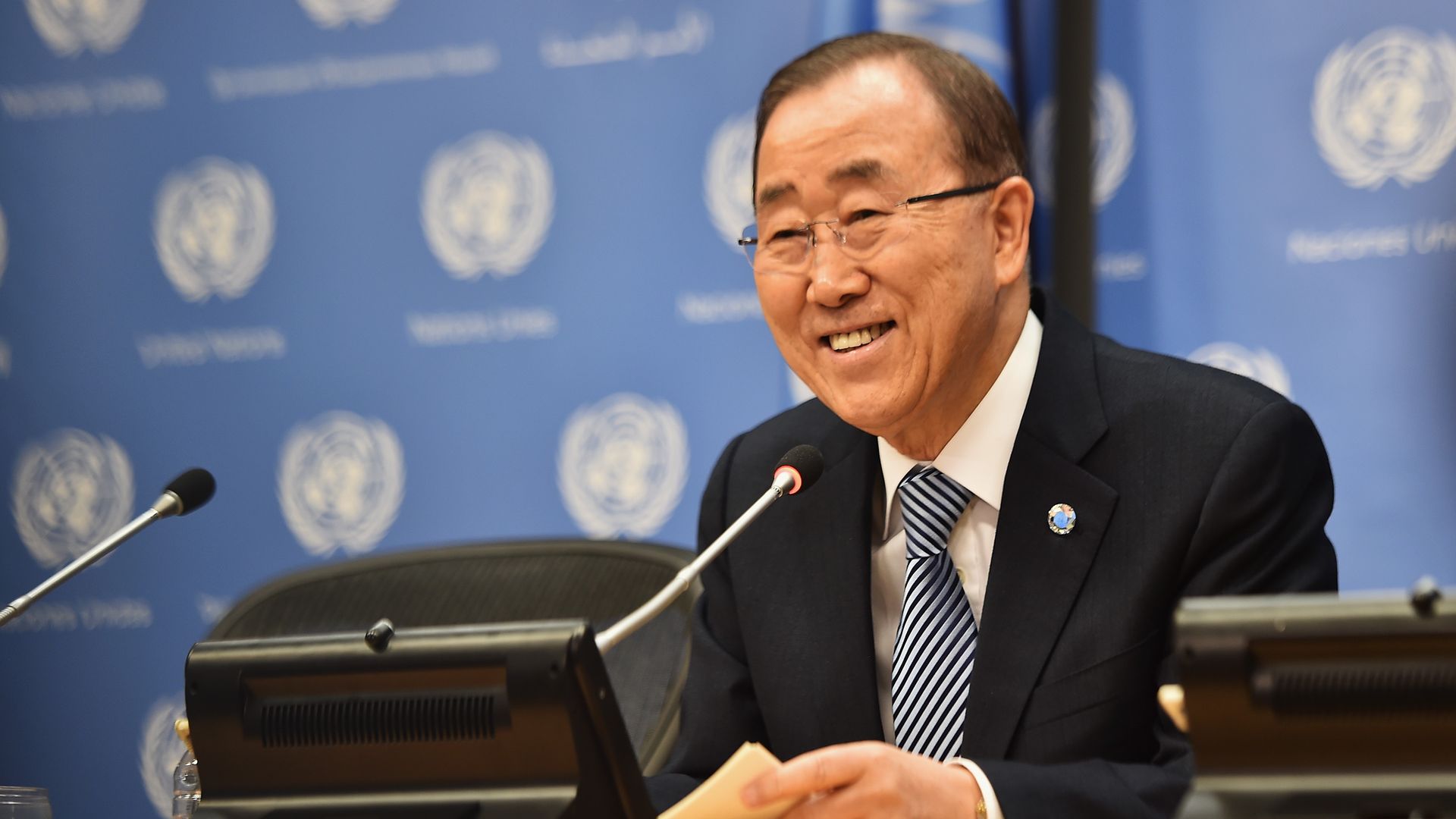
The U.S. health care system is "unethical" and "politically wrong, morally wrong," former United Nations Secretary-General Ban Ki-moon said in an interview with The Guardian, adding that government officials are beholden to industry interests.
Why it matters: Ban's comments echo the left's growing enthusiasm for "Medicare for All," or something closer to a single-payer system. "Medicare for All" caught on in many Democratic primaries this year and is already shaping up as a defining debate for 2020.
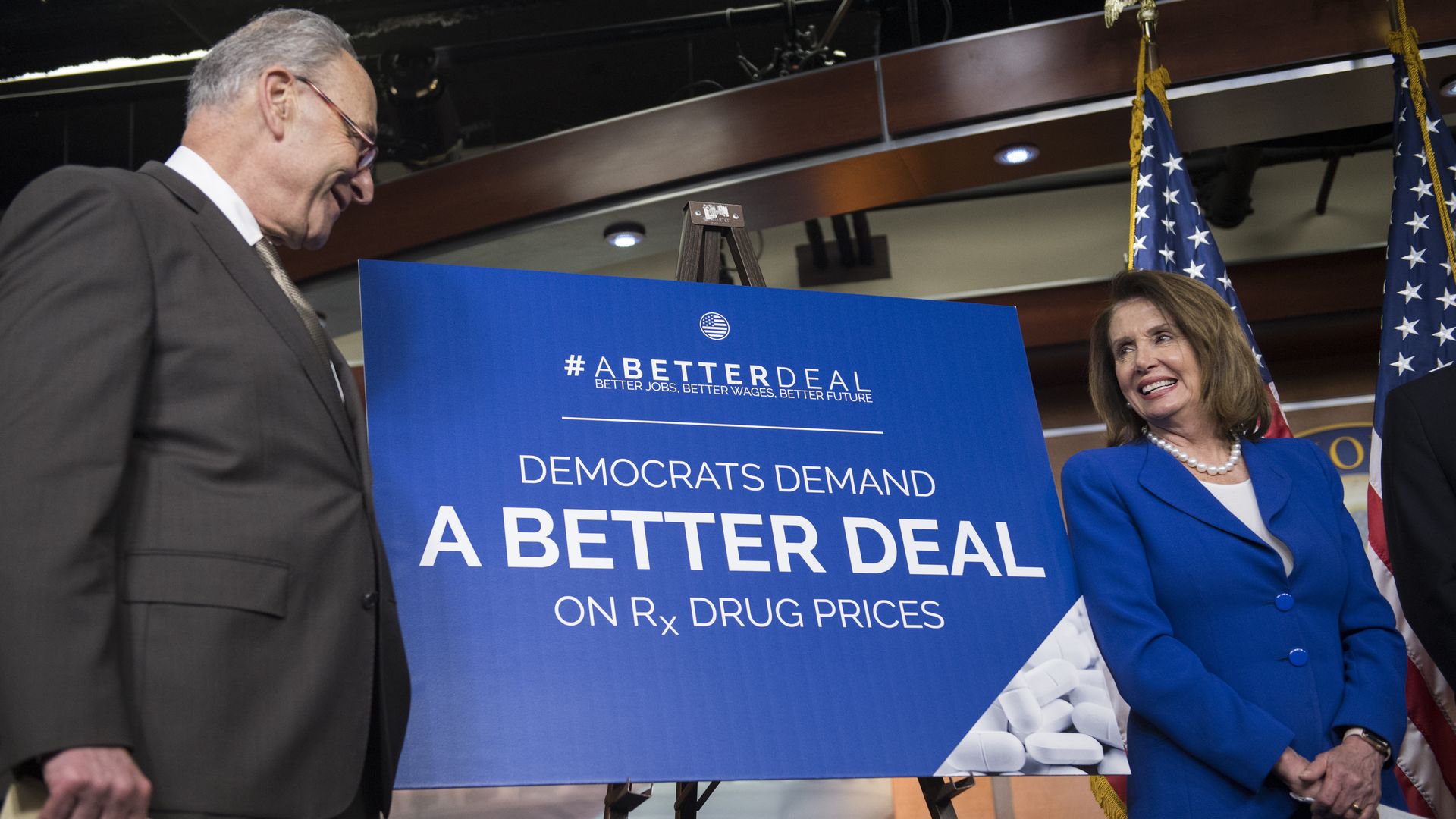
Drug prices are still climbing higher, despite President Trump’s promises of big and immediate discounts.
By the numbers: At the end of July, drugmakers had raised the price of brand-name products more than 4,400 times this year, compared with 46 price cuts, according to an Associated Press analysis. That works out to 96 increases for every reduction.
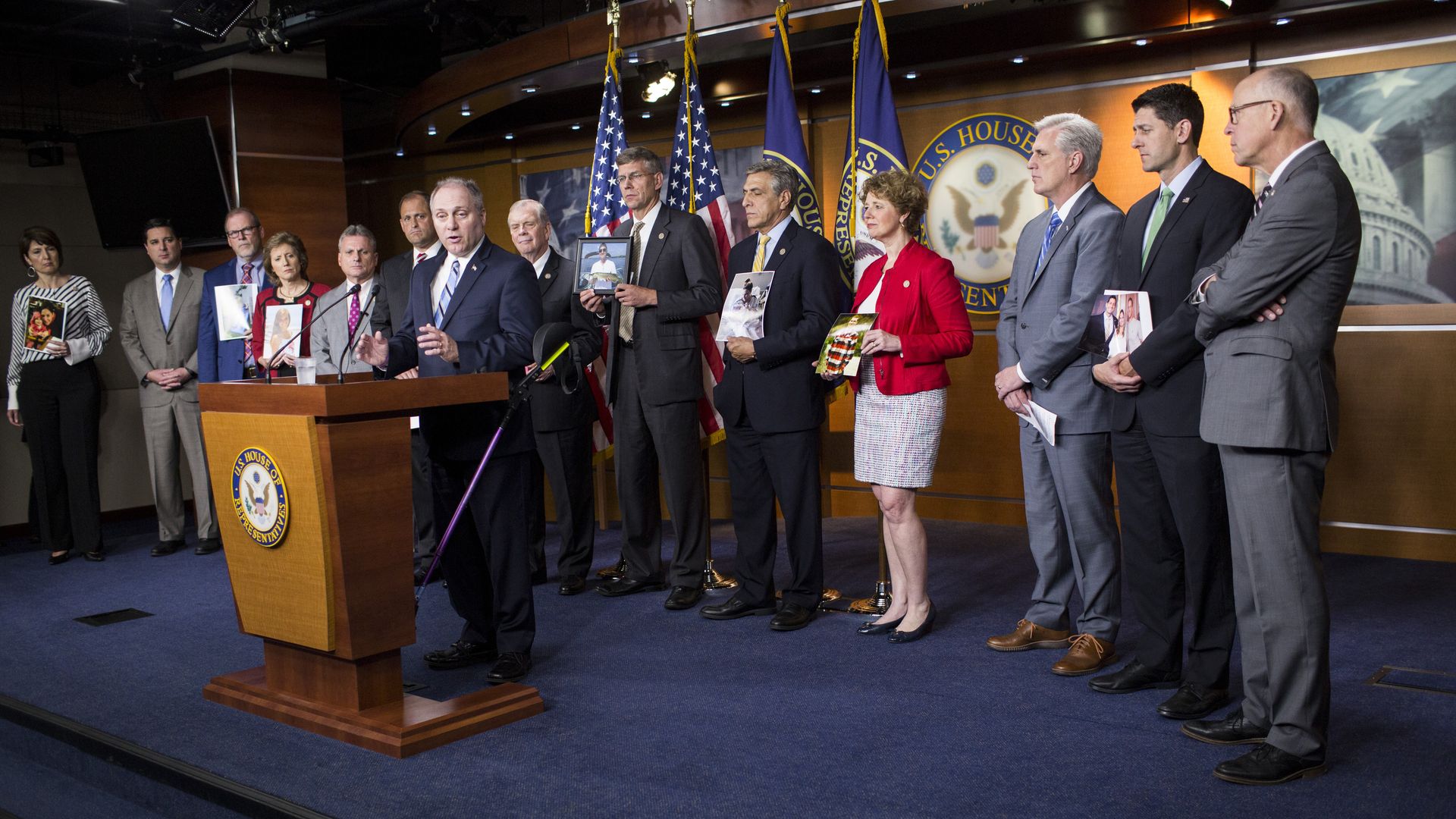
Congress' final opioids legislation will expand Medicaid coverage for addiction treatment and will not include a Medicare provision the pharmaceutical industry has lobbied for, according to Modern Healthcare's Susannah Luthi.
The details: Per Modern Healthcare, the House and Senate have agreed to lift the so-called "IMD exclusion" in their final opioids package, which will allow federal Medicaid money to flow to more treatment centers.
Health insurer UnitedHealthcare has mailed a notice to 300 hospital systems that use Envision Healthcare for physician staffing, warning them that Envision providers likely will not be part of UnitedHealthcare's network starting next year.
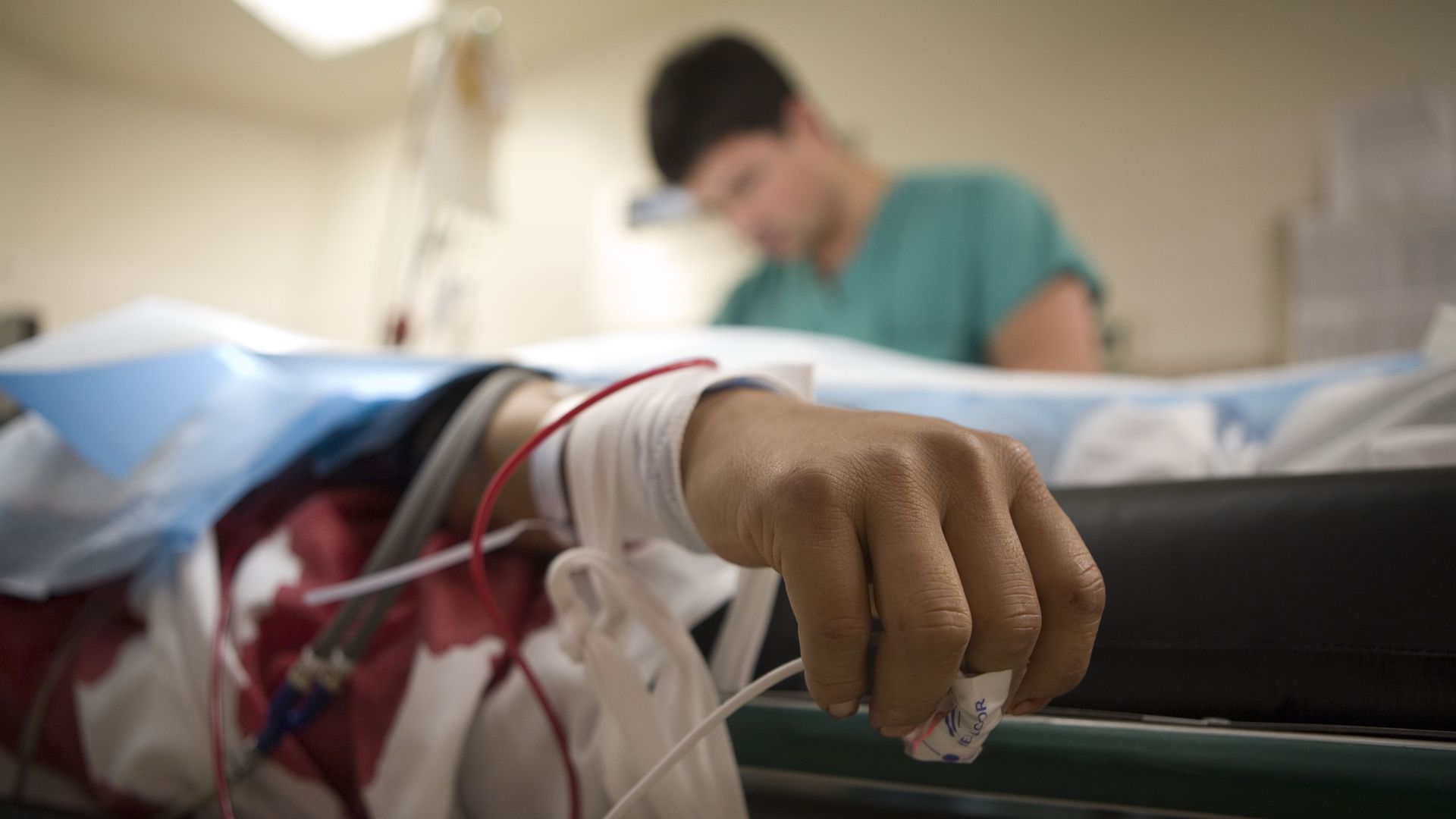
The bottom line: UnitedHealthcare said in April that it was prepared to terminate its contract with Envision, a company that has since been bought out by private equity firm KKR in a $10 billion deal. Negotiations have been fruitless, and patients who have UnitedHealthcare insurance and who are treated by Envision doctors now likely will face large, unexpected medical bills.
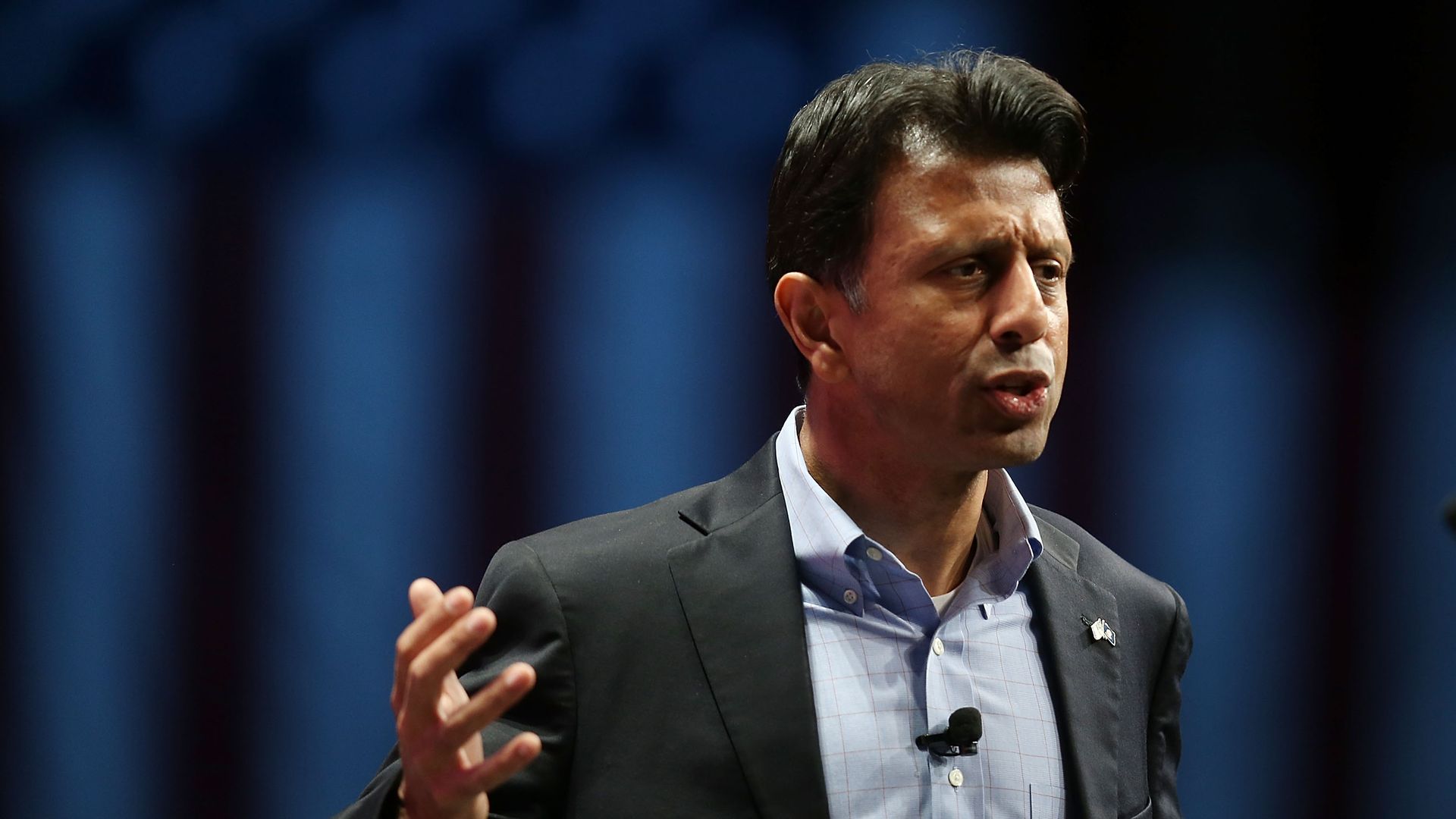
Bobby Jindal, the former Republican governor of Louisiana, has been named to the board of directors at WellCare Health Plans, a publicly traded health insurance company that mostly operates state Medicaid programs.
Why it matters: Jindal, who will earn about $240,000 in cash and stock in this role, cut his state's Medicaid funding to plug budget holes and refused to expand Medicaid under the Affordable Care Act as governor. WellCare has benefitted from Medicaid expansion, covering 2.7 million people on Medicaid and collecting $17 billion in revenue in 2017.
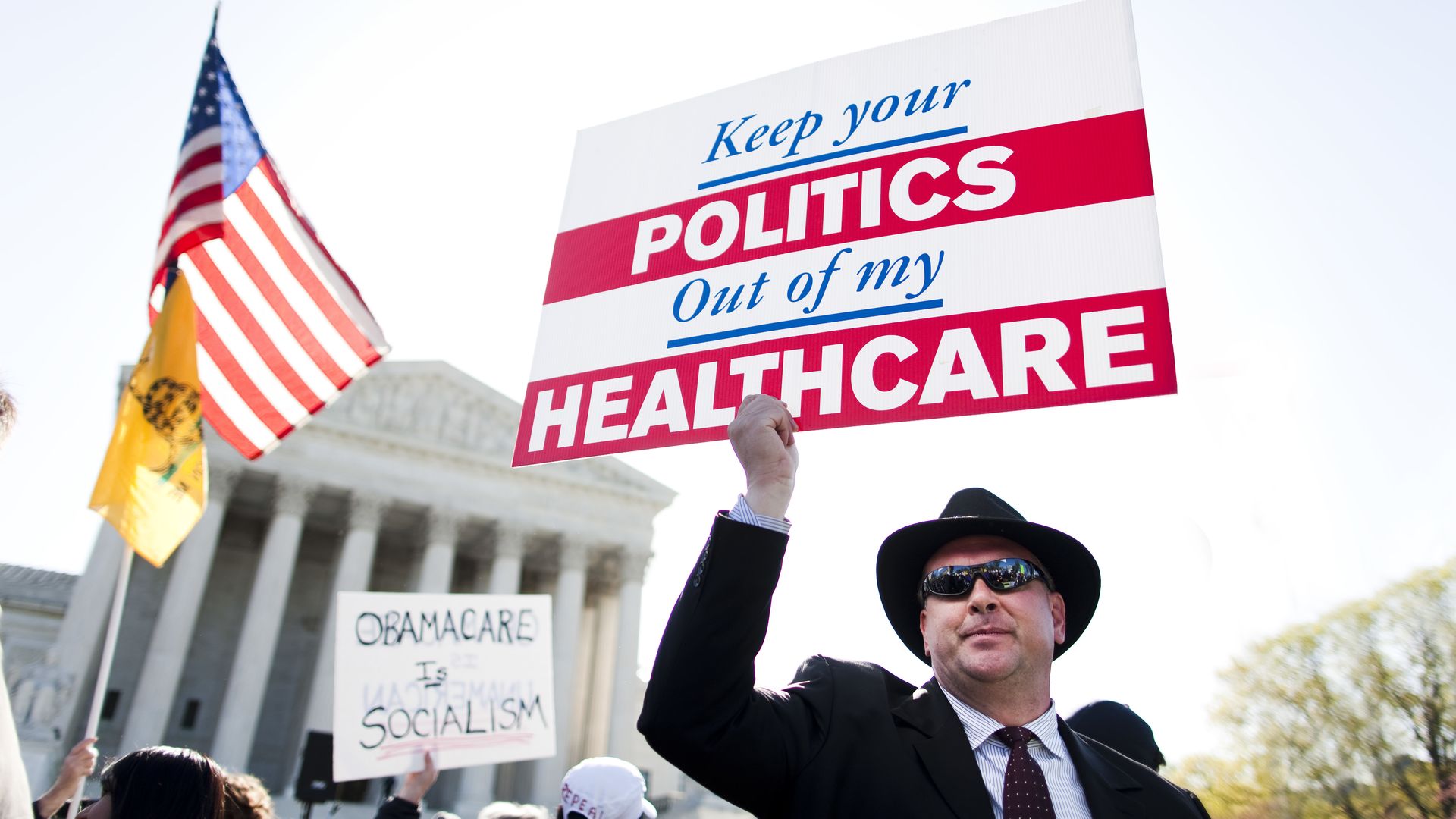
With the midterm elections fast approaching and Democrats riding a clear advantage on health care, many Republicans are nevertheless doubling down on largely unpopular ideas like repealing the Affordable Care Act and cutting Medicare.
Between the lines: This strategy may seem counterintuitive on its face. However, it likely reveals that the party has all but abandoned independent voters this year and instead is focused on turning out its base.
There is growing interest in the problem of surprise medical bills in the media and on Capitol Hill, with a bipartisan group of senators drafting legislation to crack down on the problem. But the issue has not been prominent in midterm campaigns and is not showing up in campaign ads.
Why it matters: Recent analyses, including polling and a report on employers' medical claims, show that surprise bills could have as much — or even more — traction with the public than other health issues being featured in the midterms. In an election where health care is top-of-mind, candidates may be missing an opportunity.