Health insurer UnitedHealthcare has mailed a notice to 300 hospital systems that use Envision Healthcare for physician staffing, warning them that Envision providers likely will not be part of UnitedHealthcare's network starting next year.
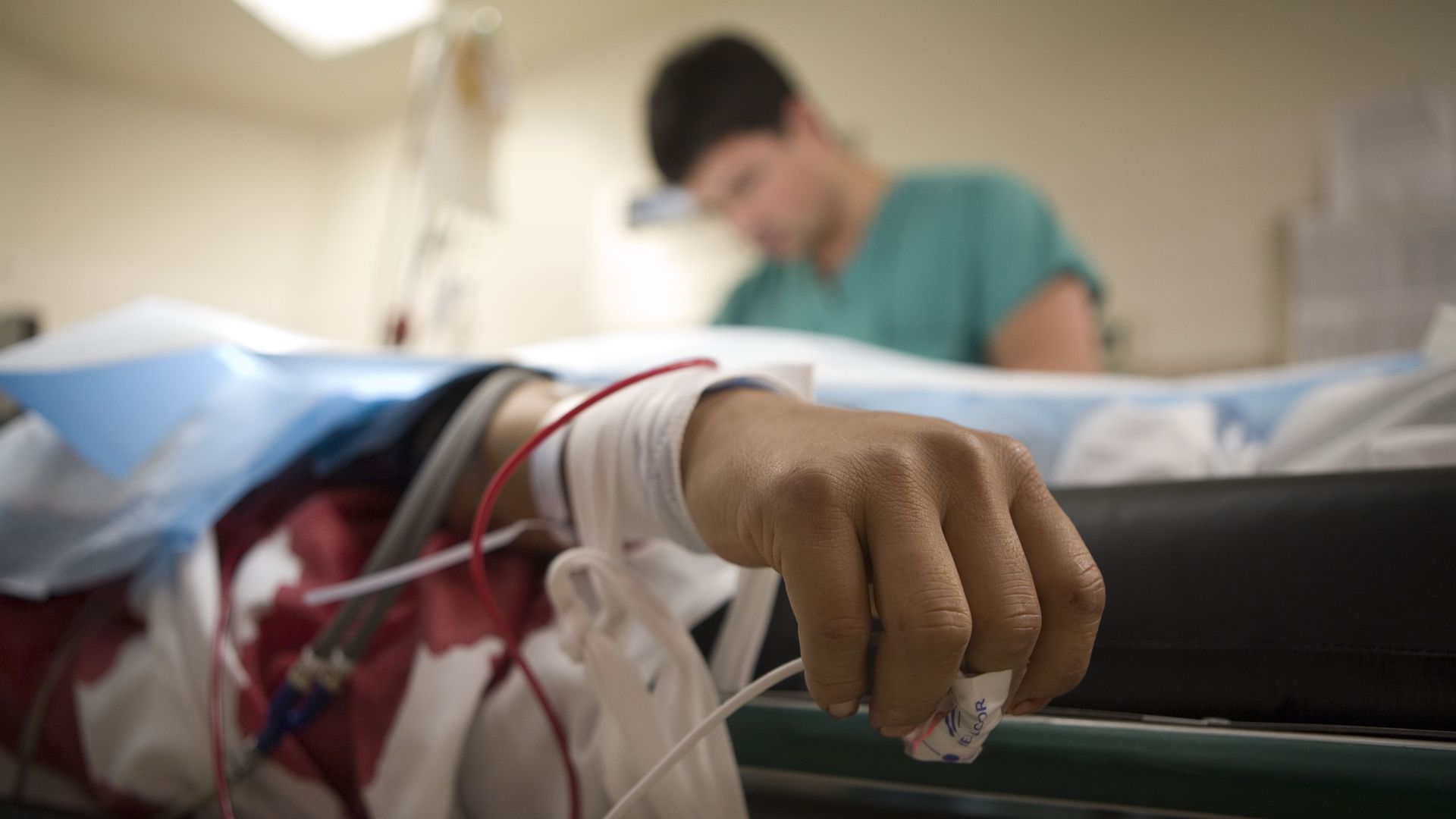
The bottom line: UnitedHealthcare said in April that it was prepared to terminate its contract with Envision, a company that has since been bought out by private equity firm KKR in a $10 billion deal. Negotiations have been fruitless, and patients who have UnitedHealthcare insurance and who are treated by Envision doctors now likely will face large, unexpected medical bills.
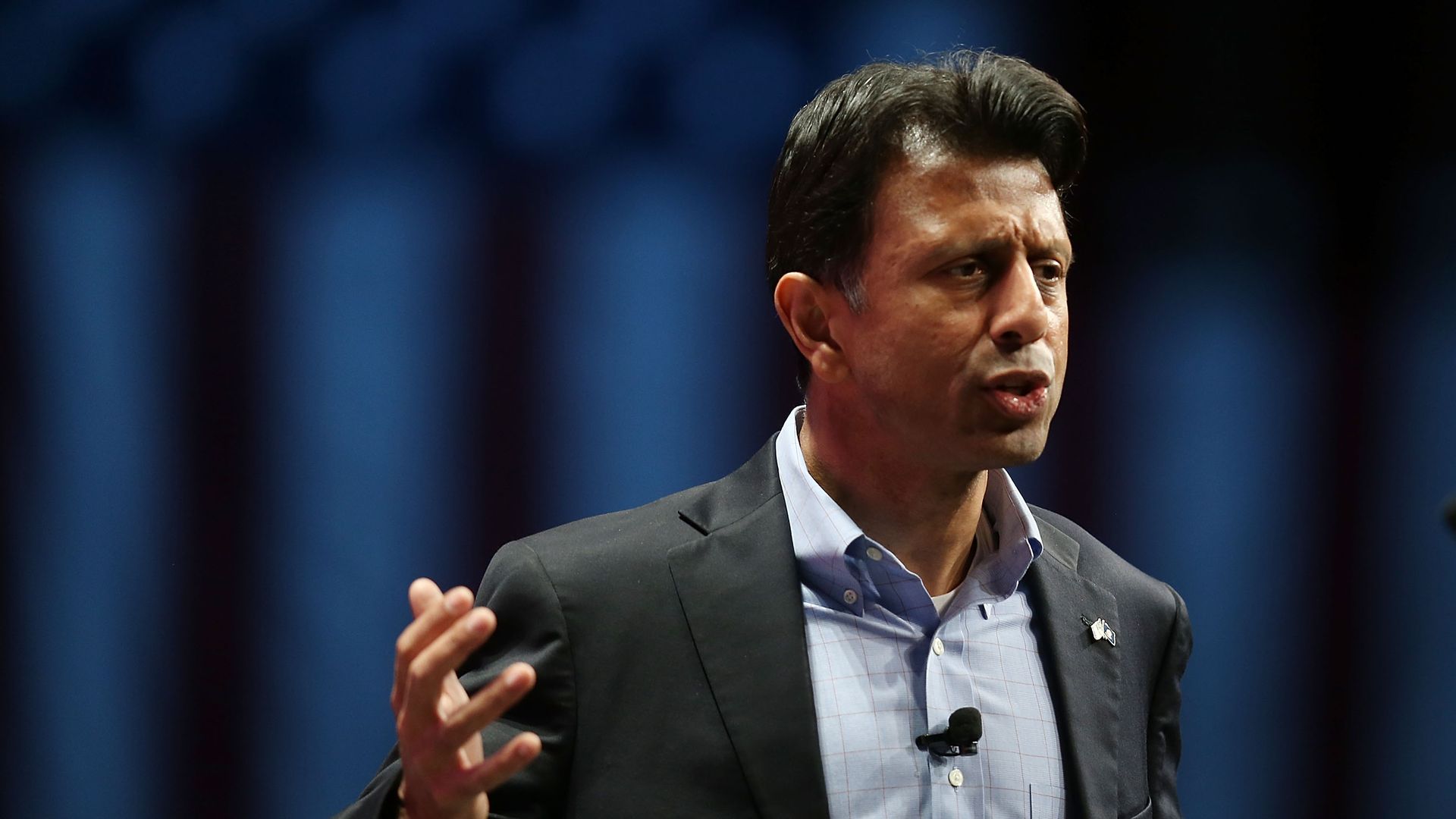
Bobby Jindal, the former Republican governor of Louisiana, has been named to the board of directors at WellCare Health Plans, a publicly traded health insurance company that mostly operates state Medicaid programs.
Why it matters: Jindal, who will earn about $240,000 in cash and stock in this role, cut his state's Medicaid funding to plug budget holes and refused to expand Medicaid under the Affordable Care Act as governor. WellCare has benefitted from Medicaid expansion, covering 2.7 million people on Medicaid and collecting $17 billion in revenue in 2017.
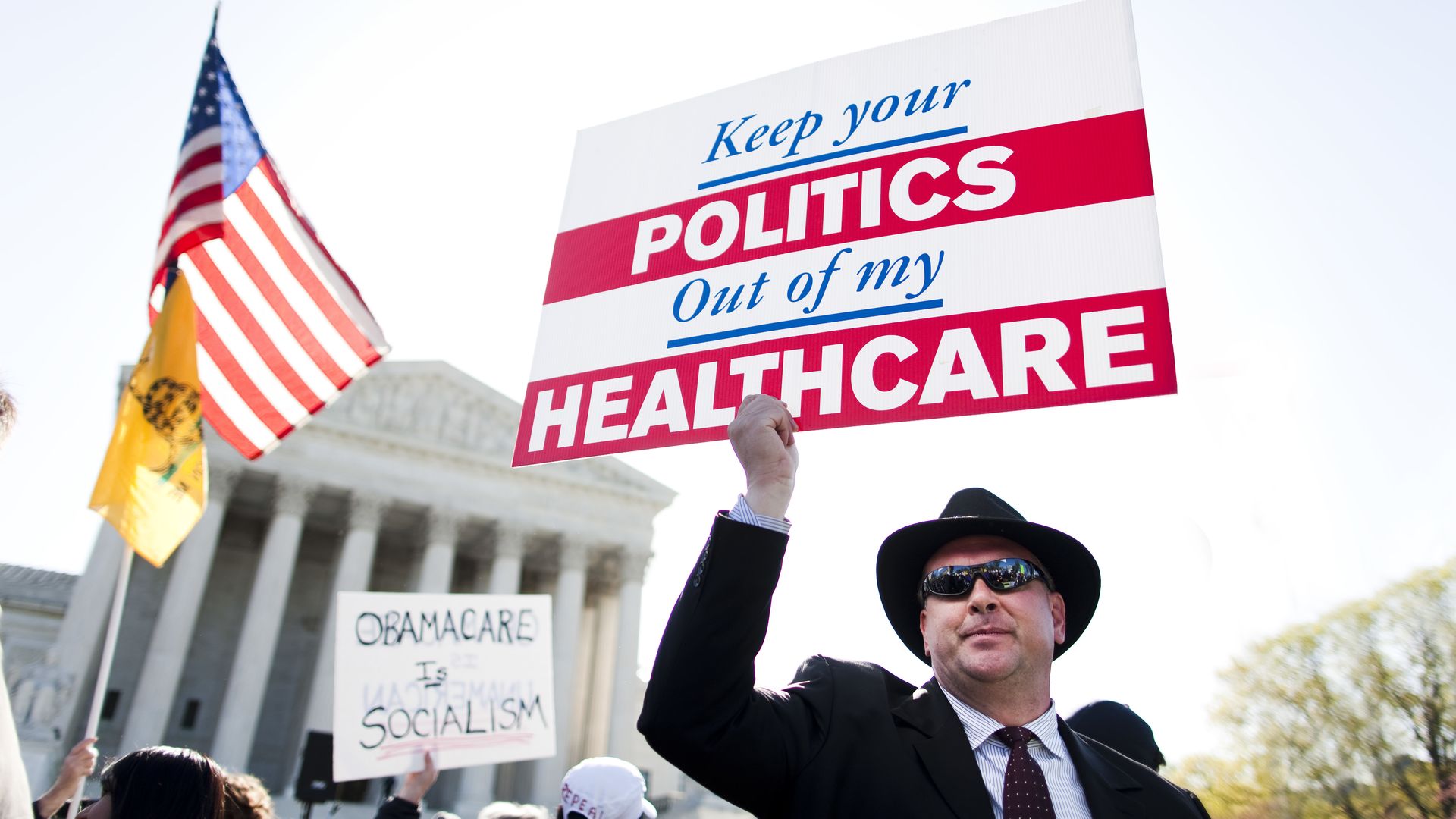
With the midterm elections fast approaching and Democrats riding a clear advantage on health care, many Republicans are nevertheless doubling down on largely unpopular ideas like repealing the Affordable Care Act and cutting Medicare.
Between the lines: This strategy may seem counterintuitive on its face. However, it likely reveals that the party has all but abandoned independent voters this year and instead is focused on turning out its base.
There is growing interest in the problem of surprise medical bills in the media and on Capitol Hill, with a bipartisan group of senators drafting legislation to crack down on the problem. But the issue has not been prominent in midterm campaigns and is not showing up in campaign ads.
Why it matters: Recent analyses, including polling and a report on employers' medical claims, show that surprise bills could have as much — or even more — traction with the public than other health issues being featured in the midterms. In an election where health care is top-of-mind, candidates may be missing an opportunity.
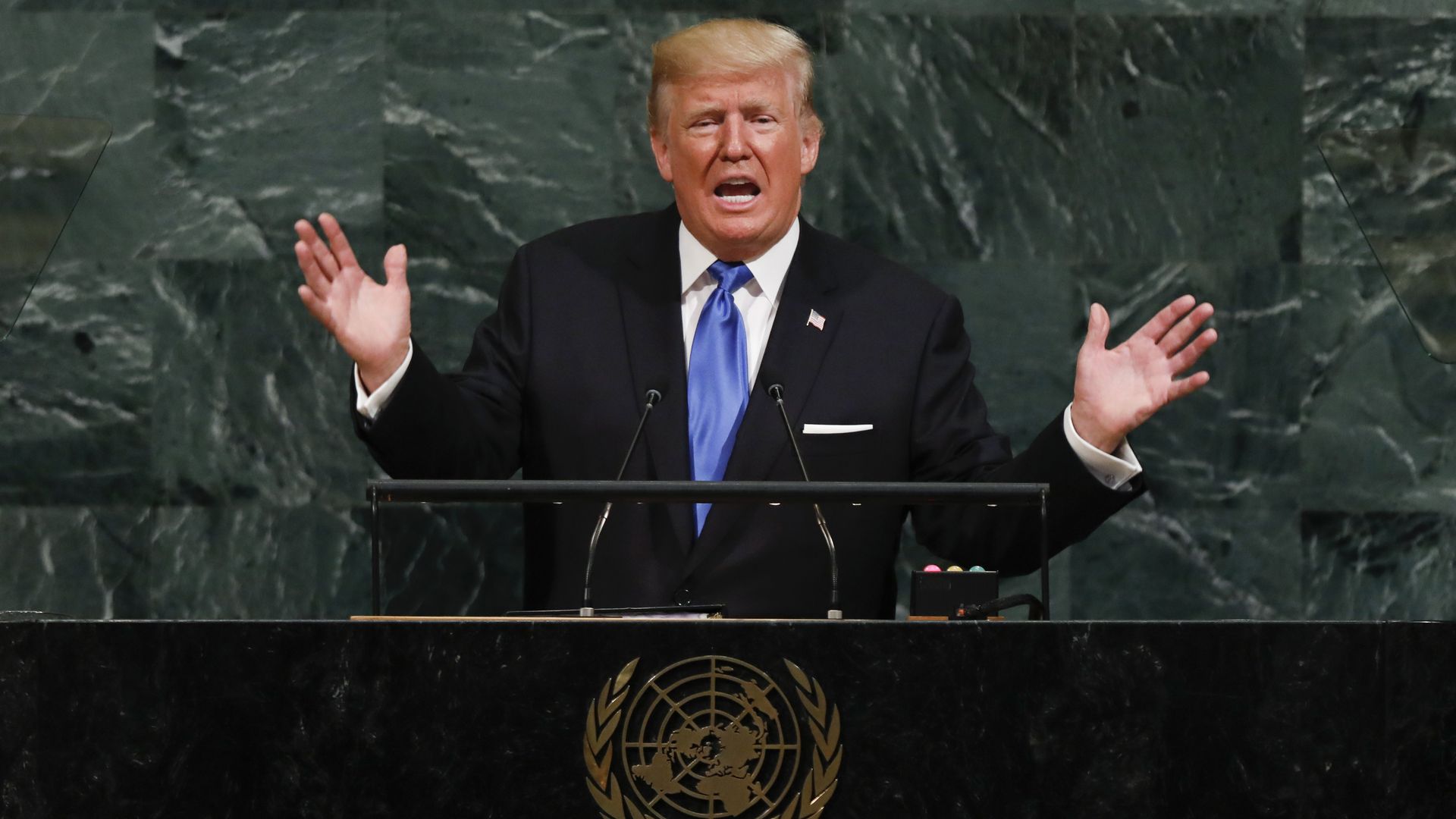
President Trump plans to use his chairing of the UN Security Council to spotlight two issues: the global opioids epidemic and the "malign activity" of Iran, according to sources with knowledge of his thinking.
What's happening: Trump plans to address a counter-narcotics summit focused on opioids on Monday, sources familiar with the event told me. Much of the illegal opioids ravaging American streets are coming from factories in China.