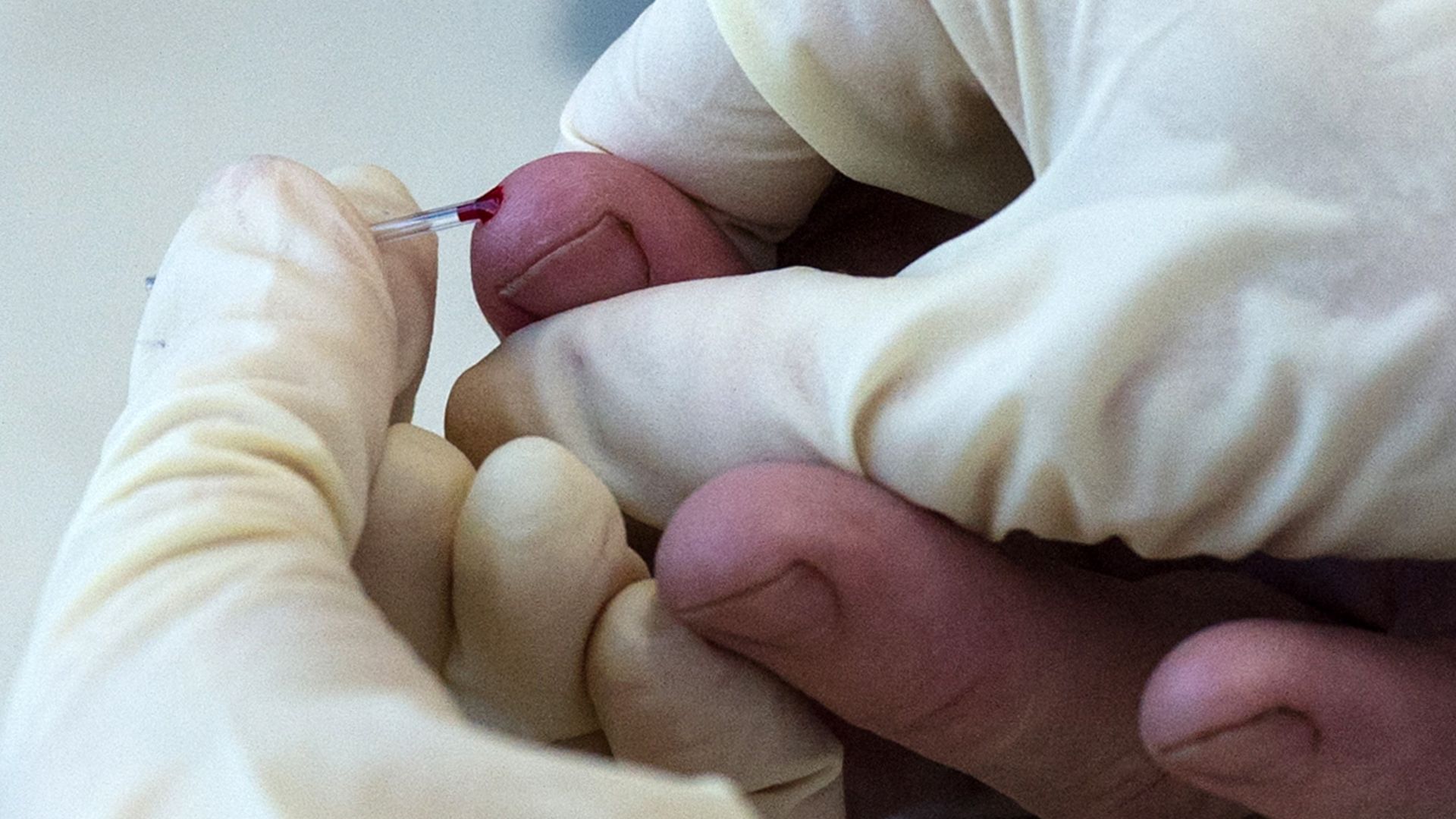
The World Health Organization this week issued a list of must-have diagnostic tools for nations to adopt. They expect the first round of the Essential Diagnostics List (EDL) will encourage manufacturers to boost production of the tests.
Why it matters: Diagnostic tools are the first, key step in ensuring a patient is receiving the correct treatment and in assisting countries in containing and responding to disease outbreaks, but many developing countries do not have access to them.
"Diagnostics are going to be key ... to be able to triage and respond and manage patients when an outbreak happens."
— Jamie Bay Nishi, director, Global Health Technologies Coalition
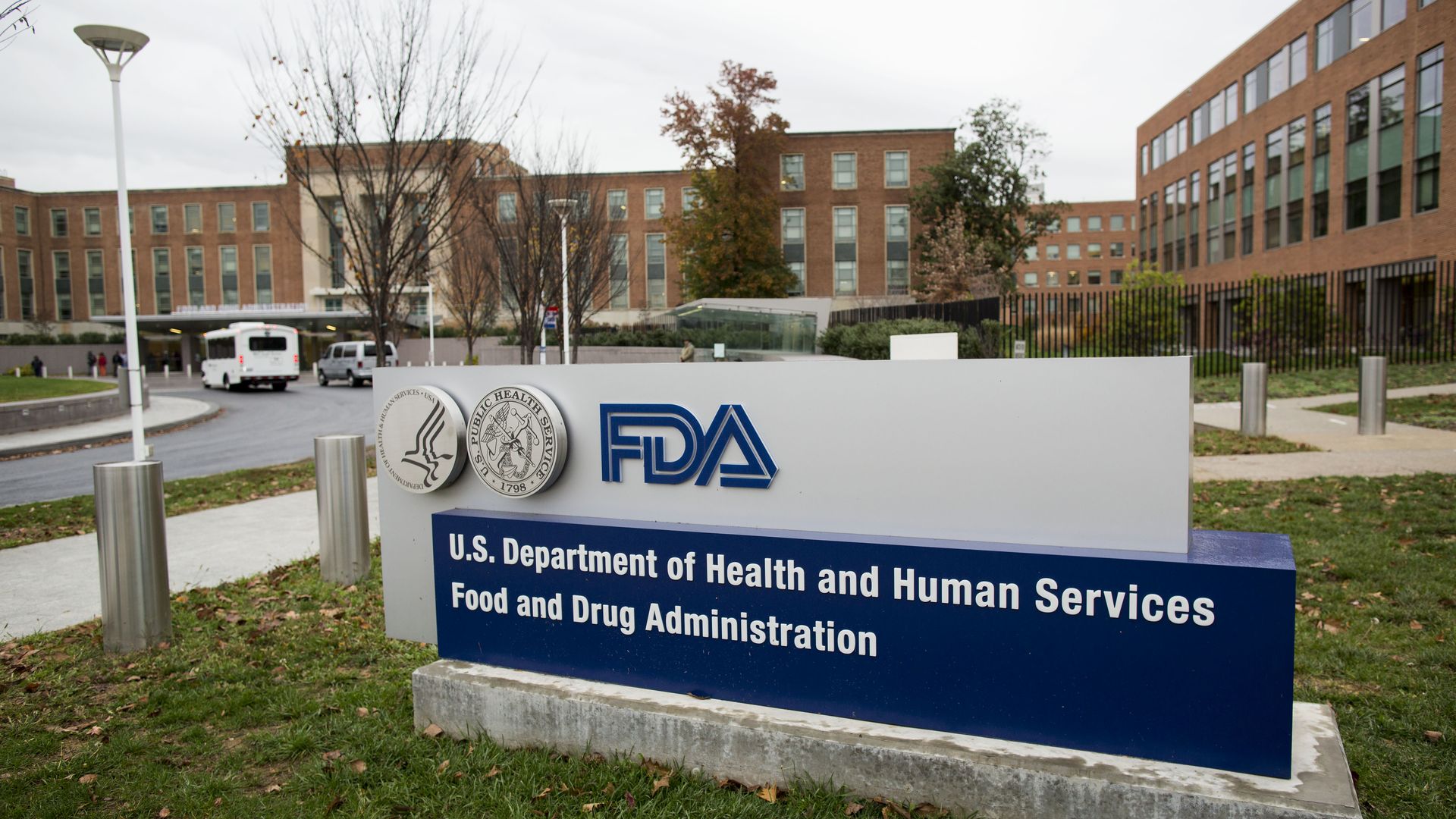
The Food and Drug Administration published a list Thursday showing pharmaceutical companies that the agency said could be using "gaming tactics" to delay generic competition with their brand-name drugs. Many drugs on the list, like Revlimid and H.P. Acthar Gel, have high price tags.
The bottom line: It's a big deal for the Trump administration to publicly shame drug companies for limiting access to their costly brand-name products. But the big question is whether this move, along with other policies, will make it easier for lower-cost generics to hit the market.
The rising cost of prescription drugs is mostly falling to insurance companies and the government, while patients' out-of-pocket spending is holding steady.
Why it matters: This contradicts the narrative that the outrage over rising drug prices has intensified because consumers are shouldering more of those costs.
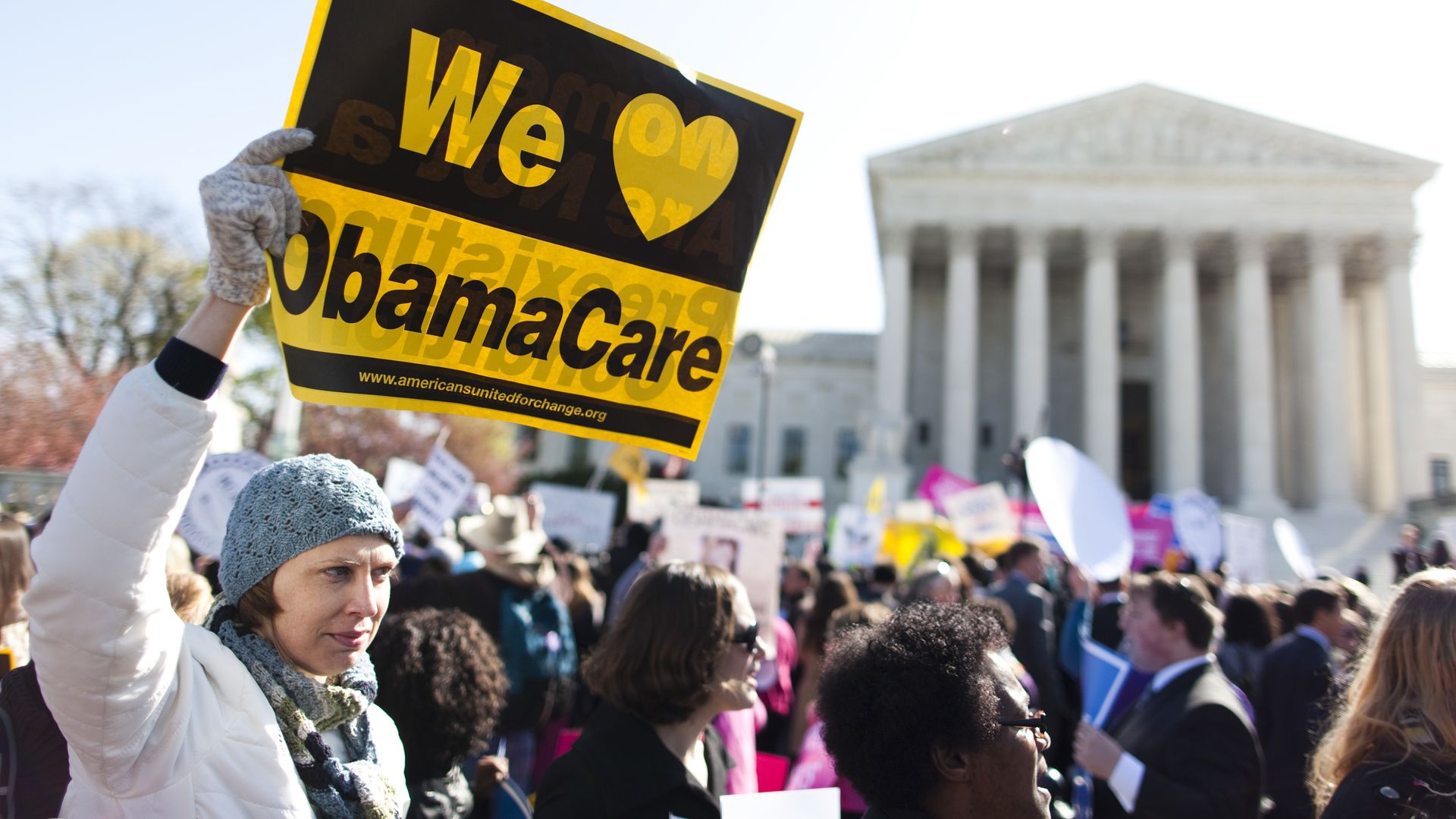
A group of liberal states will be allowed to defend the Affordable Care Act in court after a federal judge in Texas today granted their request for a formal role in the latest constitutional challenge to the ACA.
Why it matters: The ACA's allies would much rather have a voice of their own in the lawsuit — which challenges the ACA's individual mandate — rather than leaving the pro-ACA argument entirely in the hands of the Trump administration.
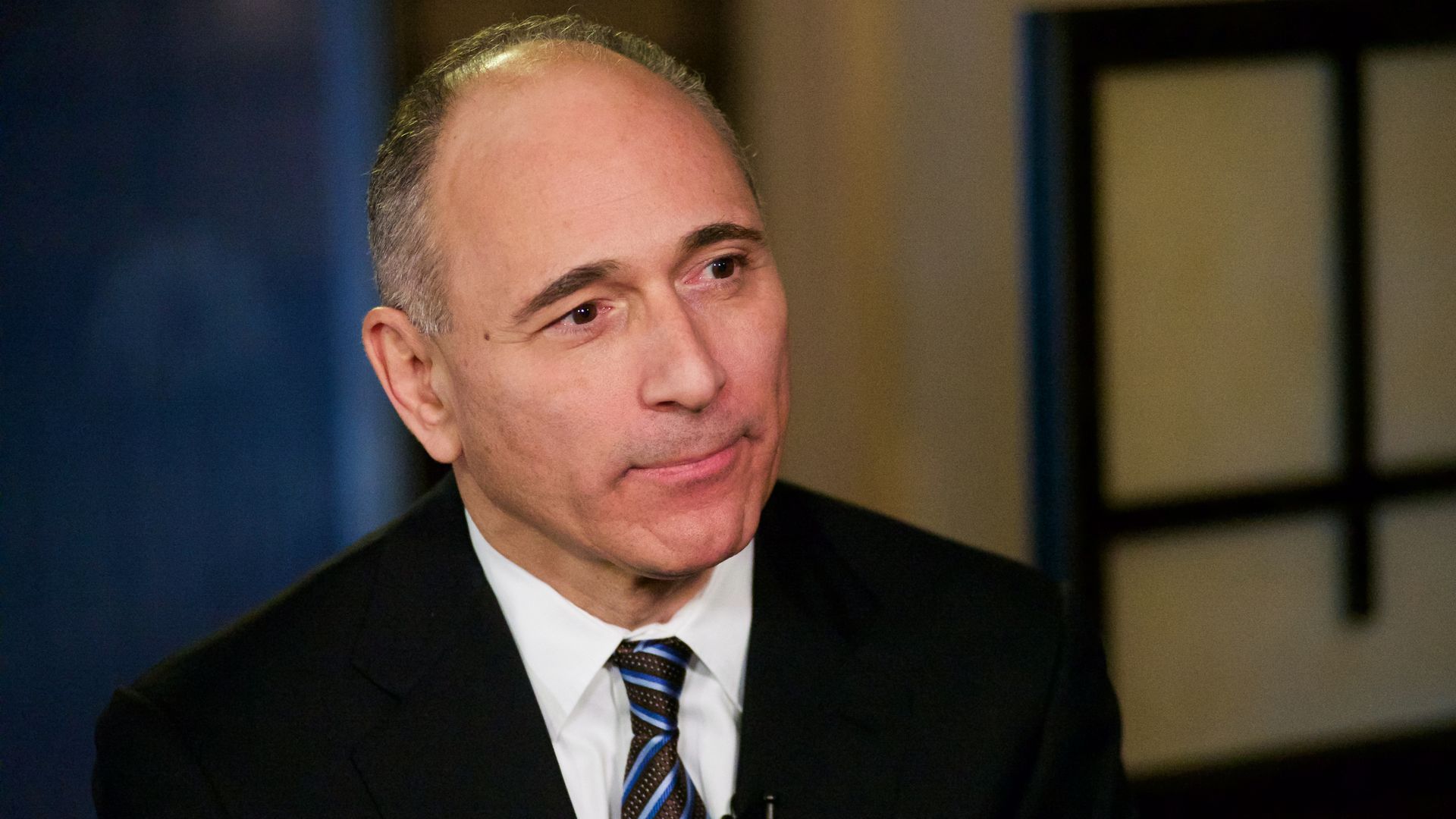
Former Novartis CEO Joe Jimenez told Forbes he is "accountable for everything that happened" with the pharmaceutical company's decision to pay President Trump's former lawyer, Michael Cohen, $1.2 million for consulting on Trump's health care agenda.
That's not all: Forbes also asked Jimenez if anyone at Novartis could have prevented the deal from happening. "I would say no, because of the speed with which we were moving, and that was a mistake. We should have done more due diligence. We should have slowed down."
Last year, New Jersey awarded pharmacy benefit manager OptumRx a $6.7 billion contract to oversee prescription drug benefits for the state's 835,000 public employees, retirees and dependents. But now New Jersey has to redo the process after a court said OptumRx "improperly hedged" its contract.
The big picture: There's reason to believe this type of financial hedging exists in most contracts involving the big PBMs.
More adults may be giving e-cigarettes a try, but fewer people are making it a habit, according to research published in Journal of the American Medical Association Tuesday.
Why it matters: E-cigarettes often contain the addictive ingredient nicotine and other substances that the Surgeon General says may be dangerous, particularly to young people. Non-smoking advocates say the prevalence drop is encouraging, but the government still needs to mandate further research and curb teenage usage.