There were over 300,000 cases of chlamydia, gonorrhea, and early-stage syphilis detected in California during 2017 — a 45% jump from 2012 and the highest levels since 1990, the San Francisco Chronicle reports.
What's happening: Lower rates of condom usage and fewer STD clinics are driving the increase. But a new factor is social media, James Watt, of California Health Department, tells the Chronicle.
In 1979, the U.S. was in the middle of the pack, worldwide, in terms of per capita health care spending and life expectancy. But then in 1980, costs rose while outcomes deteriorated. Health care economist Austin Frakt has some possible answers in the New York Times' Upshot.
Why it happened: Multiple experts told Frakt they think the high inflation of the 1970s contributed to rising health care costs worldwide, but that the U.S. simply had weaker tools in place to constrain those costs.
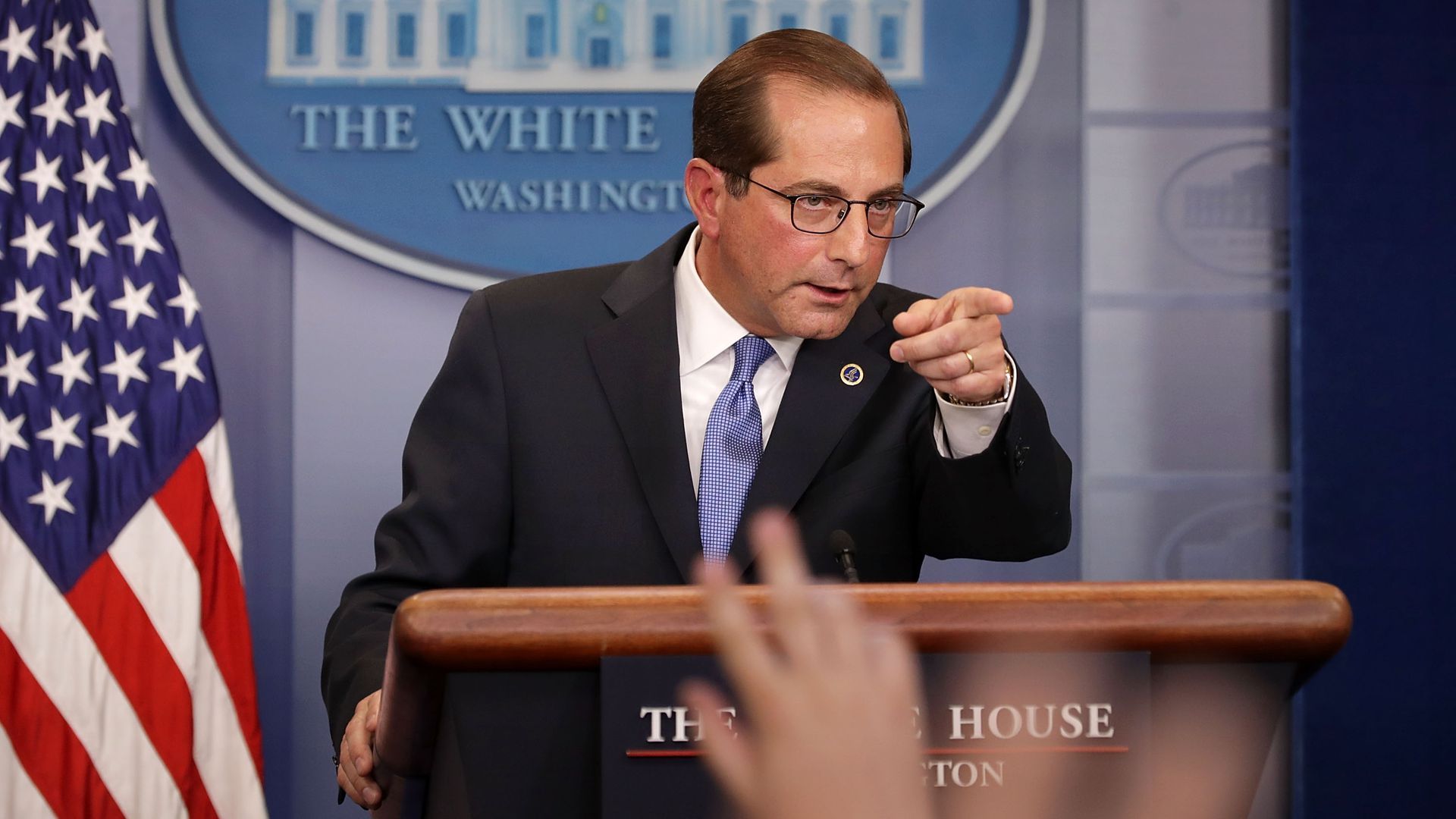
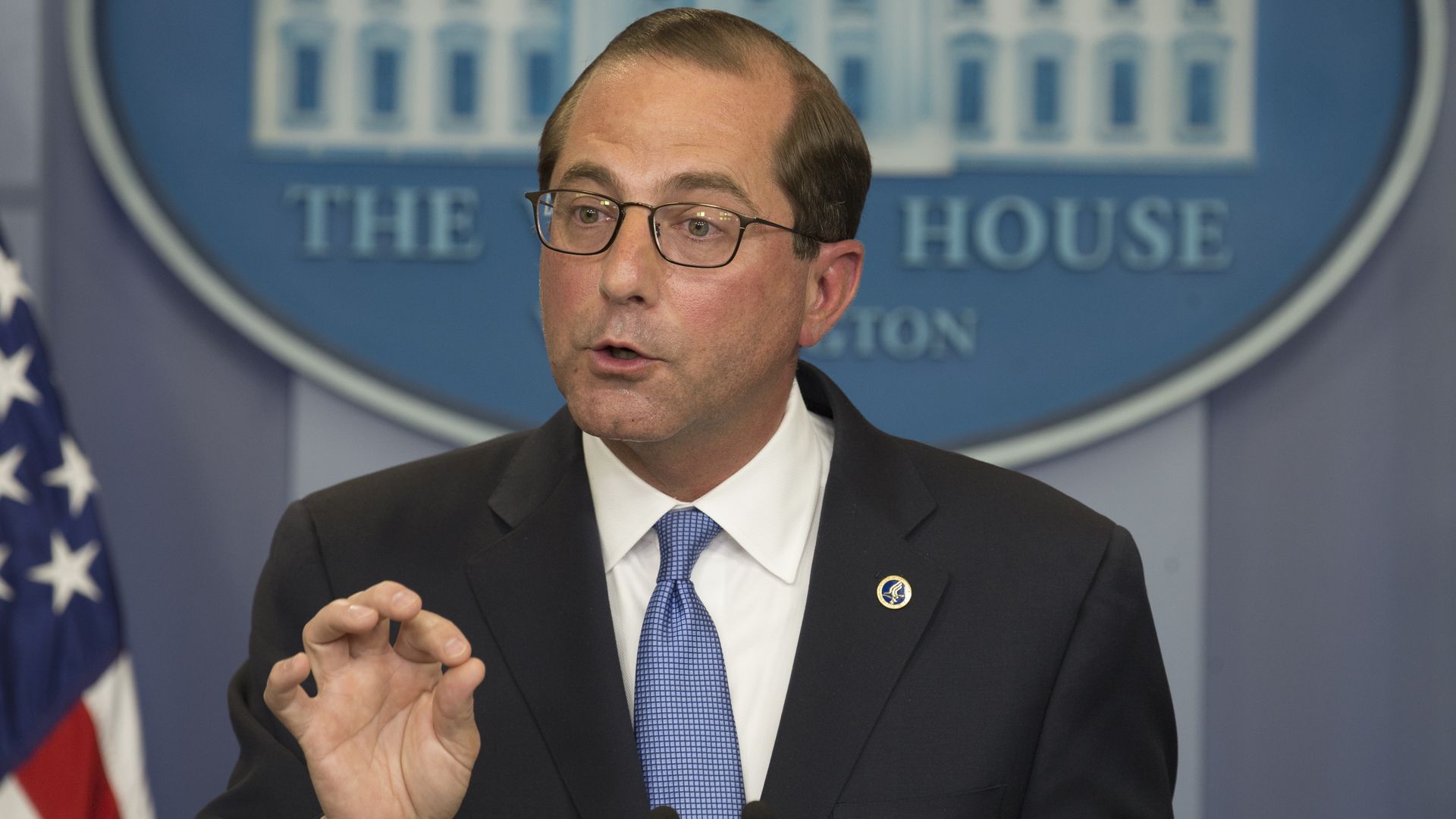
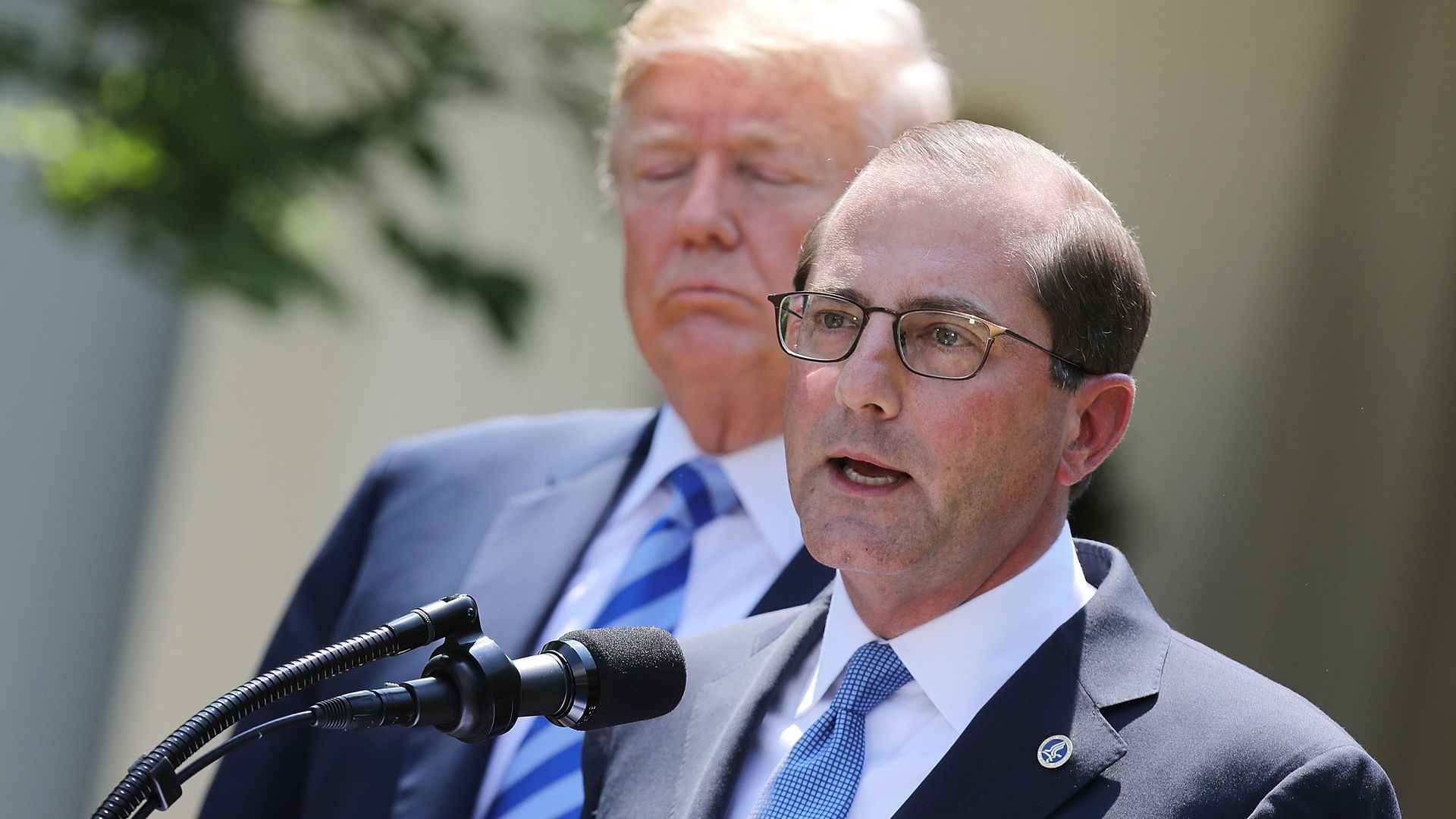
HHS Secretary Alex Azar implicitly pushed back yesterday on some of the “meh” reviews that initially greeted the White House’s big plan to lower drug prices. "These are big moves, this is harnessing Medicare, this is negotiation,” Azar told reporters.
Reality check: Yes, there are some potentially significant outcomes on the table here. The catch is that there are no assurances they’ll actually happen.
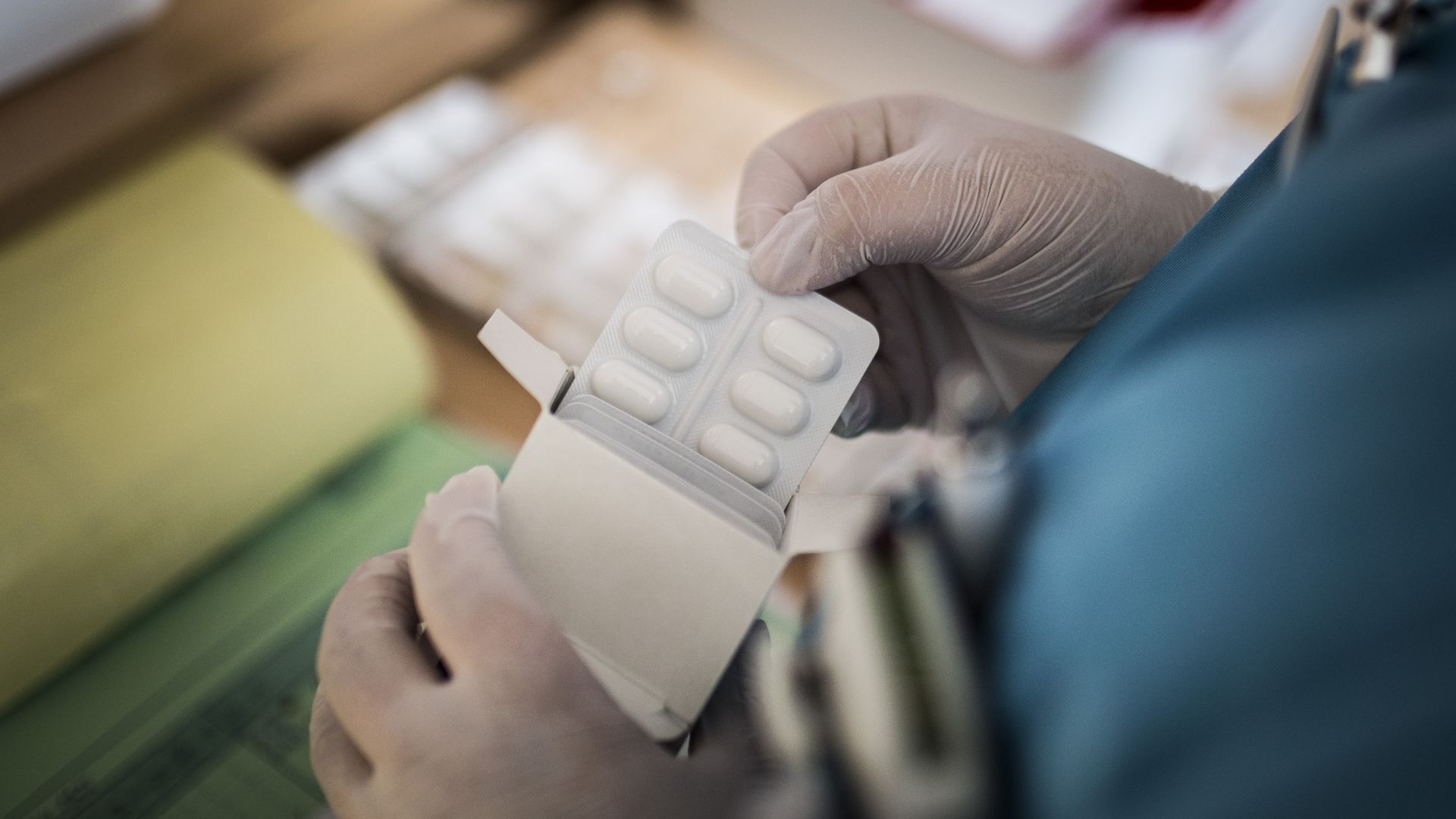
As part of Trump's drug pricing plan, the administration wants to study whether drug copay coupons should be allowed in federal health care programs.
Why it matters: Federal kickback law prohibits pharmaceutical companies from offering drug coupons to Medicare and Medicaid patients because the coupons induce patients to choose certain medications even though cheaper alternatives might be available.
Health and Human Services Secretary Alex Azar said today that the Trump administration's plan for lowering drug costs relies on expanded price negotiations — just not the kind Democrats have called for in the past, and which President Trump seemed to embrace during the campaign.
The catch: The administration's plan would pull more drugs into an existing system of price negotiations within Medicare. But it’s not clear how many drugs would be affected or how much of that shift the administration could make on its own, without help from Congress.
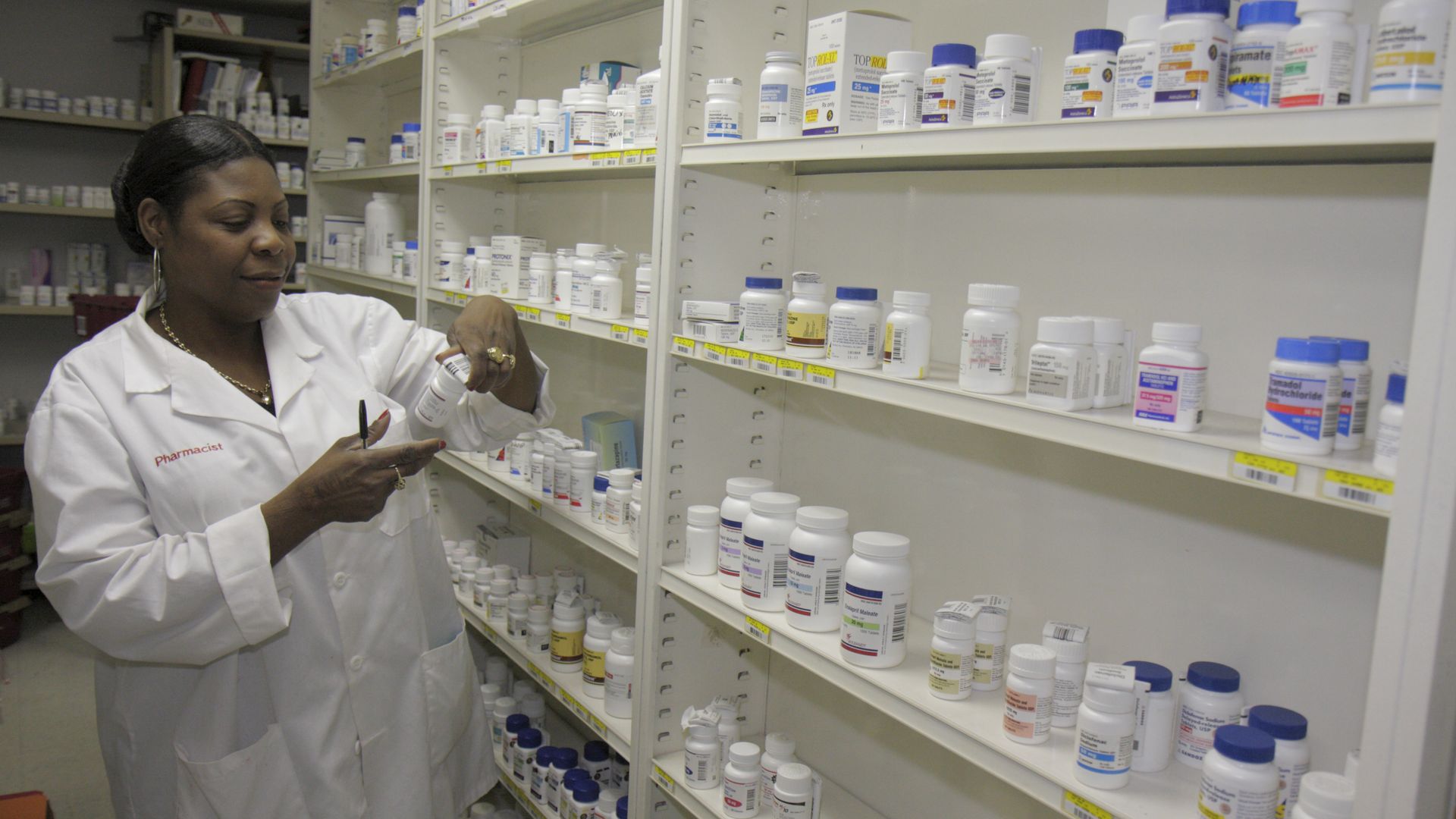
Pharmaceutical companies' stocks soared Friday when President Trump released his plan to curb prescription drug costs — and that's a pretty accurate assessment of how big a threat this proposal is.
The bottom line: It would mostly move costs around. There are few new steps in here to try to lower the sticker price of prescription drugs. It does call for increased competition from generics — a push that's already well underway at the Food and Drug Administration — but focuses most of its attention on middlemen.