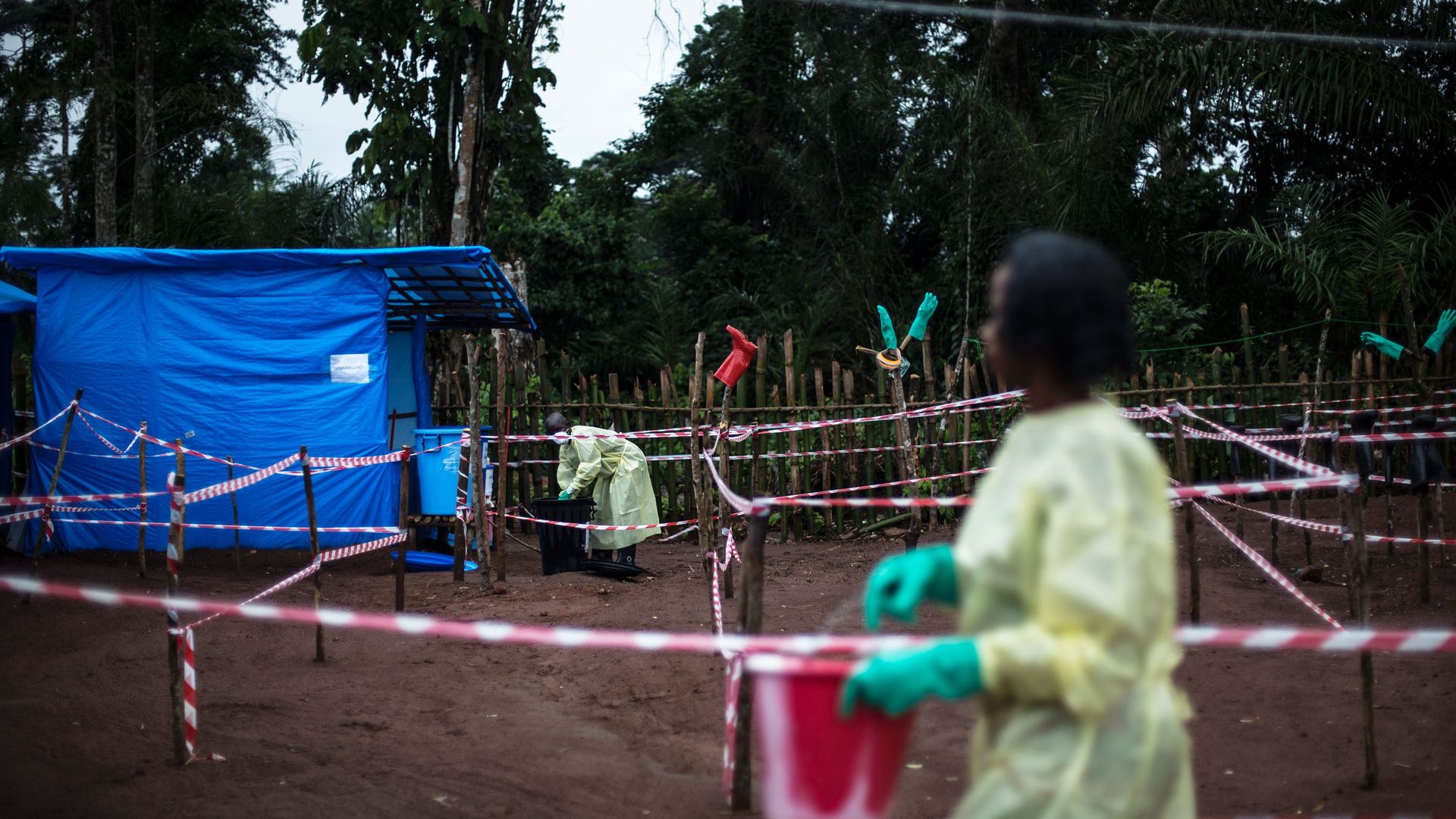
The World Health Organization on Friday declined to declare a "Public Health Emergency of International Concern" over the Ebola outbreak in the Democratic Republic of the Congo, but noted that a case had been confirmed in Mbandaka, a city of 1 million people, raising the prospects of a wider outbreak.
By the numbers: 45 cases have been reported and 14 confirmed as of today, including 3 in health care personnel, with 25 deaths reported. It has been 10 days since the first cases were reported. Mbandaka is about 80 miles from the rural area where the first cases were reported.
The health care industry recorded an immensely profitable first quarter, according to an analysis of financial documents for 108 companies. Year-over-year earnings among the 10 biggest health care corporations by net profit soared by 8.4%.
Yes, but: Wall Street wants more. The S&P 500 health care index so far this year is trailing the broader S&P 500 as well as other industries, including energy and technology.
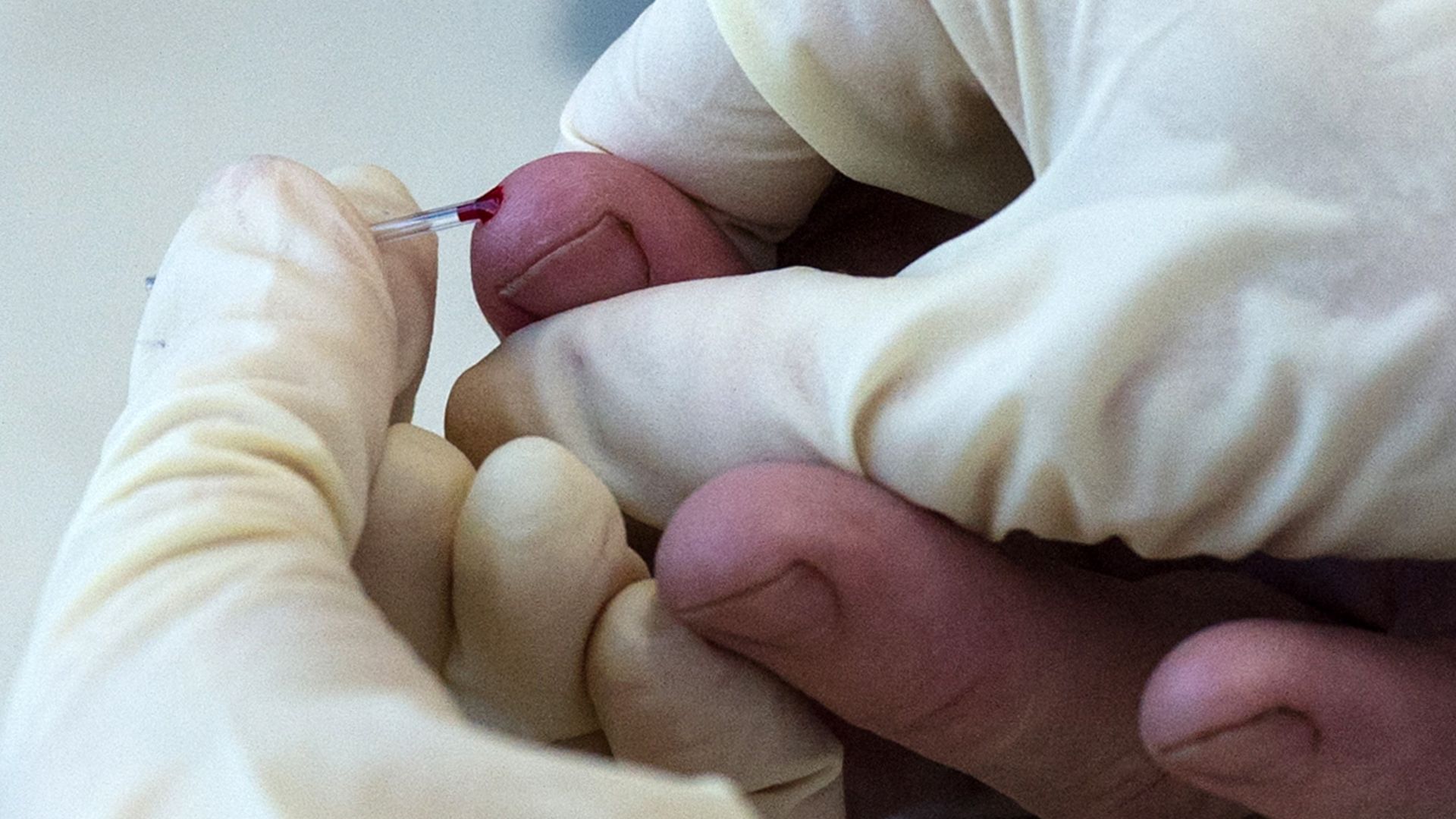
The World Health Organization this week issued a list of must-have diagnostic tools for nations to adopt. They expect the first round of the Essential Diagnostics List (EDL) will encourage manufacturers to boost production of the tests.
Why it matters: Diagnostic tools are the first, key step in ensuring a patient is receiving the correct treatment and in assisting countries in containing and responding to disease outbreaks, but many developing countries do not have access to them.
"Diagnostics are going to be key ... to be able to triage and respond and manage patients when an outbreak happens."
— Jamie Bay Nishi, director, Global Health Technologies Coalition
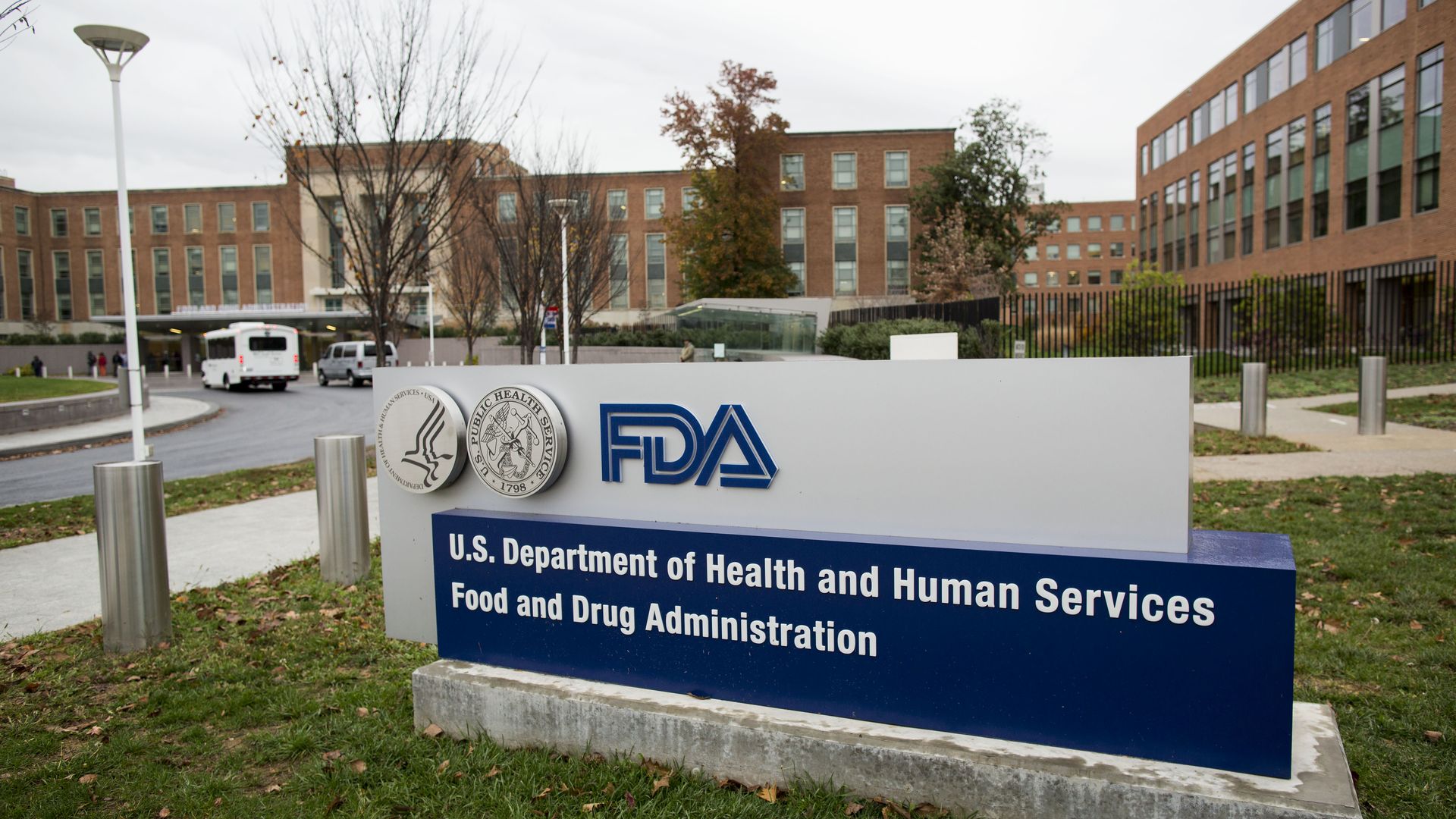
The Food and Drug Administration published a list Thursday showing pharmaceutical companies that the agency said could be using "gaming tactics" to delay generic competition with their brand-name drugs. Many drugs on the list, like Revlimid and H.P. Acthar Gel, have high price tags.
The bottom line: It's a big deal for the Trump administration to publicly shame drug companies for limiting access to their costly brand-name products. But the big question is whether this move, along with other policies, will make it easier for lower-cost generics to hit the market.
The rising cost of prescription drugs is mostly falling to insurance companies and the government, while patients' out-of-pocket spending is holding steady.
Why it matters: This contradicts the narrative that the outrage over rising drug prices has intensified because consumers are shouldering more of those costs.