Wednesday's health stories

Aetna exits ACA marketplaces
Aetna is withdrawing its individual-market health plans that are sold on and off the Affordable Care Act exchanges in Delaware and Nebraska, the health insurance company said late Wednesday. Aetna has basically given up on the entire individual market after losing roughly $900 million on ACA plans since 2014.
However, Healthinsurance.org shows that Aetna will sell ACA plans in Nevada next year. An Aetna spokesman said the company would not comment on Nevada at this time.
Aetna's decision is not surprising: Aetna exited several marketplaces last year, including many where Aetna was profitable, in the hopes of gaining leverage over the federal government for its proposed acquisition of Humana. Aetna's departure also won't cripple the exchanges, since other insurers exist where it has left.

Senator Hatch: Americans will "take every dime they can"
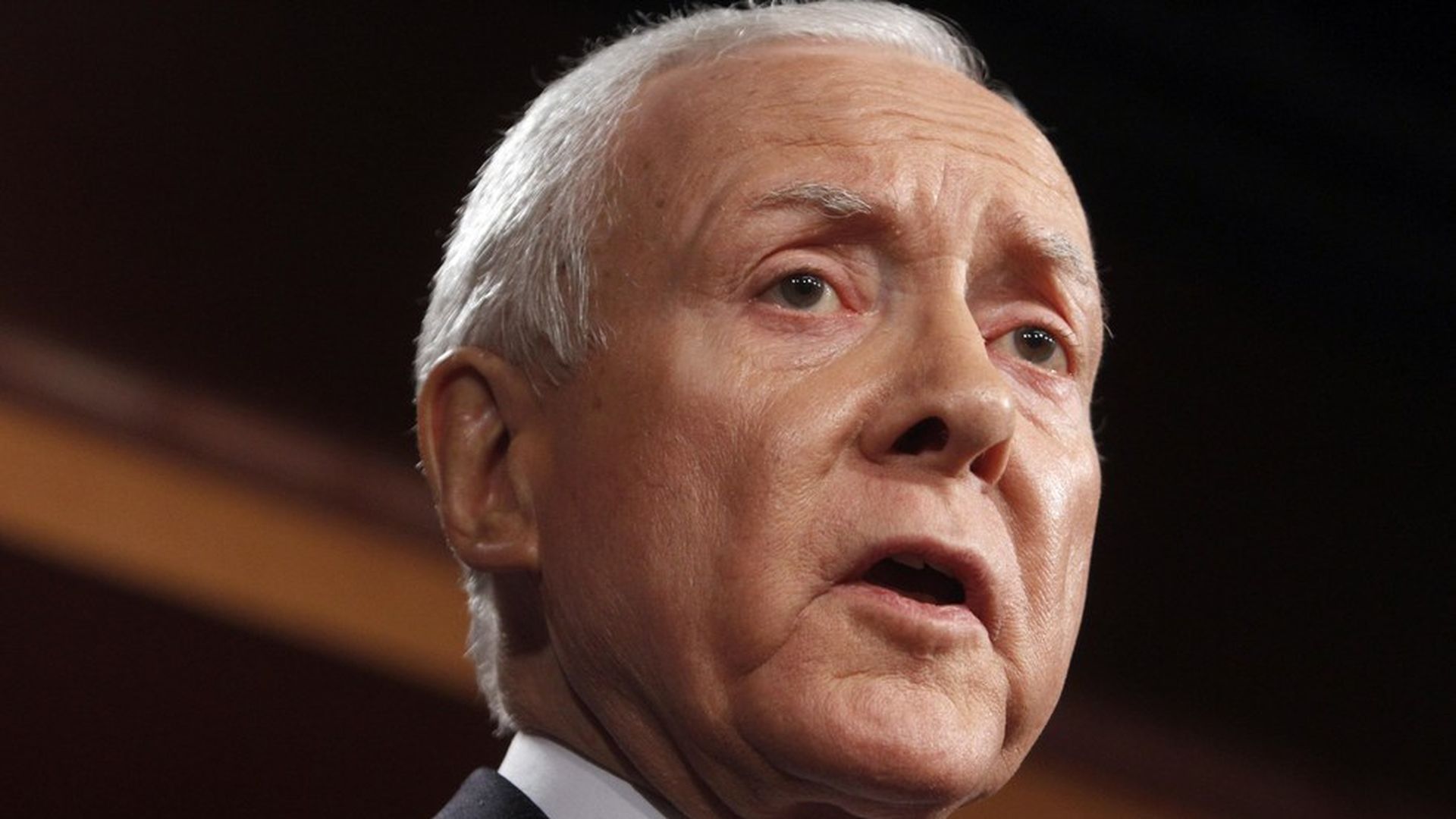
Utah Republican Senator Orrin Hatch said Tuesday that the process of repealing and replacing the Affordable Care Act in the Senate might be complicated because:
Let's face it, once you get them on the dole, they'll take every dime they can. — Sen. Orrin Hatch
Why this matters: As a key Senator who has jurisdiction of Medicaid and other health issues that will appear in the GOP's new health care bill, Hatch's remarks suggest that Republicans are wary Americans will refuse to give up the benefits they receive under the Affordable Care Act.
The backlash:"People who are getting access to health care are not on the dole. They are working families... This is America. Certainly, we don't call people who need health care people who are on the dole," said Democratic Senator Patty Murray, per CNN.

PhRMA alters membership requirements to focus on research
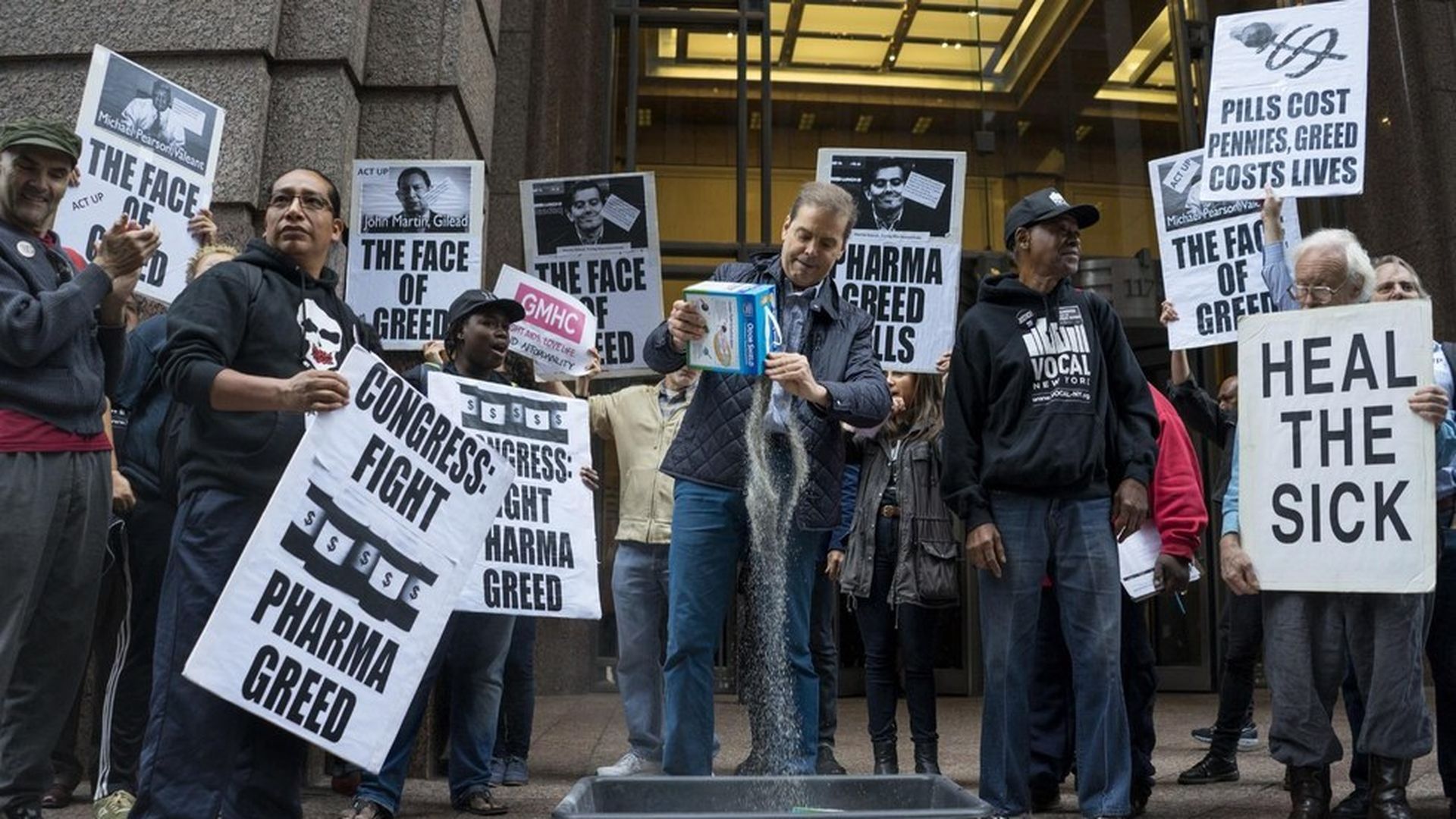
Confirming yesterday's buzz, PhRMA, the pharmaceutical industry's primary lobbying group, announced changes to its membership structure today that include stricter membership requirements and the elimination of its "associate" category. As a result, 22 companies lost their membership or associate membership status. The new requirements, based on a three-year average:
- At least $200 million per year spent on research
- Research expenditures equal to at least 10% of global sales
Why it matters: As we said yesterday, this is PhRMA's way of trying to get rid of smaller companies that engage in the controversial practice of buying older drugs and jacking up the prices. Read on to see who's out.
Tennessee Blues will fill state's ACA coverage hole
Blue Cross and Blue Shield of Tennessee will sell health plans on the Affordable Care Act exchange next year in the 16 counties near Knoxville that were left without an insurer after Humana bailed, Sarah Kliff at Vox reports. But those plans could be expensive. J.D. Hickey, CEO of the Tennessee Blues, told the state insurance commissioner that his team will price in the risks surrounding the cost-sharing subsidies, individual mandate and health insurance tax.
However, Hickey mentioned that Blue Cross and Blue Shield of Tennessee's financial performance has improved so far in 2017 after shouldering major losses in the first few years of the ACA exchanges. Financial documents obtained by Axios show the company produced a small overall profit in 2016, although it still had a $14.7 million gross loss on its individual-market plans.
The bottom line: This is an important development and again shows why the Blue Cross and Blue Shield plans are vital to the ACA individual marketplaces. But it also shows that the unclear signals from the Trump administration about whether it will pay insurers' subsidies, and whether it will enforce the individual mandate, are already forcing insurers to charge more for coverage.
Sanofi will limit drug price hikes to health care inflation

French drug company Sanofi will limit all of its drug price hikes in the United States to the health care inflation rate and will disclose both its list and net pricing rates, marking the most aggressive decision of any pharmaceutical company in the debate over high drug prices. National spending on health care in 2017 is projected to increase by 5.4%.
Why this matters: Several other drug companies have vowed to keep price increases below double-digit growth, but that's relatively meaningless if the price still rises faster than the broader health care economy. Sanofi is making a big jump to stanch public criticism and keep drug pricing in check. However, Sanofi gave itself some wiggle room by saying, "We may at times have a sound reason for a higher increase."
Liberals protest ACA repeal with mock funerals
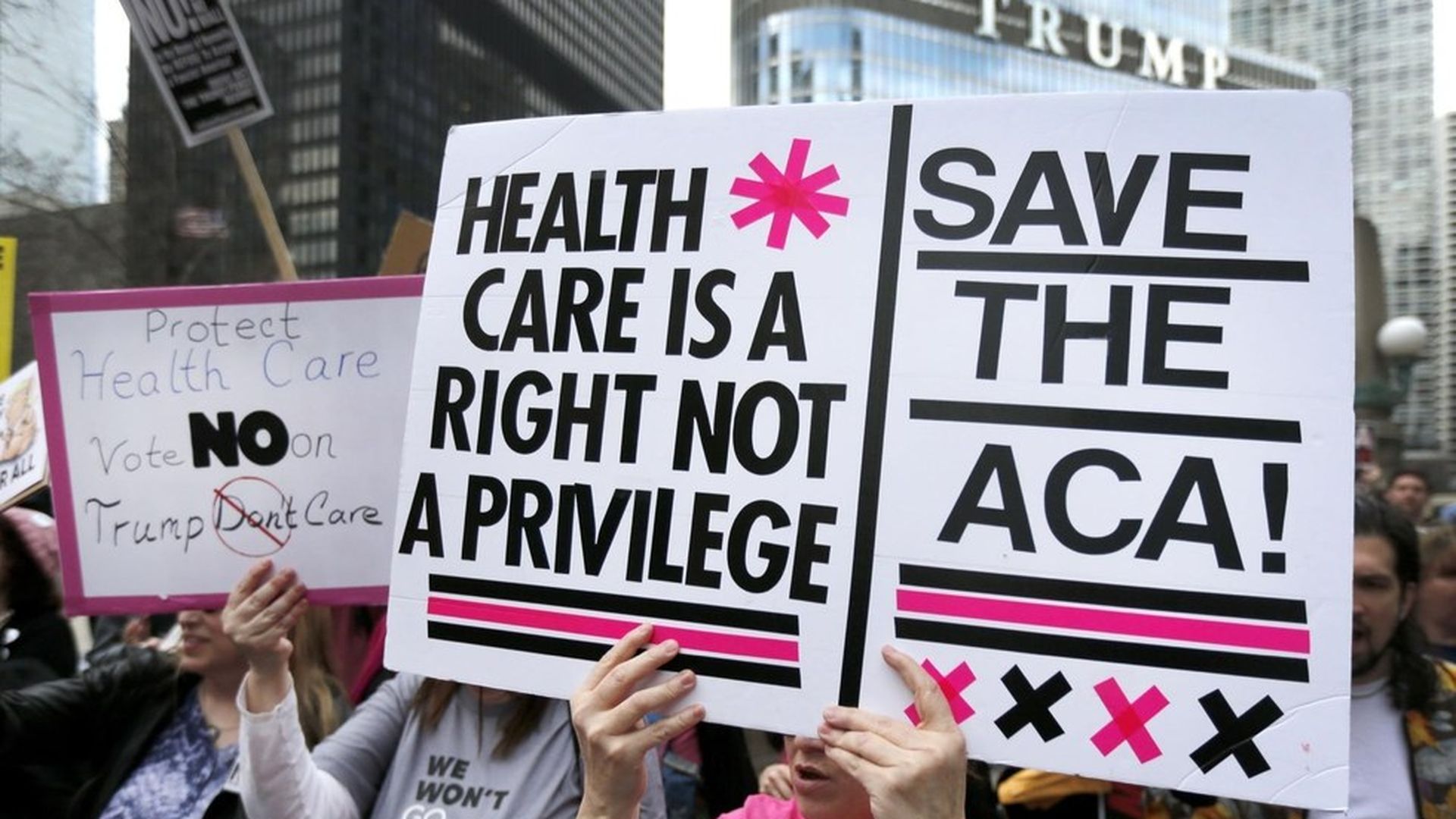
Politico has a roundup of the shocking protest tactics that activists on the left — frustrated with the conventional actions of the Democratic machine — hope to use to send a more visceral message to Republicans planning the repeal of the Affordable Care Act.
The methods: Mock funerals, staged die-ins, and shipping the ashes of those who die without health care access, all directed toward the offices of Republican lawmakers around the country.
How one organizer sees it: "In age the of Trump, nothing short of blunt and brute force will work as a counterweight…We can't win based on the merit of our ideas, but rather, on the way in which we deliver that message."