Friday's health stories


Democratic Republic of Congo's first Ebola outbreak since 2014
The World Health Organization (WHO) confirmed Friday there is a new Ebola outbreak in the Democratic Republic of the Congo. One person has tested positive for Ebola (it's lab-confirmed), there are nine "suspected" of being infected, and three of them have died. The group of people have been exhibiting symptoms since April 22. It wasn't clear whether the confirmed case was one of the nine, per The Washington Post.
Why it matters: As TIME's cover story put it: "An infection in all but the most remote corner of the world can make its way to a major city in a day or less." Plus, recall the 2014-2015 Ebola outbreak killed 11,300 worldwide and infected 28,600 people.
- Guinea, Sierra Leone, and Liberia have all been Ebola-free since June of last year.

Aetna CEO encourages single-payer debate
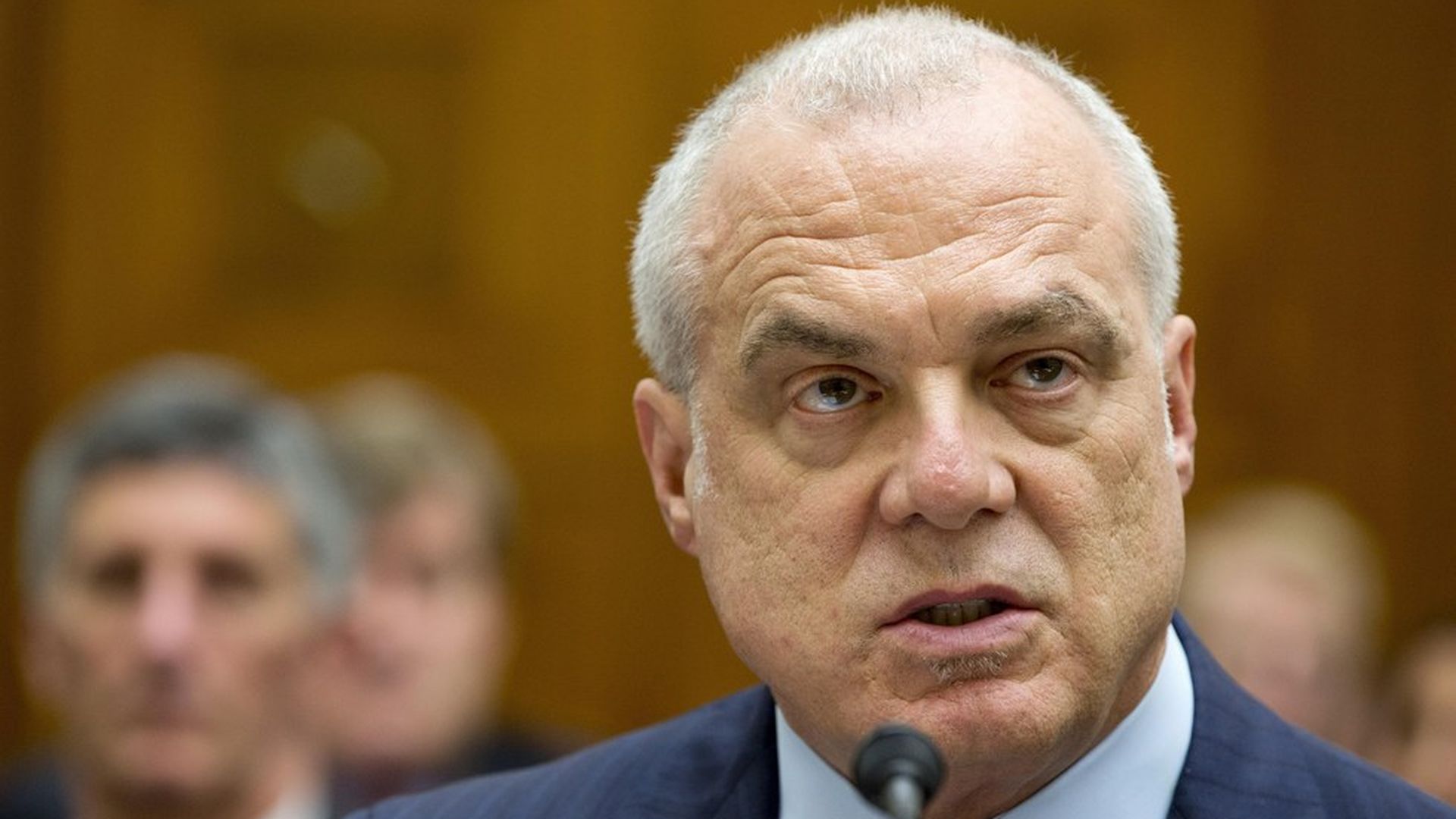
Vox obtained video of an Aetna company meeting, where CEO Mark Bertolini said this when asked if the Republican health care bill would lead to a single-payer system:
"Single-payer, I think we should have that debate as a nation." — Aetna CEO Mark Bertolini
What this means: Bertolini certainly wasn't advocating for a traditional single-payer system, in which everyone has health coverage like Medicare, the system is funded through taxes, and the federal government operates as the sole financing agent. Private health insurers would basically be eliminated in that scenario, so Bertolini isn't looking to put himself out of a job.
However, the Vox video makes it clear that Bertolini is willing to debate a system where taxpayers fund most if not everything, and then private insurers run the operations — kind of like Medicare Advantage, a major (and profitable) program for Aetna. In fact, last year, Bertolini said Medicare Advantage was "the solution to entitlement reform around health benefits" at a Wall Street conference.

Health care industry finds a more receptive Senate
The Trump administration and House Republicans mostly ignored hospitals, doctors, some health insurers and other health care industry players in the push to pass the American Health Care Act. But now that the more moderate Senate is handling the potential Affordable Care Act repeal effort, some health care groups are finding a seat back at the table.
That's good news for the groups who were infuriated by the bill's Medicaid cuts, essential benefits waivers and projected loss of insured people. They're putting special focus on steering the Senate away from the House Medicaid cuts and toward softer approaches to cutting costs — especially Medicaid managed care.

Mylan and Sun Pharmaceutical sued for alleged price gouging
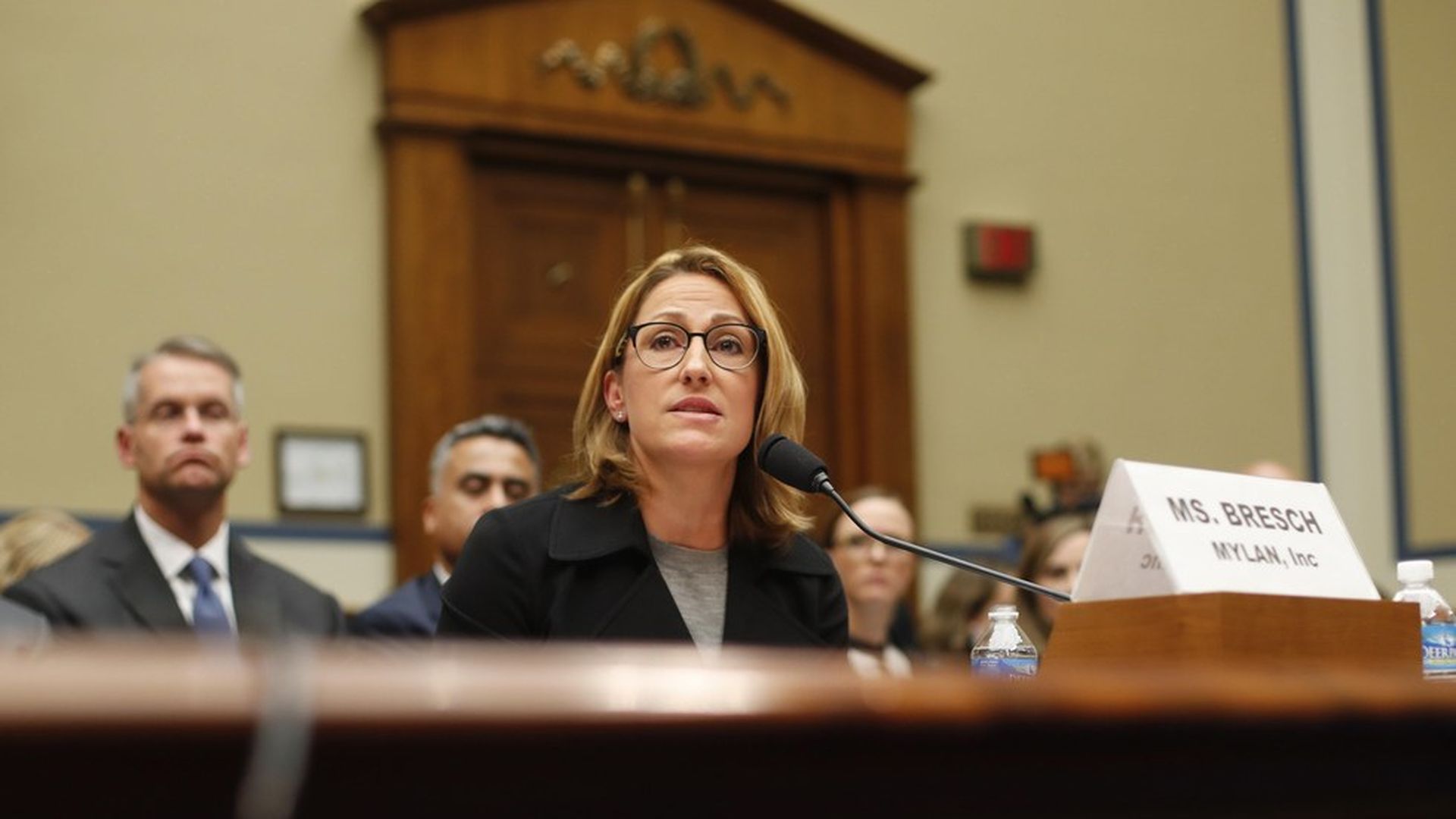
Mylan's price-gouging problems now may reach beyond the EpiPen. A new lawsuit filed Thursday by the Self-Insured Schools of California accuses Mylan and Sun Pharmaceutical Industries of conspiring to jack up the price of their albuterol sulfate tablets — generic prescription pills that help people with asthma and other acute respiratory conditions. A union in New York filed a similar lawsuit earlier this year.
The key lines from the lawsuit: From December 2012 to December 2013, "The average retail price of the 2 mg pills increased over 1,000% for Mylan (from $0.17 to $5.55) and Sun (from $0.30 to $4.42)...such massive price increases are extremely atypical and cannot be explained by traditional market forces" and instead "were the product of collusion."Neither company replied to questions.
Why this matters: Most drug-pricing scandals have centered around brand-name drugs, but the prices of cheap generic drugs have also escalated heavily over the past several years and caught the attention of Congress. Read the latest lawsuit against Mylan and Sun here and here.

The largest health care subsidy: employer coverage
Sen. Orrin Hatch controversially said this week that repealing the Affordable Care Act subsidies and Medicaid expansion is difficult because once you get people "on the dole, they'll take every dime they can."
Reality check: Nearly every American benefits from subsidized health insurance, not just those who gained coverage under the ACA. The largest health care subsidy is the same one that Hatch and millions of others take advantage of: the tax break for employer-based coverage.