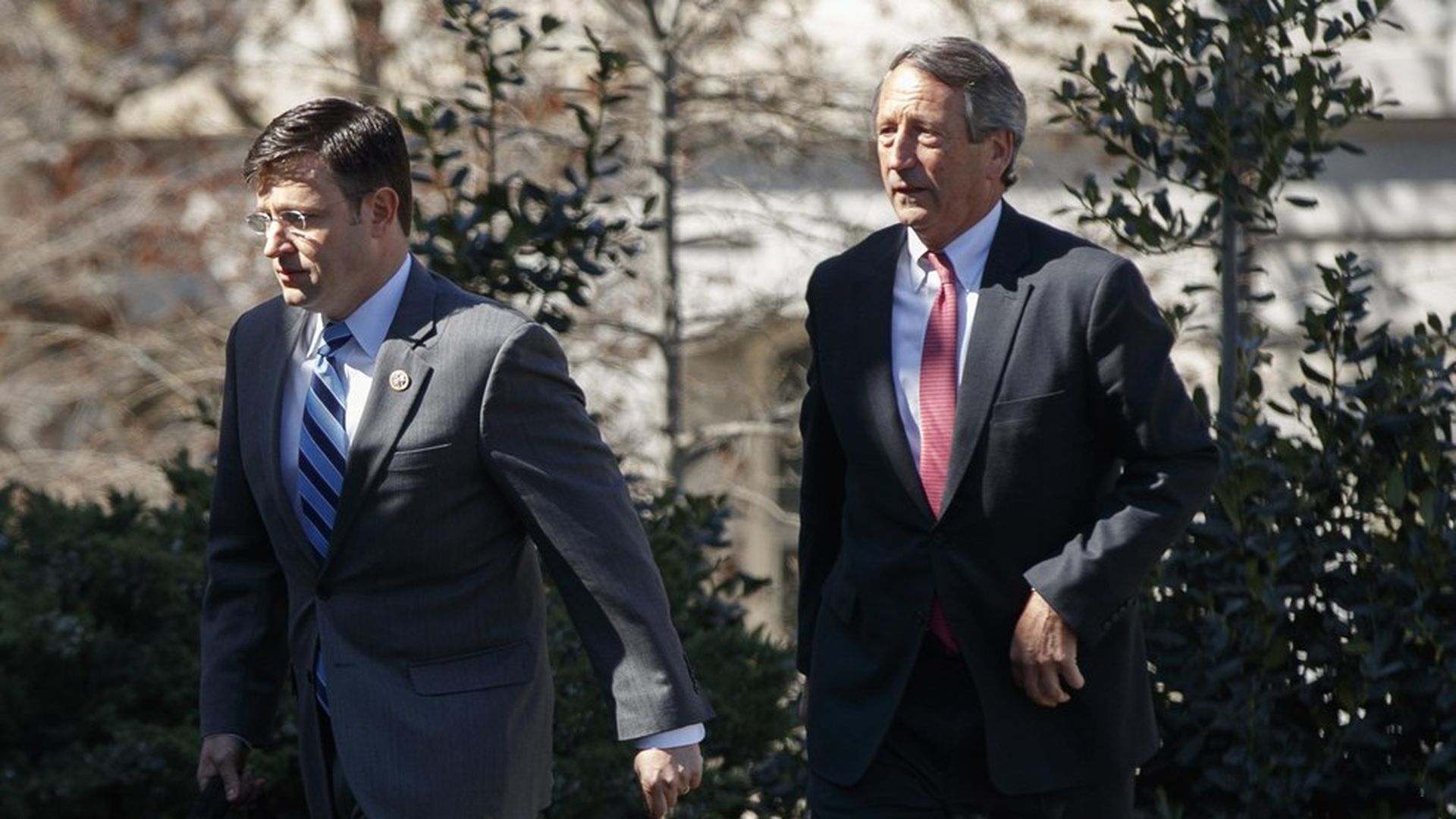
In the run up to the failed healthcare bill, Donald Trump sent his budget director Mick Mulvaney to deliver a message to fellow South Carolinian, Congressman Mark Sanford. Here's what Mulvaney said, Sanford recounted to The Post and Courier:
The president asked me to look you square in the eyes and to say that he hoped that you voted 'no' on this bill so he could run against you in 2018.
Clinton Watts, a senior fellow with the Foreign Policy Research Institute's program on national security, told the Senate Intelligence Committee's public hearing today that his group had observed suspected Russian interference in the U.S. presidential election, with ongoing efforts aimed at discrediting American politicians:
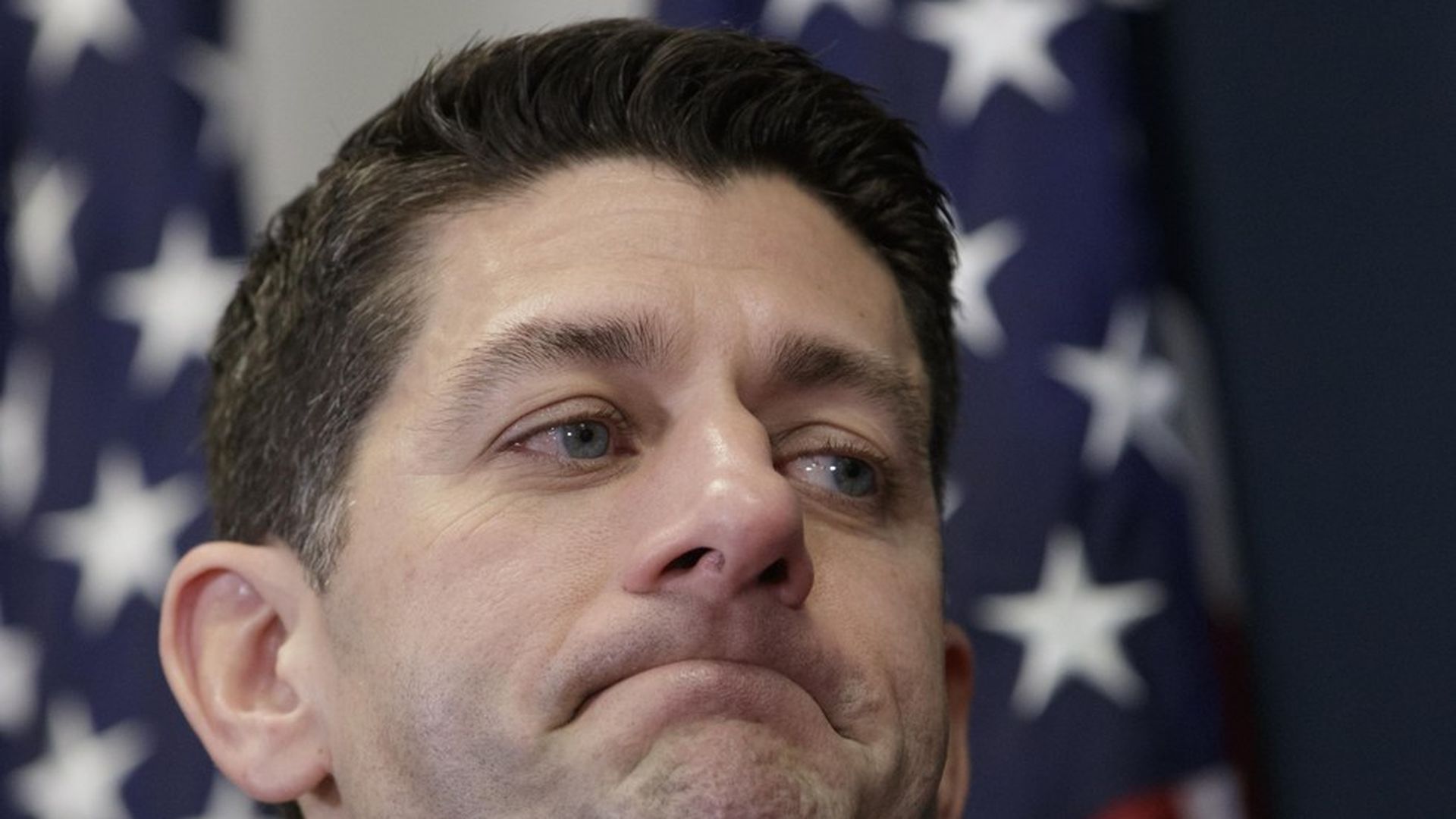
This past week we observed social media accounts discrediting Speaker of the House Paul Ryan, hoping to further foment unrest inside US democratic institutions.
Today's hearing is in two parts — two hours this morning to examine the history of Russian interference in elections, and two hours this afternoon to examine the cyber elements of those interferences.
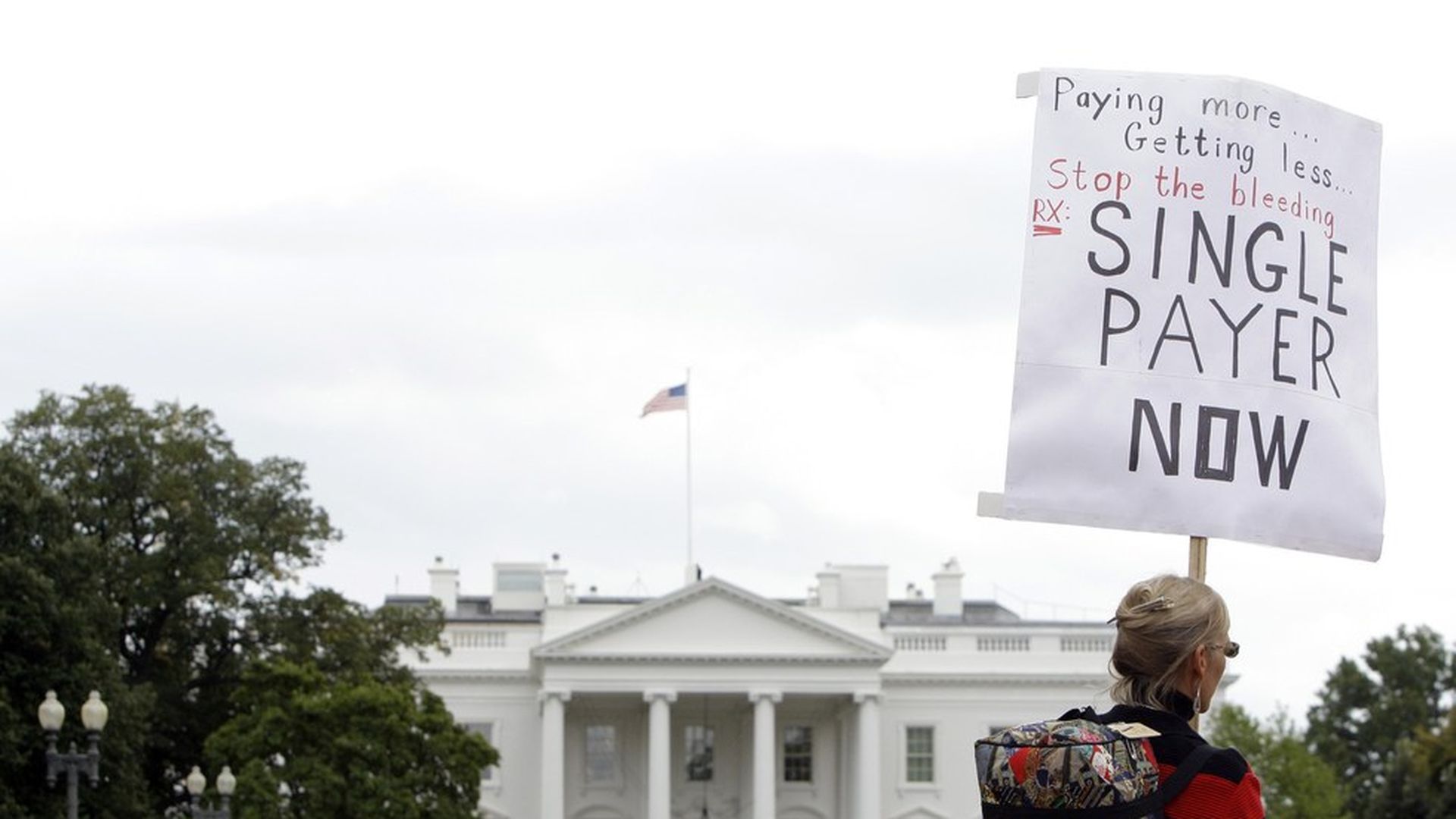
Nearly half of 511 physicians who responded to a February LinkedIn survey support a single-payer health care system. They said a system where everyone has the same health coverage would eliminate the "aggravation that comes with negotiating with and tracking down payment from multiple insurance companies."
Meanwhile, in Congress: Republicans hate single payer, and many Democrats would rather throw their support behind the Affordable Care Act. But Sen. Bernie Sanders says he's going to introduce a single payer bill soon. Sanders has been the most ardent supporter of a Medicare-for-all plan, as has Rep. John Conyers, who reintroduced his single-payer bill in January.
Shares of Quorum Health plummeted 14% Wednesday after the owner of 36 mostly rural hospitals reported fourth-quarter and full-year 2016 losses that were bigger than what Wall Street had expected. Quorum lost $348 million in 2016 and had to write off millions of dollars in patient bills that couldn't be collected.
Quorum's struggles may not be surprising: Community Health Systems spun out Quorum last year as a way to get rid of some rural and mid-size hospitals that were dragging the company down. Community Health Systems isn't faring a lot better.
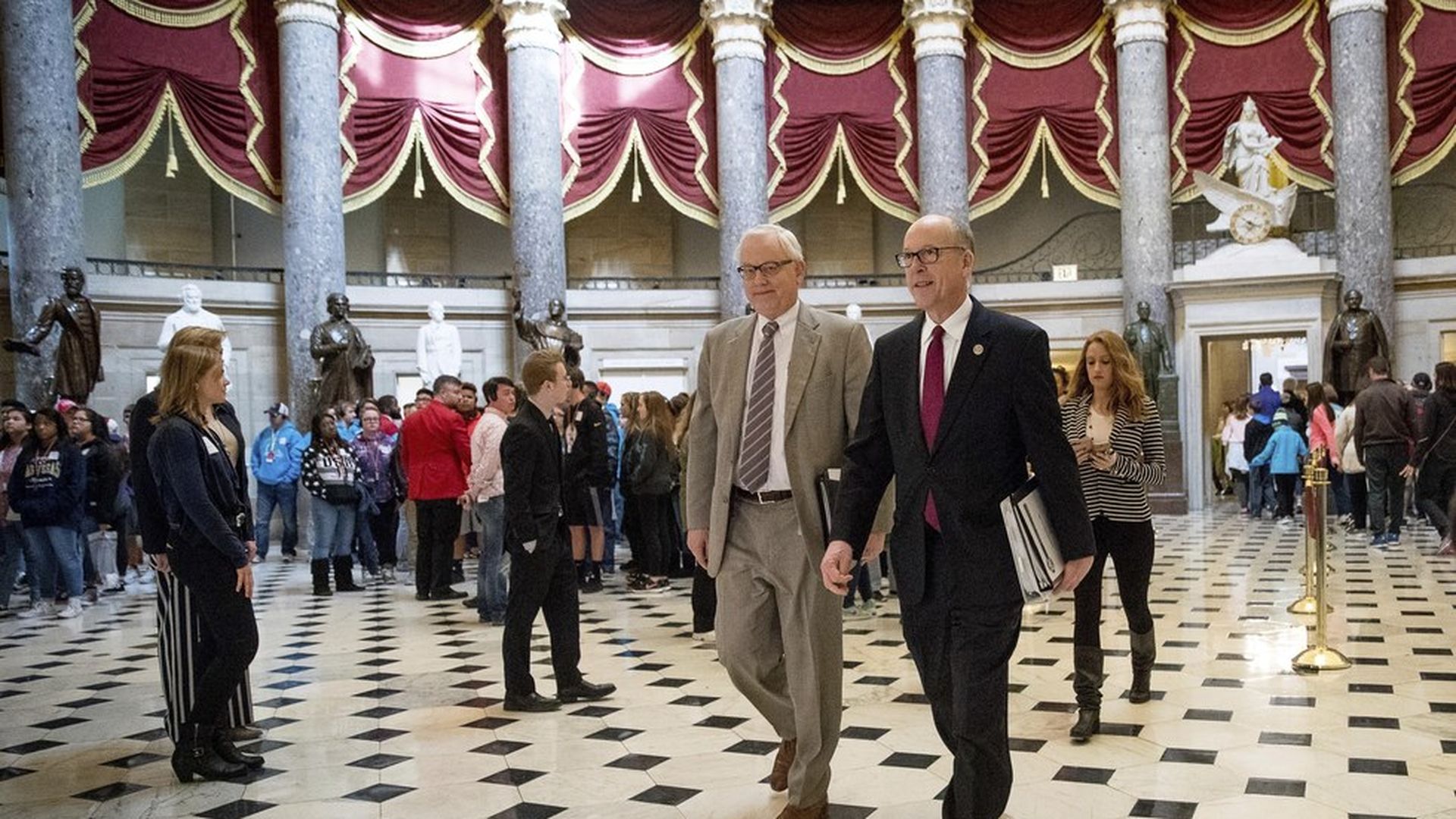
The House Energy and Commerce Committee will hold a members-only meeting tomorrow amid discussions on how to move forward after the Trumpcare collapse. A committee aide tells Axios they won't necessarily be talking about Obamacare repeal, but instead touch on "a wide variety" of issues including "SCHIP reauthorization, FDA user fee reauthorization, and combating the opioid crisis."
Pharmaceutical companies and pharmacy benefit managers are pointing fingers at each other to explain why patients are spending more out of their own wallets for their prescription drugs. The latest battle revolves around the list prices of drugs.
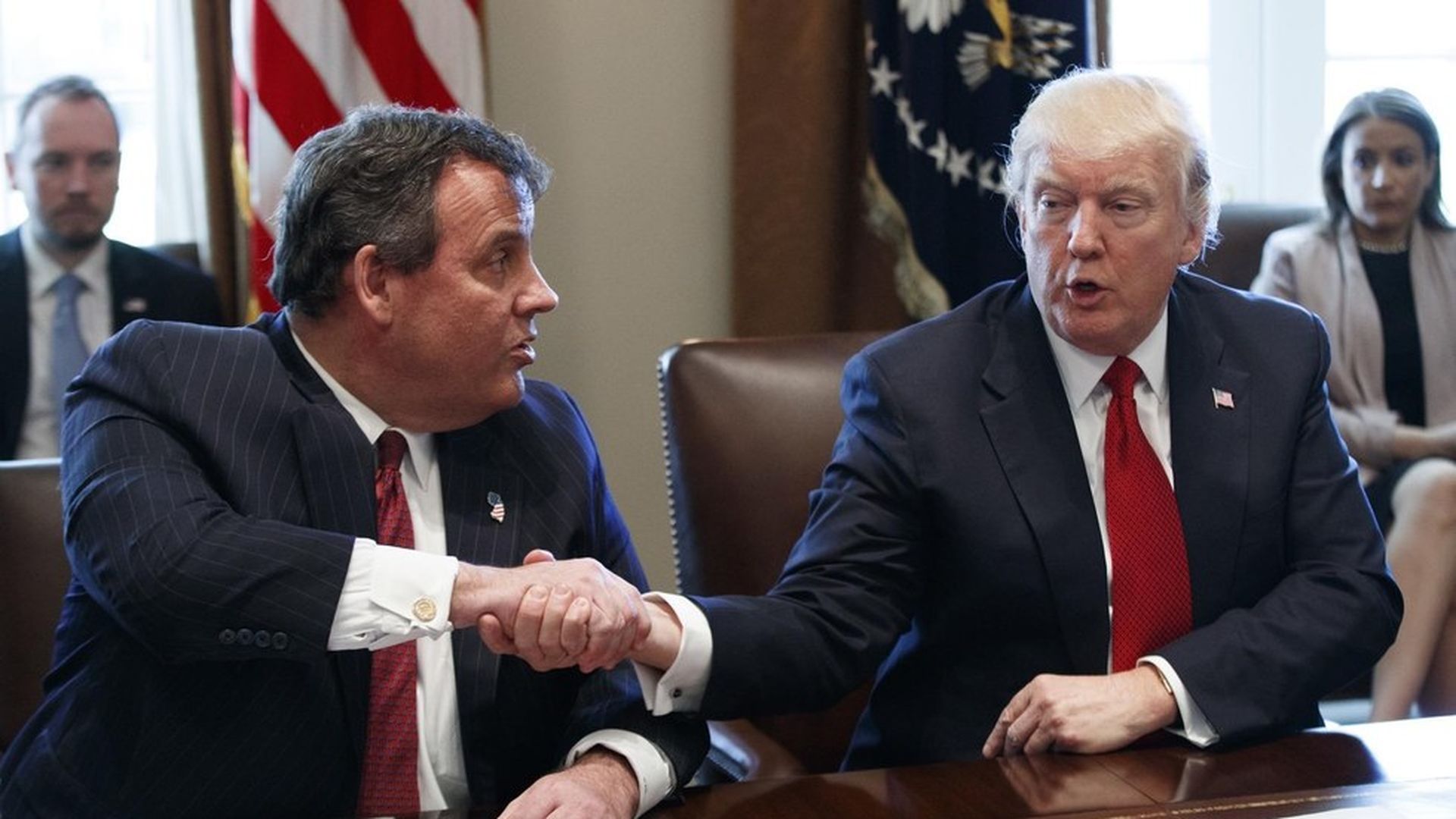
President Trump held a listening session on the nation's opioid epidemic at the White House this morning, tapping New Jersey Governor Chris Christie — whom Trump branded an "immediate endorser" of his campaign — as the head of an initiative to tackle drug addiction. Also present were Cabinet members Jeff Sessions, Betsy DeVos, and John Kelly, as well as a broader group of politicians and experts that included New York Yankees legend Mariano Rivera.
Trump pledged to "[bring] together people terribly affected by this terrible epidemic" and promised an attendee whose son died of an overdose that "he will not have died in vain."
Christie branded addiction "a disease that can be treated," comparing it with cancer and diabetes while noting that "people are afraid and ashamed to talk about drug addiction."
There's a lot of polling coming out right now on Trump's approval ratings, healthcare, and Russian interference. We've reviewed it. Highlights below:
Trump approval: Trump's approval rating has continued to tick downward, according to Gallup data, and hit its lowest rating of 35% on Wednesday. And for the first time in Politico/Morning Consult's polling since Trump's inauguration, more respondents disapprove of Trump's job performance than approve.
Healthcare: Just over a third of Politico/Morning Consult respondents want the GOP to repeal Obamacare, while more than half want the party to move on to other things.
Russian interference: The majority of CBS respondents believe Russia interfered in the election process with the intention of helping Trump win, but only a small fraction of Republicans agree with that assessment.
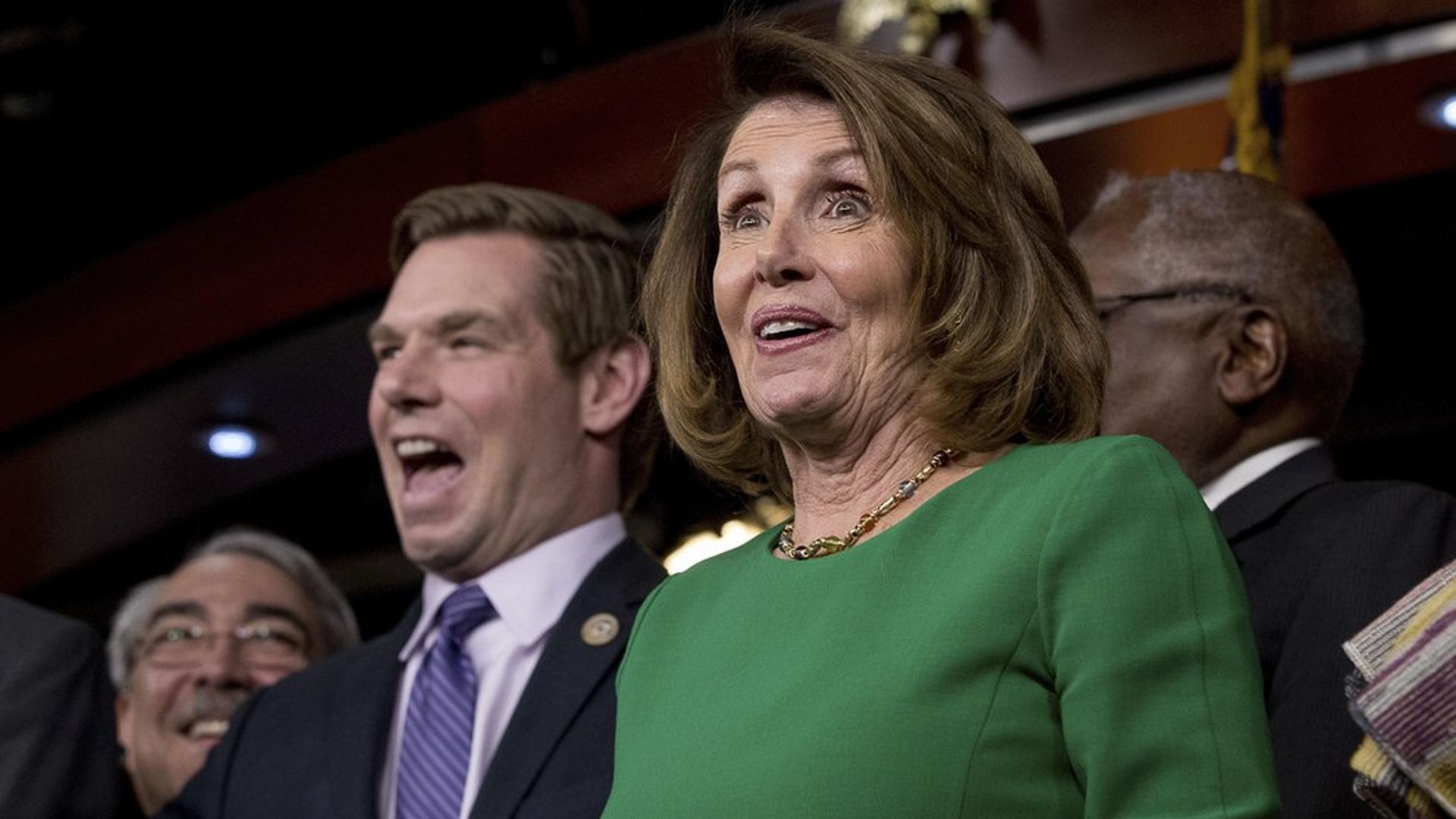
When Nancy Pelosi walked into her office dining room yesterday, CNBC's John Harwood called out, "Look, it's the big loser from the healthcare debate." Harwood was mocking President Trump's unconvincing claim that Democratic leaders Pelosi and Chuck Schumer were the real losers of last week's Republican healthcare fiasco.
Pelosi laughed at Harwood's joke. She said she'd read a newspaper headline that called Trump the "closer" but the 'c' was obscured by the fold. Over a lunch of chicken and avocado sandwiches, with about a dozen reporters, her mood ranged from happy to jubilant.
How seriously should you take House Republicans' talk yesterday that they're not giving up on Obamacare repeal, and they're going to keep working until they have enough votes to pass it? You should believe them when they say they'd like to do it. But it's OK not to change your lunch plans for the next few weeks.
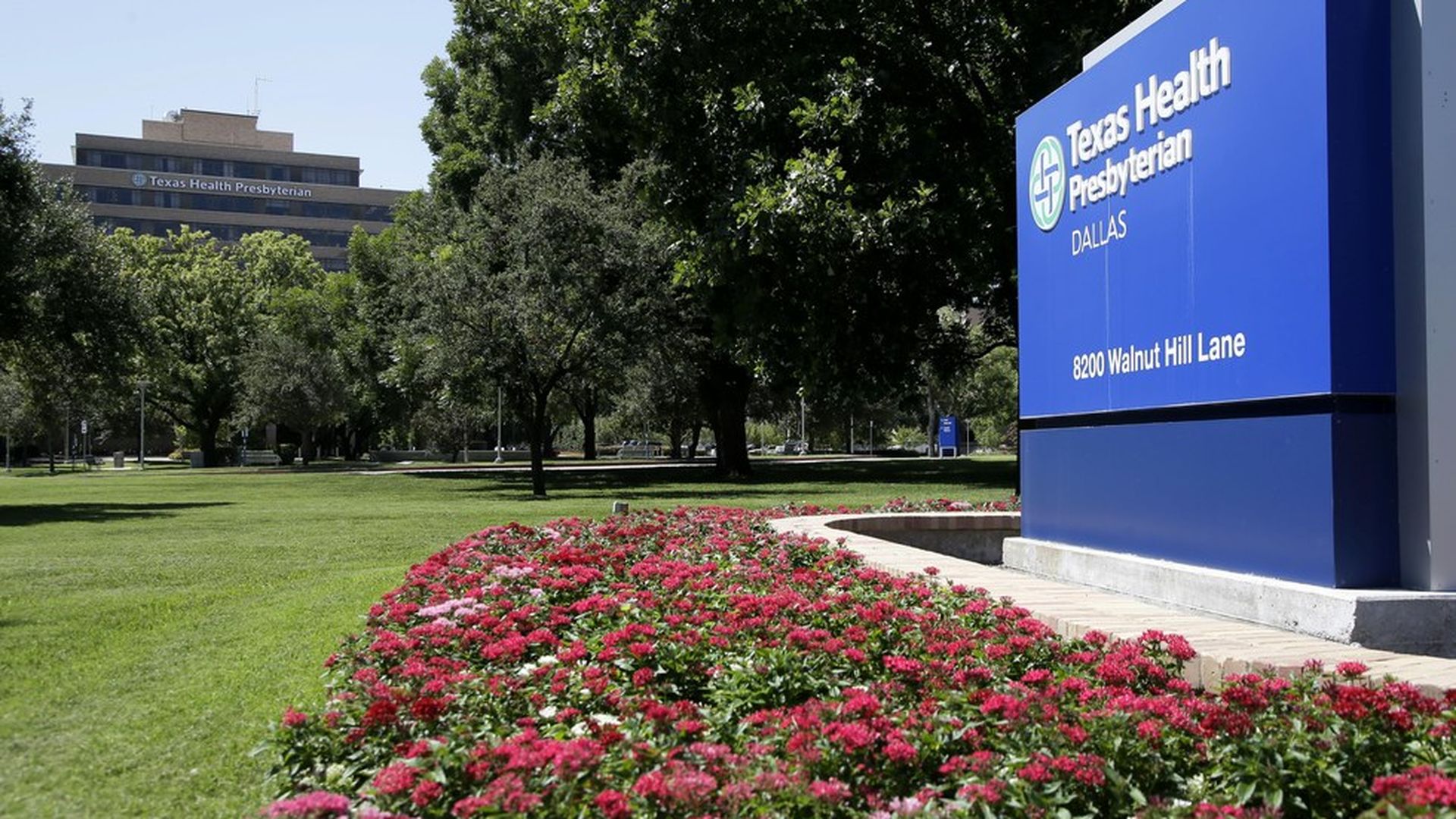
Barclay Berdan barely started his tenure as CEO of Texas Health Resources when the $4.3 billion hospital system became the notorious site of the U.S. Ebola outbreak in 2014. The health care reform debate has made that incident seem like it happened decades ago.
Berdan sat down with me this week at the annual meeting of the American College of Healthcare Executives to talk about Trumpcare, Medicaid and some of the different business ventures Texas Health Resources is trying. Here's an edited transcript of our conversation.