Tuesday's health stories

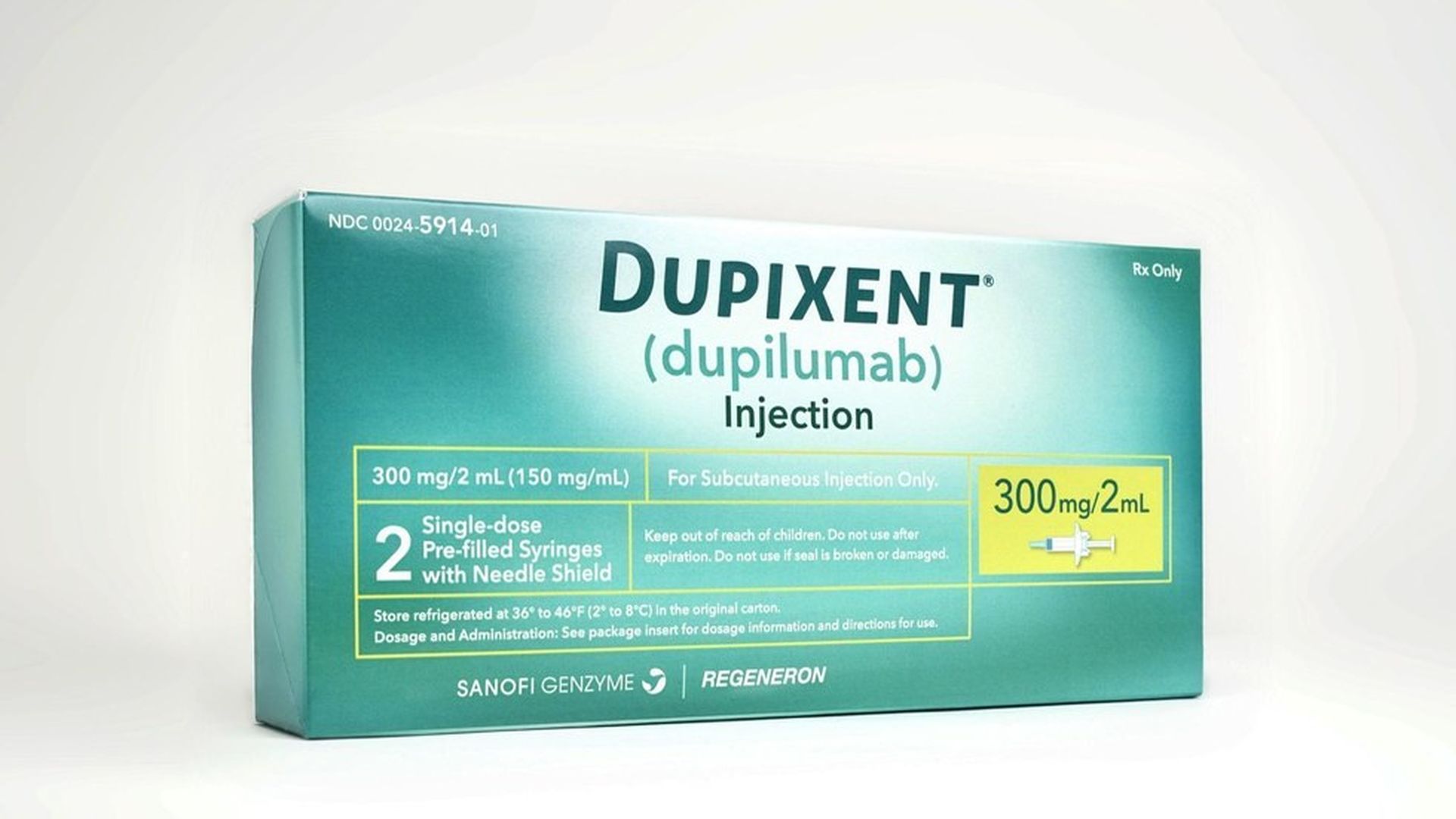
FDA approves new eczema drug, list price set at $37k
The FDA approved Regeneron Pharmaceuticals Inc. and Sanofi SA's new eczema drug Dupixent for sale today with the companies setting the list price at $37,000 annually, per the WSJ.
The companies made a point to negotiate with pharmacy-benefit managers and non-profit officials to set an acceptable price to ensure that patients can receive the drug with the fewest restrictions possible. Even still, CVS Health Corp. told the WSJ that the drug "will be expensive" for patients.
Still, the pricing is a genuine compromise that shows Regeneron and Sanofi put some thought into their decision given the political dynamics and negative headlines that have recently plagued high drug pricing.

Uninsured rate dropped big time in seven out of 10 counties
Here's the map of the uninsured rates for counties throughout the United States for 2015, the second year when the Affordable Care Act was in full effect. The Census Bureau announced today that the uninsured rate dropped in 71.3 percent of the nation's counties between 2014 and 2015. Guessing we're going to hear about this in the next round of the repeal debate ...
Data: U.S. Census Bureau Small Area Health Insurance Estimates; Map: Lazaro Gamio / Axios

Banner Health tripping over health insurance operations
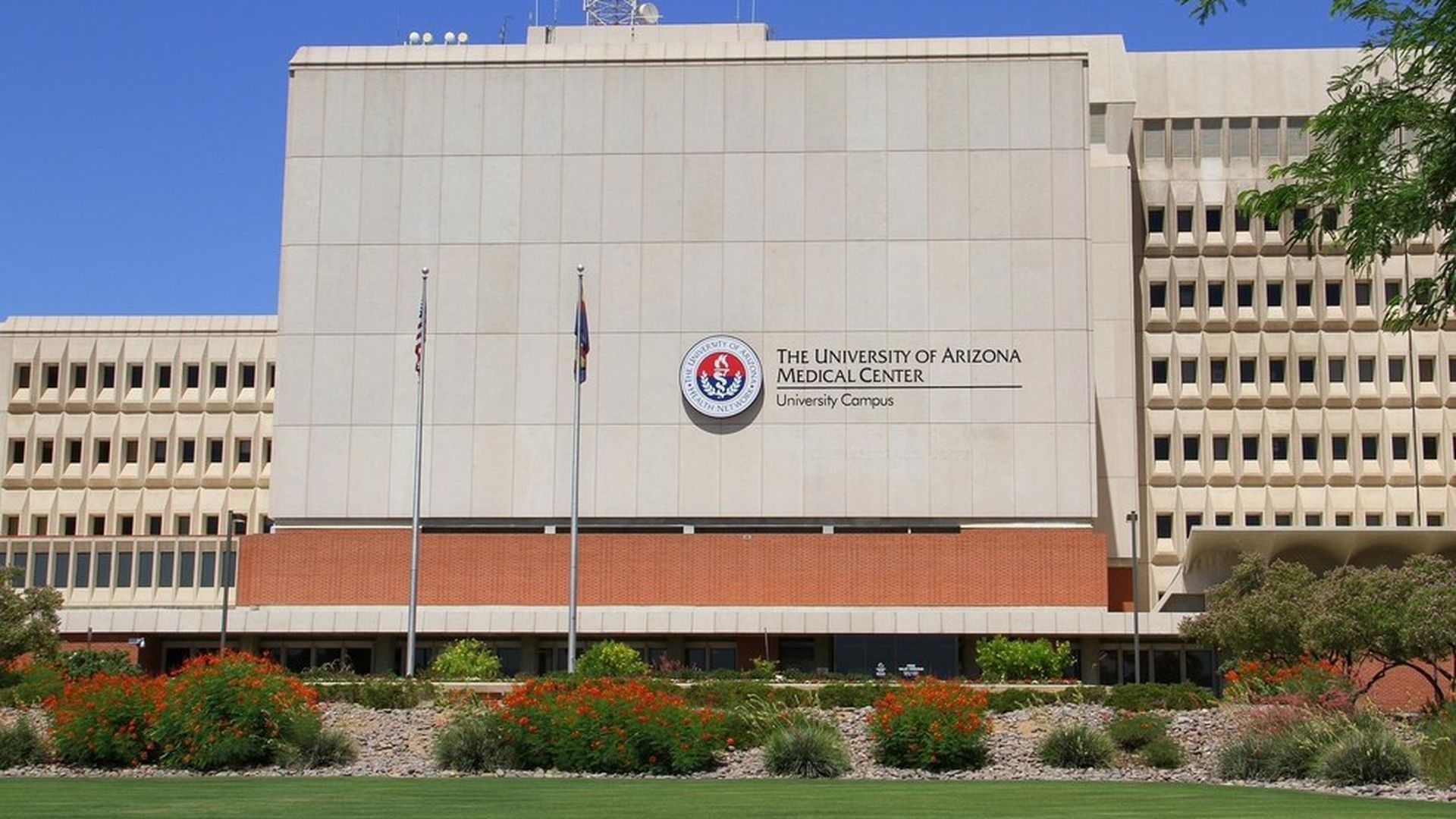
Phoenix-based Banner Health knew it was taking on an unprofitable venture when it acquired the University of Arizona Medical Center in 2015 — including its health insurance plans. Some problems still exist or have gotten worse.
The $7.6 billion Banner improved its profitability in 2016 with a 2.1% operating margin, up from 1.8% in 2015, according to audited financials released Tuesday. But that's mostly because Banner's hospitals and clinics made up for the shortfall in the health insurance operations, which were part of the University of Arizona deal. The operating losses at Banner's health plans quadrupled from 2015 to 2016, totaling $154 million. It's yet another example of a health system struggling to own an insurance company.
There's an Obamacare angle: Banner's losses from its commercial health plans were 27 times higher in 2016. The system blamed the collapse of Arizona's Obamacare marketplace, where most insurers have exited and "resulted in significant numbers of high-cost enrollees migrating to Banner narrow-network products in 2016," executives wrote to bondholders.

The new Trumpcare strategy: keep talking
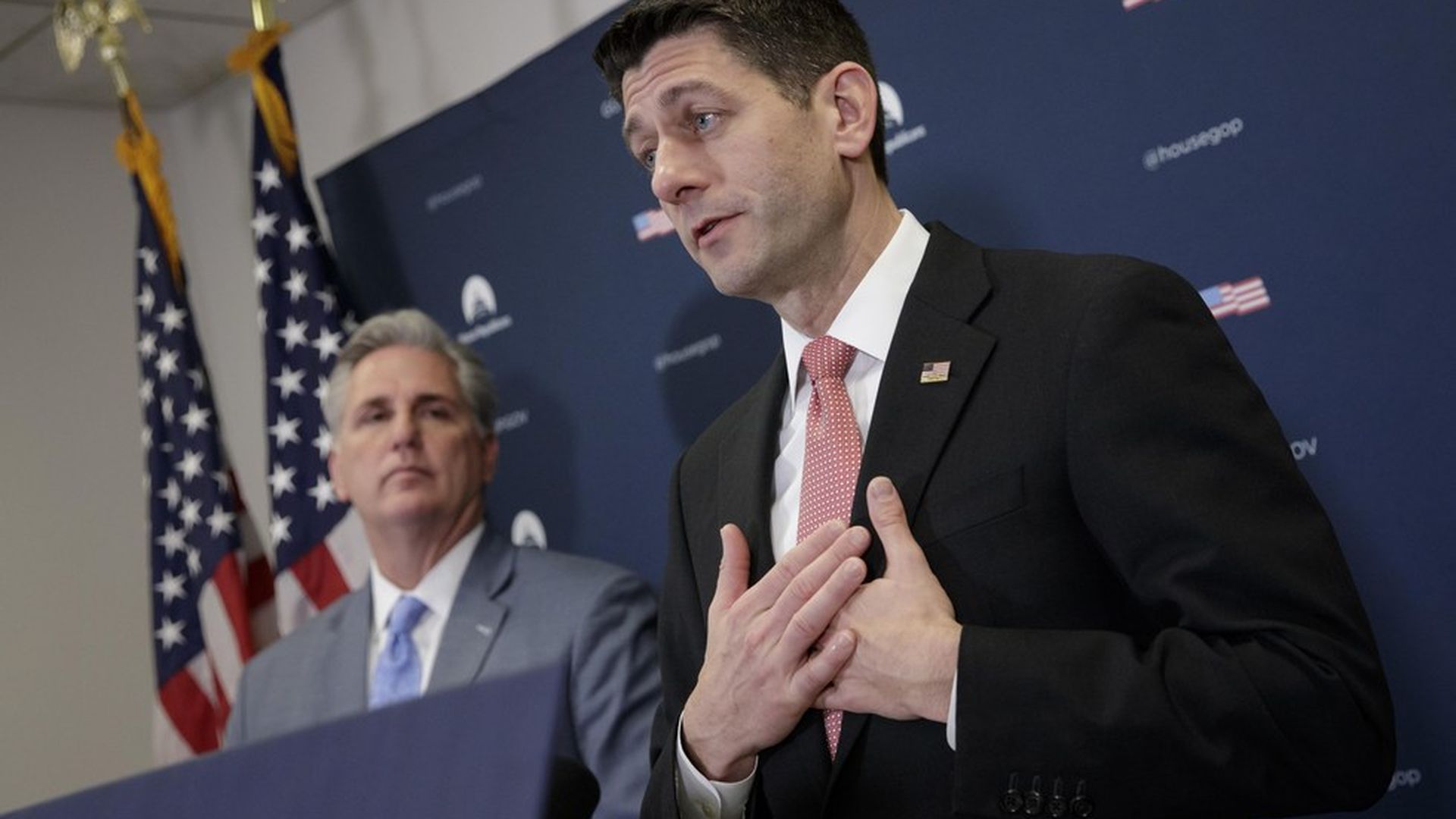
House Republican leaders revealed their plan this morning for bringing Obamacare repeal back to life: Keep talking about it until they get more votes. "We all share these goals, and we're just going to have to figure out how to get it done," House Speaker Paul Ryan told reporters after a meeting with the GOP conference. He said that "some of those who were in the no camp expressed a willingness to keep talking." House Majority Leader Kevin McCarthy said he came out of the meeting with "more confidence than ever that we will get it done."
Between the lines: Their comments confirmed that this is mostly an exercise in showing their supporters that they're not giving up — and maybe giving conservative or moderate holdouts some time to reconsider their position. Ryan said he would still want to use the budget reconciliation bill as the vehicle, but wouldn't commit to a timeline, "because we want to get it right."
The Senate shrugs: "If they get 216 votes, that's great, we'll take it up over here," Senate Majority Whip John Cornyn told Caitlin Owens.

Paul Ryan talks health care reform, Nunes recusal
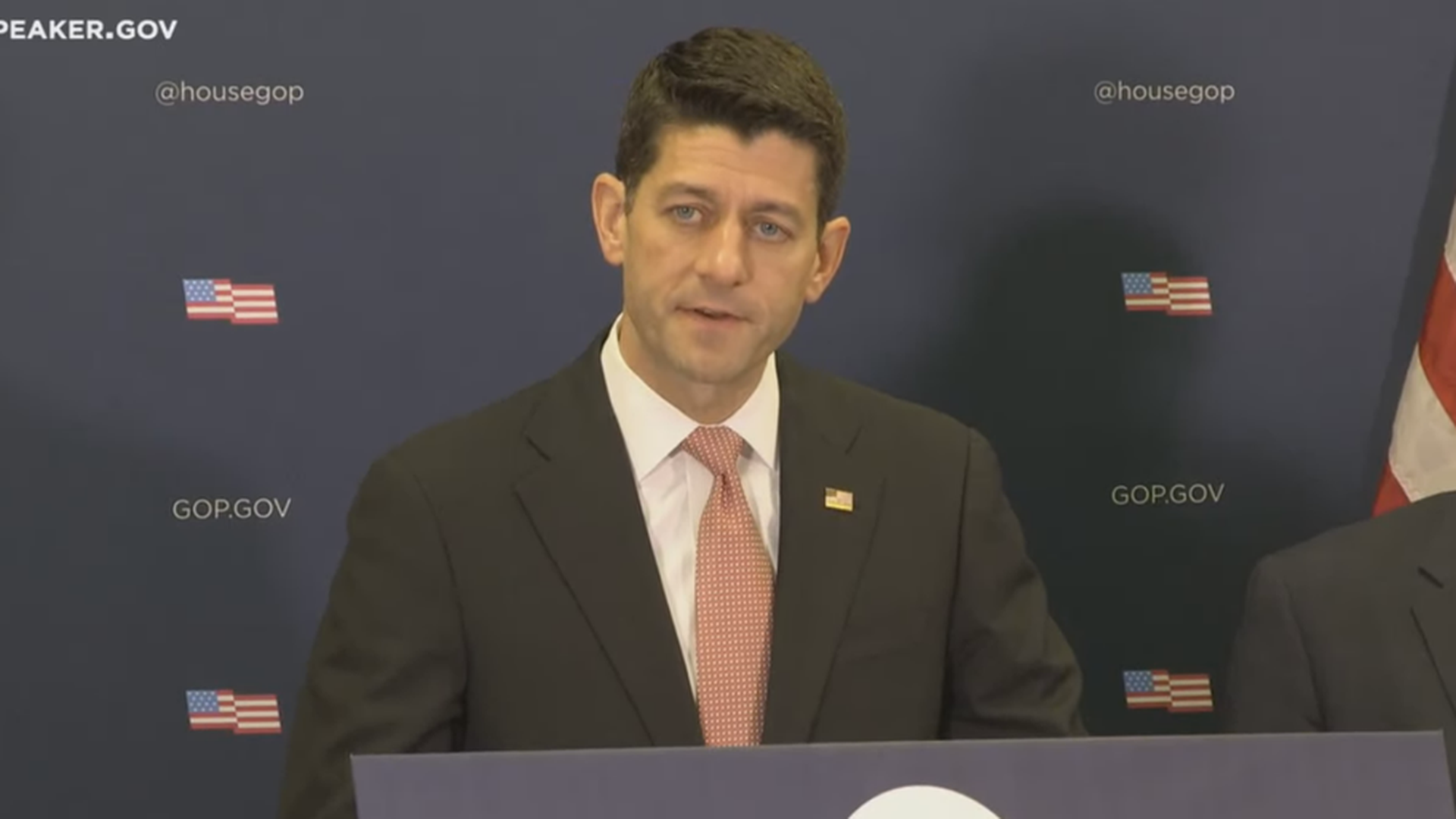
At the GOP House Leadership press conference this morning, Paul Ryan told reporters that Republicans are "united around our agenda" and "not going to retrench into our corners" even after last week's failure to repeal Obamacare.
- Obamacare repeal and replacement is "too important" for "an artificial timeline," but Republicans will "work together and listen together until [they] get this right," Ryan said.
- Ryan also said that House Intel Chair Devin Nunes should not recuse himself from the ongoing Russia investigation and added that he doesn't know Nunes' source.

Freedom Caucus: We helped Trump by rejecting Trumpcare
Alysaa Farah, spokeswoman for the Freedom Caucus, launched a Tweetstorm Monday outlining "a few AHCA" thoughts in a series of 9 tweets:
"If you're writing the Freedom Caucus killed the AHCA, you're ignoring a dozen + moderates who were 'Nos' - including a Committee Chairman... any1 familiar w/ Cap Hill knows the public # of moderate "no's" was likely a fraction of those that'd be no once the bill started going down... From the get-go, this bill lacked the coalition support needed: everyone from Heritage to Club 4 Growth to AARP opposed the AHCA... There is no excuse for Republicans passing a plan that fails to bring down premiums ASAP. That is our obligation. Period... 'Governing' doesn't mean passing bad policy. The AHCA was poorly rolled out, pushed thru on an artificial deadline & bad 4 American families... By failing to undo large portions of Obamacare, the AHCA would've made the GOP complicit in further entrenching the disaster of Obamacare... Politically, the GOP should thank the cons & mods who helped stop this bill 4 not sending them in midterms w/ higher premiums under AHCA... The HFC roots for Trump's success. The group could not in good conscience send him into '20 reelection w/back-to-back yrs of higher premiums."
Quick take: Farah argues that the Freedom Caucus didn't kill the GOP's Obamacare replacement plan. Rather, it helped prevent a bad healthcare bill from further entrenching "the disaster of Obamacare," and the GOP should thank those who prevented it from becoming law.

GOP scrambles to defuse shutdown bomb
A top Republican with close ties to the White House tells me that after the GOP failure on healthcare, a government shutdown — looming when a continuing resolution runs out April 28 — is "more likely than not... Wall Street is not expecting a shutdown and the markets are unprepared."