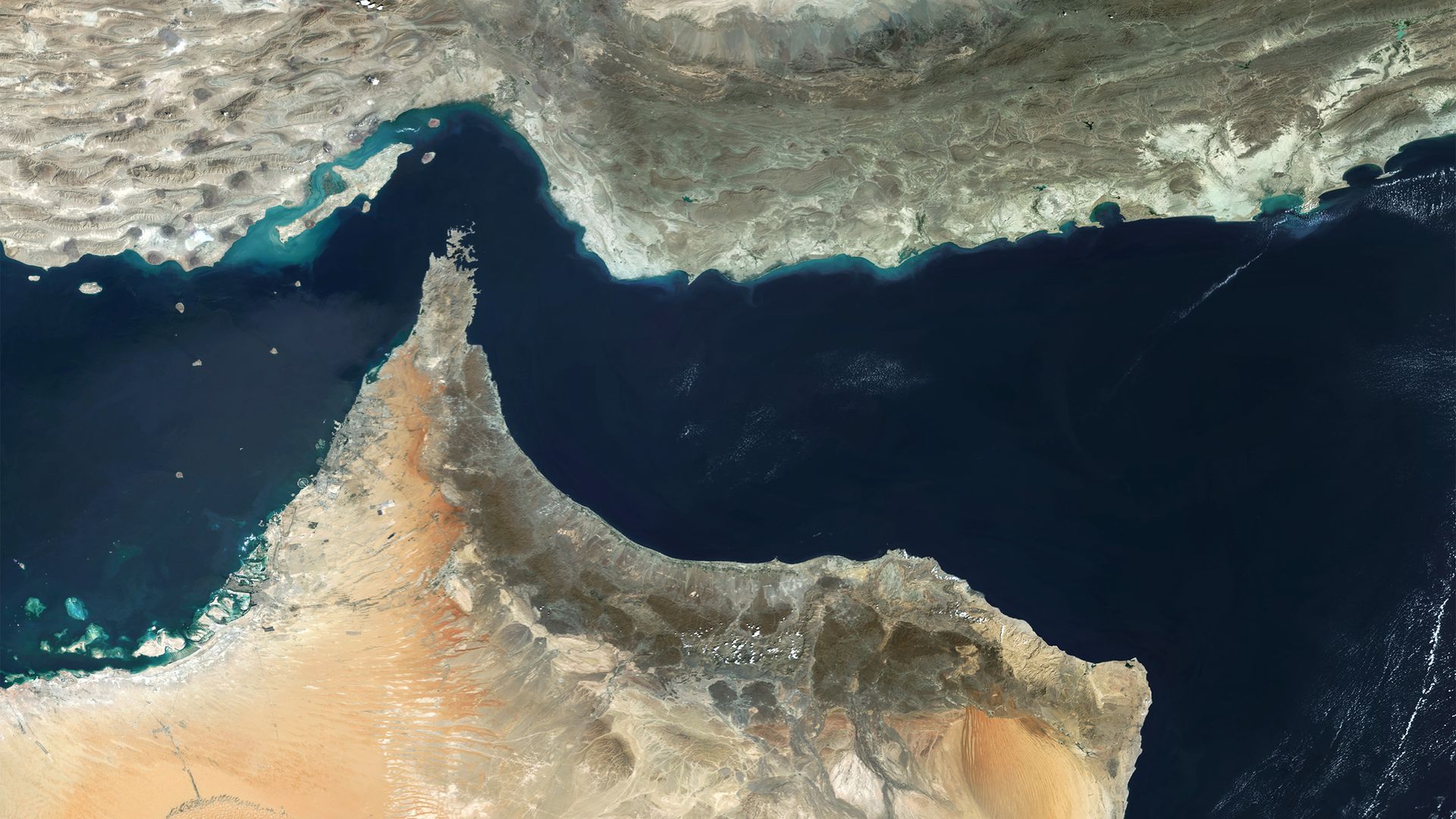
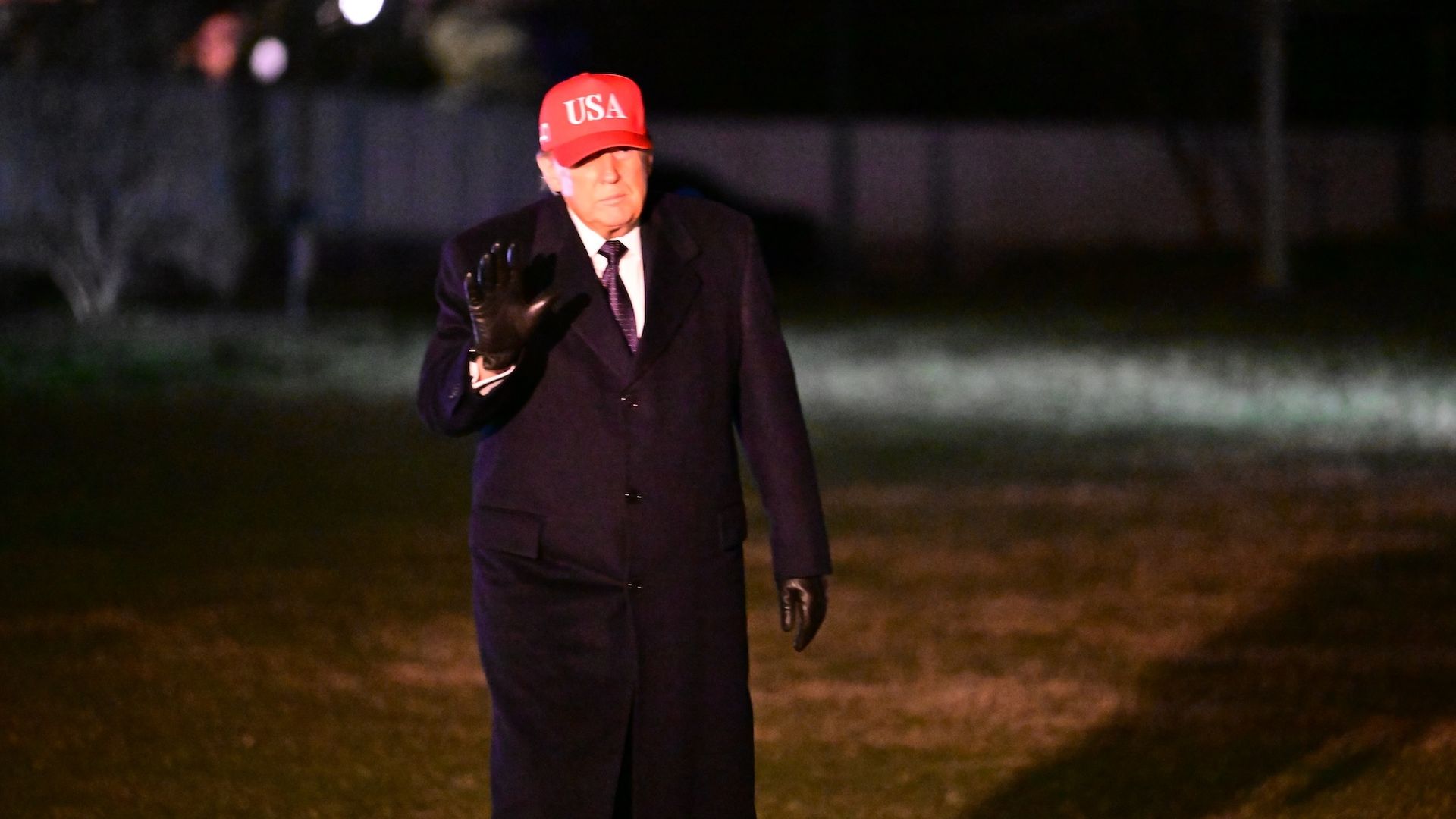
President Trump said the U.S. will "immediately" offer "political risk insurance and guarantees" for energy tankers and other ships in the Gulf region, and that the Navy will escort tankers through the Strait of Hormuz if needed.
Why it matters: The White House is trying to ease oil price spikes that are starting to boost U.S. gasoline prices. Oil prices retreated Tuesday as word of the plans began to emerge.
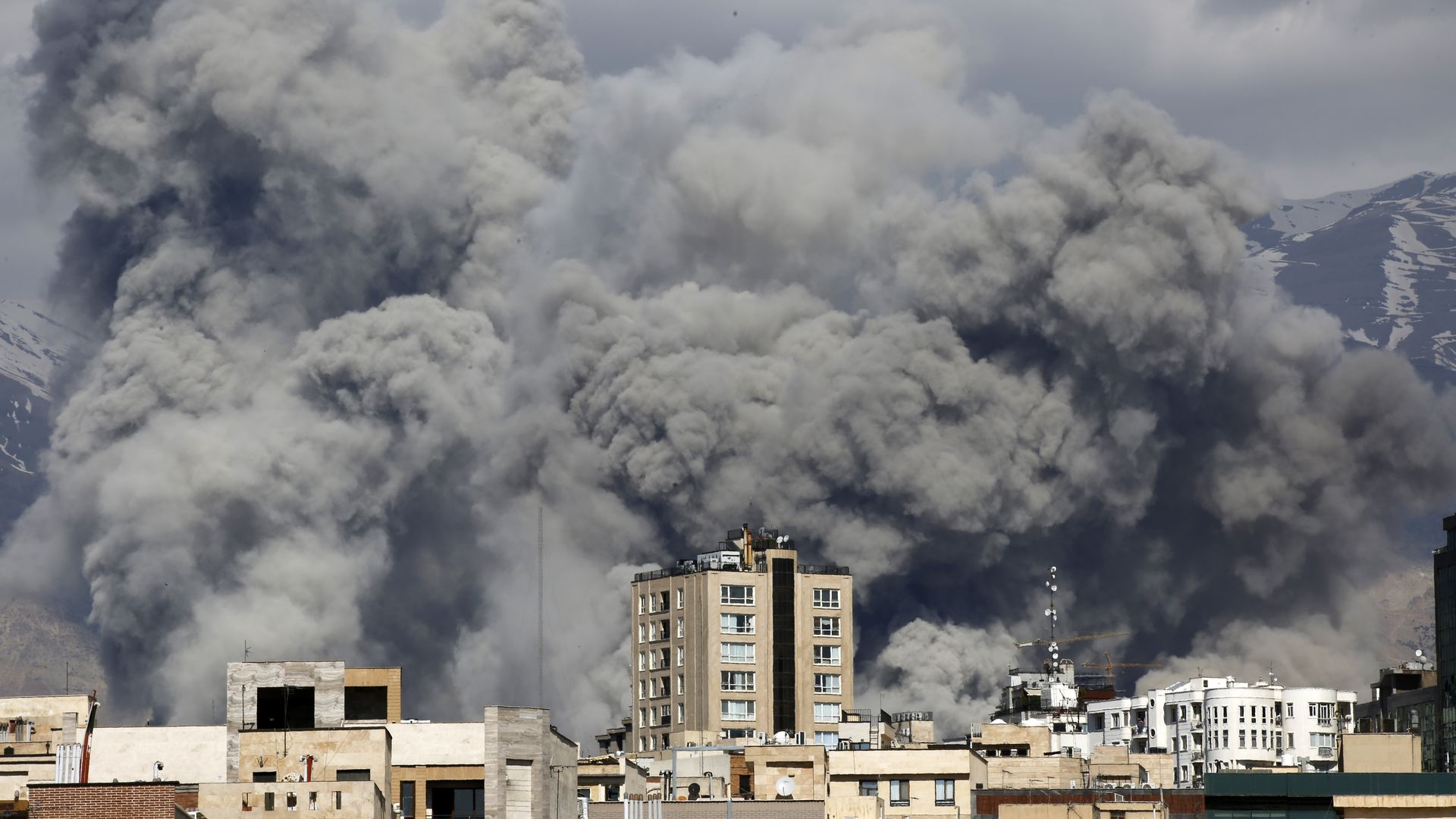
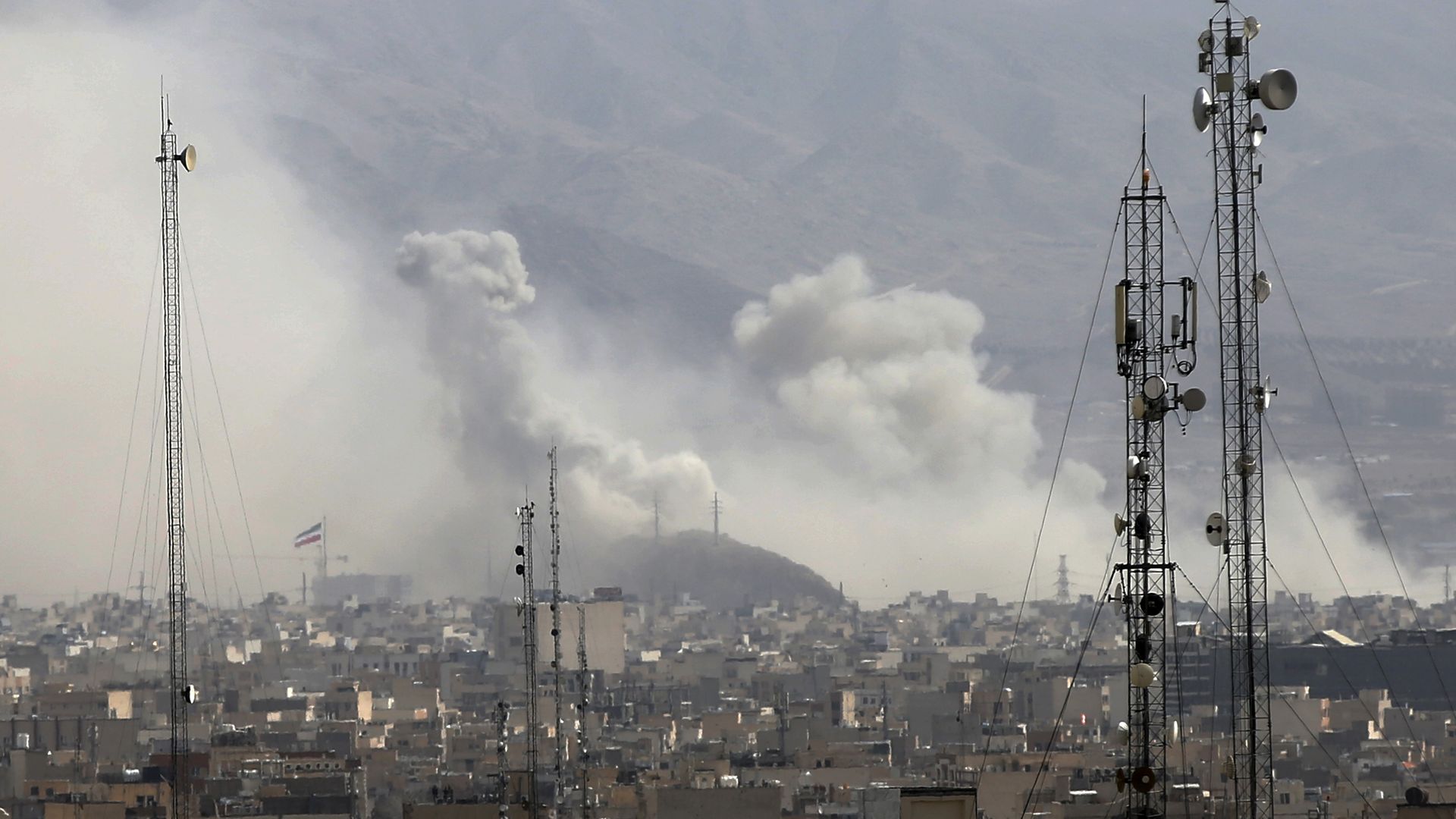
Fear of Iran getting nuclear weapons drove the U.S. and Israeli strikes over the weekend, but the location and security of Tehran's uranium stockpile remains unclear.
The big picture: The UN's nuclear watchdog hasn't been able to inspect key Iranian nuclear sites, and a prolonged conflict could mean even less transparency.
Gasoline prices are jumping as oil prices spike following the U.S. and Israel strikes on Iran, reflecting market fears of extended geopolitical upheaval.
Why it matters: Americans use about 370 million gallons of gas per day, so price increases have an immediate effect on their pocketbook and mood about the economy.
Prominent economists have warned for years that the low-volatility era of the 2010s has given way to a more fractured era, defined by trade wars, real wars and recurring supply shocks that policymakers are poorly equipped to manage.
The Iran war leaves little doubt that this analysis is correct.
Why it matters: The war is pushing up energy prices and rattling markets — something that central banks can't neutralize with an interest-rate tweak.
If these types of disruptions persist through the 2020s, policymakers face harsher trade-offs, higher volatility and a global economy that's structurally less stable.
WASHINGTON, D.C. — Diverse energy sources are vital to keeping costs down, policymakers said at a Feb. 25 Axios Live event.
The big picture: With the artificial intelligence explosion driving rapid data center expansion, the resulting energy demand is raising concerns about supply — and who will pay the bills.
Axios' Chuck McCutcheon and Ben Geman spoke with former Virginia Gov. Terry McAuliffe (D), co-chair of Natural Allies for a Clean Energy Future National Leadership Council; and Alex Fitzsimmons, acting undersecretary at the U.S. Department of Energy and director of its office of cybersecurity, energy security and emergency response.
Driving the news: The Trump administration has announced a "ratepayer protection pledge" that calls on Big Tech to cover its own electricity needs amid the data center boom.
"The hyperscalers realize that if they want to be politically or economically sustainable in the long term, they have to do what President Trump said, which is bring your own power, and then some," Fitzsimmons told Geman.
Yes, but: The administration's announcement was short on specifics.
Virginia has found some strategies for data center expansion and expenses, McAuliffe told McCutcheon.
"Loudoun County, Virginia, today, gets about $990 million in tax revenue from our data centers," McAuliffe said. "That is a third of Loudoun County's budget."
Diverse energy sources are essential, McAuliffe added.
The Democratic Party "needs to get better on gas," he said. "We need more gas infrastructure in the country with AI data centers, [which are] going to require three times more energy."
"So what do we do? I'm building turbines, I'm building wind farms, I'm putting solar in, but I've got to meet the demand today."
It is "the single largest loan that the Department of Energy has ever made … [and] the single largest loan the federal government has ever made outside of the financial crisis."
"That loan is going to save ratepayers in Alabama and Georgia $7 billion" over its lifetime, Fitzsimmons told Geman.
Content from the sponsor's segment:
In a View From the Top conversation, NEMA president and CEO Debra Phillips and Deni Miller, ABB U.S. & Mexico distribution solutions business line leader and U.S. electrification business lead, discussed concerns about permitting bottlenecks with Axios publisher Nicholas Johnston.
The electrical industry "is ready" to meet the moment, Phillips told Johnston, "but we can't do it alone."
"We need our grid partners [and] we need our policy partners to create an environment where we can expand, grow, meet the growing demand for electricity — which we think is going to be 55% between now and 2050."
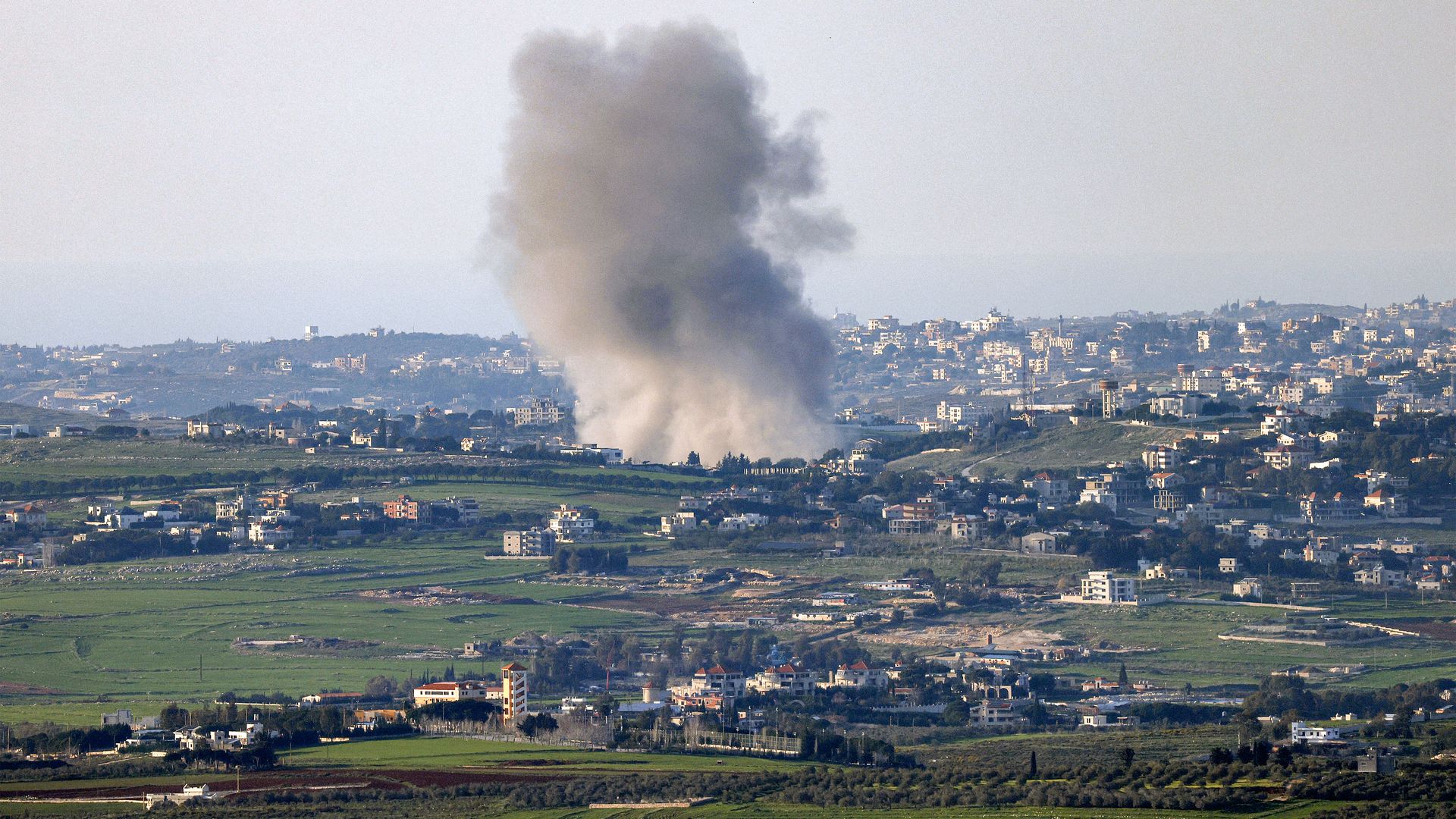
Just 72 hours after the U.S. and Israel began bombing Iran, the war has already consumed nearly the entire Middle East, reached the gates of Europe and raised new fears of attacks on American soil.
Why it matters: The sheer geographic scope of the war is staggering — directly involving at least 11 countries, disrupting the global flow of oil and gas, and rattling markets worldwide.
The Iran conflict abroad threatens to worsen the affordability crisis at home, as an oil price spike ripples through to pump prices Americans see every day.
Why it matters: This has become one defining tension of President Trump's second term — foreign policies that could undercut core domestic promises to lower prices for American consumers, just months ahead of midterm elections.
A Saudi oil refinery — one of the world's largest — suffered "limited" damage overnight from an Iranian attack, per the kingdom's press agency and multiple news reports.
Why it matters: "The attack on Saudi Arabia's Ras Tanura refinery marks a significant escalation, with Gulf energy infrastructure now squarely in Iran's sights," Torbjorn Soltvedt, a top analyst with risk intelligence firm Verisk Maplecroft, said in a note.
Crude oil prices soared to their highest level in slightly over a yearin early trading in Asian markets Sunday night.
Why it matters: The surge from the Asia markets' opening is an early concrete sign that prices at the pump could go up because of supply disruptions from the strikes against Iran.
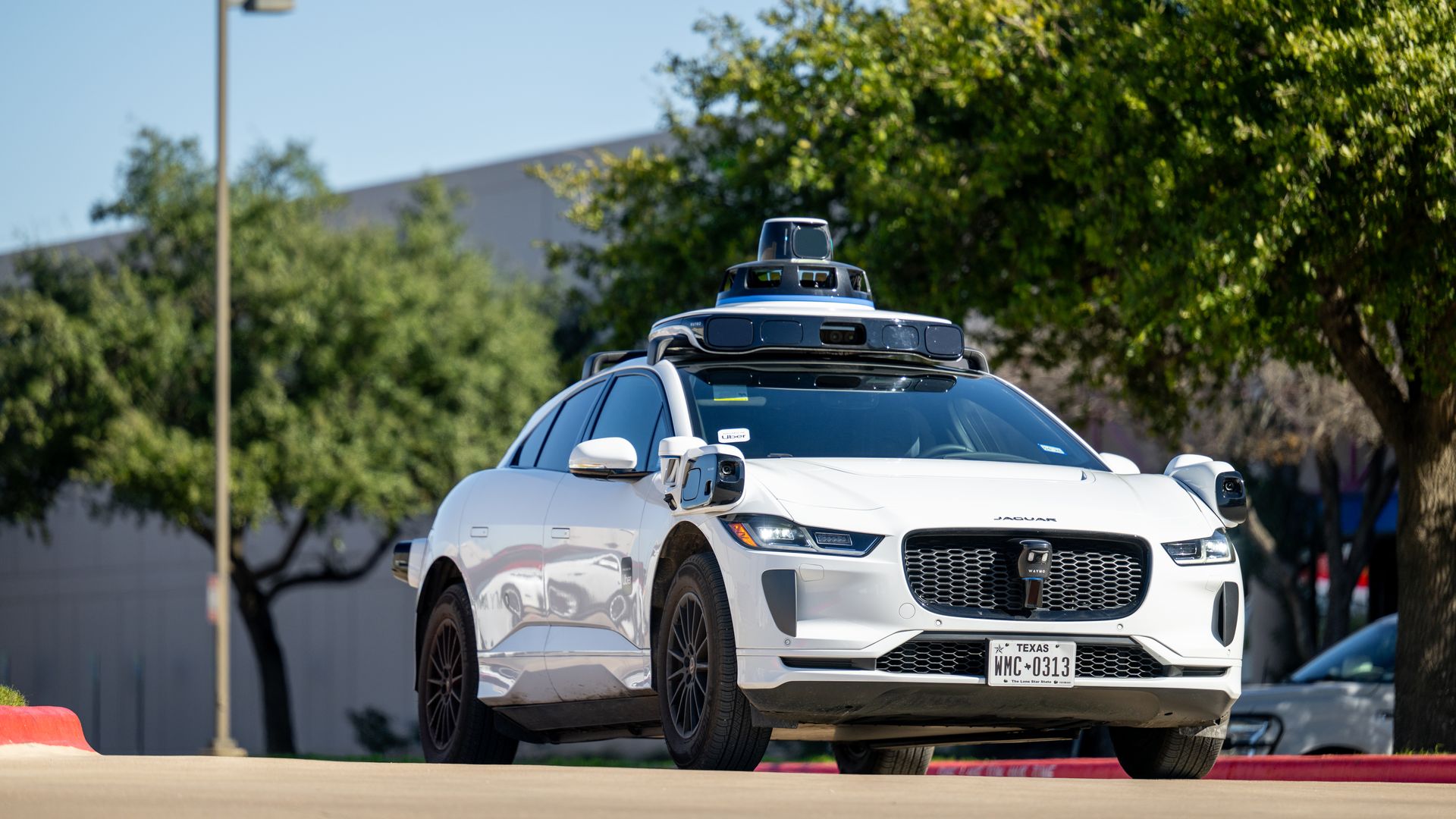
A Waymo robotaxi picking up a passenger near Sunday morning's mass shooting in Austin blocked an ambulance from reaching the scene, according to a bystander video. Waymo and EMS officials confirmed the video shows the company's vehicle blocking the ambulance.
Why it matters: The incident raises fresh questions about how autonomous vehicles operate near chaotic emergency scenes — and whether the technology is fully prepared for unpredictable, high-stakes situations.