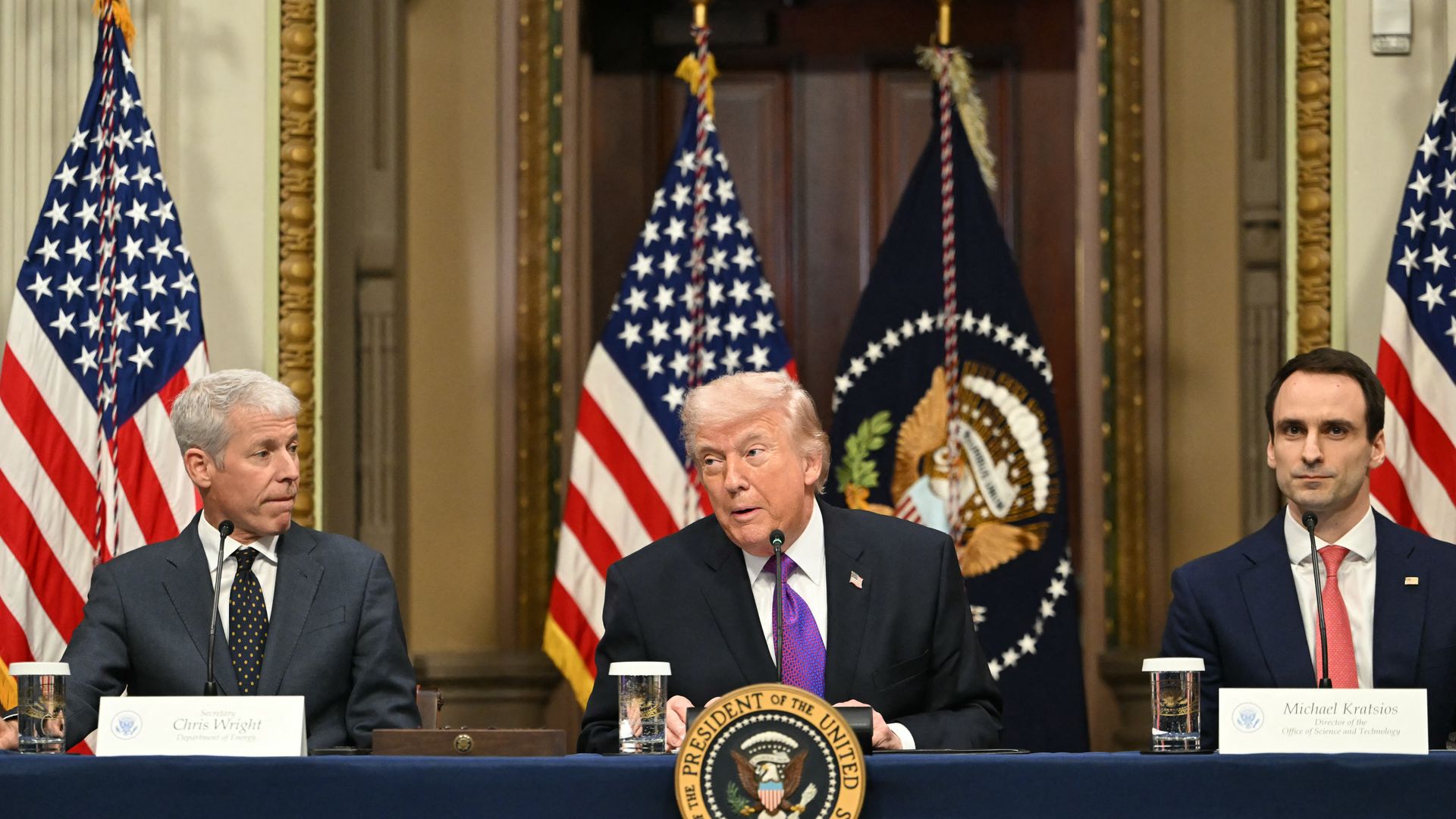
President Trump and tech CEOs expressed confidence Wednesday that they can contain soaring electricity rates with a new data center pledgethat formalizes and expands on what companies already are doing.
Why it matters: With rising power bills turning AI and data centers intoan election-year issue, Trump — who campaigned on a promise to cut costs — is eager to show he's trying to protect consumers.
America's natural gas bounty is acting like a moat, largelyshielding the U.S. from price spikes while much of the world reels from escalating unrest in the Middle East.
Why it matters: Natural gas hasn't, historically, drawn the same headlines as the more volatile oil markets. But it's increasingly central to the economy — including powering the AI boom.
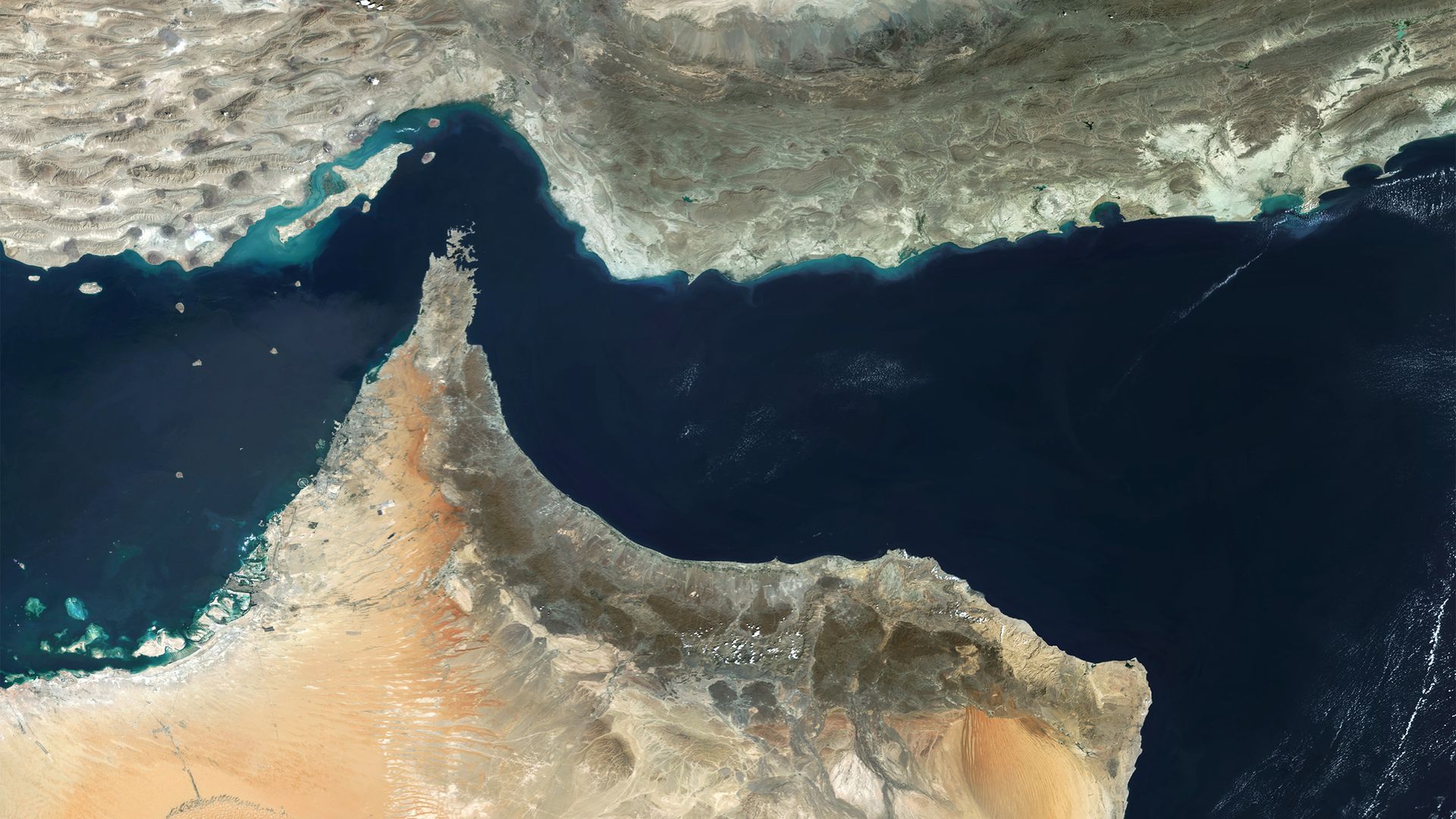
President Trump said the U.S. will "immediately" offer "political risk insurance and guarantees" for energy tankers and other ships in the Gulf region, and that the Navy will escort tankers through the Strait of Hormuz if needed.
Why it matters: The White House is trying to ease oil price spikes that are starting to boost U.S. gasoline prices. Oil prices retreated Tuesday as word of the plans began to emerge.
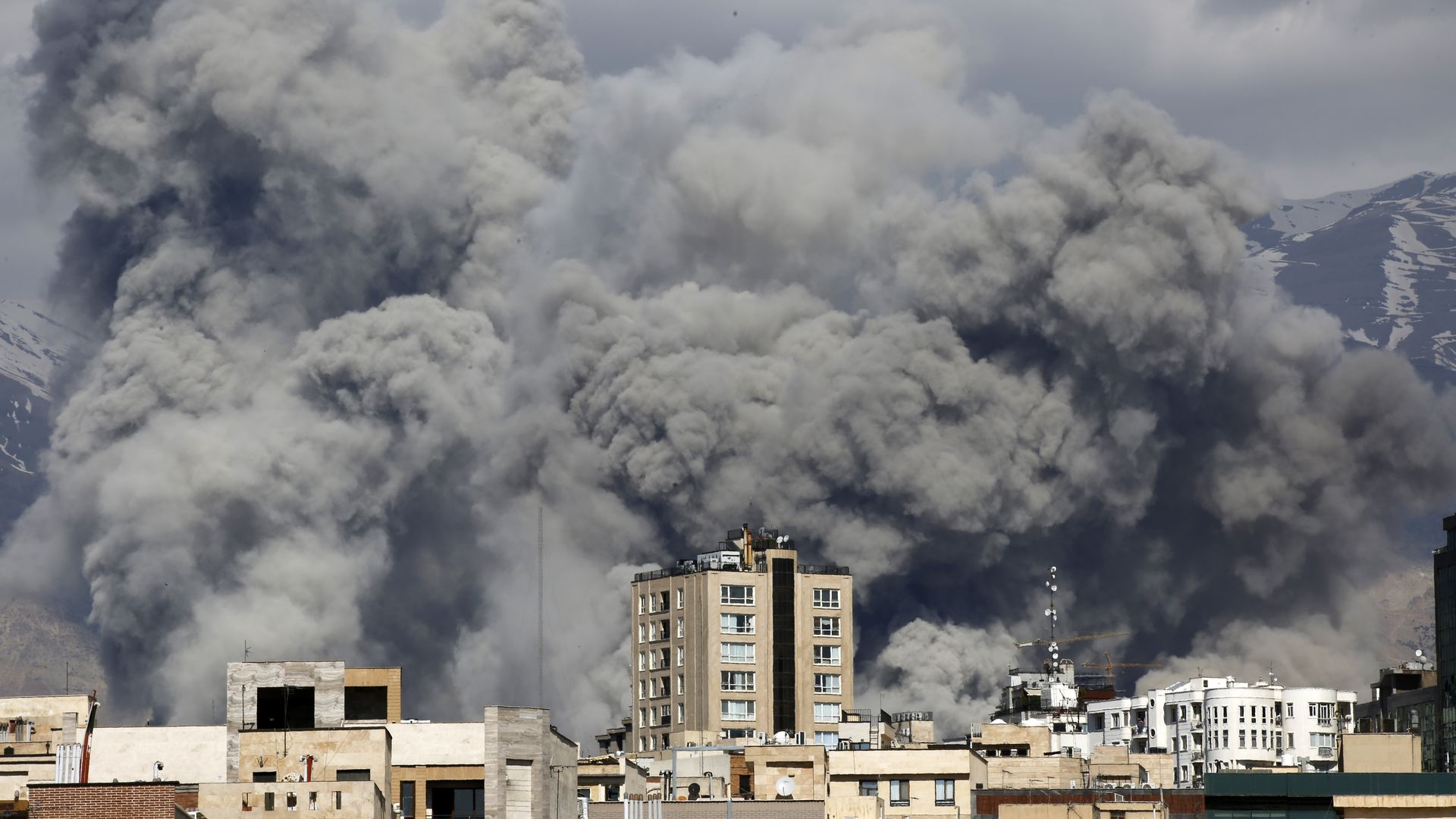
Fear of Iran getting nuclear weapons drove the U.S. and Israeli strikes over the weekend, but the location and security of Tehran's uranium stockpile remains unclear.
The big picture: The UN's nuclear watchdog hasn't been able to inspect key Iranian nuclear sites, and a prolonged conflict could mean even less transparency.
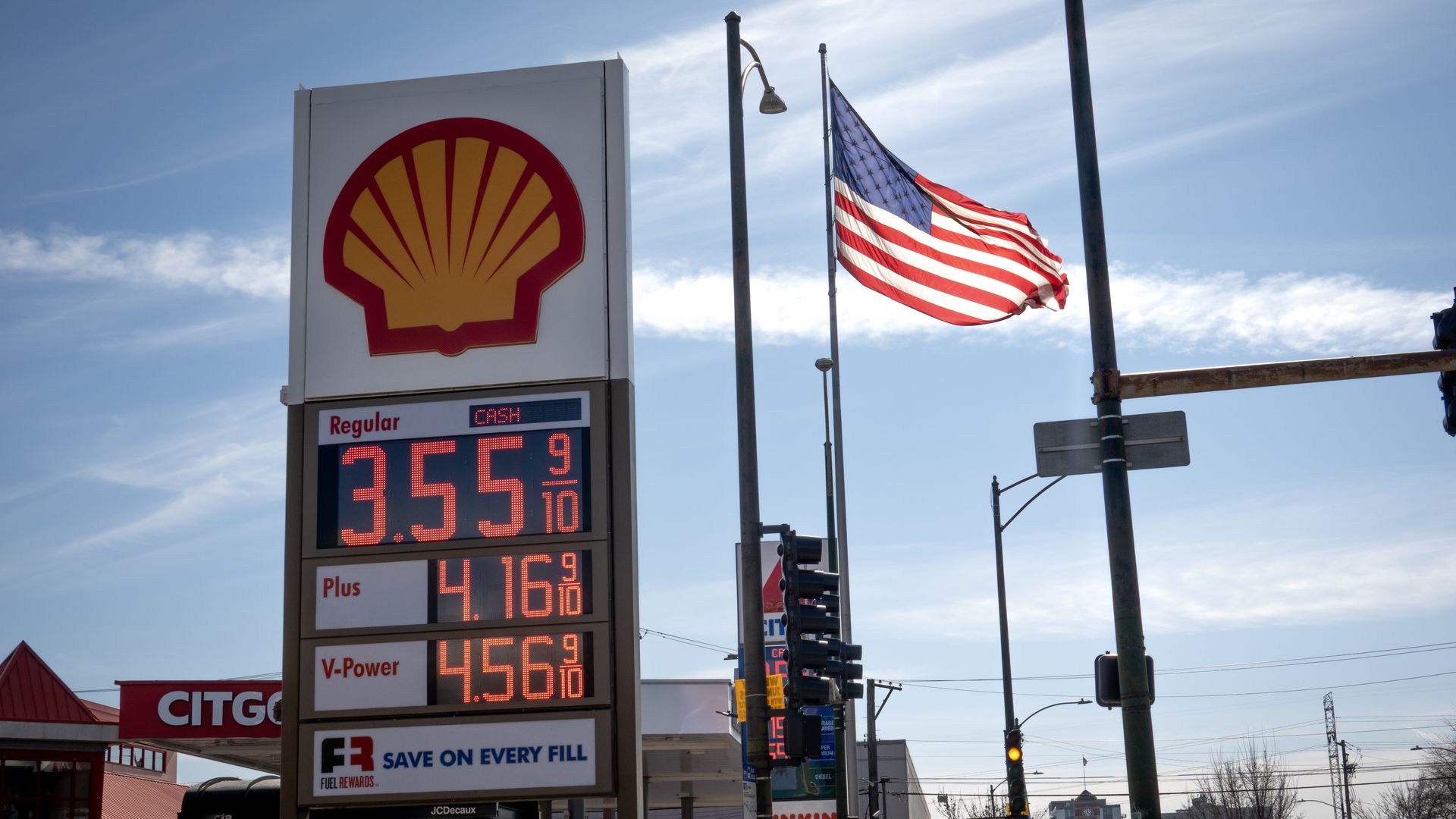
Gasoline prices are jumping as oil prices spike following the U.S. and Israel strikes on Iran, reflecting market fears of extended geopolitical upheaval.
Why it matters: Americans use about 370 million gallons of gas per day, so price increases have an immediate effect on their pocketbook and mood about the economy.
Prominent economists have warned for years that the low-volatility era of the 2010s has given way to a more fractured era, defined by trade wars, real wars and recurring supply shocks that policymakers are poorly equipped to manage.
The Iran war leaves little doubt that this analysis is correct.
Why it matters: The war is pushing up energy prices and rattling markets — something that central banks can't neutralize with an interest-rate tweak.
If these types of disruptions persist through the 2020s, policymakers face harsher trade-offs, higher volatility and a global economy that's structurally less stable.