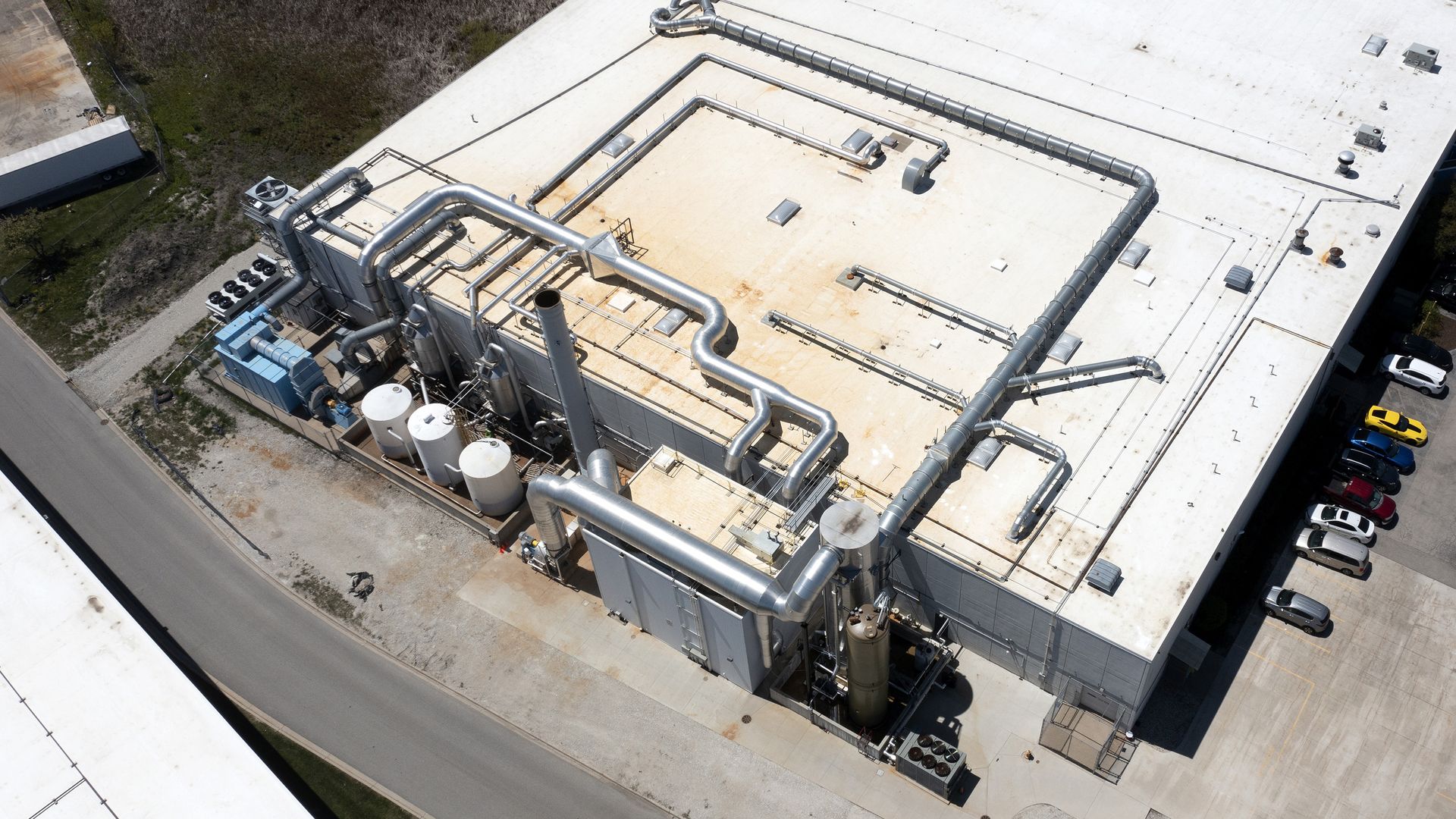
The Environmental Protection Agency issued new rules Tuesday to force hundreds of chemical plants across the U.S. to reduce cancer-linked toxic chemicals they emit into the air.
Why it matters: The rules come as a win for environmental advocates and advance the Biden administration's push for environmental justice.
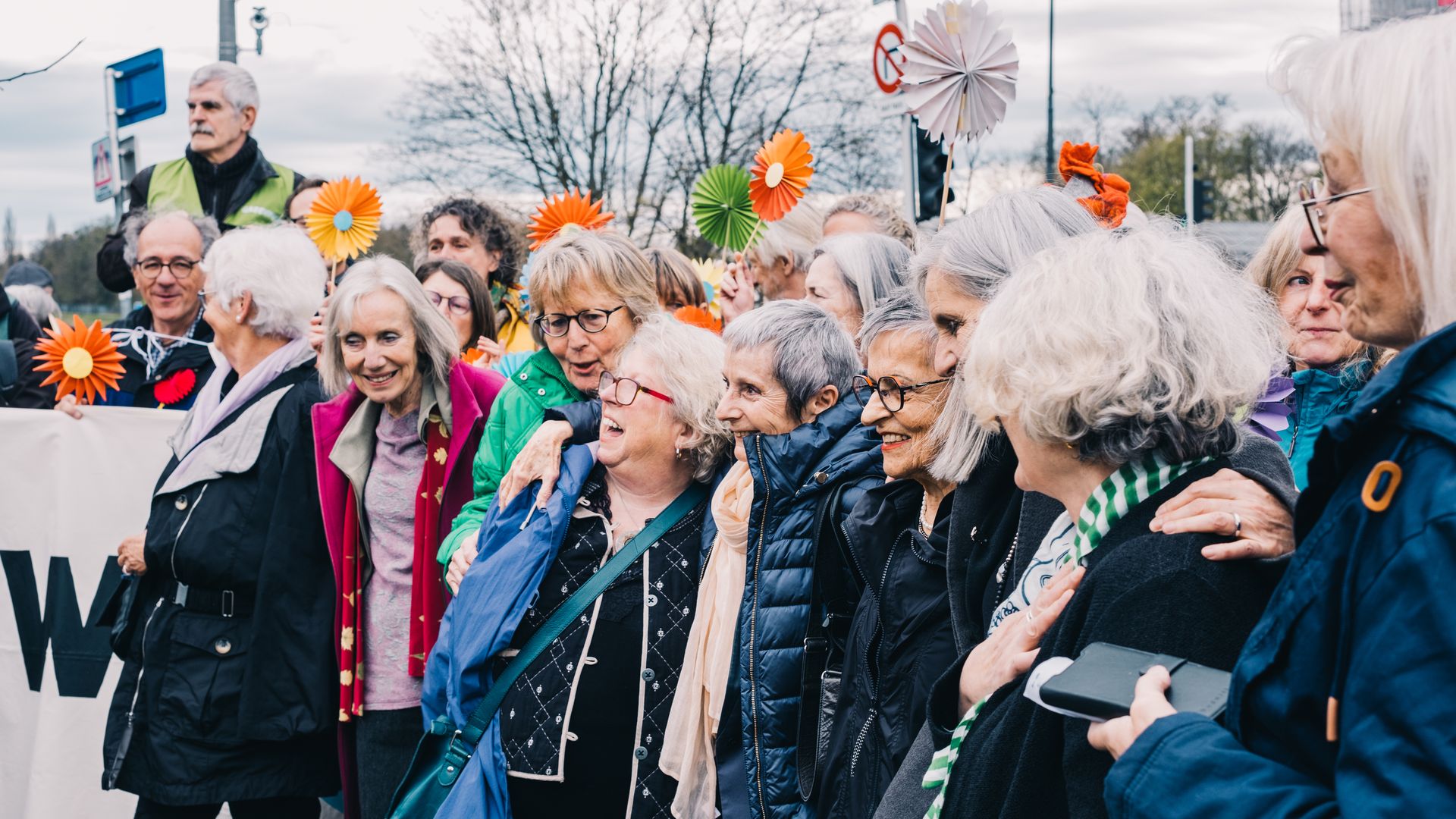
Europe's highest human rights court on Tuesday sided with a group of 2,000 Swiss women over 64 years old who sued their government for not doing enough to combat climate change.
Why it matters: It's a landmark ruling that helps to determine to what extent almost all European countries violate the human rights of their citizens by not adequately mitigating the effects of climate change.
The San Jose, California; New York and San Francisco metro areas reign supreme on a new index ranking cities by the impact of local transportation on greenhouse gas emissions.
Why it matters: Cities nationwide are trying to preserve the pandemic-era drop in vehicle emissions as traffic returns nearly or entirely to pre-COVID levels.
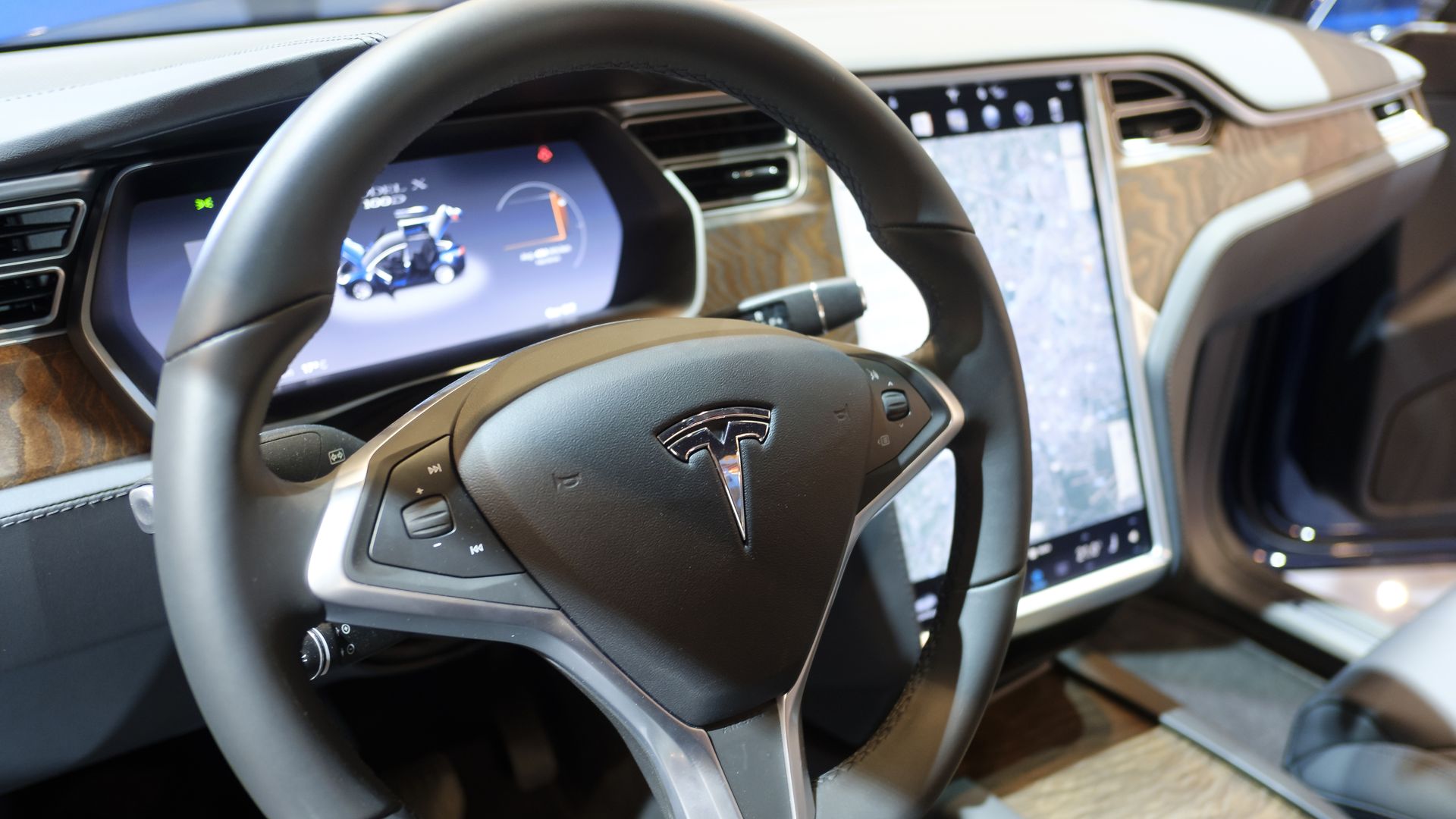
Tesla settled a lawsuit concerning the 2018 crash death of an Apple engineer in Northern California, court documents showed Monday.
The big picture: The case that was set to go to trial this week would have brought scrutiny to Tesla's Autopilot that CEO Elon Musk sees as a key part of the electric vehicle company's EV charging standard, and he's offered to license the driver assistance system to other car companies.
New researchshows industrialmining threatens up to one-third of Africa's great ape population, Ben writes.
Why it matters: Growing amounts of minerals — like copper, cobalt and nickel — that are used in climate technology bring their own challenges to biodiversity.
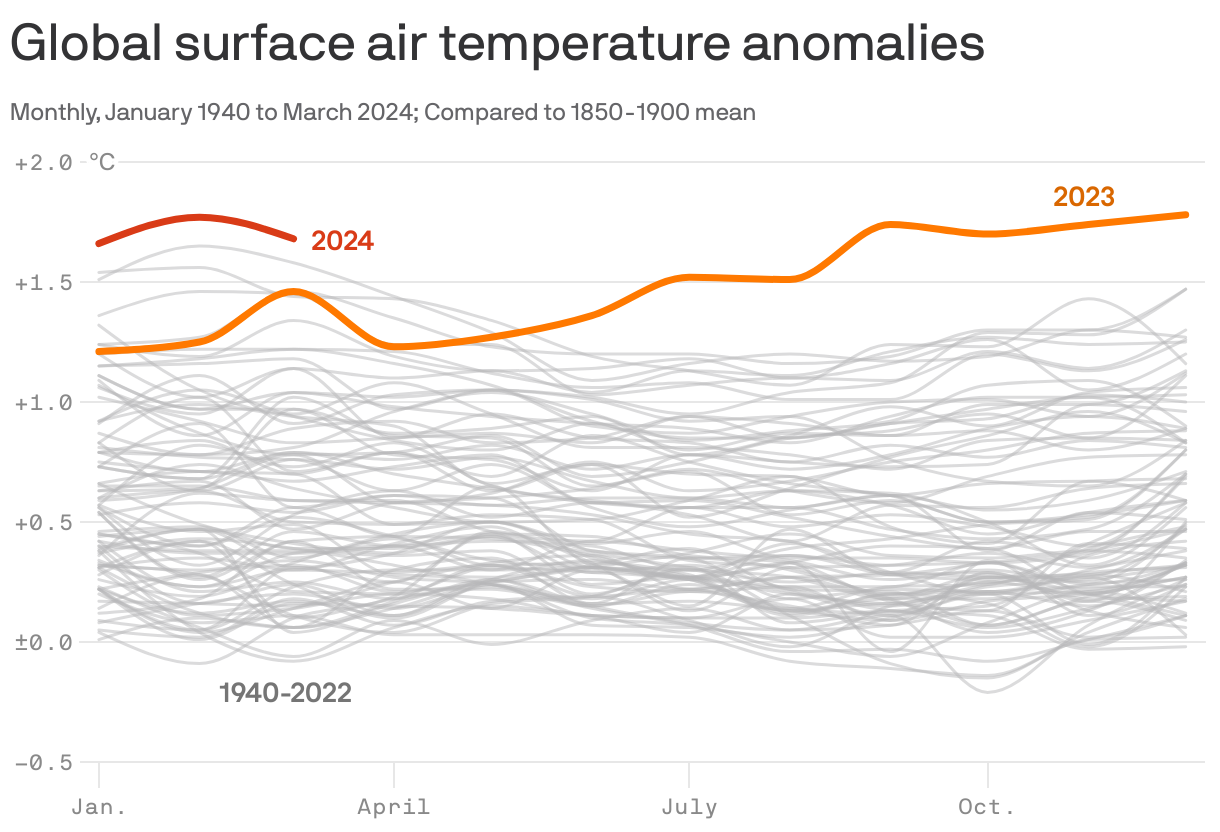
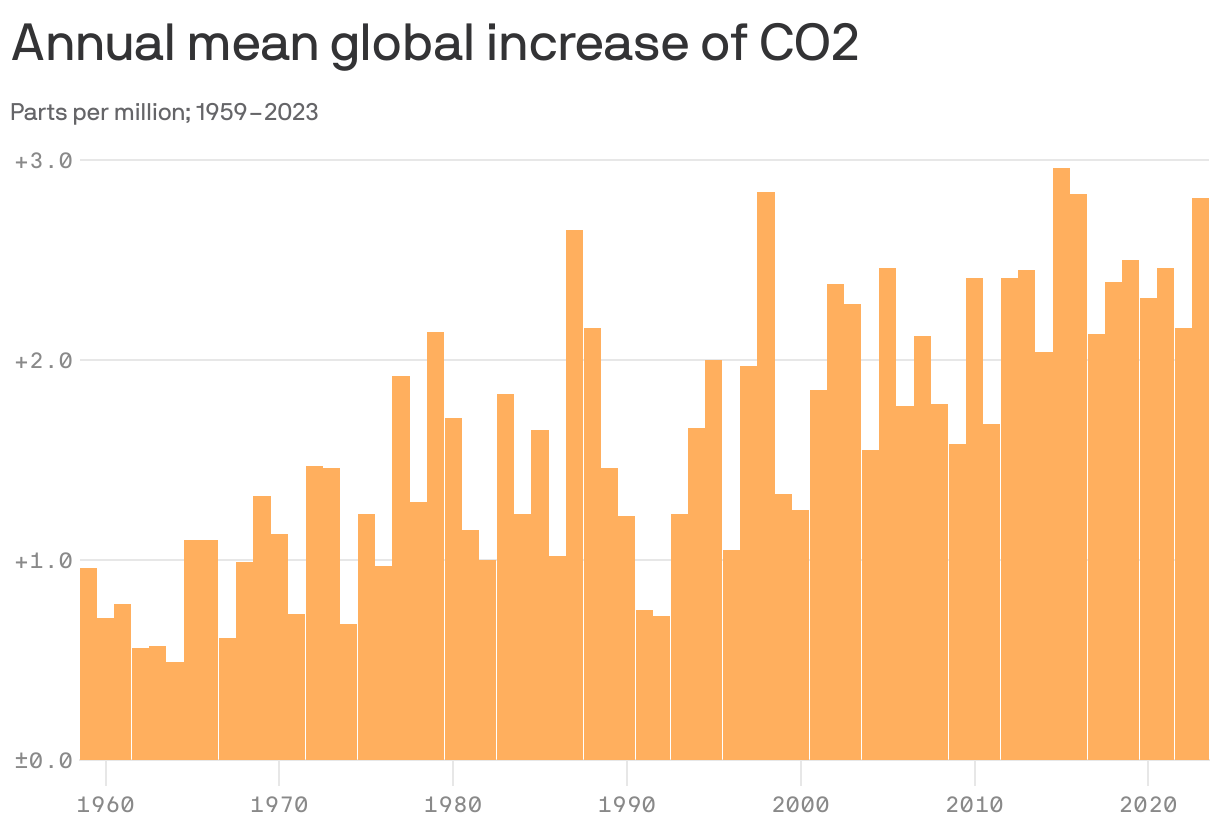
Why it matters: The Earth's atmosphere now contains more planet-warming gases than it has at any other point since at least about 4.3 million years ago.
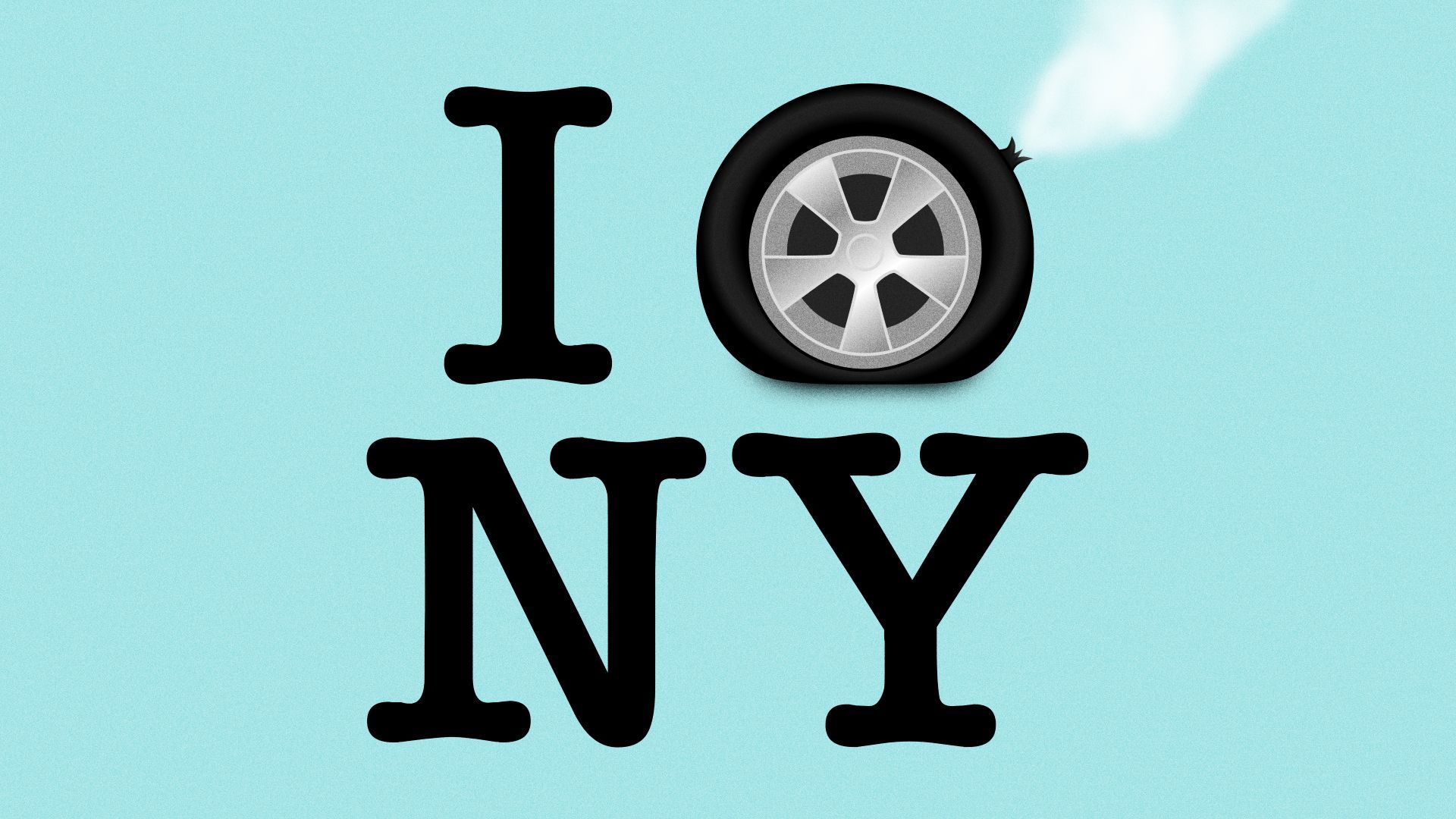
The biggest urban experiment in decades is coming to New York City in June, when vehicles will be charged $15 and up to drive in Manhattan below 60th Street.
Why it matters: It's a first-in-the-nation policy that other American cities — like Seattle, San Francisco and Washington, D.C. — might be eager to replicate.