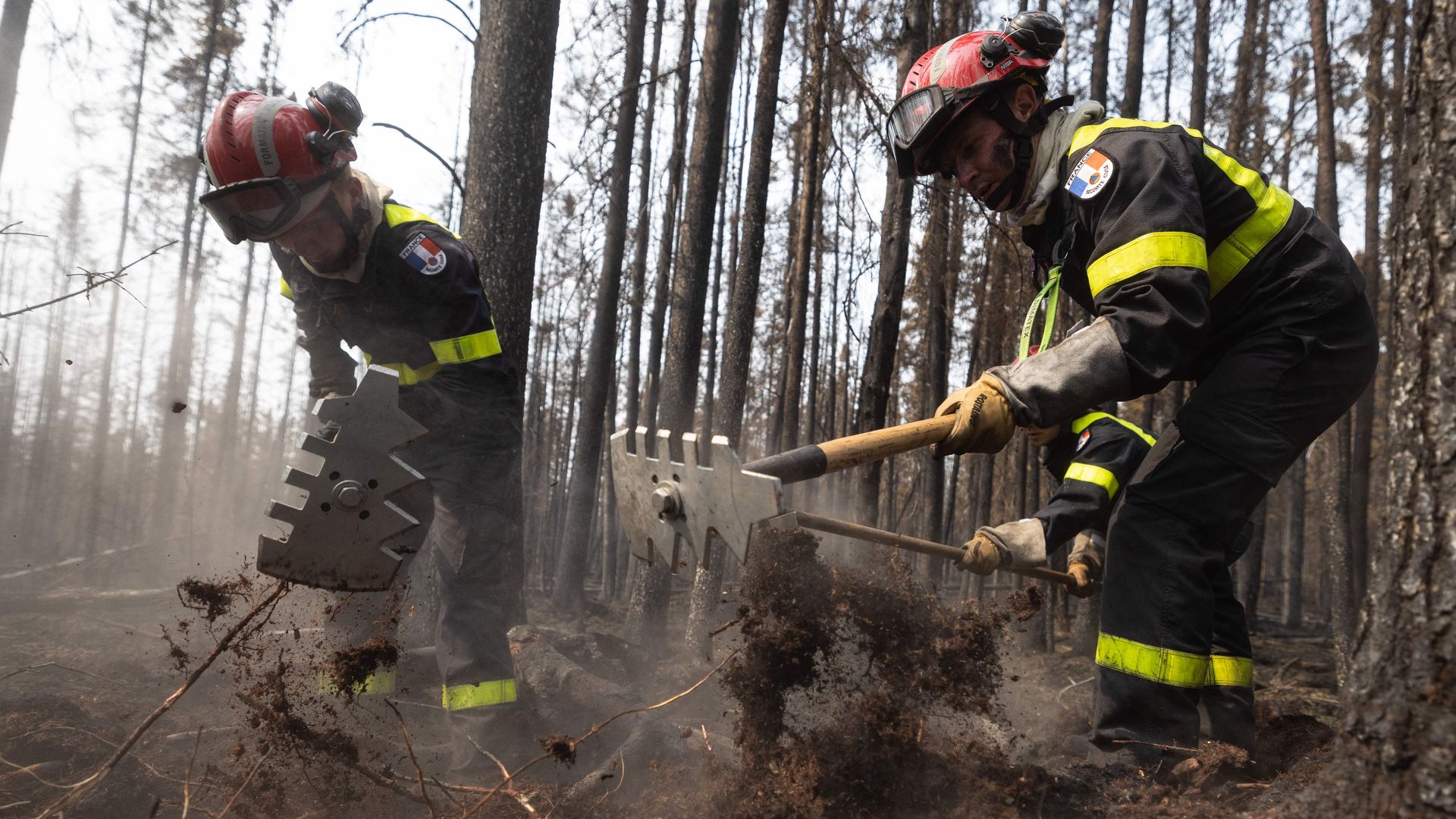
Unprecedented fires have already torched millions of acres throughout Canada during its worst-on-record wildfire season — which is long from over.
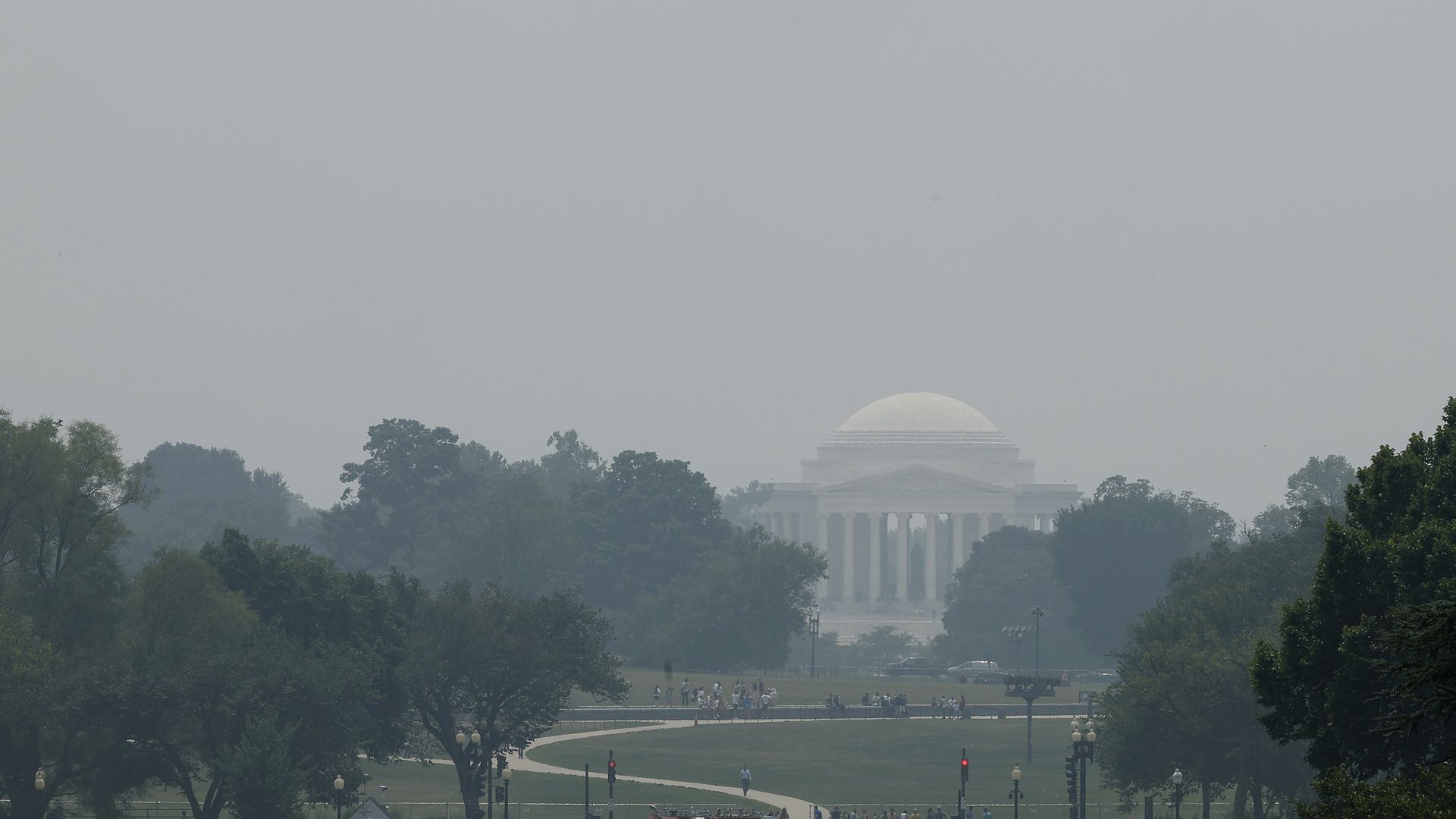
Why it matters: Smoke from the fires has so far triggered air quality alerts in hundreds of cities across North America. But with the typical peak of wildfire season still ahead, dangerous, haze-filled skylines may be a common sight this summer.
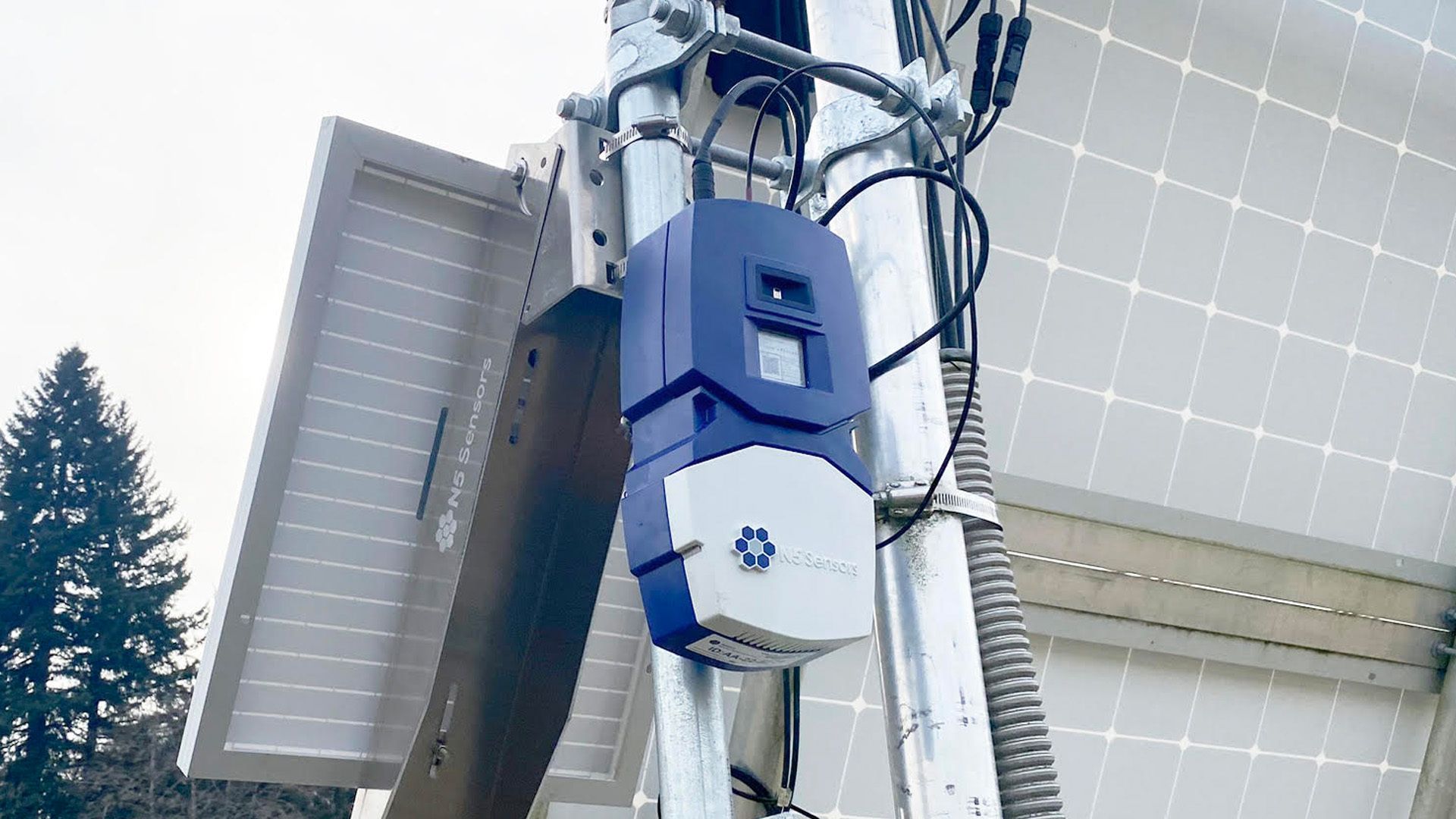
Small, low-cost sensors — about the size of a lunchbox and hung on light poles and elsewhere — are being tested in wildfire-prone communities as a potential new early warning tool.
The sensors "smell" the chemical components of a fire before it ignites, which drones, satellites and other visual surveillance safeguards cannot.
The heat wave scorching much of the U.S., along with dangerously poor air quality from wildfire smoke, is giving Americans a preview of the compound climate disasters that experts fear will become increasingly common as the planet warms.
Why it matters: Extreme heat and hazardous air quality are acute public health threats, and the heat has already proven deadly.
The big picture: Detroit, D.C., New York City and Toronto endured some of the world's worst air quality Thursday, per Swiss air technology company IQAir. Alerts stretched from Colorado to Vermont and down to Georgia. Canadian officials warn this extreme weather event will likely last all summer as climate change leads to more instances of critical fire weather.
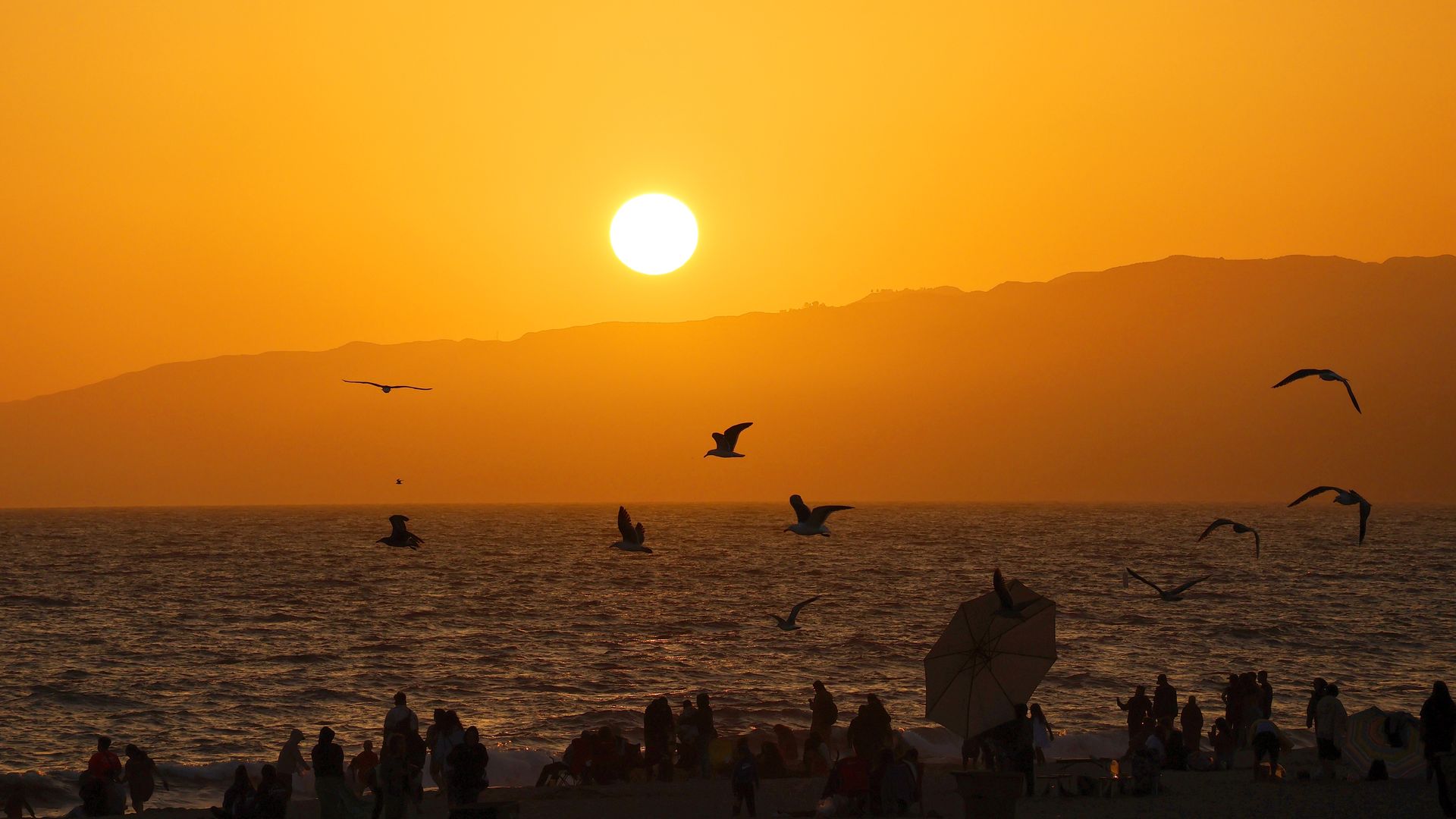
As the oppressive hot weather that Texans have endured for weeks spreads across the U.S., Californians were preparing for their first major summer heat wave Friday.
State of play: Extreme heat was expected from central California into the desert Southwest Friday into this weekend, with excessive heat warnings issued by the National Weather Service for Californian cities including Los Angeles and San Diego.