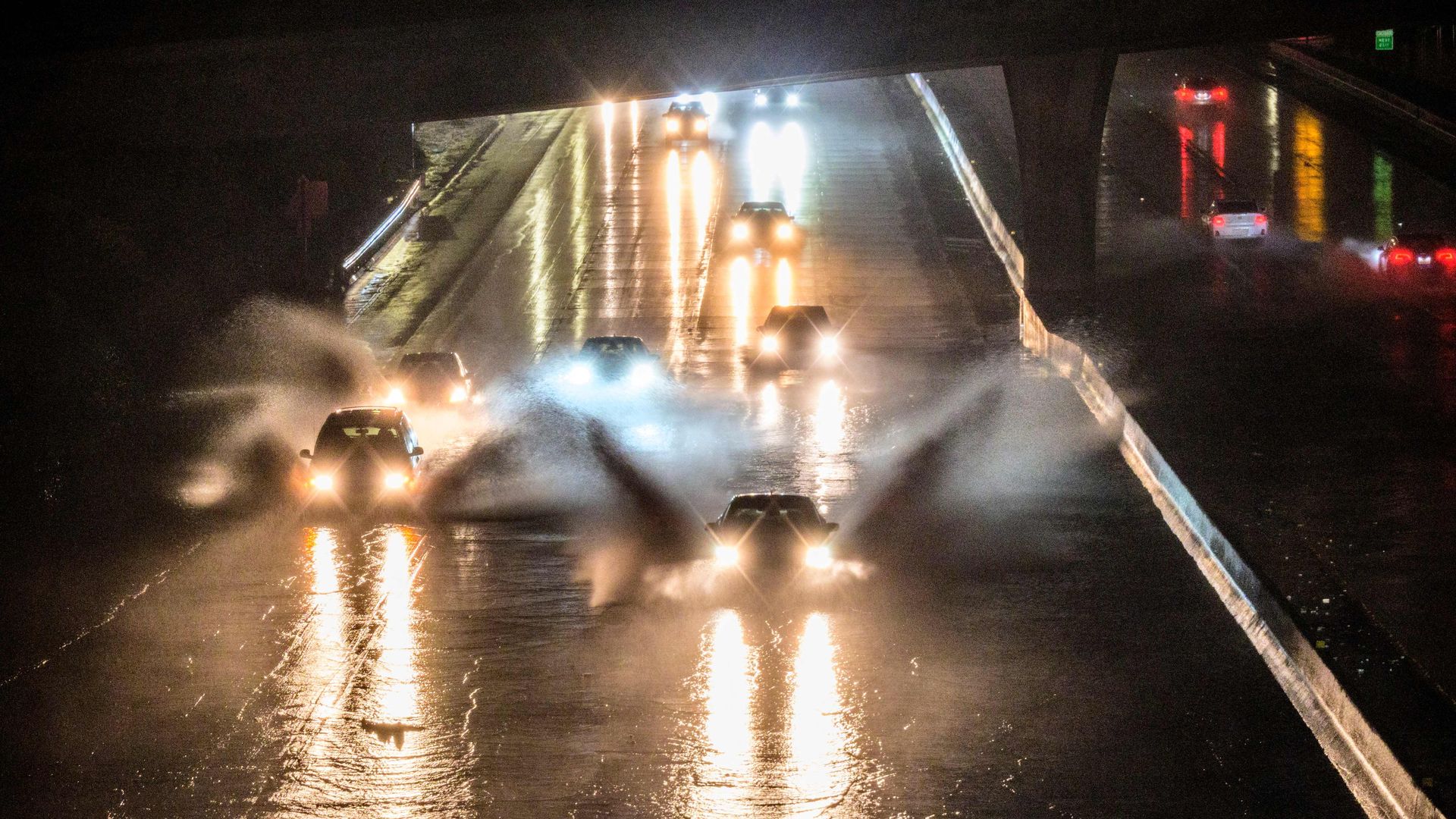
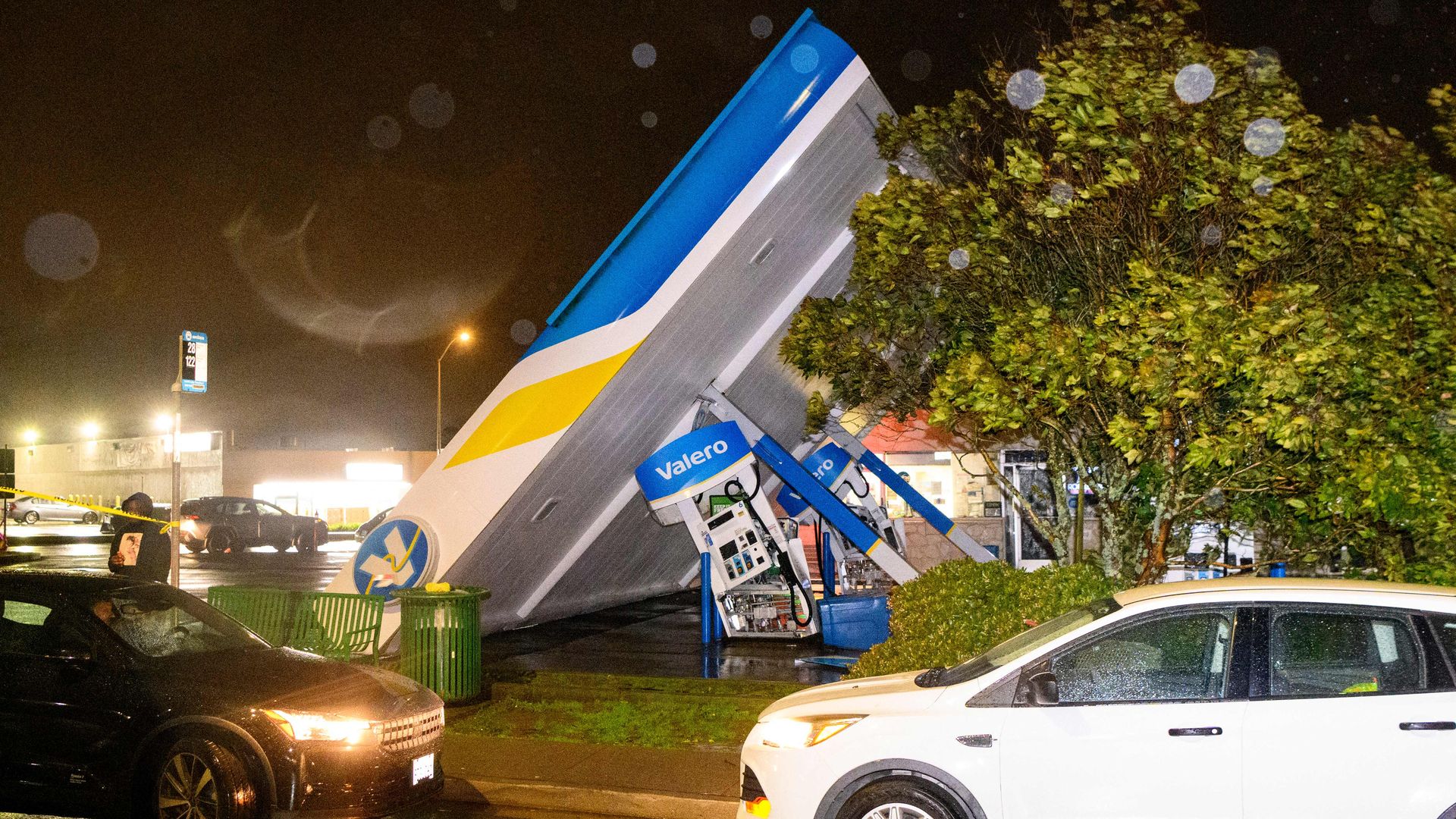
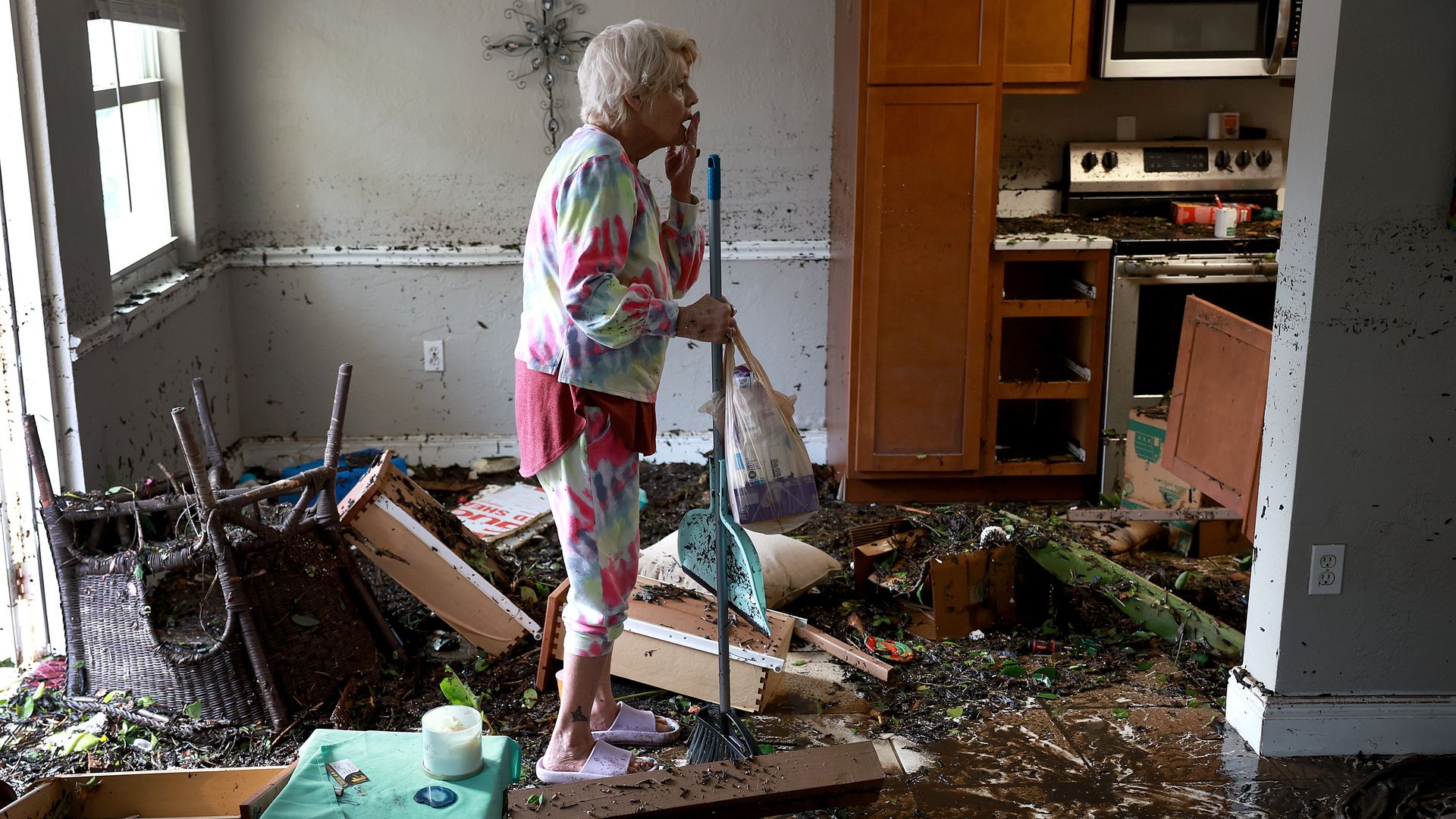
After a powerful storm left at least two dead and homes and businesses flooded across California this week, more damaging weather systems are lined up for landfall on the West Coast for the foreseeable future.
Why it matters: California is mired in a historic drought, but too much rain in a short period will lead to increasingly devastating flooding, forecasters warn.
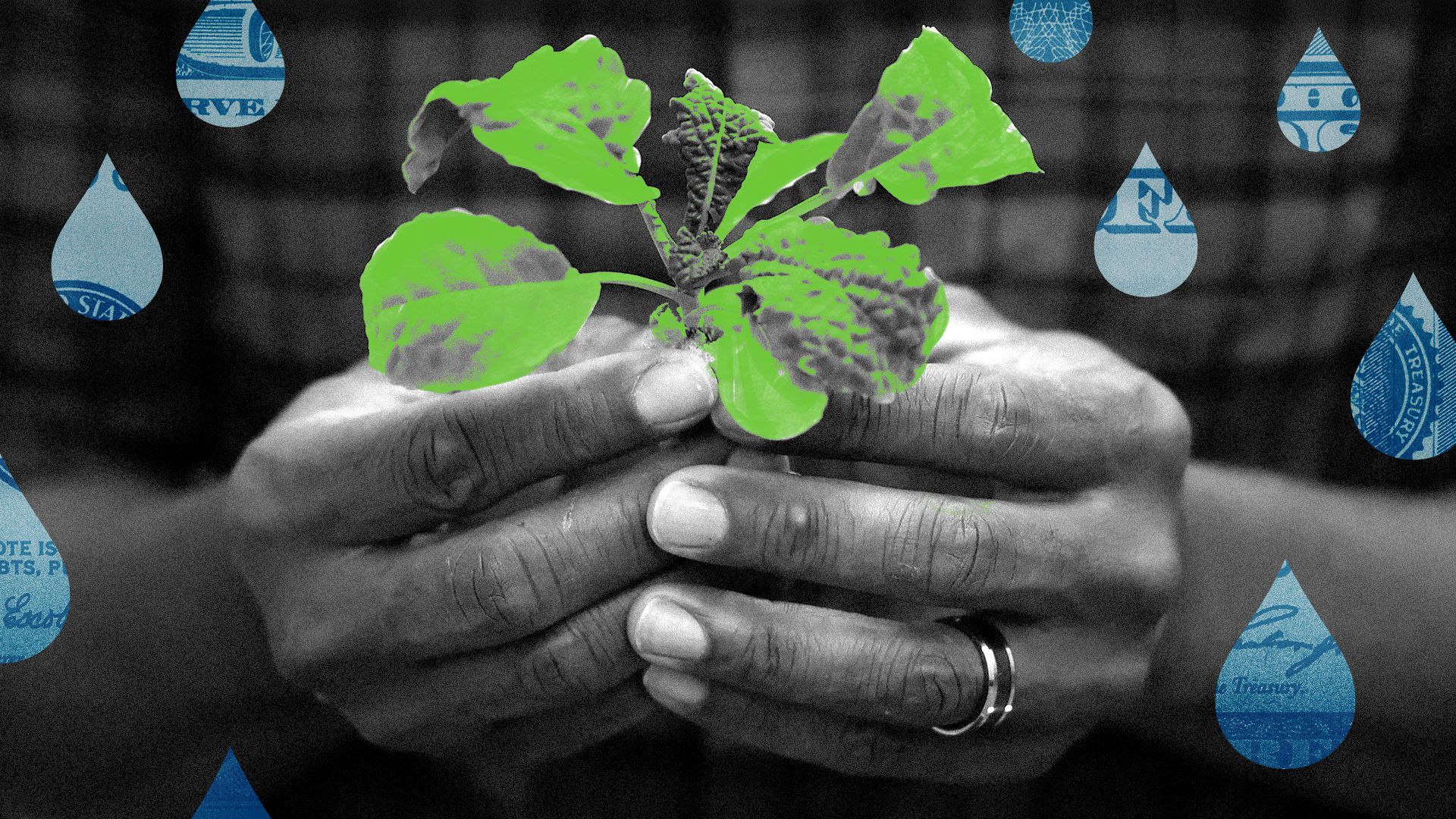
Historically costly indoor hydroponic farms are becoming more accessible to small-scale U.S. farmers.
Why it matters: While extreme weather exacerbated by climate change hurts crop yields, some small farmers are turning to ag-tech solutions that have long been sequestered from anyone but the rich.
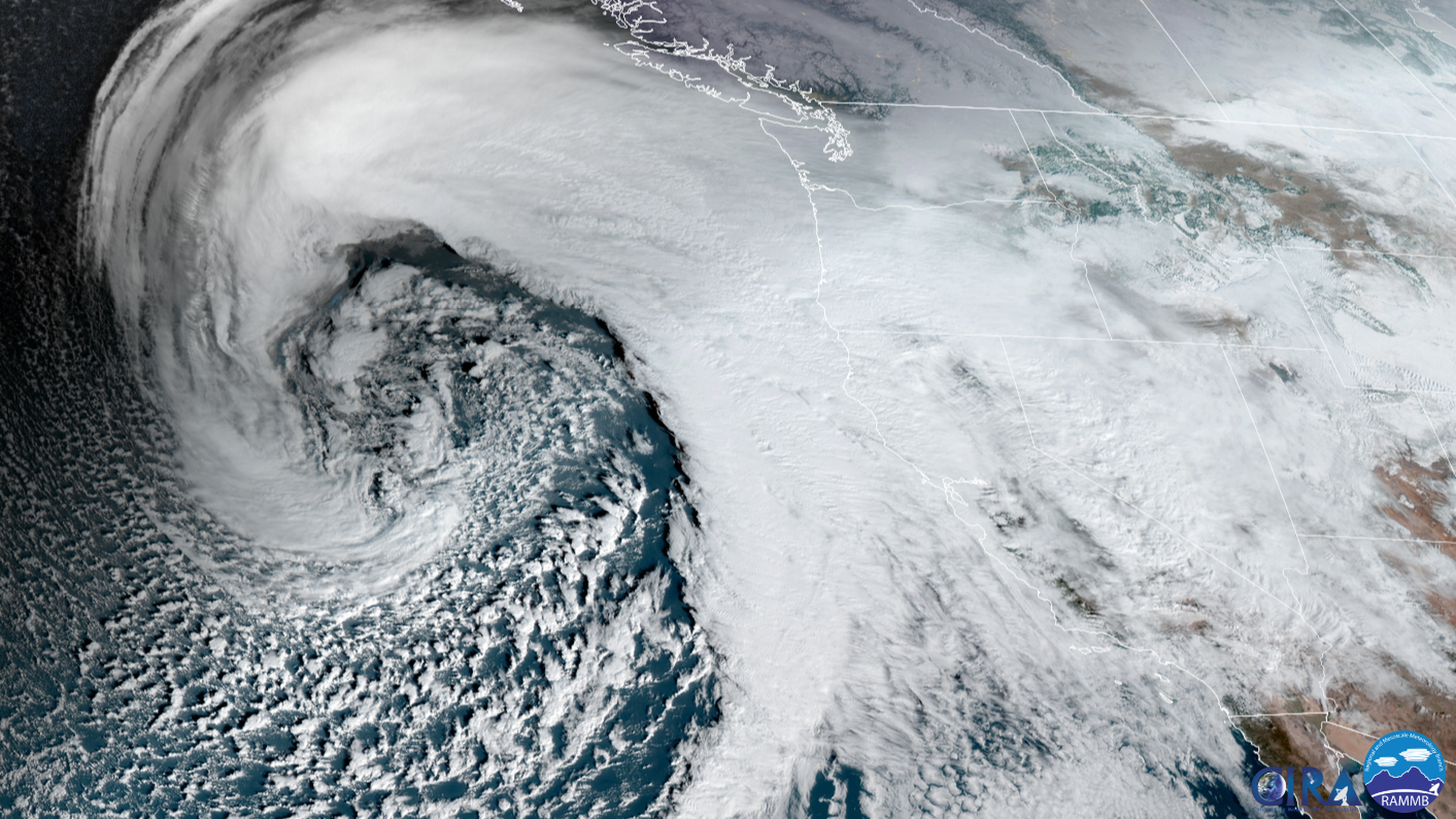
A potent atmospheric river storm associated with a bomb cyclone that brought heavy rains, damaging winds and a significant amount of mountain snowfall in California eased by Thursday night.
Yes, but: "The next in this parade of Atmospheric River events is expected to arrive late Friday into northern California, spreading south to central California Saturday," the National Weather Service warned. "Heavy rainfall will lead to additional flooding and heavy mountain snow is expected in the Sierras."
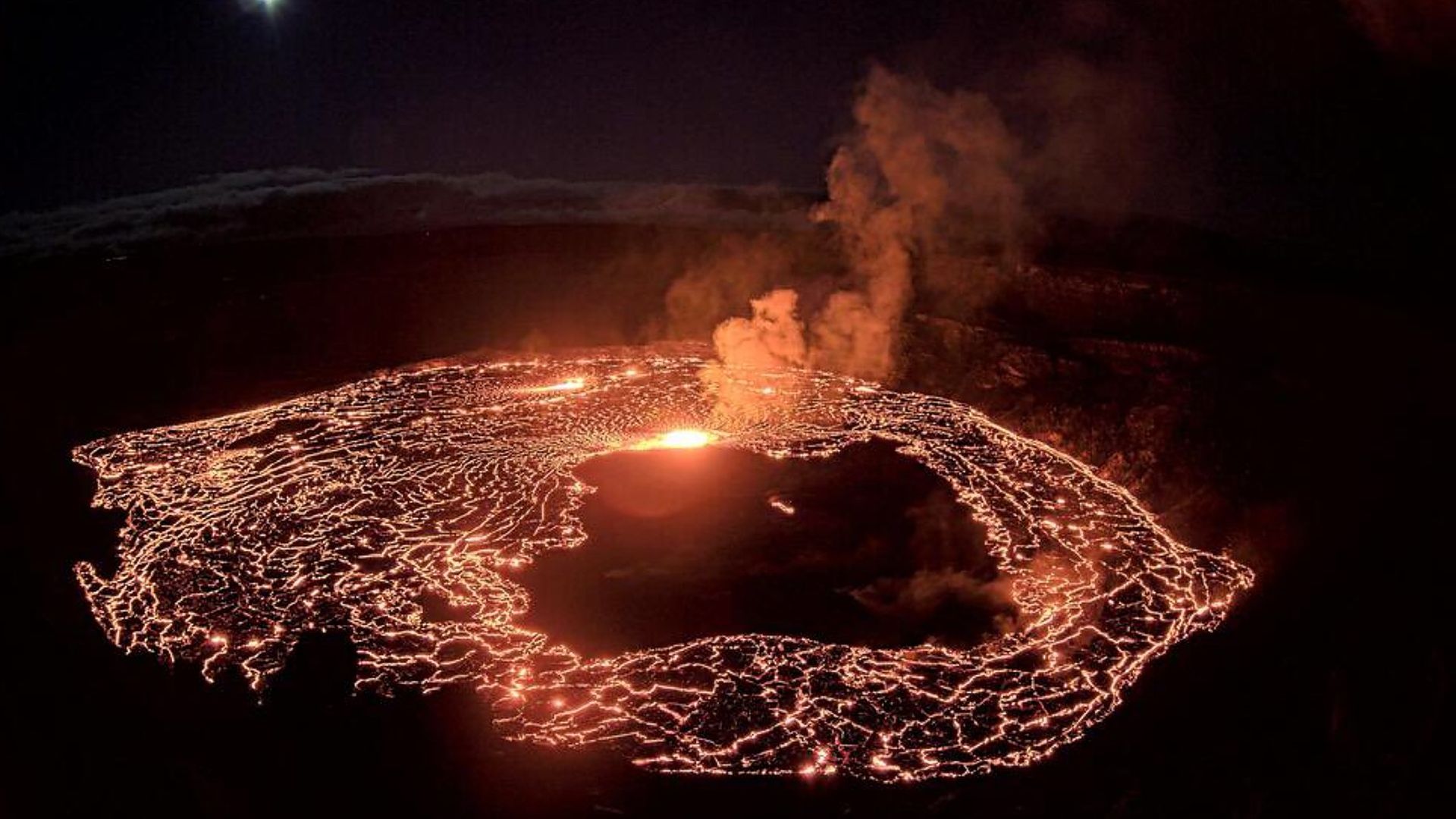
Hawaii's Kīlauea volcano began erupting again Thursday — less than a month after it and neighboring volcano Mauna Loa were last active.
Driving the news: The U.S. Geological Survey said in a statement Thursday night that the USGS Hawaiian Volcano Observatory detected a "glow in Kīlauea summit webcam images indicating that the eruption has resumed within Halemaʻumaʻu crater in Kīlauea’s summit caldera, within Hawai‘i Volcanoes National Park."
A major storm is pummelling California with heavy rains and hurricane-force winds — triggering evacuation orders, causing power outages and forcing school closures throughout the state.
The big picture: California issued a state of emergency Wednesday in response to the deadly atmospheric river storm associated with a bomb cyclone. Wind gusts exceeding 100 mph have been recorded in parts of the state, as emergency services responded to hazards including downed trees blocking roads.
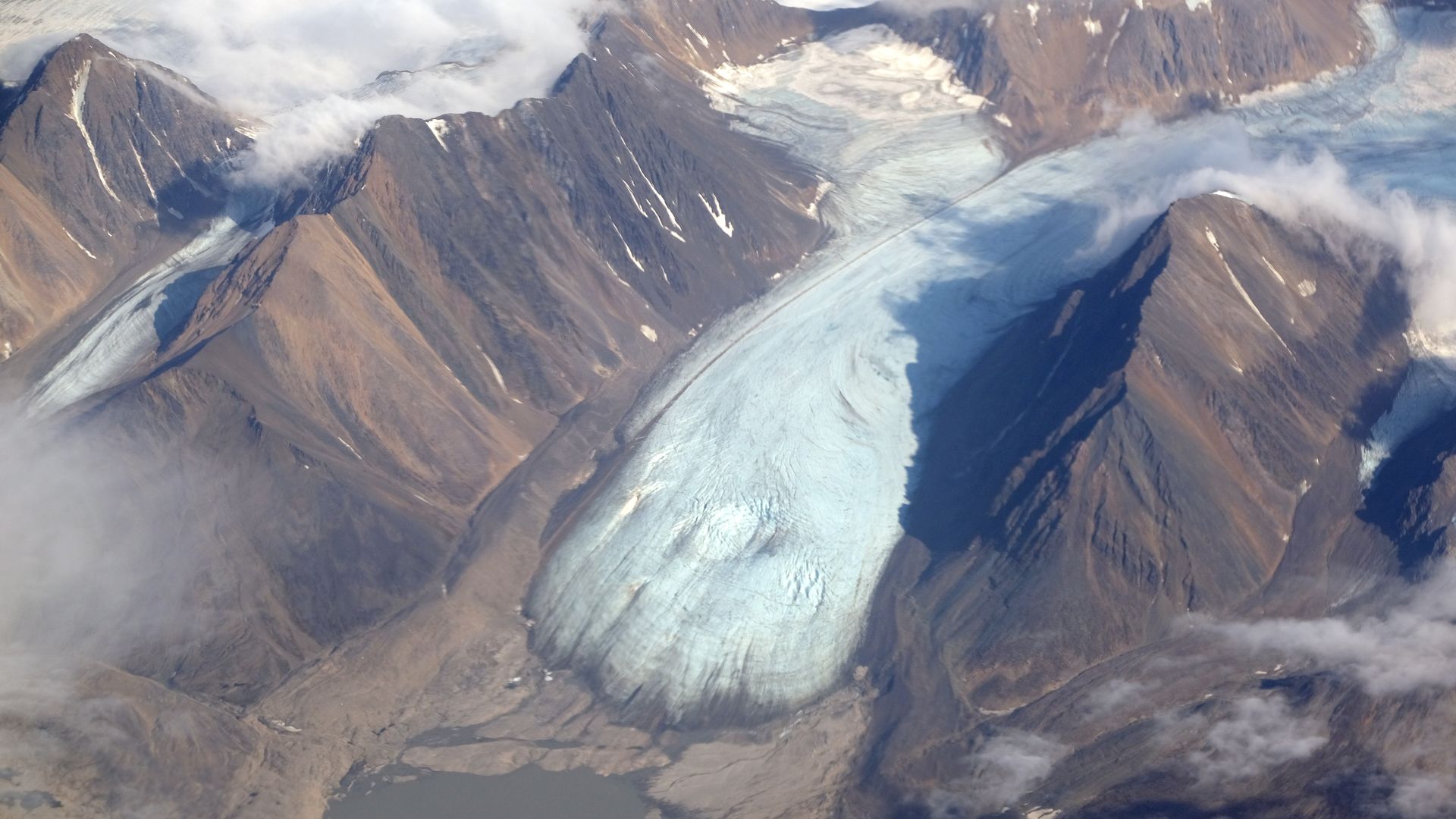
Earth's glaciers could be at least partially saved if greenhouse gas emissions and resulting global warming were limited to the Paris Agreement's most ambitious goals, a new study finds.
Why it matters: Glaciers are a vital source of freshwater for nearly 2 billion people, and their melt contributes to sea level rise.
Relying on Asia for imports could pose a risk to U.S. solar growth, a top Department of Energy official told Axios in an interview.
Why it matters: The department is shedding light on where it believes there is risk in the solar supply chain (China) — and where there isn't — ahead of aggressive oversight from House Republicans.