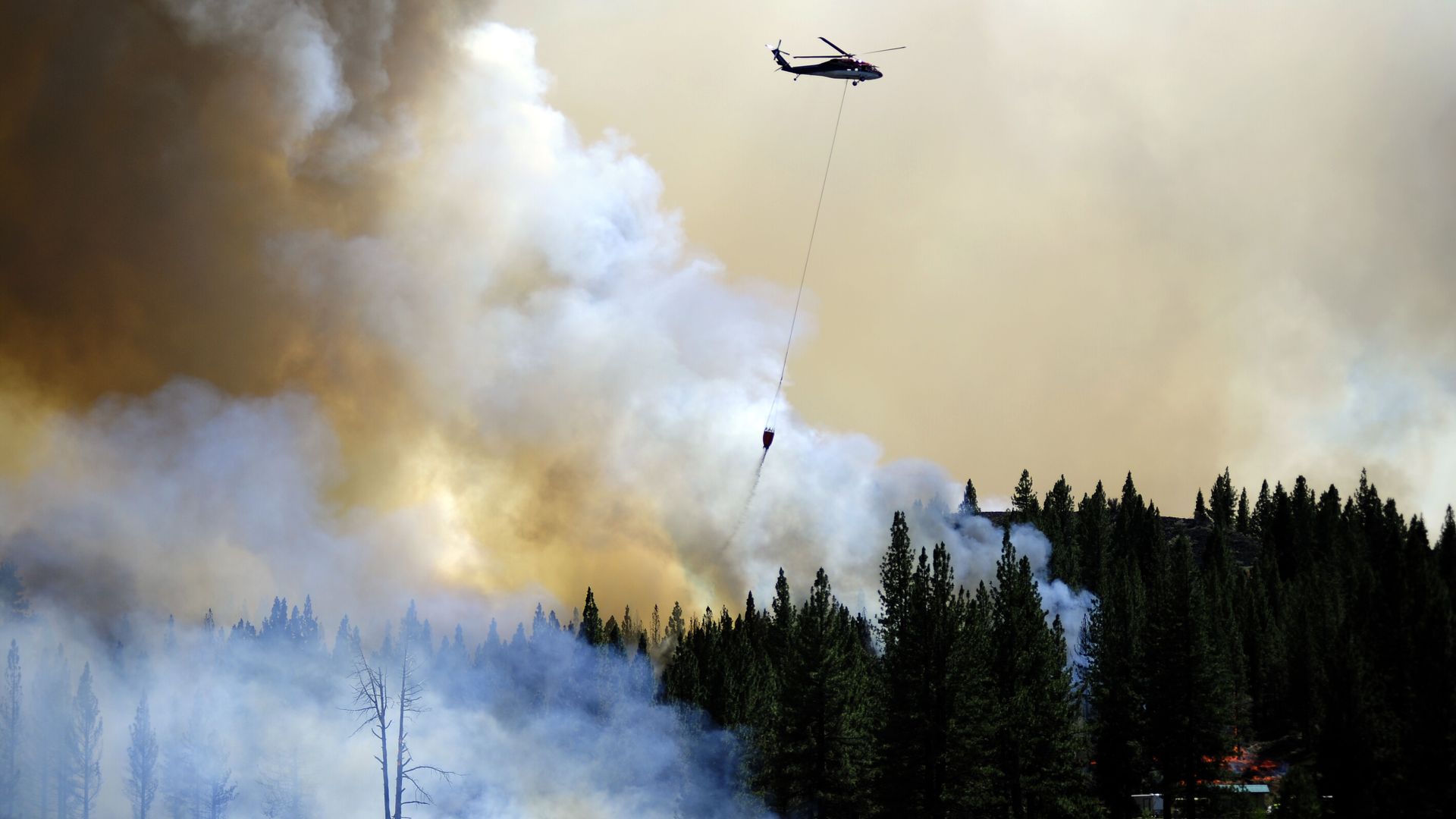
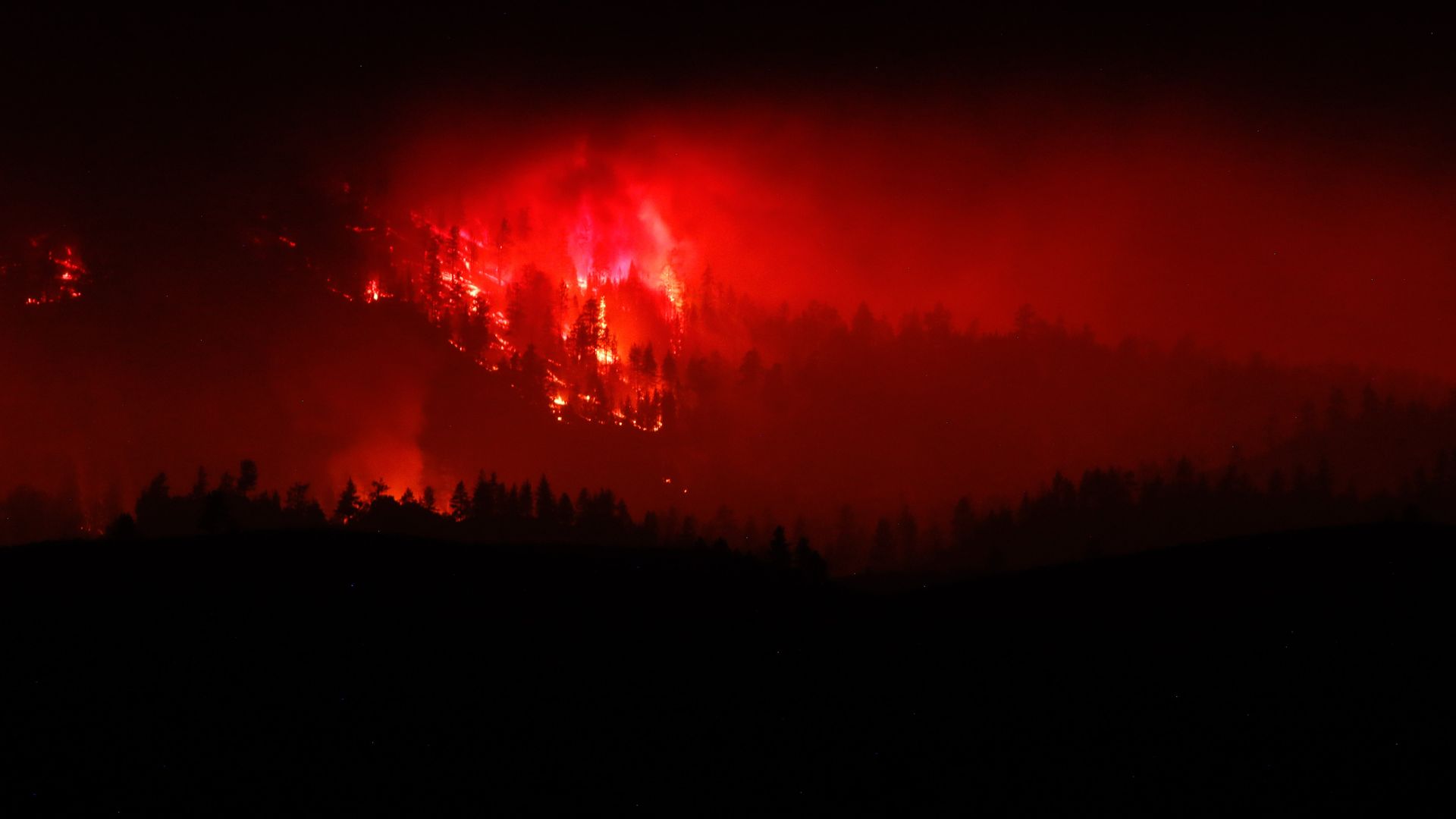
More than 14,200 wildland firefighters have responded to 67 major fires primarily across the Western United States that have burned approximately 918,000 acres, the National Interagency Fire Center (NIFC) announced Tuesday.
Why it matters: The West is in the midst of a climate change-fueled megadrought and its third heatwave of the summer, both of which are contributing to substantial and mostly uncontained fires that have forced thousands of people to evacuate and claimed an undetermined number of homes, according to AP.
Authorities in a Minnesota town are urging residents to not dump their pet goldfish into ponds or lakes after finding overgrown goldfish the size of a football.
Why it matters: A pet goldfish freed in a waterway is an invasive species that can quickly reproduce, outcompete native species and destroy a habitat. Dumping unwanted goldfish into a local pond is illegal in most states, including in Minnesota, where the problem has recently increased.
United Airlines and the regional carrier Mesa Air Group this morning announced conditional plans to buy 100 planes each — and an option for more — from the electric plane startup Heart Aerospace.
Driving the news: The two airlines are also investors in a $35 million Series A funding round for the Swedish startup that hopes to bring a 19-seat electric plane into service by 2026.
The lithium-metal battery startup SES just announced it's going public via merging with the special purpose acquisition company Ivanhoe Capital Acquisition Corp. at an implied valuation of $3.6 billion.
Why it matters: SES, which spun out of MIT nearly a decade ago, is backed by investors including General Motors and Hyundai in a sign of how big automakers are investing in battery tech and future supply.
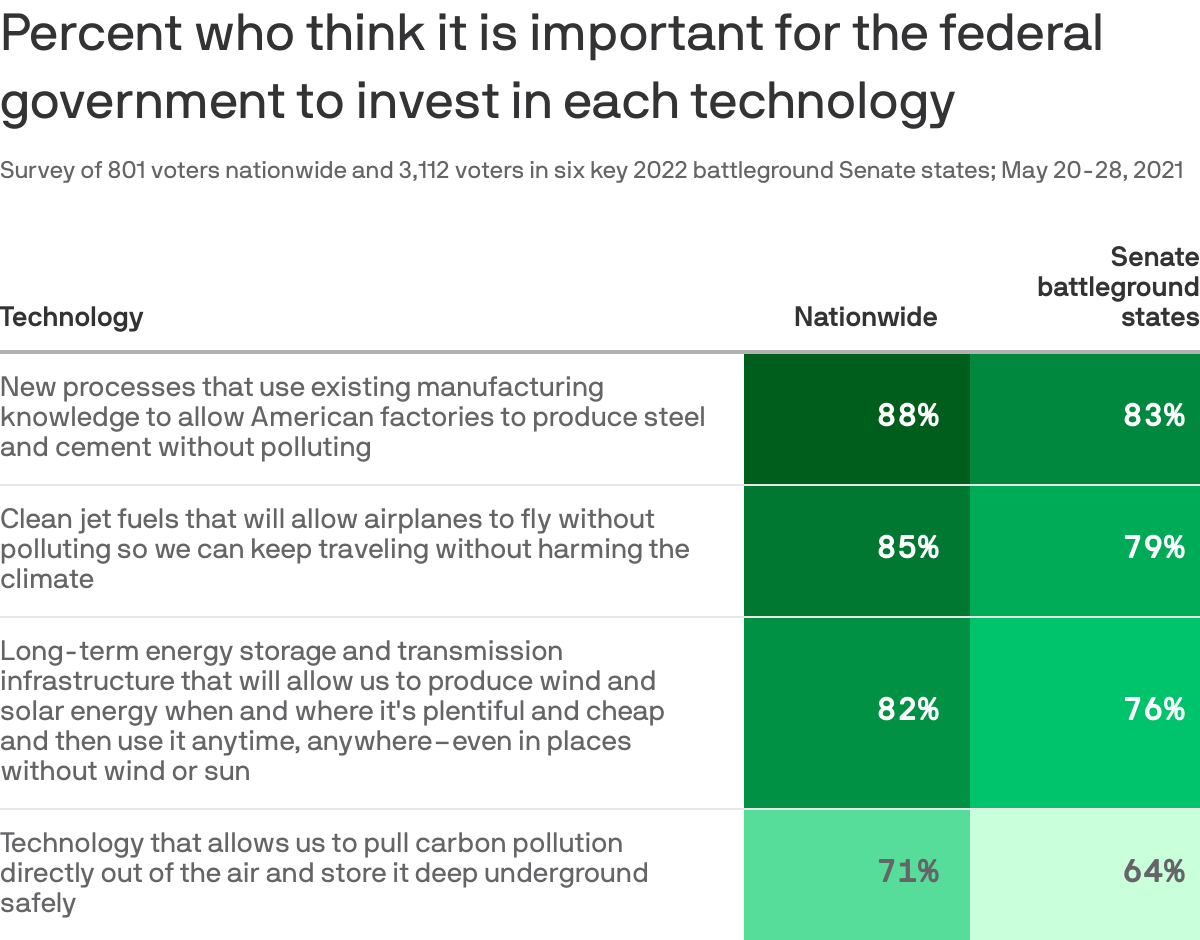
Data: Global strategy Group on behalf of Breakthrough Energy; Chart: Will Chase/Axios
New polling data released today by Bill Gates' Breakthrough Energy finds spending public money on clean tech in order to cut greenhouse gas emissions is extremely popular nationwide.
Why it matters: Congress is writing legislation that would direct the largest amount ever spent in the U.S. on clean tech research, development and deployment. The polling supports the position of Senators seeking to pass this legislation.
Low-income residents and communities of color in the U.S. face much higher and more dangerous urban heat extremes than people living in richer and whiter city neighborhoods, new peer-reviewed research shows.
Driving the news: Areas with higher rates of poverty can see summer land surface temperatures up to a whopping 4°C, or 7°F, higher than the richest areas, the paper in Earth's Futurefinds.
Scientists said Monday wolf pup sightings on Isle Royale are a hopeful sign that the effort to restore the predator species' population is making an impact in the U.S. national park, AP reports.
Why it matters: Wolves are an apex predator and key to healthy ecosystems. The Isle Royale population numbered between 12 and 14 during the last survey Michigan Tech researchers conducted in the winter of 2020.
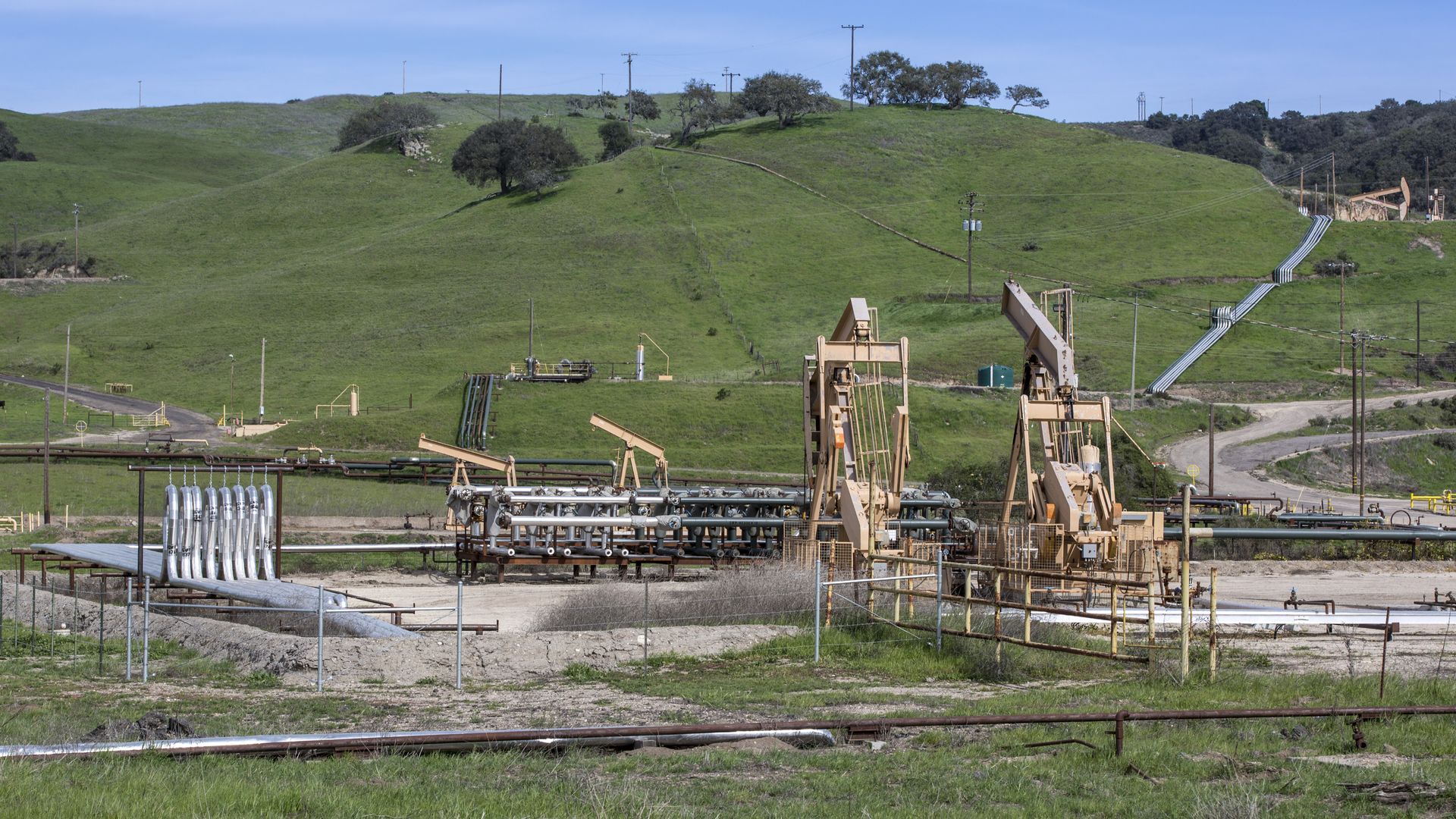
The Environmental Protection Agency in 2011 approved the use of chemicals in fracking that can break down into toxic substances known as PFAS, despite the agency's own concerns about their toxicity, according to EPA records obtained by Physicians for Social Responsibility and made public in a new report.
Why it matters: The substances, known as "forever chemicals," accumulate inside the human body and have been linked to cancer and birth defects. The fluid that creates these substances was used in fracking for oil and gas in nearly 1,200 wells across six U.S. states, per the report, first detailed in the New York Times.
The latest in a series of severe heat waves to affect the West continues Monday, although conditions are not expected to be quite as extreme as they were during the weekend.
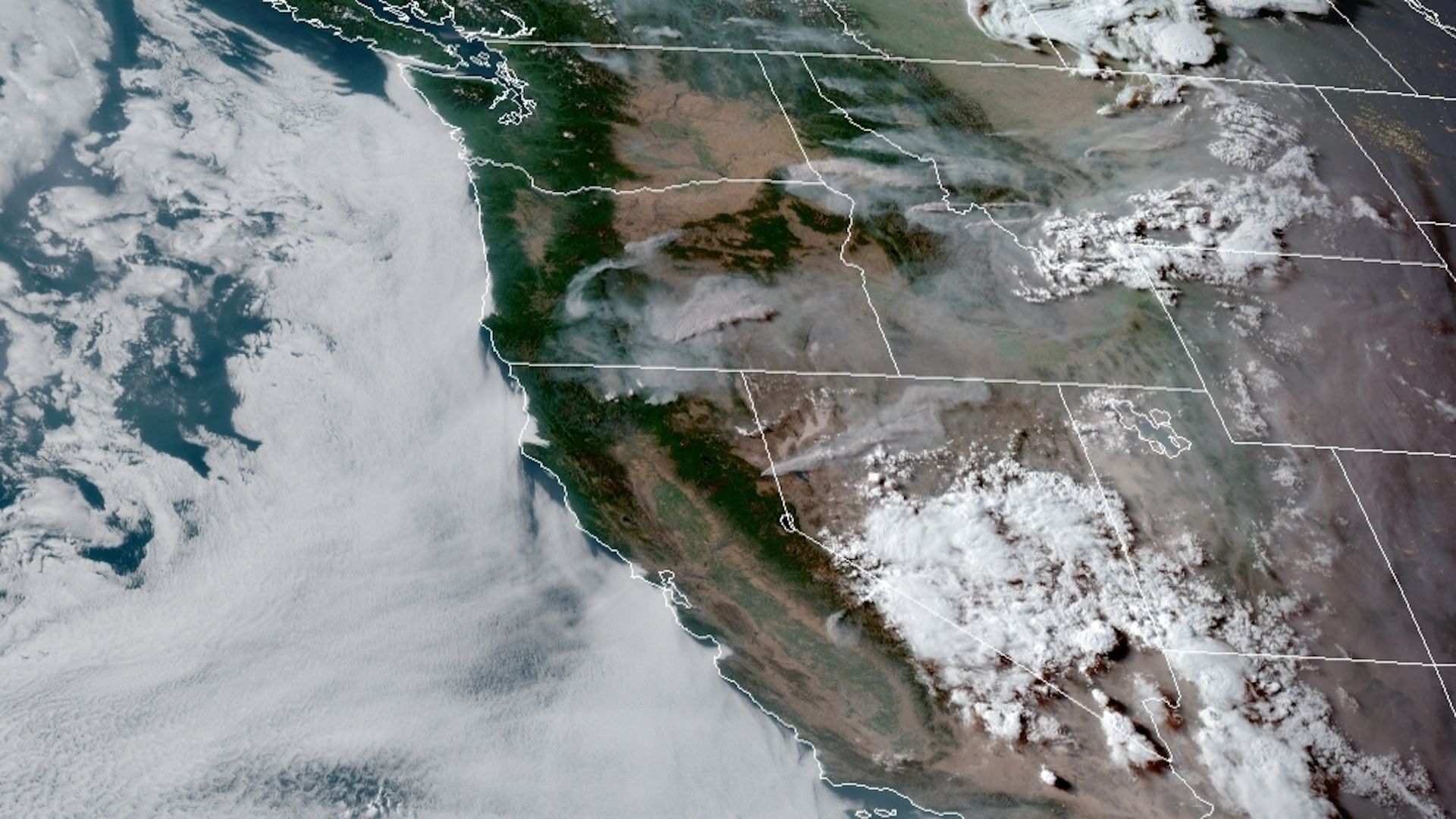
The big picture: The heat, combined with a deepening drought and lightning strikes, has set more than 1 million acres of land in California, Oregon, Washington, and Canada ablaze, with smoke obscuring the skies thousands of miles away.
Treasury Secretary Janet Yellen is planning to meet directly with the heads of multilateral development banks (MDBs) to press for stronger steps on climate change.
Why it matters: Her announcement of the gathering shows how Treasury hopes to help steer more public and private capital toward emissions-cutting and adaptation in developing nations.
The demand for oil has been rising as consumers emerge from their homes, and businesses rev up to serve them. However, oil companies are dragging their feet on ramping up production, new data from Baker Hughes showed Friday.
Why it matters: When production doesn't keep up with demand, it drives prices higher. Oil companies used to respond enthusiastically to rising prices by drilling more, in an attempt to cash in.
Wildfires were burning across more than 768,000 acres of land in 12 western U.S. states, and over 500,000 acres in Canada on Sunday amid another searing heat wave.
Driving the news: Many of the wildfires started when a severe heat wave erupted in June and lasted into July, first hitting southwestern British Columbia before migrating eastward.