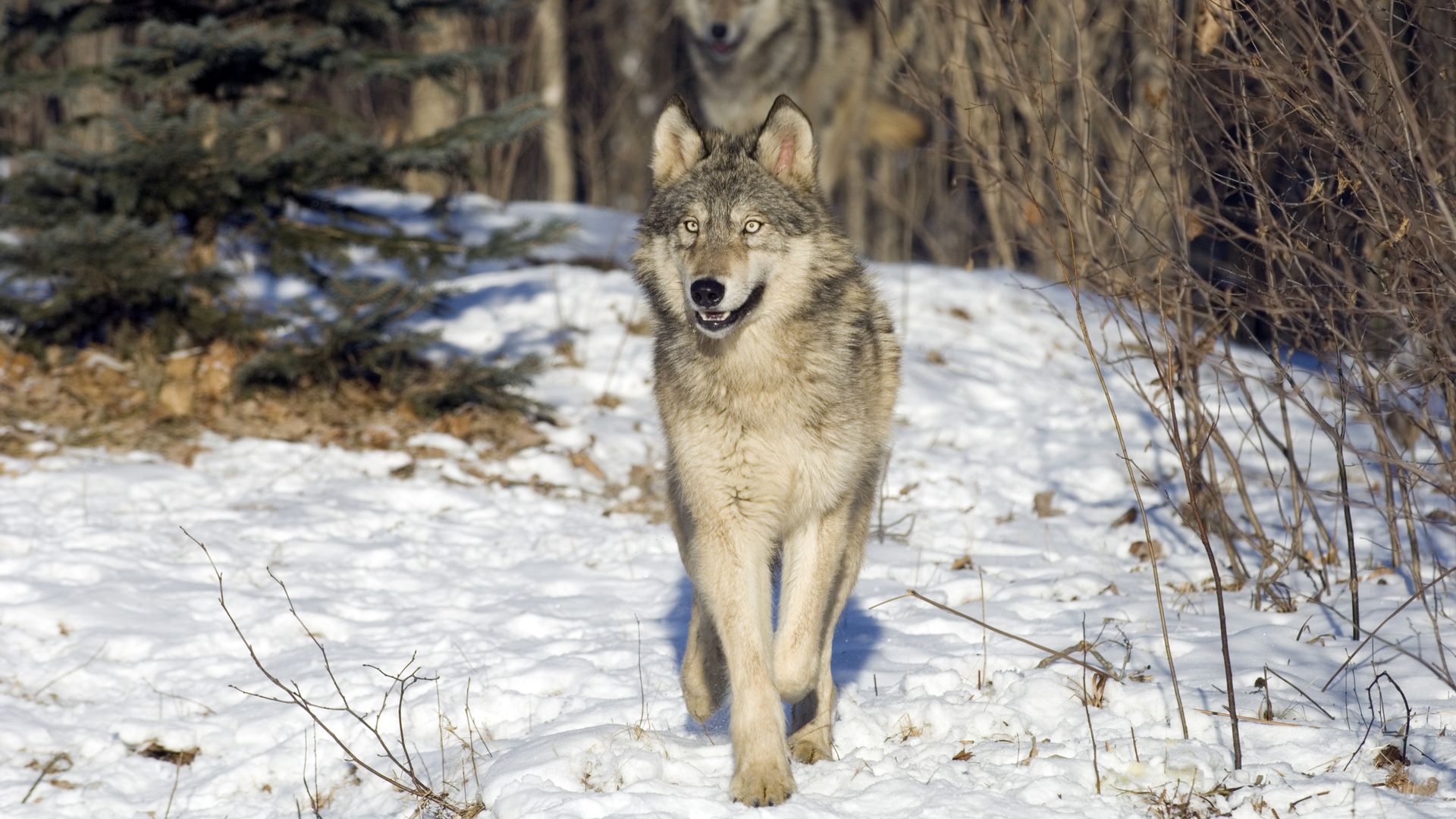
Scientists said Monday wolf pup sightings on Isle Royale are a hopeful sign that the effort to restore the predator species' population is making an impact in the U.S. national park, AP reports.
Why it matters: Wolves are an apex predator and key to healthy ecosystems. The Isle Royale population numbered between 12 and 14 during the last survey Michigan Tech researchers conducted in the winter of 2020.
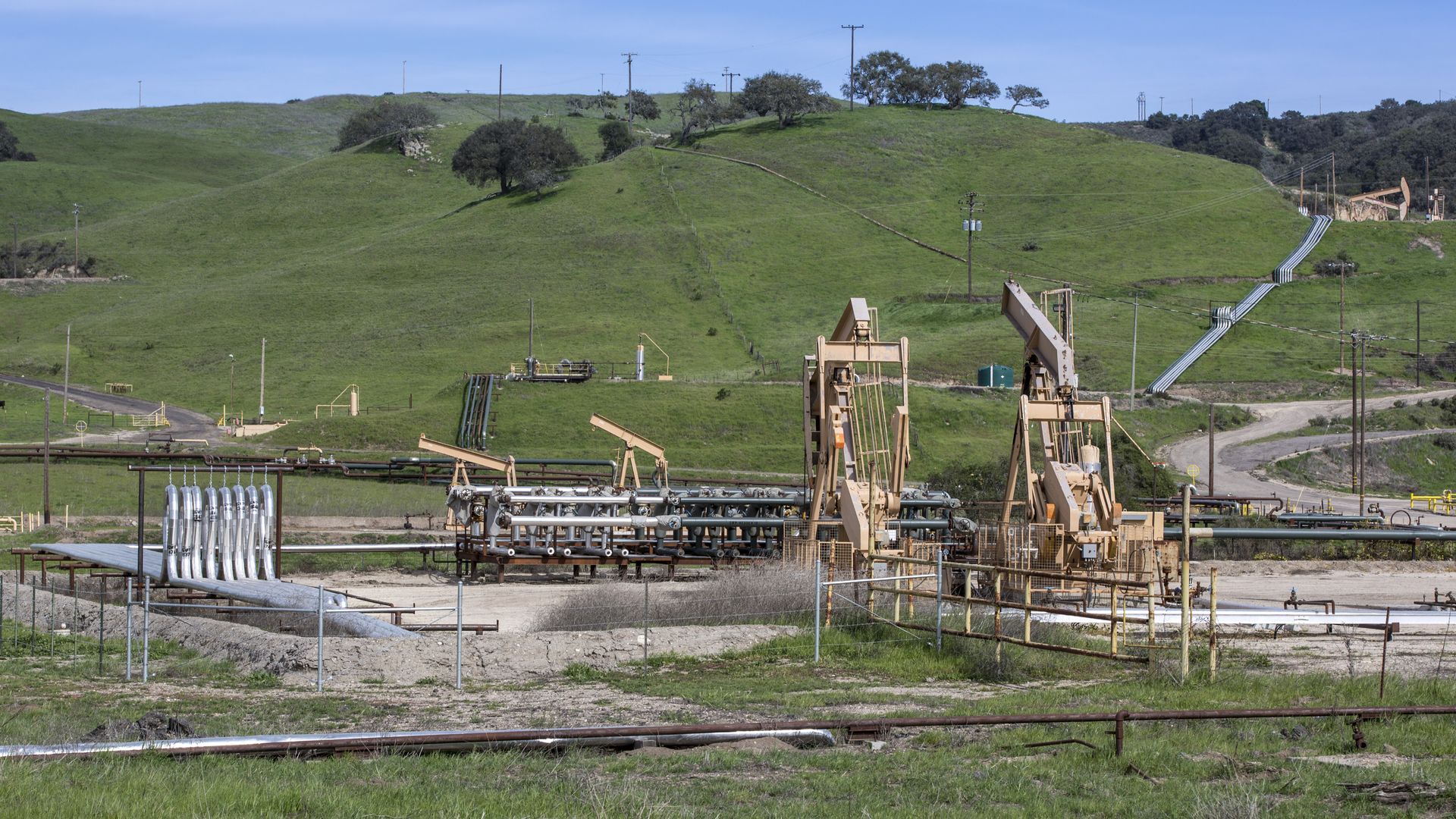
The Environmental Protection Agency in 2011 approved the use of chemicals in fracking that can break down into toxic substances known as PFAS, despite the agency's own concerns about their toxicity, according to EPA records obtained by Physicians for Social Responsibility and made public in a new report.
Why it matters: The substances, known as "forever chemicals," accumulate inside the human body and have been linked to cancer and birth defects. The fluid that creates these substances was used in fracking for oil and gas in nearly 1,200 wells across six U.S. states, per the report, first detailed in the New York Times.
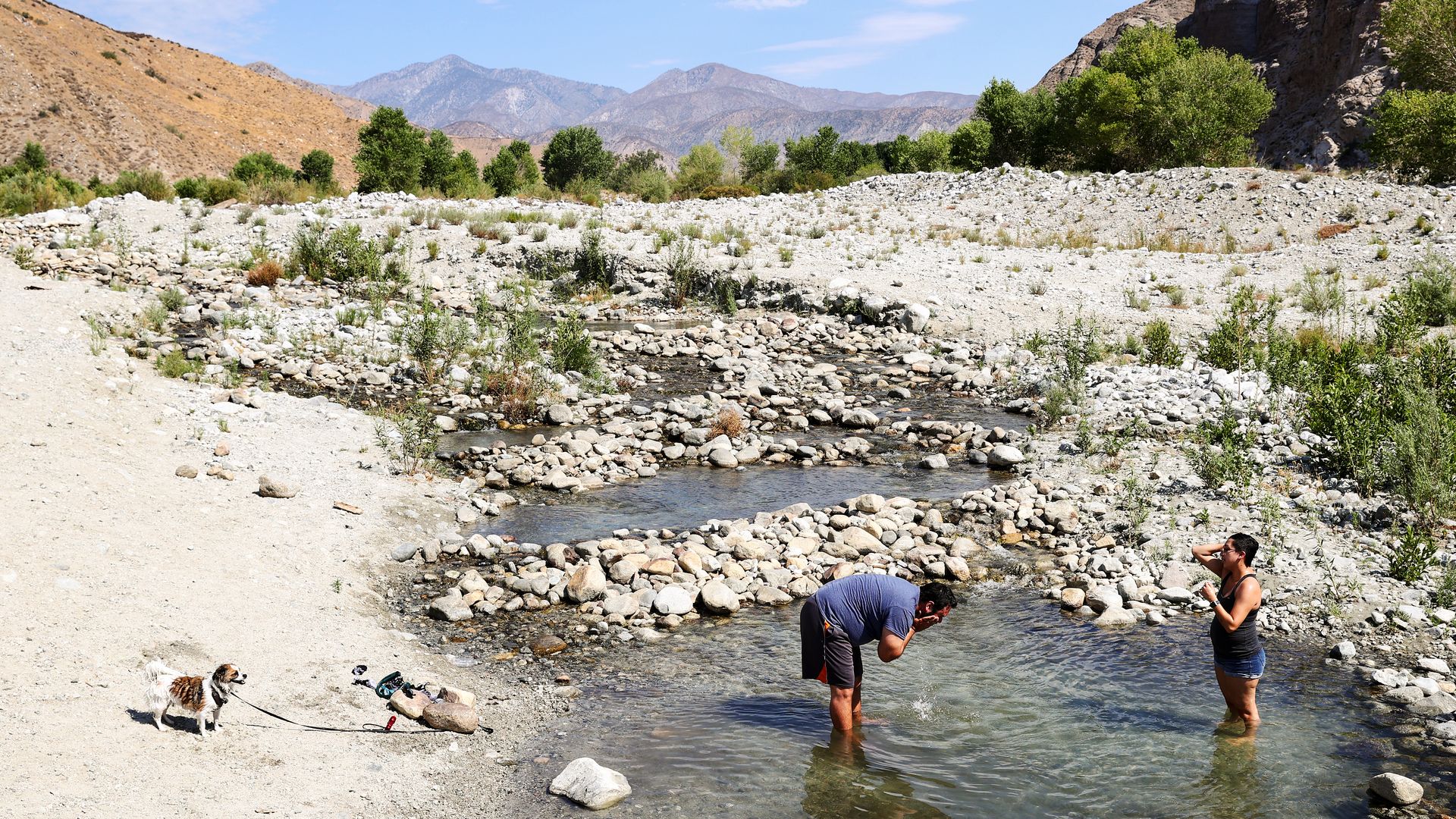
The latest in a series of severe heat waves to affect the West continues Monday, although conditions are not expected to be quite as extreme as they were during the weekend.
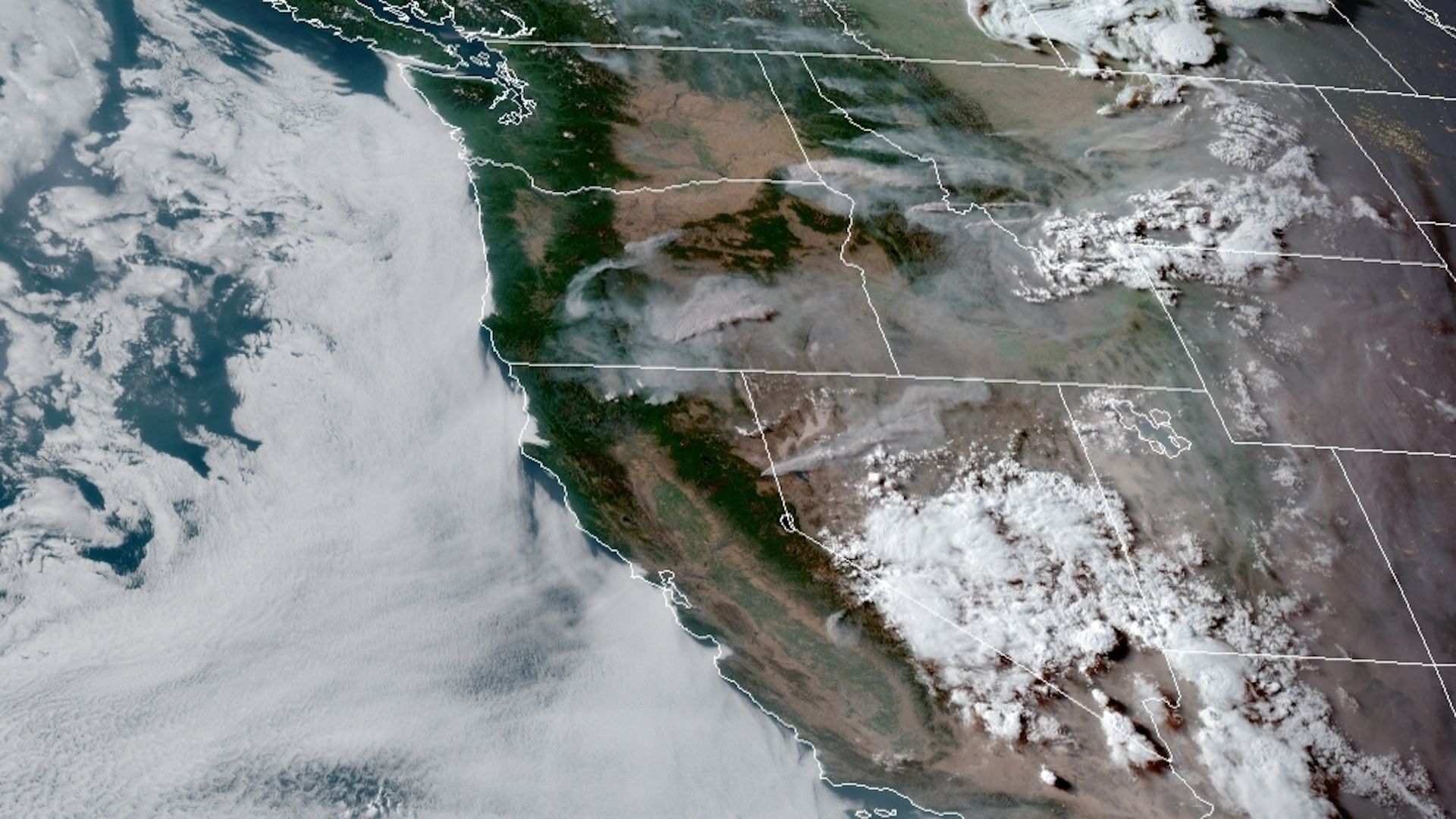
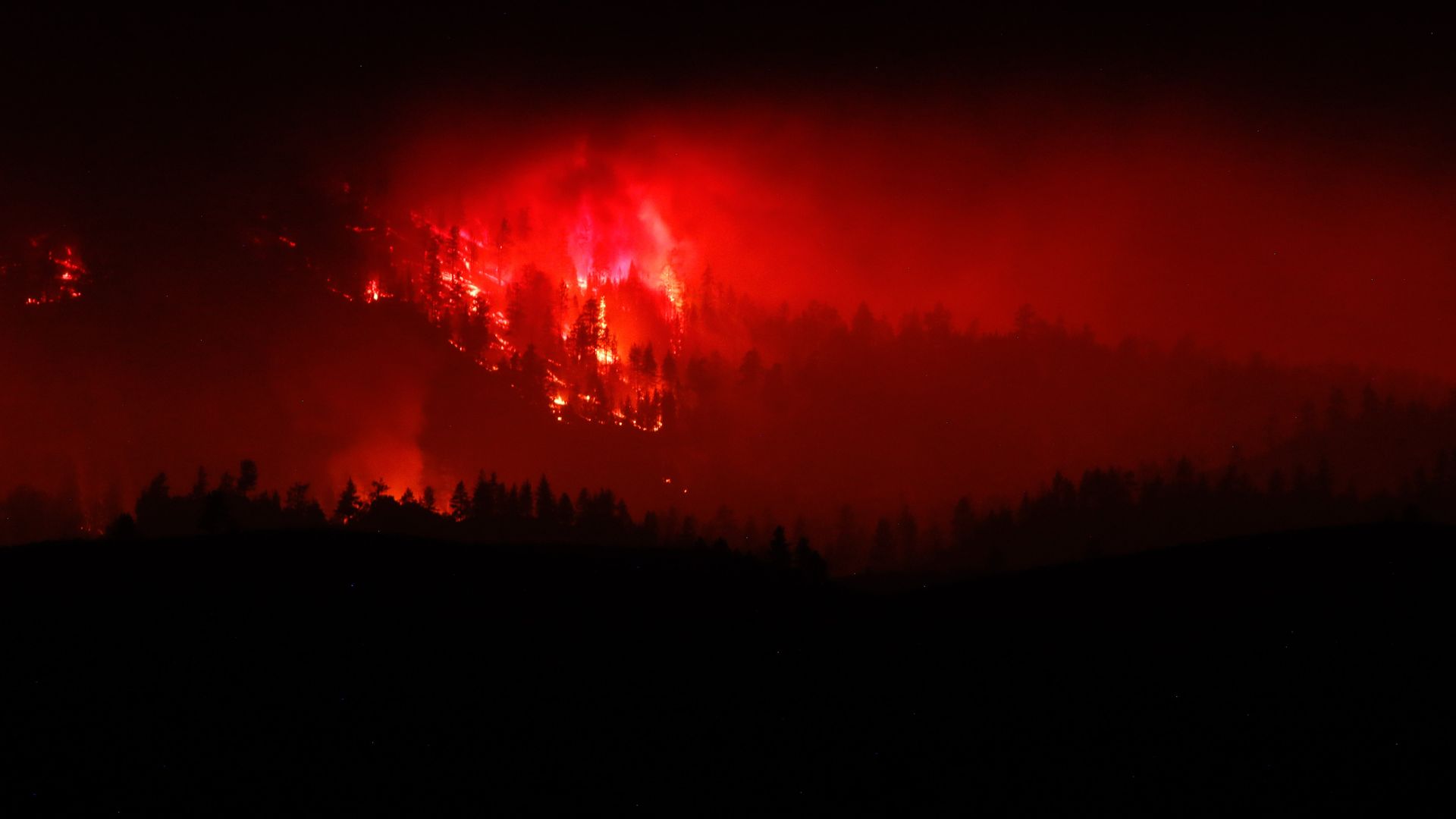
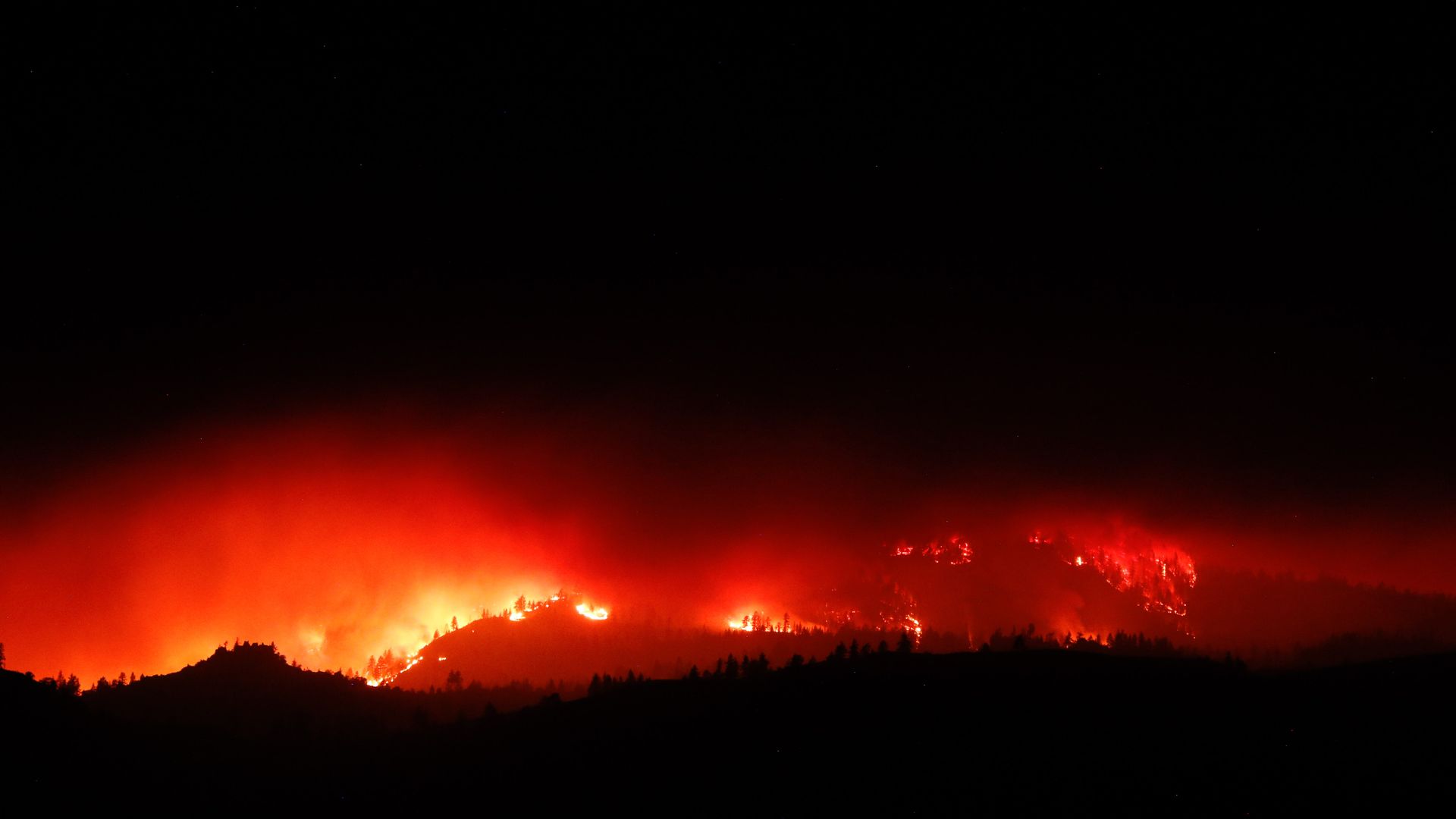
The big picture: The heat, combined with a deepening drought and lightning strikes, has set more than 1 million acres of land in California, Oregon, Washington, and Canada ablaze, with smoke obscuring the skies thousands of miles away.
Treasury Secretary Janet Yellen is planning to meet directly with the heads of multilateral development banks (MDBs) to press for stronger steps on climate change.
Why it matters: Her announcement of the gathering shows how Treasury hopes to help steer more public and private capital toward emissions-cutting and adaptation in developing nations.
The demand for oil has been rising as consumers emerge from their homes, and businesses rev up to serve them. However, oil companies are dragging their feet on ramping up production, new data from Baker Hughes showed Friday.
Why it matters: When production doesn't keep up with demand, it drives prices higher. Oil companies used to respond enthusiastically to rising prices by drilling more, in an attempt to cash in.
Wildfires were burning across more than 768,000 acres of land in 12 western U.S. states, and over 500,000 acres in Canada on Sunday amid another searing heat wave.
Driving the news: Many of the wildfires started when a severe heat wave erupted in June and lasted into July, first hitting southwestern British Columbia before migrating eastward.
About 30 million people are under excessive heat warnings or advisories as a heat wave sweeps the Western United States, bringing more record-high temperatures on Sunday, according to the National Weather Service.
Why it matters: The heat wave comes after some regions in the Pacific Northwest saw temperature records shattered last month, with the same "heat dome" weather pattern that is engulfing the West now. Human-caused climate change has exacerbated the frequency, severity and intensity of these extreme heat events.
More than 30 million Americans were under excessive heat warnings or advisories across the West on Saturday, as forecasters warned of more record high temperatures.
Of note: McCarran International Airport tied Las Vegas' all-time record highest temperature of 117°F on Saturday evening, per a National Weather Service statement. Flights were canceled at the airport Friday as the temperature hit 116°F.