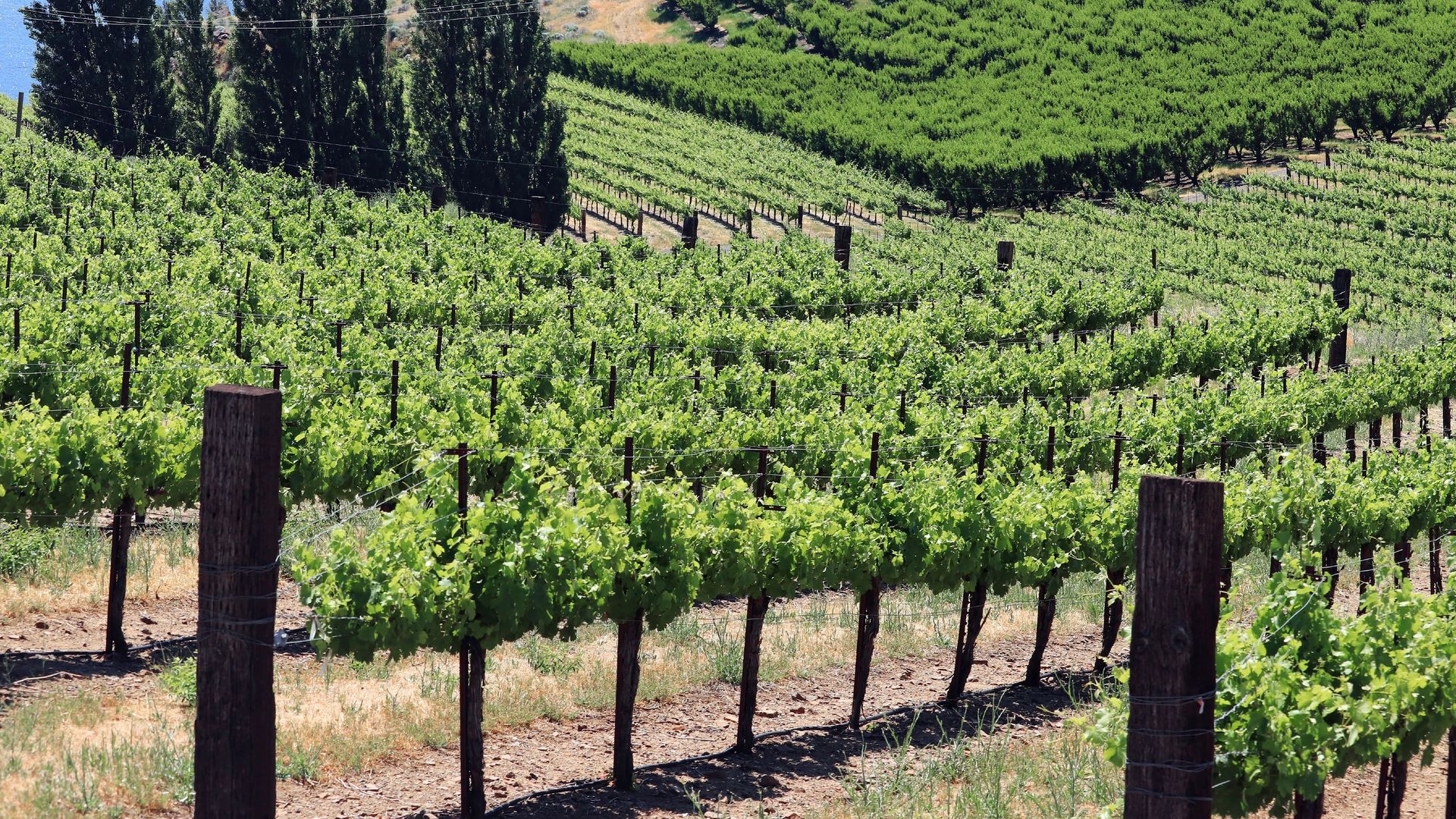
The heat wave that ravaged the Pacific Northwest signaled trouble for winemakers in Oregon and Washington, who fear the high temperatures could return and spur dangerous wildfires, AP reports.
Driving the news: The grapes suffered little, if any, damage in June, when temperatures hit 120 degrees Fahrenheit. "Earlier or later in the growing season, it could have been disastrous," AP writes. Wineries in the Pacific Northwest intend to shield their crops from being toasted.
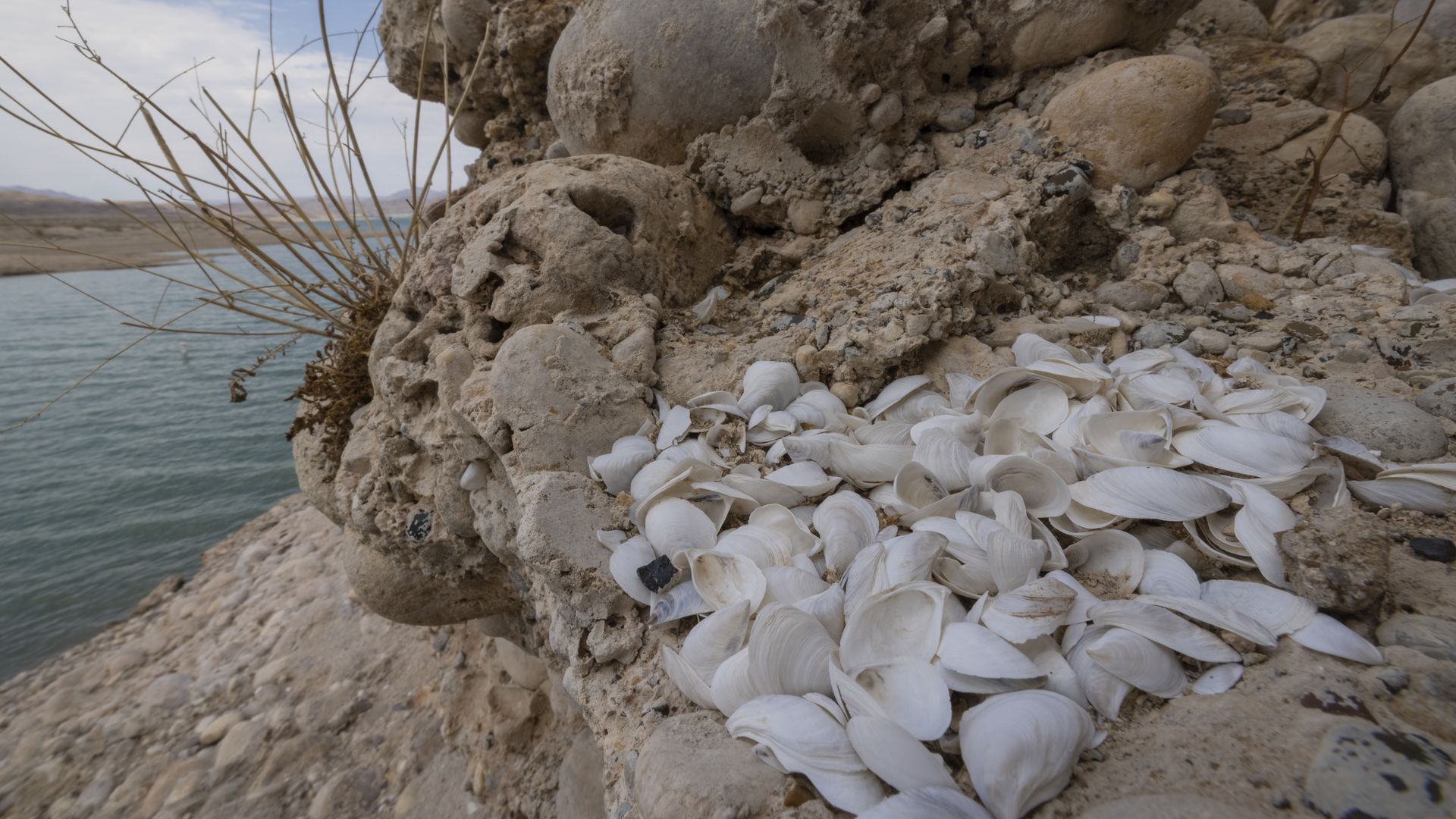
The combination of extreme heat and drought that has scorched the Western United States and Canada over the past two weeks has killed hundreds of millions of mussels, clams and other marine animals, the New York Times reports.
The big picture: An estimated 1 billion small sea creatures died during the heat wave in the Salish Sea at the end of June, according to marine biologist Chris Harley, per the Washington Post.
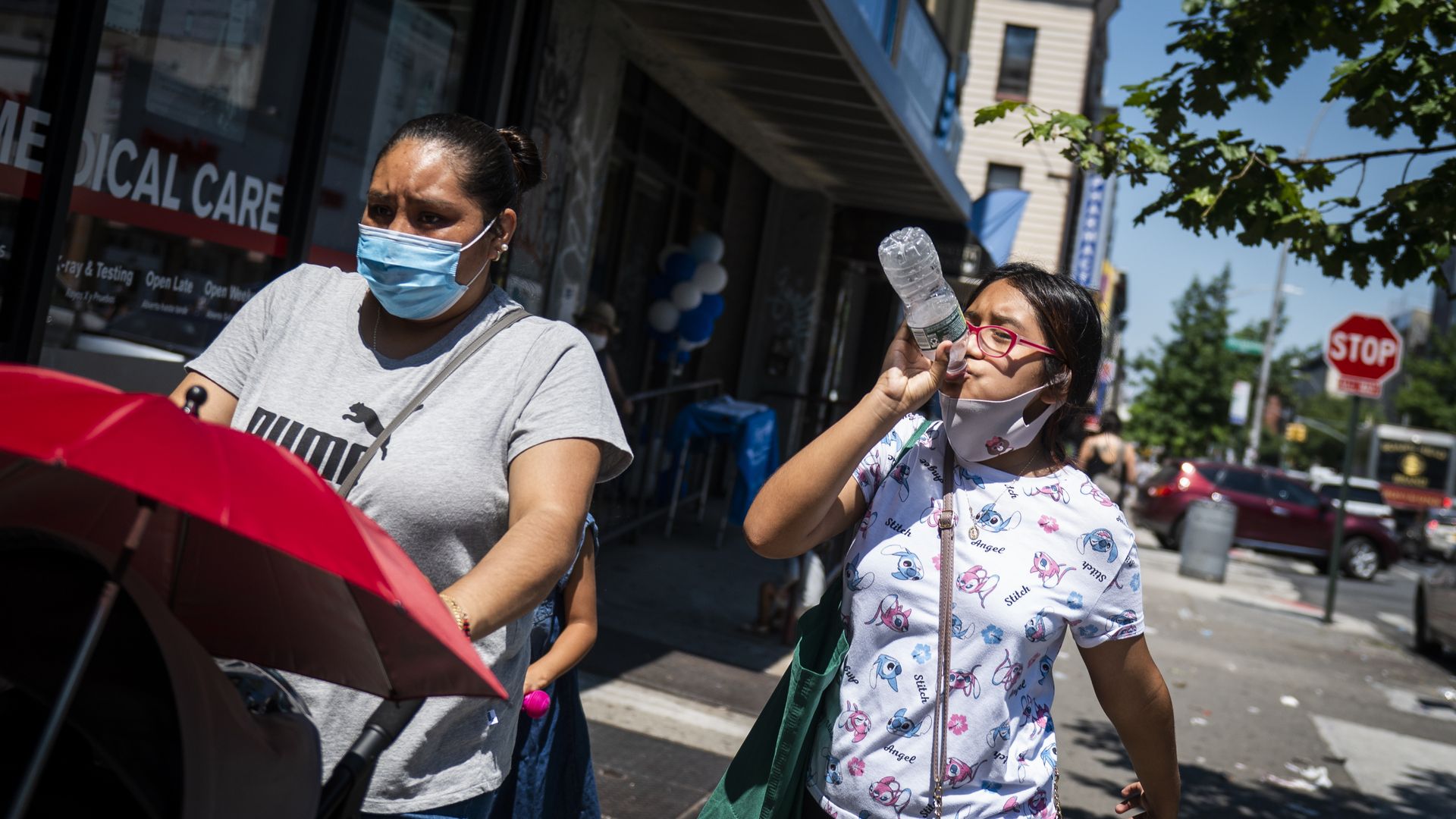
Nights on average are heating up faster than days in most parts of the United States — a trend caused by climate change, according to the 2018 National Climate Assessment Report, newly cited by the New York Times.
Why it matters: Last month was the hottest June on record for the U.S., and more than 1,500 areas of the country logged new record-high overnight temperatures toward the end of the month.
Why it matters: The average temperature across the U.S. last month was 72.6°F, and eight states — Arizona, California, Idaho, Massachusetts, Nevada, New Hampshire, Rhode Island and Utah — saw their hottest June on record.
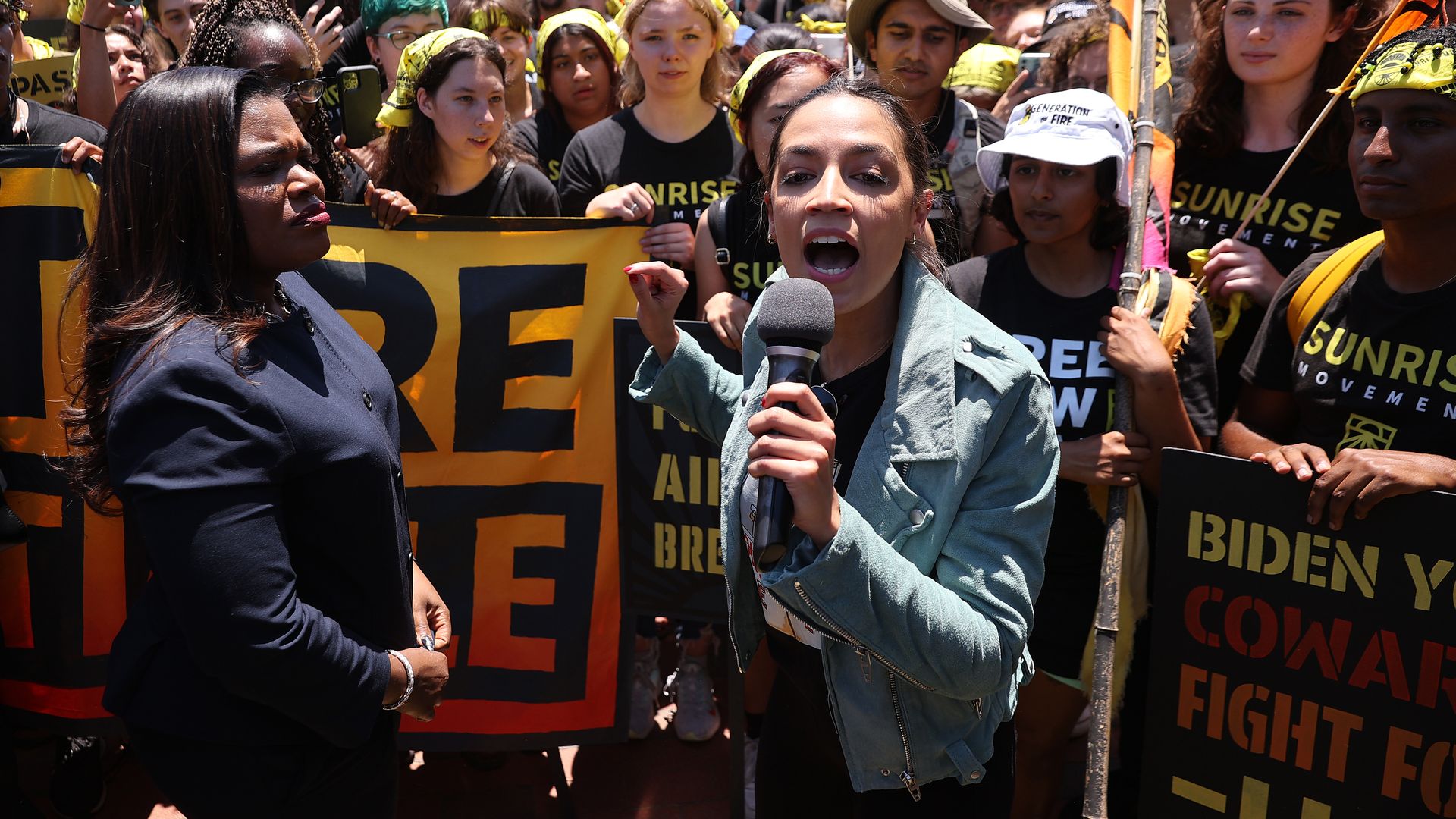
House Speaker Nancy Pelosi is hearing from her left flank about climate spending they want in the Democratic reconciliation package.
Driving the news: 11 progressive House Democrats led by Rep. Cori Bush, in a new letter first obtained by CBS, call for various provisions, including "$250 billion in climate and environmental justice funding for local governments" and $1 trillion to "build public renewables with union labor."
The huge automaker Stellantis — whose brands include Dodge, Peugeot, Jeep, Citroën, Opel and more — is pouring over $35 billion into vehicle electrification efforts through 2025, it announced Thursday.
They include an EV from Dodge, the North American performance division, coming in 2024. (Slogan: "Tear Up the Streets… Not the Planet.")
Why it matters: The company, formed via the recent merger of Fiat Chrysler Automobiles (FCA) and PSA Group, is the world's fourth-largest automaker.
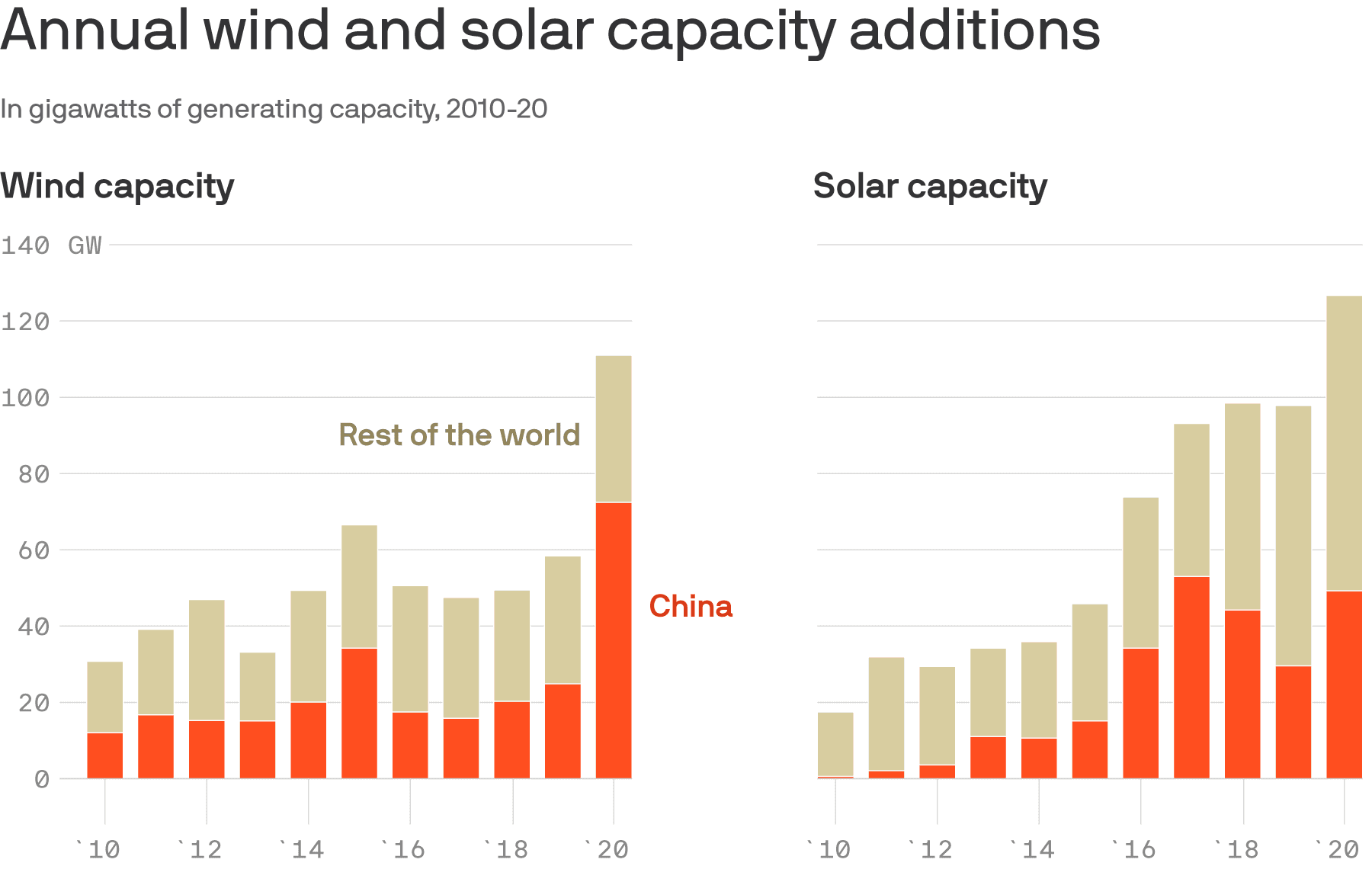
Wind and solar power grew by record amounts last year, BP notes in its latest detailed and wide-ranging annual look at global energy statistics and trends.
The big picture: The pandemic helped to push CO2 emissions from energy use down 6.3%, the largest decline since the end of World War II, amid steep declines in oil and coal use.