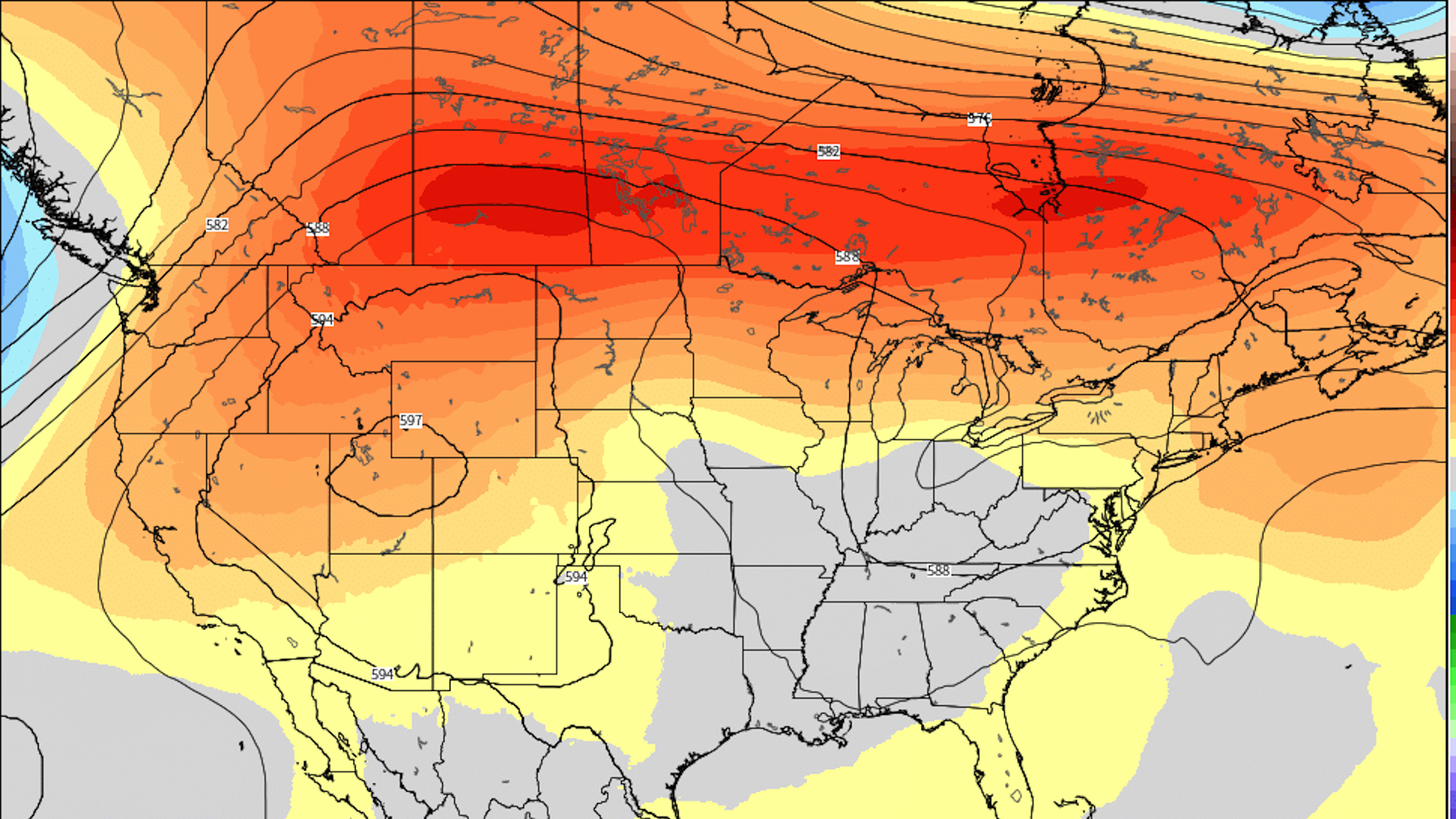
The next in a series of relentless heat waves is taking shape across parts of the West and northern Plains, with temperatures set to vault into the triple-digits once again from Idaho and Montana north into Alberta and Saskatchewan.
Why it matters: The West has already been extremely hot so far this summer, with a series of heat waves of unparalleled intensity for some regions.
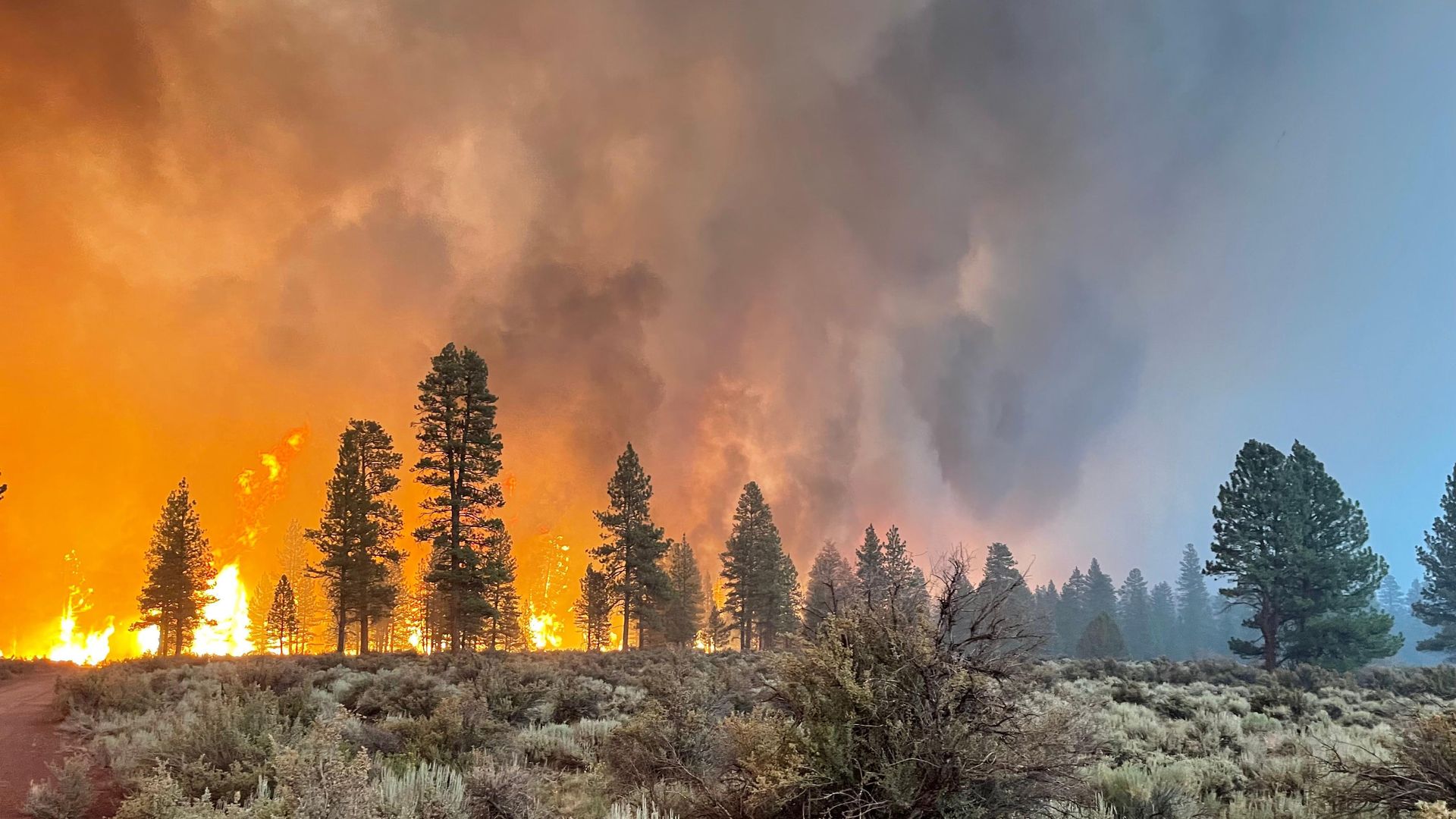
Seventy-one large wildfires burning across the West have scorched more than 1 million acres so far this year in the U.S. Nine new large fires were added to the roster Thursday, as federal officials raised the national firefighting preparedness level to the highest posture as of Thursday.
Why it matters: In the midst of a relentless series of heat waves taking place in a region plagued by the worst drought so far in the 21st century, the forests and grasses located in western states are a tinderbox. The fire season is only expected to get worse from here.
The White House is not expecting any agreement on Russia's Nord Stream 2 pipeline to emerge from President Biden's meeting on Thursday with German Chancellor Angela Merkel, despite speculation that such a deal could be close.
Why it matters: The Russia-to-Germany natural gas pipeline faces strong bipartisan opposition in Washington, but Biden in May waived sanctions on the company working to complete it. The White House noted that the pipeline was already mostly finished and said Biden wanted good relations with Germany and "diplomatic space" to reach a deal with Merkel on the pipeline issue.
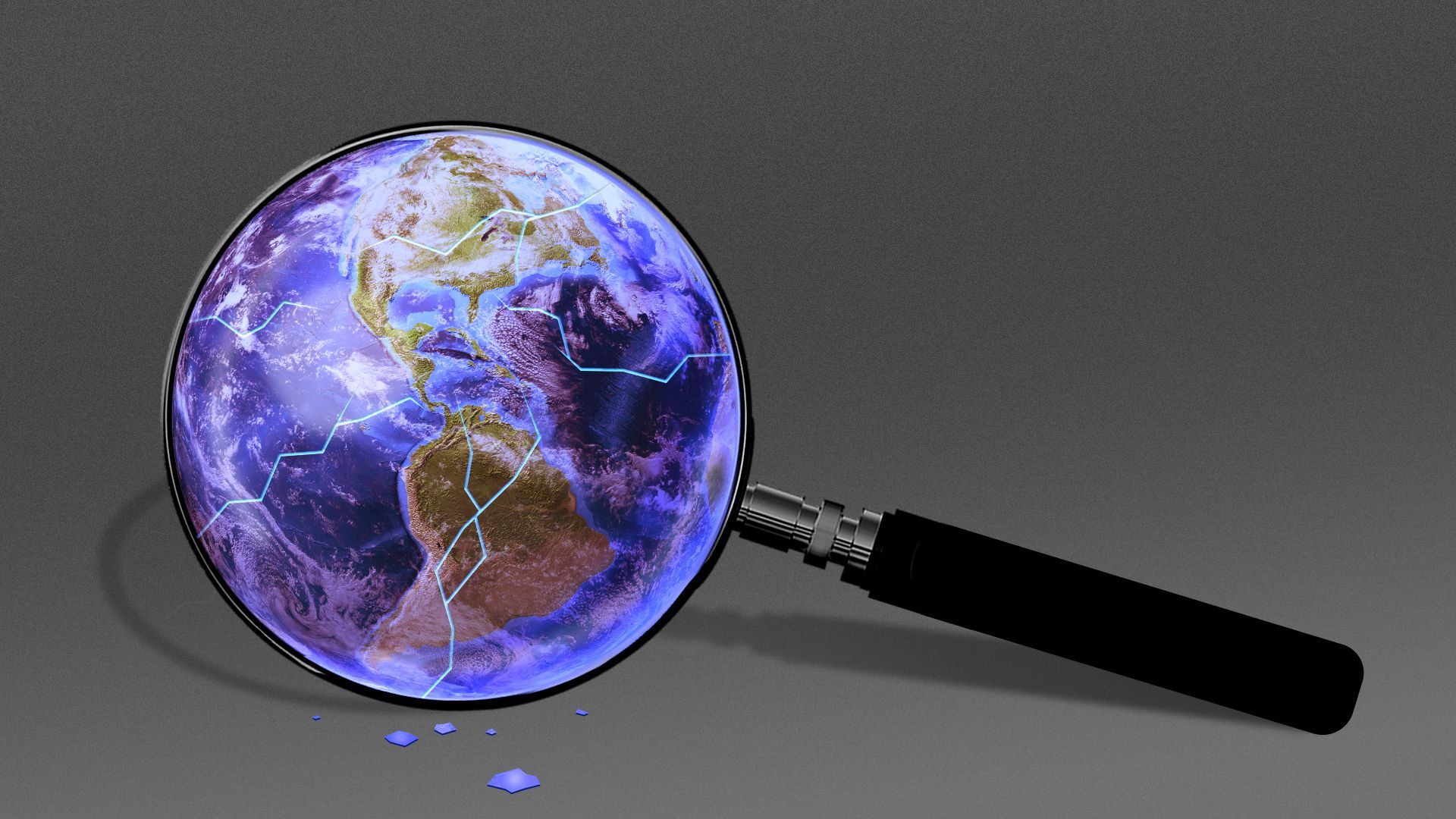
World leaders are pondering unprecedented moves to combat global warming by speeding up the transition to clean tech — but they're also learning more about the potential downsides of those changes.
Why it matters: The changes will be needed to avoid the most dire climate scenarios. But there are potential environmental, human rights, and geopolitical risks to shifting how we get around, the way the electric grid operates, and how everything from cement is made to buildings are constructed.
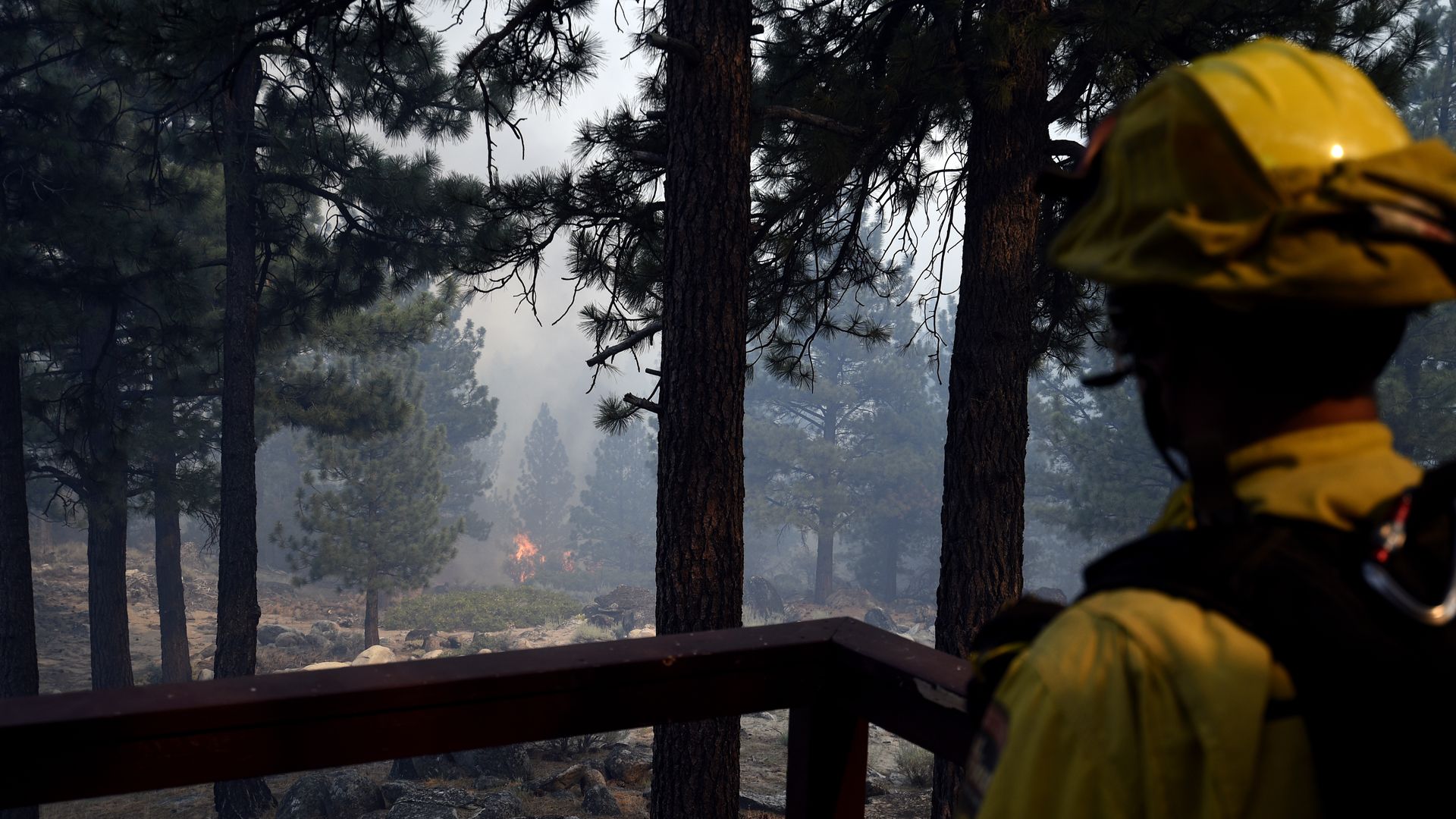
California officials say a wildfire has erupted near the site of the deadliest blaze in recent American history, burning out of control across some 1,200 acres and prompting evacuation warnings in Butte County.
What's happening: While the Dixie fire is currently moving away from Paradise, was on Thursday just 10 miles from the town that was devastated by the 2018 Camp fire. Residents are worried flames could attack the town again, per AP
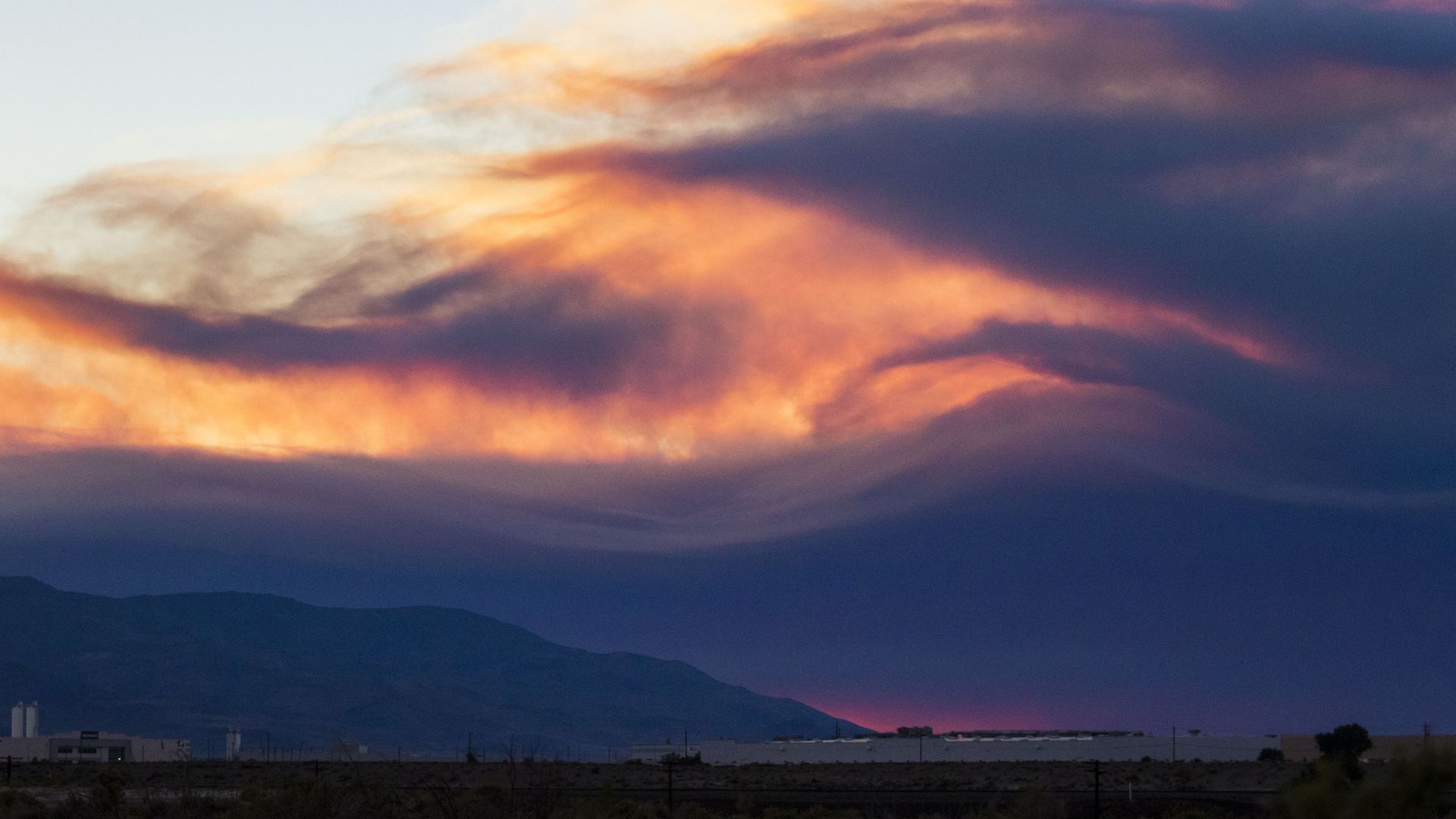
Smoke from wildfires burning across the West has clogged skies in the U.S. and Canada and prompted air quality warnings in several states, the National Weather Service (NWS) said Wednesday.
Included in the newly released outline of Senate Democrats' $3.5 trillion budget resolution are key details on which climate provisions made the cut.
Why it matters: The budget resolution sets the stage for consideration of a Democrats'-only measure to fund some of President Biden's key priorities, including some of the most far-reaching proposals yet enacted in the U.S. to tackle the climate crisis.
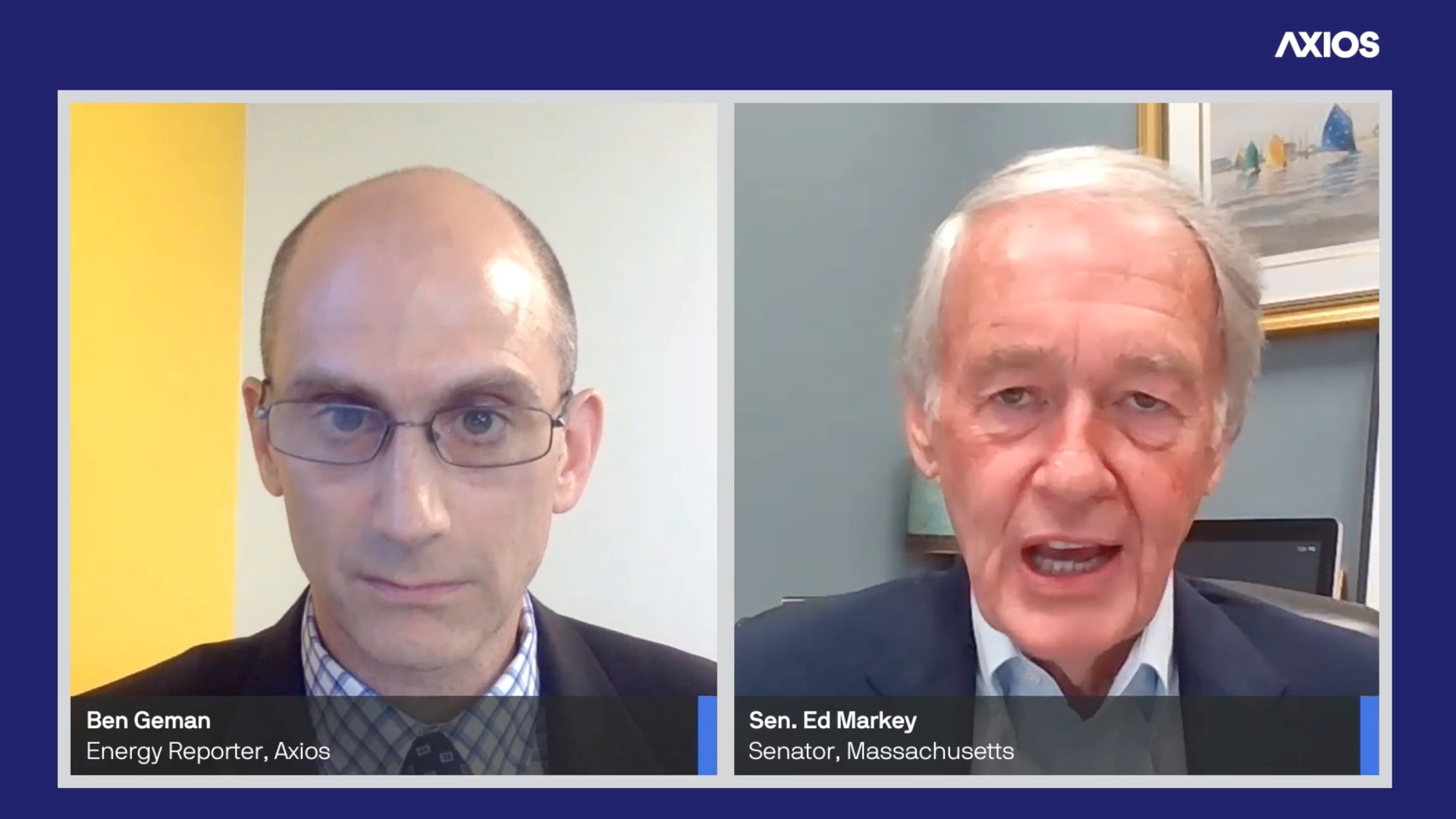
Sen. Ed Markey (D-Mass.) told an Axios virtual event this week that he believes Congress needs to pass strong climate and clean energy measures in the reconciliation package if the U.S. wants to be a leader at the UN climate summit in November.
Why it matters via Axios' Ben Geman: The world is nowhere near starting the steep greenhouse gas emissions cuts needed to keep the goals of the Paris climate agreement within reach. The summit is seen as a critical forum to spur more aggressive steps.
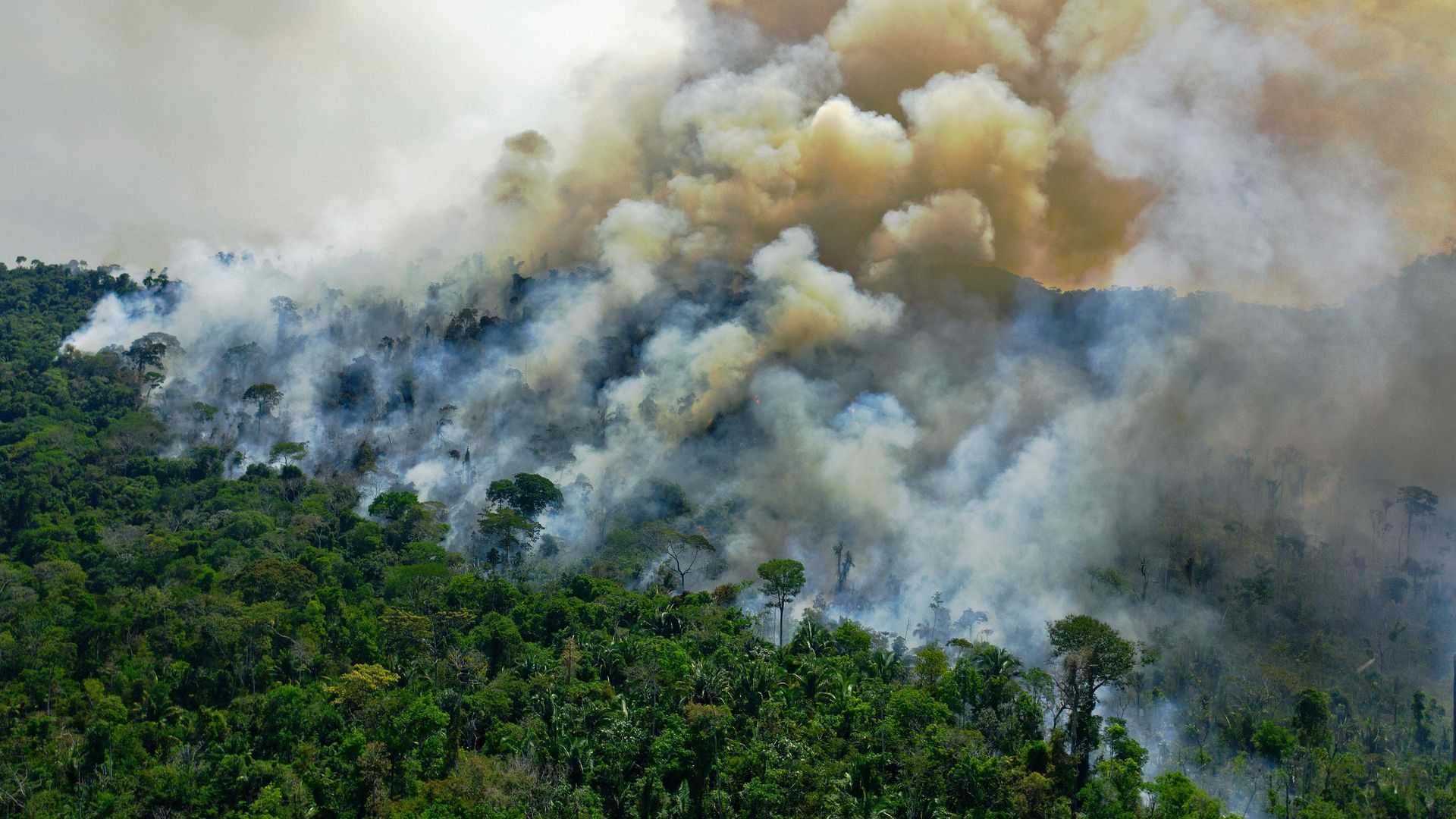
Segments of the Amazon rainforest now emit more carbon dioxide than they can absorb because of human-caused disturbances, according to a study published in the journal Nature on Wednesday.
Why it matters: The Amazon region hosts the world's largest tropical rainforests and stores vast quantities of CO2, the primary long-lived greenhouse gas. Accelerating rates of deforestation and climate shifts due to human-caused global warming have damaged the region's effectiveness as a climate change buffer.
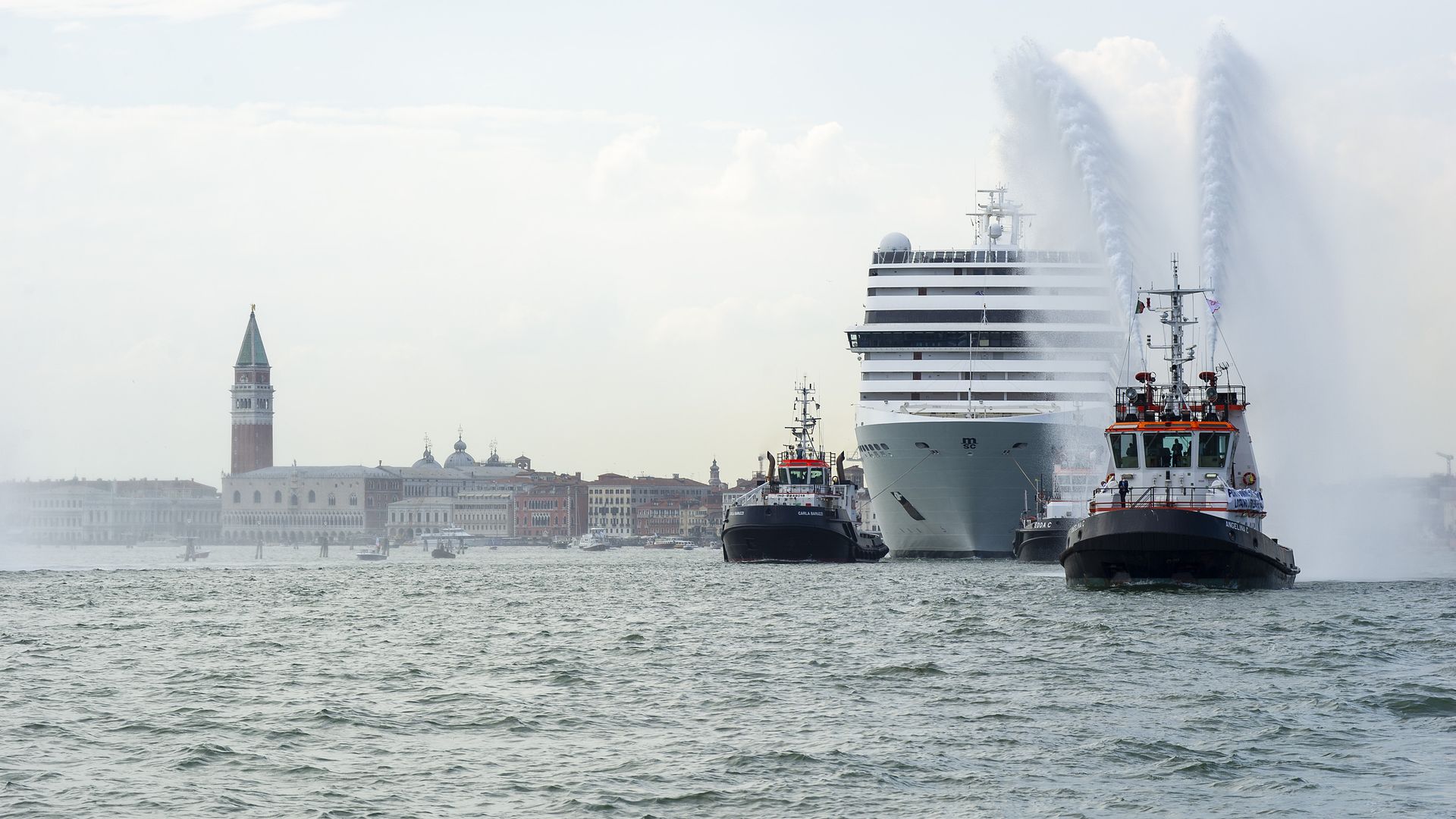
Italy's government on Tuesday announced it will ban large cruise ships from sailing into Venice after declaring the city's lagoon a national monument.
State of play: Italy's Council of Ministers said the ban, which will take effect on Aug. 1, will help protect the city's "environmental, artistic and cultural heritage."
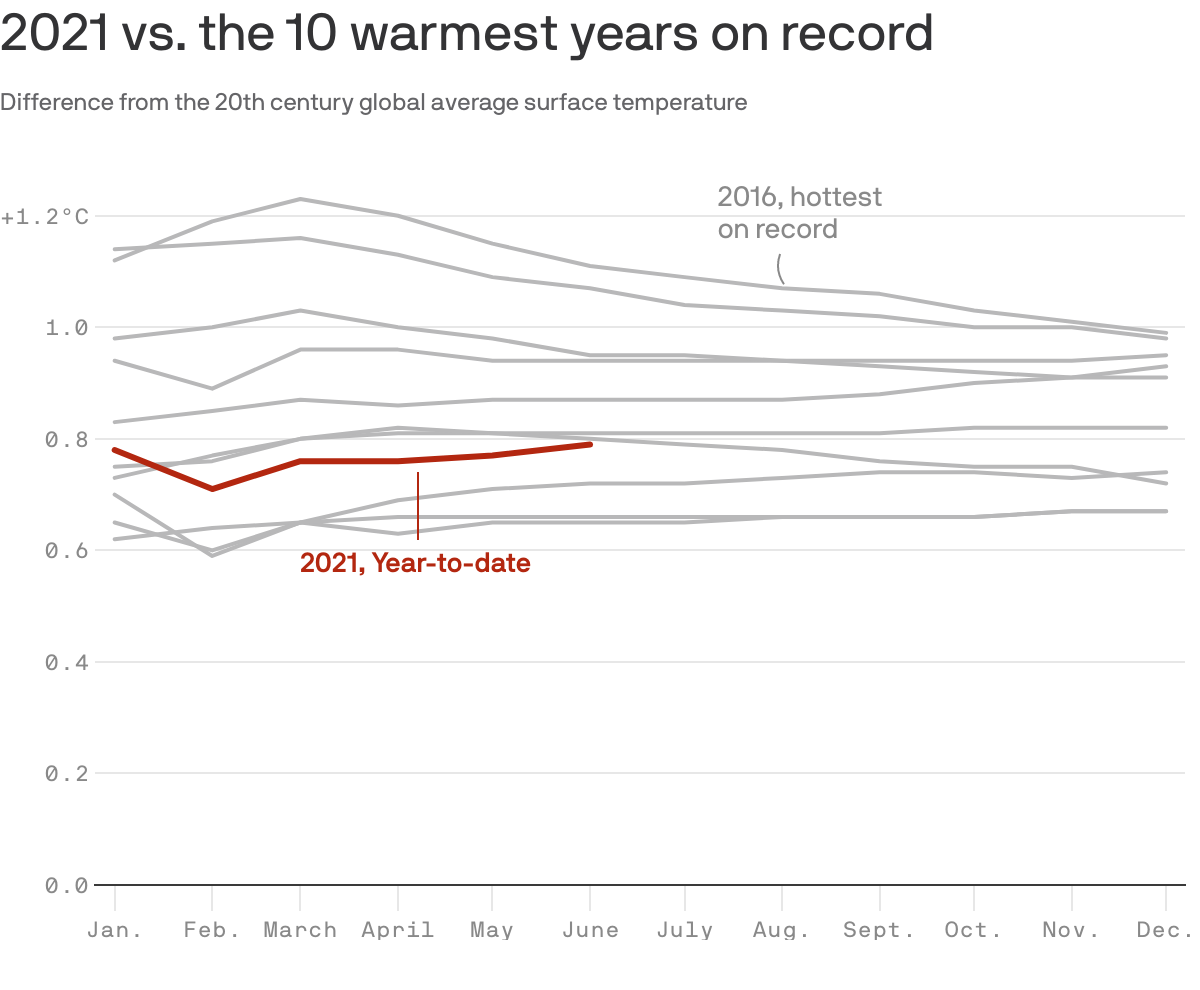
June was the Earth's fifth-warmest such month on record, according to new data released Tuesday by the National Oceanic and Atmospheric Administration (NOAA).
The big picture: Land surface temperatures were the hottest they've been during the month, dating back 142 years of instrument record-keeping, but ocean temperatures didn't rank quite so highly.
European Union officials Thursday unveiled sweeping and detailed legislative proposals meant to breathe life into the bloc's goal of cutting greenhouse gas emissions by 55% from 1990 levels by 2030.
Driving the news: The wide-ranging documents aim to strengthen policies around vehicle emissions, renewable power, emissions trading markets, land use, efficiency, and much more. You can find them here.
The Biden administration has appointed a new head of the National Climate Assessment (NCA), a pivotal, congressionally mandated report on how human-caused global warming is affecting the U.S.
Driving the news: The next NCA will be overseen by Allison Crimmins, an environmental scientist who has spent a decade at the EPA and has expertise in scientific communication.
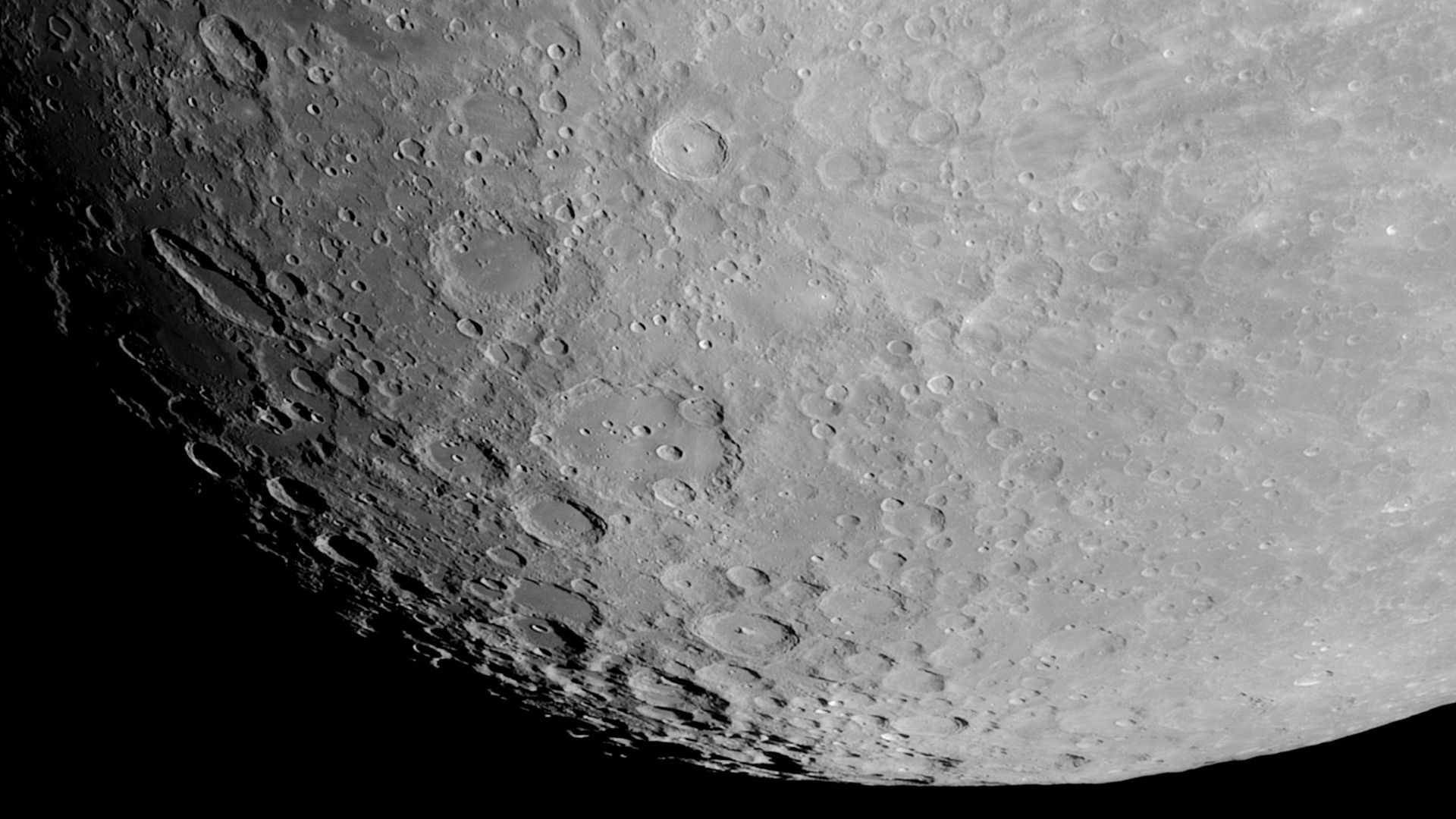
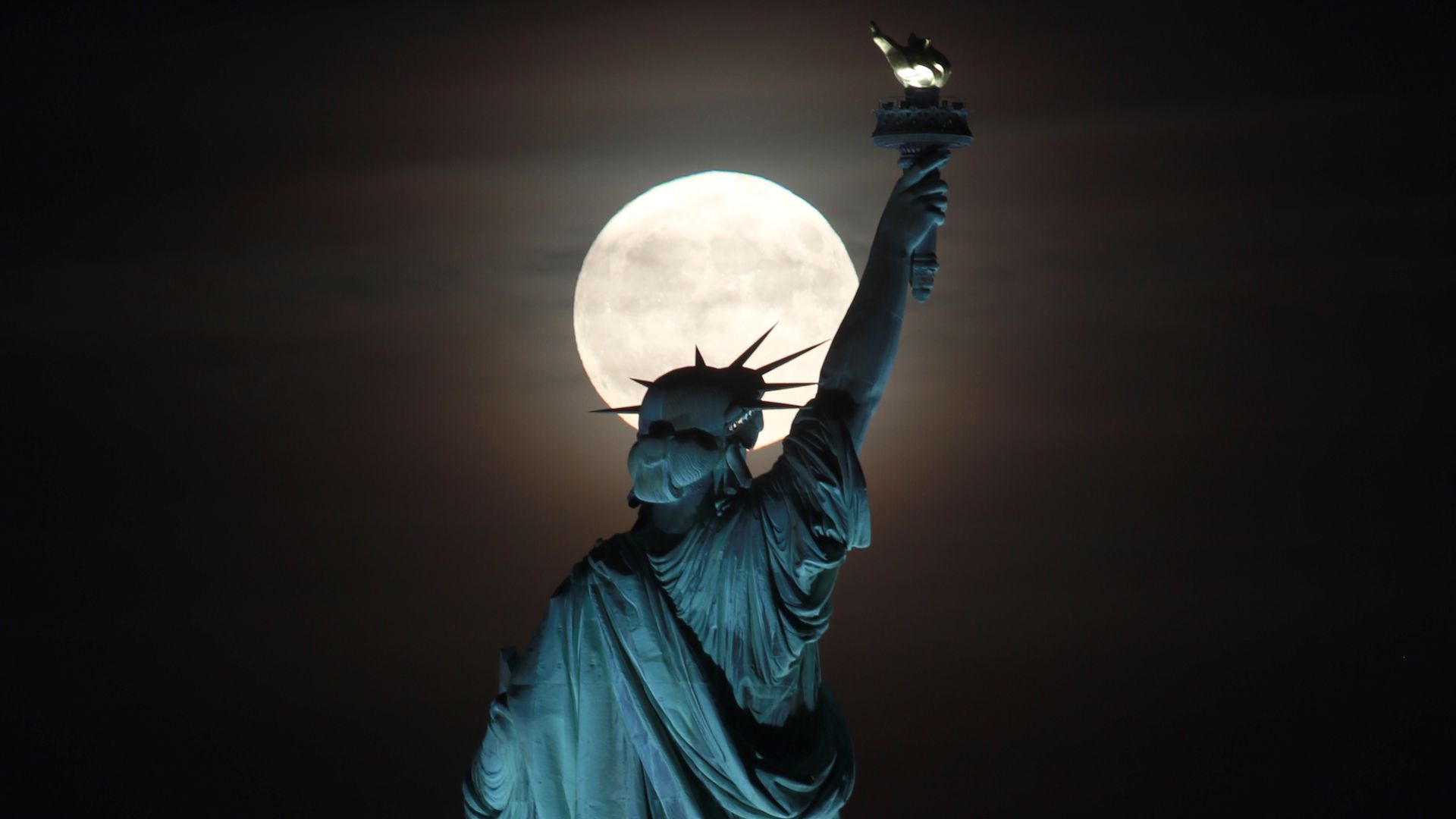
A "wobble" in the moon's orbit will combine with rising sea levels due to the Earth's warming to bring "a decade of dramatic increases" in high-tide coastal floods across the U.S. in the 2030s, NASA warns in a new study.
Why it matters: Low-lying areas near sea level already increasingly at risk from flooding will see their situation "only get worse," per a statement from NASA administrator Bill Nelson.