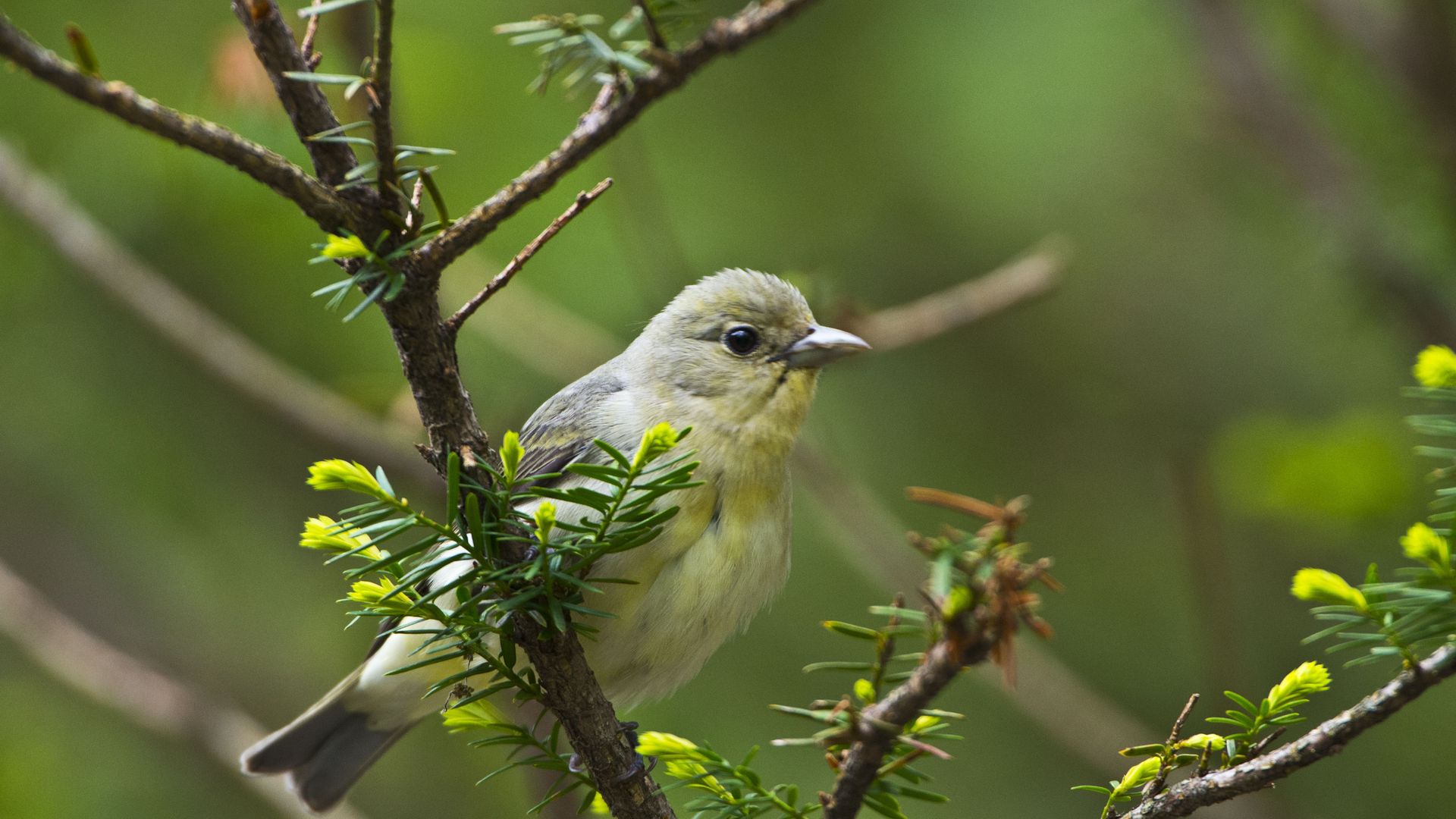
Federal and state wildlife officials in the Mid-Atlantic are asking people to not feed birds and provide water in bird baths after dozens of reports of mysterious songbird deaths, per NPR.
Driving the news: Reports of increased bird deaths started emerging in the Washington, D.C. area in late May. Wildlife agencies throughout the Mid-Atlantic, the Southeast and Midwest are now receiving similar reports, according to NPR.
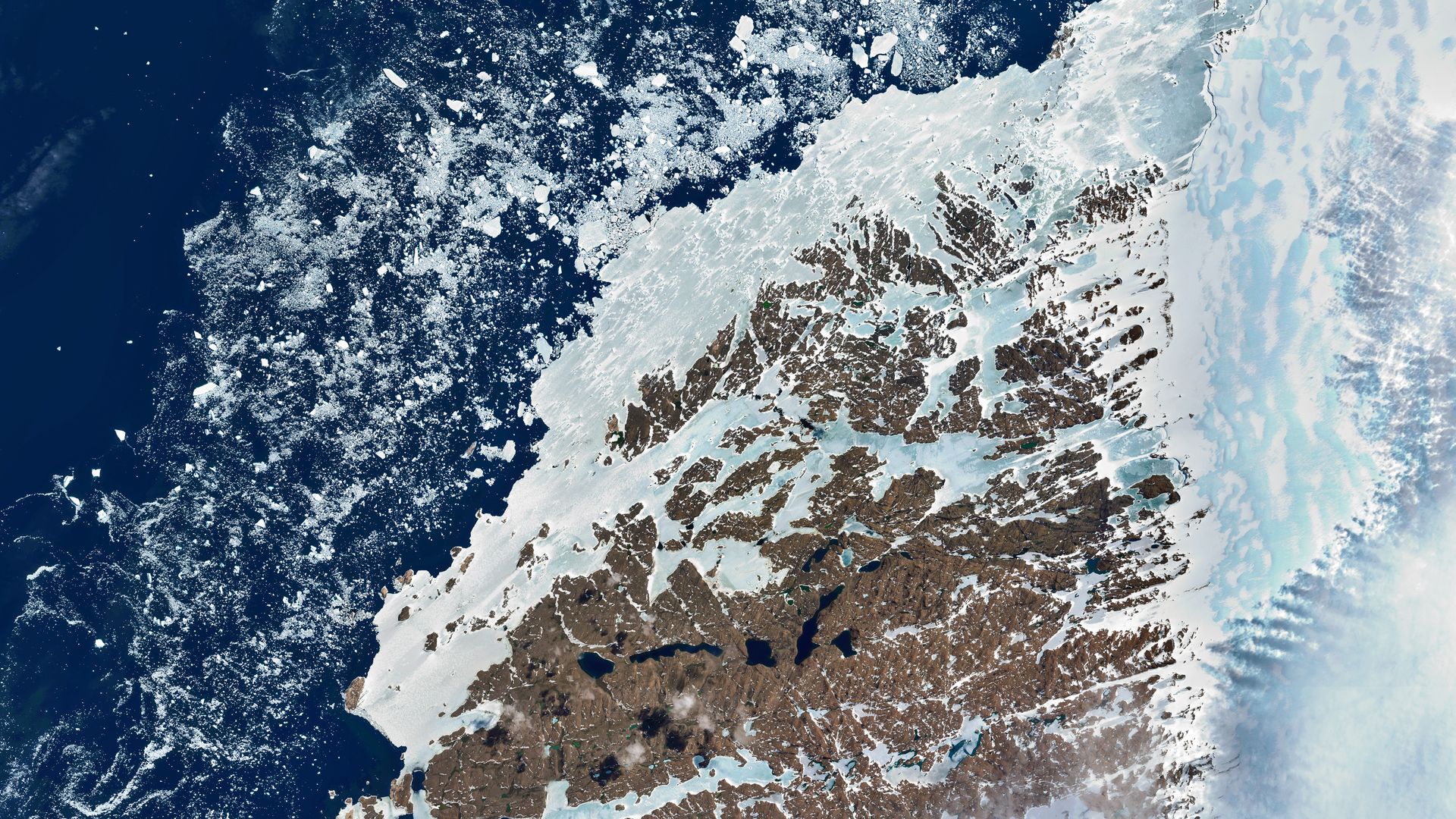
The World Meteorological Organization confirmed this week that temperatures in Antarctica reached a new record high in 2020.
By the numbers: The continent reached 64.94 degrees Fahrenheit (18.3 Celsius) in February of last year, compared to the previous record of 63.5 degrees (17.5 Celsius) recorded in 2015. Both temperatures were recorded at the Argentine Esperanza Research Station.
Petroleos Mexicanos, Mexico’s state-owned oil company, said Friday a rupture in an undersea natural gas pipeline in the Gulf of Mexico caused an underwater fire that sent flames up to the surface.
Driving the news: The company said no one was injured and the gas leak was contained around five hours after the rupture.
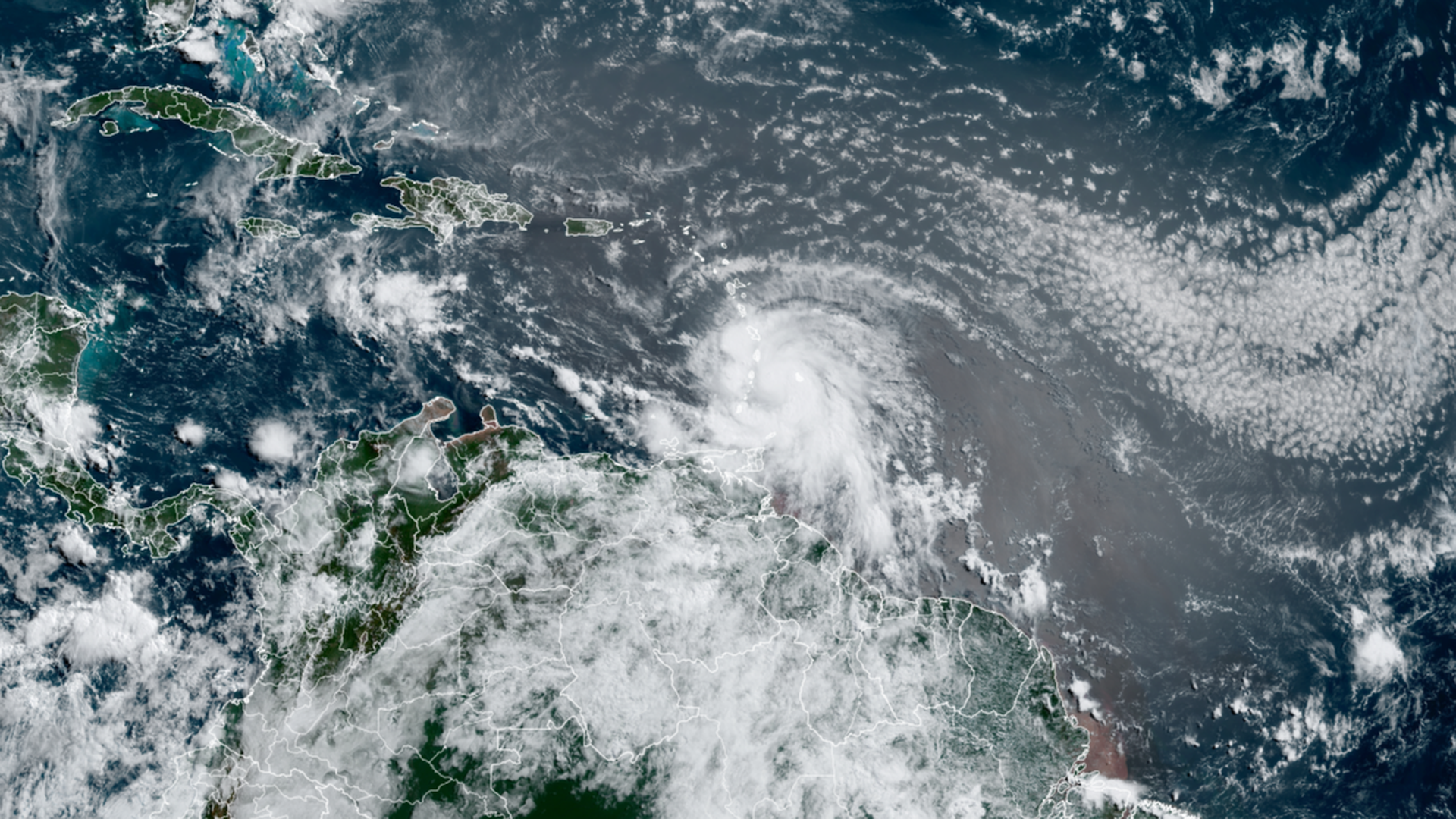
Elsa strengthened into the first hurricane of the Atlantic season on Friday, threatening parts of the Caribbean as a Category 1 storm.
Why it matters: Elsa is the earliest fifth-named storm on record. The National Oceanic and Atmospheric Administration (NOAA) has predicted an above-average storm season in the Atlantic this year.
Exxon CEO Darren Woods on Friday released his second statement in three days on two lobbyists' covertly recorded comments, another sign of how concern about them has reached the highest levels of the powerful oil giant.
Driving the news: The statement says Exxon is committed to addressing climate change, citing the recent creation of its “Low Carbon Solutions” unit that’s focused on carbon capture tech and hydrogen.
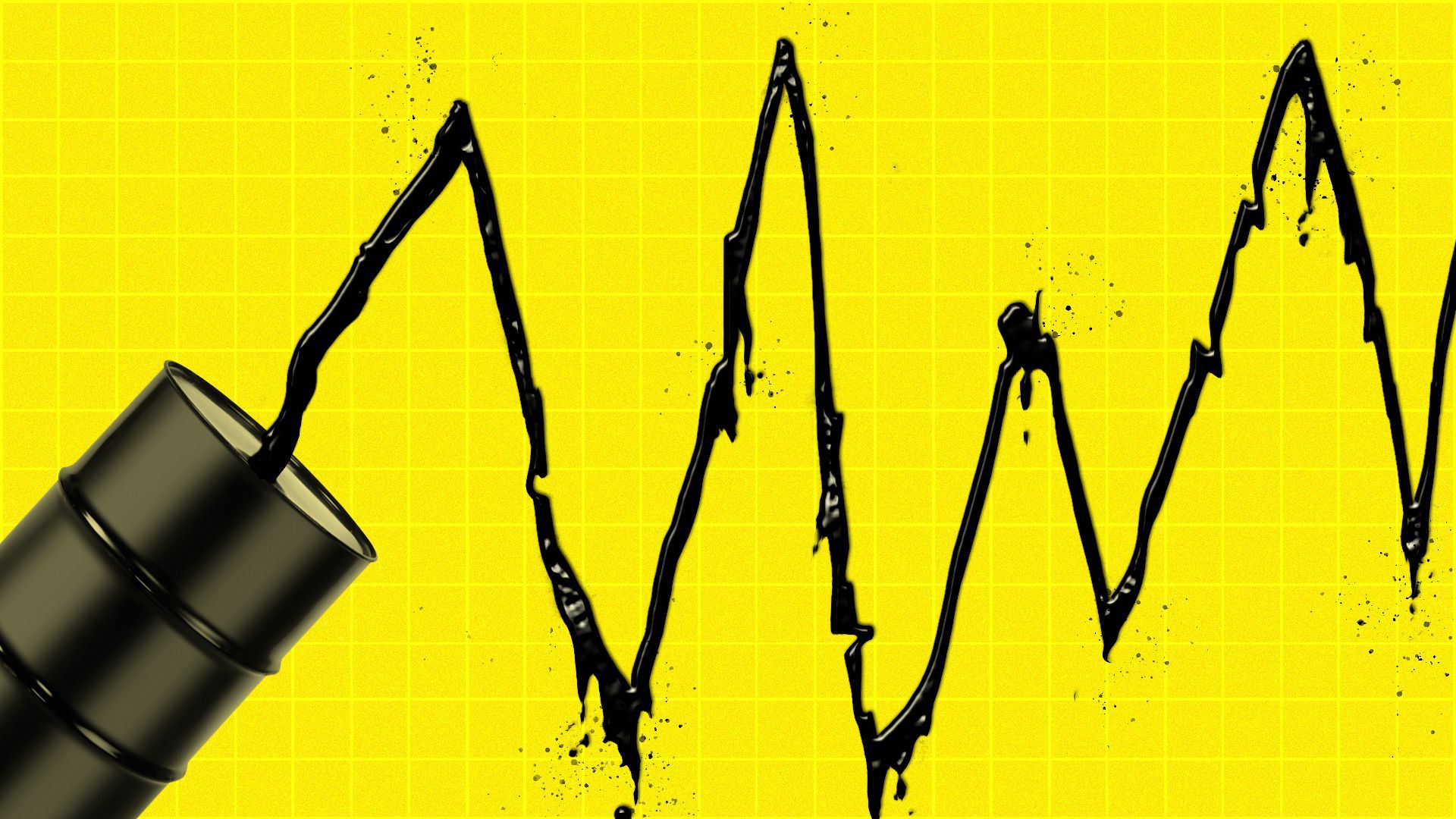
Oil prices are on the rise, which could mean costs are going up for almost everything. And experts tell Axios that tight capacity means prices have much higher to go.
Deadly heat waves. An epic drought. More than a million acres in the West gone up in smoke before the end of June. And the earliest fifth-named Atlantic tropical storm on record.
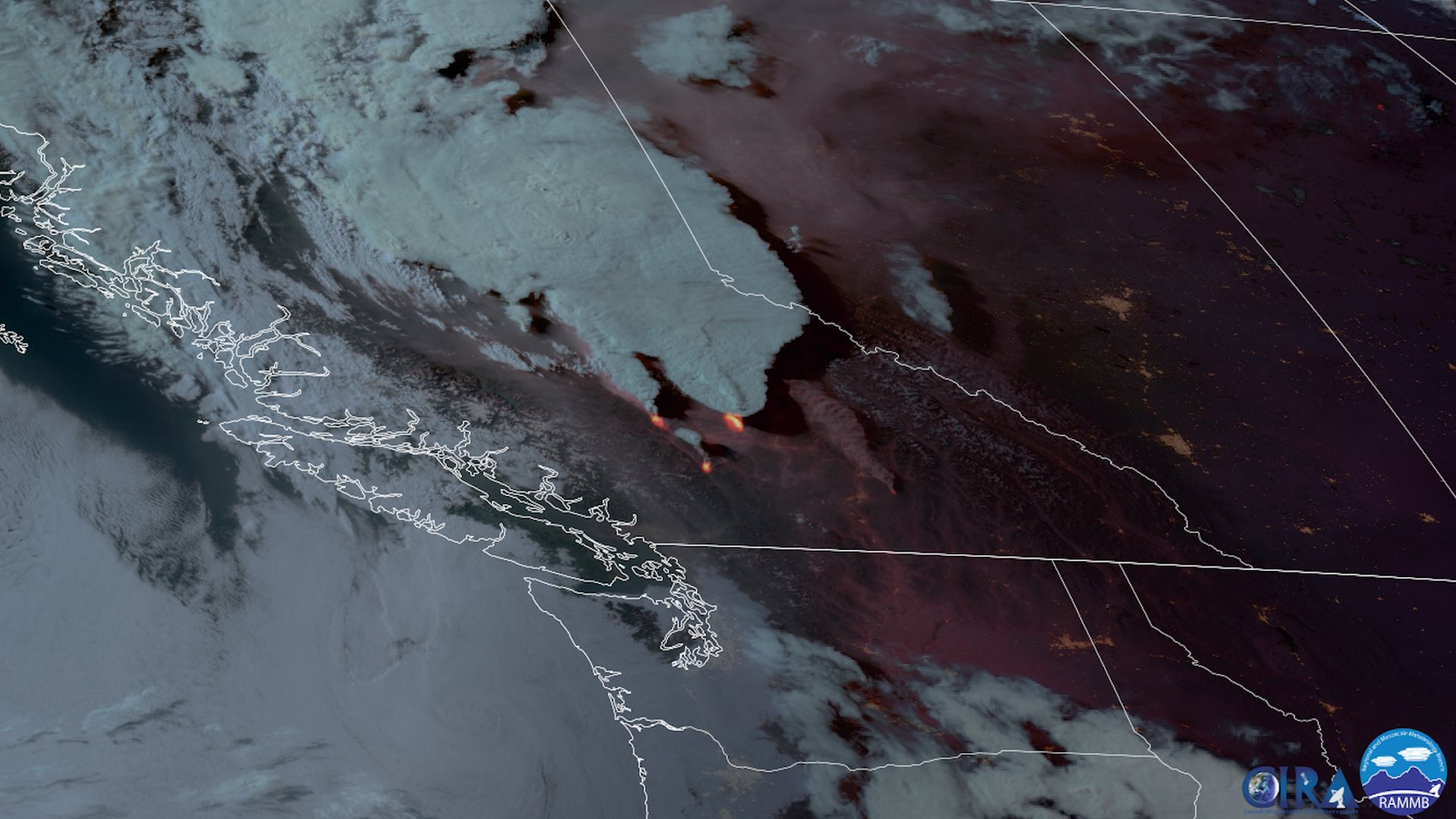
A record-shattering heat wave has triggered a spate of massive wildfires across British Columbia and the U.S. West, with one blaze roaring through parts of Lytton, Canada, on Wednesday night. The fire occurred just a day after the town set a national high temperature record of 121°F.
Why it matters: The unprecedented heat is leading to other deadly threats as residents hastily evacuate areas in the path of quickly-advancing flames, including deteriorating air quality.