Secretary of State Antony Blinken is scheduled to travel to Denmark, Iceland and Greenland this weekend to address Arctic policies amid sweeping climate change that is affecting the region.
State of play: While in Reykjavik, Iceland, Blinken will attend the ministerial meeting of the Arctic Council, an organization created 25 years ago to foster cooperation among the eight Arctic nations at a time when Russia has been increasingly aggressive in building up its military presence in the region.
John Kerry is denying GOP allegations that he's putting inappropriate pressure on banks to change their financing practices to address climate change.
Why it matters: Banking giants are pledging to steer more capital into clean energy and other climate-friendly projects, and urging industrial clients to cut emissions.
Here's an increasingly hot word in global warming circles: cement.
Driving the news: BP and Cemex, the Mexico-based multinational materials company, are jointly working on ways to cut emissions from cement transport and production.
A new policy roadmap provides Congress and the White House with ways to support the growth of methods to pull carbon dioxide from the atmosphere using everything from existing forests to direct air capture machines.
Driving the news: Recent climate studies, such as the UN Intergovernmental Panel on Climate Change's 1.5-degree report, have pointed to the clear need for society to pursue strategies for driving carbon emissions into negative territory by the latter half of the century.
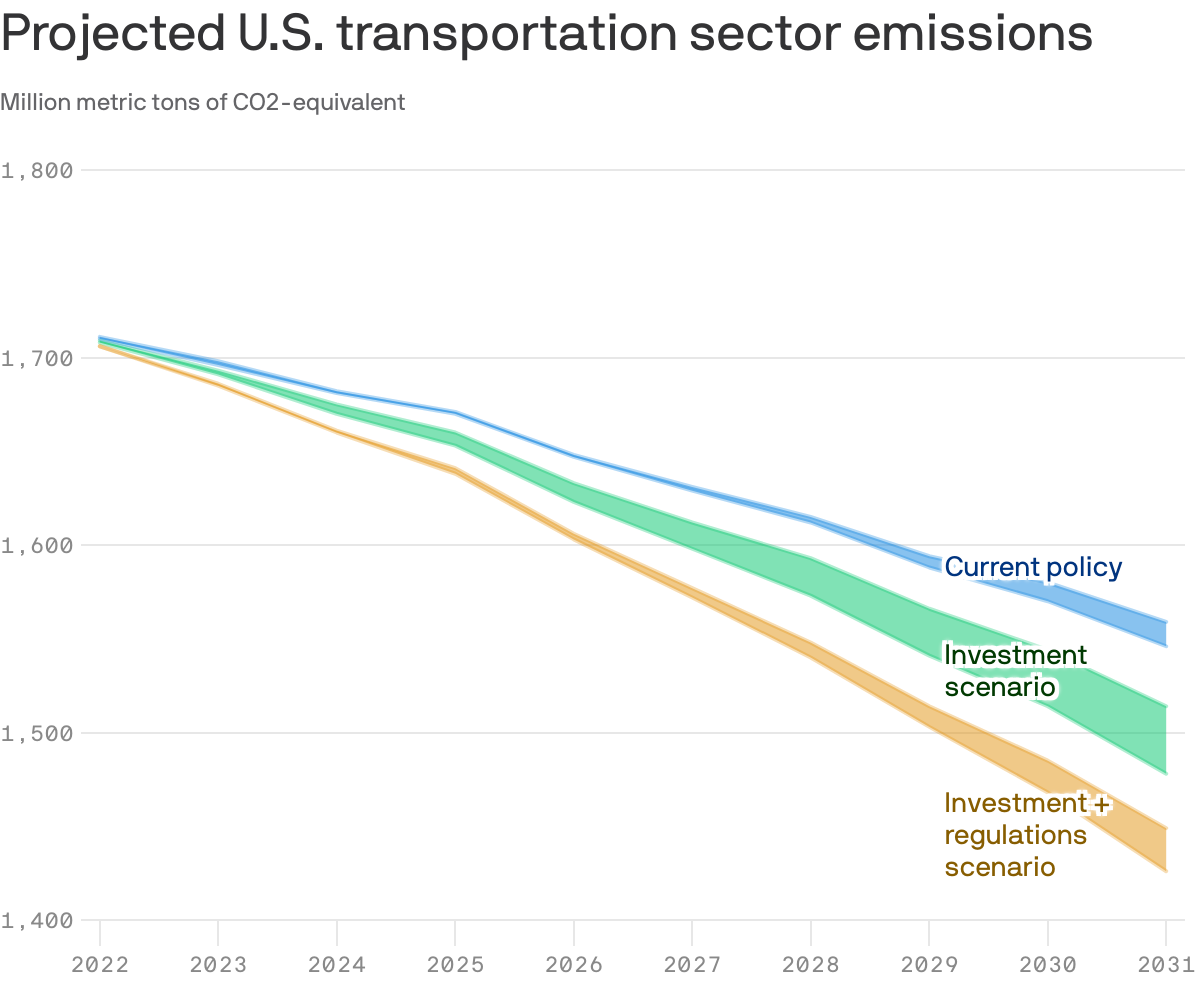
Reproduced from Rhodium Group; Chart: Axios Visuals
Wringing carbon emissions out of transportation isn't easy, but new analysis sees a cost-effective path to major reductions over the next decade.
Why it matters: Combined emissions from cars, trucks and other transport segments overtook electric power as the nation's biggest CO2 source several years ago.
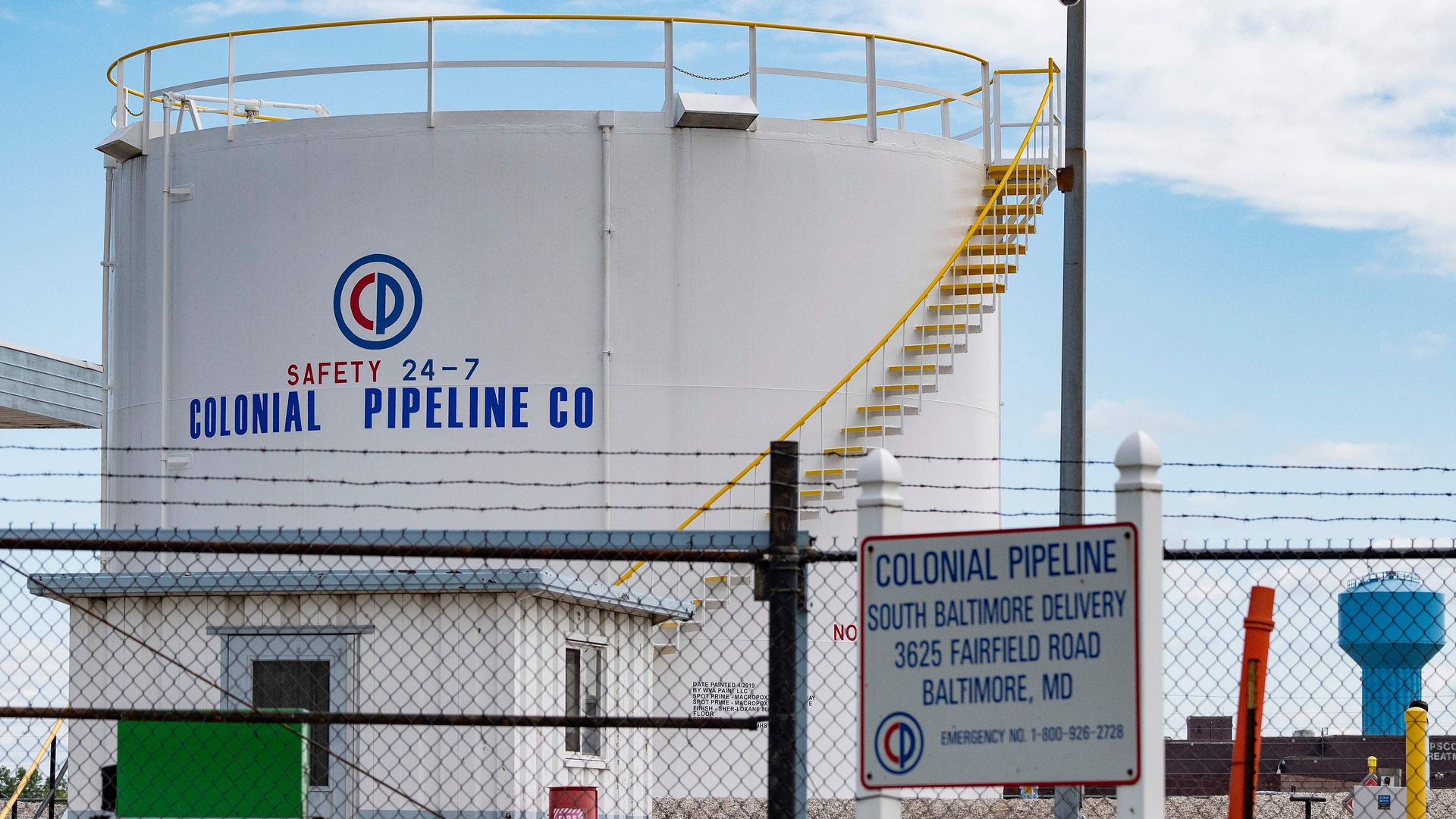
Colonial Pipeline paid hackers linked to the DarkSide cybercrime group nearly $5 million in cryptocurrency after last week's ransomware attack, Bloomberg first reported and the New York Times confirmed.
Why it matters: The breach of the largest refined fuels pipeline in the U.S. triggered new concerns about the vulnerability of the country's increasingly digitized energy systems.
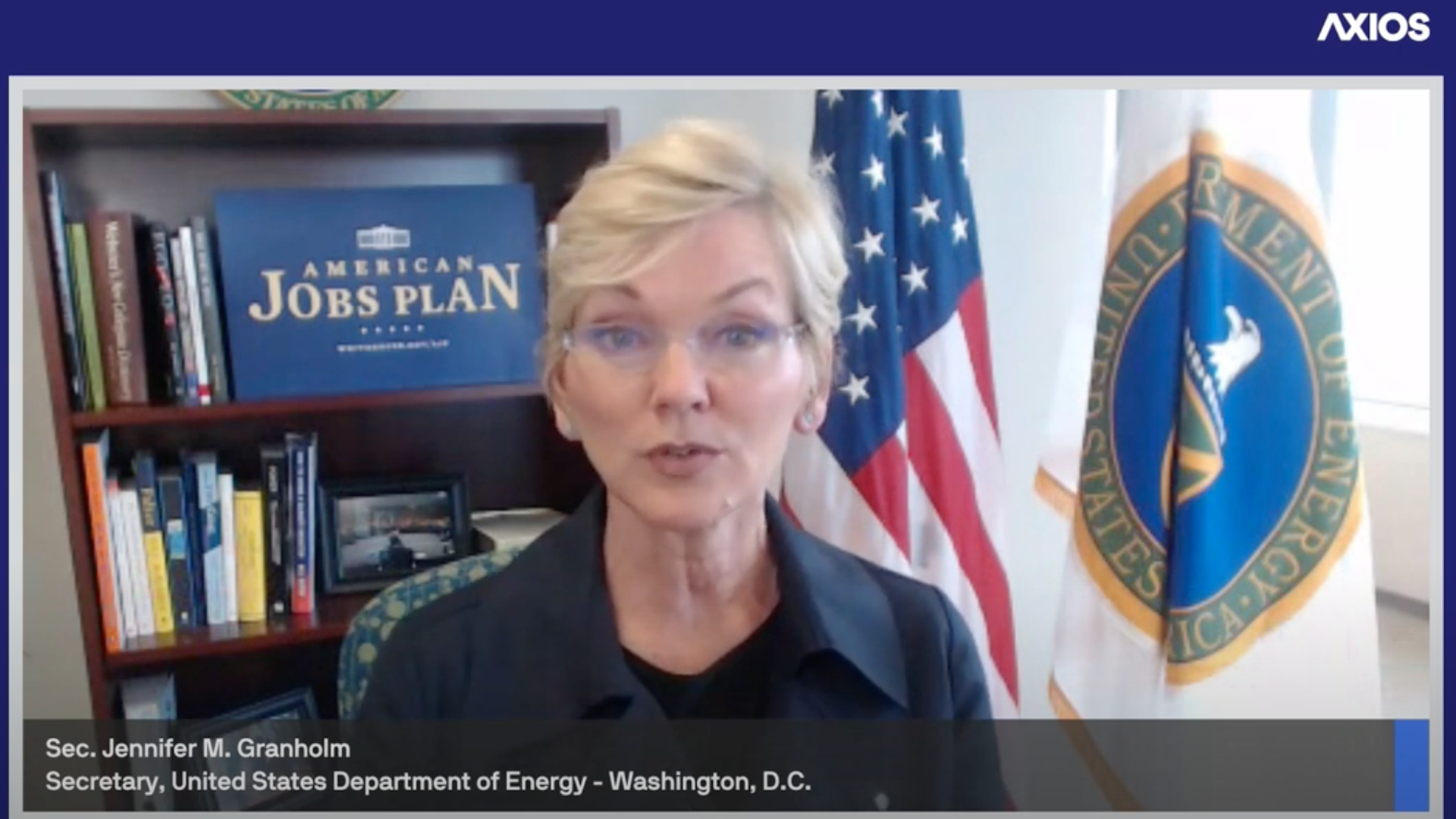
Investing in clean energy technologies is crucial to America's economic vitality and security, Energy Secretary Jennifer Granholm said at Axios virtual event on Thursday.
Why it matters: Clean energy technology is a $23 trillion global market.
ExxonMobil Corp. has switched their public relations tactics from outright denial of human-caused global warming to more subtle ways of portraying a fossil fuel-based economy as driven by consumer demand and inevitable, a new study finds.
Why it matters: The new study, published Thursday in the journal One Earth, analyzes Exxon's internal and external communications to identify and characterize the use of language through machine learning and matches them up with narratives about climate change.
Restoration of the Colonial Pipeline, the huge East Coast gasoline artery, is the beginning of the end of a crisis that prompted a White House logistical and political scramble.
Catch up fast: Late Wednesday afternoon, Colonial began a restart of the 5,500-mile line that shut down nearly a week ago after a ransomware attack.
The Biden administration approved a temporary waiver of shipping requirements late Wednesday to help Colonial Pipeline transport fuel, as service resumes across the U.S. following last week's ransomware attack that that took it offline.
Why it matters: The century-old Jones Act requires ships to be built in the U.S. and crewed by American workers, but the waiver means foreign companies can transport gasoline and diesel to areas where there are fuel shortages.
Boeing gained approval from the Federal Aviation Administration for a "fix" to an electrical issue that sidelined roughly 100 of its 737 MAX planes worldwide, Reuters first reported Wednesday night.
Why it matters: Wednesday's approval paves the way for a swift return of the flights that were removed from service early last month.
Top White House officials — including counselor Steve Ricchetti and National Security Council chief of staff Yohannes Abraham — briefed President Biden about the Colonial Pipeline hack at Camp David last weekend, sources familiar with the response tell Axios.
Why it matters: The high-level response, which also included daily calls from national security adviser Jake Sullivan, underscores the administration's heightened concern about fallout from the hack — both from national security and political perspectives.
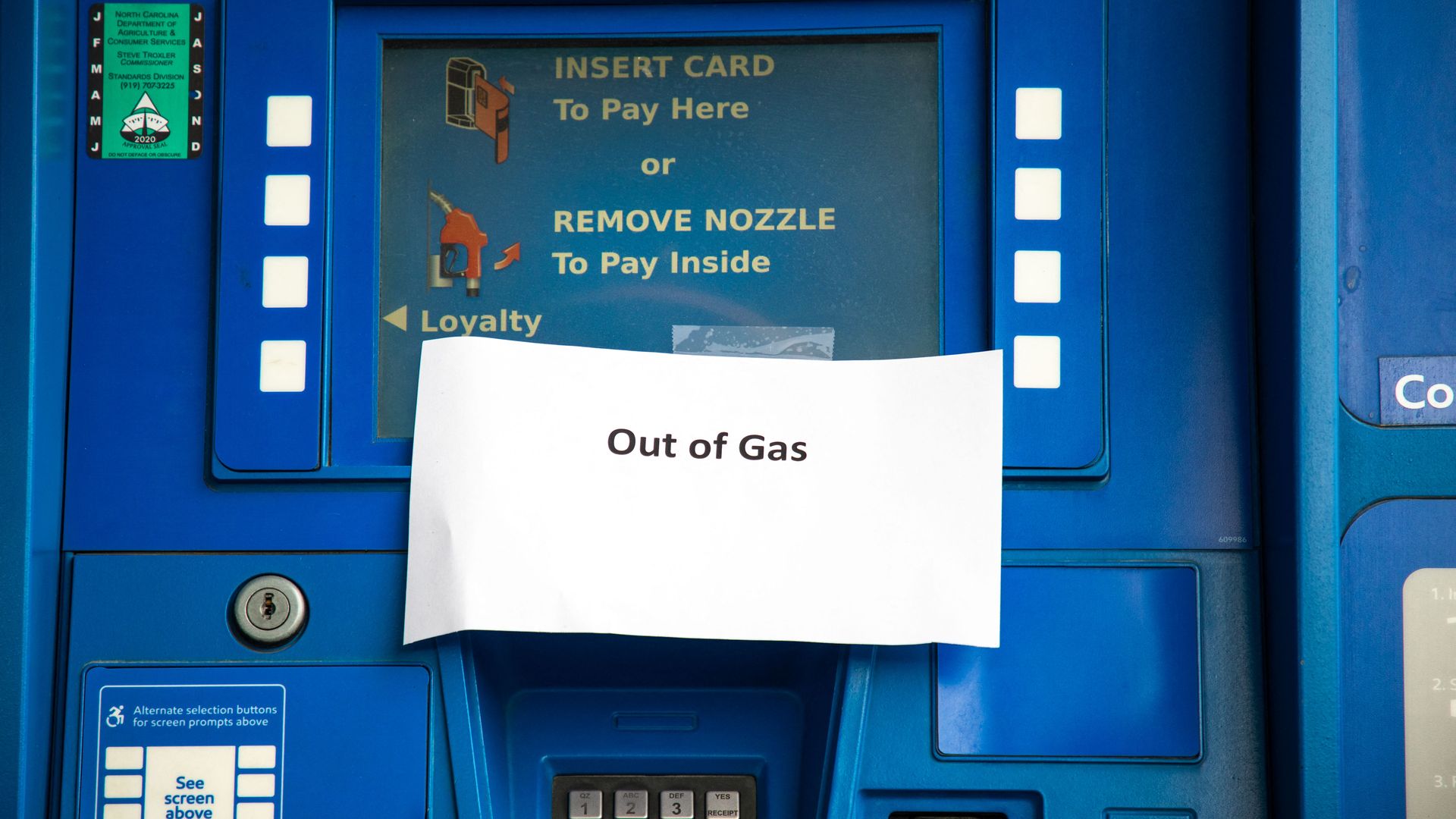
The gas may be flowing again, but the White House is more worried than it's letting on about the potential fallout of the Colonial Pipeline hack that caused fuel shortages and triggered price increases, Axios has learned.
Behind the scenes: Senior Biden officials are acutely sensitive to the images of lines outside gas stations before Memorial Day — the typical launch to the summer driving season. Republicans also are jumping on the bandwagon, suggesting Joe Biden is a modern-day Jimmy Carter.