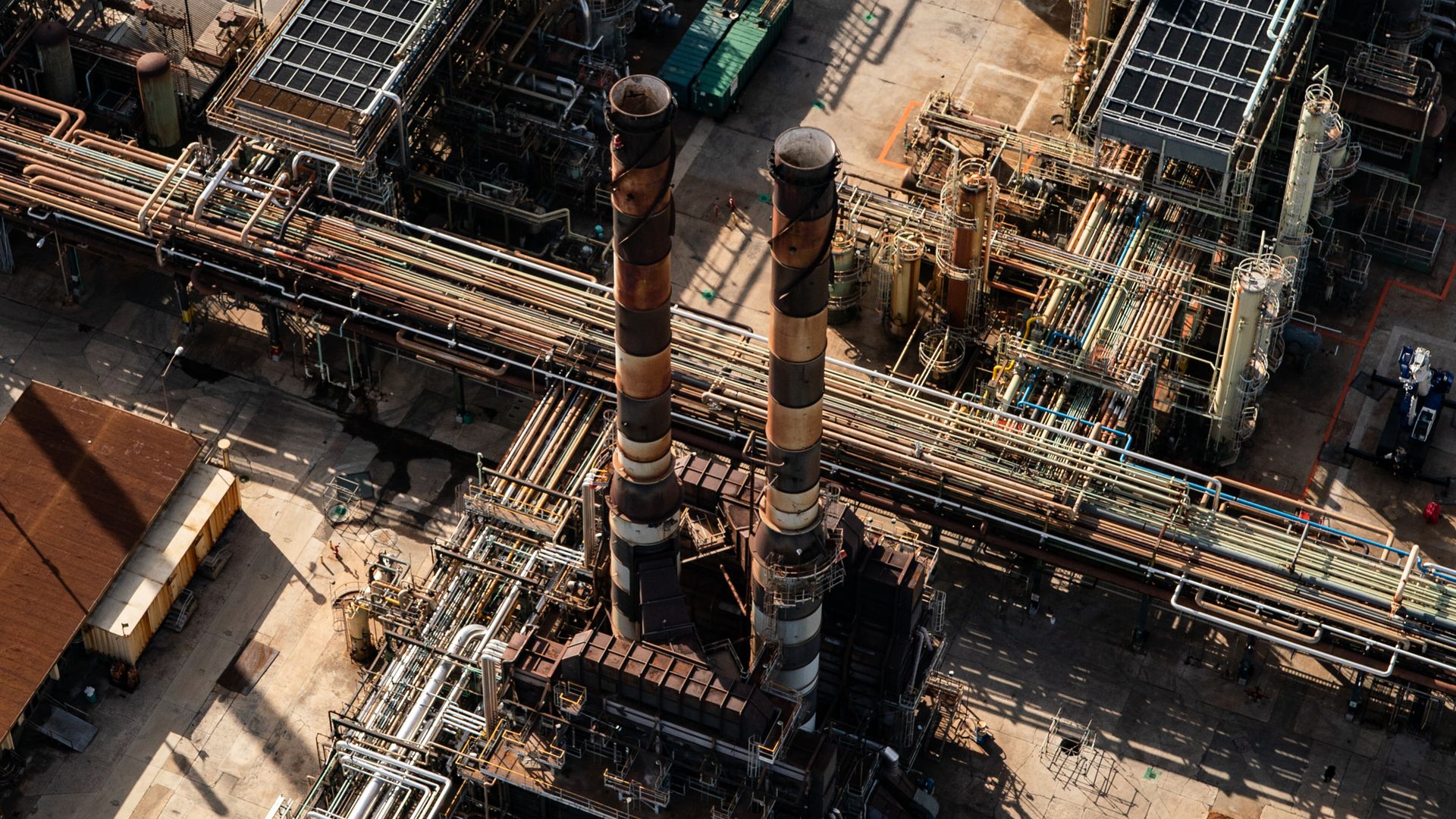
The Environmental Protection Agency on Friday ordered the controversial Limetree Bay oil refinery in St. Croix, U.S. Virgin Islands, to cease all operations for at least 60 days.
Why it matters: The EPA said the pause to the massive, complex facility was "due to multiple improperly conducted operations that present an imminent risk to public health" and has alleged that the refinery violated the Clean Air Act by failing to adequately monitor sulfur dioxide levels.
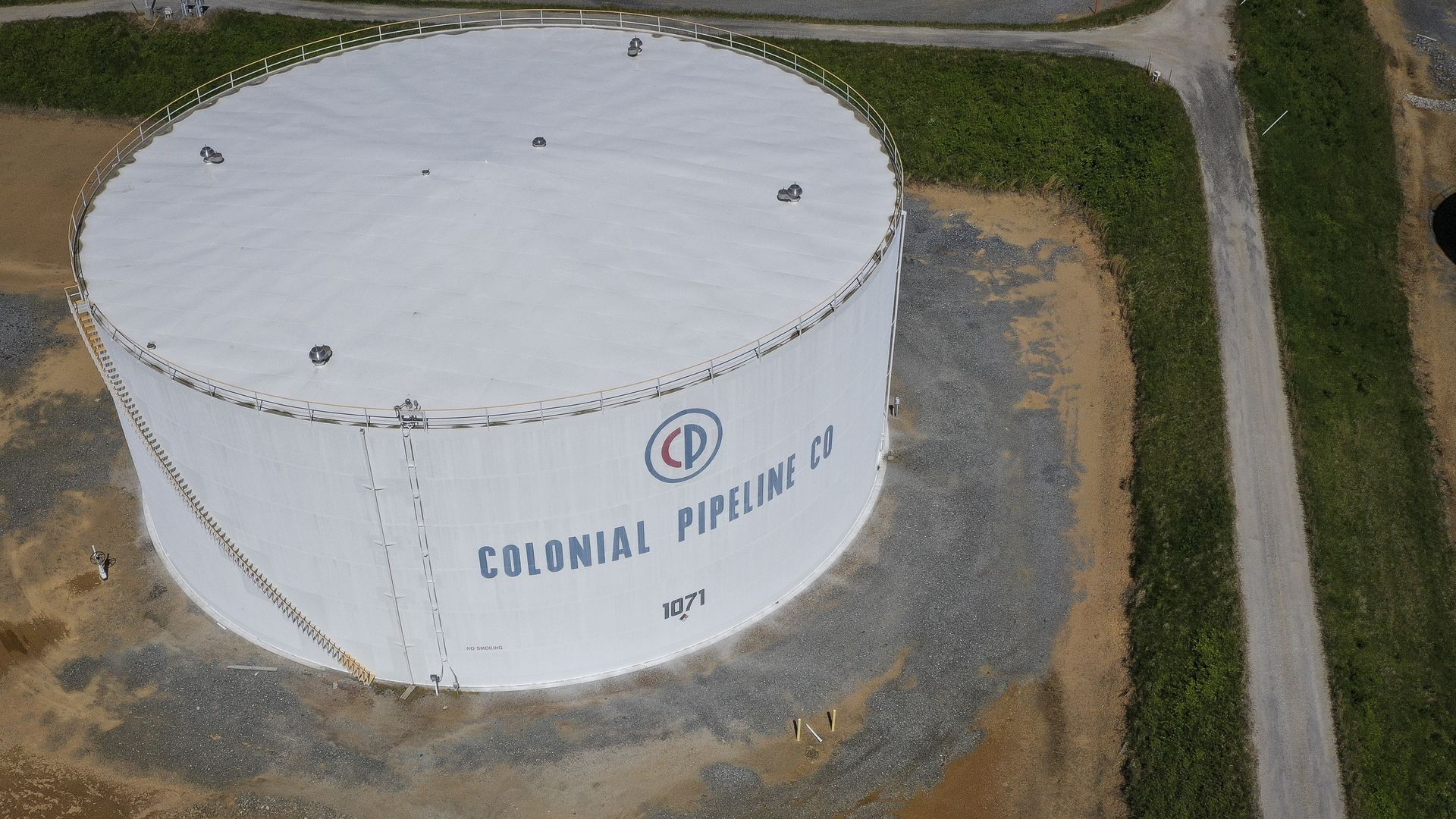
Colonial Pipeline resumed normal operations on Saturday after a ransomware attack forced the pipeline to shut down last week, the company announced.
Why it matters: The pipeline is now delivering fuel to states that had experienced gas shortages at the same capacities as before the extortion scheme hit the critical pipeline, which runs from Texas to New York and carries roughly 100 million gallons of fuel per day.
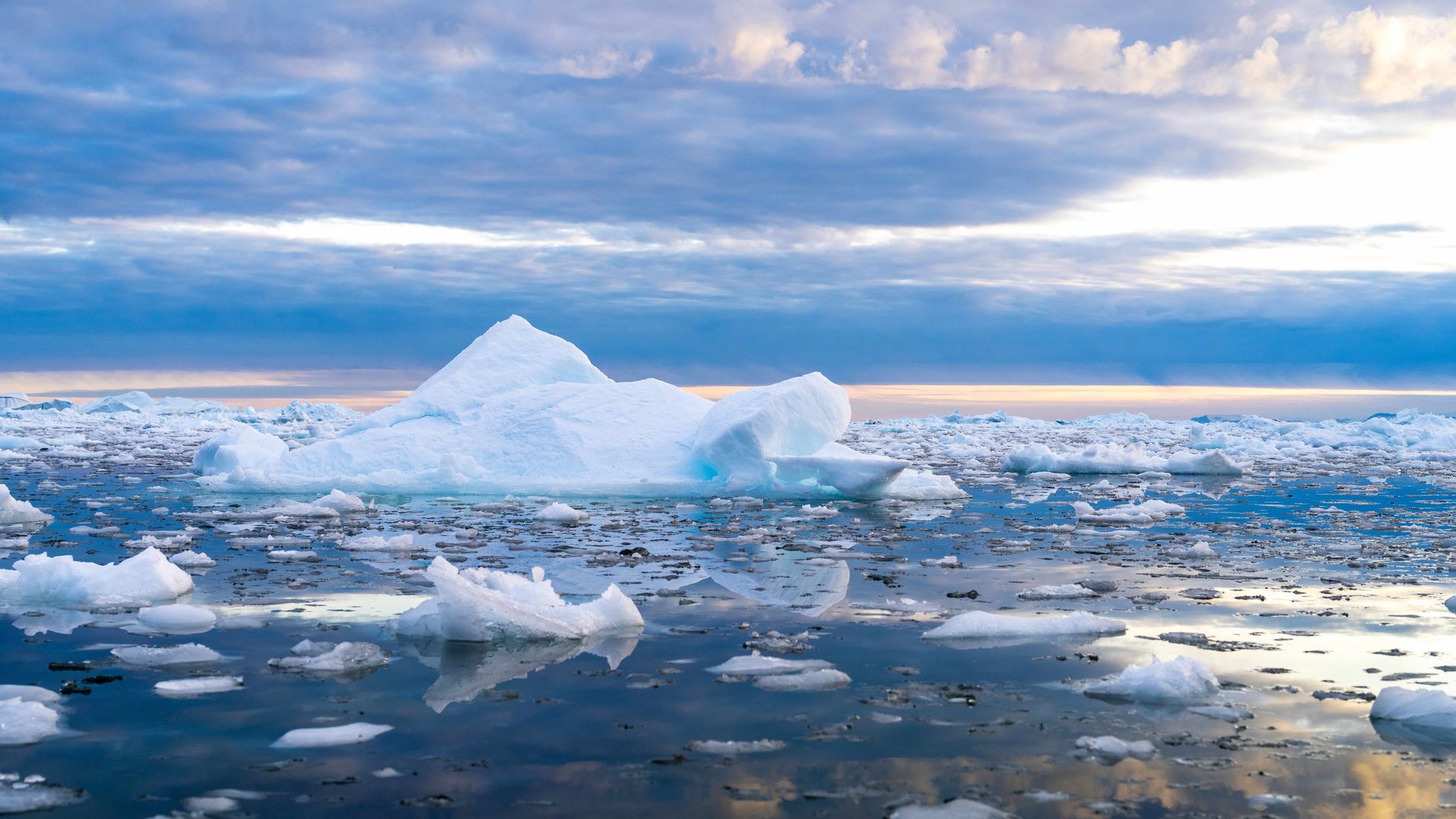
Secretary of State Antony Blinken is scheduled to travel to Denmark, Iceland and Greenland this weekend to address Arctic policies amid sweeping climate change that is affecting the region.
State of play: While in Reykjavik, Iceland, Blinken will attend the ministerial meeting of the Arctic Council, an organization created 25 years ago to foster cooperation among the eight Arctic nations at a time when Russia has been increasingly aggressive in building up its military presence in the region.
John Kerry is denying GOP allegations that he's putting inappropriate pressure on banks to change their financing practices to address climate change.
Why it matters: Banking giants are pledging to steer more capital into clean energy and other climate-friendly projects, and urging industrial clients to cut emissions.
Here's an increasingly hot word in global warming circles: cement.
Driving the news: BP and Cemex, the Mexico-based multinational materials company, are jointly working on ways to cut emissions from cement transport and production.
A new policy roadmap provides Congress and the White House with ways to support the growth of methods to pull carbon dioxide from the atmosphere using everything from existing forests to direct air capture machines.
Driving the news: Recent climate studies, such as the UN Intergovernmental Panel on Climate Change's 1.5-degree report, have pointed to the clear need for society to pursue strategies for driving carbon emissions into negative territory by the latter half of the century.