The Interior Department rescinded a Trump-era policy that the Biden administration says "improperly restricted" the use of science and data, and ordered a review of its "scientific integrity policies," effective immediately, the acting Interior secretary announced Wednesday.
Why it matters: The action is part of an effort to ensure the Interior Department remains a "leader in scientific integrity." The American public's divided trust in science was deemed a foundational crisis that President Biden would need to address to tackle other challenges awaiting him on Day 1 of his presidency, including the pandemic and climate change.
Gas prices are hitting new post-pandemic highs across the country, but this isn't a story of America reopening. It's really just a function of the price of oil going up.
By the numbers: Gasoline cost $2.71 on average as of Monday, per the EIA. The highest average price was $3.59 in Los Angeles, while the lowest was $2.33 in Houston.
All of these prices represent the highest level seen since 2019.
The big picture: The price of crude oil reflects more than half of the cost of a gallon of gasoline. (The rest is refinery costs, distribution costs, and taxes.)
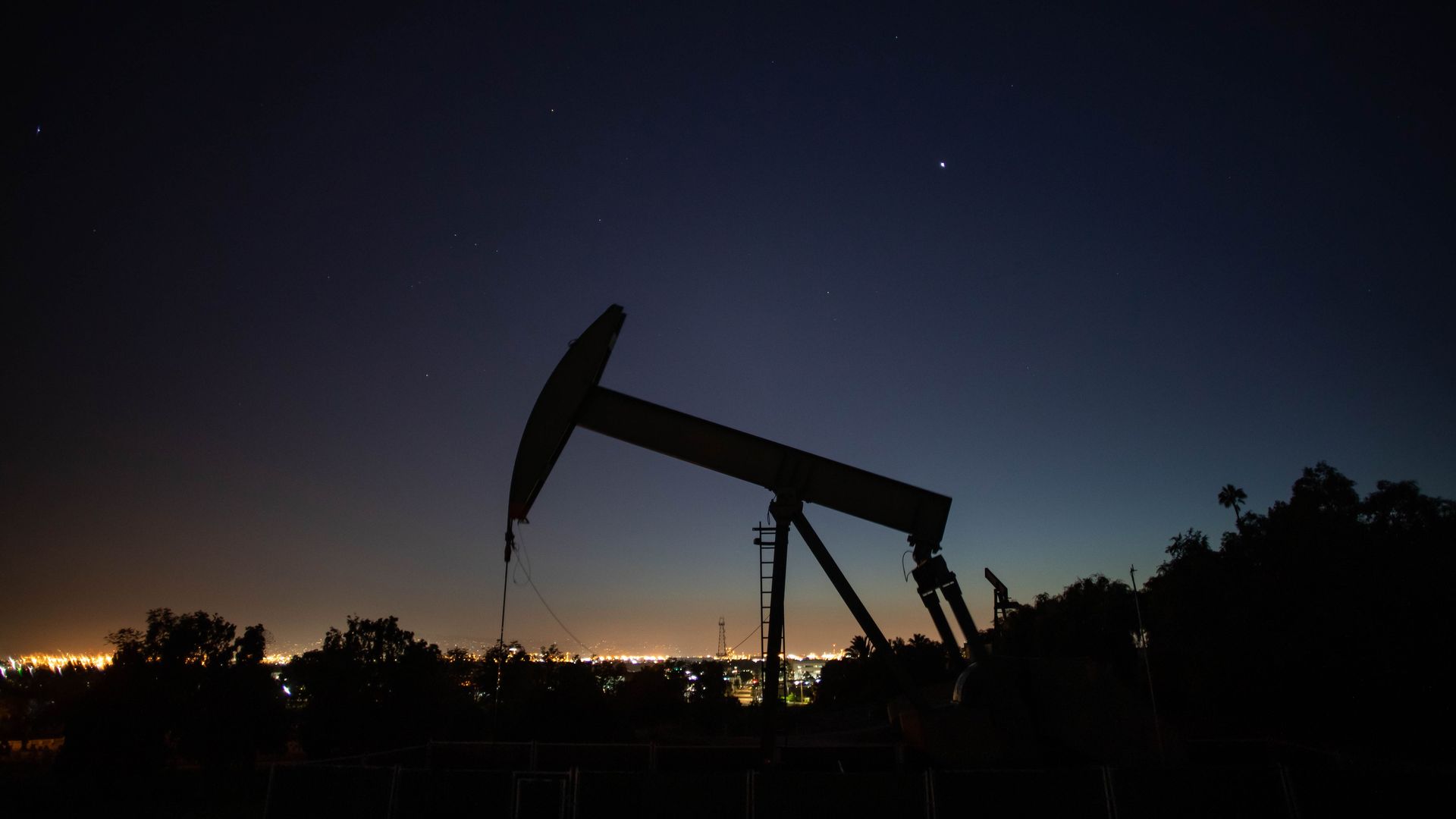
Demand for oil has actually been declining, per the New York Fed, but supply has been falling even faster, with the result that prices have now topped $64 for a barrel of Brent crude.
Package giant FedEx said on Wednesday it hopes to become carbon-neutral across operations by 2040 and pledged $2 billion of "initial investments" toward the goal.
Why it matters: Flying and driving heavy stuff all over the place — FedEx says it's the world's largest cargo airline — has a substantial carbon footprint.
Senior House Democrats are floating a big climate bill that's consistent with President Biden's agenda, but it's more of a statement of goals than anything likely to become law as written.
Driving the news: One key pillar is a "clean electricity standard" (CES) that requires utilities to supply 100% of their power from zero-carbon sources by 2035.
U.S. additions of energy storage capacity shattered their previous records in the fourth quarter of 2020, per new data from the consultancy Wood Mackenzie.
Why it matters: It signals the growing mainstreaming of technologies that help integrate more renewables onto power grids, provide backup energy and other benefits.
ExxonMobil said Wednesday that its oil-and-gas development plans will create good returns even at modest oil prices as the company looks to win back investor confidence after several rocky years.
Driving the news: The company, just ahead of an investor presentation this morning, said its investments are designed to generate returns of over 30% and touted its spending reductions.
The Biden administration's team of climate experts is getting bigger still.
Why it matters: President Biden is vowing a whole-of-government approach that weaves climate deeply into White House decision-making and the work of many agencies.
The American Petroleum Institute is preparing to endorse, in principle, a price on carbon emissions, according to a draft statement first reported by the Wall Street Journal.
Why it matters: The endorsement of carbon pricing, which API said in its draft statement would "lead to the most economic paths to achieve the ambitions of the Paris Agreement,” would signal an evolving climate stance from the oil industry's top lobbying group.
Senior Democratic lawmakers in both chambers are unveiling climate and clean energy proposals this week.
Driving the news: Sen. Joe Manchin (W.Va), who chairs the energy committee, is proposing $8 billion in new tax credits to spur domestic manufacturing of climate-friendly technologies.
Volvo Cars said this morning that it plans to sell only fully electric cars by 2030, building on a prior target of having 50% of sales come from fully electric models by 2025.
Why it matters: It marks the latest target by several automakers to electrify their passenger lineups.
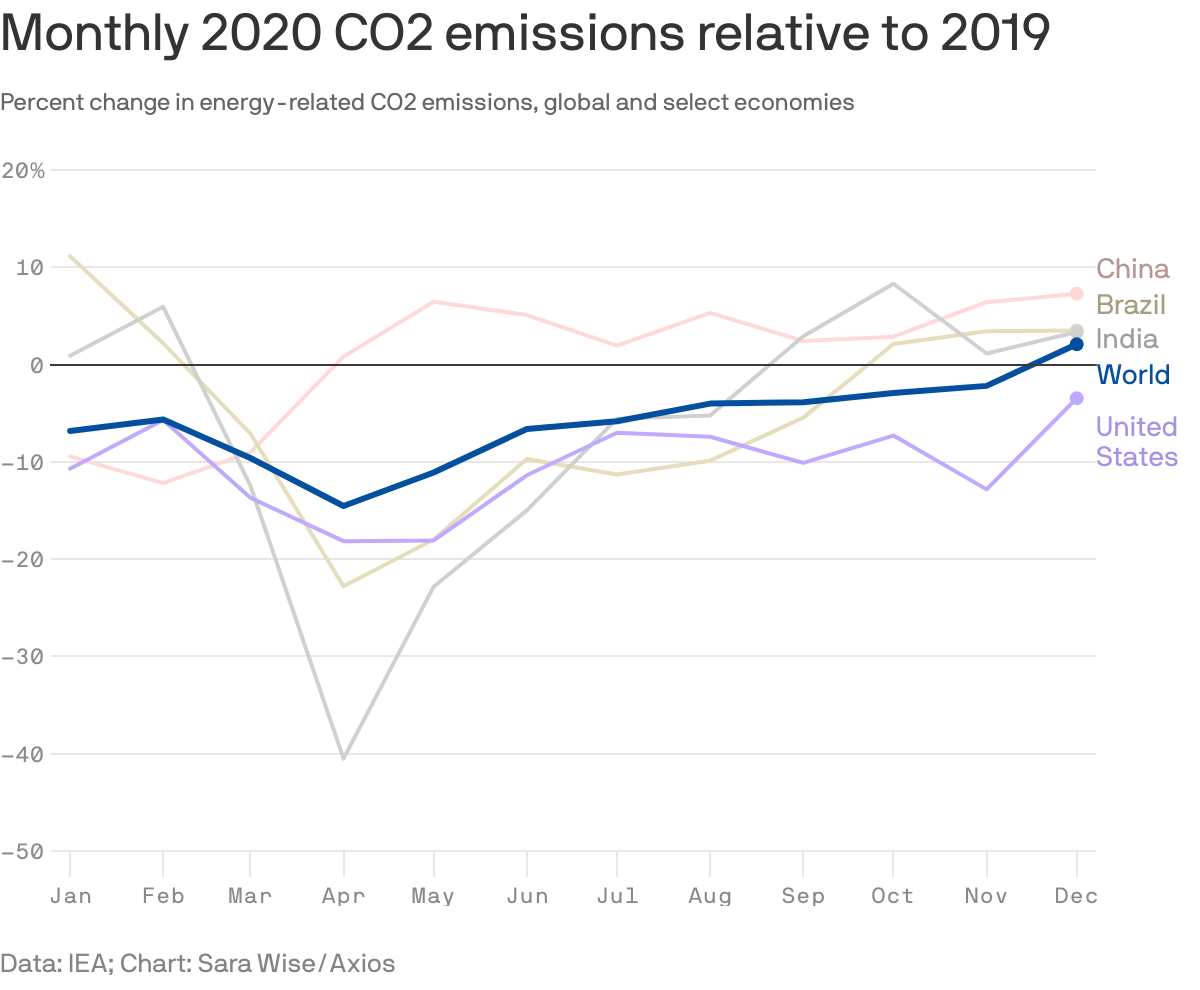
Newly released data show that global CO2 emissions had returned to pre-pandemic levels by the end of last year and surpassed them in some major economies.
Why it matters: The International Energy Agency warned that clean energy efforts are falling short.
Many Americans assume the rest of the country doesn't share their political and policy priorities — but they're often wrong, according to new polling by Populace, first seen by Axios.
Why it matters: The polling reveals that despite growing political polarization, Americans share similar long-term goals and priorities for the country.
Boeing and the Royal Australian Air Force (RAAF) announced Tuesday local time that they've completed the first test flight of a pilotless fighter-like jet devised to operate alongside crewed aircraft.
Why it matters: The "Loyal Wingman" combat drone is serving as the foundation for the Boeing Airpower Teaming System being developed for the company's global defense customers. It has the potential to "revolutionize the RAAF's air combat tactics playbook," per The Drive.
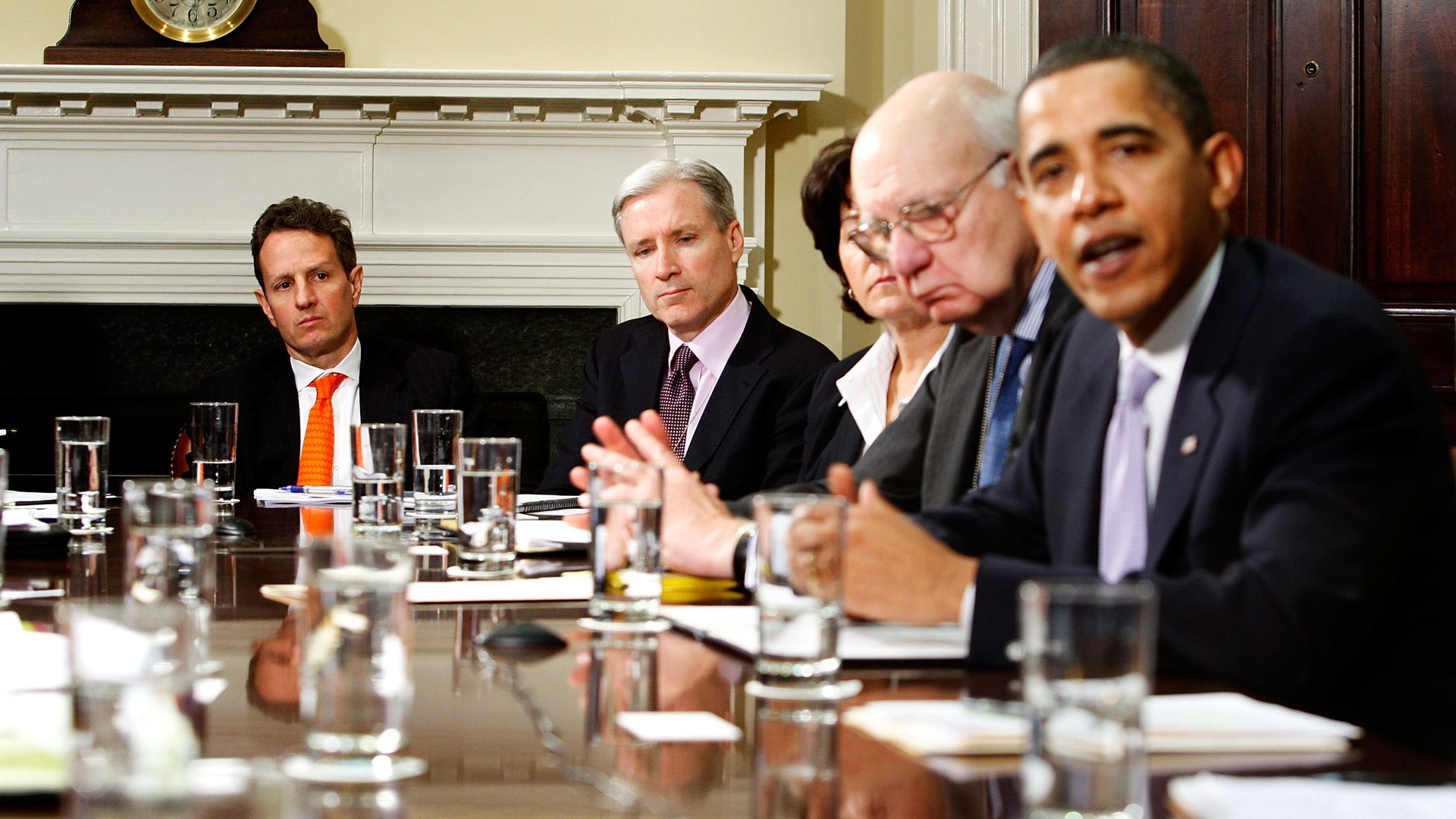
Mark Gallogly, a Wall Street veteran and big-dollar Democratic donor, is joining John Kerry’s international climate team, people familiar with the matter tell Axios.
Why it matters: Hiring someone with Gallogly’s experience is an indication Kerry plans to leverage markets and investing strategies to address climate change. Gallogly is the highest-profile New York investor to sign on to the Biden administration.