California's new insurance commissioner, Ricardo Lara, has received an administrative petition from consumer and environmental advocates requesting that insurance companies be required to disclose their underwriting of fossil fuel investments, given the growing impact on California of natural disasters exacerbated by climate change.
Why it matters: Globally, natural disasters cost $337 billion in 2017. As the ultimate bearer of risk in the financial system, the insurance industry has a stake in mitigating climate change, which has played a role in driving up these costs.
NEW YORK — A power technology conglomerate, known mostly for traditional energy sources like natural gas, has launched a new company to provide solar electricity and battery storage.
Why it matters: The announcement from Mitsubishi Hitachi Power Systems Americas, made Monday at the Bloomberg NEF conference, shows how the world's biggest energy and technology companies are adapting to a world, or at least many parts of it, that is demanding cleaner energy sources.
Equinor, the Norwegian oil-and-gas behemoth, is among two new investors in Volta Energy Technologies, a consortium that provides venture financing to startups seeking breakthroughs in battery technology.
Why it matters: The investment is a major sign of how the world's biggest oil companies are diversifying into low-carbon vehicle and grid tech, even though it remains a small part of their portfolios.
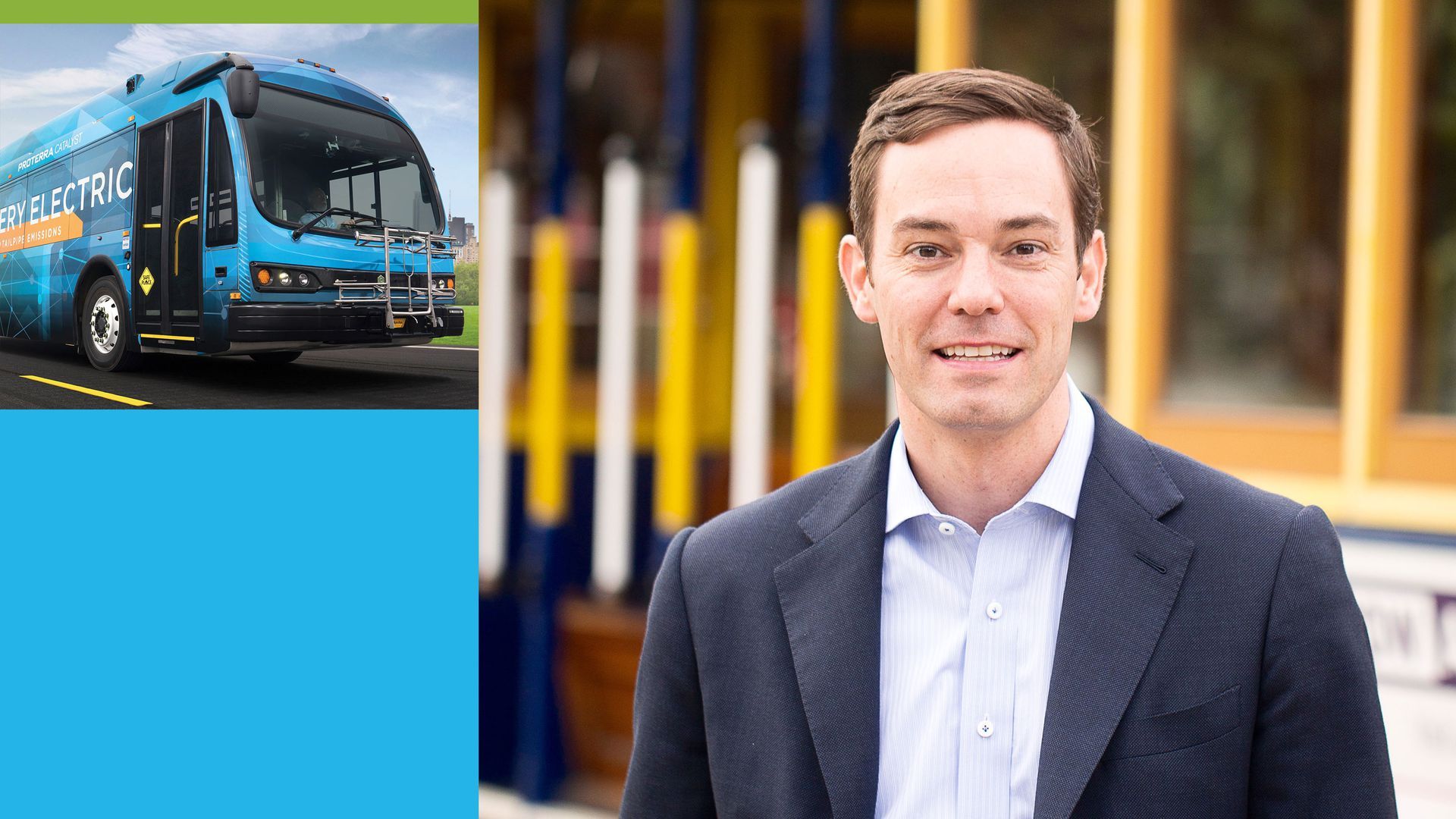
Electric buses are having a moment as falling battery costs make them increasingly competitive with diesel vehicles, and local and state clean air policies help drive deployment.
Driving the news: Major oil companies have approached electric bus maker Proterra — a heavyweight in the U.S. market with more than 300 buses delivered to cities and transit agencies and hundreds more on order — about investing in the company, but CEO Ryan Popple tells me he's steering clear for now.
The Federal Reserve waded unambiguously into the conversation about climate change this week, as the San Francisco Fed produced a report detailing the potential financial, economic and monetary policy implications of global warming.
Why it matters: In addition to the effects climate change has on businesses, such as "infrastructure damage, agricultural losses and commodity price spikes caused by droughts, floods, and hurricanes," Glenn Rudebusch, a senior policy adviser and executive vice president at the San Francisco Fed, argues climate change is becoming increasingly relevant for monetary policy.
NEW YORK — A power technology conglomerate, known mostly for traditional energy sources like natural gas, has launched a new company to provide solar electricity and battery storage.
Why it matters: The announcement from Mitsubishi Hitachi Power Systems Americas shows how the world’s biggest energy and technology companies are adapting to a world, or at least many parts of it, that is demanding cleaner energy sources.
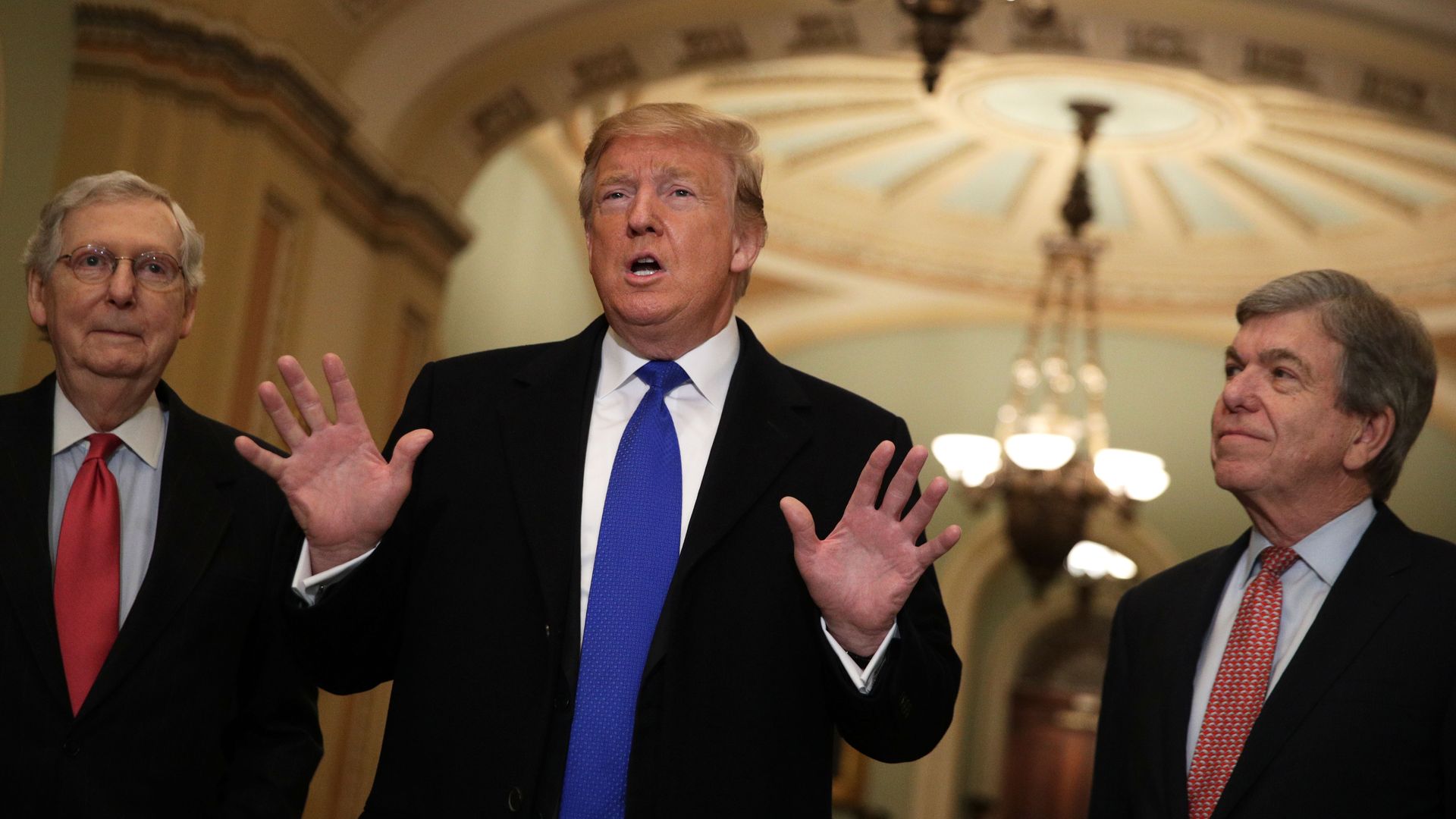
A Senate aide tells Axios that President Trump said he wants to run on the Green New Deal in 2020.
What he's saying: While speaking at Tuesday's Senate Republican lunch, Trump said, "You guys have done a great job on the Green New Deal. But don't kill it too badly, because I want to run on this" in 2020.
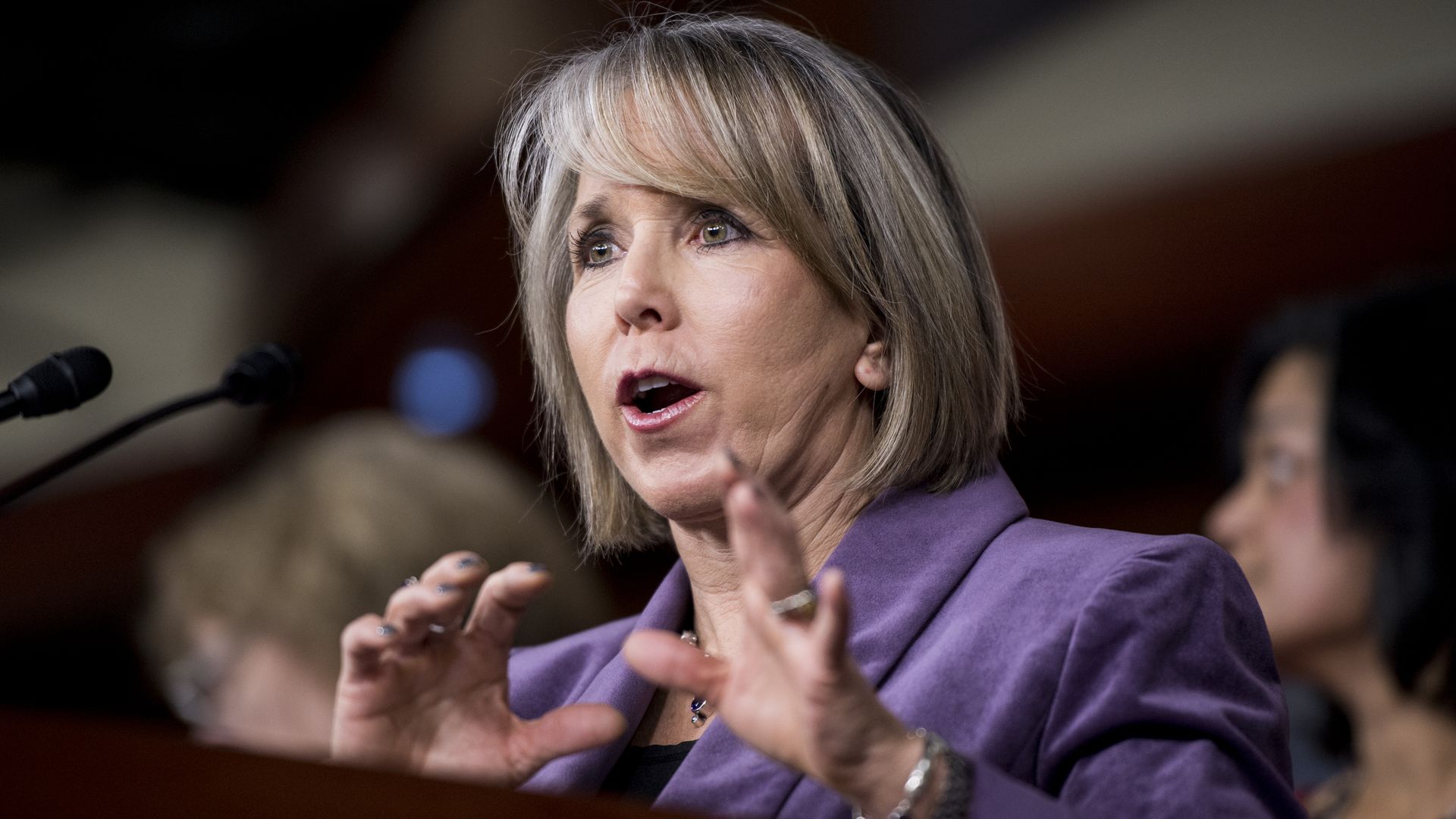
New Mexico Governor Michelle Grisham signed into law on Friday the sweeping “Energy Transition Act” (ETA), which commits the state to 100% carbon-free electricity by 2045, along with interim renewable energy targets.
Why it matters: Despite the fanfare and handwringing in Washington over the Green New Deal, carbon taxes and related measures with little near-term political tractability, improvements in state-level clean energy standards have garnered bipartisan support and made meaningful market impacts.
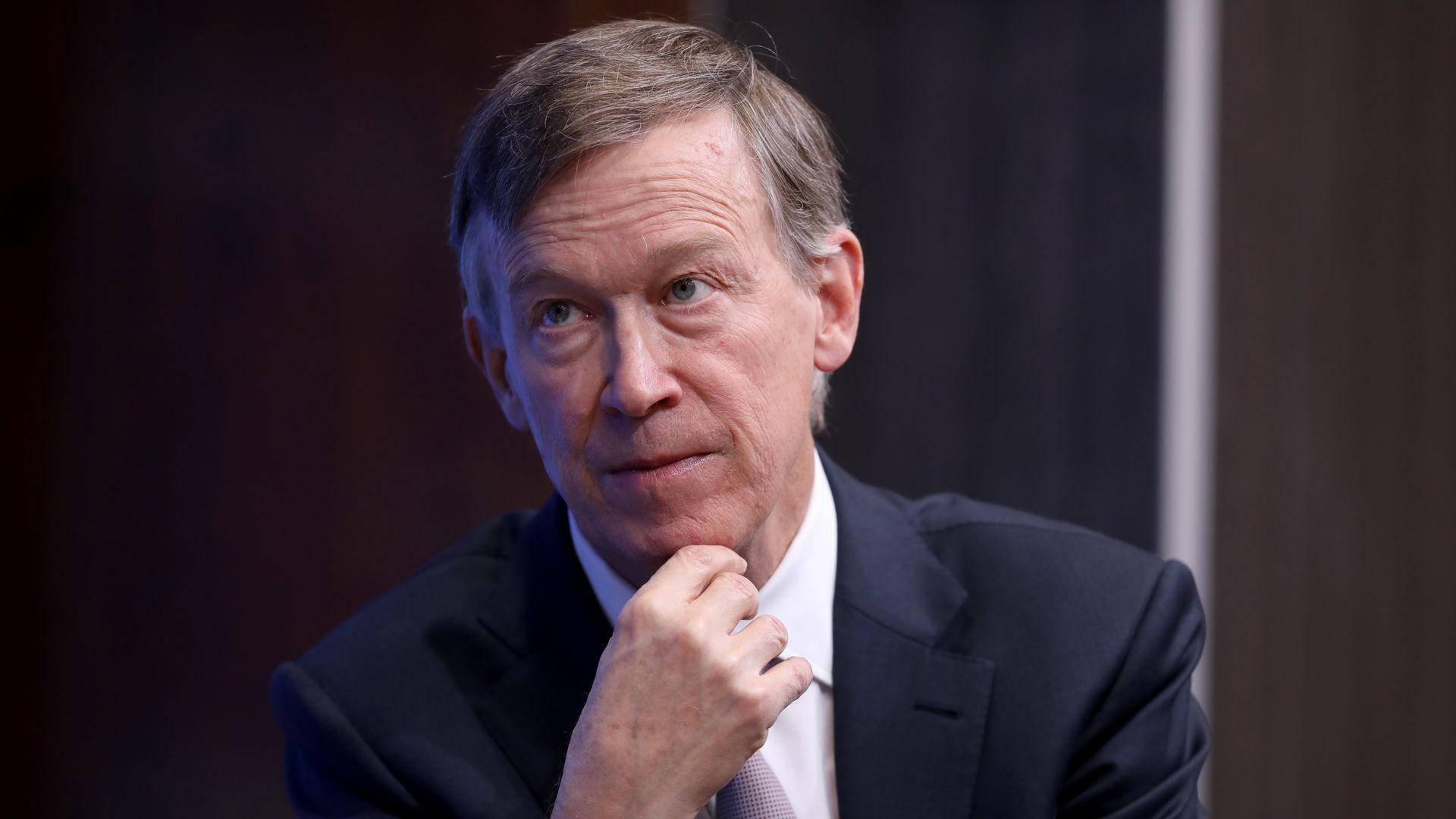
Former Colorado governor and 2020 Democratic hopeful John Hickenlooper denounced the Green New Deal in a Washington Post op-ed published on Tuesday, contending that while he supports the "concept" of the sweeping resolution seeking to combat climate change, it "sets unachievable goals" and would inflate the government.
"Some versions of the Green New Deal, such as the resolution from Rep. Alexandria Ocasio-Cortez (D-N.Y.) and Sen. Ed Markey (D-Mass.) that the Senate is set to vote on Tuesday, express laudable aims but also take an approach that limits our prospects for success ... If climate change policy becomes synonymous in the U.S. psyche with higher utility bills, rising taxes and lost jobs, we will have missed our shot "
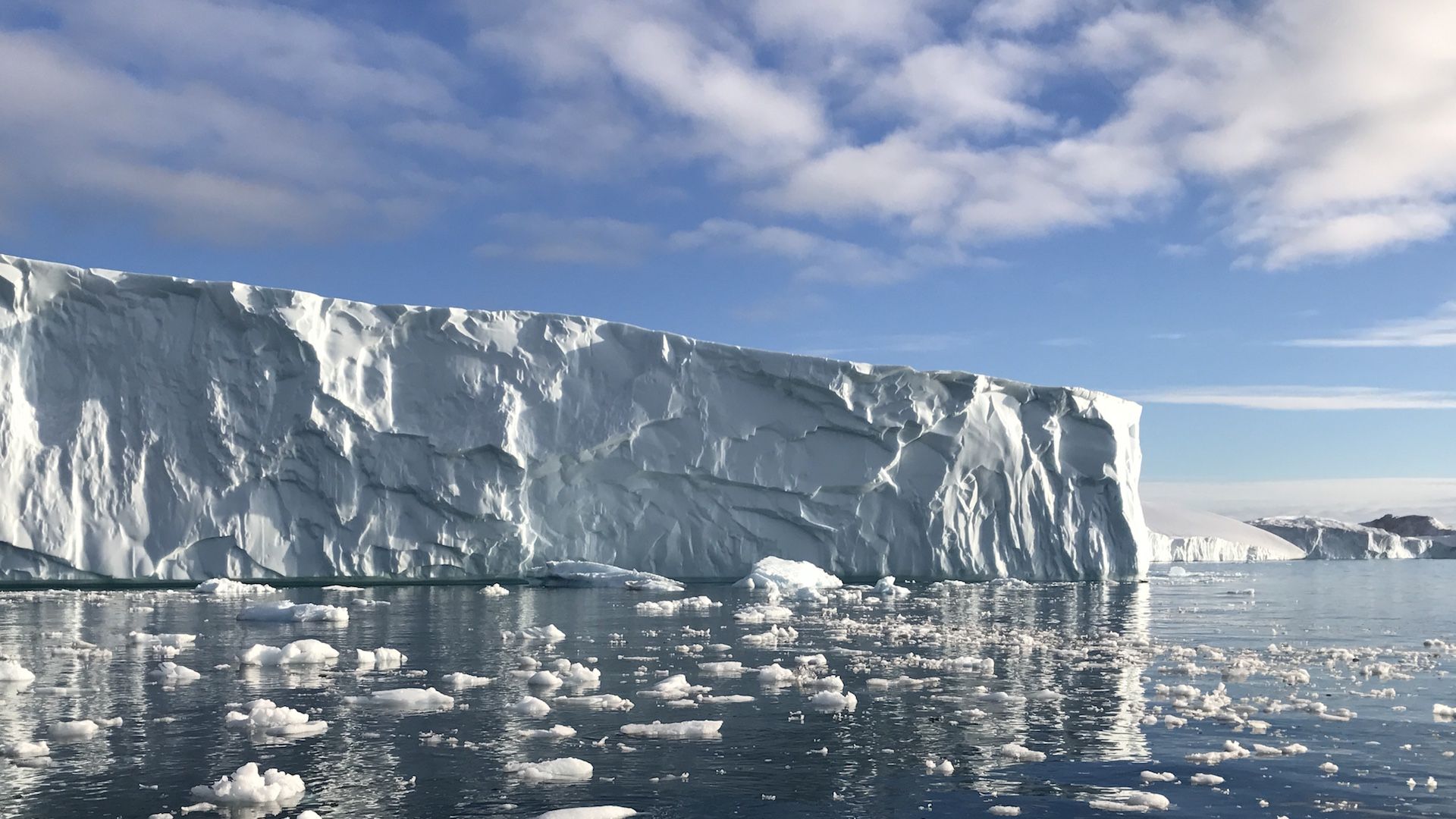
The Jakobshavn Glacier in west-central Greenland, which has been the fastest-flowing and thinning glacier on the vast ice island during the past 20 years, has temporarily slowed its retreat and thickened in the past few years, scientists say.
The big picture: Using new, high-resolution data of ocean currents at and near the glacier's floating ice shelf, NASA researchers were able to show that an influx of cooler waters since 2016 has slowed — but not completely halted — Jakobshavn's rapid melt. The glacier is still adding to global sea level rise, since it continues to lose more ice to the ocean than it gains from snow accumulation, but at a slower rate.
Overall coal demand moved up slightly in 2018, by 0.7%, as higher use in India and China offset declines in Europe and the U.S., according to the IEA data on coal.
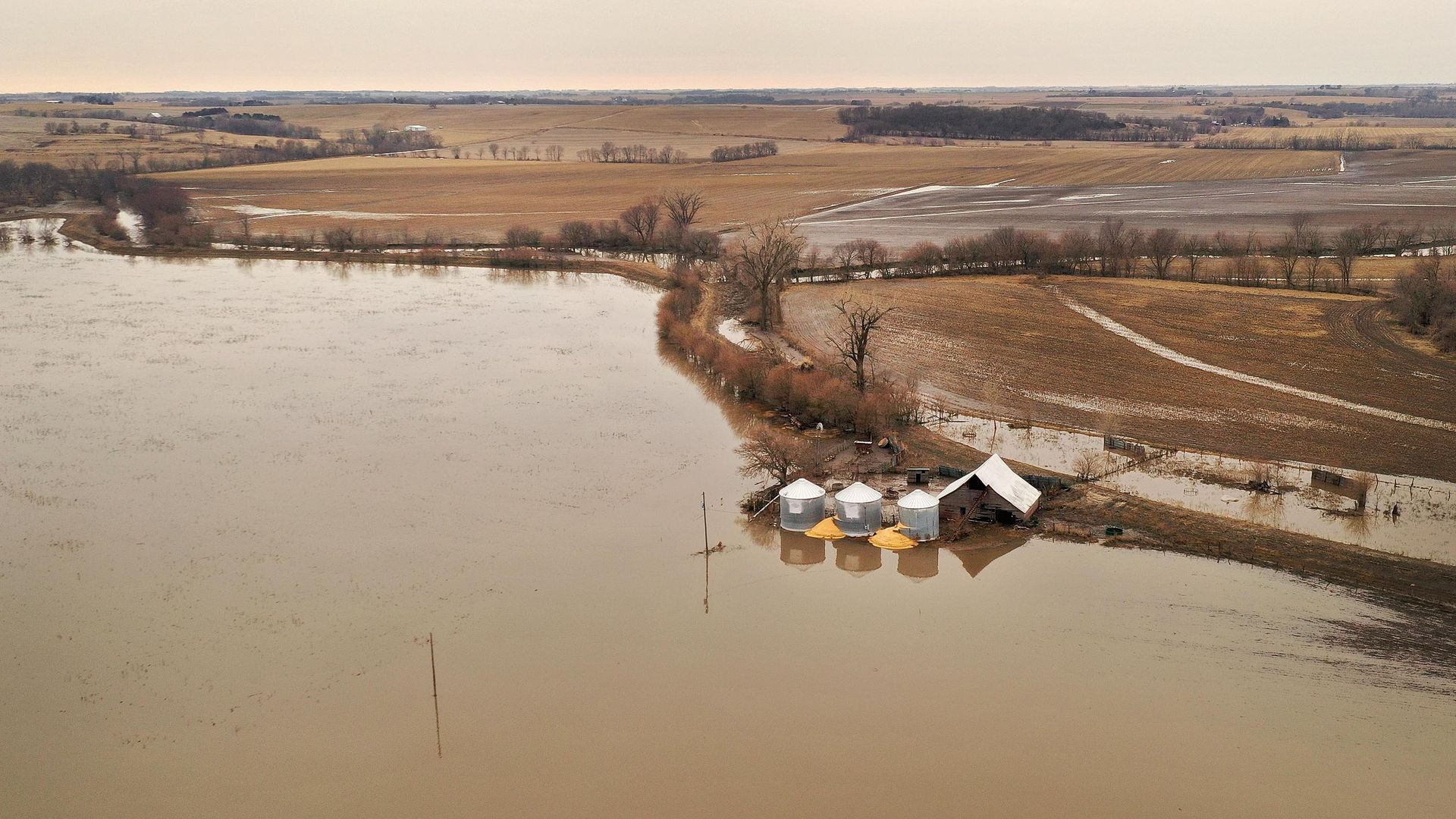
Pine Ridge Reservation residents were stranded without water and the South Dakota Army National Guard activated to help Monday, after flooding washed out a county rural water line and a humanitarian crisis continued to unfold.
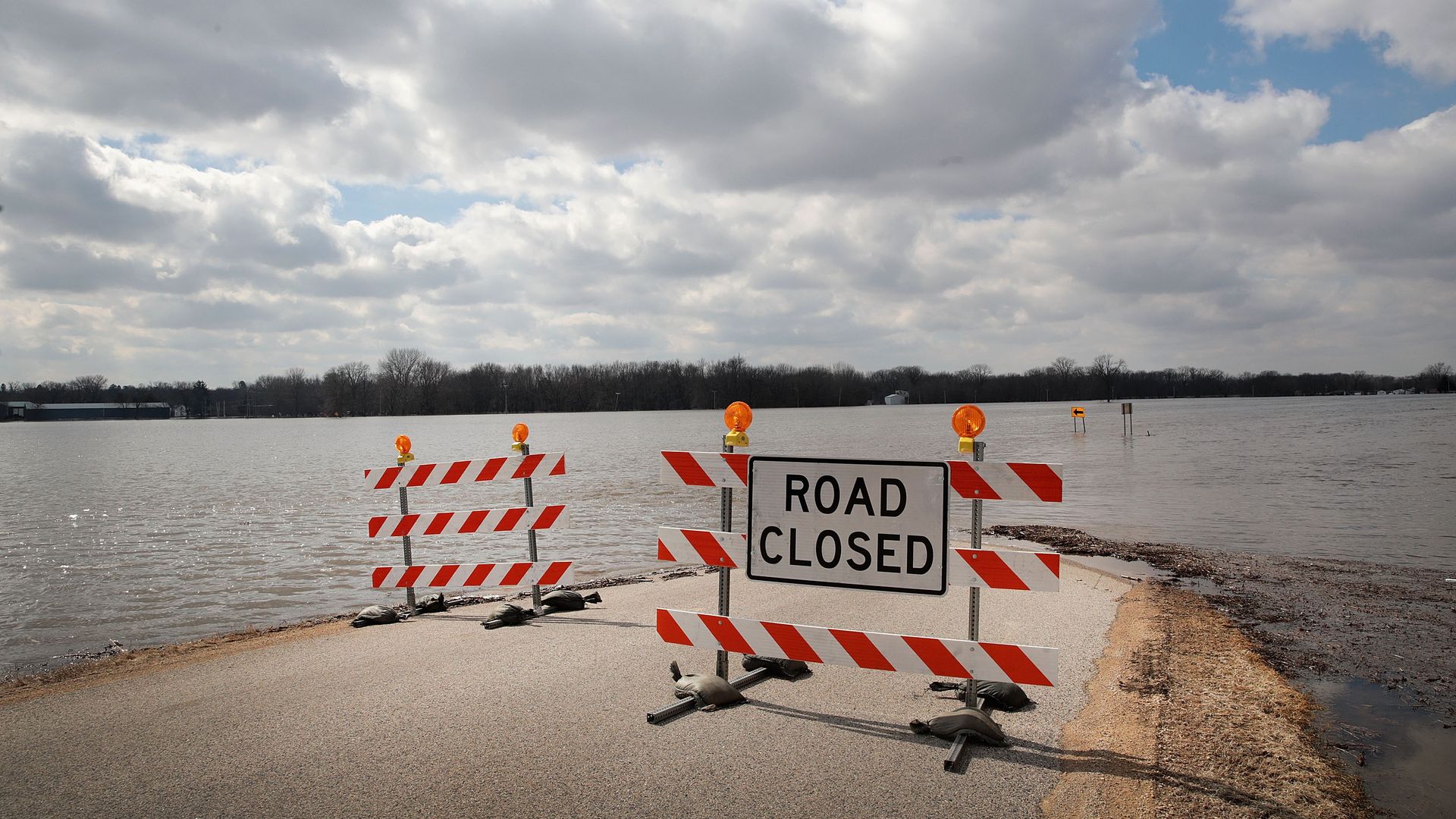
Why it matters: An enormous amount of flooding caused by a blizzard and then melting snow has devastated the usually dry region over the past 2 weeks. It is one of many places in the Midwest to be impacted by deadly flooding, which prompted President Trump to approve a disaster declaration for parts of Nebraska and Iowa. But as some regions slowly begin to recover, the remote reservation remains in crisis.