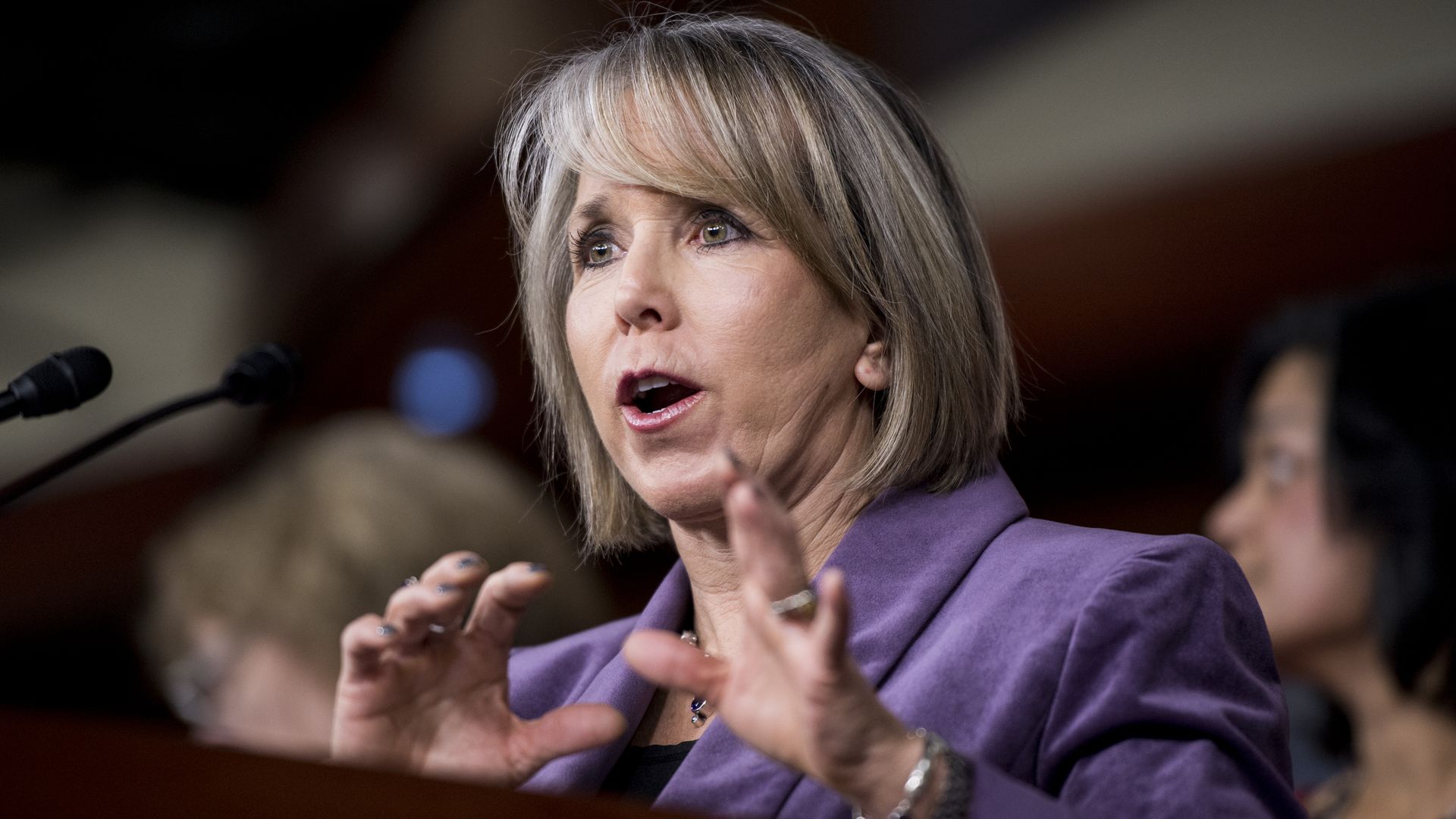
New Mexico Governor Michelle Grisham signed into law on Friday the sweeping “Energy Transition Act” (ETA), which commits the state to 100% carbon-free electricity by 2045, along with interim renewable energy targets.
Why it matters: Despite the fanfare and handwringing in Washington over the Green New Deal, carbon taxes and related measures with little near-term political tractability, improvements in state-level clean energy standards have garnered bipartisan support and made meaningful market impacts.
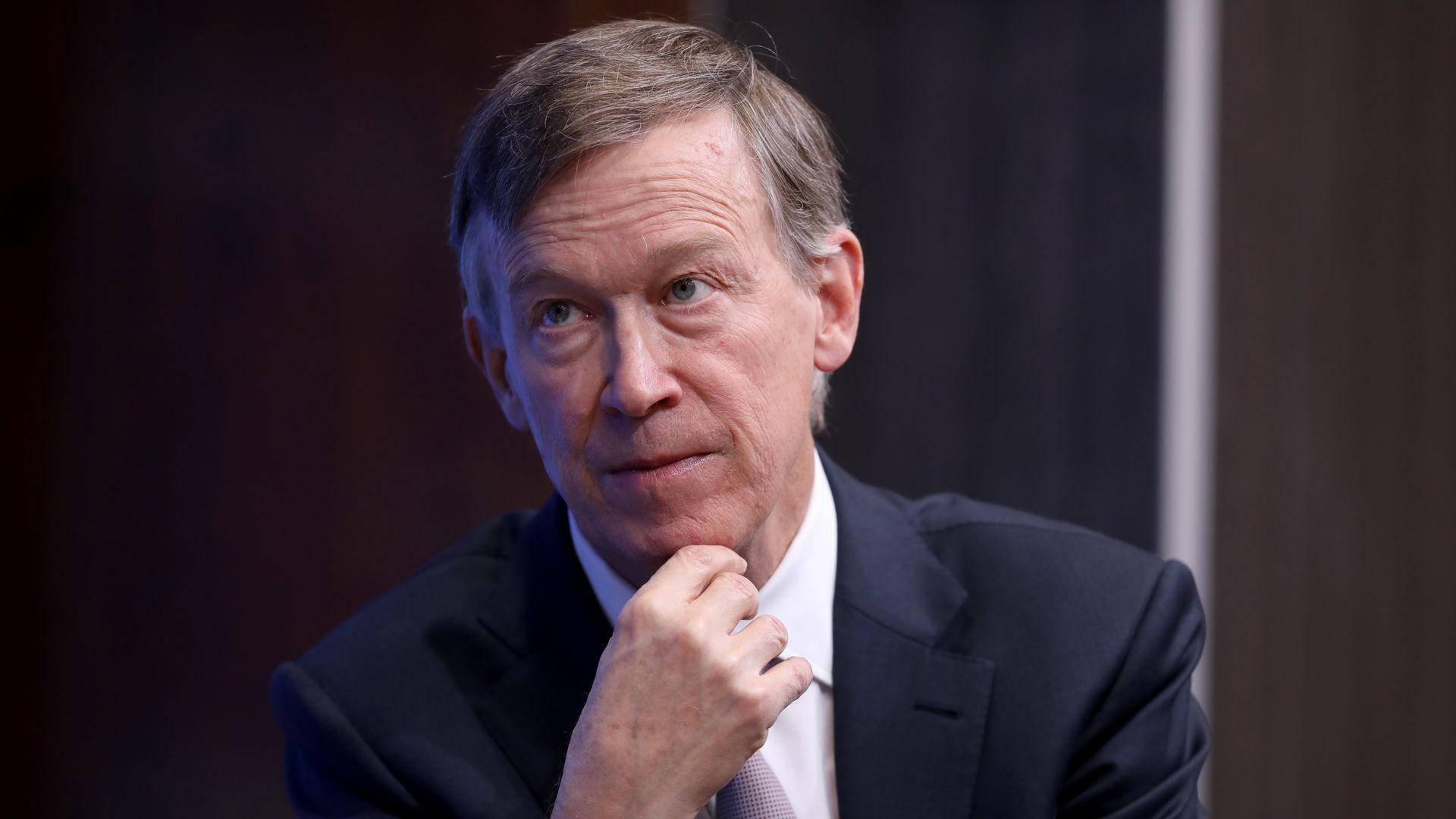
Former Colorado governor and 2020 Democratic hopeful John Hickenlooper denounced the Green New Deal in a Washington Post op-ed published on Tuesday, contending that while he supports the "concept" of the sweeping resolution seeking to combat climate change, it "sets unachievable goals" and would inflate the government.
"Some versions of the Green New Deal, such as the resolution from Rep. Alexandria Ocasio-Cortez (D-N.Y.) and Sen. Ed Markey (D-Mass.) that the Senate is set to vote on Tuesday, express laudable aims but also take an approach that limits our prospects for success ... If climate change policy becomes synonymous in the U.S. psyche with higher utility bills, rising taxes and lost jobs, we will have missed our shot "
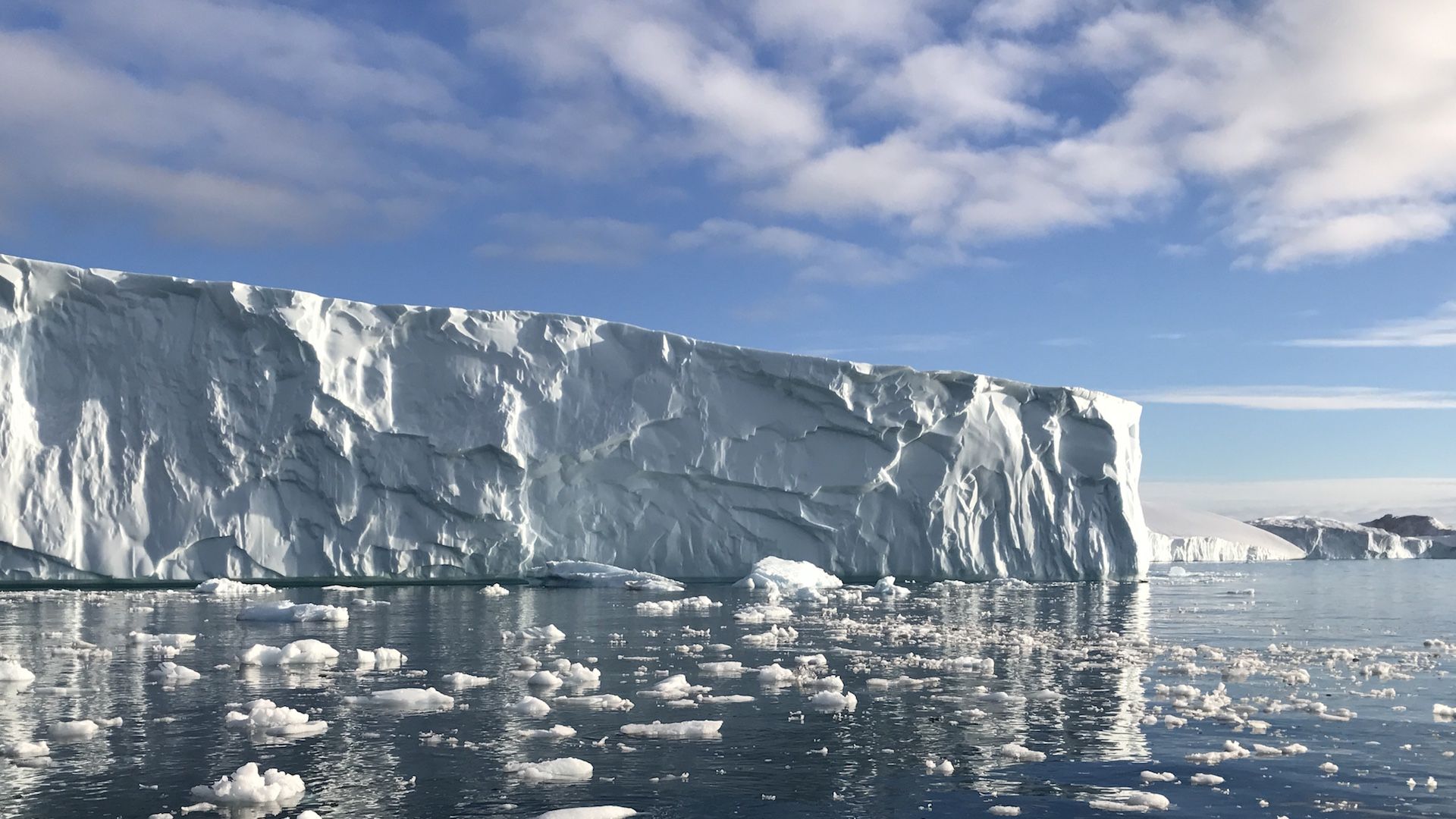
The Jakobshavn Glacier in west-central Greenland, which has been the fastest-flowing and thinning glacier on the vast ice island during the past 20 years, has temporarily slowed its retreat and thickened in the past few years, scientists say.
The big picture: Using new, high-resolution data of ocean currents at and near the glacier's floating ice shelf, NASA researchers were able to show that an influx of cooler waters since 2016 has slowed — but not completely halted — Jakobshavn's rapid melt. The glacier is still adding to global sea level rise, since it continues to lose more ice to the ocean than it gains from snow accumulation, but at a slower rate.
Overall coal demand moved up slightly in 2018, by 0.7%, as higher use in India and China offset declines in Europe and the U.S., according to the IEA data on coal.
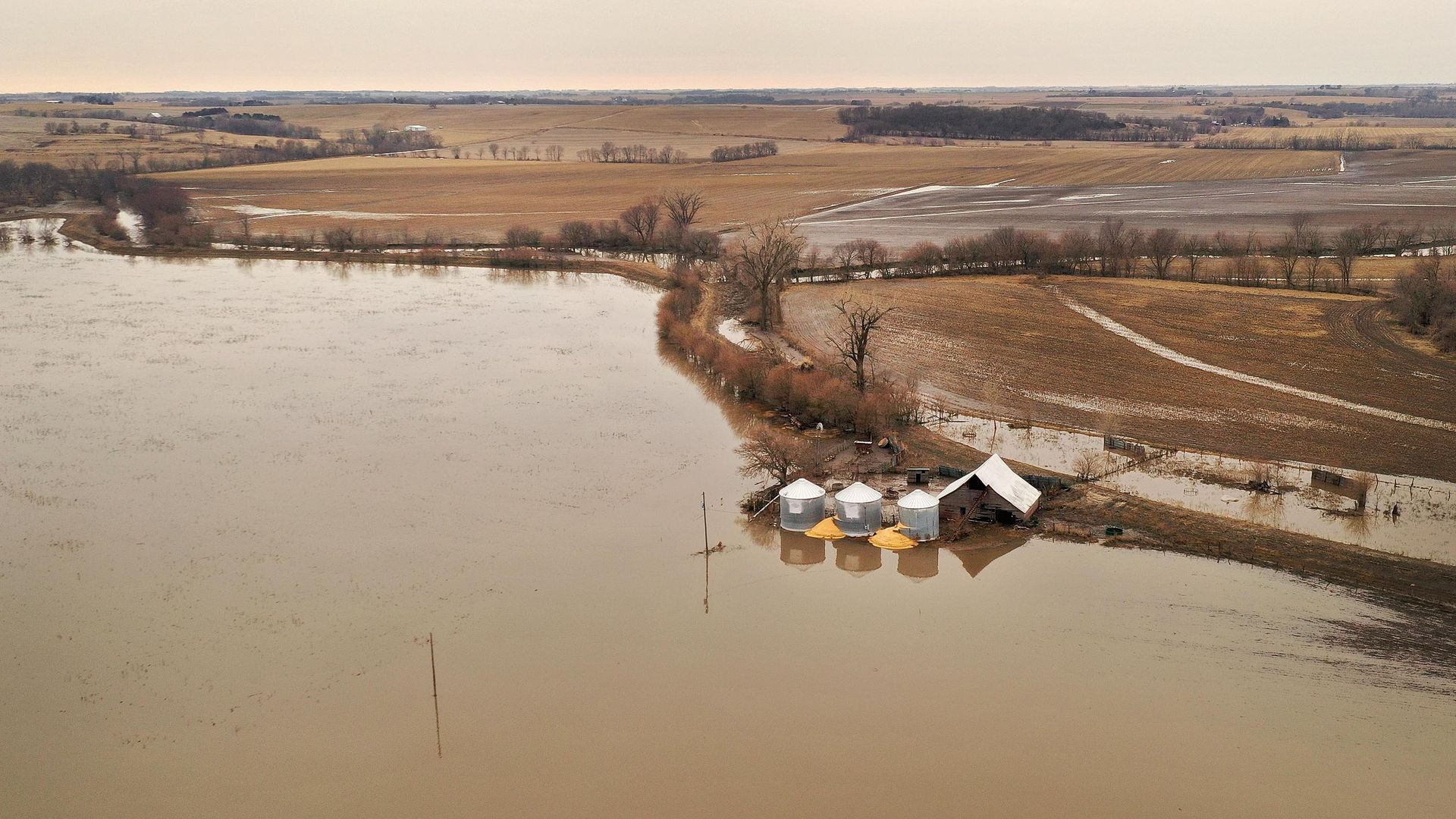
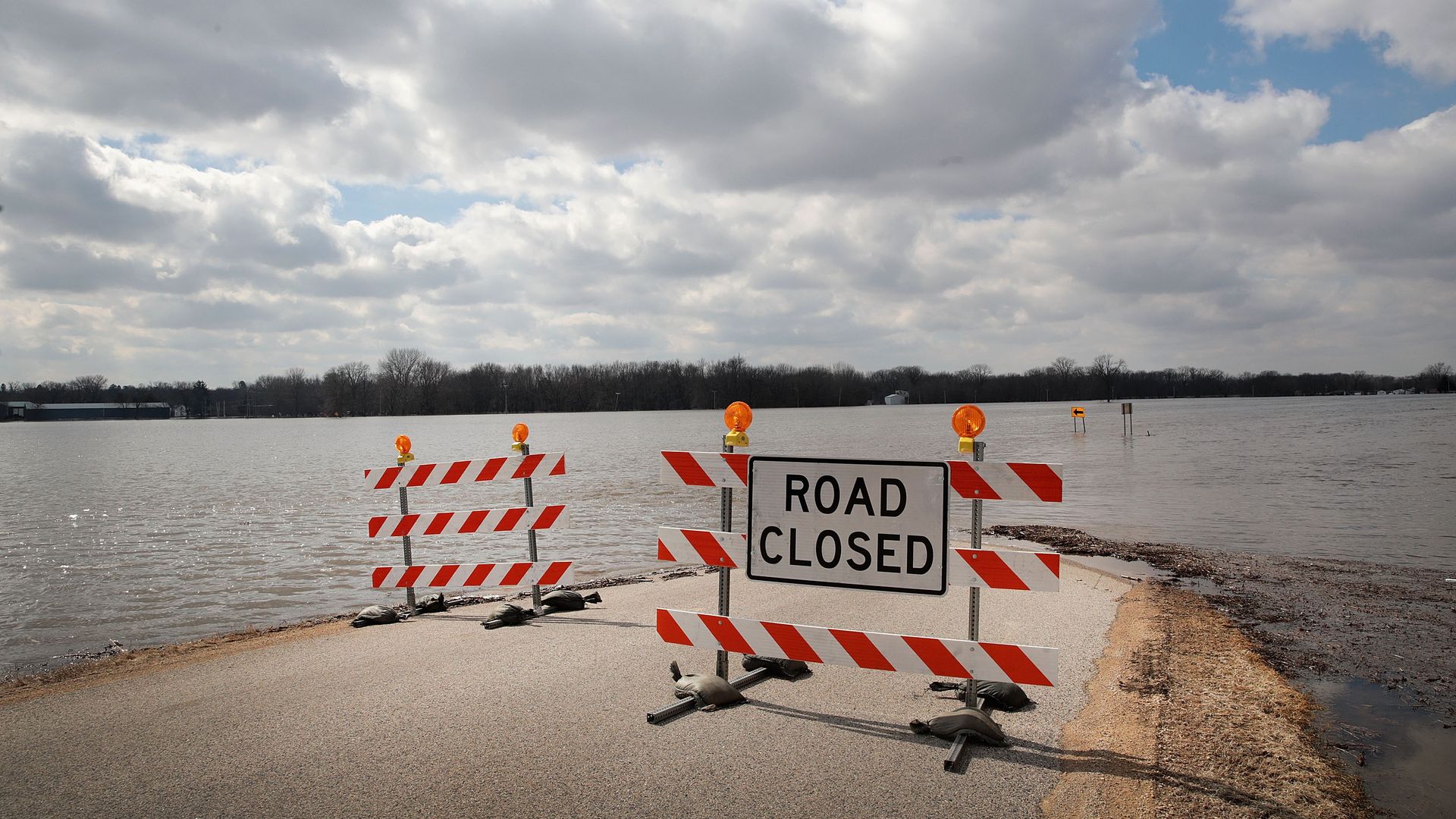
Pine Ridge Reservation residents were stranded without water and the South Dakota Army National Guard activated to help Monday, after flooding washed out a county rural water line and a humanitarian crisis continued to unfold.
Why it matters: An enormous amount of flooding caused by a blizzard and then melting snow has devastated the usually dry region over the past 2 weeks. It is one of many places in the Midwest to be impacted by deadly flooding, which prompted President Trump to approve a disaster declaration for parts of Nebraska and Iowa. But as some regions slowly begin to recover, the remote reservation remains in crisis.
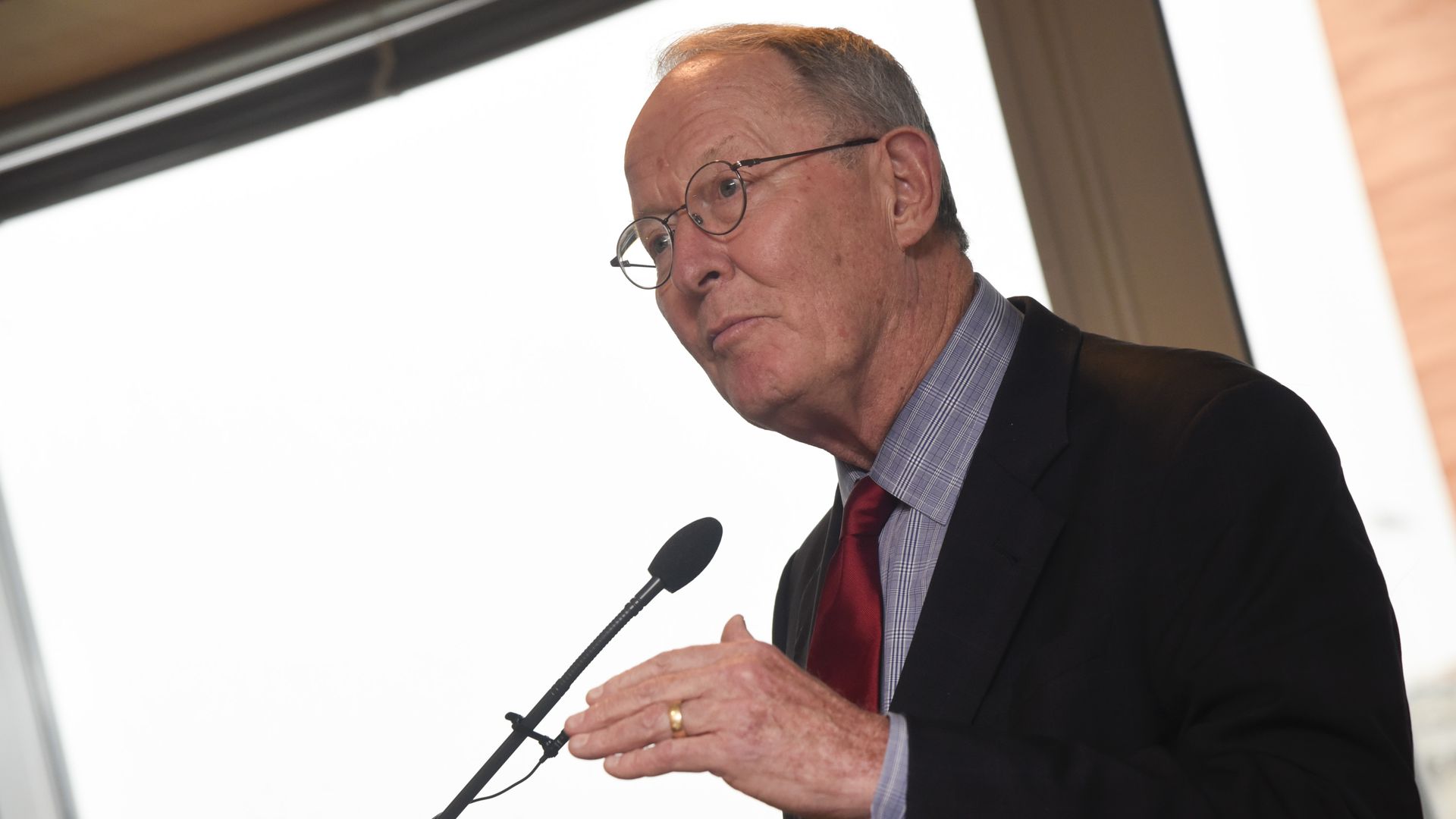
Retiring Sen. Lamar Alexander (R-Tenn.) said on the Senate floor Monday that he believes climate change is real and that human emissions of greenhouse gases are a major cause — but that Democrats' "Green New Deal" is "so far out in left field that no one is going to take it seriously."
Why it matters: Alexander proposed a plan of his own called "The New Manhattan Project for Clean Energy," which argues that the United States' "extraordinary capacity for basic research" should be used to combat "10 Grand Challenges" in the next five years. Alexander said that meeting these challenges "would create breakthroughs in advanced nuclear reactors, natural gas, carbon capture, better batteries, greener buildings, electric vehicles, cheaper solar and fusion."
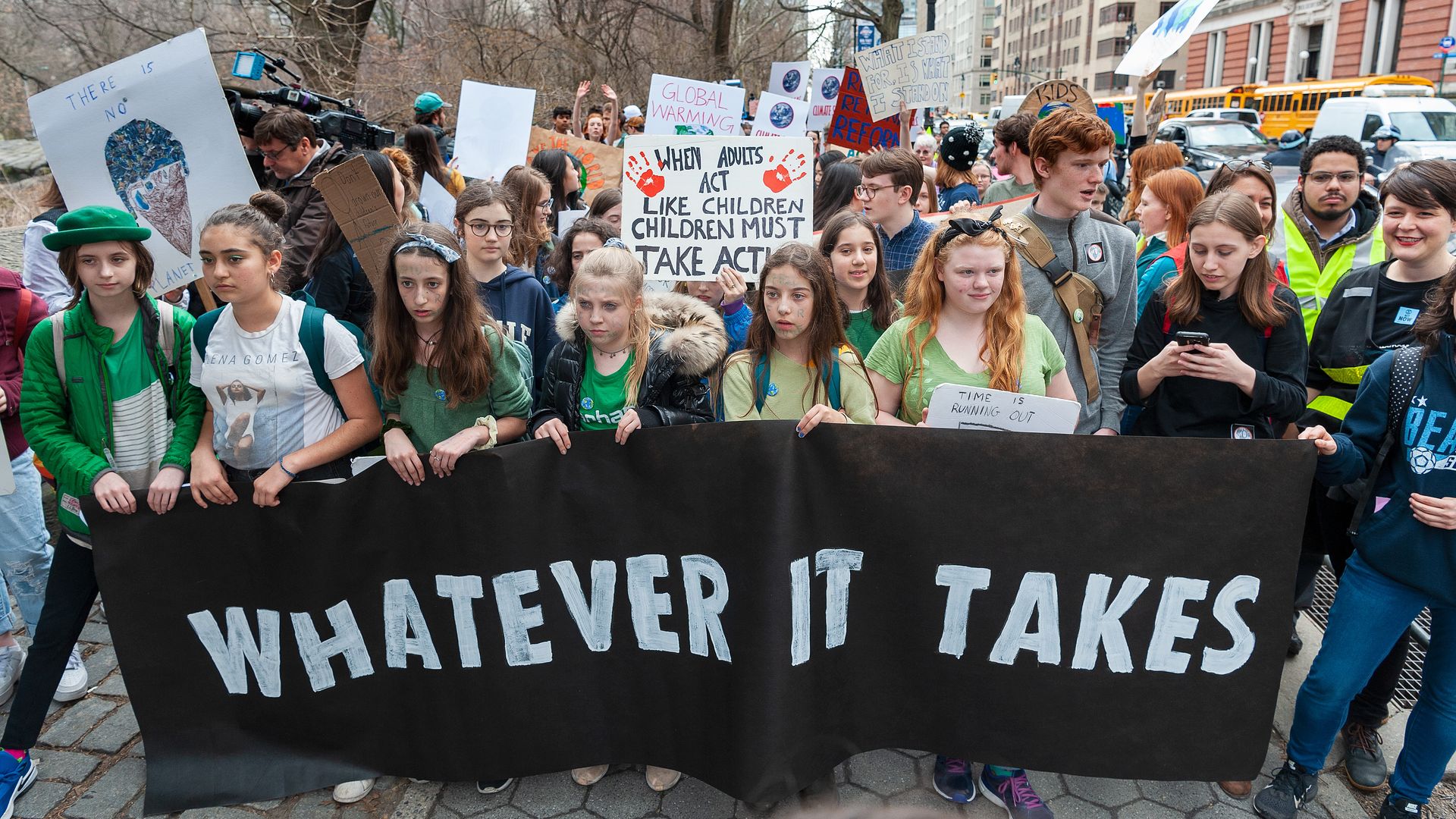
Recently released polling brings fresh evidence that young adult Americans are more worried about climate change than the overall adult population.
By the numbers: A Pew Research Center survey shows that 79% of adults aged 18–29 are very or fairly worried about climate change when they think about the future of the country. That's compared to 69% for adults as a whole. There's also a sharp partisan divide.
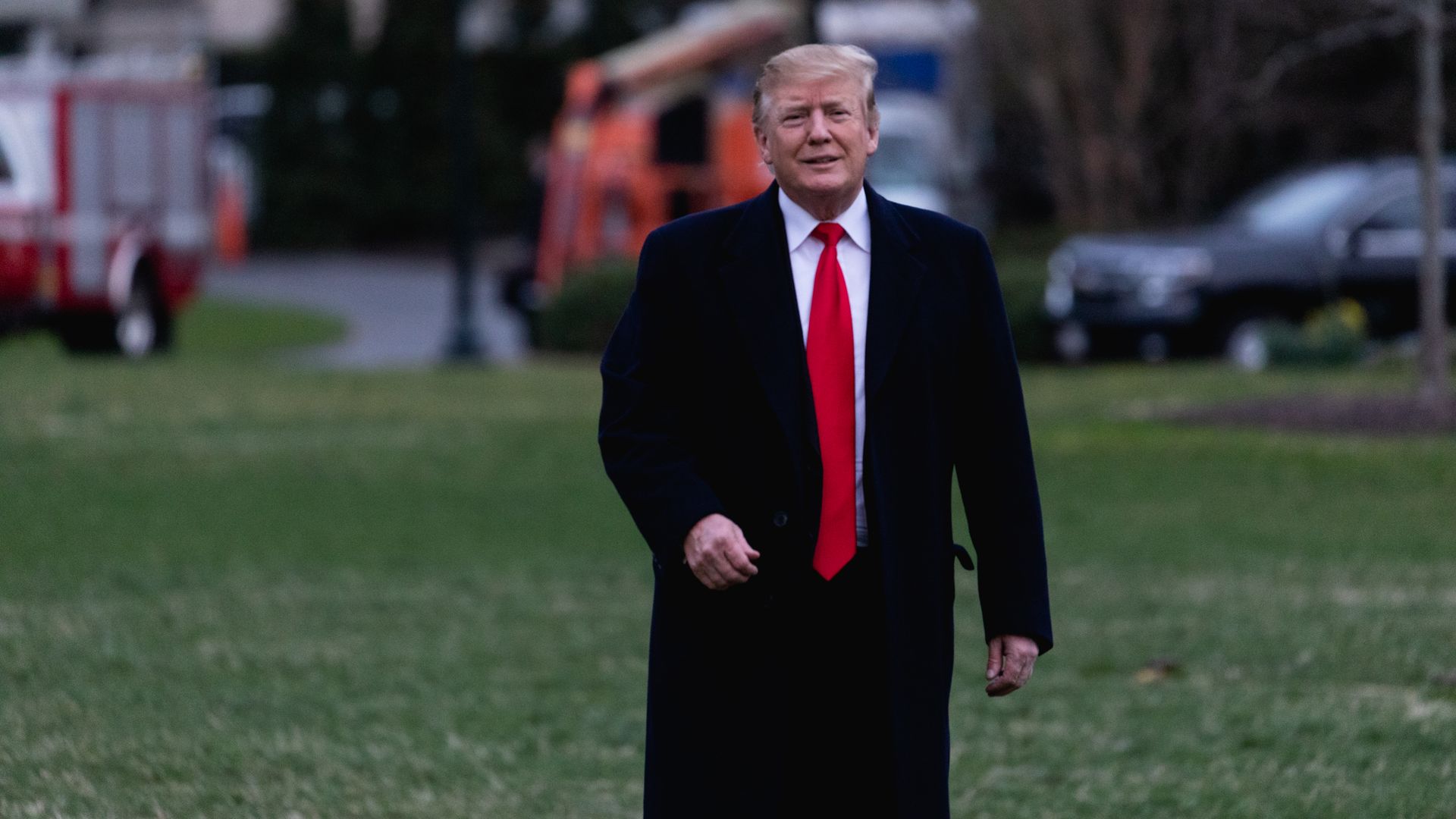
Donald J. Trump has twice gone to war with Democrats and most of the American media — and won both times, dramatically and consequentially.
The big picture: The one-two gut punch to his critics — first, beating Hillary Clinton, and now, vindication from Robert Mueller — won't just define his first term in office. It'll shape and sharpen his argument for re-election — and his war against the anti-Trump media.