Wednesday's energy & climate stories

Pompeo's petro-rallying cry
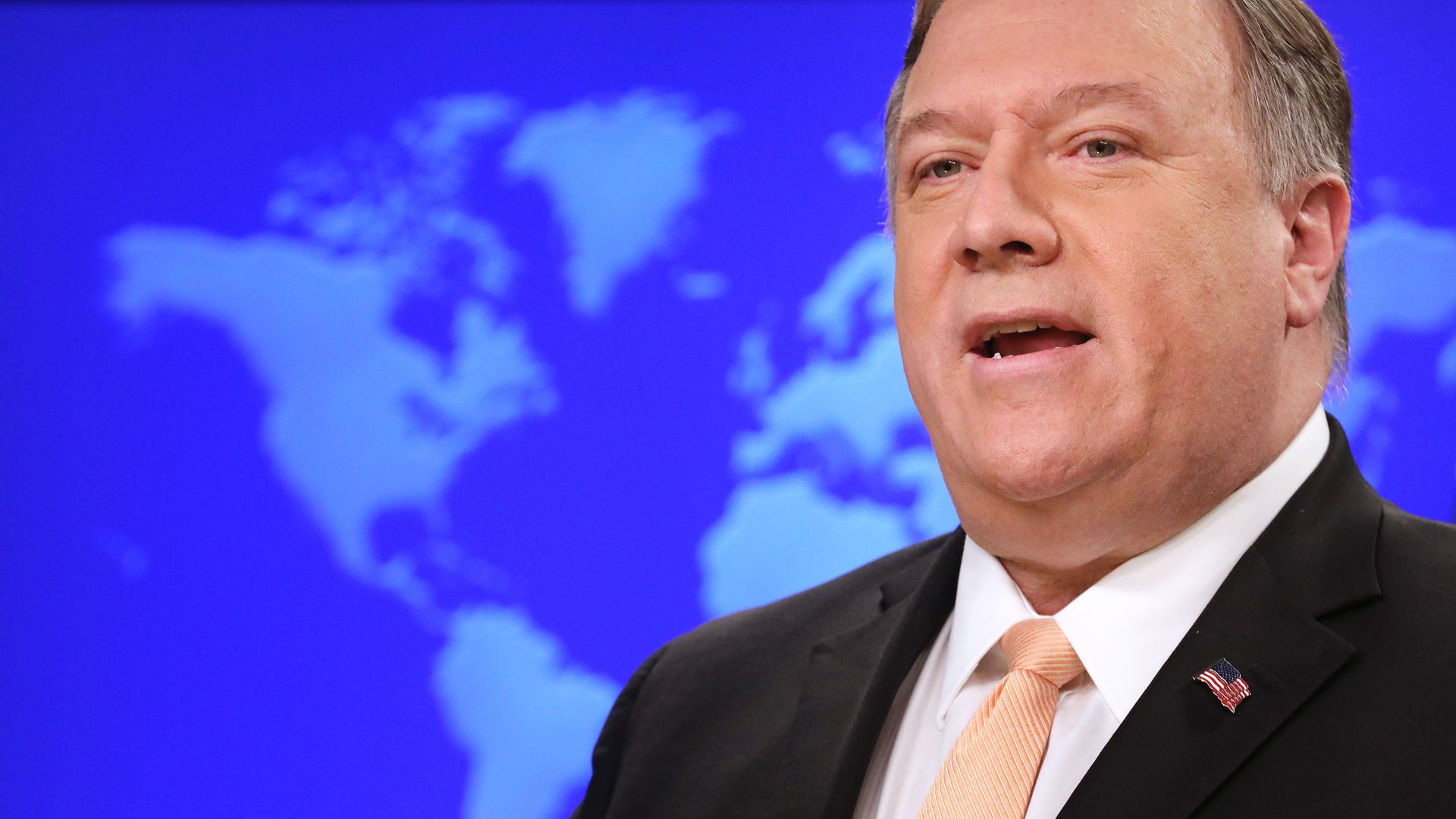
HOUSTON — Secretary of State Mike Pompeo told a room full of energy executives last night that the U.S. oil-and-gas boom is a vital diplomatic and commercial tool in support of the country's foreign policy goals.
Why it matters: As Reuters and others pointed out, the speech was notable in its enlistment of the industry as an ally to advance U.S. geopolitical goals. It casts the U.S. rise into a petro-superpower as a check on Iran, Russia and elsewhere. He also talked up efforts to help allies develop their own resources.

The age of American oil

The U.S. has taken the global oil market by storm — becoming the world's largest oil producer in 2018 and on track to surpass Russia and perhaps even Saudi Arabia to become the world's top exporter by 2024.
Why it matters: Thanks to the end of a 40-year-old crude oil export ban signed by President Obama, a shale boom and a host of geopolitical sea changes, the U.S. is poised to reshape the global oil market over the next 10 years and beyond.
Debating the future of electric vehicles in oil country

The rise of EVs and autonomous tech is in focus at the huge CERAWeek by IHS Markit conference.
The big picture: Major oil companies are boosting their investments in EV charging tech. The trajectory of EVs will also influence global oil demand growth (although they're just one of many factors like growth in petrochemicals, shipping, and aviation).

Real estate is emerging as an AV battleground

As leading autonomous vehicle companies seek to bring “robotaxis” to market, their competition could extend from AI-powered software into a new arena: real estate.
The big picture: Today's ride-hailing companies are software-only platforms. But as AV technology goes commercial, companies that plan to own and operate fleets of robotaxis — including Waymo and GM Cruise — will need considerable real estate footprints to store, clean, refuel and repair thousands of vehicles.

Natural gas exec: Trump team was slow on export permits
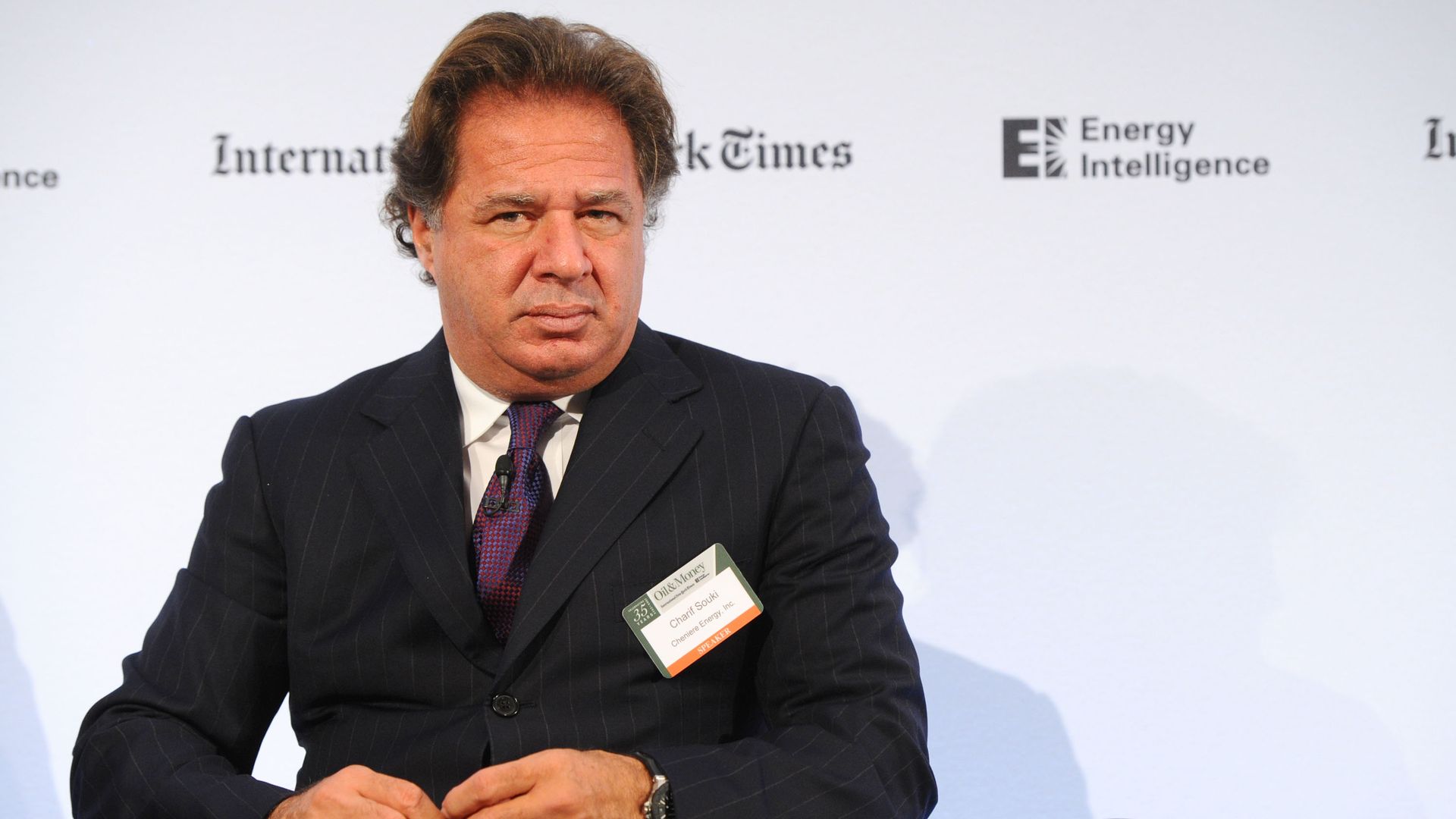
A top natural gas executive, Charif Souki, praised the Trump administration’s rhetoric supporting natural gas but chided it for being slow out of the gate in approving permits to export the fuel.
The big picture: Rhetoric matters, but action matters more, and here President Trump has actually been slower than his predecessor.

New Zealand prime minister backs students' global climate strikes
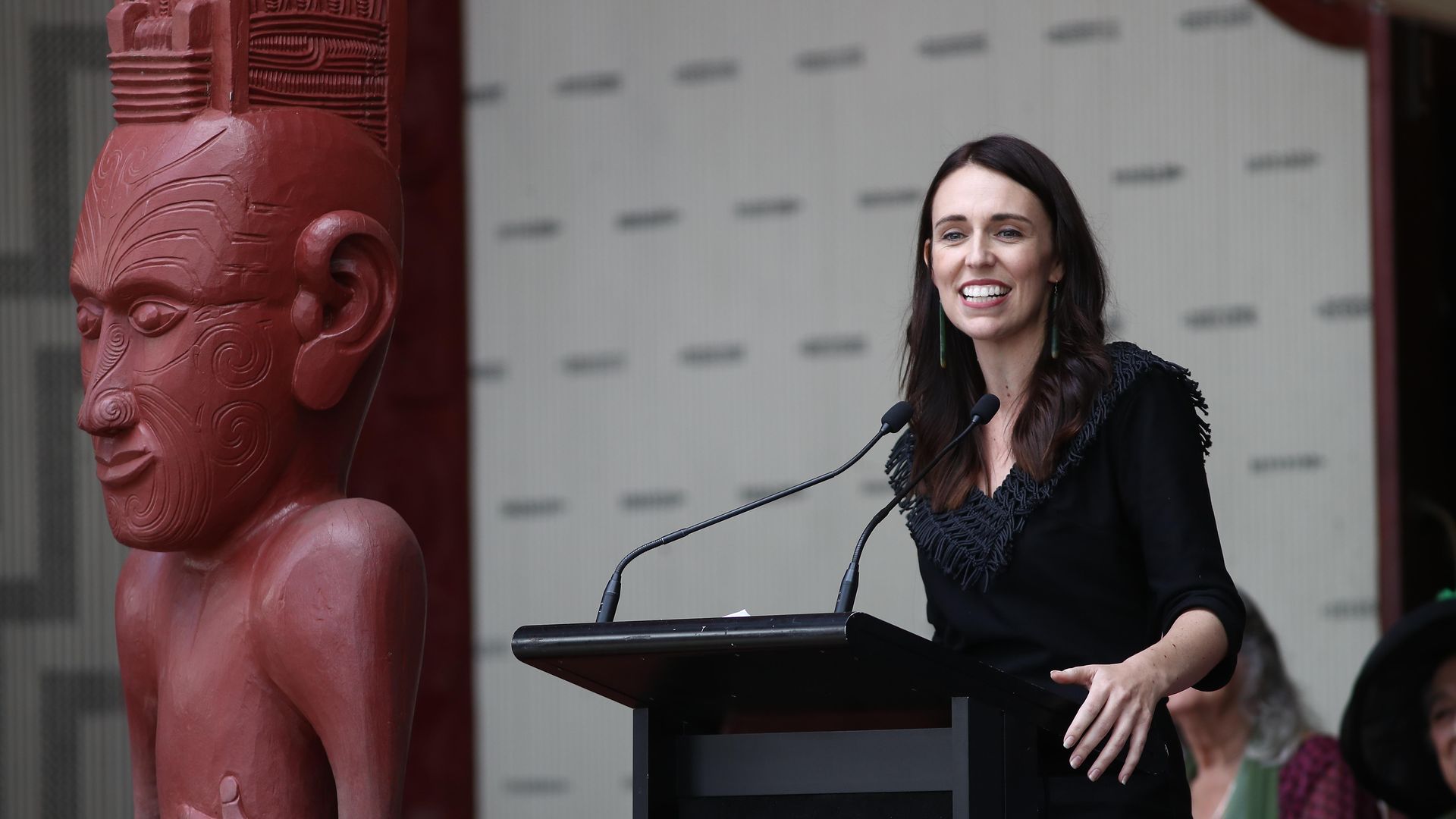
New Zealand Prime Minister Jacinda Ardern on Wednesday backed a youth movement pressing governments to act on climate change, ahead of student strikes in countries including the U.S. Friday.
What she's saying: "Don’t underestimate the power of your voice," Ardern told students during a debate in the New Zealand capital, Wellington. "Too often we make this assessment that to make an impact we have to be of voting age. That is not the case.”
Why it matters: Thousands of students in 71 countries plan to skip school Friday. Students in more than 100 U.S. cities plan to join the global strike action. The protests have been criticized by politicians including Australia's Prime Minister Scott Morrison, who said: "What we want is more learning in schools and less activism in schools."
Go deeper: Across Europe, students demand climate change action
Editor's note: This article has been corrected to remove a reference to Ilhan Omar, which originally incorrectly stated:
- "Among the strike leaders in the United States is Isra Hirsi, the younger sister of Rep. Ilhan Omar (D-Minn.), who has also thrown her support behind the strikes. "

Unusually strong storm to grow into raging blizzard across U.S. Plains
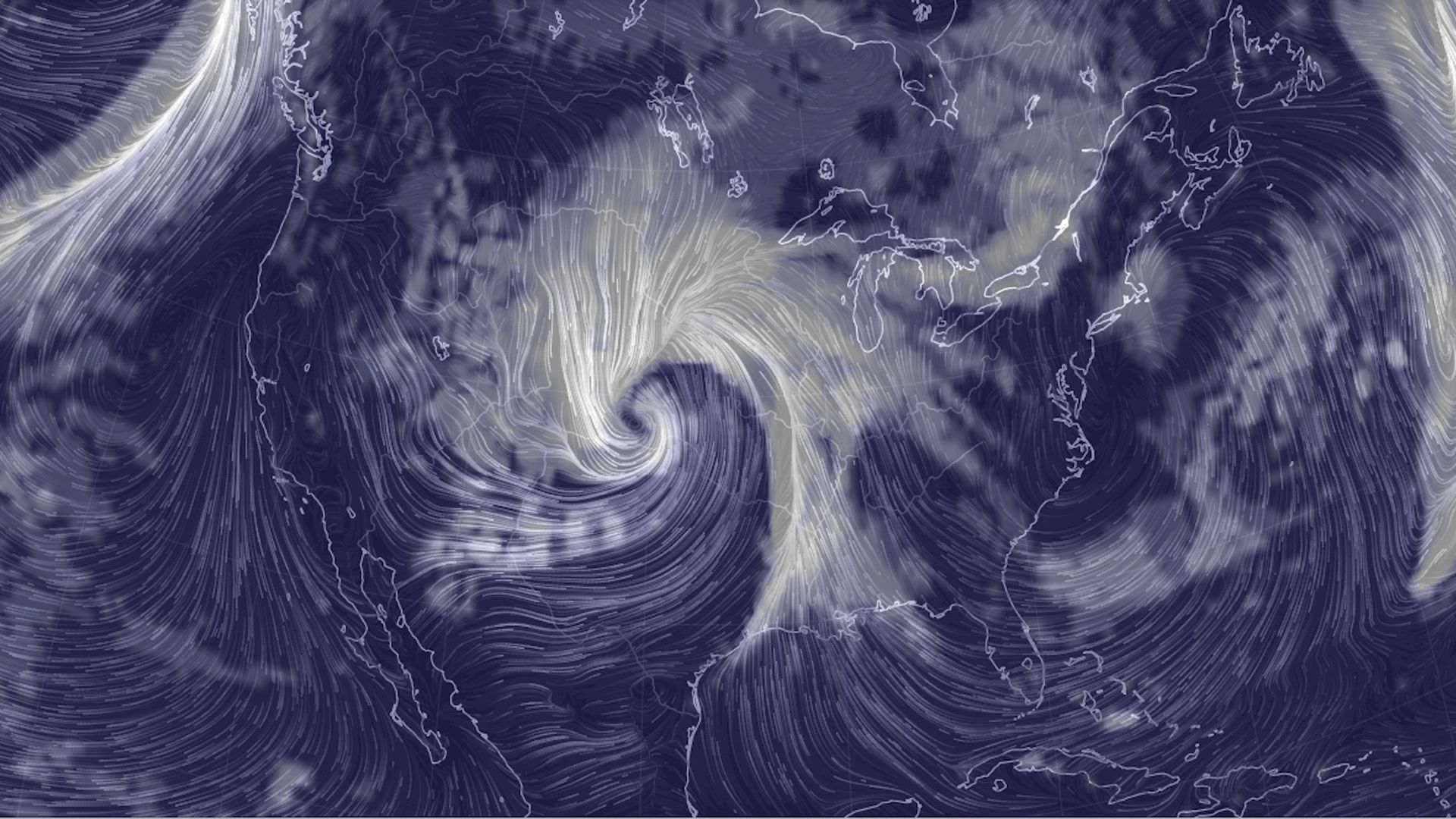
A storm is forecast to move out of the Southwest and rapidly intensify over the plains of Colorado, Oklahoma and Kansas on Wednesday, bringing a wide array of life-threatening weather hazards for a large part of the country.
Why it matters: The storm is likely to intensify at a rate that will qualify it as a meteorological "bomb" — short for bombogenesis, which describes non-tropical storms whose central pressure drops by at least 24 millibars in 24 hours. In fact, this storm is likely to rival some of the most intense weather systems on record in parts of the Plains, as measured by its minimum central air pressure.
OPEC on Trump tweets, legislation allowing lawsuits against it
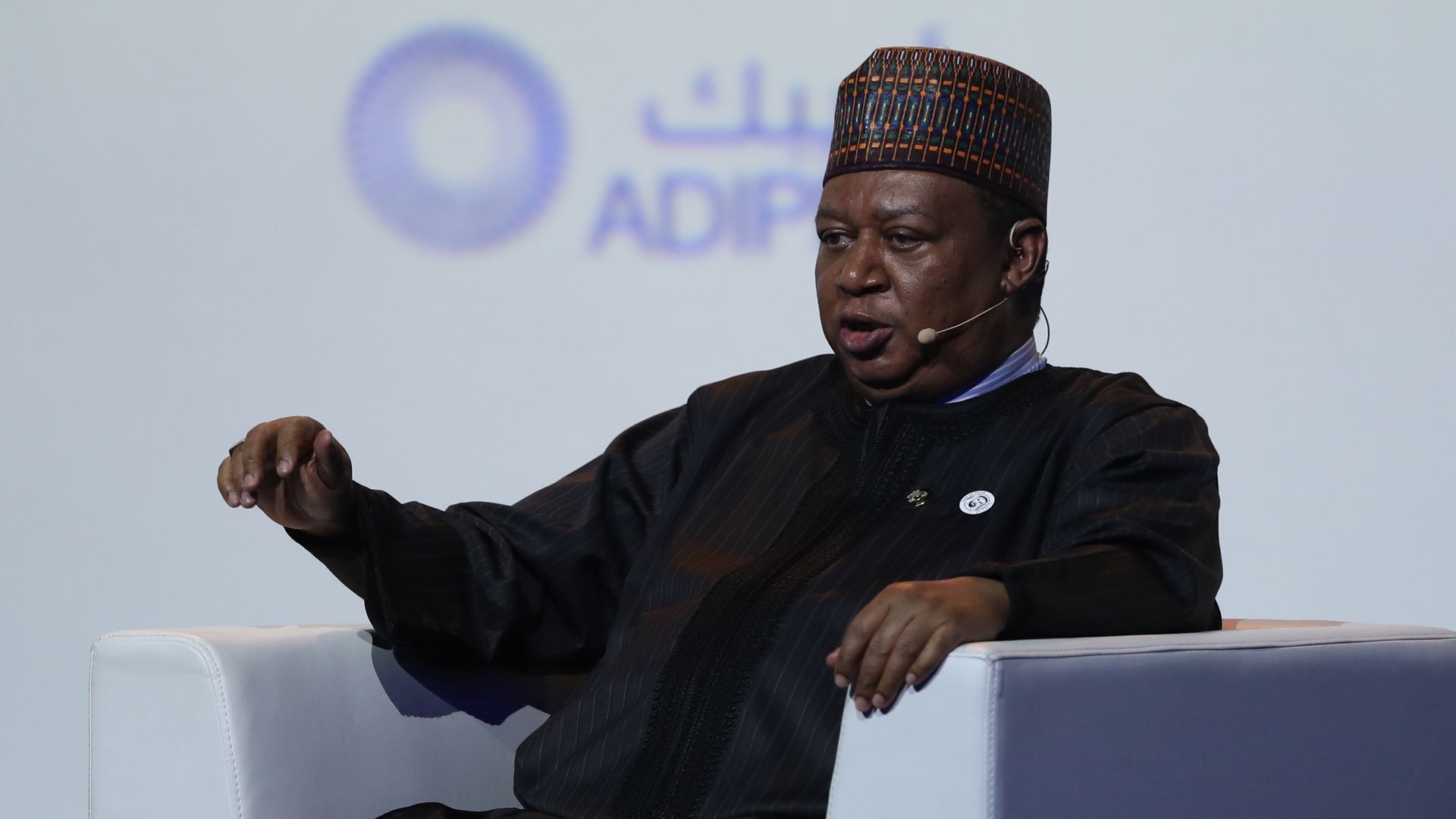
HOUSTON — Legislation allowing the U.S. government to sue OPEC would not serve America or its booming oil industry, the secretary-general of the oil-producing group said Tuesday at an energy conference here.
Why it matters: The policy, which has bipartisan support in Congress, would upend global oil markets. President Trump has long been critical of OPEC and years earlier backed the bill in question, but division is rampant elsewhere across the government, according to several people familiar with the dynamic.
"The legislation as it stands would not serve the interest of the United States. ... We remain confident that reason will prevail and these strong voices that have been echoed across party lines would be taken into account in the deliberations."— OPEC Secretary-General Mohammed Barkindo
The big picture: America’s oil production has more than doubled over the last decade, going from 5 million barrels a day (b/d) in 2008 to what is estimated to be more than 12 million b/d this year. America is now the world’s biggest producer of both oil and natural gas.
The boom in American oil is giving Trump a tool to test the nearly 60-year-old OPEC (Organization of Petroleum Exporting Countries). The more than a dozen nations in the organization are mostly in the Middle East, with Saudi Arabia the dominant member.
The intrigue: Barkindo admitted as much at the conference, CERAWeek by IHS Markit. Since last year, Trump has tweeted several times at OPEC, blaming the group for rising oil prices. Barkindo said he welcomes Trump's tweets. The tweets, Barkindo said, are "one of the new additions to the recent uncertainties because the president doesn't give notice before he tweets."
"We welcome the president joining this dialogue. He is the No. 1 producer. He has become a major exporter on a global scale, not only [of] crude oil but also liquids, also [liquefied natural gas], and because of the importance of this industry in the U.S., a very strategic segment of his constituency, it is understandable why he is keeping his eyes on what happens globally on this industry."— Barkindo
Go deeper: Trump administration divided over OPEC oil policy
The future of BP's venture and low-carbon strategies

HOUSTON — I caught up with Lamar McKay, BP's deputy chief executive, to chat about the company's venture and low-carbon strategies.
Where it stands: BP Ventures is mix of equity investments, acquisitions, and collaborations in technologies like fast battery charging, advanced monitoring of oil-and-gas operations, artificial intelligence and more. It's part of BP's wider, $500 million-per-year mix of low-carbon and alternative energy investments.
Climate chasm on display at Houston energy conference CERAWeek

HOUSTON — A huge gathering of oil industry titans underscores the gulf between their blueprint for the transition to cleaner energy sources and the demands of activists wielding new influence in Democratic politics and European debates.
Where it stands: Major executives at the big CERAWeek by IHS Markit conference here acknowledge the industry has to change with the times. Executives are talking up their investments in carbon-capture tech, renewables, and steps to cut methane leakage.

Turning Trump's trade weapons into climate tools
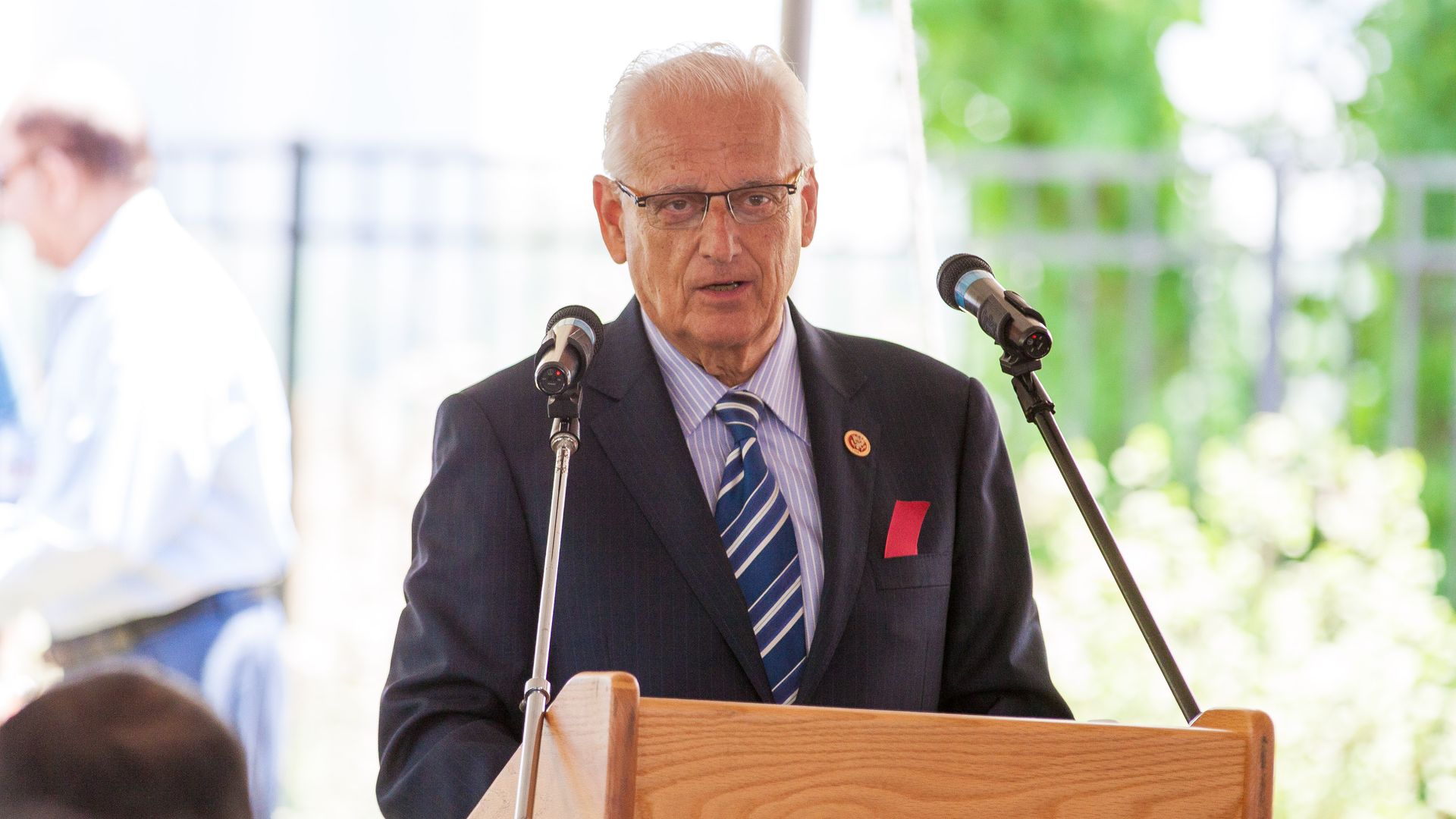
Representative Bill Pascrell, a Democratic member of the House Ways & Means Committee that oversees U.S. trade policy, is expected to send a letter this week to Commerce Secretary Wilbur Ross asking his department to investigate whether “imports of carbon emissions” pose a national security threat.
The big picture: The largely symbolic maneuver highlights a new tactic among climate hawks: treating President Trump's aggressive use of executive powers as a template for action.