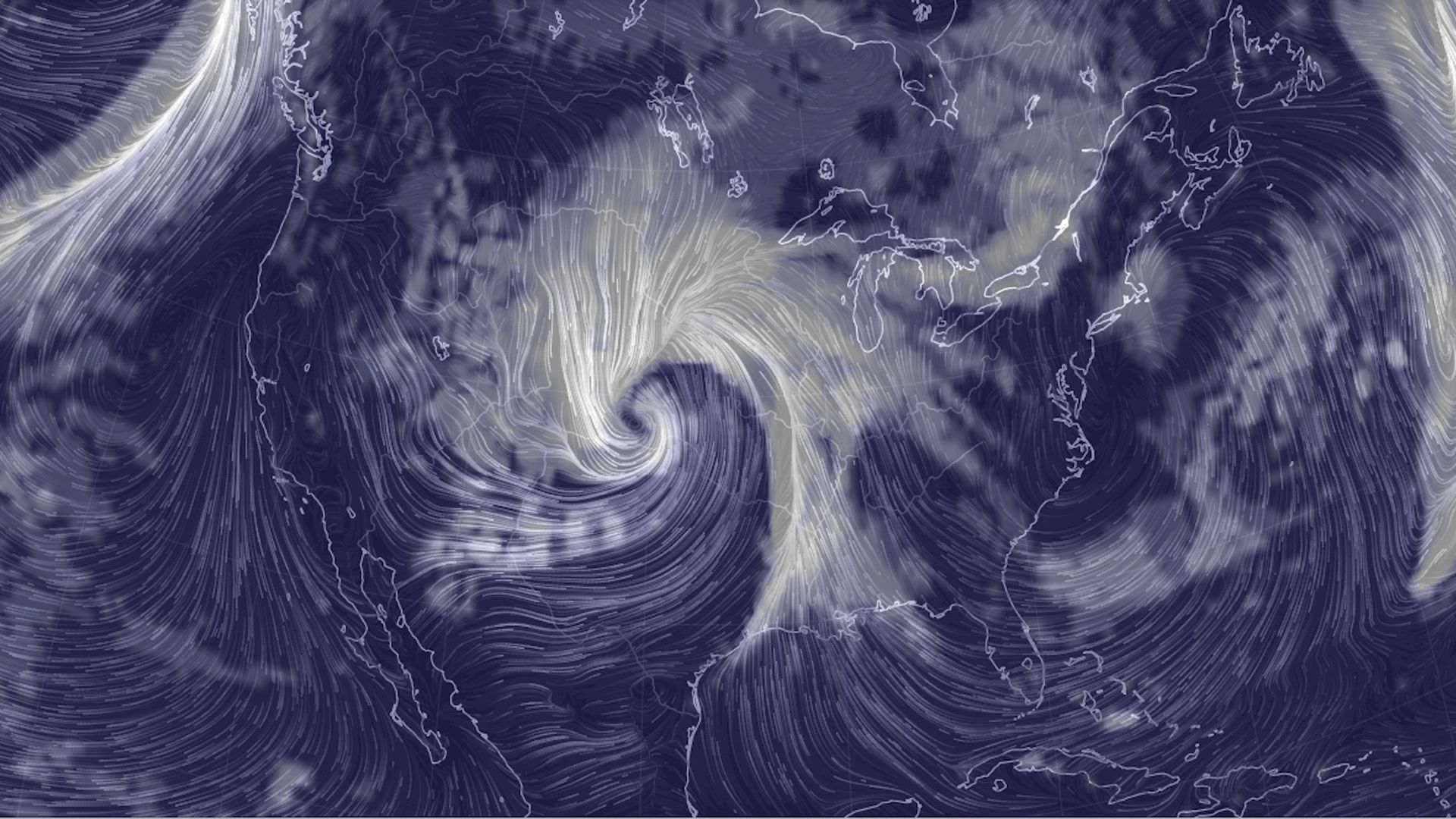
A storm is forecast to move out of the Southwest and rapidly intensify over the plains of Colorado, Oklahoma and Kansas on Wednesday, bringing a wide array of life-threatening weather hazards for a large part of the country.
Why it matters: The storm is likely to intensify at a rate that will qualify it as a meteorological "bomb" — short for bombogenesis, which describes non-tropical storms whose central pressure drops by at least 24 millibars in 24 hours. In fact, this storm is likely to rival some of the most intense weather systems on record in parts of the Plains, as measured by its minimum central air pressure.
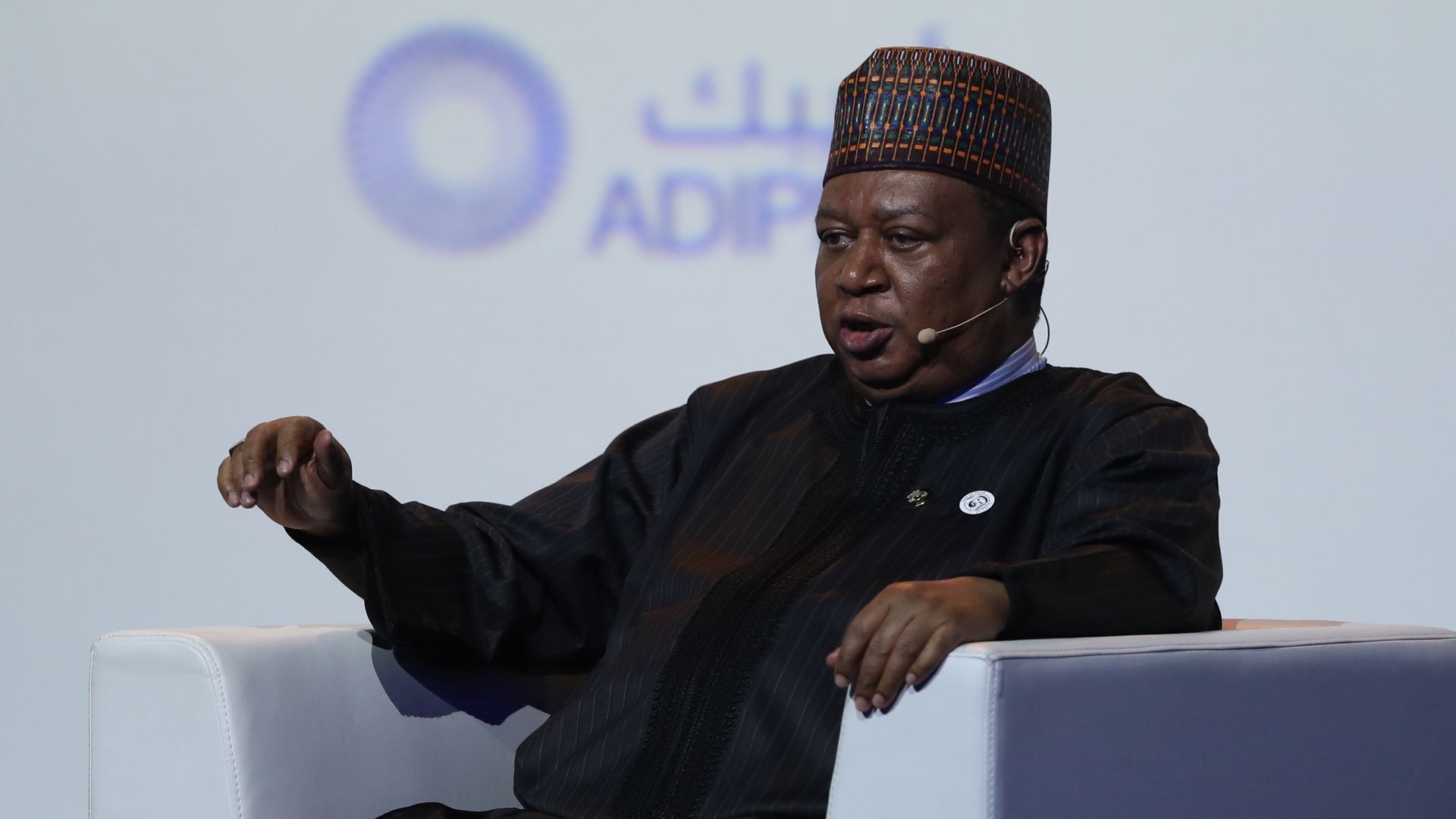
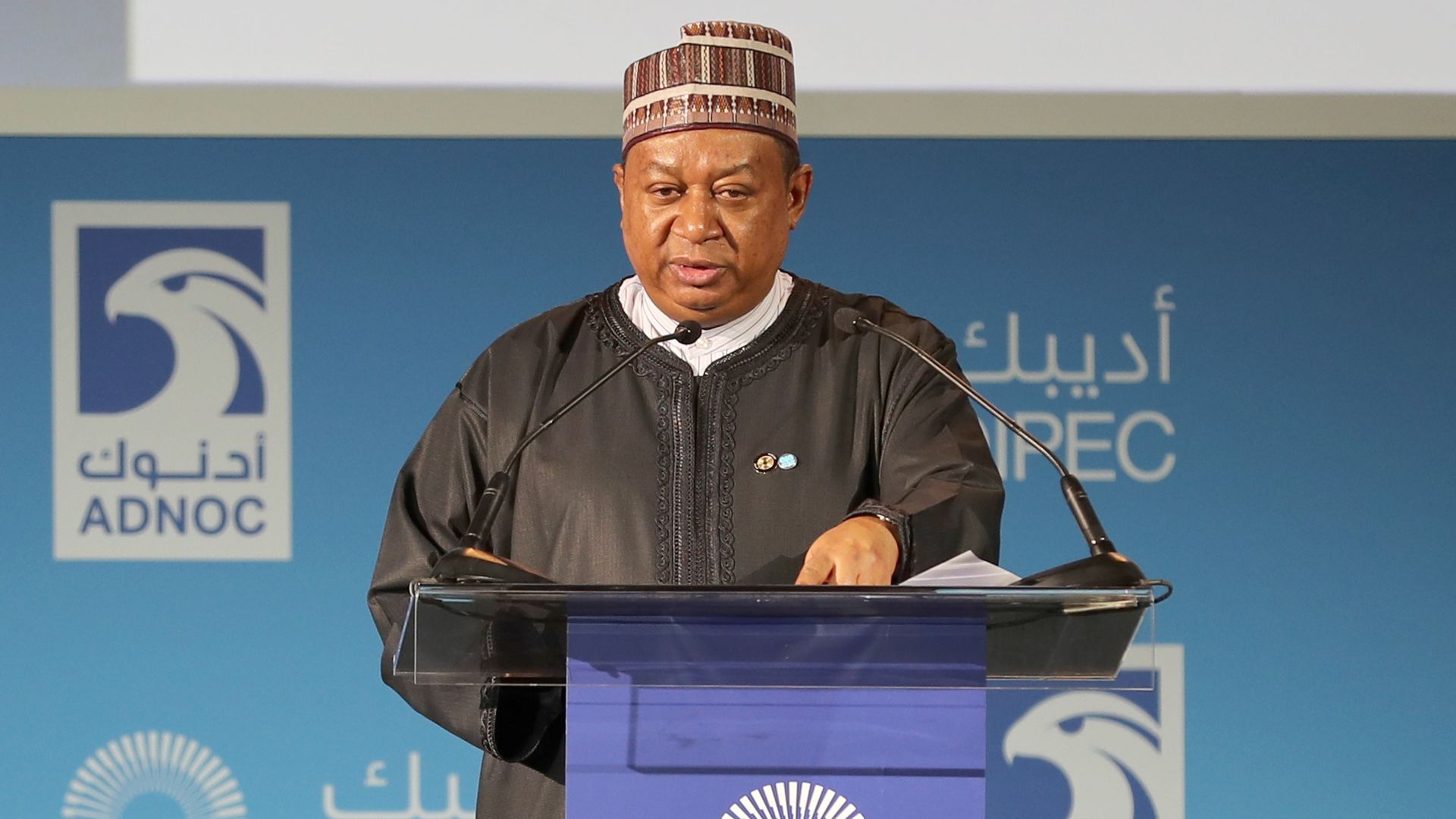
HOUSTON — Legislation allowing the U.S. government to sue OPEC would not serve America or its booming oil industry, the secretary-general of the oil-producing group said Tuesday at an energy conference here.
Why it matters: The policy, which has bipartisan support in Congress, would upend global oil markets. President Trump has long been critical of OPEC and years earlier backed the bill in question, but division is rampant elsewhere across the government, according to several people familiar with the dynamic.
"The legislation as it stands would not serve the interest of the United States. ... We remain confident that reason will prevail and these strong voices that have been echoed across party lines would be taken into account in the deliberations."
— OPEC Secretary-General Mohammed Barkindo
The big picture: America’s oil production has more than doubled over the last decade, going from 5 million barrels a day (b/d) in 2008 to what is estimated to be more than 12 million b/d this year. America is now the world’s biggest producer of both oil and natural gas.
The boom in American oil is giving Trump a tool to test the nearly 60-year-old OPEC (Organization of Petroleum Exporting Countries). The more than a dozen nations in the organization are mostly in the Middle East, with Saudi Arabia the dominant member.
The intrigue: Barkindo admitted as much at the conference, CERAWeek by IHS Markit. Since last year, Trump has tweeted several times at OPEC, blaming the group for rising oil prices. Barkindo said he welcomes Trump's tweets. The tweets, Barkindo said, are "one of the new additions to the recent uncertainties because the president doesn't give notice before he tweets."
"We welcome the president joining this dialogue. He is the No. 1 producer. He has become a major exporter on a global scale, not only [of] crude oil but also liquids, also [liquefied natural gas], and because of the importance of this industry in the U.S., a very strategic segment of his constituency, it is understandable why he is keeping his eyes on what happens globally on this industry."
HOUSTON — I caught up with Lamar McKay, BP's deputy chief executive, to chat about the company's venture and low-carbon strategies.
Where it stands: BP Ventures is mix of equity investments, acquisitions, and collaborations in technologies like fast battery charging, advanced monitoring of oil-and-gas operations, artificial intelligence and more. It's part of BP's wider, $500 million-per-year mix of low-carbon and alternative energy investments.
HOUSTON — A huge gathering of oil industry titans underscores the gulf between their blueprint for the transition to cleaner energy sources and the demands of activists wielding new influence in Democratic politics and European debates.
Where it stands: Major executives at the big CERAWeek by IHS Markit conference here acknowledge the industry has to change with the times. Executives are talking up their investments in carbon-capture tech, renewables, and steps to cut methane leakage.
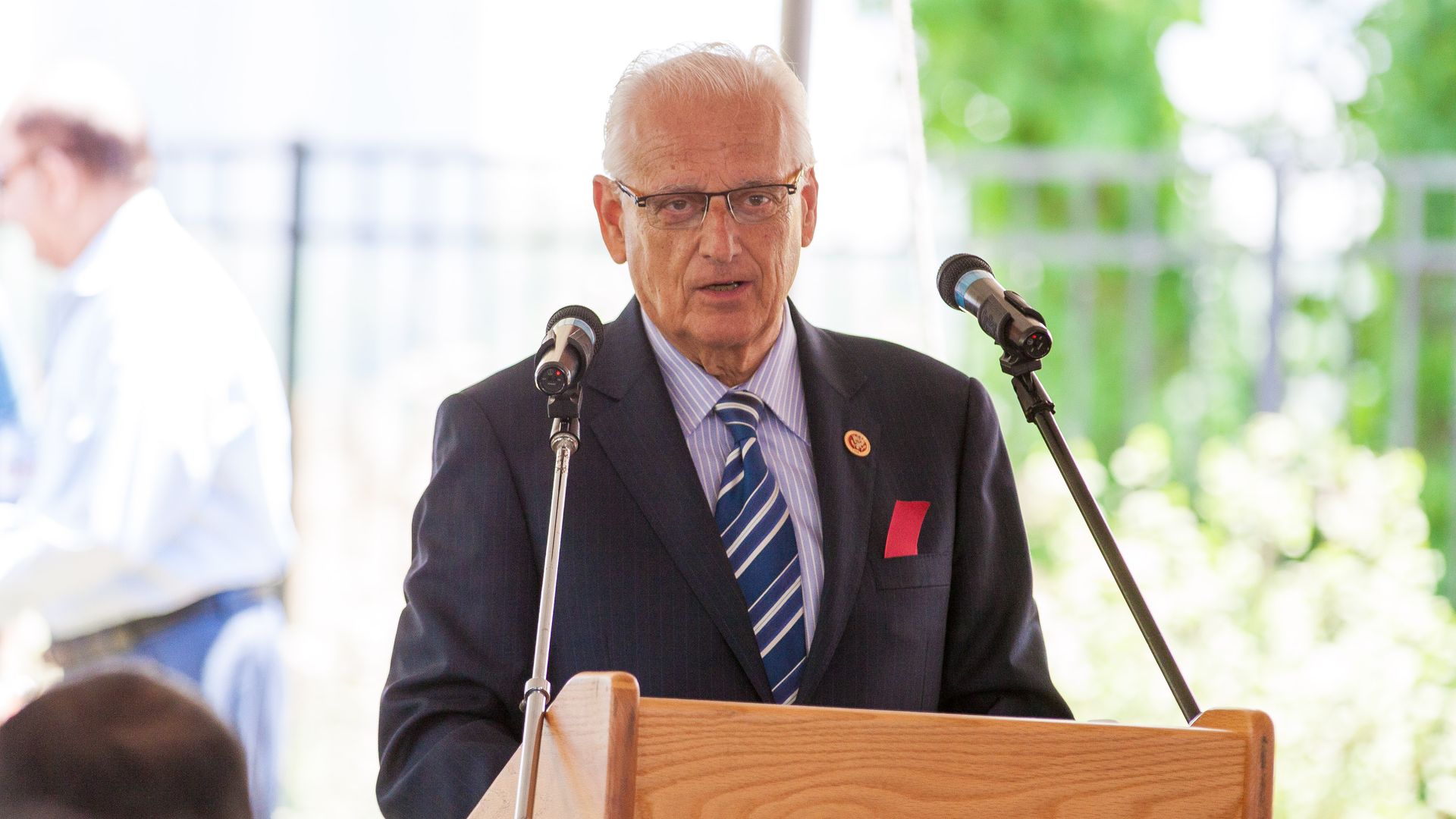
Representative Bill Pascrell, a Democratic member of the House Ways & Means Committee that oversees U.S. trade policy, is expected to send a letter this week to Commerce Secretary Wilbur Ross asking his department to investigate whether “imports of carbon emissions” pose a national security threat.
The big picture: The largely symbolic maneuver highlights a new tactic among climate hawks: treating President Trump's aggressive use of executive powers as a template for action.
The convergence of automation, artificial intelligence, advanced manufacturing and big data analytics is poised to remake the transportation, electricity and manufacturing sectors in ways that could eliminate oil use. This comes just as the same energy innovations are making it easier and cheaper to extract oil and gas.
Why it matters: These technological changes mark an end to the psychology of oil scarcity that made Western democracies more tolerant of erratic actions by OPEC and other oil-producing states.
Researchers studying the potential consequences of dispersing tiny particles into the upper atmosphere, where they would reflect incoming solar radiation and offset global warming, have come up with a way to avoid producing ill effects in some regions, such as drought.
Why it matters: Solar geoengineering, which would involve dispersing sulfate aerosols into the stratosphere, is viewed as a possible way to offset some of the global warming that would result from doubling the amount of carbon dioxide in the atmosphere compared to preindustrial levels. However, concerns have been raised about its potential to unintentionally harm particular countries or regions.
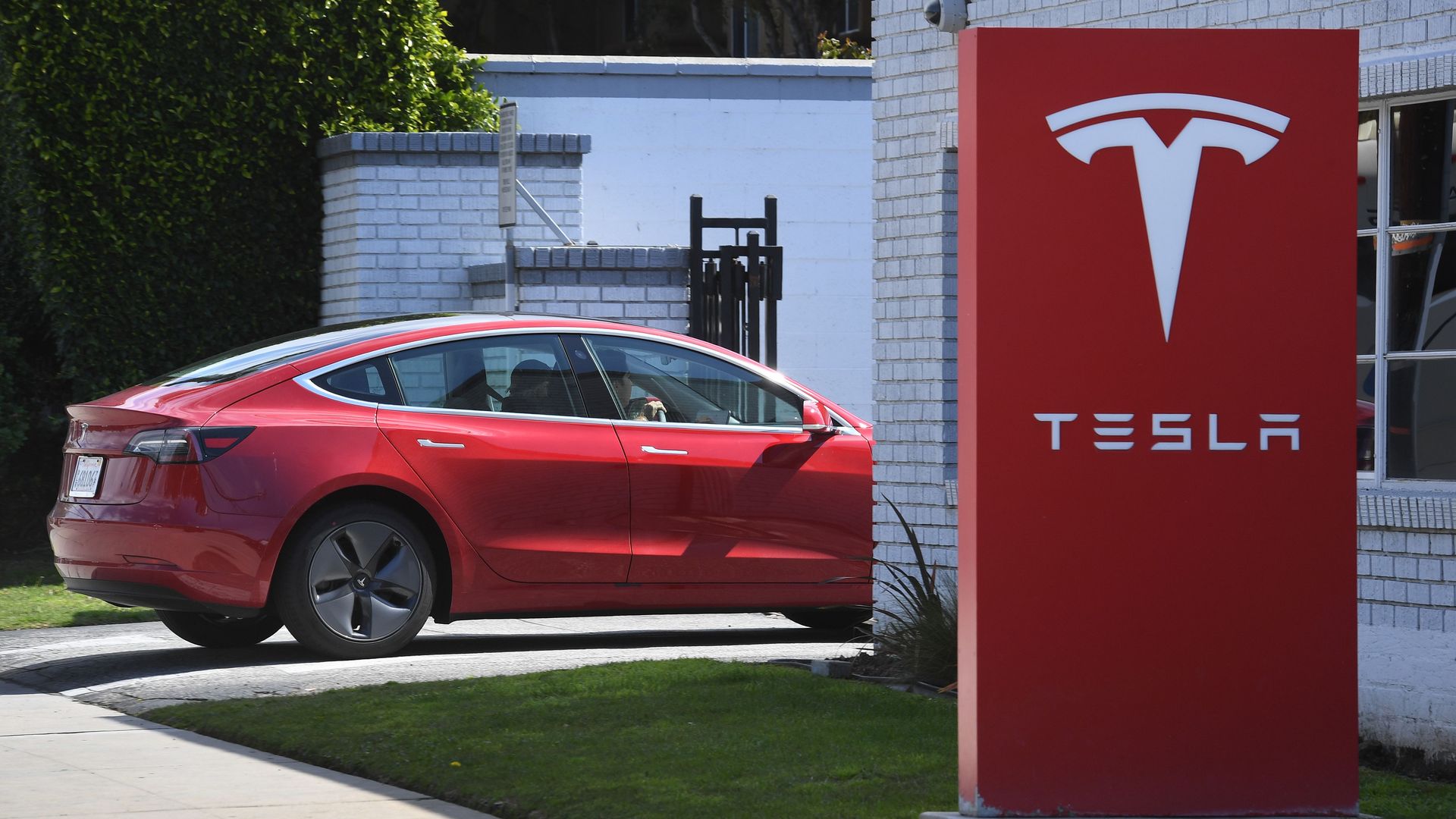
Tesla said Sunday it will only close half as many stores as originally announced, walking back a plan to close all of its 378 stores worldwide.
Our thought bubble from Axios' Joann Muller:Tesla is destroying the value of its brand with a series of flip-flopping decisions on vehicle prices and its store presence. It is not a long-term strategy and instead smacks of desperation as the company tries to find a path to sustained profits.
The U.S. will account for the largest share of global oil production increases over the next five years, according to an International Energy Agency report released Monday.