A new study predicts that a sharp increase in energy-hungry Bitcoin use will cause a surge in emissions of greenhouse gases, potentially dooming the world to an amount of global warming that would exceed the targets set under the Paris Climate Agreement.
Why it matters: Bitcoin has an energy problem, requiring high amounts of electricity to process transactions. Determining the implications of such energy use is of concern for climate scientists, particularly if this new currency takes off in popularity.
Royal Dutch Shell is jumpinginto the high-stakes fight over auto regulations.
What they're saying: According to some newly available comments filed with regulators, the oil giant says U.S. policy should be "consistent with the aim of the Paris Agreement." Shell "does not support" the administration's proposal to weaken federal mileage and carbon emissions rules by freezing them in 2020 rather than letting them become increasingly stringent.
Jair Bolsonaro, a far-right candidate whose misogyny, racism and reverence for military dictators has made him one of Latin America's most polarizing figures, won Brazil's presidency yesterday with over 55% of the vote.
Why it matters: Brazil is already an important oil producer at roughly 3 million barrels per day, and has been auctioning offshore tracts thought to contain huge hydrocarbon resources to some of the world's largest energy companies.
Climate change is reshaping aspects of our environment that many of us thought were static — from where deserts begin and end, to what we can grow in backyard or community gardens.
Why it matters: These changes portend bigger shifts to come that may reshape the global food system and lead to insecurity, with major agricultural countries facing more challenges from pests, heat waves, droughts, floods and other threats that could affect crop productivity.
Two Latin American scooter rental startups, Grin in Mexico and Ride in Brazil, have merged and will operate under the Grin brand.
Why it matters: Just as happened in the ride-hailing industry, scooter (and bike) rental companies will likely consolidate as the global competition keeps intensifying.
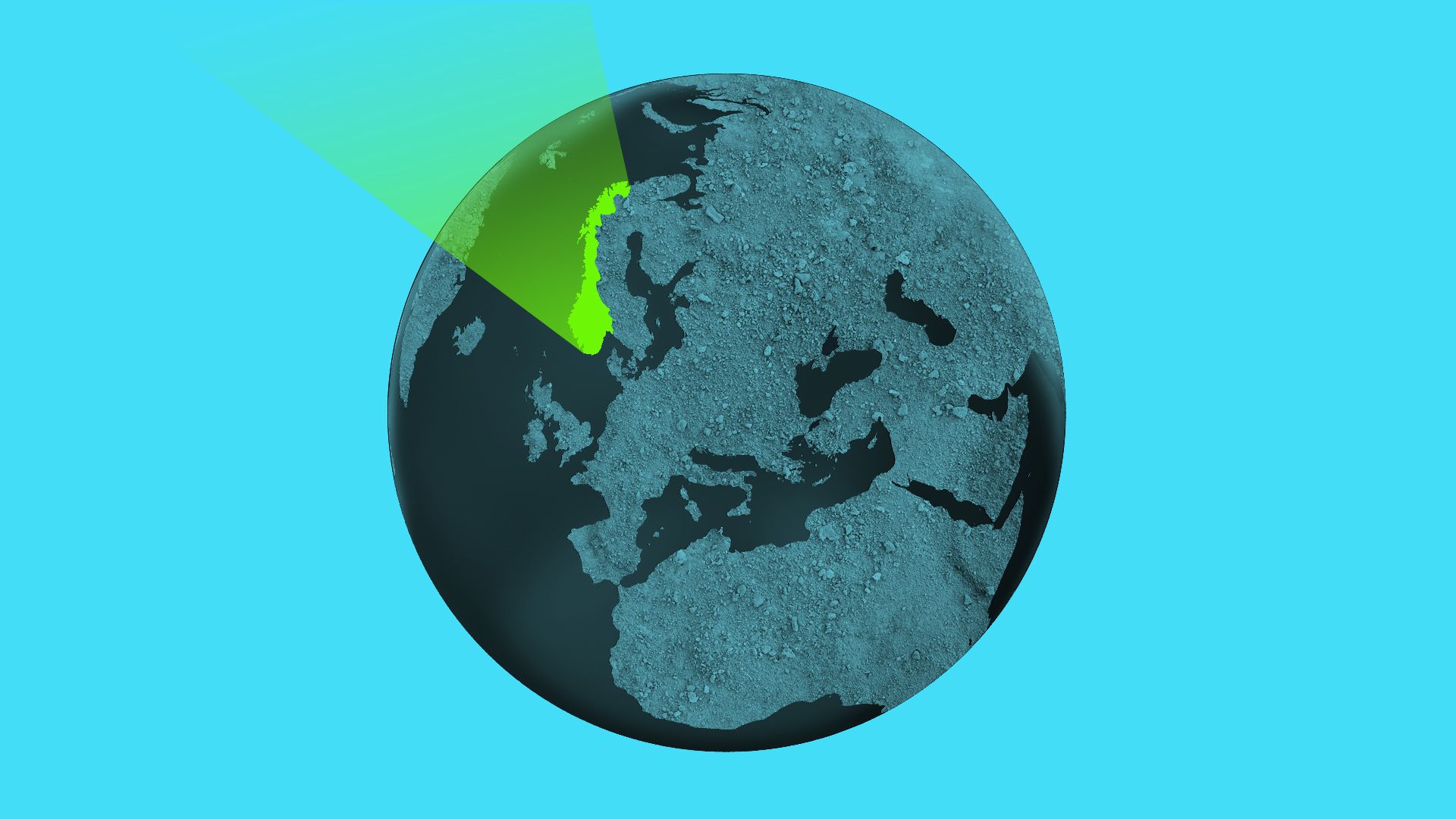
MONGSTAD, Norway — This Nordic nation offers a window into how an economy fueled by oil and natural gas can attemptaggressive action on climate change.
Why it matters: It sounds contradictory, but given thatour world has remained 81% dependent upon fossil fuels for the past 30 years, cutting greenhouse gas emissions while using these fuels is probably going to be unavoidable. In two separate upcoming decisions, Norway will show the extent to which it’s committed toits climate ambitions and diversifying its wealth, which islargely derived from oil.
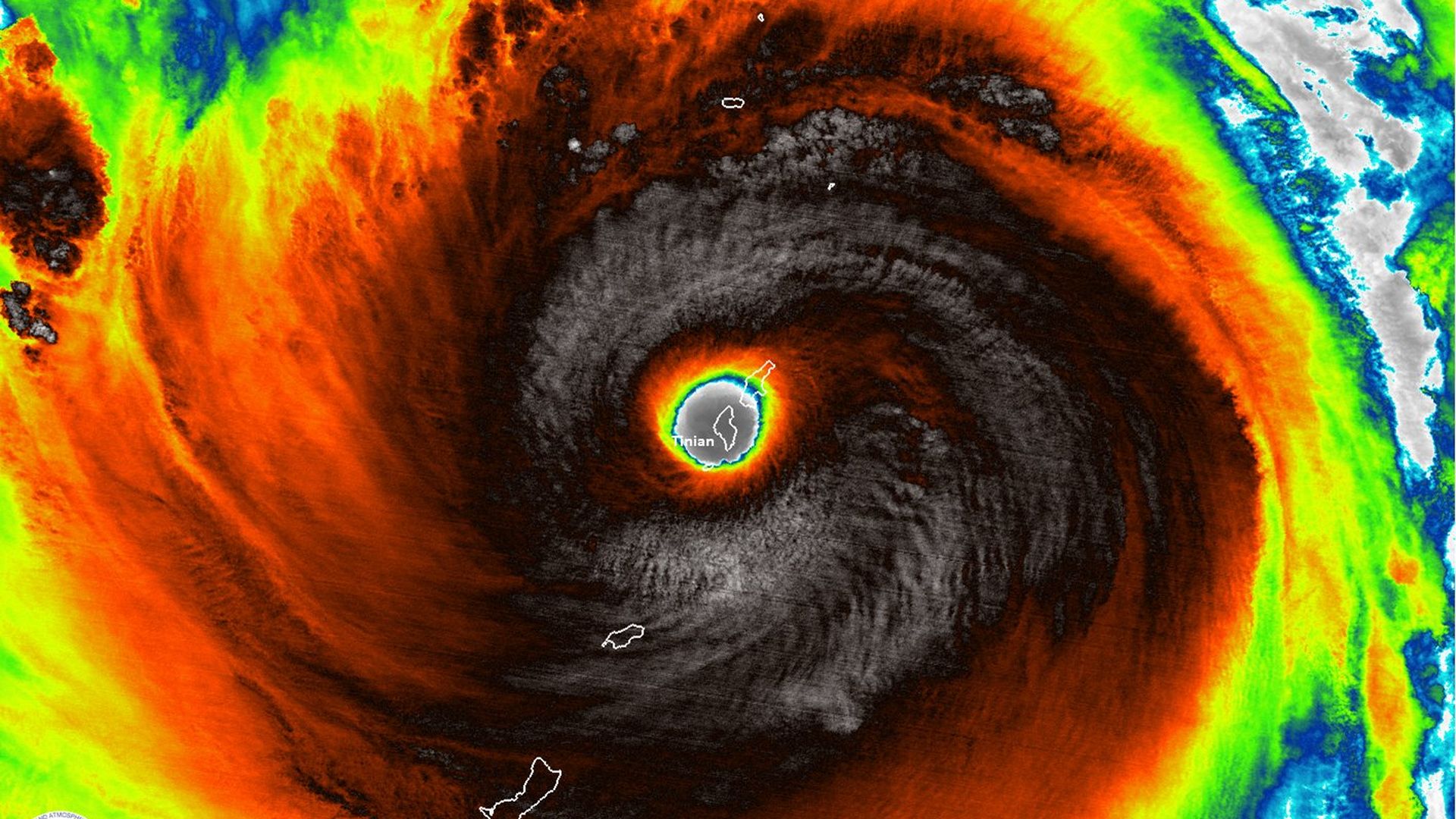
Super Typhoon Yutu struck the Northern Mariana Islands on October 24, packing maximum sustained winds of 180 miles per hour and gusts higher than 200 mph. This made it the most intense storm to strike U.S. soil since at least 1935, and one of the strongest storms ever measured on Earth.
The big picture: Before and after satellite photos taken by DigitalGlobe's WorldView-3 satellite provide a first look at the devastation the storm brought to the islands of Tinian and Saipan in particular.