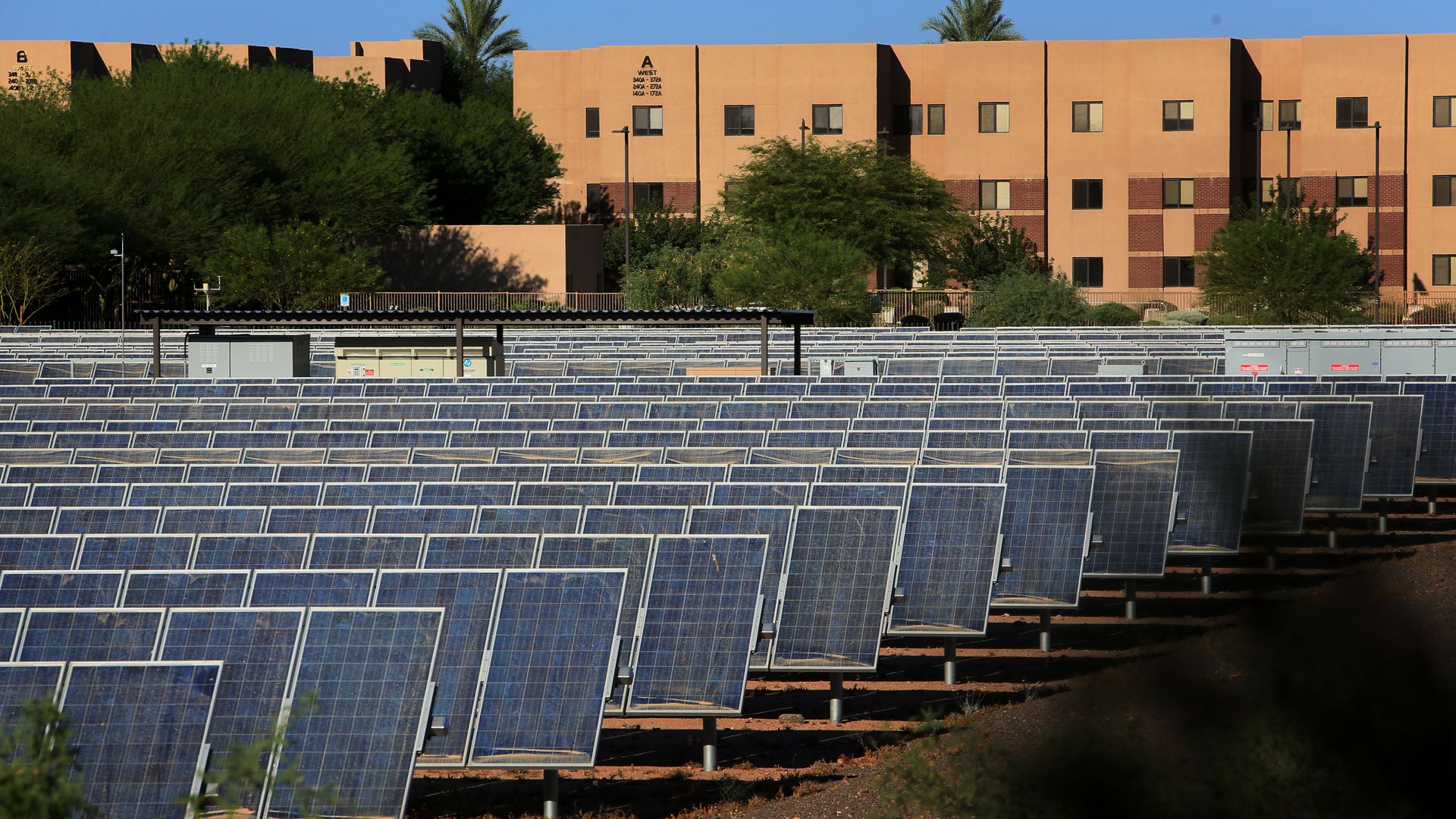
In next week's midterm elections, Arizona and Nevada voters will decide whether to pass state ballot measures that would require electric utilities to invest in renewable and clean energy sources. If passed, these initiatives would work toward statewide goals of 50% renewable energy use by 2030.
Why it matters: According to a special report released by the Intergovernmental Panel on Climate Change on Oct. 8, stringent cuts in greenhouse gas emissions are needed to prevent potentially catastrophic impacts if the climate warms above 1.5°C, or 2.7°F. State and federal legislation is essential to reaching this global climate target.
Worldwide government subsidies for consumers to buy fuel and electricity derived from fossil fuels rose in 2017 after falling for several years, new International Energy Agency data shows.
Why it matters: Subsidies are a thorny problem in the wider push to transition the world to cleaner and less carbon-intensive energy sources, as a new IEA commentary notes.
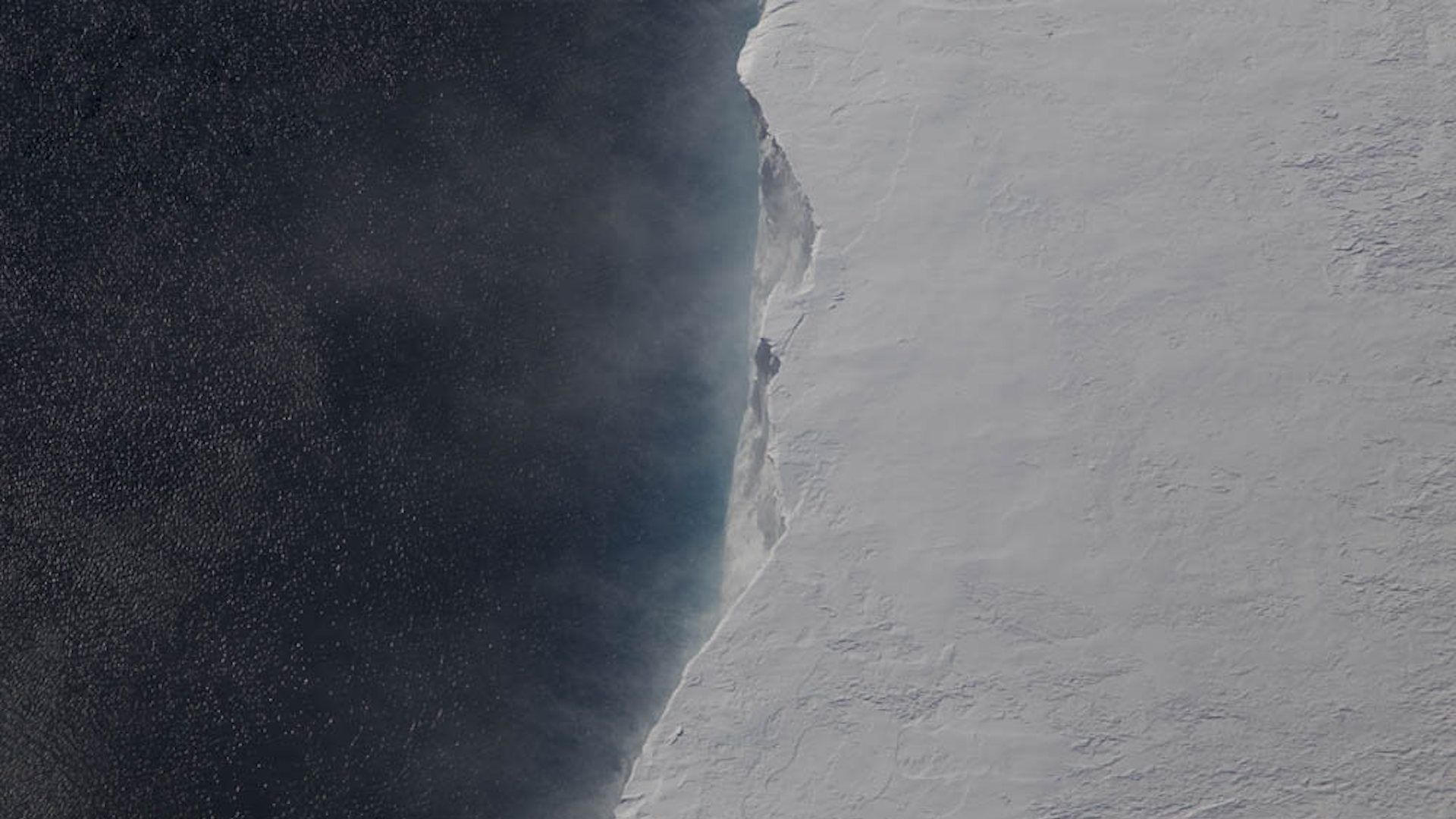
An iceberg about five times the size of Manhattan has broken off the Pine Island Glacier in West Antarctica over the past 24 hours, an ominous sign of the continued retreat of this fast-flowing mass of ice. Like many other marine terminating glaciers in Antarctica, this glacier is retreating over time, and increasing the movement of ice into the sea.
Why it matters: While this iceberg itself is not record-breaking — it ranks as the sixth-largest iceberg to break off the Pine Island Glacier since 2001 — it illustrates the continued instability of marine-terminating glaciers in parts of the icebound continent.