Tens of millions across the northern hemisphere have experienced record heat waves this summer, further driving home how climate change is already tilting the odds in favor of more severe extreme heat events in the years ahead.
A similar dynamic is emerging in our oceans, and this could have far-reaching implications. A new study, published today in the journal Nature, finds that marine heat wave days have doubled between 1982 and 2016, which cannot be explained by natural variability alone. What's new and significant, though, is what the study projects for the future.
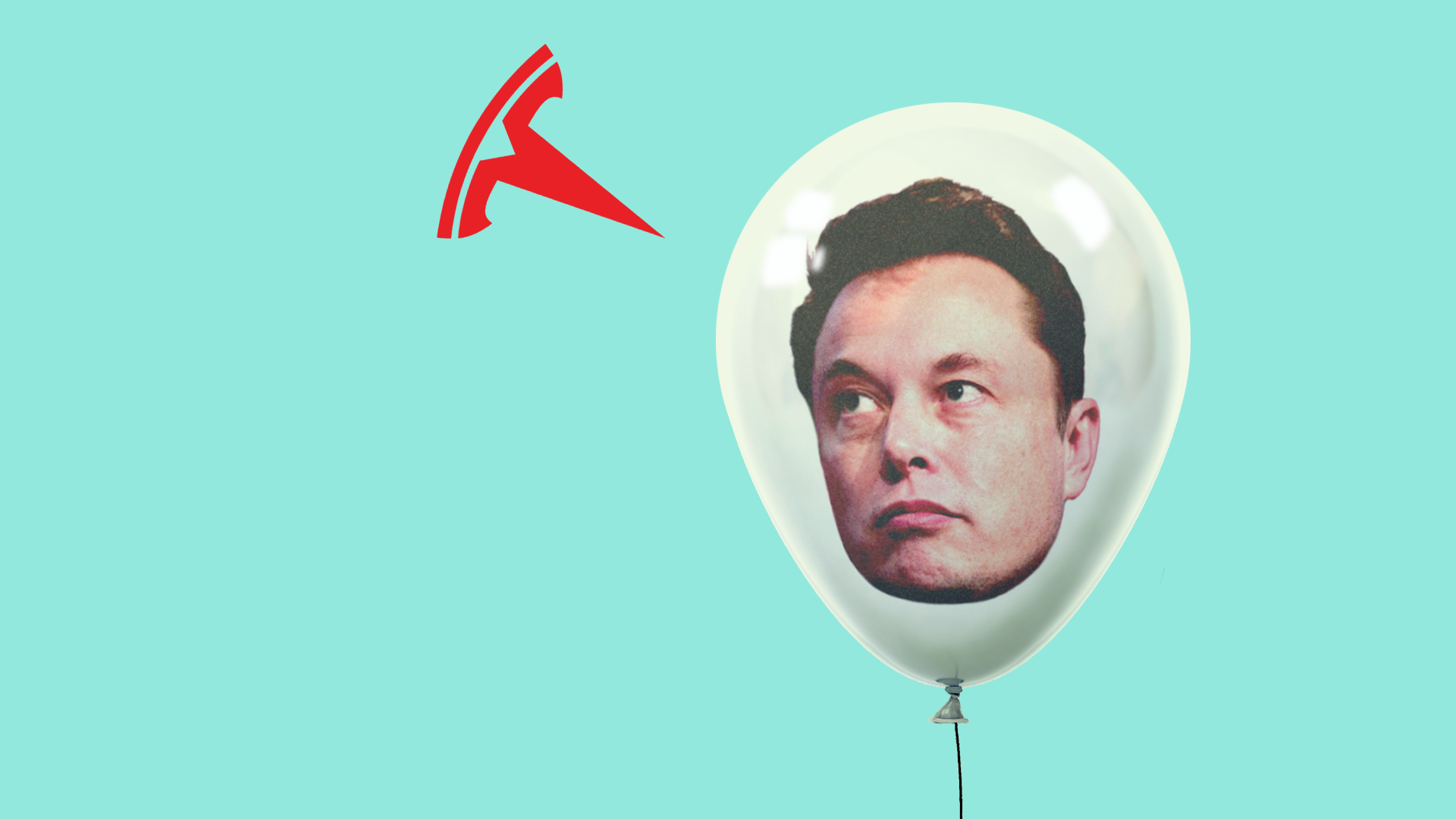
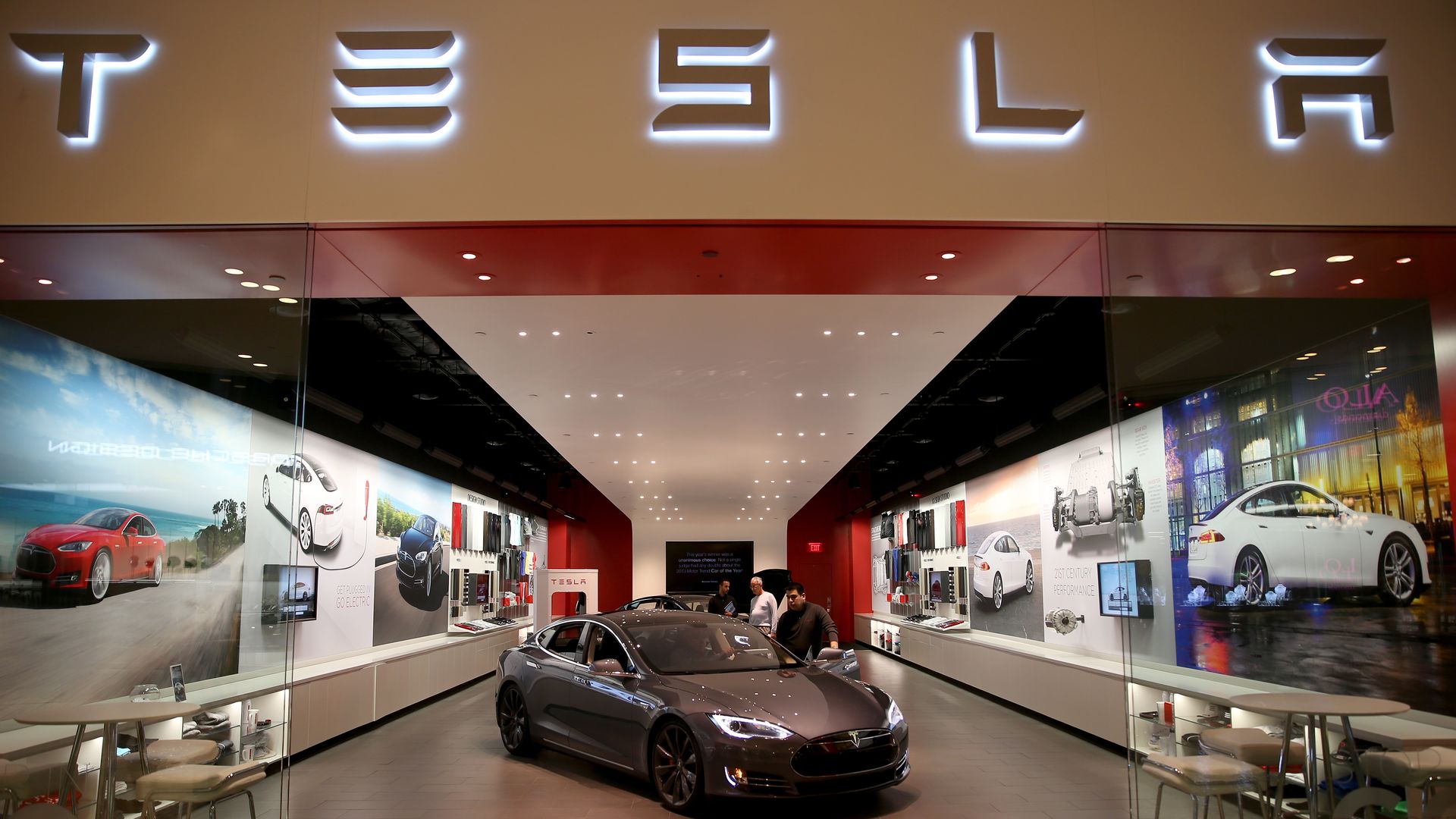
The Securities and Exchange Commission is formally requesting information from electric automaker Tesla about its take-private plan and CEO Elon Musk's unverified claim that he has "funding secured," according to a tweet from Fox Business's Charlie Gasparino.
Why it matters: Subpoenas signal that the SEC's ongoing probe has intensified, and traders reacted by sending Tesla's stock lower by more than 3%. A Tesla spokesman declined comment.
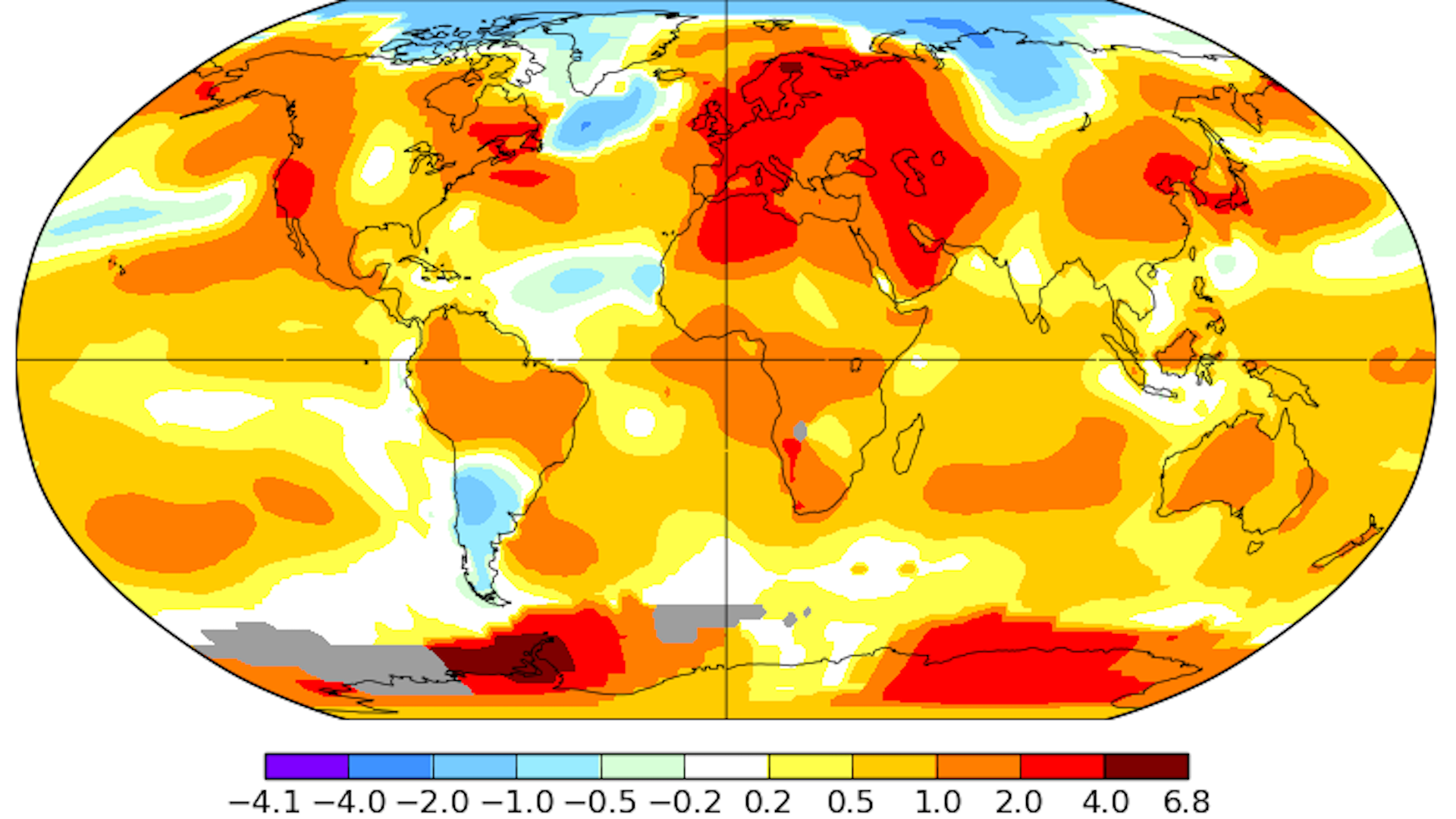
July 2018 was the planet's third-warmest such month since reliable measurements began in 1880, with a global average surface temperature of 1.4°F warmer than the 20th century average — this means the top 3 warmest Julys have occurred in 2016, 2017, and 2018, respectively.
Why this matters: July saw a spate of extreme heat events around the world, from all-time record heat and wildfires in Scandinavia, to the warmest month in California history. The July 2018 ranking, while preliminary, is significant since unlike in 2016, there was no El Niño present to add more heat to the climate system.
Amid all the chatter about whether Saudi Arabia's sovereign wealth fund will bankroll Tesla's take-private plan, a couple items caught my eye that explore whether it should.
Why it matters: Tesla CEO Elon Musk claims that the Saudi Public Investment Fund has signaled readiness to help fund the massive transaction. And it would be a major step in moves by OPEC's dominant producer to diversify its economy.
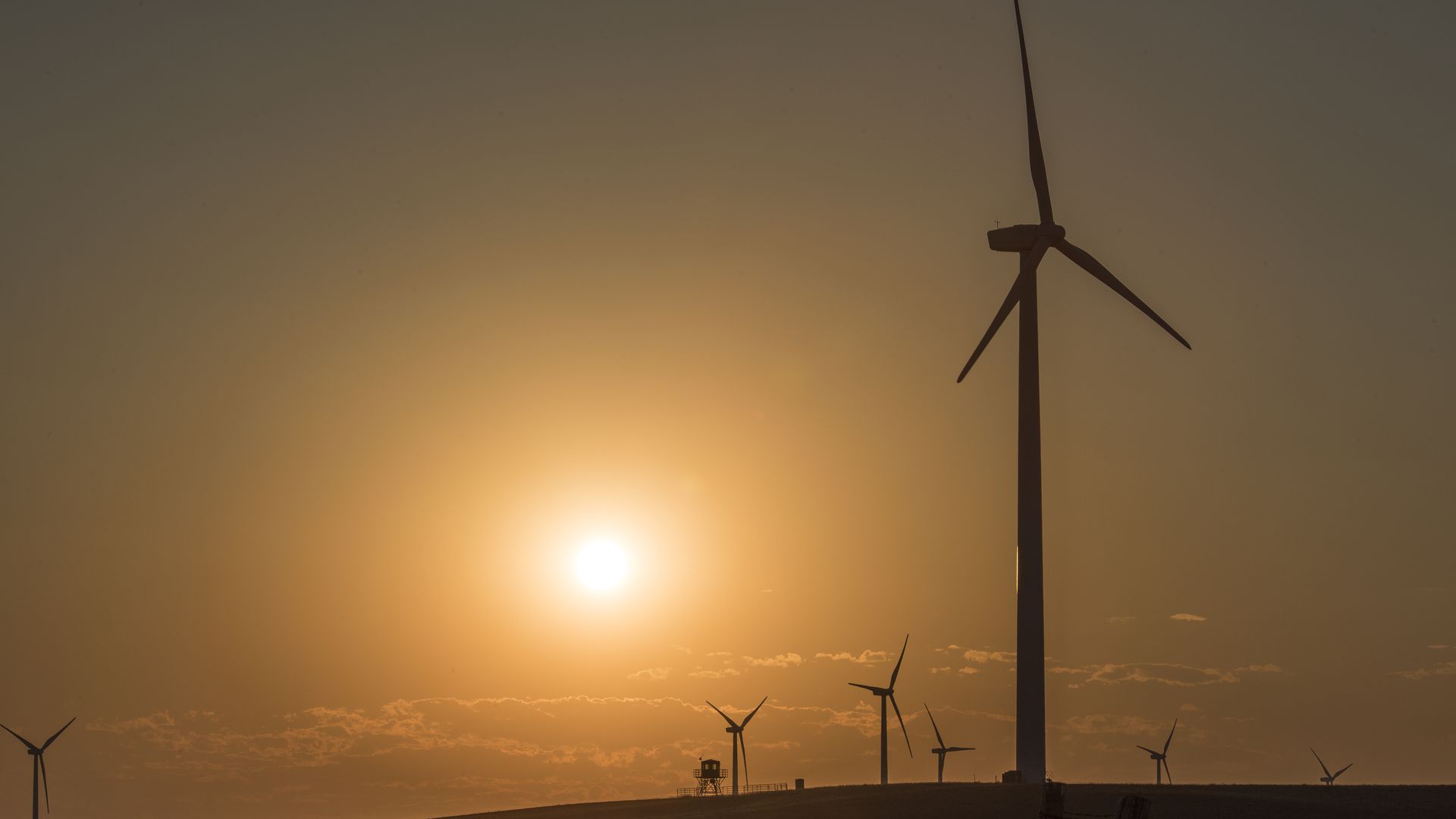
Two recent analyses arrive at the same conclusion: U.S. corporate deals to directly purchase renewable power will shatter previous records this year as companies including Facebook and Apple expand their contracting.
Why it matters: Separate data from the nonprofit Rocky Mountain Institute (RMI) and the consultancy Bloomberg New Energy Finance (BNEF) signal how power purchase agreements are emerging as an important driver of wind and solar expansion, even as the White House abandons U.S. climate goals.
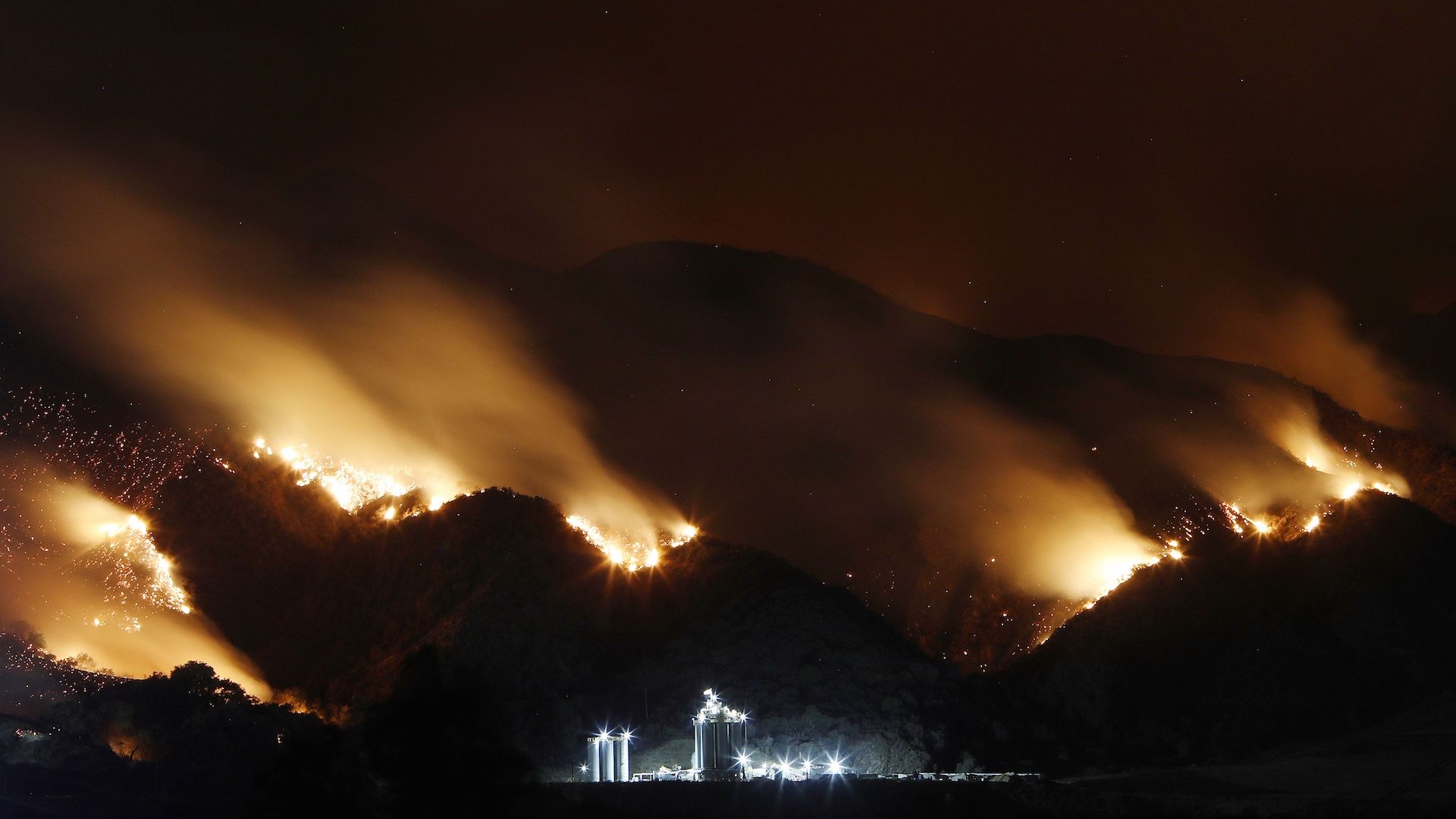
With some of the largest-ever wildfires on record burning in California and the death toll rising, Interior Secretary Ryan Zinke has blamed the massive fires on environmentalists refusing to allow more logging operations in federal forests.
Why this matters: Zinke, along with Agriculture Secretary Sonny Perdue, are in charge of land management policies for vast tracts of fire-prone forests in the West. How each official views climate change's role in these blazes will help determine those policies.
For the second time in a week, Elon Musk appears to have tweeted factually incorrect information about his efforts to take Tesla Motors private:
The bottom line: Neither Silver Lake nor Goldman Sachs have signed financial advisory agreements with Musk, or at least hadn't at the time of his tweet.
Tesla announced Tuesday the formation of an independent committee to evaluate the "advisability or feasibility" of CEO Elon Musk's proposal — which he still has not formally submitted — to take the electric automaker private.
The details: The committee will consist of three independent directors: Brad Buss, Robyn Denholm and Linda Johnson Rice. The committee has also retained the law firm Latham & Watkins LLP and will retain an independent financial advisor once a formal proposal is submitted.
The prospect of Saudi Arabia backing Tesla provides a glimpse into the kingdom's oil and economic strategy, and it's not as simple as a hedge against crude's long-term decline.
Why it matters: Saudi Arabia is OPEC's dominant producer and holds massive reserves, but the kingdom wants to diversify its economy away from crude oil at a time when some analysts see a global demand peak beginning to appear over the long-term horizon.