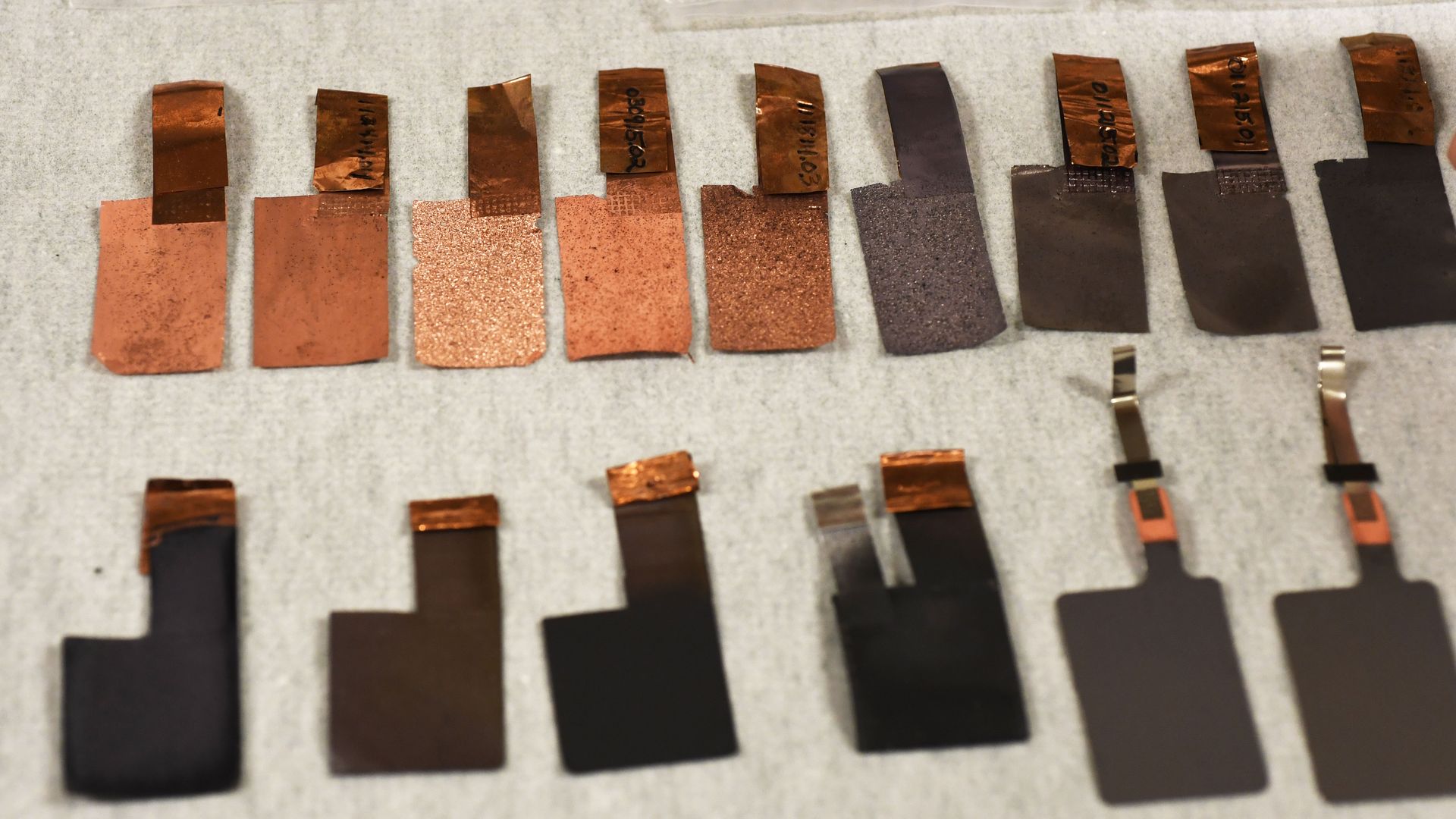
Volkswagen is considering building a factory in Europe to produce solid-state batteries, a next-generation battery technology, to power its electric vehicles, according to a report from earlier this month. The news comes on the heels of Volkswagen's June investment of $100 million in QuantumScape, a solid-state battery startup.
The big picture: Solid-electrolyte batteries gained prominence in the lab a decade ago, but are just now achieving the cell performance to make the automotive industry take notice, with Volkswagen specifically citing performance demonstration "at automotive rates of power." As the technology develops, there has been a flurry of international development interest: Toyota, Nissan, Dyson and BMW have all made similar investments.
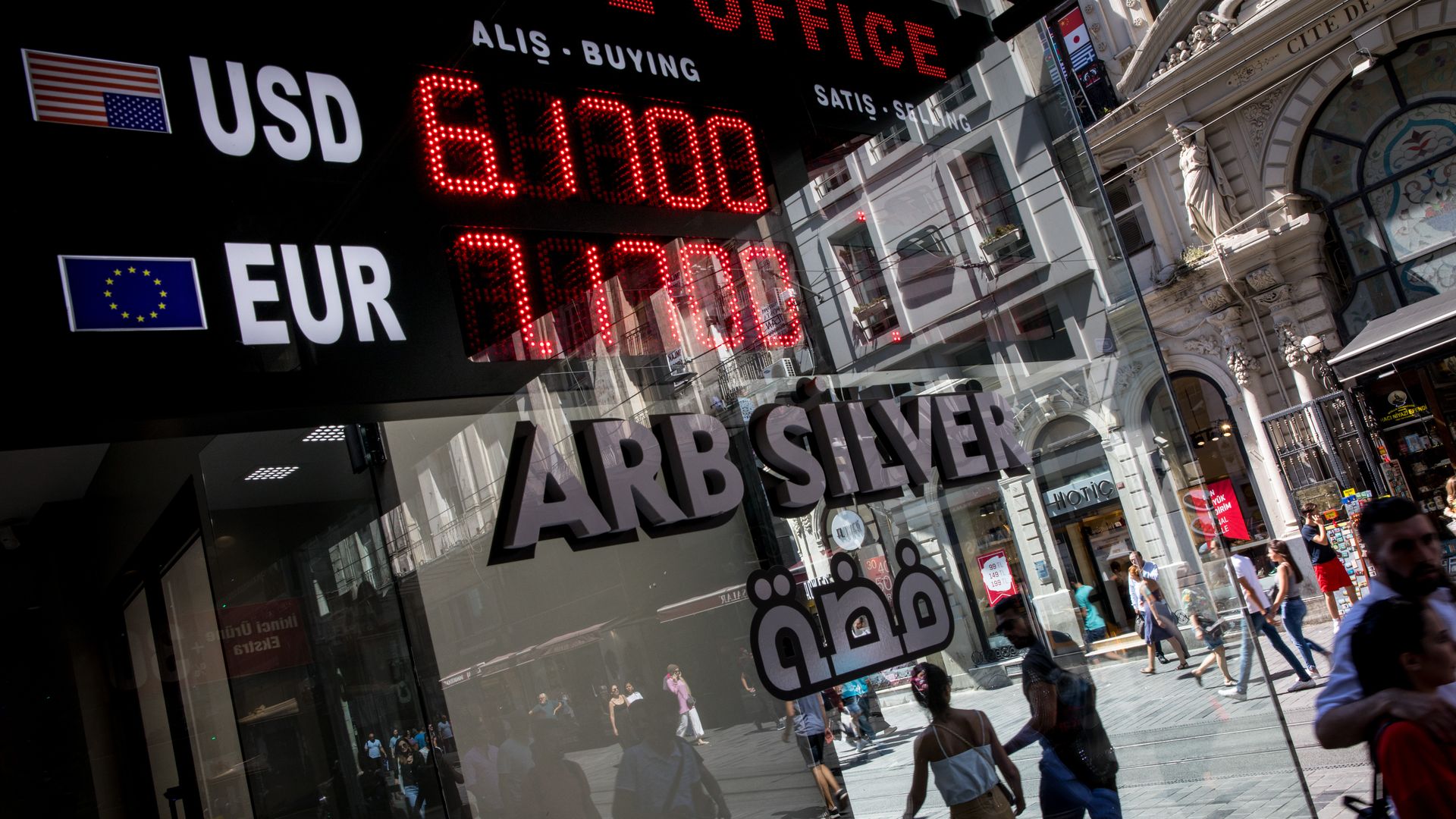
Details about the U.S–Turkey crisis have been unfolding over the past few days: a pastor as stage hostage, frozen assets for ministers on both sides, tariffs on Turkish exports of aluminum and steel to the U.S., a Trump tweet here, a fiery Erdogan speech there. But this is only the spectacular side of the story.
The big picture: The troubles of the Turkish lira have deep roots. Turkey is a structural-deficit country: It needs both short-term money on a daily basis and foreign direct investment in the long run. While the ruling Justice and Development Party (AKP) initially managed these fundamentals fairly well after it came to power in late 2002, doing so has become incompatible with President Erdogan's autocratic governance.
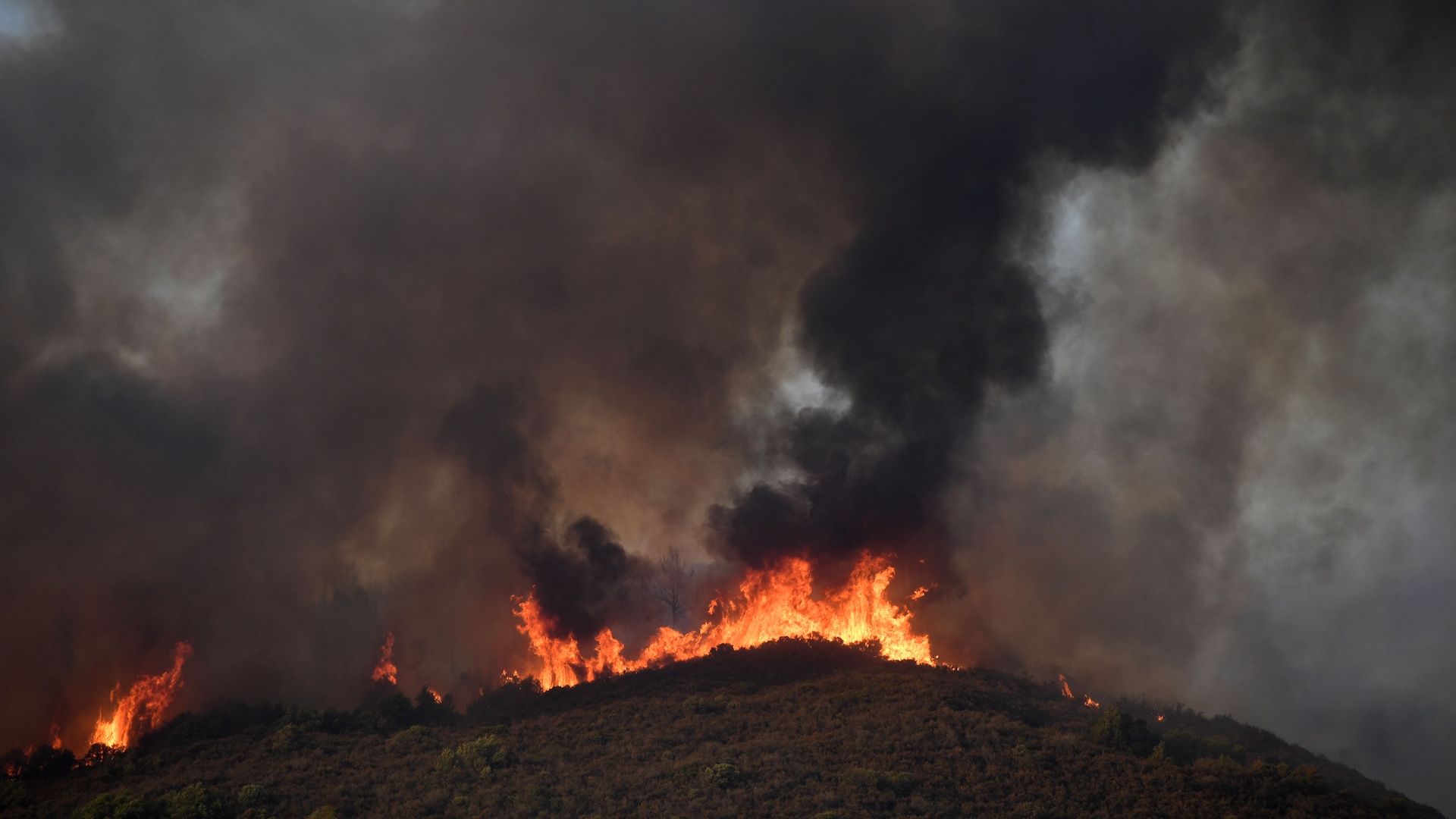
California's deadly wildfire season continues, and one staggering data point illustrates just how serious things are: Three of the state's top 10 largest wildfires on record are burning at the same time.
Why this matters: California forests are primed to burn after the state saw its hottest month on record in July, and vegetation is at record levels of dryness. Ominously, the peak of the California wildfire season doesn't arrive until September and October.
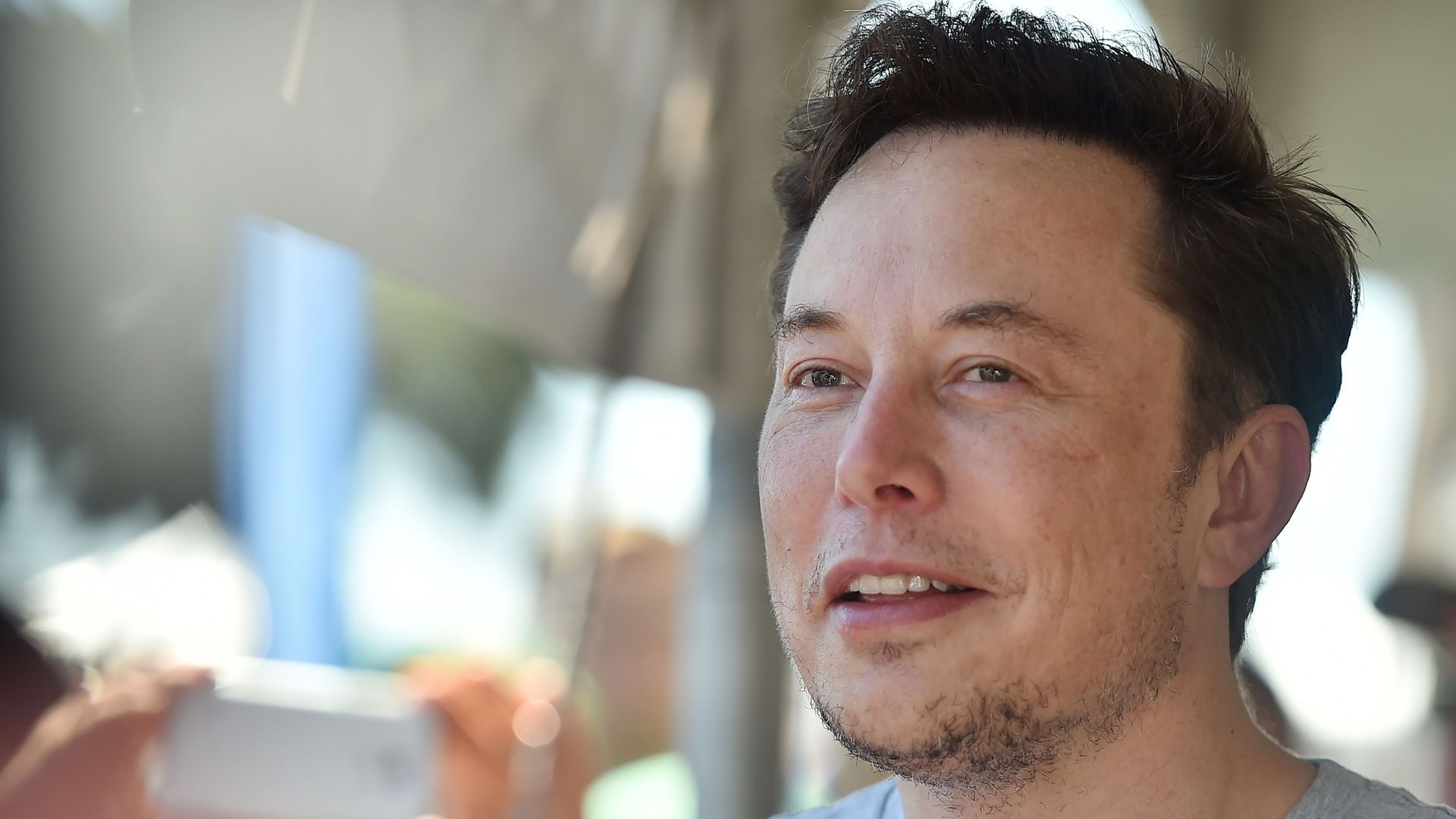
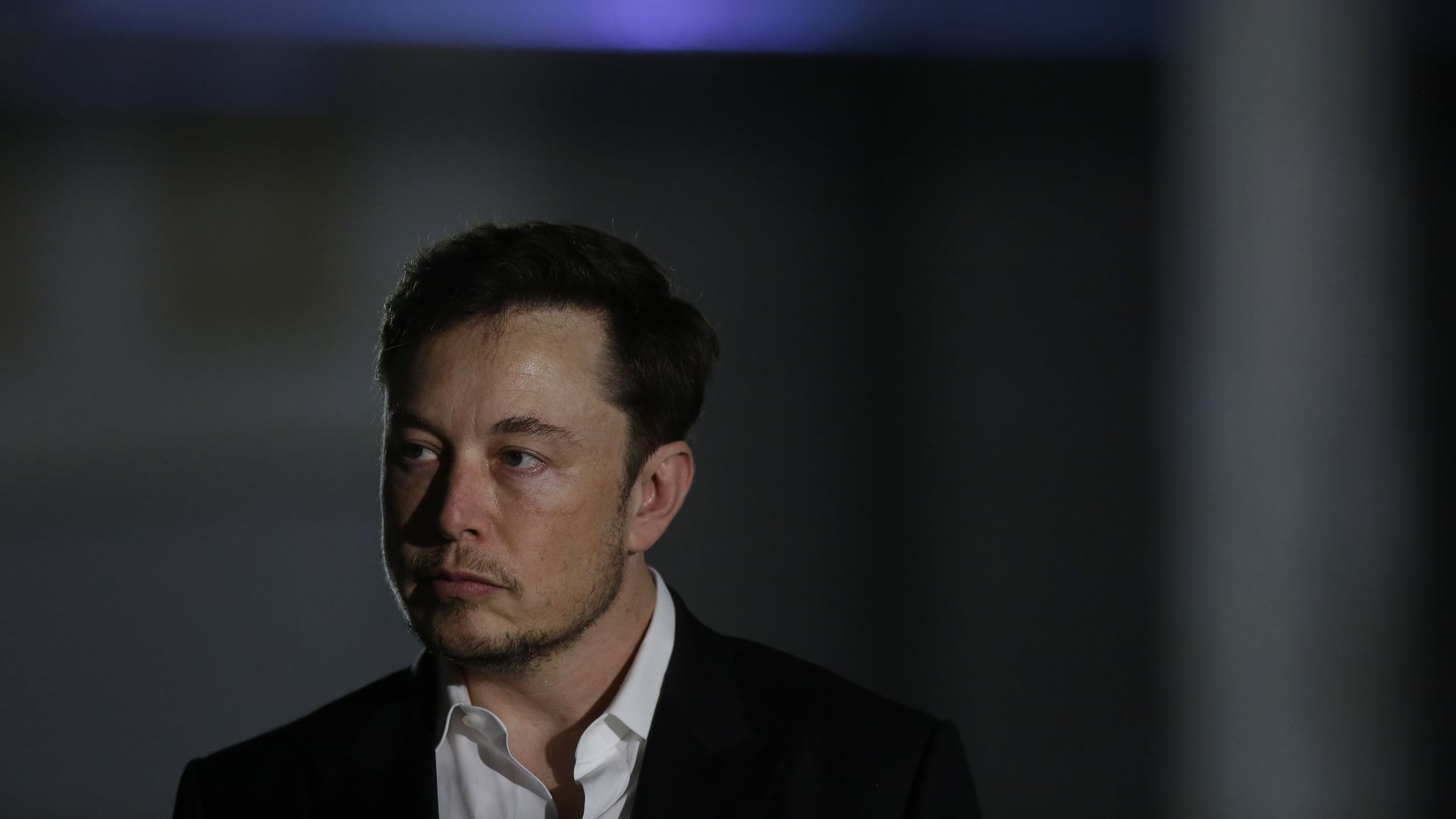
Elon Musk issued a statement Monday attempting to answer questions about his decision to take Tesla private at $420 a share, including why he tweeted that he had "funding secured."
The big picture: Musk explained that he met with the Saudi sovereign wealth fund on July 31 and that he left the meeting with "no question that a deal... could be closed." He said he is in ongoing discussions with the managing director of the fund regarding details about how Tesla would be taken private.
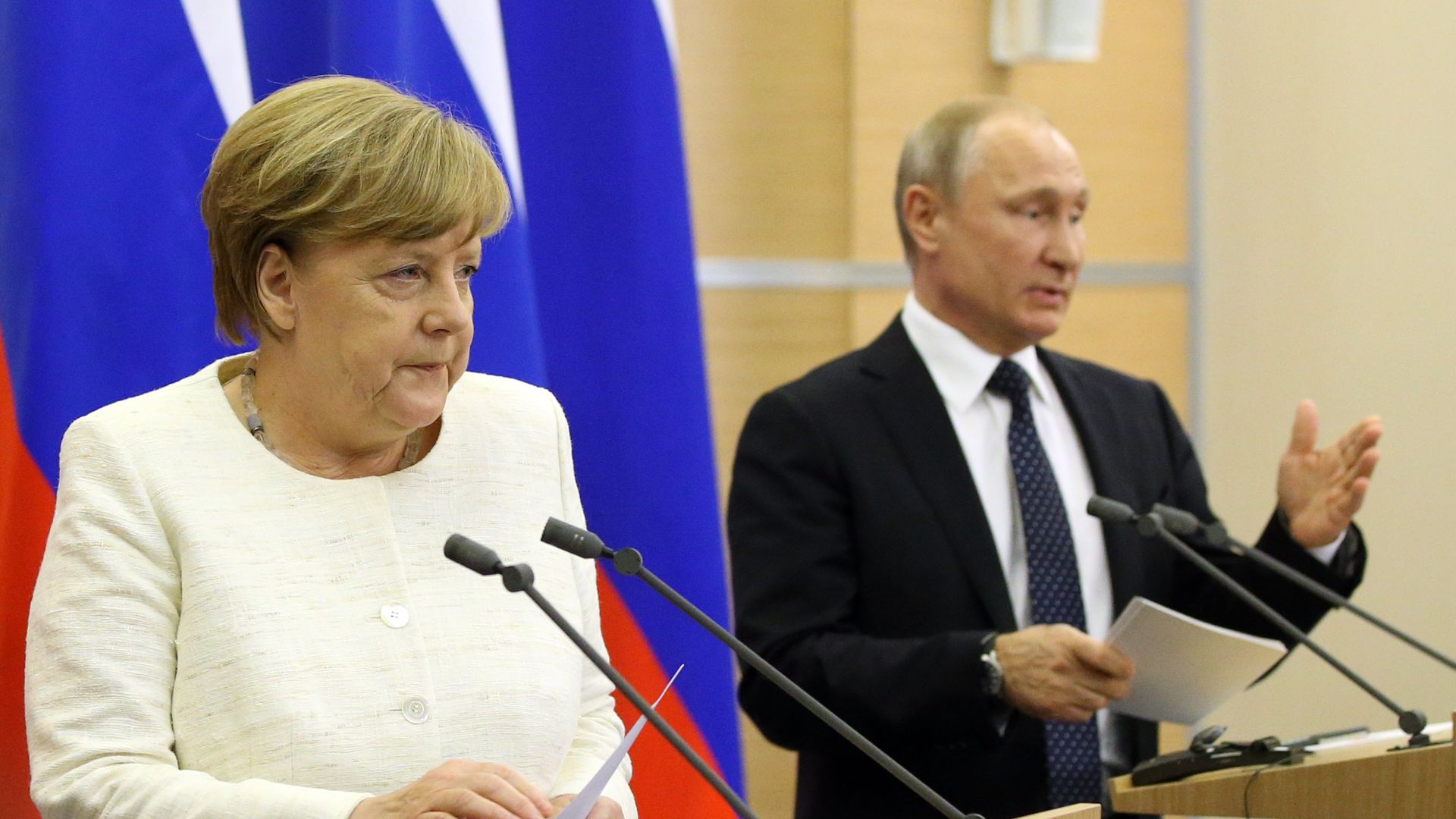
German Chancellor Angela Merkel will host Russian President Vladimir Putin on August 18 for bilateral talks on Syria, violence in eastern Ukraine and energy issues, according to a German government spokesman.
Why it matters: The energy question will be of particular interest to the U.S. because of the Nord Stream 2 gas pipeline, a project that President Trump has repeatedly criticized. Trump has said Germany is "totally controlled" by Russia because of the planned pipeline and wants Germany — an enormous gas purchaser — to buy liquefied natural gas from the U.S. instead.
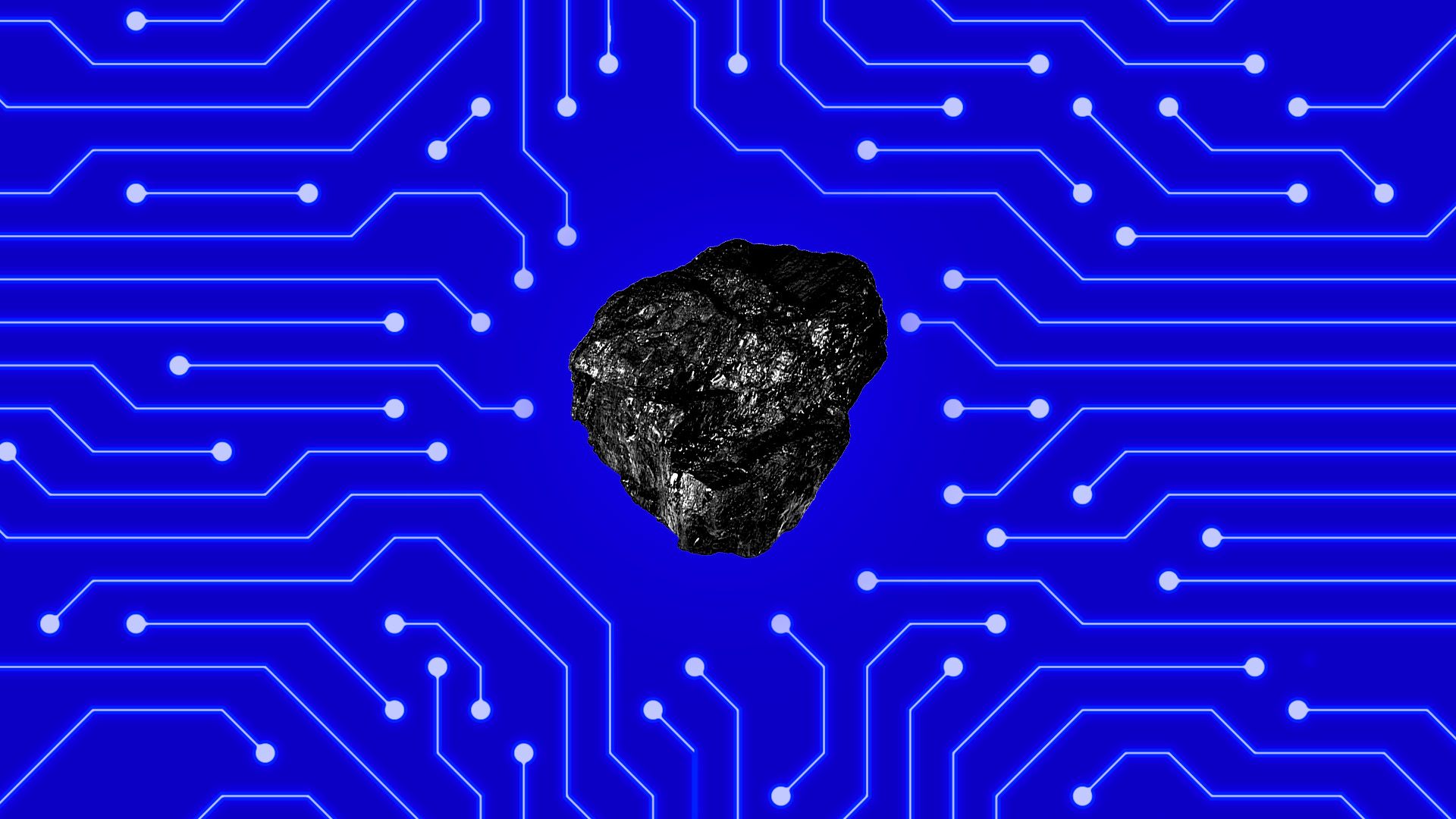
Randy Atkins is trying to make coal great again, but not how President Trump has promised.
The intrigue: Atkins’ company, Ramaco Carbon, is working to open what would be Wyoming’s first coal mine devoted not to electricity, but to high-tech products like carbon fiber or 3D printing material. Atkins represents the leading edge of what could be a new, high-value market for coal after decades of being America’s cheapest power source.
Saudi Arabia's Public Investment Fund is reportedly in talks to increase its stake in Tesla to become a part of Elon Musk's move to take his company private at $72 billion, Bloomberg reports, though sources told Reuters yesterday that the sovereign wealth fund had no interest in financing the proposal.
The bottom line, via Axios' Dan Primack:Musk is under great scrutiny for tweeting last week that he had "funding secured" for a buyout, leading some to speculate that he had Saudi support. Both reports, although at odds on Saudi interest, imply that the Saudis weren't officially in when Musk tweeted.
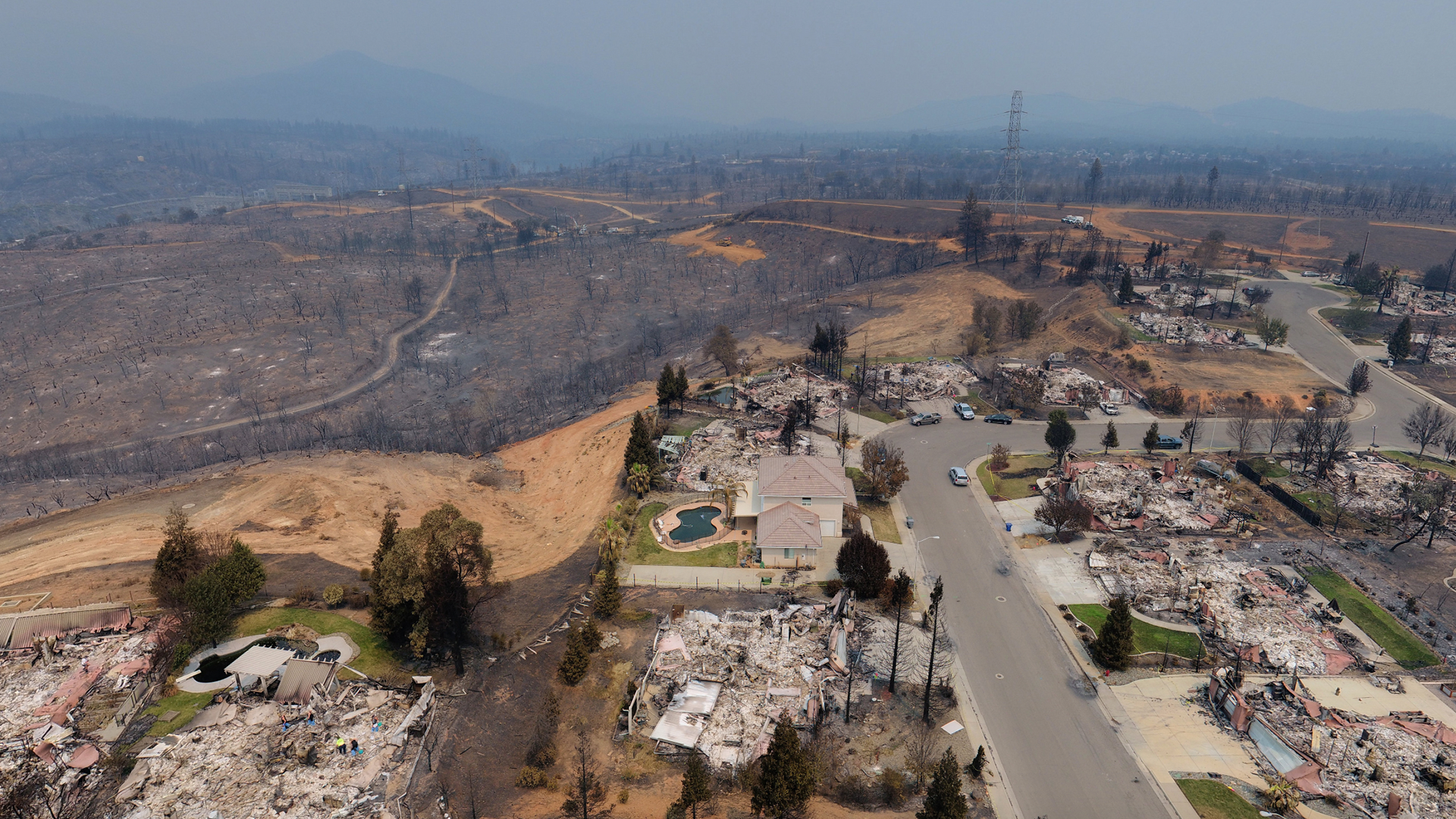
Nothing was typical about the way the Carr Fire tore into the city of Redding, California on July 27. Photos released by the city late last week show an aerial perspective of the devastation caused when it launched its deadly assault on the community of about 100,000.
The big picture: This wildfire transformed from an intense blaze to something even the most senior firefighters had never seen before: a towering, spinning inferno that sped downhill, tore across small, outlying subdivisions and towns, and torched parts of the city. Photos show entire homes charred down to the foundation, next to homes that survived as if untouched by the flames.