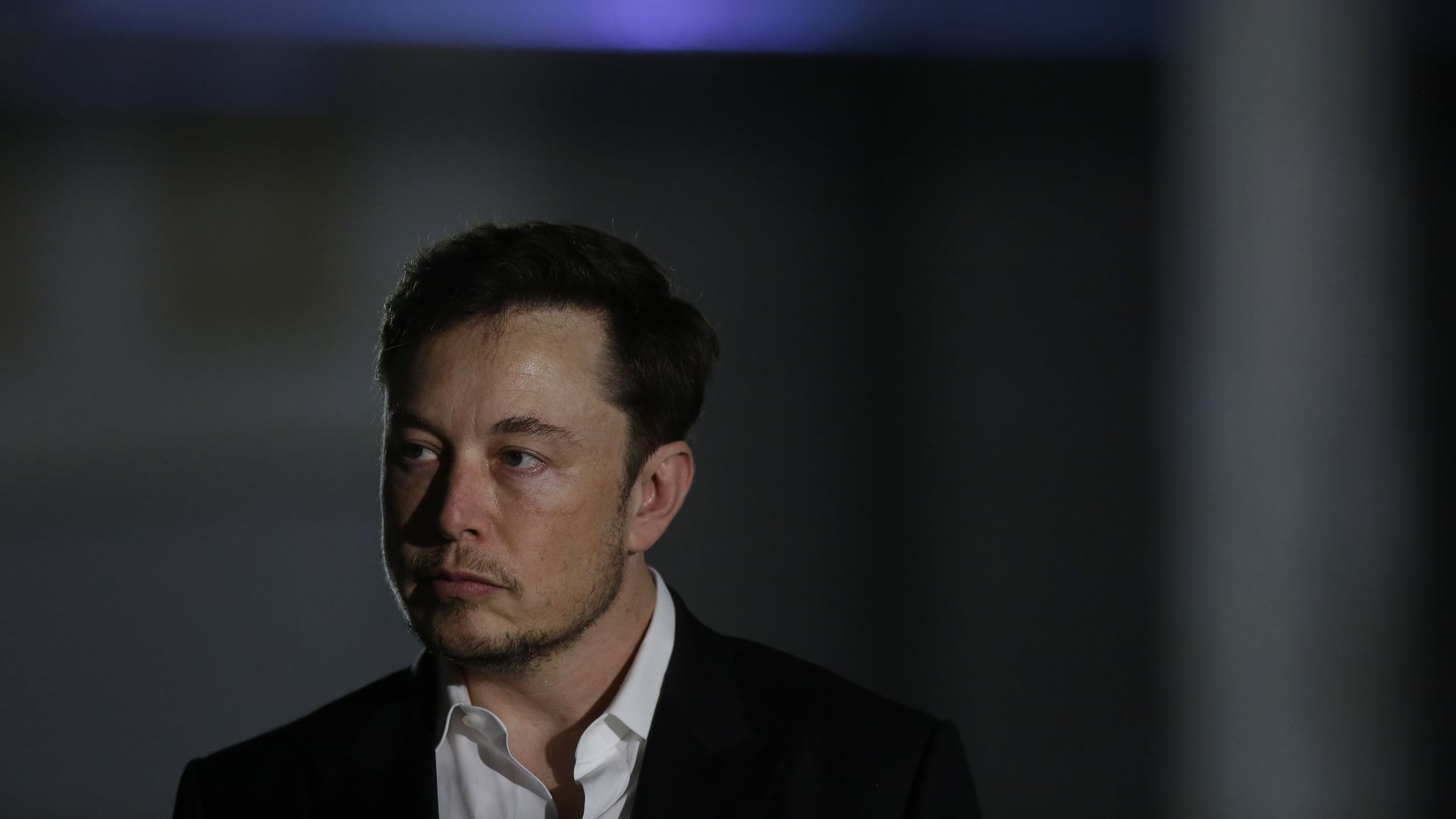
Saudi Arabia's Public Investment Fund is reportedly in talks to increase its stake in Tesla to become a part of Elon Musk's move to take his company private at $72 billion, Bloomberg reports, though sources told Reuters yesterday that the sovereign wealth fund had no interest in financing the proposal.
The bottom line, via Axios' Dan Primack:Musk is under great scrutiny for tweeting last week that he had "funding secured" for a buyout, leading some to speculate that he had Saudi support. Both reports, although at odds on Saudi interest, imply that the Saudis weren't officially in when Musk tweeted.
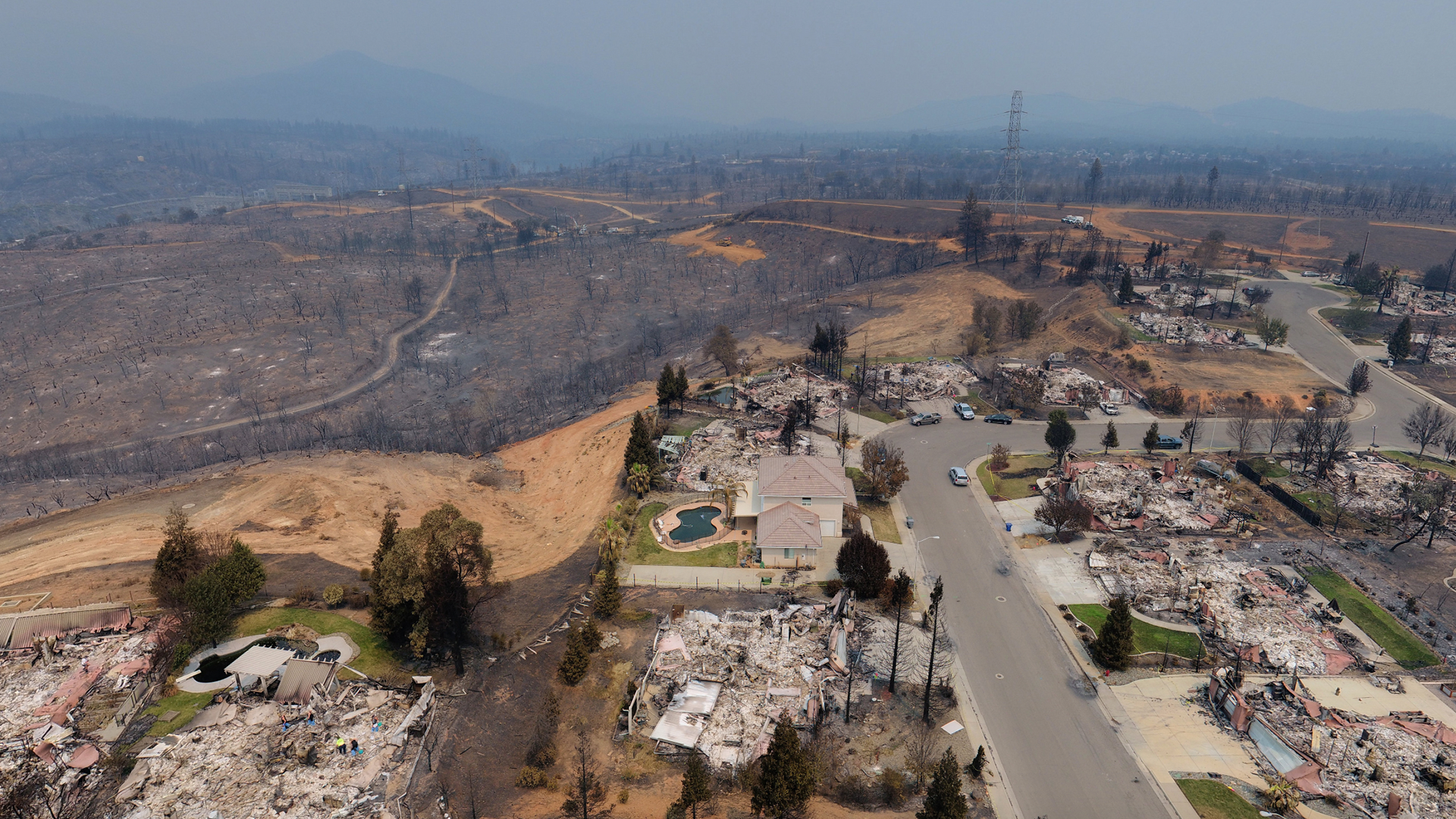
Nothing was typical about the way the Carr Fire tore into the city of Redding, California on July 27. Photos released by the city late last week show an aerial perspective of the devastation caused when it launched its deadly assault on the community of about 100,000.
The big picture: This wildfire transformed from an intense blaze to something even the most senior firefighters had never seen before: a towering, spinning inferno that sped downhill, tore across small, outlying subdivisions and towns, and torched parts of the city. Photos show entire homes charred down to the foundation, next to homes that survived as if untouched by the flames.
In Santa Monica, scooter startup Bird's hometown, the city planning department has recommended the council award its two pilot program permits to Lyft and Uber over the one-year-old electric scooter upstart. It remains to be seen who the director of planning department chooses.
Why it matters: Bird's initial deployment of its scooters in Santa Monica ruffled the city's feathers, and its relatively low score in the "compliance" category suggests the planning department hasn't forgotten. Notably, unlike the ride-hailing wars a few years ago, some scooter companies are choosing to stick to the rules this time around.
The story has been corrected to show that the director of the planning department, not city council, gets the final decision.
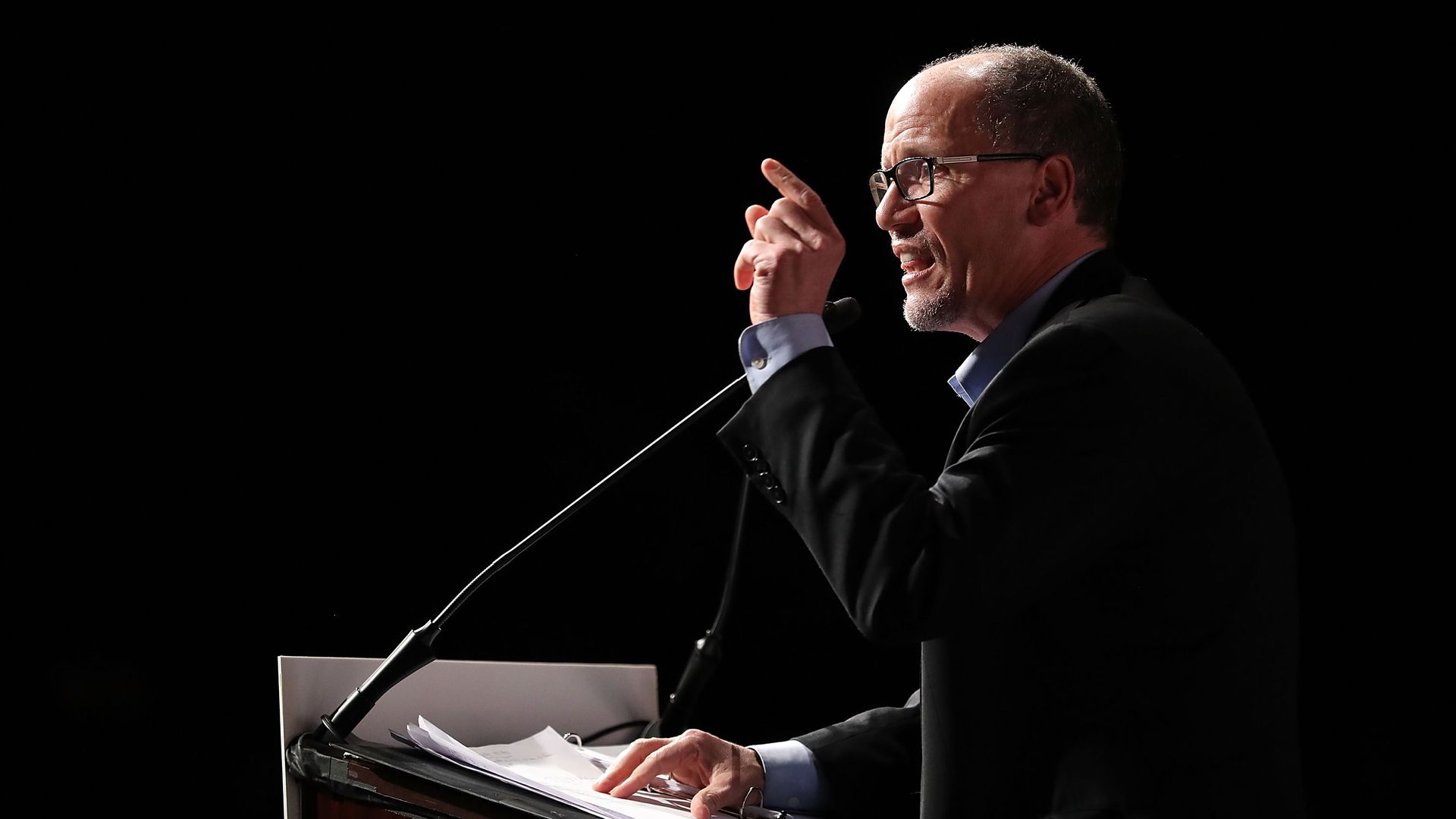
The Democratic National Committee will now accept donations from fossil fuel workers and "their unions' or employers' political action committees" after voting to pass a new resolution on Friday, The Hill reports.
Why it matters: DNC Chairman Tom Perez said the new resolution allowing the donations "was a commitment to organized labor," per The Hill. Critics say this is a reversal of a resolution from June, which banned donations from fossil fuel companies and associations. The new resolution shows the limits of the democratic party’s growing left-most wing pushing aggressive climate and energy policies.
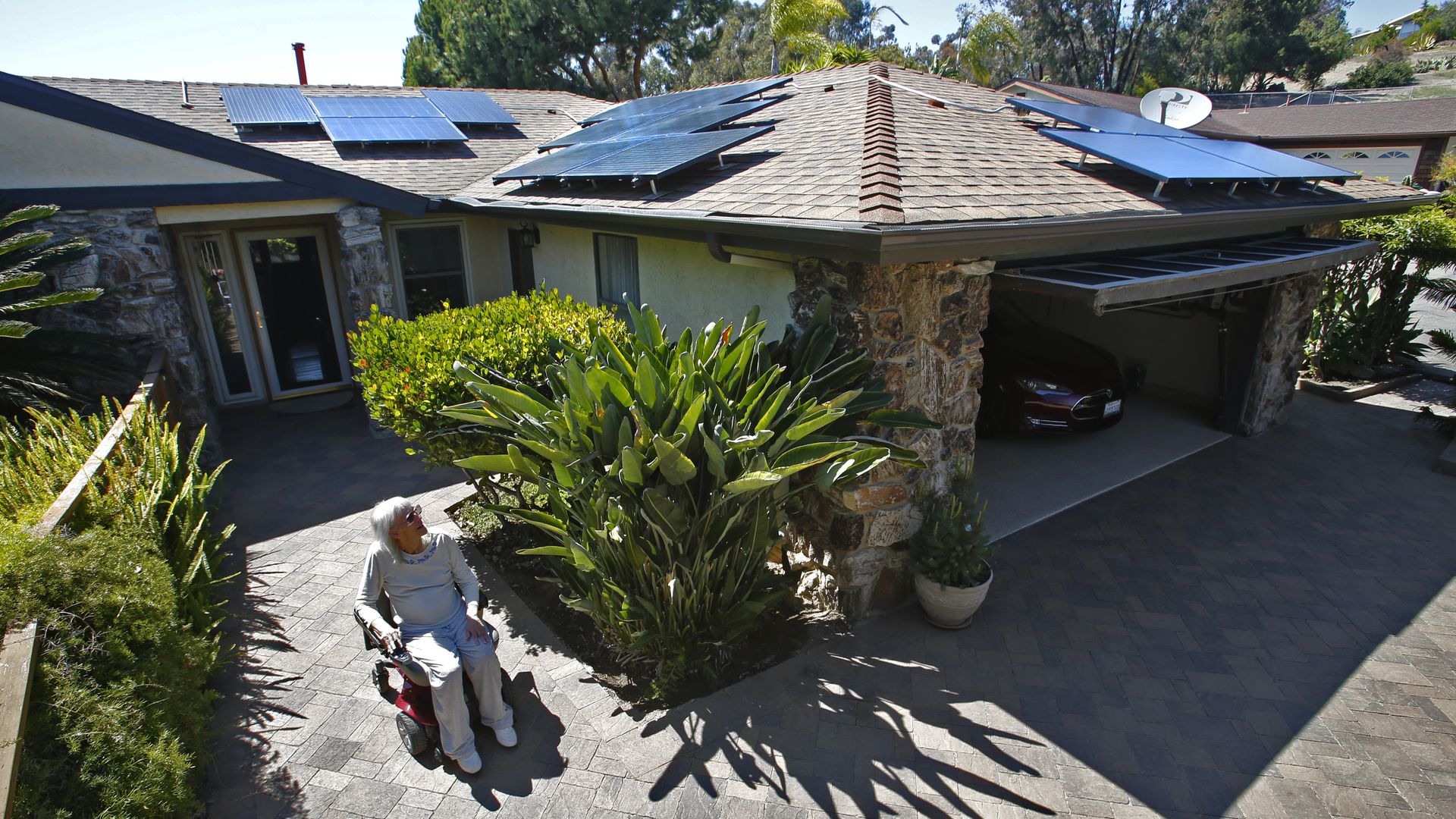
Much of the United States' energy infrastructure is archaic and unreliable. Severe weather is the primary cause of power loss, with numerous areas suffering multi-day outages last winter. The need for improved infrastructure in response to climate change was highlighted in a 2013 White House report and persists today.
What's next: Daunting and expensive as it would be, a national overhaul of the grid is sorely needed. Microgrids could play a significant role, as they offer a promising way to provide stable, green and cost-efficient energy.