Tesla Motors has been subpoenaed by U.S. securities regulators, related to Tesla CEO Elon Musk's efforts to take the company private.
Why it matters: Musk is one of America's most consequential tech executives. Not only because of his unparalleled audacity and futuristic vision, but also because he has no clear successor at his largest company, Tesla. Now, both Musk's and Tesla's futures are at risk.
Scientists announced today they have mapped out more than 94% of the genome of Chinese Spring bread wheat — adding that by manipulating its genetic code, people could eventually improve global food security and possibly alleviate some immune disorders like celiac disease or wheat allergies.
Why it matters: According to the new research, by 2050, the world is expected to have around 9.8 billion people (up from 7.6 billion today). As the staple of more than a third of all people, this means wheat productivity must increase by 1.6% each year — but rather than farming more scarce land, the researchers hope wheat genes can be manipulated to enhance nutrition, improve sustainability and production, and lessen immune reactions.
The Environmental Protection Agency will propose a replacement regulation as soon as next week for President Obama's signature climate-change rule, reports Timothy Gardner of Reuters.
Why it matters: The rule's original goal was to cut carbon dioxide emissions from coal-fired power plants 32% by 2030 based on 2005 emission levels, and was the cornerstone of Obama's pledge in the Paris climate deal. President Trump's replacement has been anticipated for many months and is said to be less stringent and will grant states the ability to write their own individual regulations.
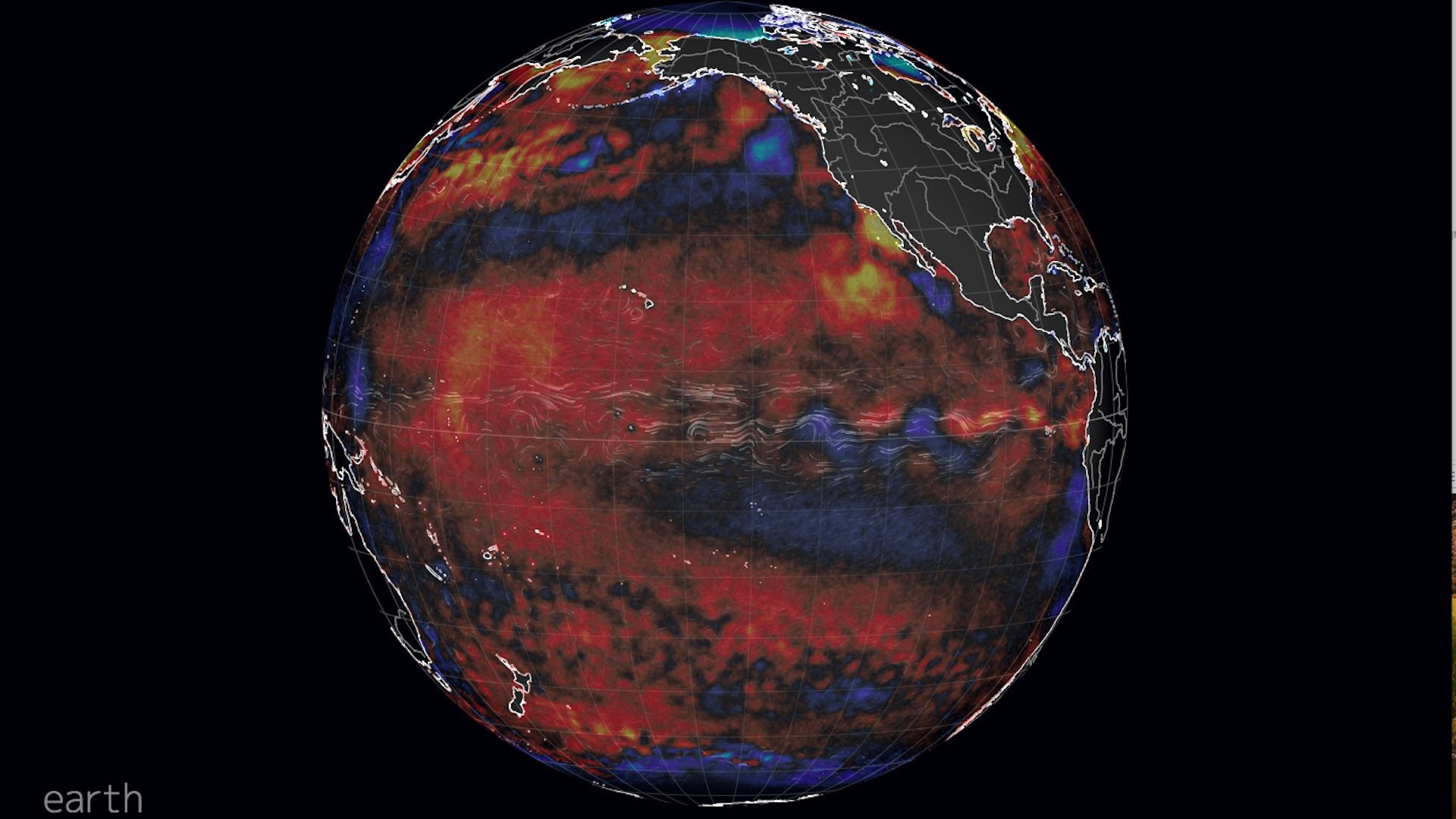
In the tropical waters of the equatorial Pacific Ocean, conditions appear to be primed for the development of an El Niño event, with potentially far-reaching consequences.
Why it matters: If an El Niño does develop, even a weak one, it could influence weather patterns around the world — from increasing the odds of above-average winter precipitation in California to favoring drought conditions in Indonesia. It could also provide a natural boost to global average surface temperatures, nudging 2018 and possibly 2019 further up the ladder of the hottest years on record.
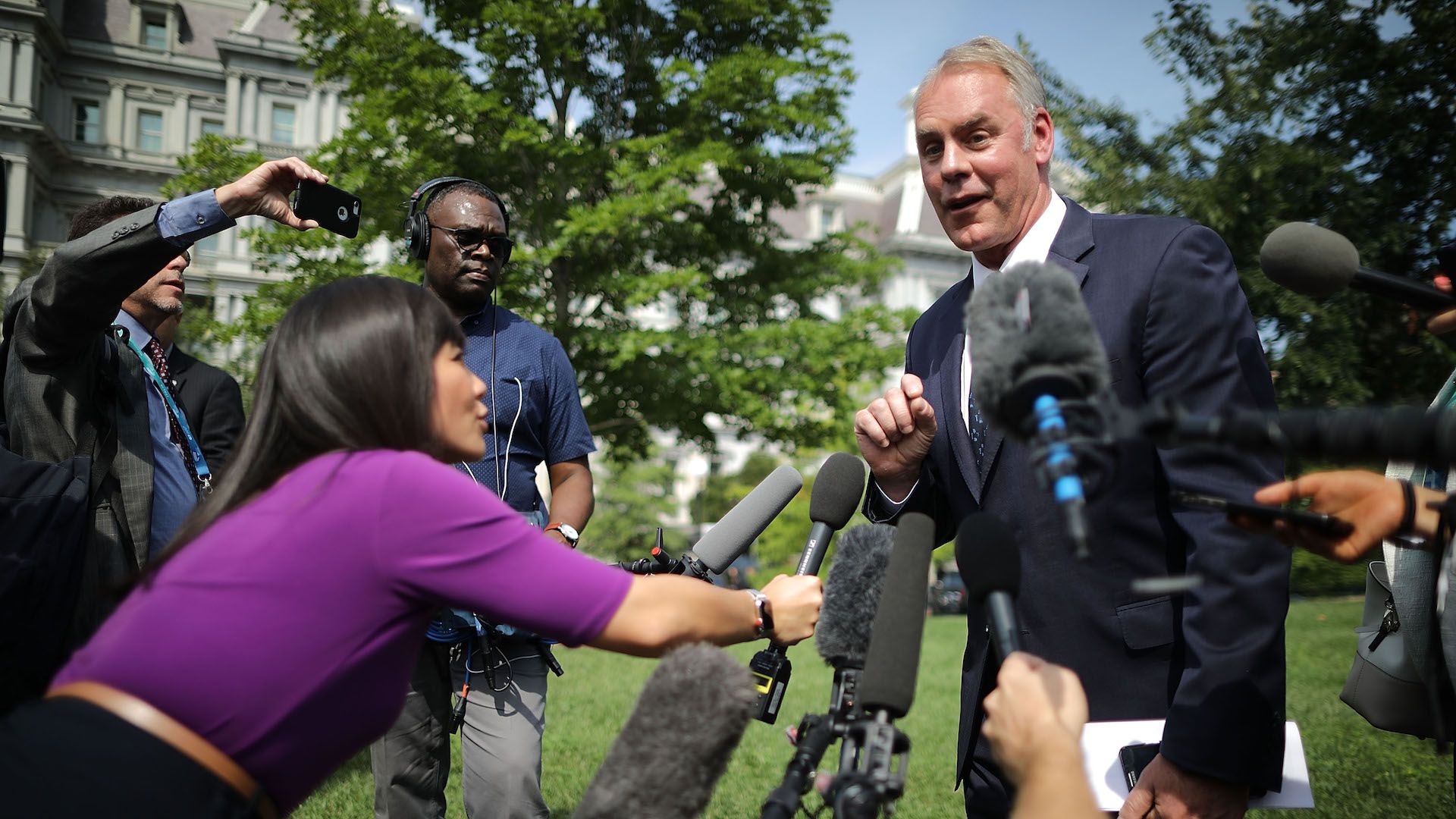
During an appearance on Fox Business on Thursday morning, Interior Secretary Ryan Zinke broke sharply with the scientific consensus regarding mankind's role in climate change.
Why it matters: Zinke oversees the agency that manages U.S. public lands, many of which are currently burning due to hotter, drier weather that scientists say is part of long-term climate change. How he views climate science findings will help inform his approach to managing our forests and national parks.
The internet connectivity built into most new vehicles enables all sorts of conveniences — news, entertainment, weather and even over-the-air software updates from the manufacturer. The downside: Connected cars are incredibly easy to hack.
The big picture: With 16 million new cars and trucks sold every year in the U.S., these cybersecurity risks are already extensive and will only grow as the push toward autonomous vehicles continues.
Yesterday's Gulf of Mexico lease sale drew $178 million in winning bids from oil companies, spanning 144 tracts in the region that cover around 800,000 acres.
The big picture: The total was very modest by comparison to many sales in the past, including auctions in the mid-2000s, when high oil prices led to high bids totaling several billion dollars.
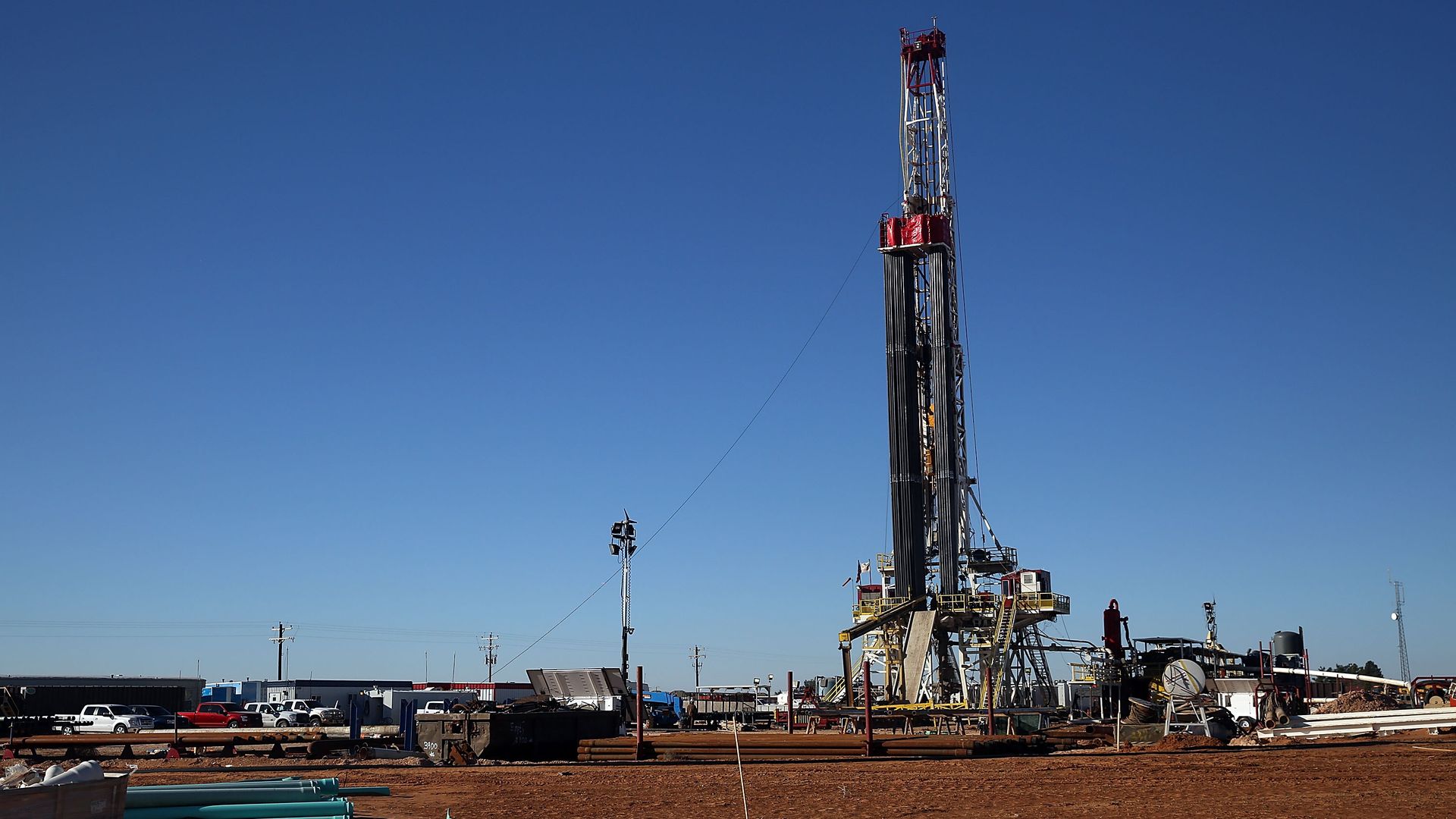
The amount of water needed for new oil and gas wells developed via fracking has surged in recent years — and it's slated to keep rising — Duke University researchers conclude in a new paper.
Why it matters: It underscores resource challenges, especially in arid regions like West Texas that accompany the decade-old boom in fracking and horizontal drilling, which has pushed U.S. oil and gas production to record levels.
If China achieves the targets outlined in its Energy Development Strategy Action Plan, it will become the world's nuclear energy leader and fundamentally change the global trajectory of the nuclear power industry.
Data: World Nuclear Association; Note: Output of currently operable reactors measured in net MWe (electrical megawatts), while output of future reactors measured in gross MWe; Graphic: Harry Stevens/Axios
The big picture: It's not a foregone conclusion that China will follow through on its plans, especially with the public resistance stemming from the 2011 Fukushima meltdown in Japan. But if Xi Jinping and his administration decide to press on,China will be solidly on track to dominate the nuclear landscape.