In the months electric scooters for rent started cropping up in cities across the country, the response hasn’t exactly been positive — especially from local governments, which have scrambled to implement pilot programs with strict limits.
The bottom line: City officials are trying to regain control over private transportation services after ride-hailing companies flooded their streets with cars years ago. But while some upset residents are destroying scooters, many are embracing them as an easy option to get around.
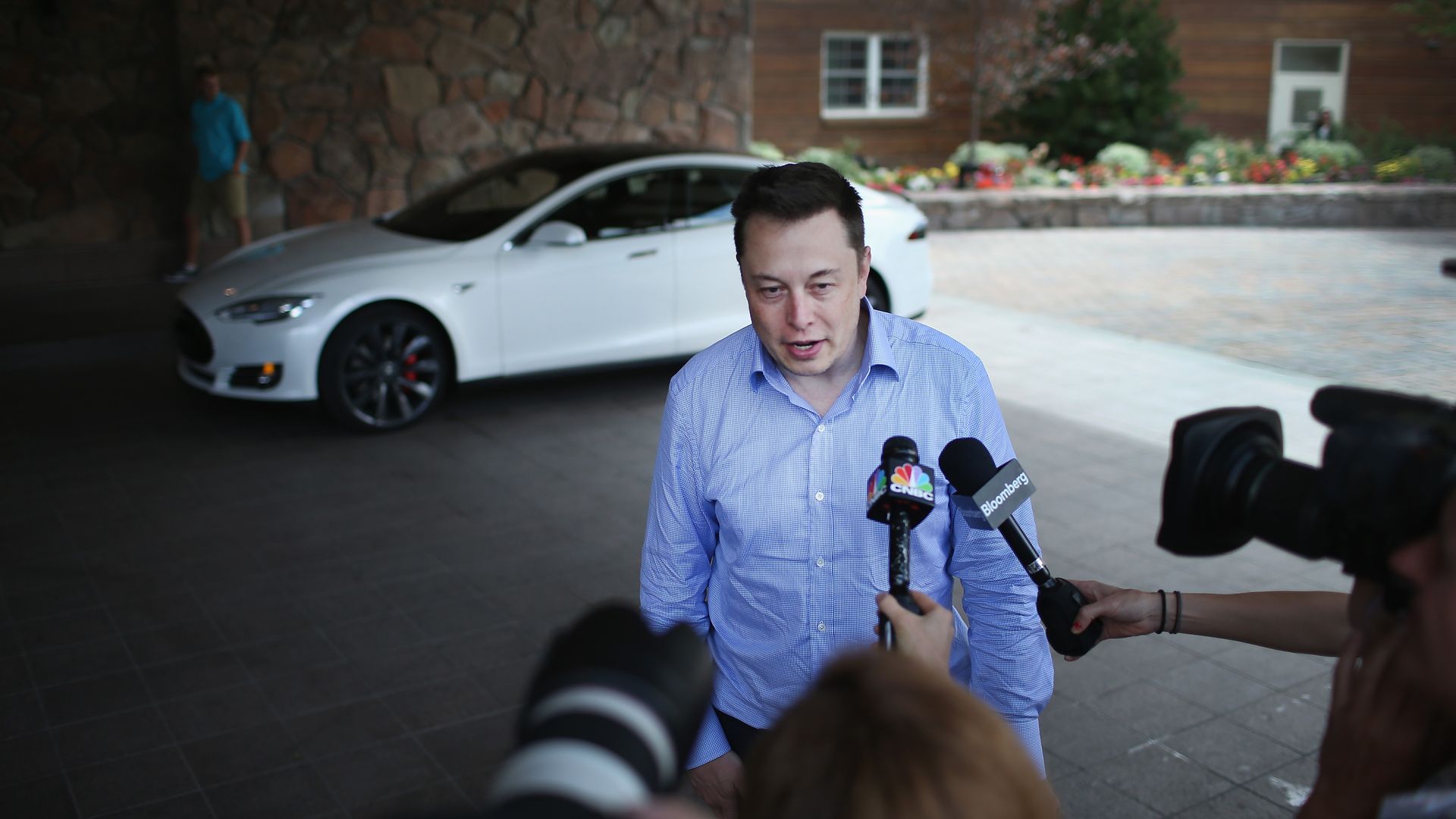
Tesla CEO Elon Musk said the company may be producing a low-cost $25,000 electric car within three years in an interview with YouTuber Marques Brownlee, CNBC reports.
Why it matters: Musk's announcement comes after a two week period of scrutiny where he ran into trouble with the rollout of his plan to take the company private. Tesla currently represents a third of the U.S. market for plug-in vehicles and this could increase their dominance in the field. The company has been ramping up production of its Model 3, a more mass-market product that's key to its long-term future and already the nation's top-selling EV.
The details: Musk was brutally honest in the Times interview, saying it has been "the most difficult and painful year" of his career. But "[i]nvestors weren't sympathetic" as he hasn't given them "confidence that he's on the ball.”
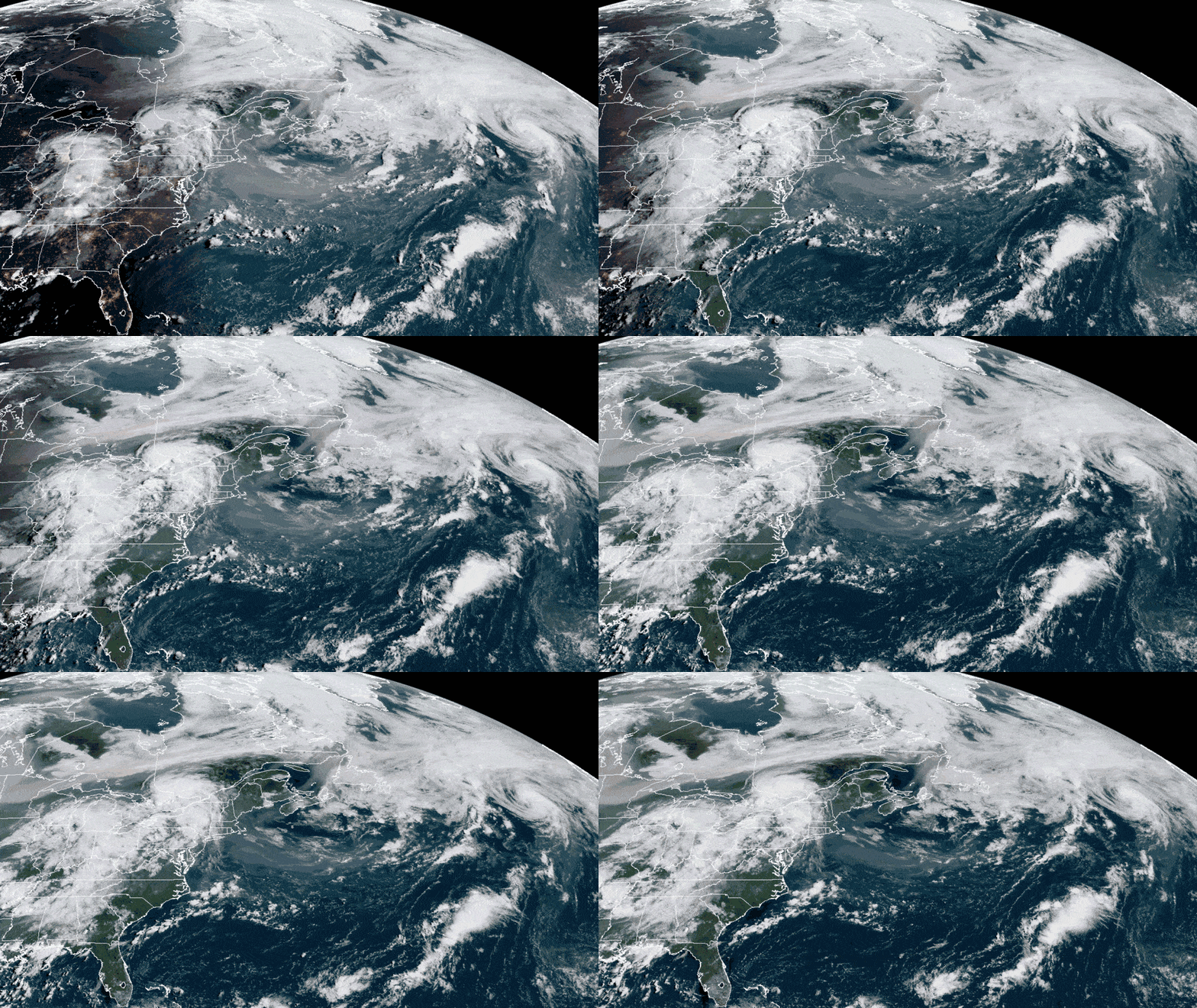
Satellite loop showing wildfire smoke drifting across the Atlantic, towards Western Europe. Credit: Data: RAMMB / CIRA; GIF: Harry Stevens/Axios
Smoke from devastating wildfires burning from California to British Columbia has traveled all the way across the Atlantic Ocean, having hitched a ride with west-to-east moving storm systems.
Why it matters: The sighting of North American wildfire smoke in Western Europe indicates how major disasters in one country can affect people thousands of miles away.
Of the $337 billion in insured losses from disaster events in 2017, $330 billion was caused by natural catastrophes, marking a nearly 90% increase from the previous 10-year average. If 2017 was an annus horribilis for the world and the risk-finance industry, which covered $144 billion of these losses, 2018 is on track to be even worse, since this is the year insurers will directly incur these costs on their balance sheets.
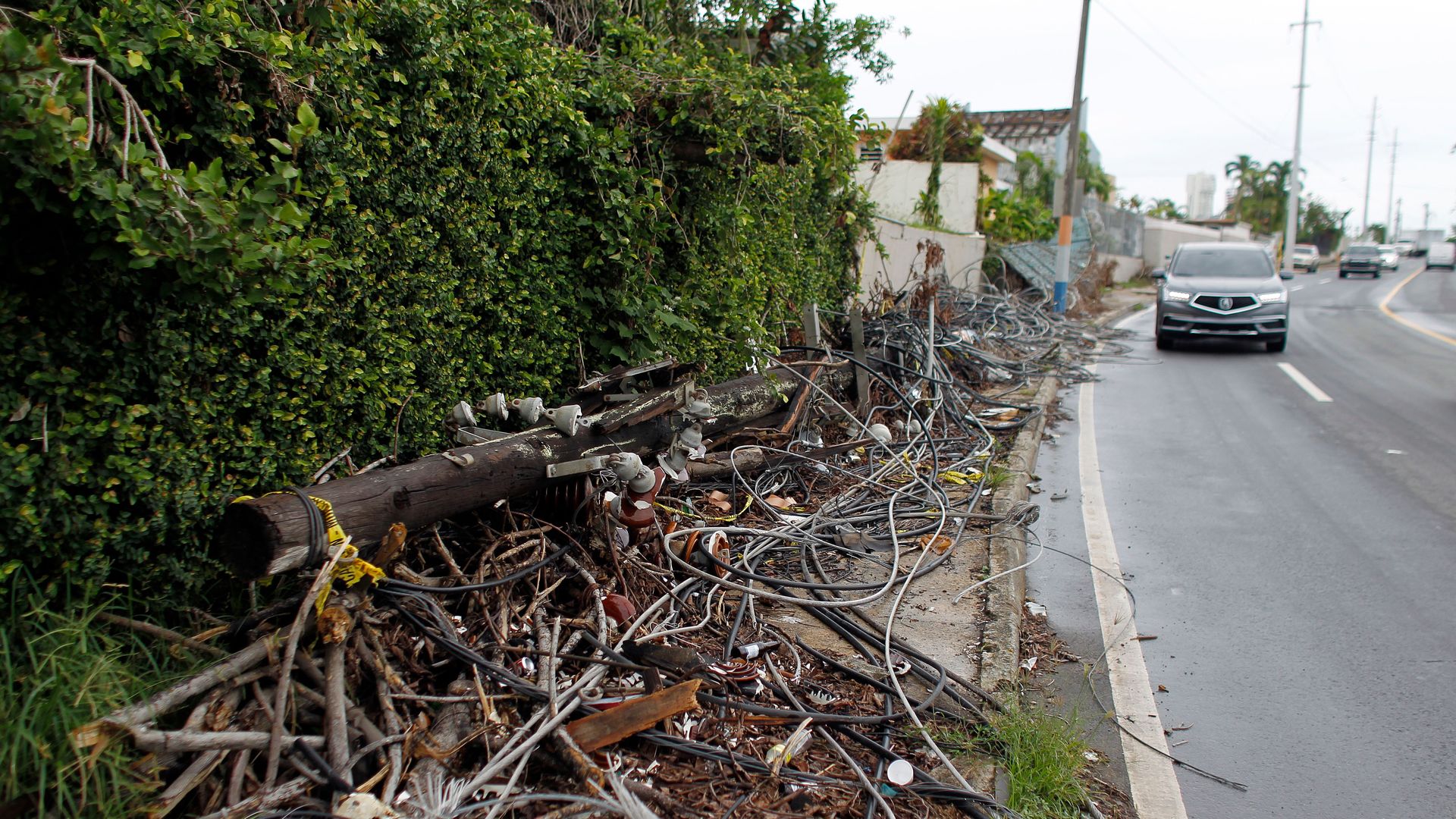
The big picture:Research shows that the world’s cities can expect on average $320 billion in lost economic productivity each year because of climate-related risks — climate change, floods, droughts, wild fires and heat-island effect, among others. Meanwhile, because more than 60% of these direct and indirect costs are not typically covered by insurance, insurers and public finance are in retreat as suppliers of last resort. For example, 60% of FEMA claims in Puerto Rico have been denied. Even against predictable threats like floods, earthquakes and wildfires, the protection gap is massive.
Hundreds are dead, and more than 150,000 have reportedly fled historic flooding in the southern Indian state of Kerala. The rains are the result of a relentless, seemingly stuck monsoon, which is causing the worst flooding the state has seen in decades, if not longer.
Why it matters: The Indian Monsoon is one of the most important climate cycles on the planet, responsible for feeding one of the world's most populous nations. But the downpours that sweep in from the Indian Ocean can be ruinous when they repeatedly pelt one area. In this case, Kerala has received 41% more rainfall than average for the year so far, much of it coming in the past few weeks.
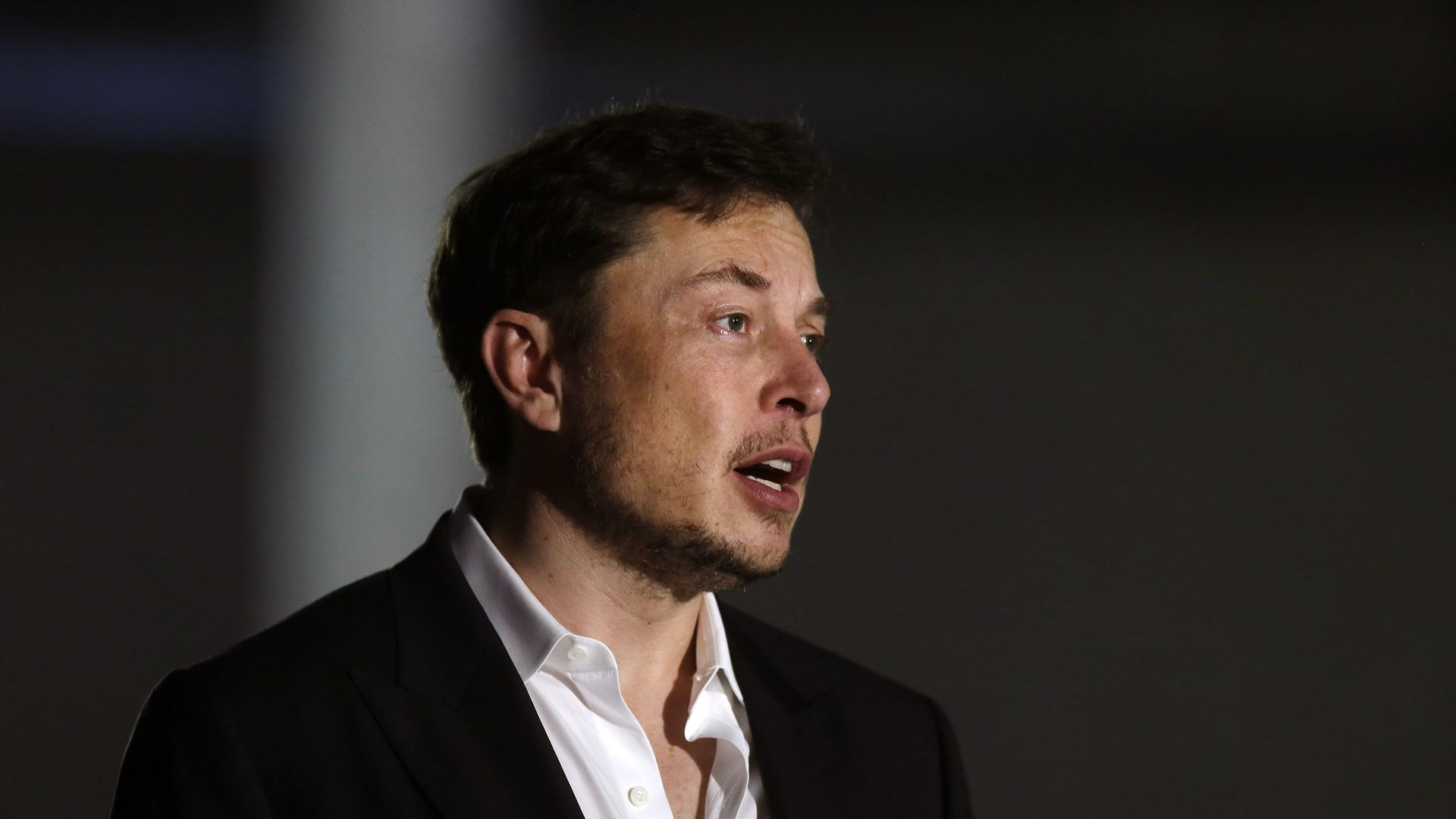
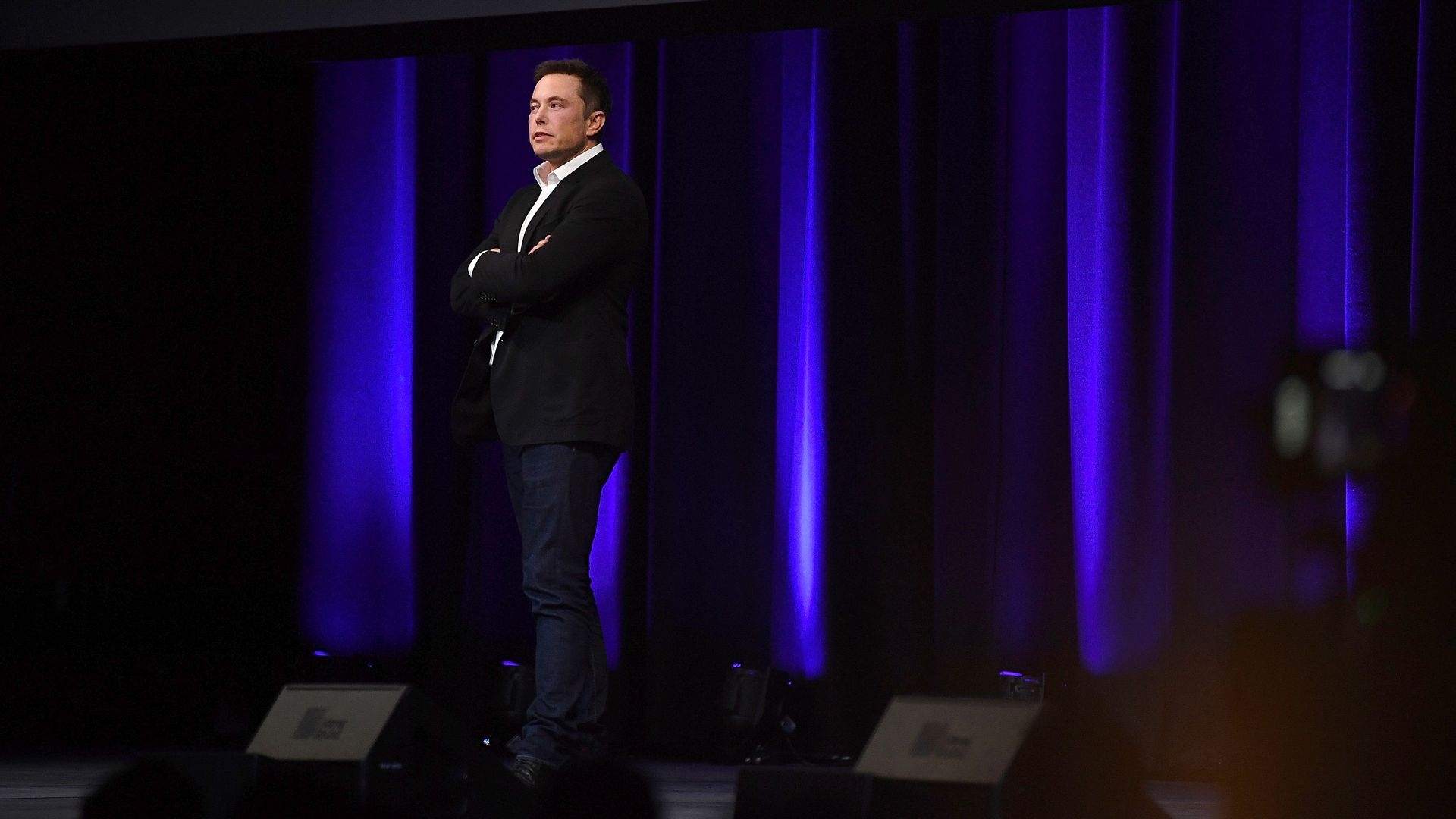
Tesla CEO Elon Musk gave a lengthy interview to the NY Times, in which he acknowledges that he's spread way too thin. But it was the Times reporting vs. what Musk said, plus its conflating his messy personal life with his professional life, that was most notable.
By the numbers: Tesla's stock is getting walloped after the interview came out, down nearly 9% from yesterday's close to about $307 as of publish time.
Elon Musk, in his first interview since the tumult exploded around his plans to take Tesla private, tells the The New York Times that the past year "has been the most difficult and painful year of my career. It was excruciating."
Why it matters: Beyond providing a window onto Musk's state of mind, the Times' reporting provides updates into Tesla's inner workings and the take-private announcement that's under investigation by securities regulators.
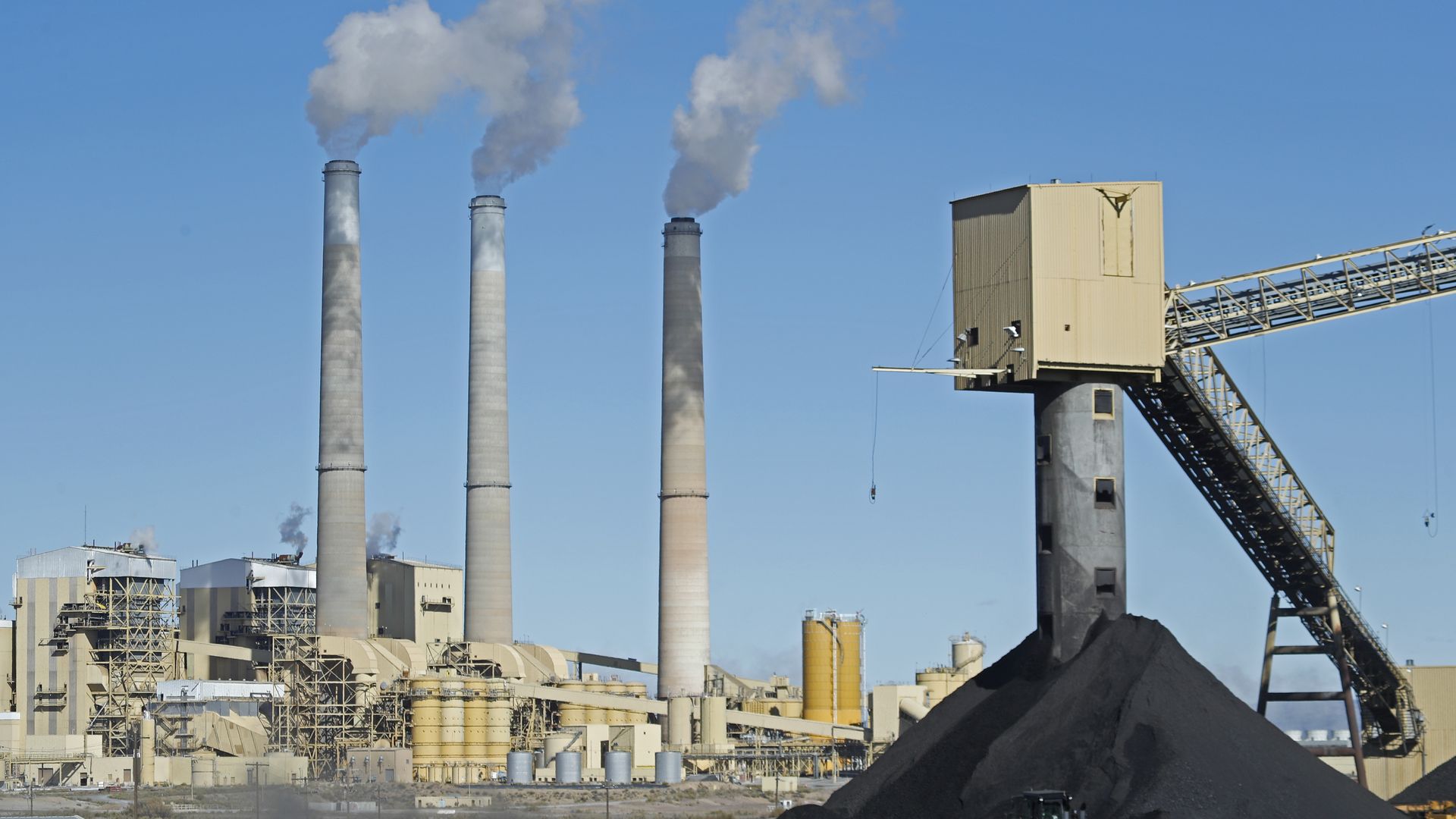
In June, President Trump proposed a large-scale intervention by the federal government into competitive electricity markets to bail out select coal and nuclear power plants struggling to compete. The president has claimed that a bailout is justified on national security grounds.
Why it matters: President Trump’s proposal would undermine electricity markets and cost Americans billions of dollars, but do nothing to address the real security threats facing the grid.