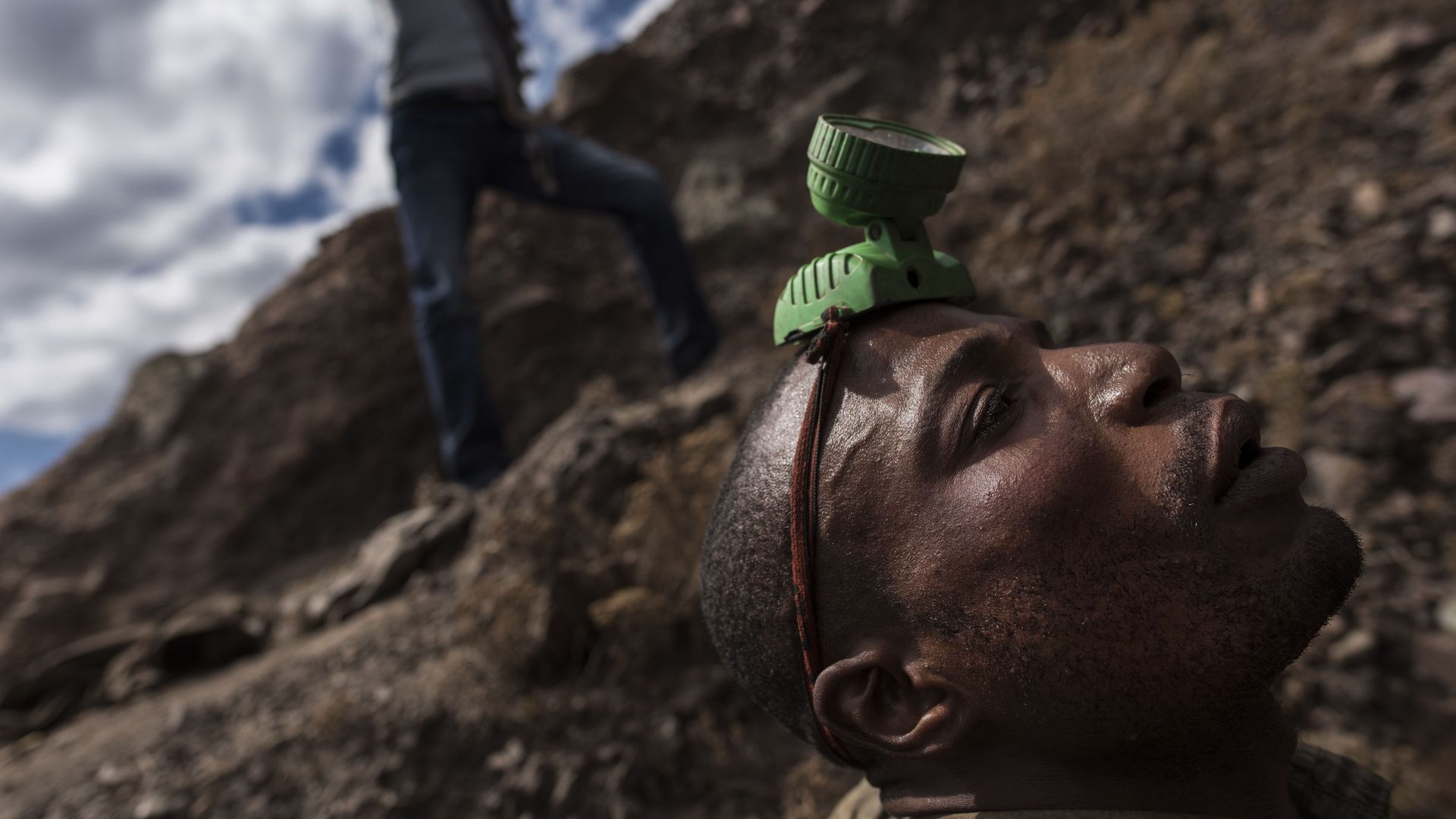
The U.S. government is funding a push to reinvent lithium-ion batteries so they contain little or no cobalt, an increasingly expensive metal found largely in the Democratic Republic of the Congo, where activists say workers often toil in inhumane conditions.
The big picture: Cobalt — contained in virtually every commercial lithium-ion battery on the planet — has unusual energy density and the ability to stabilize volatile electrochemistry. But its price has swung wildly given booming demand for electric cars in China, from Tesla, and elsewhere — in addition to electronic devices like smartphones.
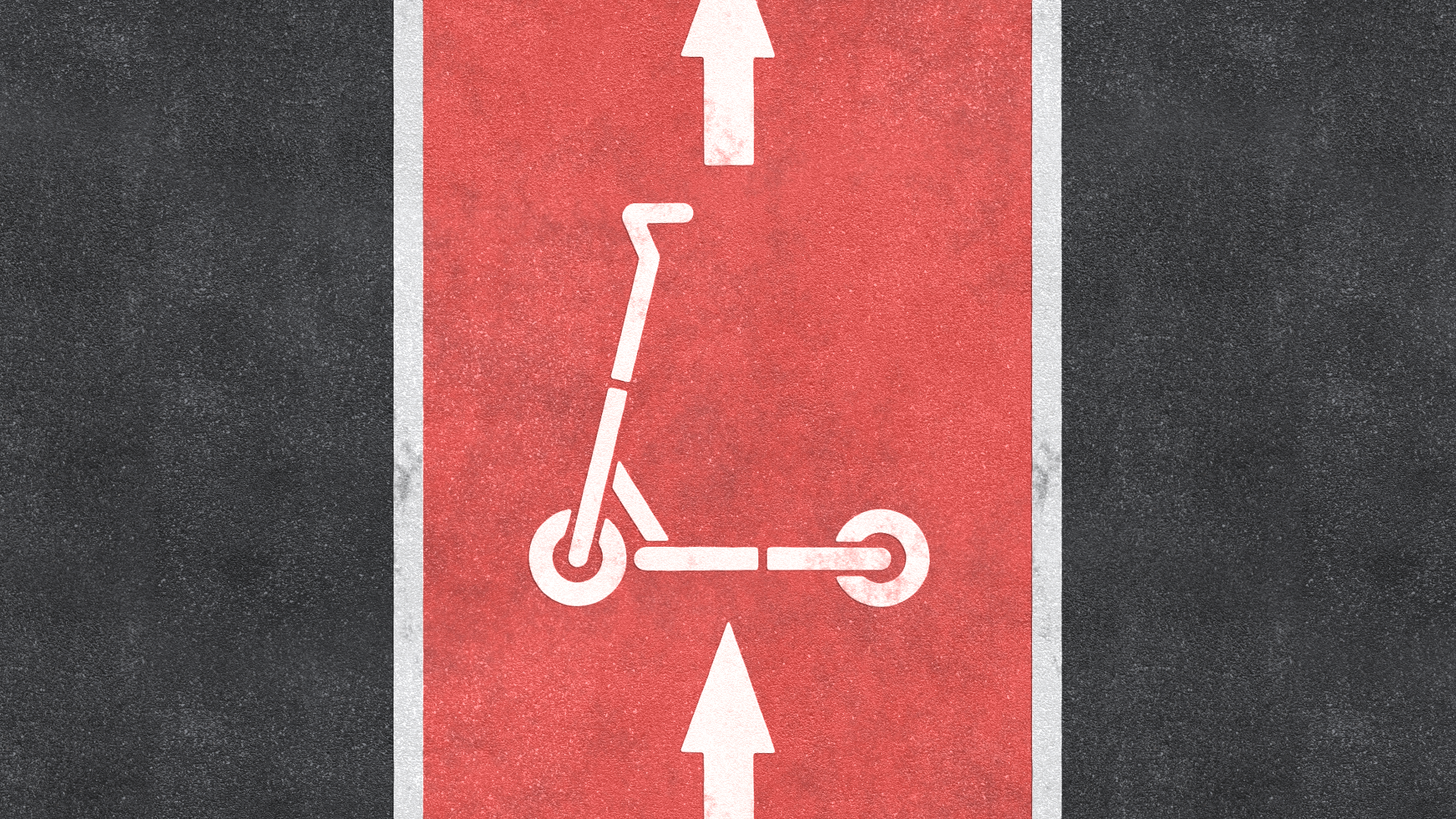
In the months electric scooters for rent started cropping up in cities across the country, the response hasn’t exactly been positive — especially from local governments, which have scrambled to implement pilot programs with strict limits.
The bottom line: City officials are trying to regain control over private transportation services after ride-hailing companies flooded their streets with cars years ago. But while some upset residents are destroying scooters, many are embracing them as an easy option to get around.
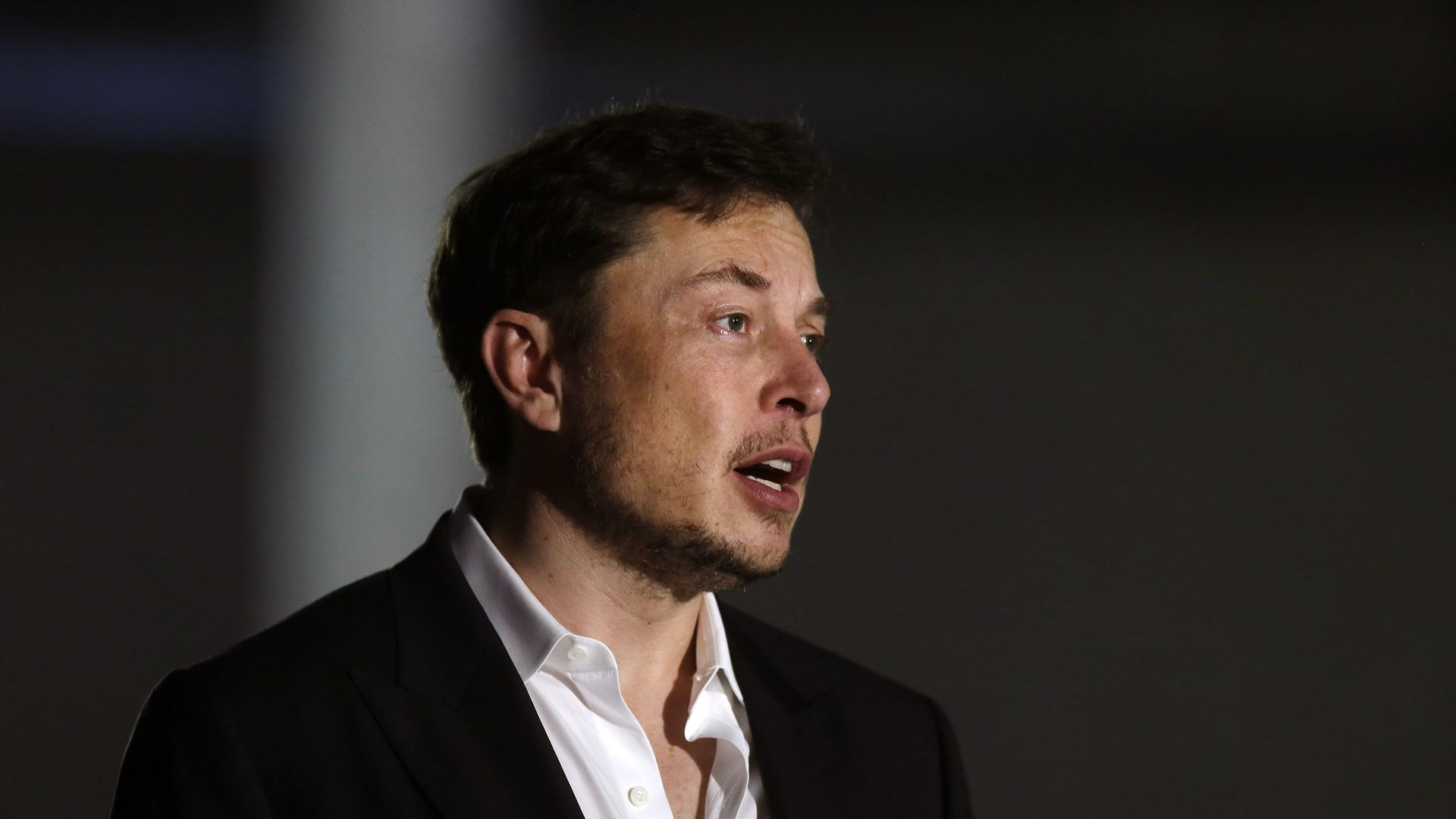
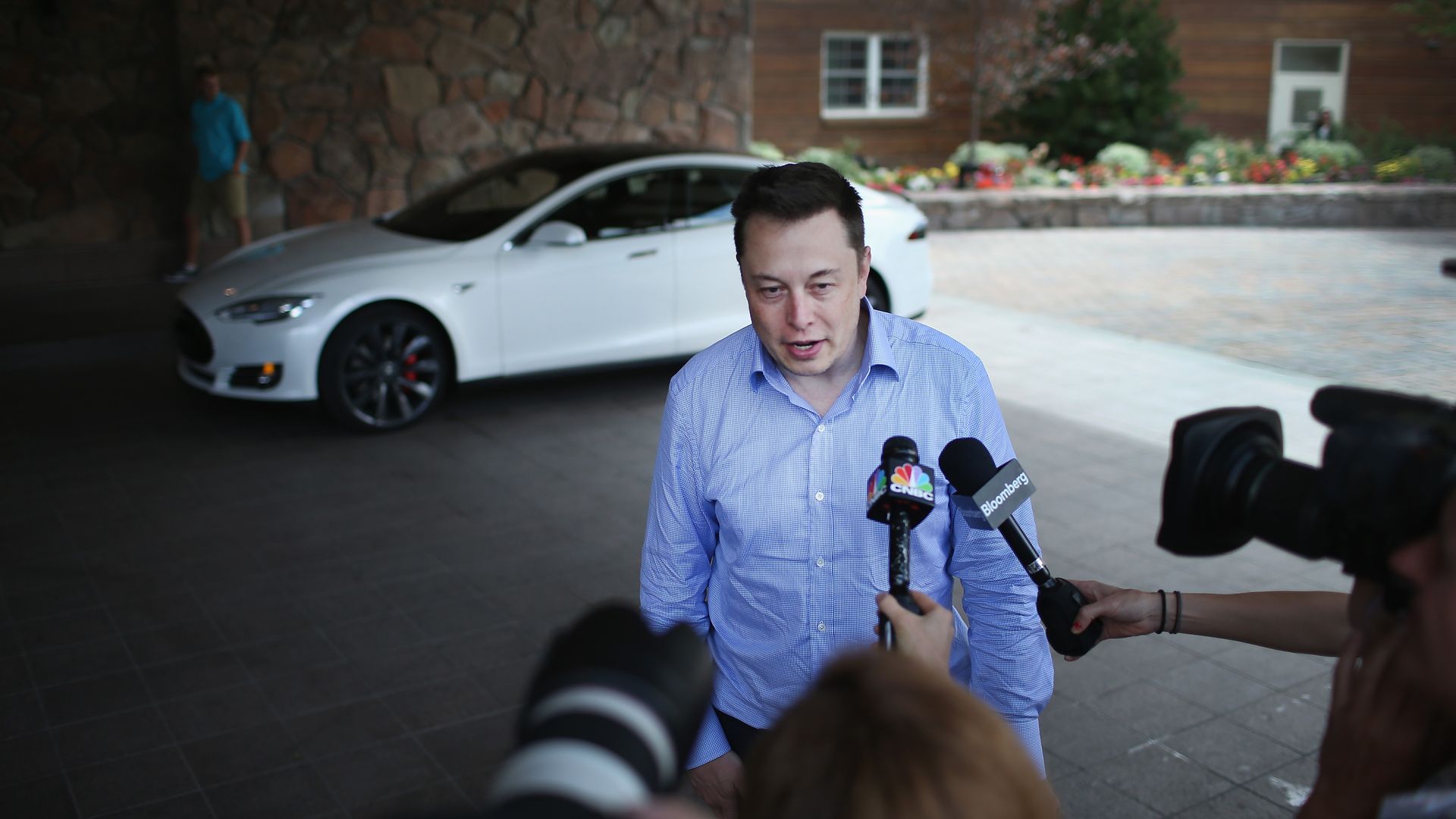
Tesla CEO Elon Musk said the company may be producing a low-cost $25,000 electric car within three years in an interview with YouTuber Marques Brownlee, CNBC reports.
Why it matters: Musk's announcement comes after a two week period of scrutiny where he ran into trouble with the rollout of his plan to take the company private. Tesla currently represents a third of the U.S. market for plug-in vehicles and this could increase their dominance in the field. The company has been ramping up production of its Model 3, a more mass-market product that's key to its long-term future and already the nation's top-selling EV.
The details: Musk was brutally honest in the Times interview, saying it has been "the most difficult and painful year" of his career. But "[i]nvestors weren't sympathetic" as he hasn't given them "confidence that he's on the ball.”