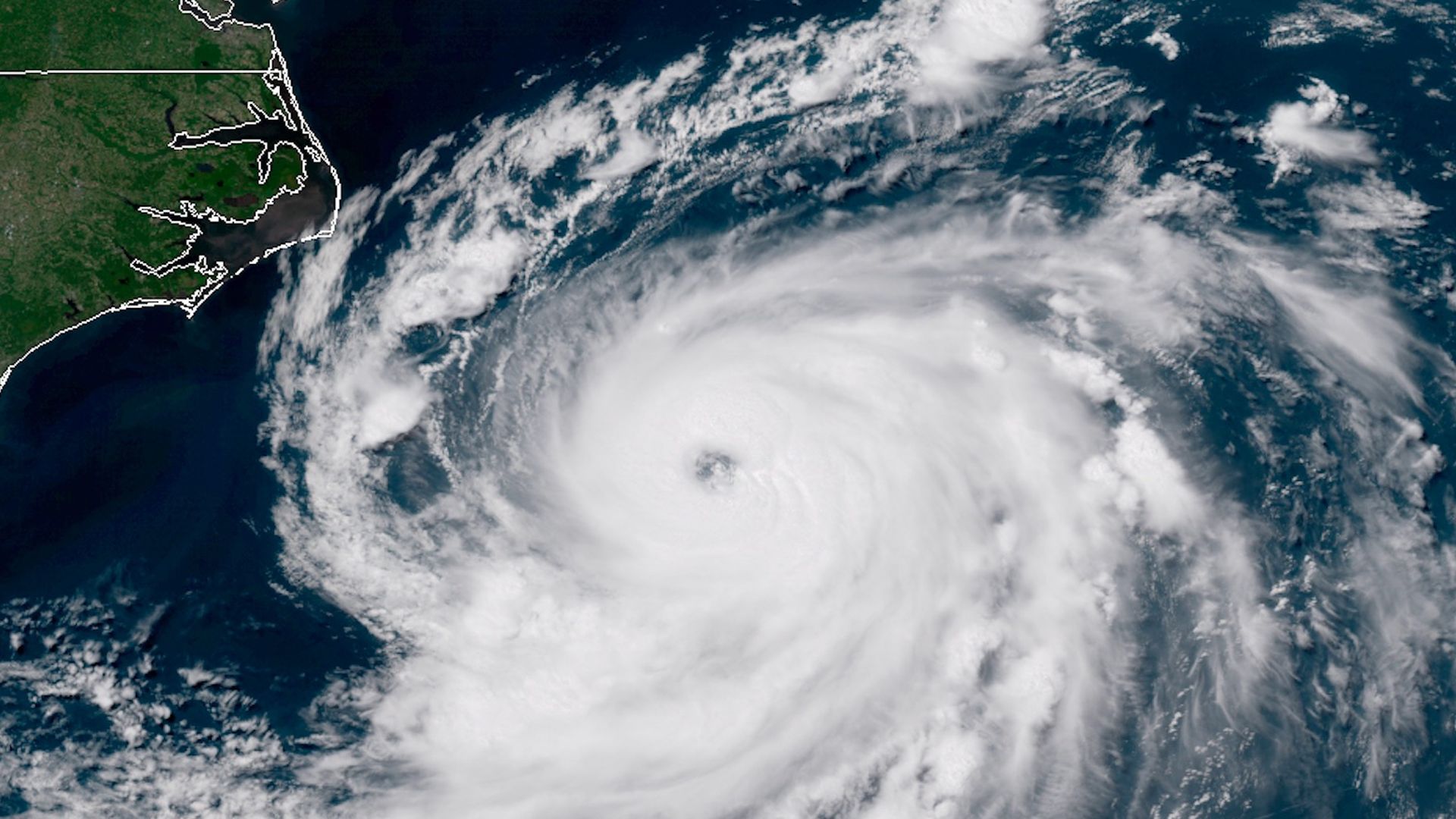
Tropical Storm Chris has intensified into a hurricane off the coast of North Carolina, with maximum sustained winds of 85 miles per hour, along with higher gusts.
What to watch: Computer model projections and the official Hurricane Center forecast predicts that Chris will move roughly parallel to the East Coast, bringing the threat of high waves and dangerous rip currents to beaches from North Carolina to Maine. The storm could hit the Canadian Maritimes directly, including a potential landfall in Newfoundland as a hurricane or tropical storm on Thursday night or Friday morning.
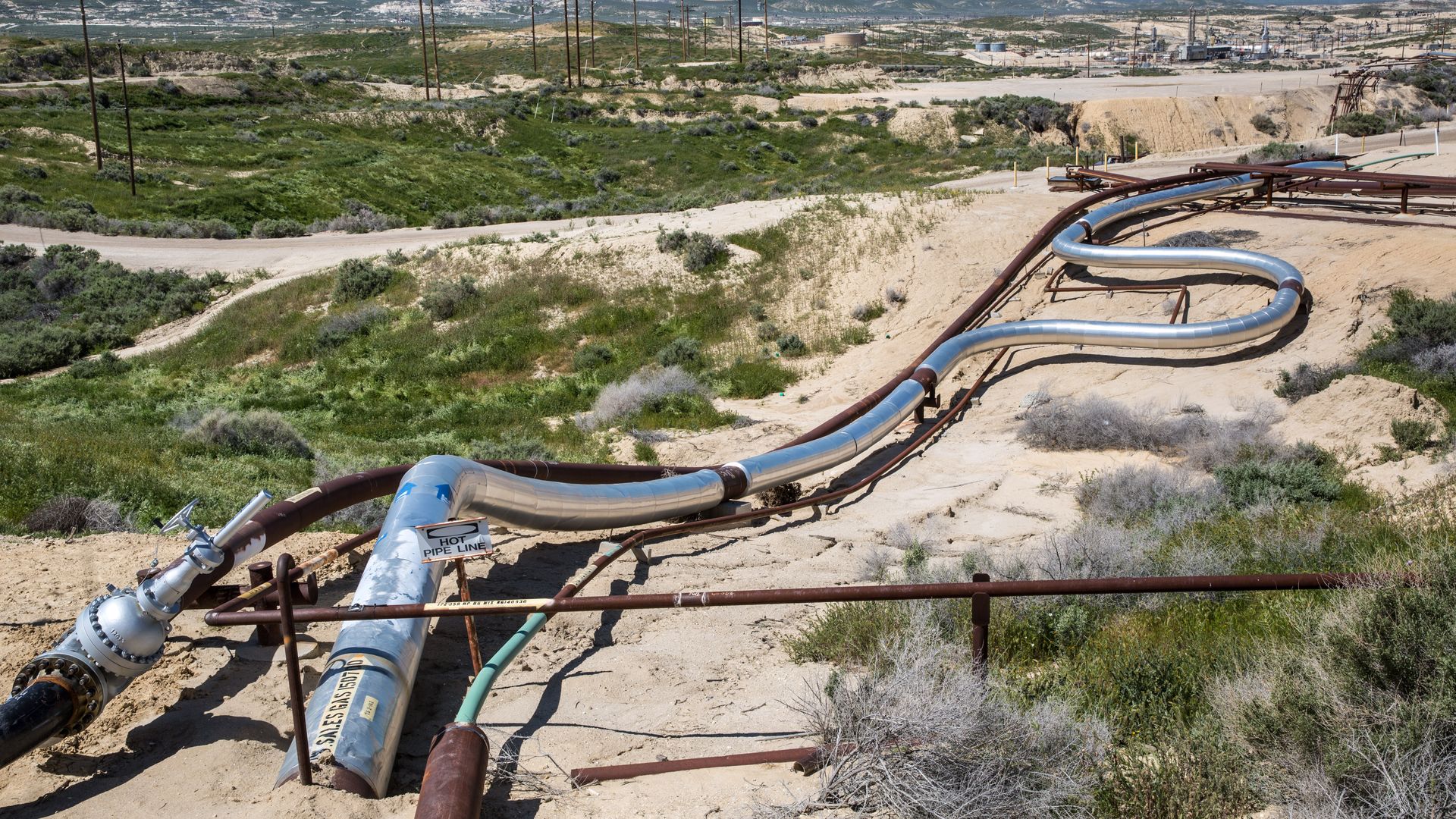
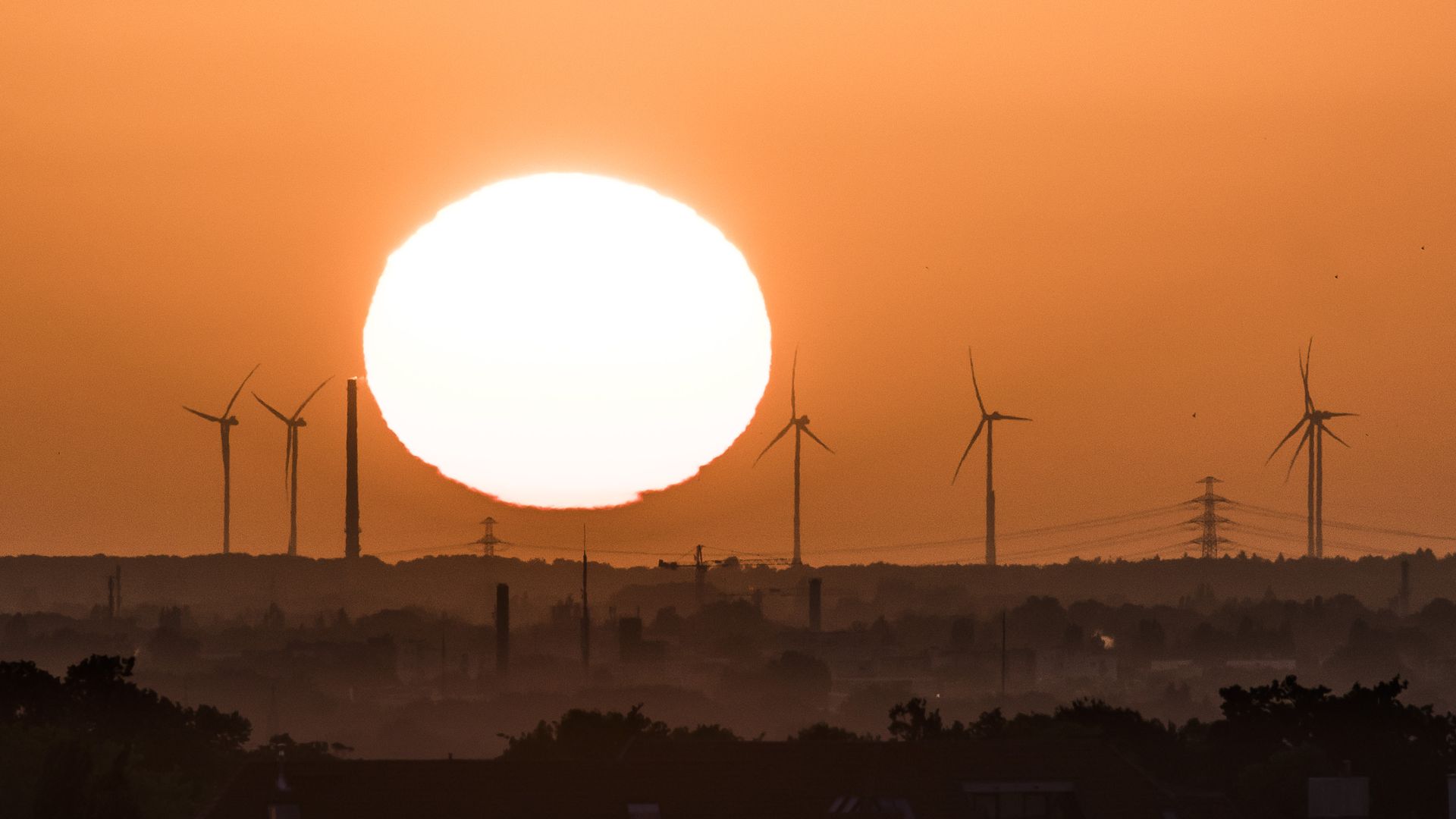
America’s pipelines and electric grids are vulnerable to major disruptions from “an adversarial attack or natural disaster,” according to a recent Department of Energy (DOE) plan. But DOE’s proposed near-term solution — ordering electrical grip operators to buy electricity from coal and nuclear power producers — misses the point. “Fuel security and diversity” are not the most critical measures for enhancing grid resiliency — robust cybersecurity is.
The big picture:Technological improvements to the production and transmission of electricity promise plentiful and cheap power. But technology has introduced cybersecurity vulnerabilities that are independent of how the energy is produced. These weaknesses are the real threat to grid resilience, and subsidies for failing coal and nuclear plants will not address them.
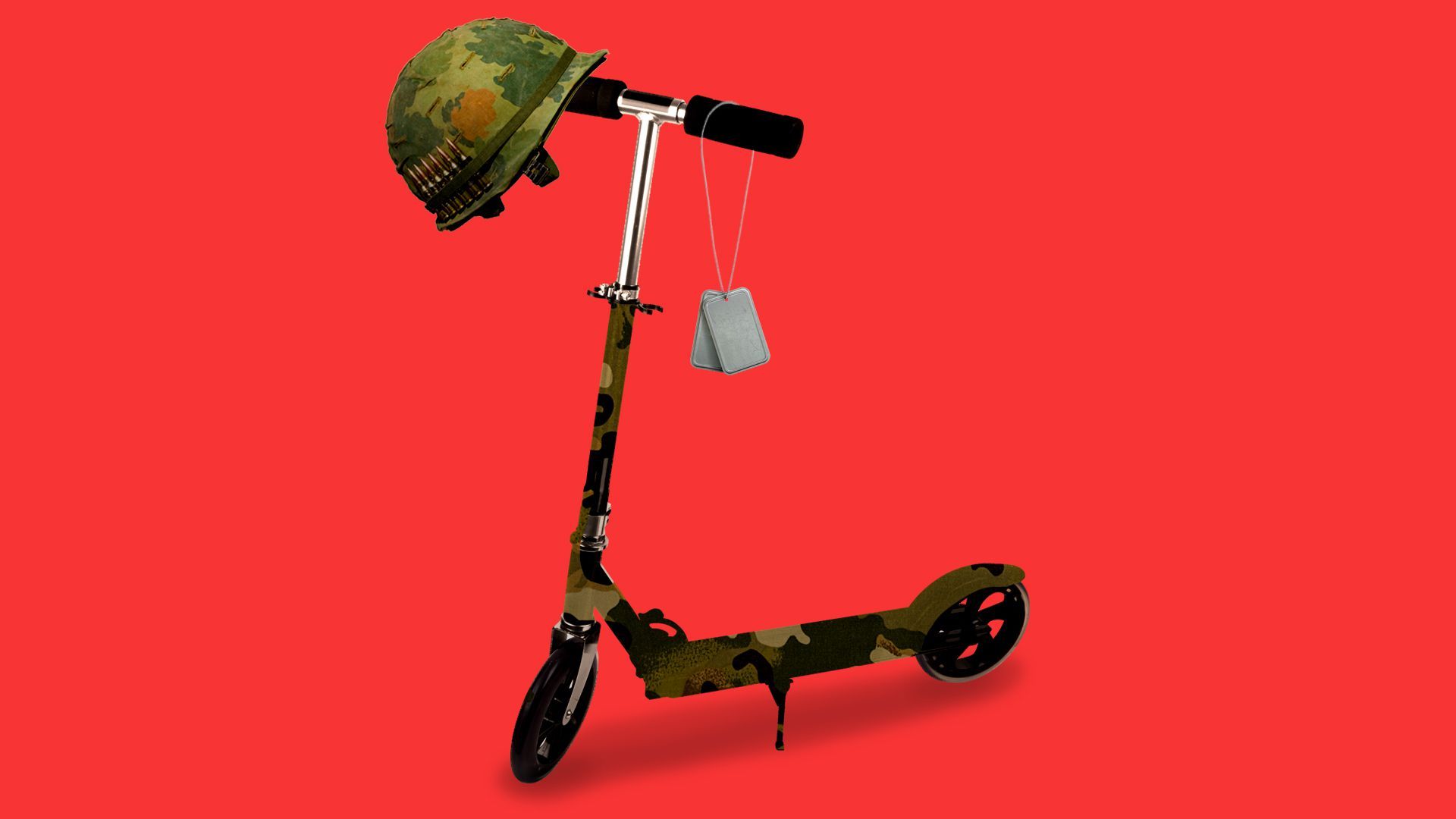
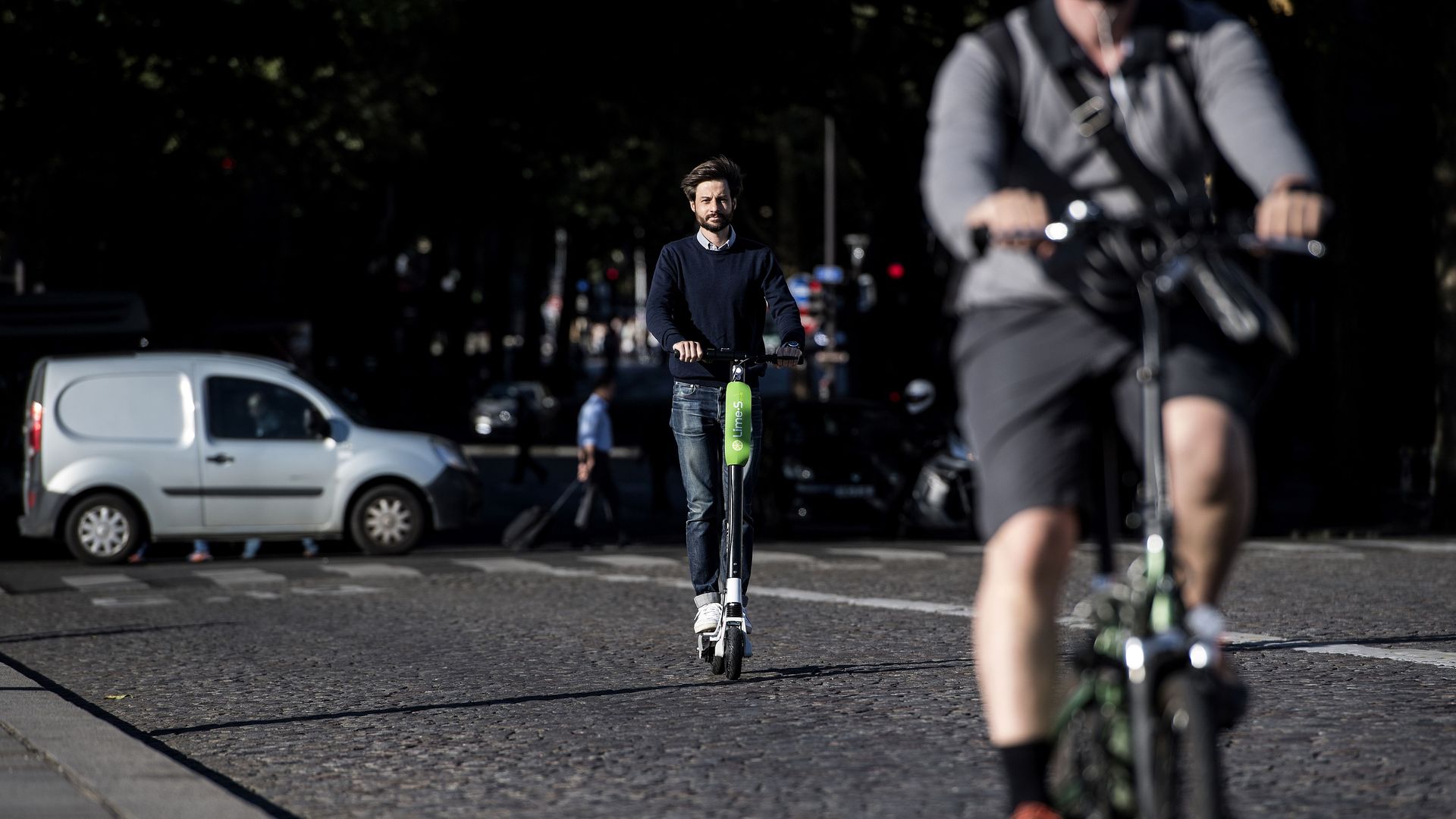
Uber yesterday announced that it participated in Lime's new funding round, which topped out at $335 million, and that the two sides are working on a strategic partnership whereby people would be able to rent Lime scooters via Uber's app.
Why it matters: New developments suggest a consolidation phase is coming in the electric scooter wars. We're heading toward full-stack local transportation companies, and what we've seen with bikes — e.g., Uber buying Jump, Lyft buying Motivate — should eventually come to scooters.
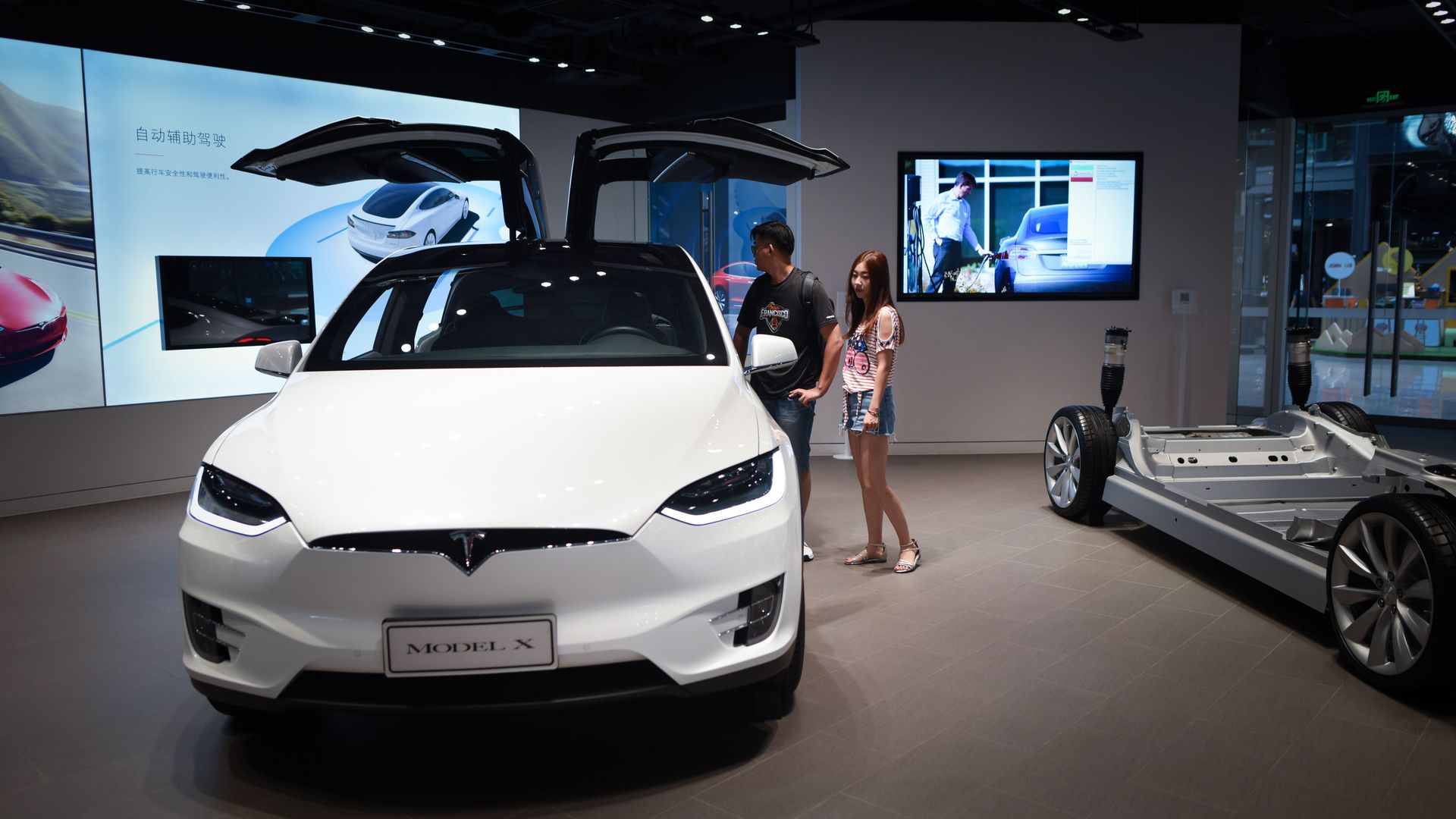
Tesla has plans to build an assembly plant in Shanghai with a production capacity of 500,000 vehicles a year, reports Bloomberg.
Why it matters: The agreement signals Tesla's most concrete step yet to expand electric car production outside the United States, though it comes on the heels of price hikes in China as the result of retaliatory tariffs on American auto imports. Of course, Tesla has struggled to reach production goals at its California-based plant, so expectations that a Shanghai factory could immediately rival U.S. capacity should be tempered.
A centrist Democratic group says the party has botched its climate and energy strategy for many years — with dire consequences at the ballot box — and should offer a vision that embraces the nation's fracking boom alongside renewables and efficiency.
The big picture: The group, New Democracy, has a new paper today that says President Trump and Republicans have overplayed their hands with "nihilistic" stances on climate and coal, creating a political opening that Democrats can exploit — if they learn from the past.
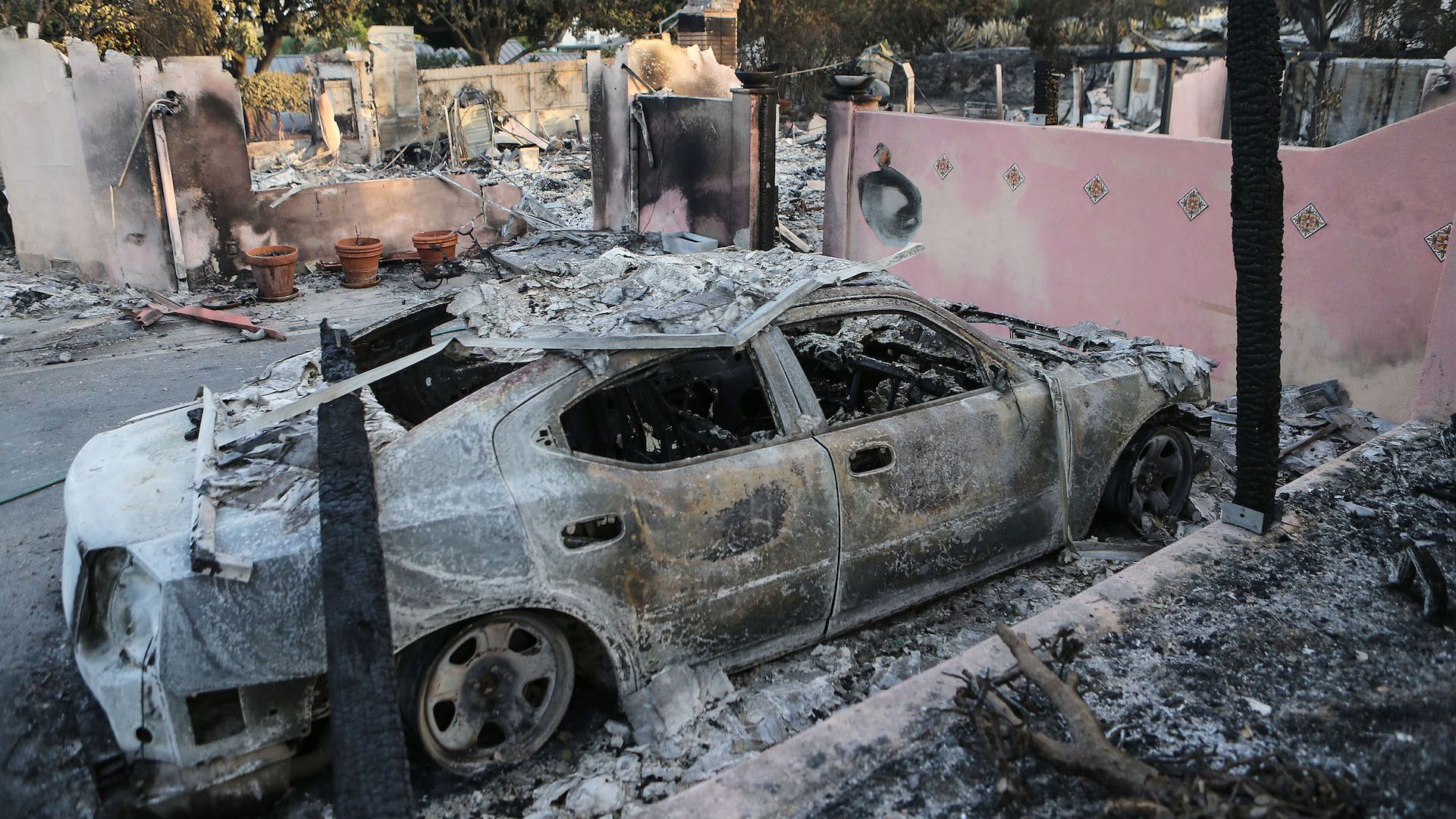
Southern California's intense heat wave, which has shattered dozens of temperature milestones, including all-time records, is exactly the kind of event that is becoming more likely and severe due to global warming, scientists told Axios.
Why this matters: The heat wave has sparked destructive wildfires and threatened public health for millions of Californians, and is a stark reminder that even a small amount of global warming can push climate extremes into new and far more dangerous territory.
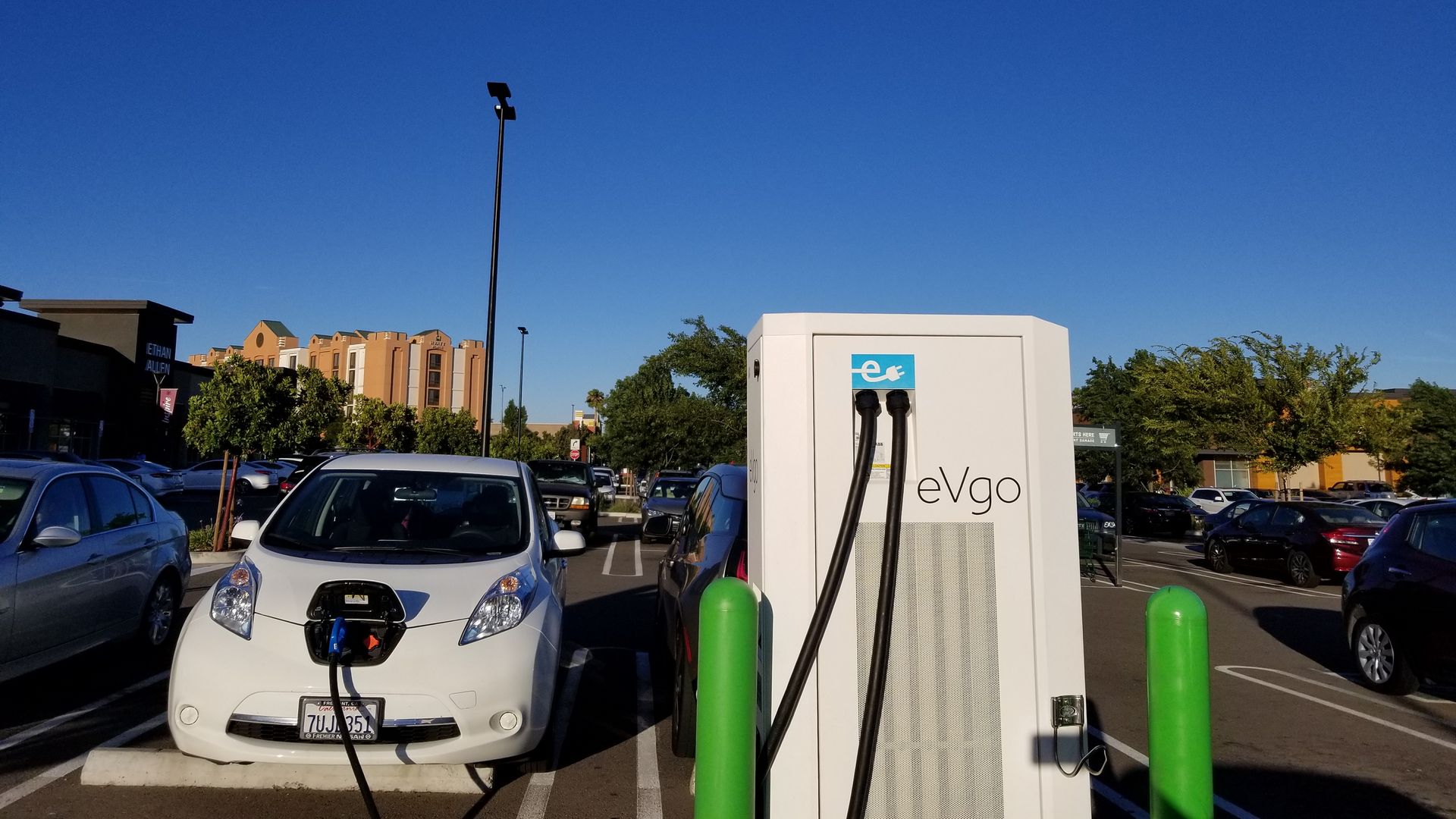
British officials on Monday published their long-term plan for transitioning away from traditional gasoline and diesel vehicles — a move aimed at cutting traditional pollutants and greenhouse gases.
Why it matters: While battery costs are falling and automakers are offering more electrics, policy will nonetheless play a major role in determining the speed of electric and plug-in hybrid penetration worldwide.
Multiple new reports suggest the initial public offering of Saudi Arabia's massive state oil company Aramco may be shelved, not just delayed.
Why it matters: Saudi officials had hoped to raise tens of billions of dollars to help fund the kingdom's economic diversification by going public with a small piece of the company.