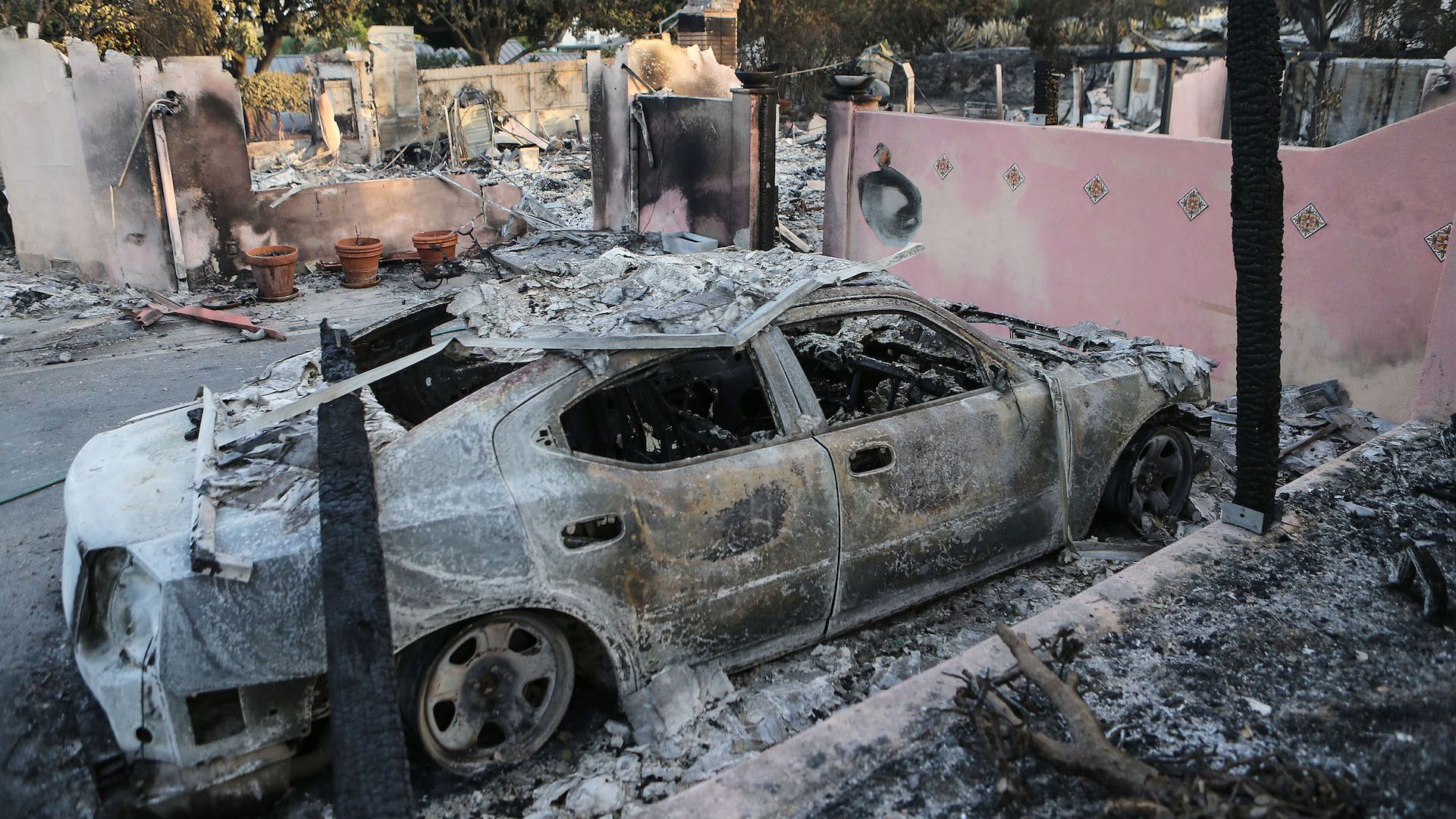
Southern California's intense heat wave, which has shattered dozens of temperature milestones, including all-time records, is exactly the kind of event that is becoming more likely and severe due to global warming, scientists told Axios.
Why this matters: The heat wave has sparked destructive wildfires and threatened public health for millions of Californians, and is a stark reminder that even a small amount of global warming can push climate extremes into new and far more dangerous territory.
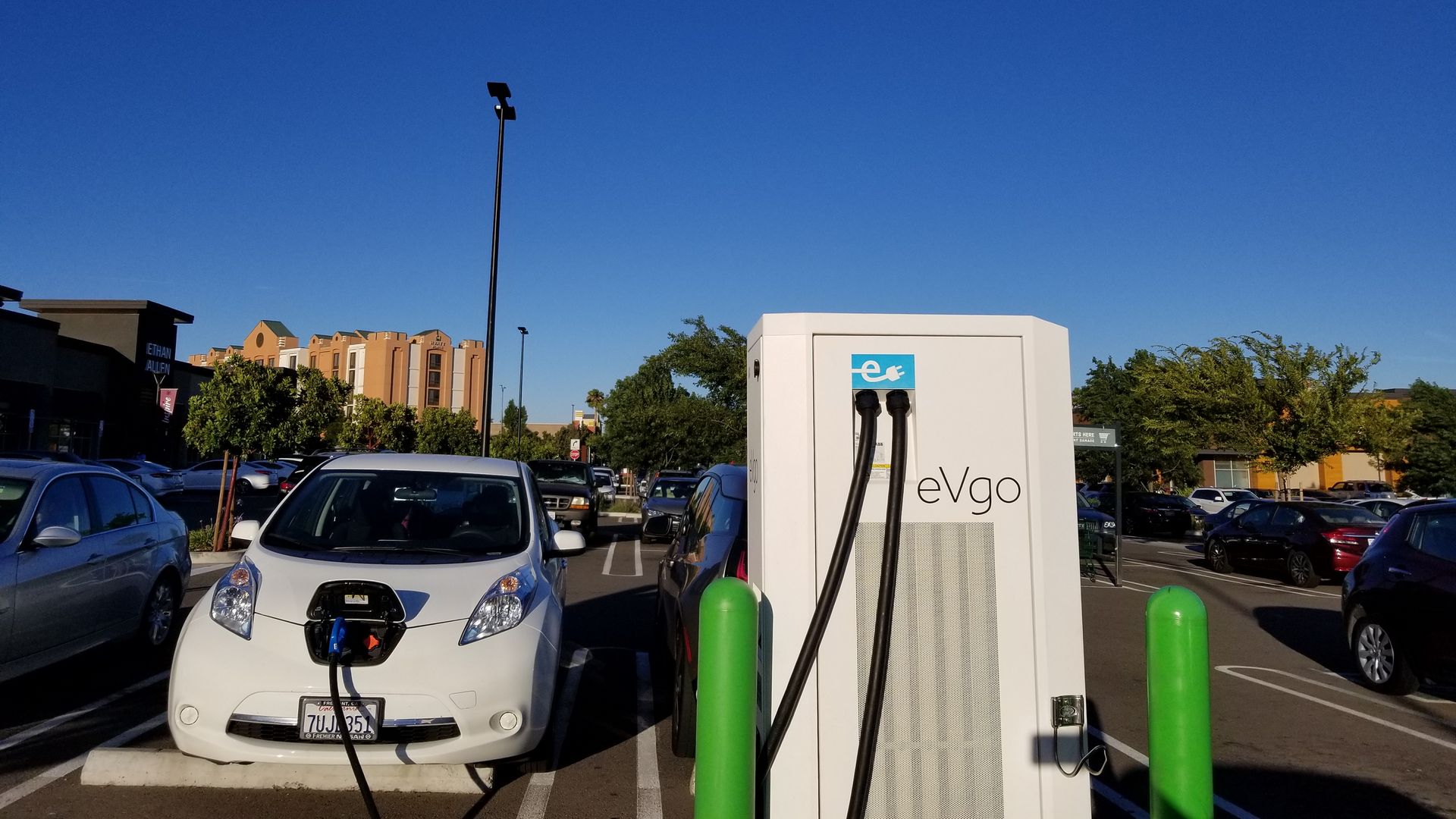
British officials on Monday published their long-term plan for transitioning away from traditional gasoline and diesel vehicles — a move aimed at cutting traditional pollutants and greenhouse gases.
Why it matters: While battery costs are falling and automakers are offering more electrics, policy will nonetheless play a major role in determining the speed of electric and plug-in hybrid penetration worldwide.
Multiple new reports suggest the initial public offering of Saudi Arabia's massive state oil company Aramco may be shelved, not just delayed.
Why it matters: Saudi officials had hoped to raise tens of billions of dollars to help fund the kingdom's economic diversification by going public with a small piece of the company.
In early January I laid out eight energy and climate issues to watch this year. Here’s my rejiggered crystal ball — and a fact check for how my predictions are playing out.
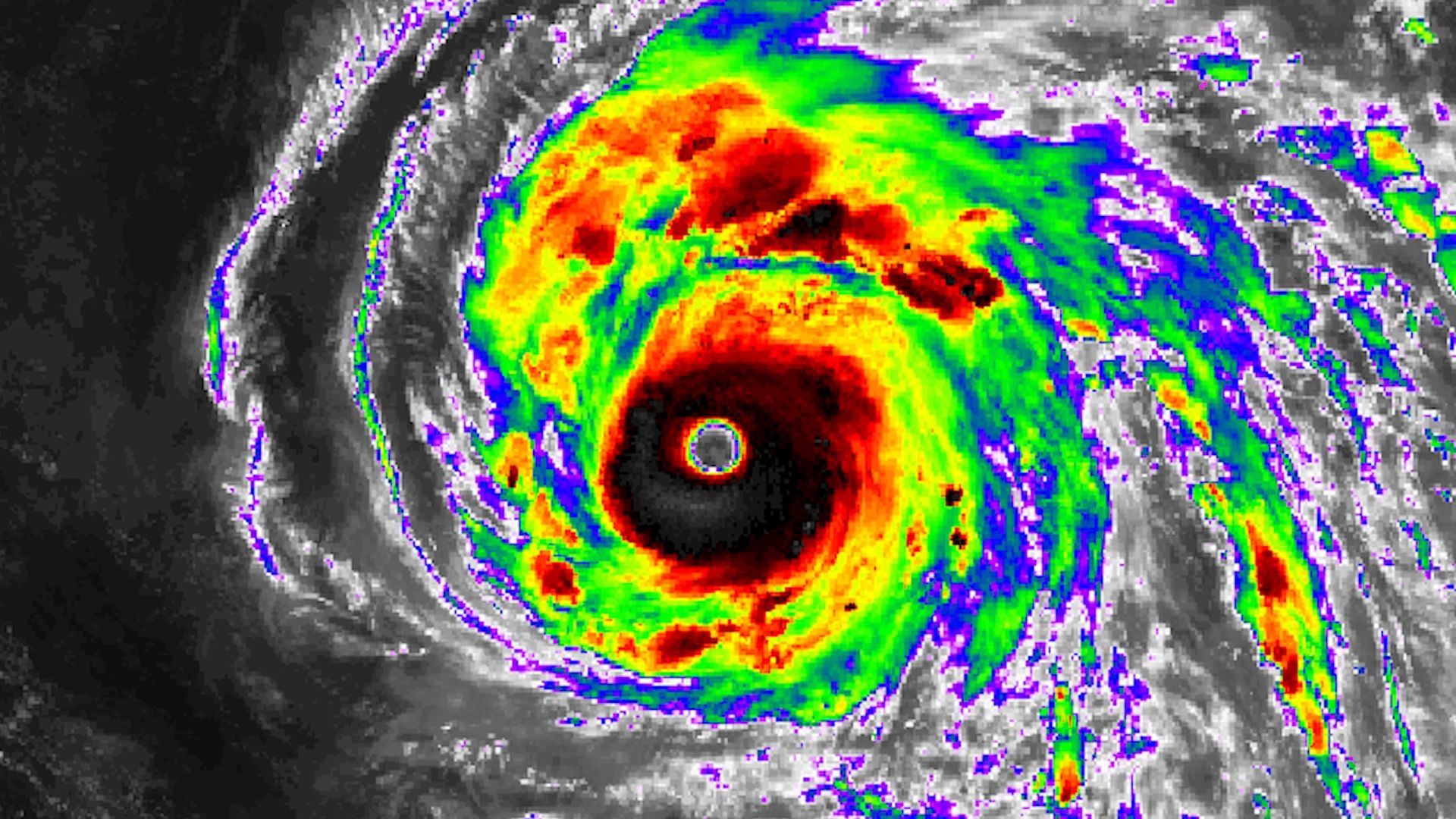
Super Typhoon Maria became a Category 5 storm for the second time in its history on Sunday, with maximum sustained winds of 160 miles per hour. The storm is over the warm waters of the Western Pacific — on a collision course with northern Taiwan, the Ryukyu Islands of Japan and coastal China early this week.
What this means: The storm is close to its maximum intensity now, but it is still projected to be a formidable Category 3 or 4 typhoon when it passes near or to the north of Taipei on July 10, before making landfall in coastal China south of Shanghai the next day.
In 2013, scientists announced that they had observed the coldest temperature on Earth near the South Pole at -135°F, but a new study re-analyzing that data found the temperature was really -144°F.
The big picture: Researchers scanning dips and hollows in the Antarctic ice sheet found that, over the last 14 years, there were many places where temperatures dropped to exactly -144°Fbut never colder,prompting them to postulate that this is the lowest possible temperature on Earth's surface.