Tuesday's economy stories

Where cheeseburgers cost the most and least
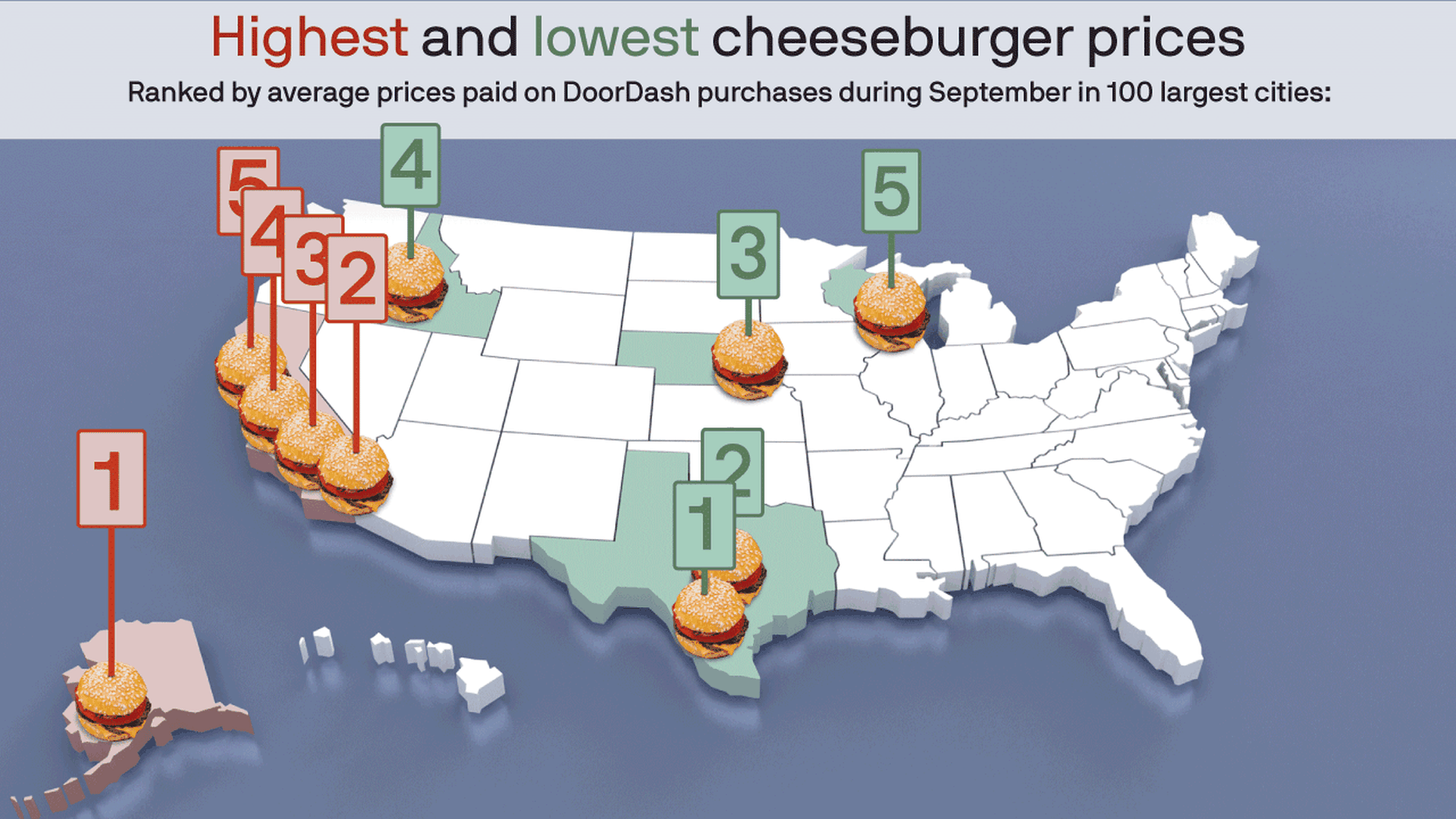
The average cheeseburger meal in Austin, Texas, is nearly half what you'd pay in San Diego.
Why it matters: What counts as an inexpensive meal in one city could be a splurge in another.

Nvidia's crisis and the politics of an AI pause
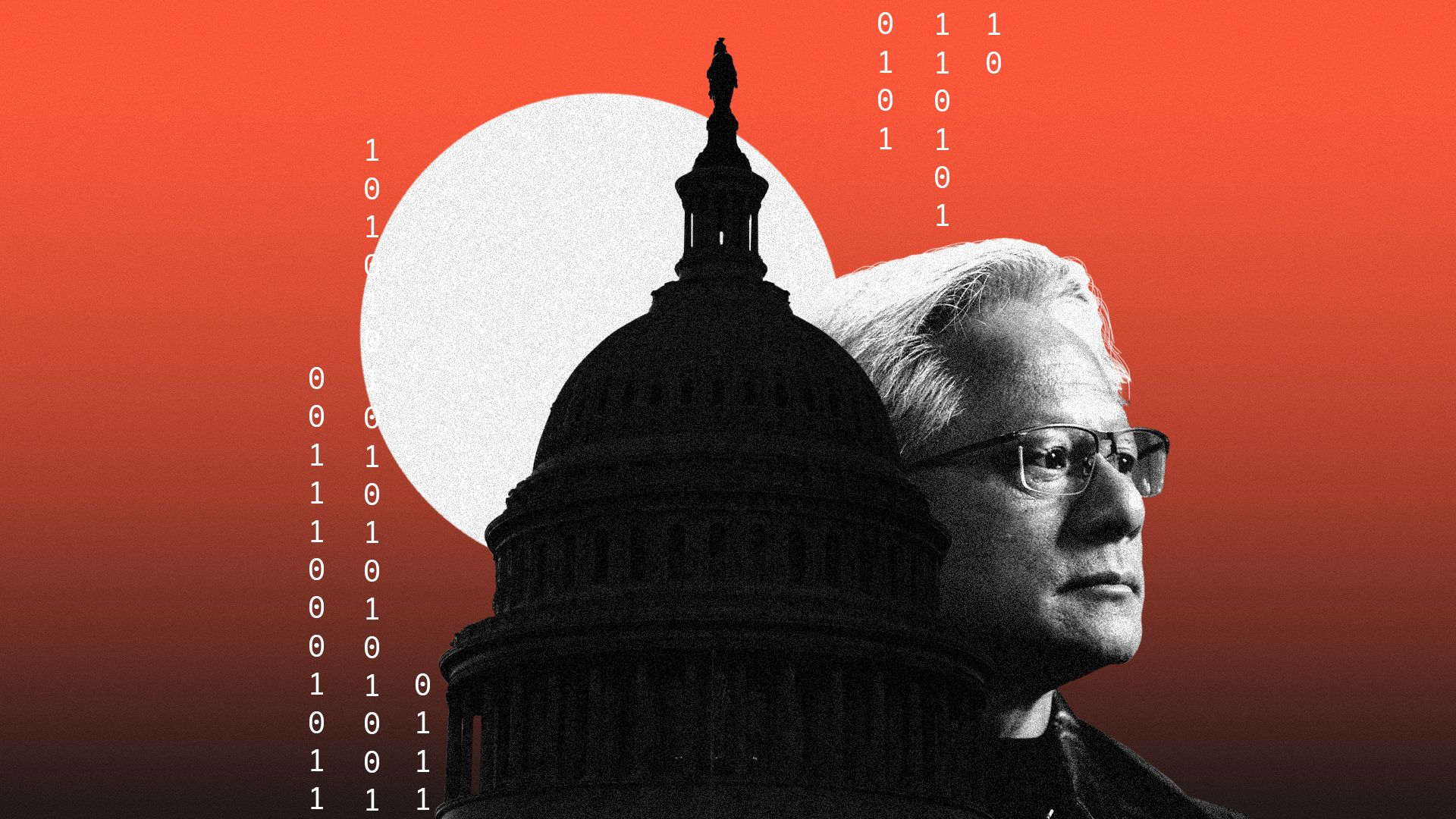
A political backlash against AI and data centers — now compounded by a crisis facing the technology's most influential champion — could help force a slowdown that industry leaders have struggled to achieve voluntarily.
Why it matters: Tapping the brakes on AI development — which frontier AI developers claim to want but have so far failed to do given the risk of offering an advantage to a competitor — could give society more time to prepare for economic upheaval and the risks of superintelligent systems.

AI stocks bounce back — with one notable exception
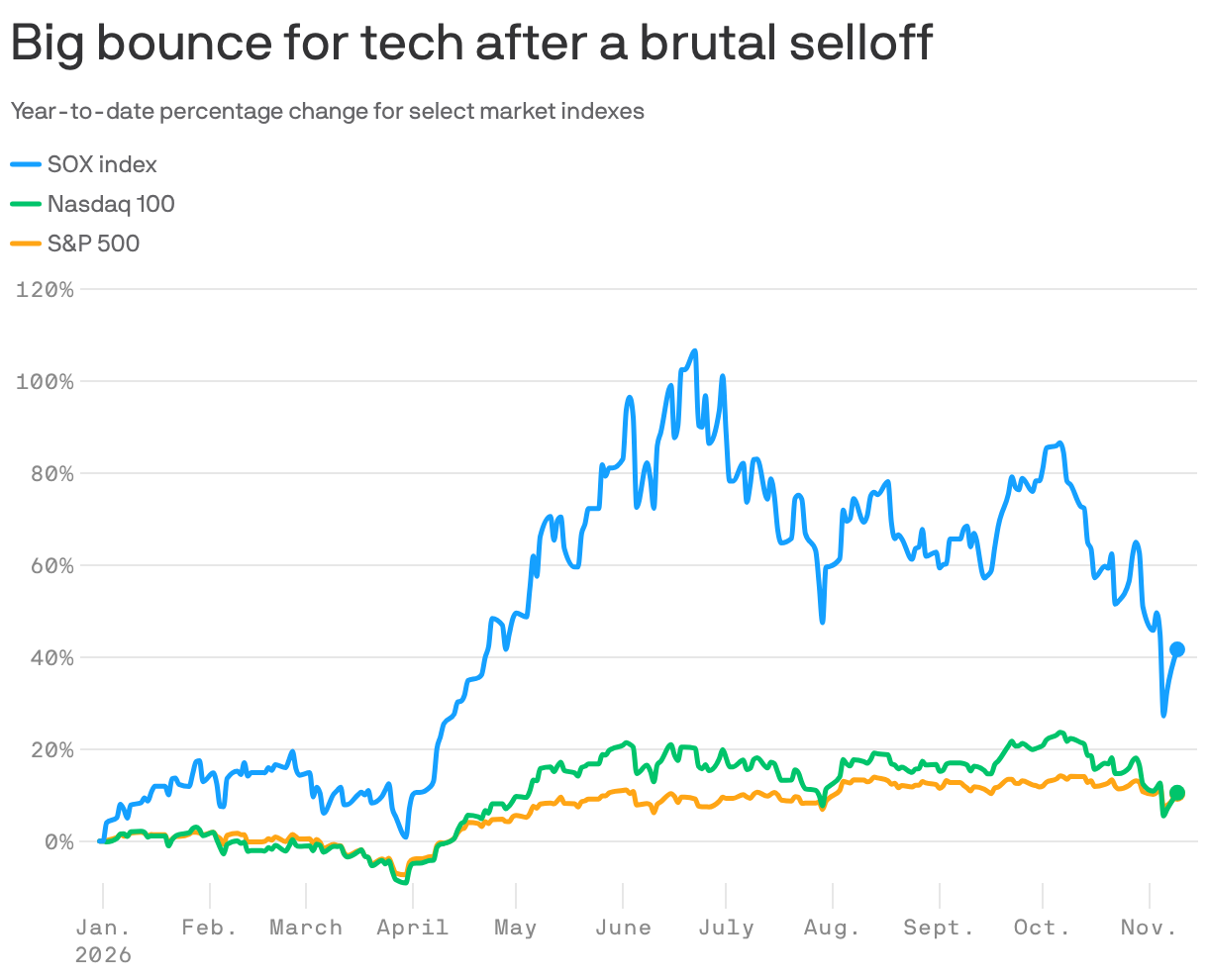
The AI trade has regained momentum despite — or maybe because of — Nvidia's struggles following the weekend revelations from CEO Jensen Huang.
The big picture: Monday's sudden burst of exuberance for AI was the latest wide swing for a market upended by last week's "blue tsunami" in the midterm elections and the threat they could pose to the data center boom.

The mysterious woman at the center of Nvidia's Chinese spy scandal

Alice Huang, a former executive of a Singapore-based AI computing company, is at the center of a suspected Chinese espionage scandal after Nvidia CEO Jensen Huang acknowledged an extramarital affair.
Why it matters: The investigation raises questions about whether Chinese intelligence sought access to Nvidia's technology and CEO through Alice Huang as the U.S. and China compete in the AI race.
Driving the news: Over the weekend, Jensen Huang admitted in a letter to Nvidia employees that he had a romantic relationship with a suspected Chinese spy.
- Though he did not name Alice Huang, the letter came after The New York Times first reported that U.S. authorities believed she was a Chinese spy in October.
- Photos captured Alice and Jensen Huang together in 2024 and 2025.
- Though they have the same surname, Alice and Jensen Huang are not related or married. Jensen Huang has been married to Lori Huang for 40 years.
Context: Little is known about Alice Huang. She has lead a Singapore-based company called Megaspeed International, a cloud computing and data center operator that became a multibillion-dollar Nvidia customer.
- The New York Times reported Monday that the Commerce Department was leading the investigation into Megaspeed before it was sent to the Justice Department after Nvidia reached out about the case.
Read more about Alice Huang and Megaspeed below.
Who is Alice Huang?
Zoom in: Huang, also known as Huang Le, is a Chinese citizen with a reported background in journalism and finance.
- An AFP investigation found an online profile that said she previously worked at the financial services company HSBC and the broadcasters CCTV and Hunan TV.
- However, AFP said it couldn't independently verify the information.
Zoom out: The New York Times reports that China's Ministry of State Security recruited Alice Huang to seek information about Jensen Huang and influence his feelings about selling AI chips to Chinese firms.
- But it's still unclear what information she provided to Beijing and whether she obtained any from Jensen Huang.
- Nvidia's board says it has no reason to believe Alice Huang obtained trade secrets. China has also denied the allegations.
What to know about Alice Huang's company
Alice Huang is a former executive of Megaspeed International, which rents out computing power from advanced Nvidia processors, giving customers power to run AI systems without owning chips.
- Before it was Megaspeed, the company was known as 7Road International, a subsidiary of prominent Chinese video game developer, 7Road Holdings. Before the AI boom, Nvidia products were primarily used in the video game industry.
- In the 2010s, Alice worked at Shanghai Hexi Investment Management, which had investment connections to the 7Road gaming company. She also sold a cloud business to 7Road in 2019, according to documents compiled by Tesari AI, an AI startup focused on national security matters.
- 7Road International, the Singapore subsidiary of 7Road Holdings, became Megaspeed in March 2023, and Alice Huang became managing director, per Tesari AI's documents. Her company Huang Le Limited became the sole owner of Megaspeed.
In November 2023, Megaspeed was bought by a company called Swiftdata. Alice Huang and another director, Cang Yang, soon resigned from the company.
- The company faced an investigation by Singapore police in October 2025 over violations of local laws, but specific offenses were not shared publicly.
Employees told The Wall Street Journal that Alice Huang continued leading the business after resigning.
- Alice Huang is "actually still our boss," an employee told Culper Research, which published an investigation into Nvidia's China business in May 2026.
How Alice Huang's Megaspeed ties to Nvidia
By the numbers: Megaspeed became an official Nvidia Cloud Partner in 2023, per Bloomberg, and purchased more than $4.8 billion worth of Nvidia chips over roughly two years, per AP.
- Alice Huang bragged about her access to Jensen Huang and Nvidia connections to help raise funds for her businesses, according to the NYT.
- A Megaspeed employee told Culper that Jensen Huang would visit Megaspeed sometimes, adding that Jensen and Alice had a "very close" relationship.
Follow the money: Megaspeed's balance sheet ballooned from $33 million at the end of 2023 to nearly $3 billion a year later, according to corporate records examined by Culper, a short seller with a financial interest in Nvidia's decline.
- Much of that growth involved approximately $2.9 billion in refundable deposits from an unidentified source, per Culper.
- The financing raises additional questions about Megaspeed's relationship with Chinese businesses.
More recently, in early 2025, Alice Huang and business partner Kang Wei told investors they had "no problem securing GPUs" and touted Alibaba as a customer for a new data center project, according to the Financial Times.
What are authorities investigating?
State of play: U.S. authorities, including the Commerce Department and Justice Department, have investigated whether Megaspeed helped Chinese companies obtain advanced Nvidia processors and whether that violated export-control restrictions.
- The company disputed illegal chip transfers in December 2025. The company has said it plans to work with U.S. authorities over the investigation.
What's next: Three Republican House committee chairs have requested a closed-door briefing with Jensen Huang on Nov. 18 about his interactions with Alice Huang and how Nvidia protects itself against foreign threats.


Should Jensen Huang be fired? Corporate ethicists call for administrative leave

The Jensen Huang scandal is prompting questions about whether he should remain on the job during an investigation, and the prospect that one of the world's most powerful CEOs could suddenly be ousted.
Why it matters: Huang's acknowledged affair with a suspected Chinese spy forces Nvidia's board to confront the possibility that his behavior could have compromised the AI chip giant's secrets — and the nation's security.
Nvidia has no obvious successor to Jensen Huang — and that's a problem
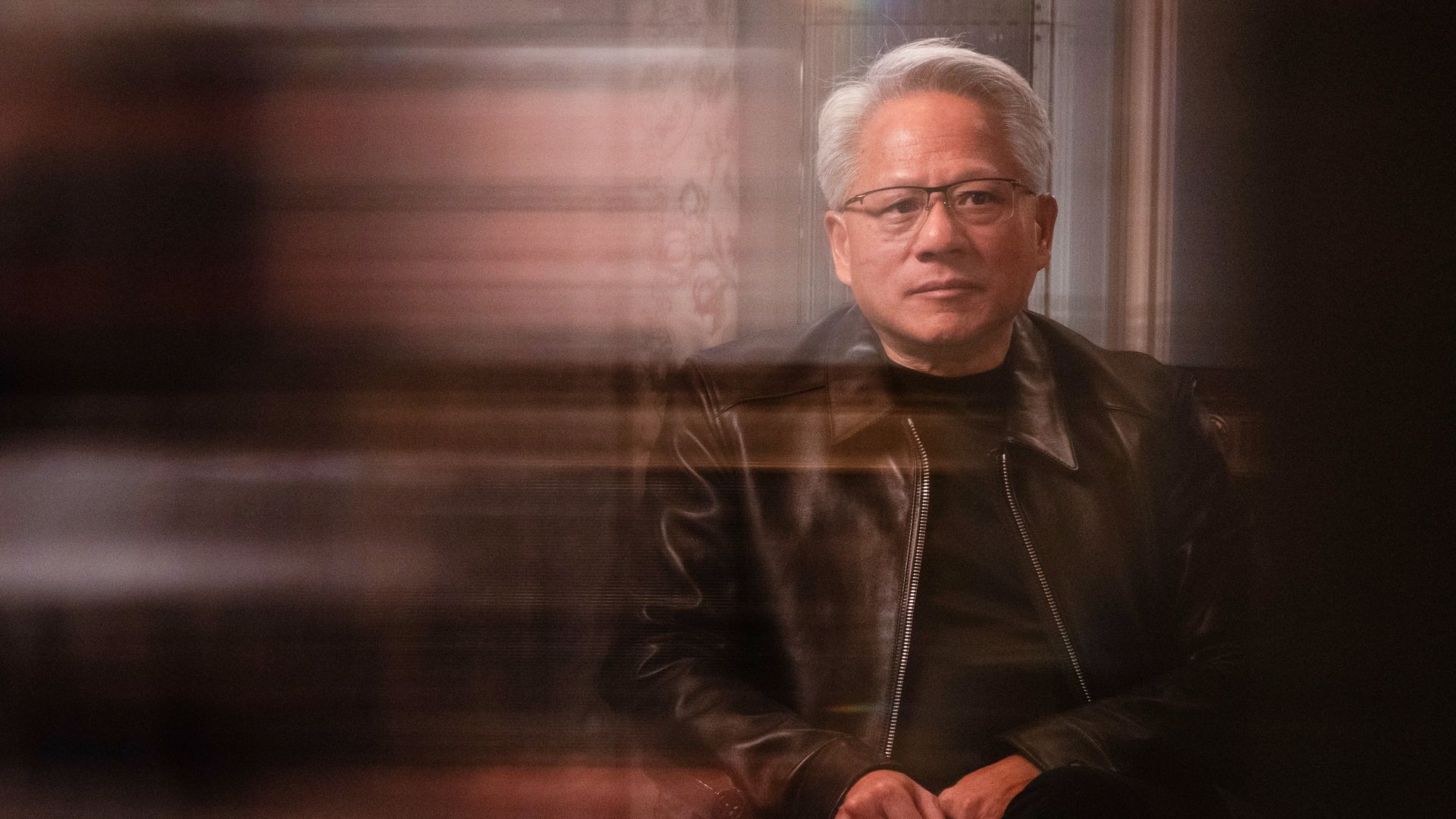
Nvidia is coming under fire for having no clear succession plan to replace Jensen Huang in the event that something unexpected happens — like an international incident with him at the center.
Why it matters: The spotlight on Huang shows the vulnerabilities of a large company being dependent on one executive — and the risks it poses to investors and customers, corporate governance experts tell Axios.

Alphabet's Wing makes $125 million manufacturing bet on drone delivery
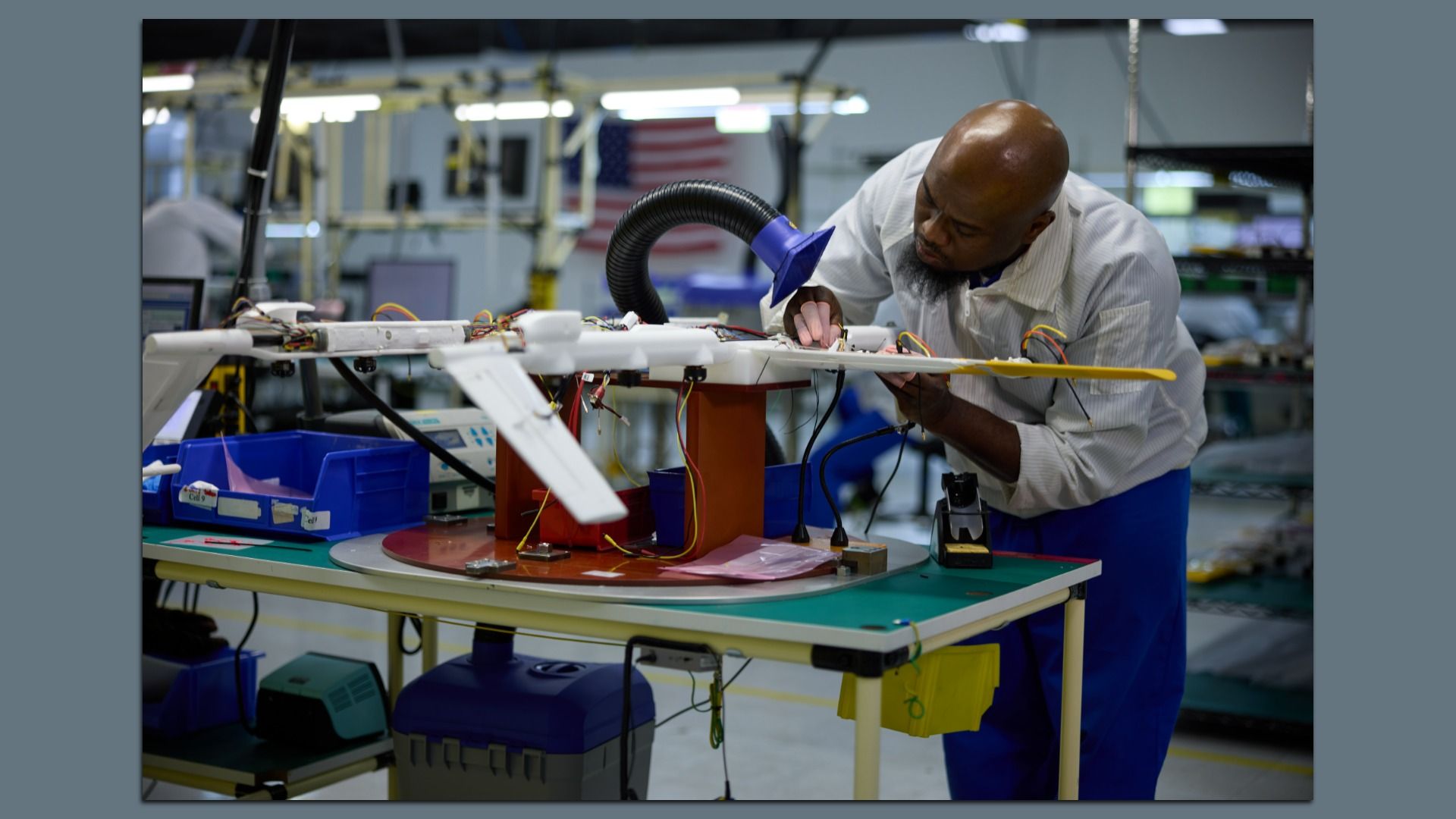
Drone delivery is moving from novelty to everyday convenience, and Alphabet-owned Wing is preparing to manufacture tens of thousands of aircraft a year to meet growing demand.
Why it matters: Wing's manufacturing commitment signals a turning point for an industry that has spent years testing whether flying packages directly to consumers' homes can become a viable business.


Low unemployment, but job worries persist

Americans have conflicting views of the job market: They are more worried about unemployment rising nationwide, even as they are more confident that they could find another job if they lost their own.
Driving the news: The perceived probability that unemployment will rise over the next year climbed to 45.3% in October, the highest since April 2020, according to the New York Fed's Survey of Consumer Expectations — an increase driven by those without a college degree.
Yes, but: The perceived probability of finding another job if one lost their current position rose to 46.5%, the highest in about a year.
- Americans' perceived probability of losing their jobs over the next year also edged higher, rising 0.4 percentage point, to 13.9%.
State of play: The mixed outlook underscores an unusual feature of today's labor market — hiring is picking up and unemployment remains historically low, but finding work can still be a prolonged struggle.
The backdrop: The October jobs report showed that employers added a surprisingly robust 165,000 jobs last month. The unemployment rate has held in the narrow range of 4% to 4.2% for five consecutive months.
- But Friday's data also showed that 2 million Americans have been unemployed for at least six months, accounting for more than 25% of all unemployed workers.
- The average spell of unemployment climbed to 27.1 weeks in October, the longest since December 2021. (Excluding the pandemic, it's the highest reading since August 2016.)
Of note: Ahead of the October Consumer Price Index report — out tomorrow — the New York Fed said that inflation expectations were unchanged last month at 3.9% over the next year, 3.3% over three years and 3% over five years.
Oil prices and bond yields no longer moving together


For much of this year, on any given day, you could look at the price of oil and correctly guess what happened to bond yields. In the last few weeks, that correlation has evaporated.
Why it matters: It's a sign that growth risks may be supplanting inflation worries as the dominant economic concern.
Veteran homelessness on decline for most of U.S.

U.S. veteran homelessness declined more than 50% over the past 15 years, according to the latest federal housing data.
Why it matters: The widespread declines represent significant progress in addressing homelessness among those who served, although some states continue to struggle.
EV batteries are aging better than you might think

One of the biggest worries about electric vehicles — that their batteries won't last — may be less of a concern than many consumers fear, new research from Ford Motor suggests.
Why it matters: Evidence that EV batteries can last for years with relatively little degradation could boost consumer confidence in EVs — and help strengthen their resale value.
Schwab: Investors looked for a bounce back last month

Retail investors were more willing to place bets on individual stocks last month after preferring exchange-traded funds (ETFs) in September, new data from Charles Schwab shared exclusively with Axios shows.
- "I think they were waiting for a pullback in October, and they got it," says Joe Mazzola, head trading strategist at Schwab, referring to retail investors who took advantage of a dip in prices to pour into semiconductor and AI-adjacent companies.
Why it matters: Such optimism among ordinary individual investors is now being put to the test after a rocky start this month.
Inflation data could pile more pressure on stocks
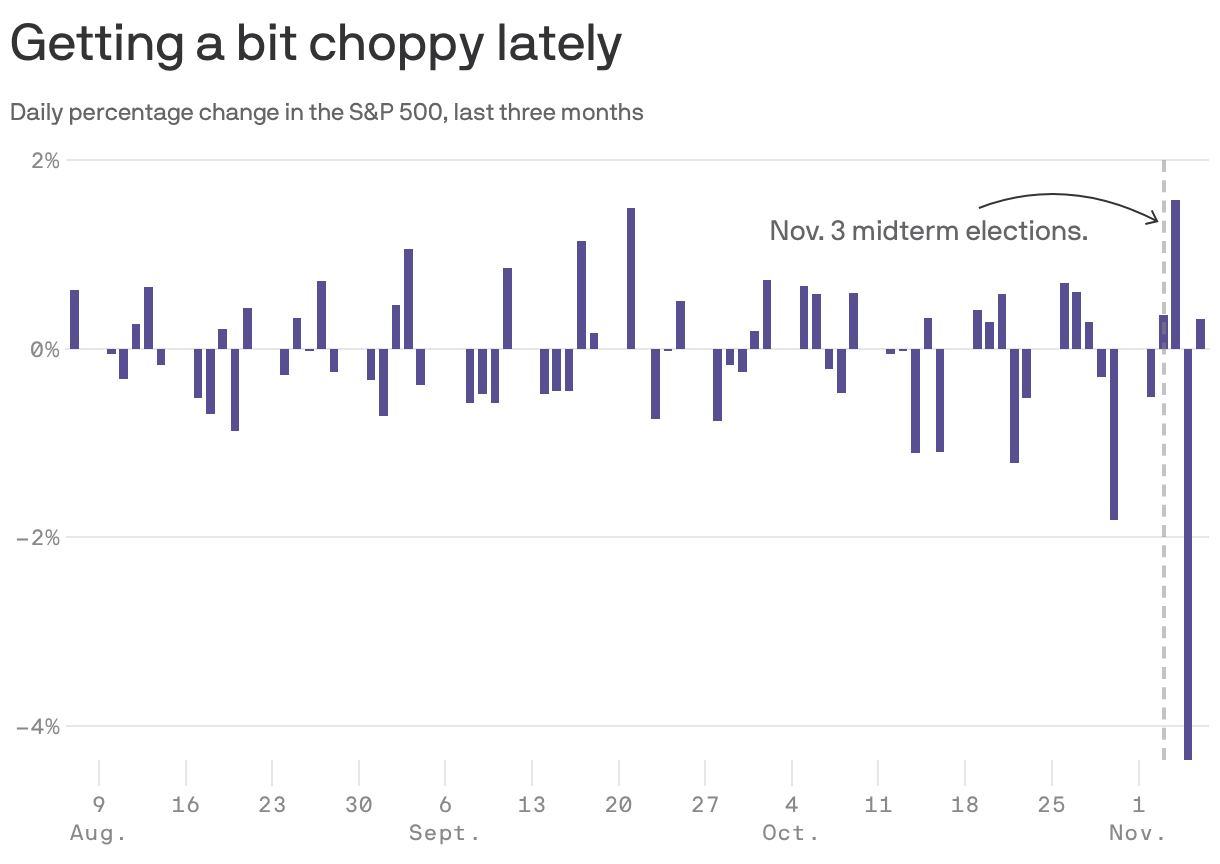
After a wobbly post-election performance last week, investor focus will be back on inflation this week and its implications for the Federal Reserve.
Why it matters: New price data could convince diehard believers in the "Fed put," that the central bank will not, in fact, swoop to steady a stock market battered by the Blue Tsunami's implications for AI.

Nvidia shares sink as board launches probe into Jensen Huang's affair
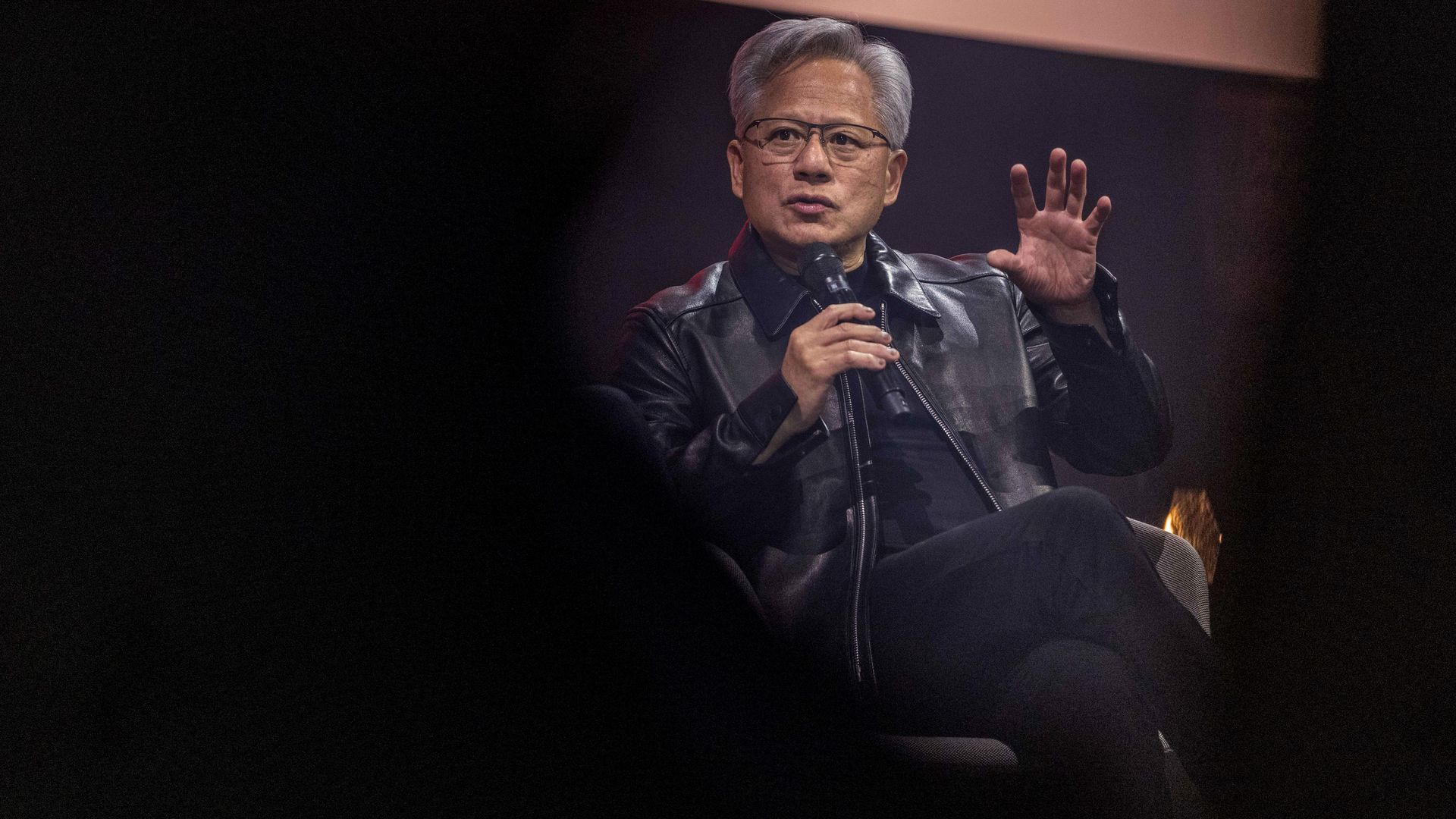
Shares in Nvidia slumped early Monday morning after CEO Jensen Huang admitted an affair and the company's board launched a probe into that relationship with a suspected Chinese spy.
Why it matters: The global AI economy revolves around a few companies, Nvidia most prominent among them.

Elon Musk's empire braces for Democratic crackdown

Elon Musk's sprawling empire — from rockets to robots, electric cars to AI — is facing a political onslaught with few parallels in modern corporate history.
Why it matters: The world's richest man confronts a constellation of risks spanning the halls of Congress, his Texas industrial empire, Wall Street and his vision for AI supremacy.
Jensen Huang spy scandal rocks AI race
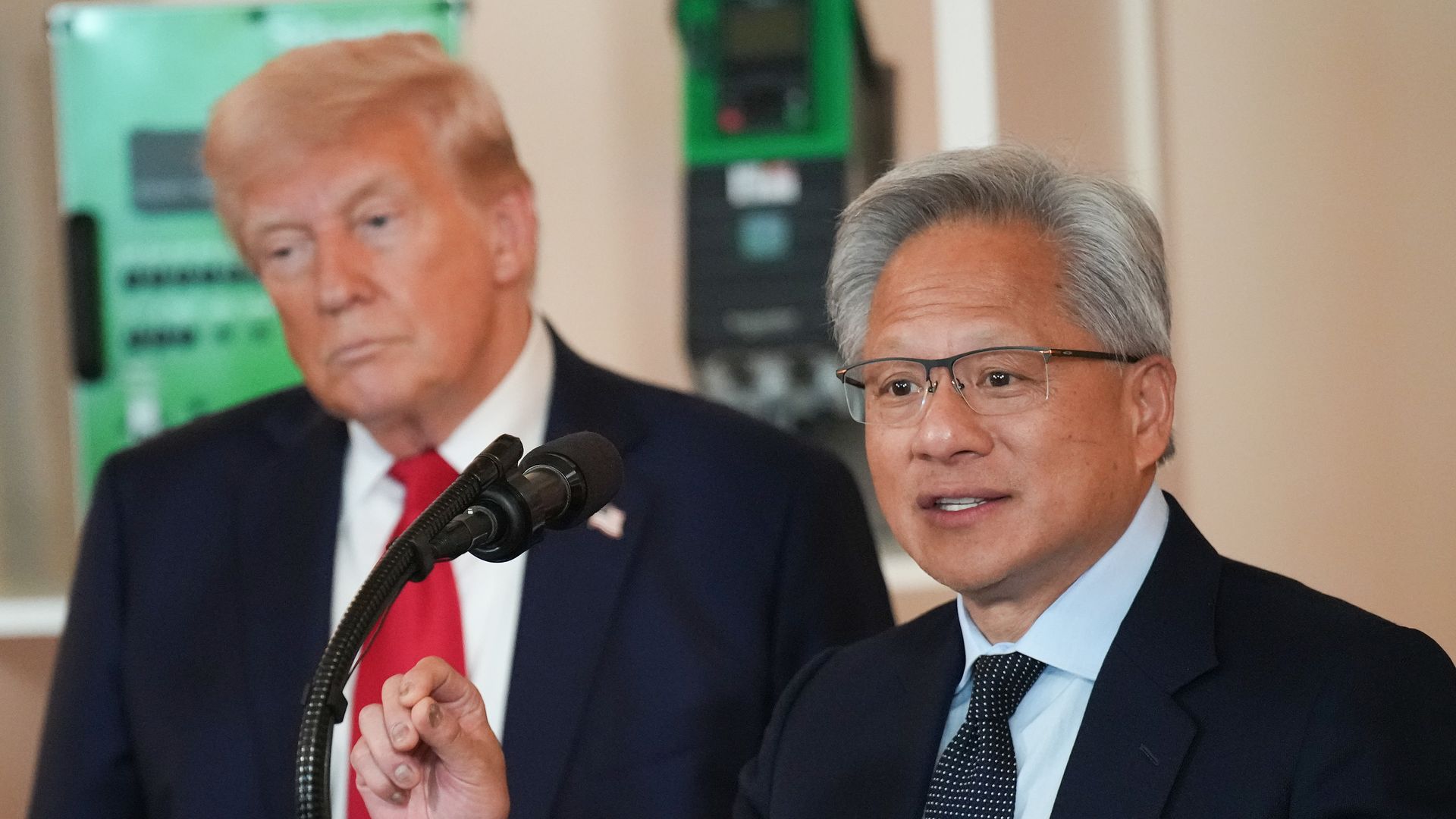
The world's most powerful AI executive admitted Sunday to an affair with a suspected Chinese spy, sending shock waves through an industry built on his singular influence.
Why it matters: Nvidia CEO Jensen Huang has fashioned himself as the indispensable leader of an indispensable company — a $4.5 trillion behemoth with unparalleled clout in Silicon Valley, on Wall Street and inside President Trump's White House.