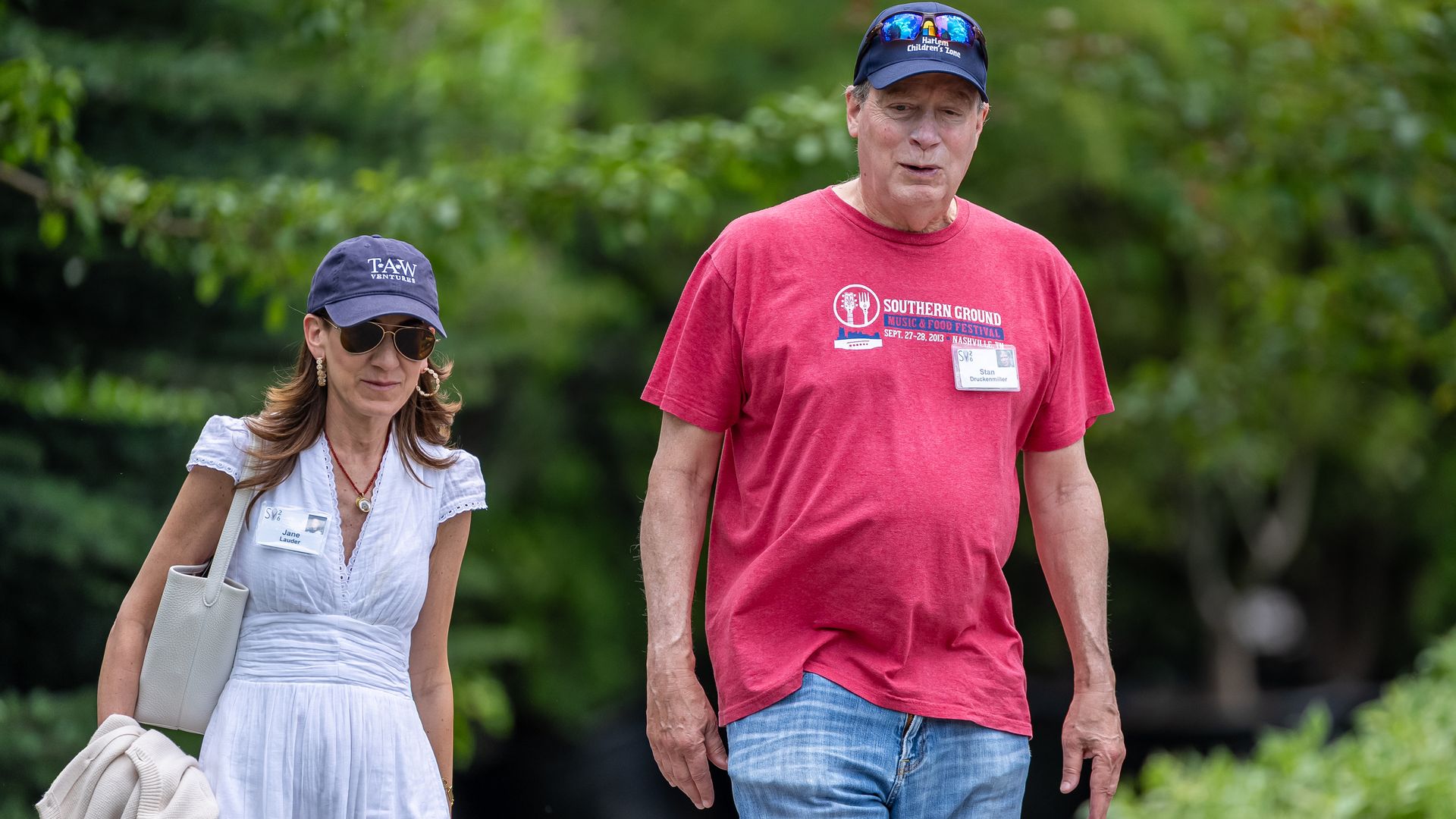
Hedge fund legend Stanley Druckenmiller has a blunt message for Treasury Secretary Scott Bessent, his former employee: Knock it off.
Driving the news: Druckenmiller has a scathing Wall Street Journal op-ed published late Monday that assails the Treasury's decision to buy back long-term bonds last week.
A baseline assumption in asset allocation, regulatory policy and international finance has long been that U.S. Treasury securities are risk-free assets that offer protection against the vagaries of economic fortune. It may no longer be valid.
The big picture: That's the cold reality that lurks beneath the rise in longer-term bond yields in recent weeks that triggered a Treasury Department intervention.
It implies a world where the U.S. government can't count on favorable borrowing conditions as a matter of course.
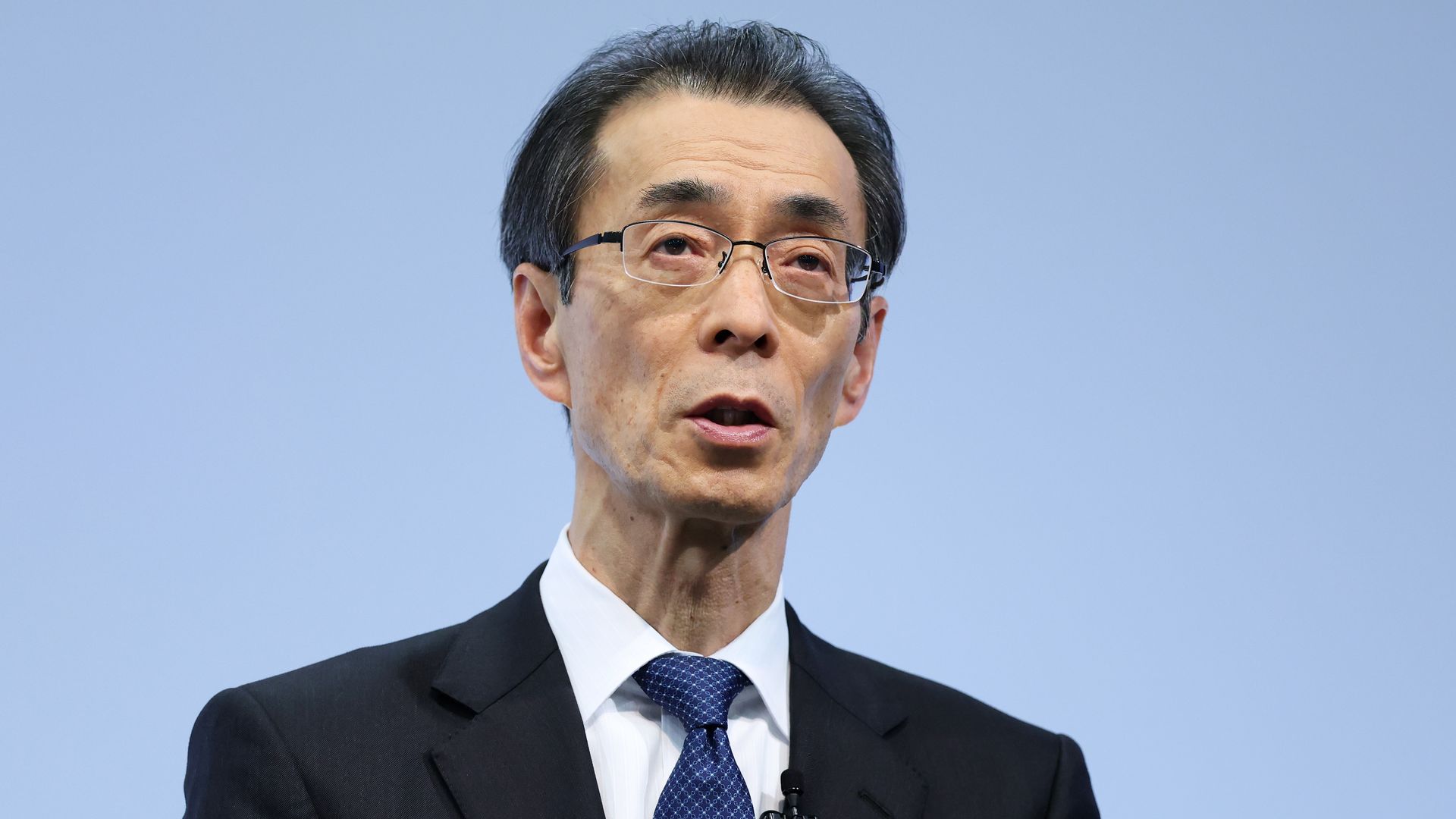
The apparent collapse of the conventional trade relationship between the U.S. and Canada could force Honda to raise prices in the U.S., one of the Japanese automaker's top executives warned.
Why it matters: Like most other automakers, Honda relies heavily on the North American supply chain to make the vehicles it sells here.
"When will sports leagues push private equity out of team ownership?"
Fans have been asking some version of that question a lot lately. Probably because of the Lakers deal, which will include Thrive Eternal.
Or maybe it's about Arctos buying into the Atlanta Falcons. Or even Dragoneer's Marc Stad agreeing to acquire control of the Minnesota Timberwolves and Lynx, even though that one doesn't involve institutional capital.
Oura, the Finnish smart ring maker, will seek to raise up to $3b in a U.S. IPO that could come as early as next month, according to Bloomberg.
Why it matters: This would test whether Wall Street believes the wearables market will evolve from personal electronics into reimbursable health care services.
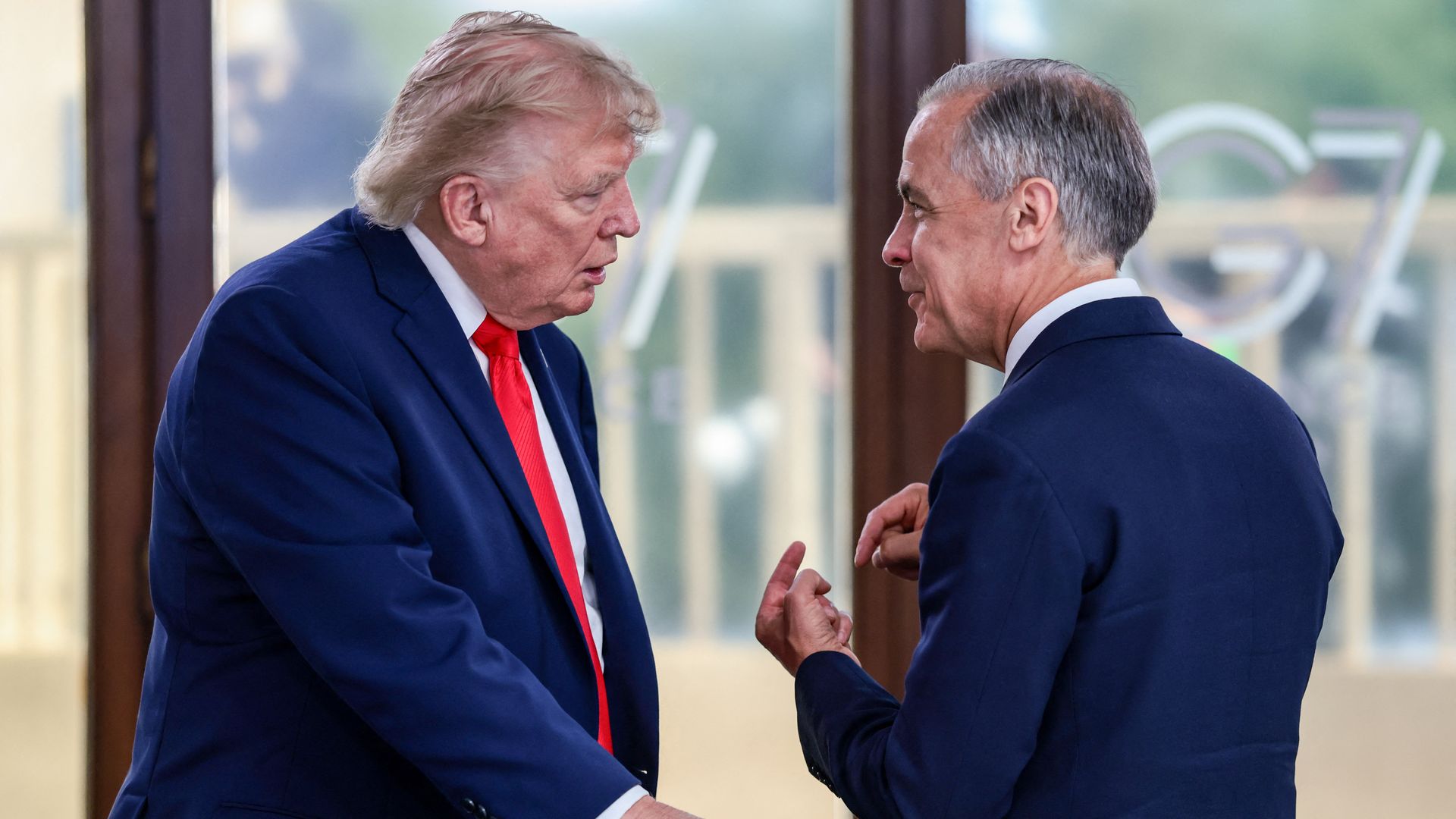
President Trump's war of words with Canada continued Tuesday amid a dispute over trade negotiations.
The big picture: U.S. and Canadian officials have swapped barbs since negotiations collapsed last week, but Trump took the spat to a new level when he threatened to rename Lake Ontario to "Lake America" and claimed Canada had lied about a sticking point in trade talks.
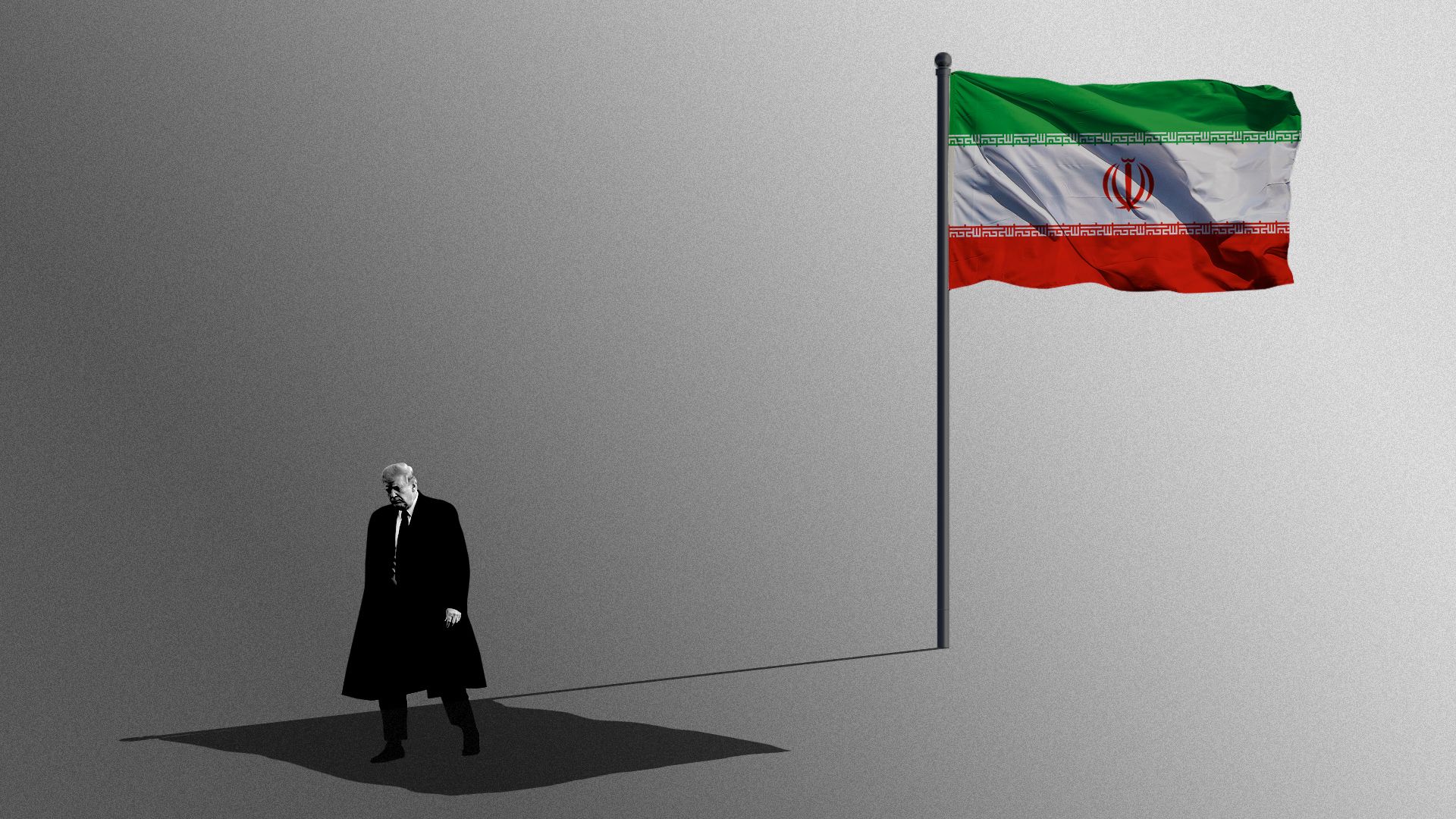
President Trump's "economic D-Day" for Iran came and went Monday with little of the shock or awe it promised, amounting instead to yet another extended ultimatum.
Why it matters: Operation Economic Outcast will unfold not like the Allied invasion of Normandy, but as a sweeping, slow-burn sanctions campaign that could eventually lock Iran's foreign enablers out of the U.S. financial system.