American political leaders on the left and right are rebelling against the market-first consensus that dominated Washington for four decades.
Why it matters: The result is one of the biggest shifts in U.S. economic policy since the Reagan revolution, overturning decades of orthodoxy on trade, manufacturing, housing, health care and corporate power.
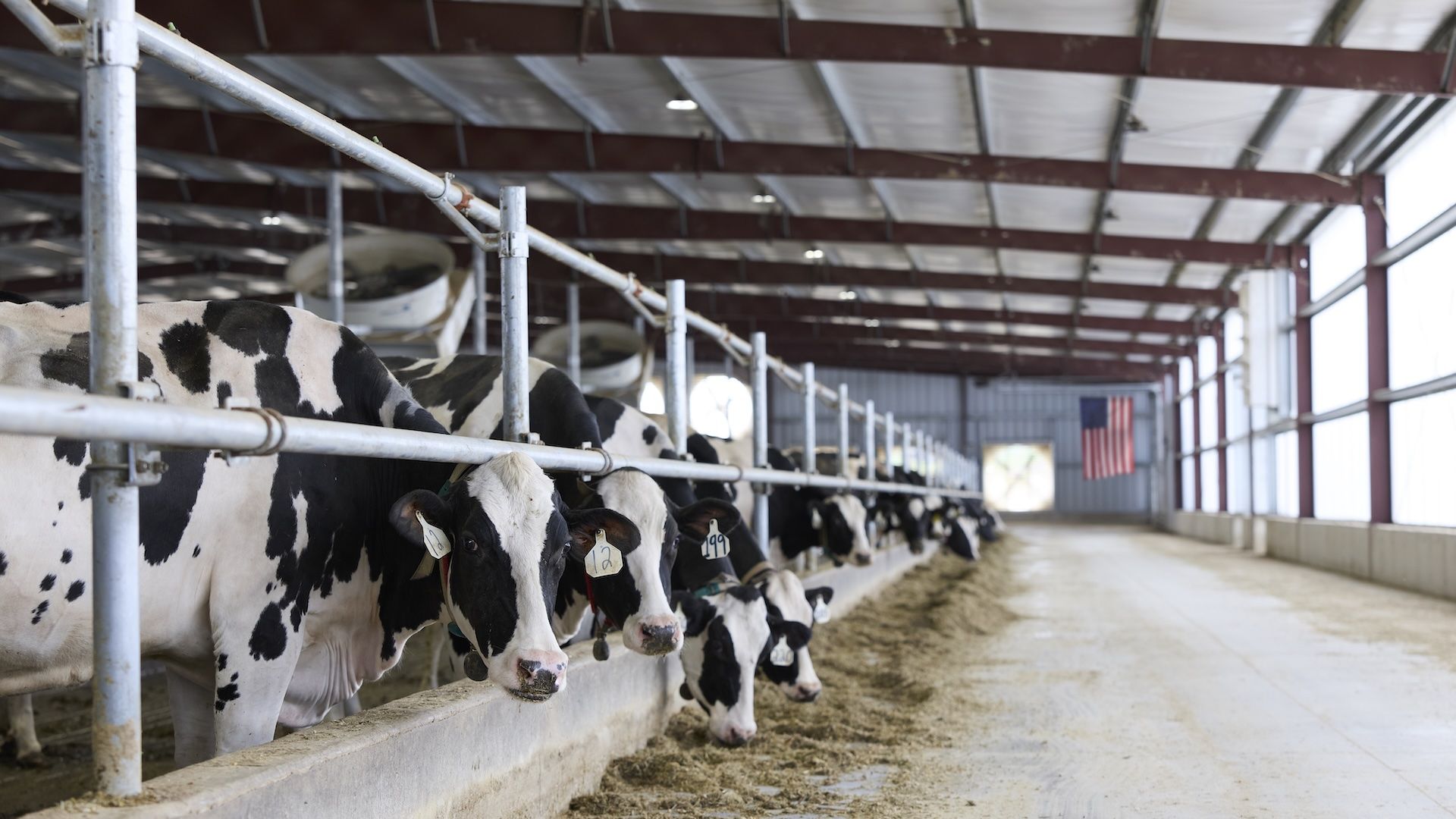
According to a study by NSF research, 64% of U.S. consumers now pay more attention to food labels compared to five years ago, suggesting that consumers are more aware of the nutrient-density of their food.
Why it's important: Meeting growing expectations for nutrition requires coordination across the food ecosystem, including deep collaboration with farmers, manufacturing and nutrition science.
It's been a long and winding road for the bipartisan 21st Century ROAD to Housing Act, but it looks set to become law Friday evening. Probably.
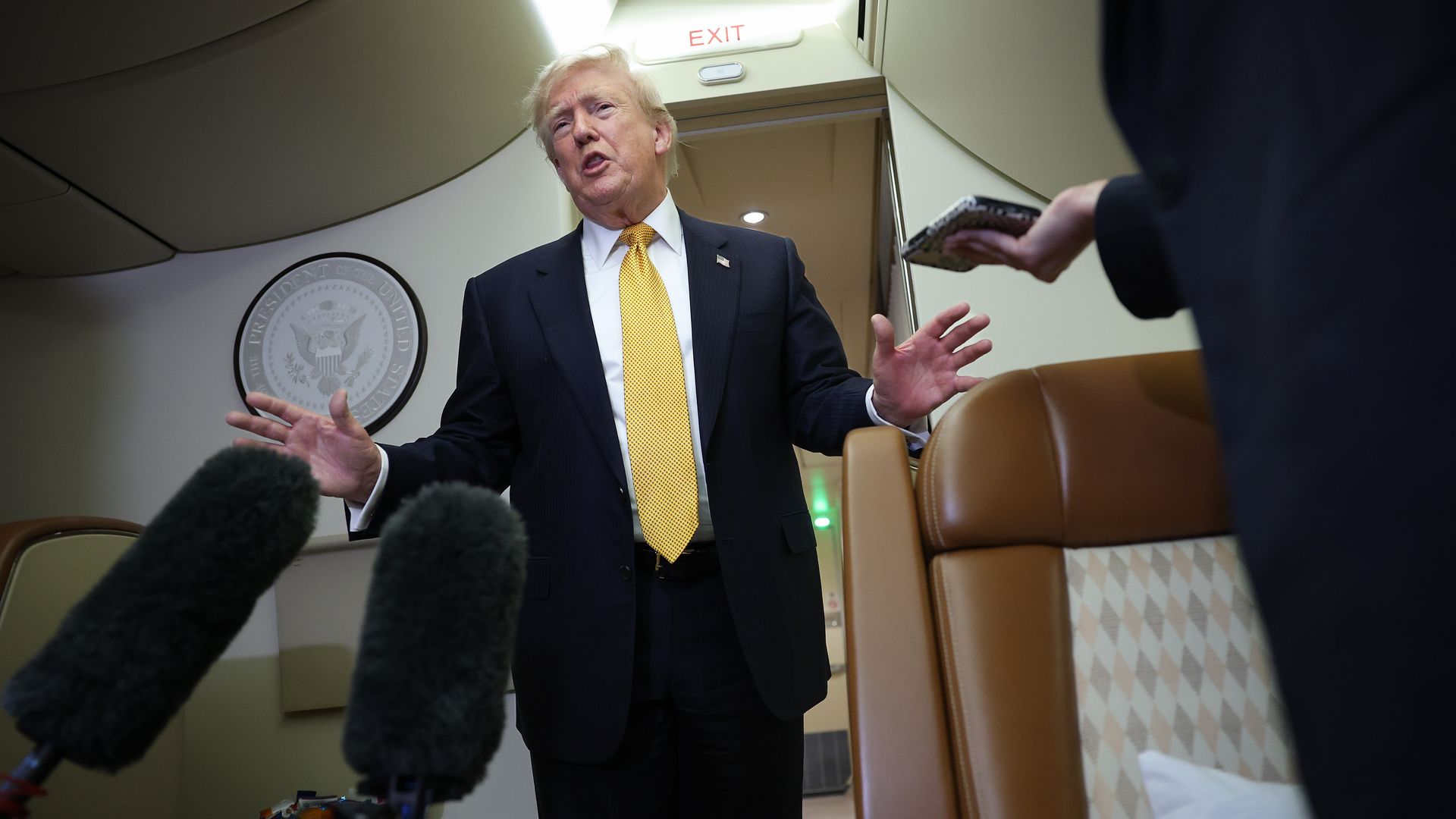
Driving the news: President Trump said Friday morning on Truth Social that he won't sign the bill, the most sweeping action to encourage housing supply in decades, in protest of Congress failing to move unrelated legislation on election security.
But it's what he didn't say that matters most. Trump did not say he will veto the housing legislation. In the absence of a presidential veto, the bill will automatically become law at midnight.
Zoom in: The legislation reflects a rare cross-the-aisle consensus that the underbuilding of housing is a severe problem for the U.S. economy.
It includes provisions that encourage local governments to allow more permissive zoning, streamline environmental regulations for home construction and much more.
What we're watching: We're most intrigued by provisions that loosen restrictions on manufactured housing, in particular no longer requiring that the homes be built on a permanent chassis.
That opens up the possibility of major new innovation in building houses in factories, achieving greater productivity, producing houses that don't feel like downscale trailer-style mobile homes.
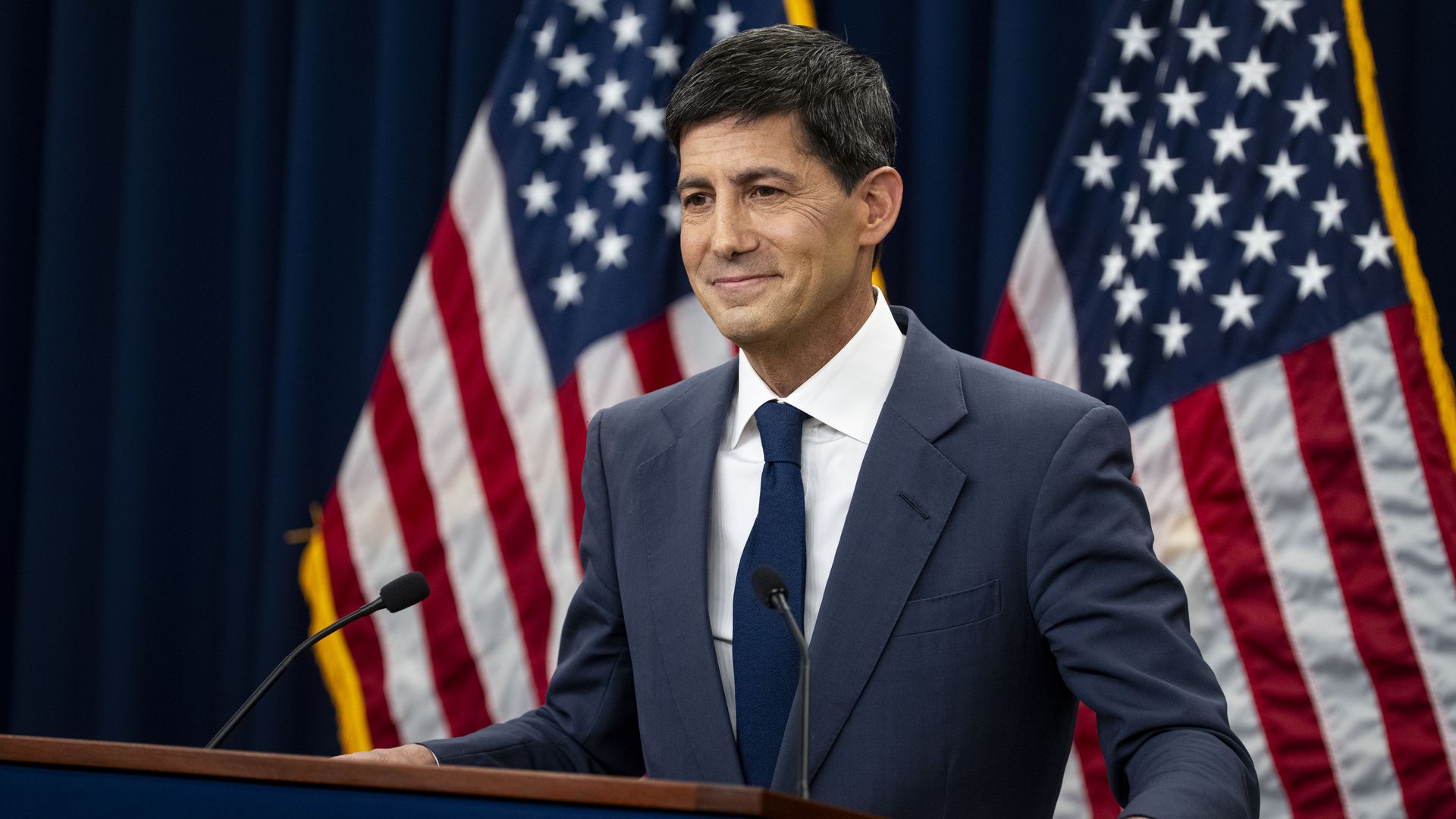
Federal Reserve chairman Kevin Warsh has created five task forces to rethink the central bank's policymaking process. They are likely to bring outside-the-box ideas combined with intellectual chops to an often insular institution.
The big picture: The task forces consist of economists and business leaders who bring serious credibility to the table but also are not part of the "Fed Borg" — that is, not among the usual lineup of people who have recently worked at the central bank.
Crack spreads — energy industry measures of the gap between crude prices and refined products like diesel — have soared in recent days as the global fuel picture is increasingly determined by global politics and war.
Why it matters: Crack spreads are basically the profit margin that refiners add on top of the price of a barrel of crude in order to come up with the prices they charge for refined products like diesel.
Because the crack spread for diesel fuel, charted above, is rising, diesel fuel will likely get more expensive.
And because diesel is a key input for industries like trucking and agriculture, higher diesel prices will ultimately be passed along to consumers, at least in part.
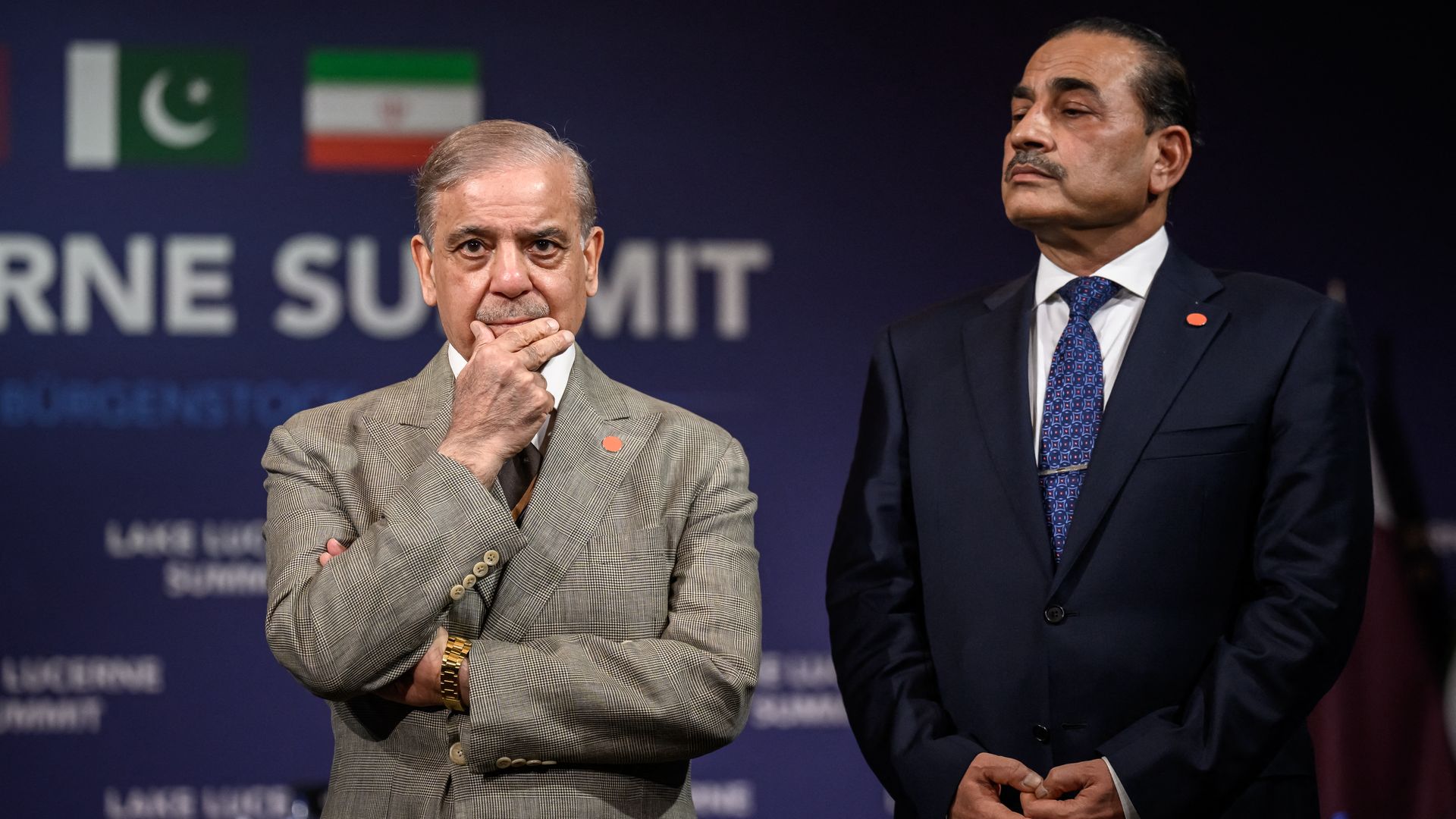
Qatar, Pakistan and other regional mediators are trying to de-escalate tensions between the U.S. and Iran and revive negotiations on a nuclear deal, according to two sources from the mediating countries and a U.S. official.
Why it matters: While President Trump announced on Wednesday that the U.S.-Iran memorandum of understanding (MOU) and the ceasefire were "over" and ordered two rounds of airstrikes, he is focused on reopening the Strait of Hormuz and still wants to avoid a return to an all-out war with Iran.