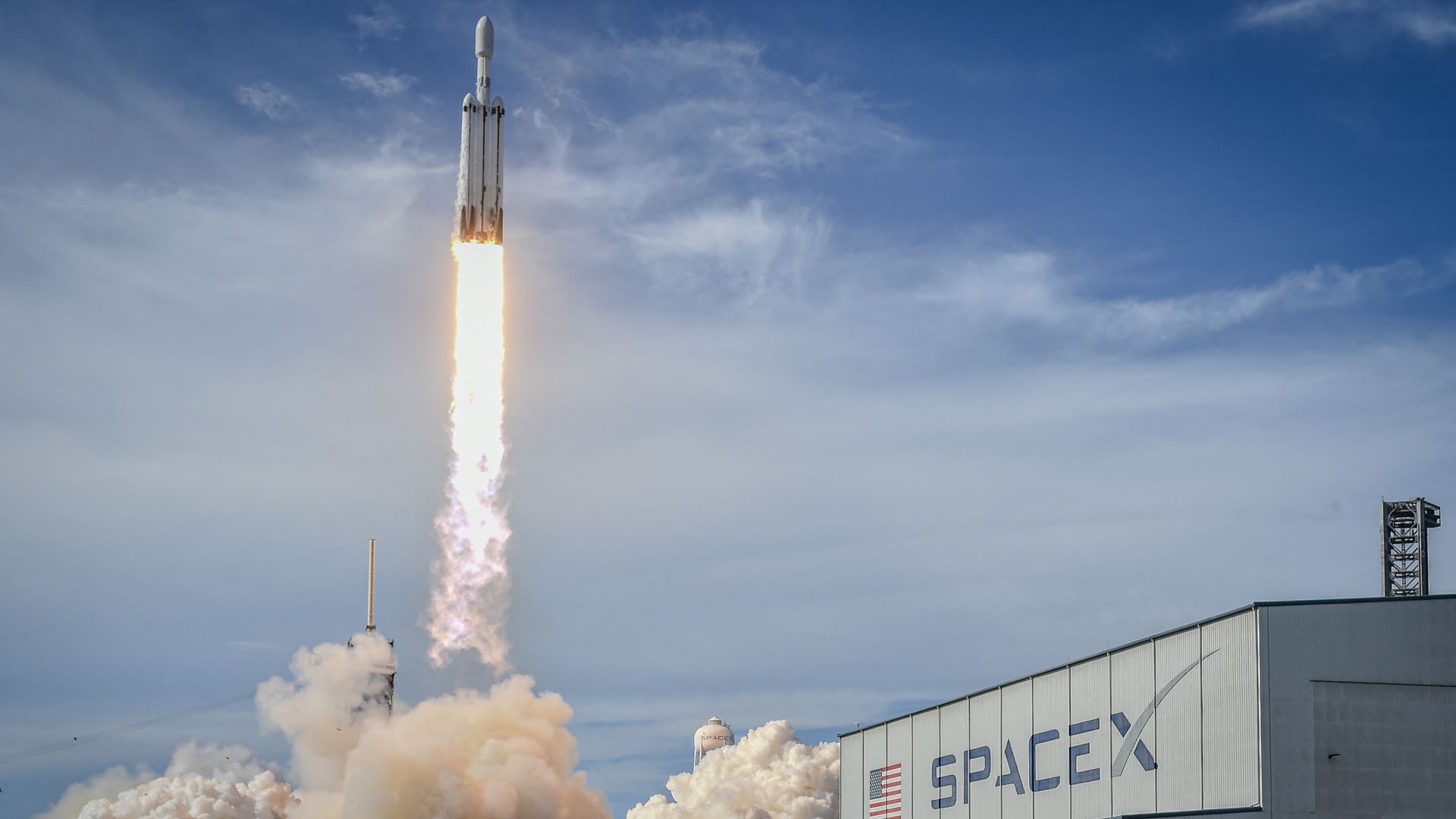
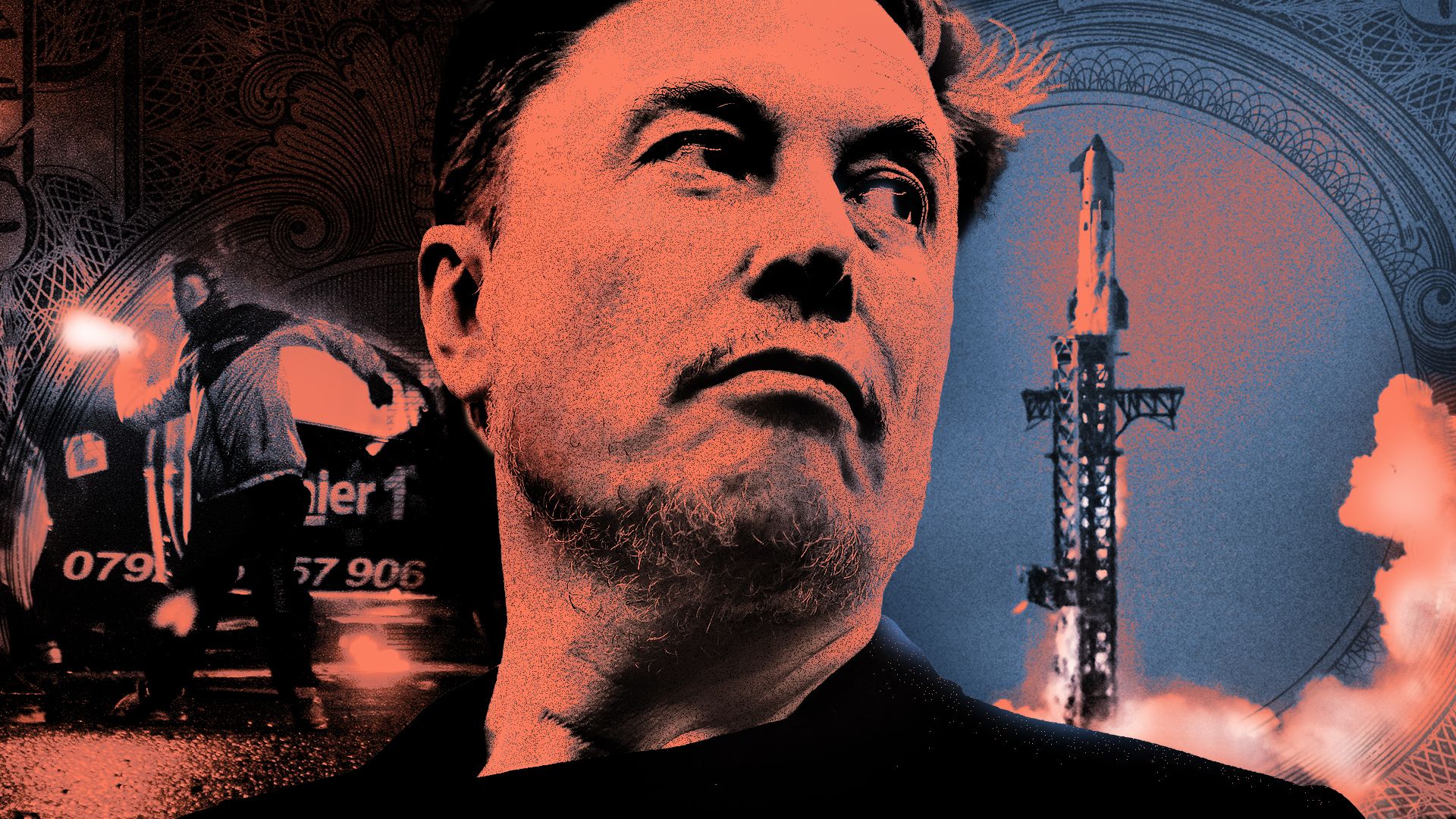
SpaceX on Thursday raised $75 billion in its IPO, valuing Elon Musk's company at around $1.77 trillion.
Why it matters: This is the largest U.S. IPO ever, at least until Anthropic and OpenAI go public later this year, and makes SpaceX one of the world's most valuable companies.
Culver City's iconic neon sign is getting a second life as part of Culver Commons, a new food-forward destination on the former Culver Public Market site.
What you need to know: The new ground-up retail development is being built through a public-private partnership between Regency Centers and Culver City.
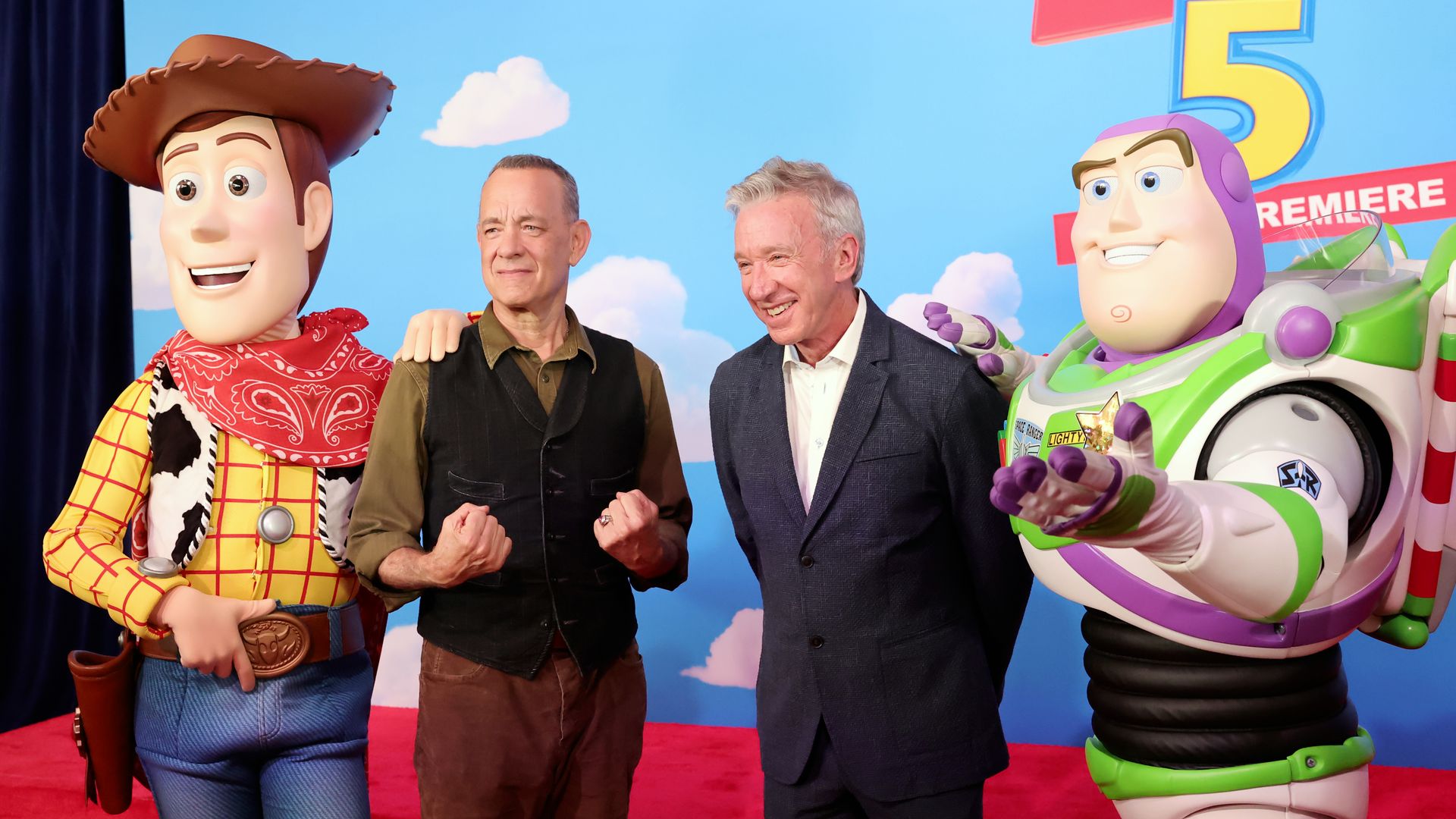
Disney and Pixar's "Toy Story" franchise has driven $16 billion in total revenue for the company over the past 30 years, according to excerpts from an economic study commissioned by the company and provided to Axios.
Why it matters: It speaks to the power of multi-generational franchises in supporting Disney's business model.
The war-driven inflation hit is spreading beyond energy and deeper into supply chains.
Driving the news: Producer prices rose 1.1% in May, matching April's increase and pushing annual wholesale inflation to 6.5%, the highest since late 2022.
The surge was driven by higher energy costs. But the report also shows brisk price increases across a range of non-energy goods and industrial inputs.
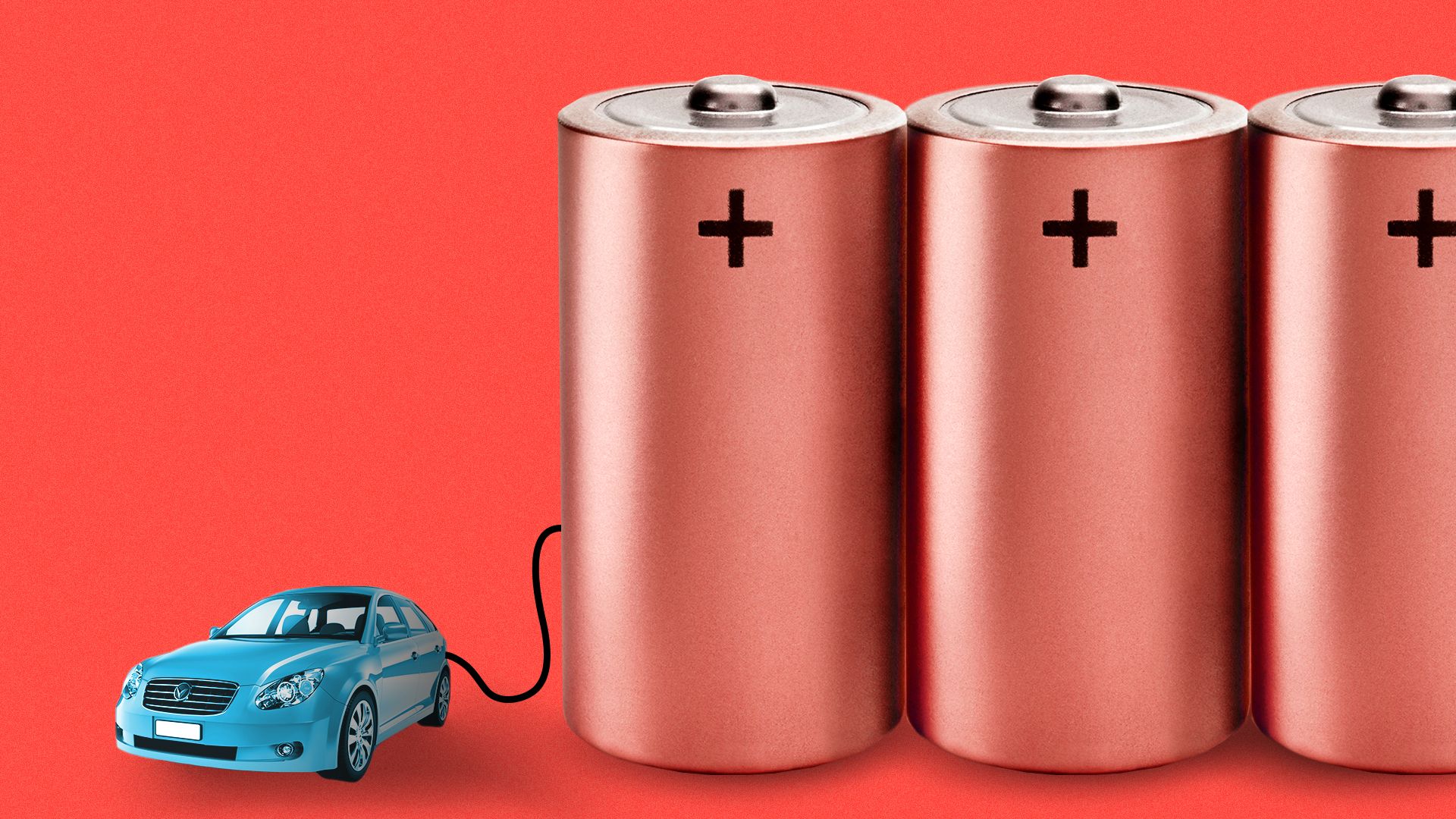
Most people worry that electric vehicles are going to further strain America's aging power grid, but the opposite is true, says the head of California's largest utility.
Why it matters: A parked EV can be an extension of the grid, a distributed energy storage asset that can send power back when it's needed most.
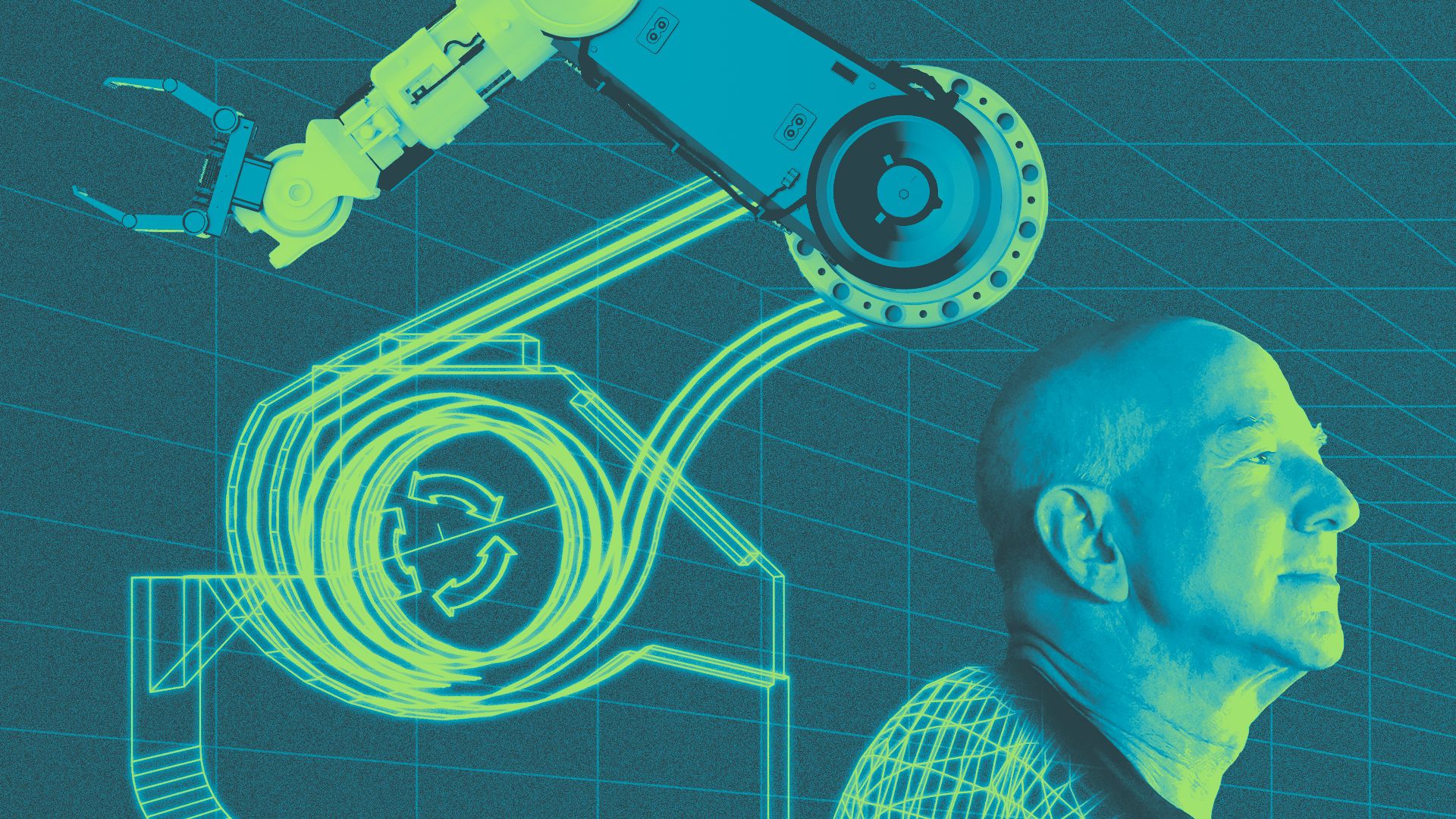
Prometheus, the industrial AI startup led by Jeff Bezos and former Google exec Vik Bajaj, today will announce that it's raised $12 billion in Series B funding at a $41 billion valuation.
Why it matters: It's a massive bet to rearchitect how physical things are made, from jet engines to medical devices to consumer electronics.
The colossal sums of money being spent on building out AI data centers can still put investors on edge. Oracle's results are the latest example of that.
Why it matters: Investors are increasingly antsy about seeing at least some indication that the hundreds of billions of dollars now being spent on data centers will eventually turn into profitable investments. Oracle's results late Wednesday didn't offer them much.
In the hyperscaler's fourth fiscal quarter, which ended May 31, the company spent a higher-than-expected $16.5 billion on capital expenditures, eating deeply into the company's — admittedly — fast-growing revenues.
If you think buying a stock on the first day it trades is risky, check out leveraged ETFs: There are about a dozen tied to SpaceX that are teed up to launch in the wake of the company's expected stock market debut on Friday.
Why it matters: It's an extreme example of the risk-maxxing mindset that's swept through the formerly staid world of exchange-traded funds — and through the investing culture writ large with the rise of prediction markets and other kinds of gambling.
One year of home care now costs more than twice the average retiree's annual Social Security benefits, and costs are growing much faster than inflation, according to an AARP analysis shared first with Axios.
Why it matters: Most older adults will need such personal care services, which aren't covered by Medicare. The majority wind up paying out of pocket or leaning on family members as caregivers.
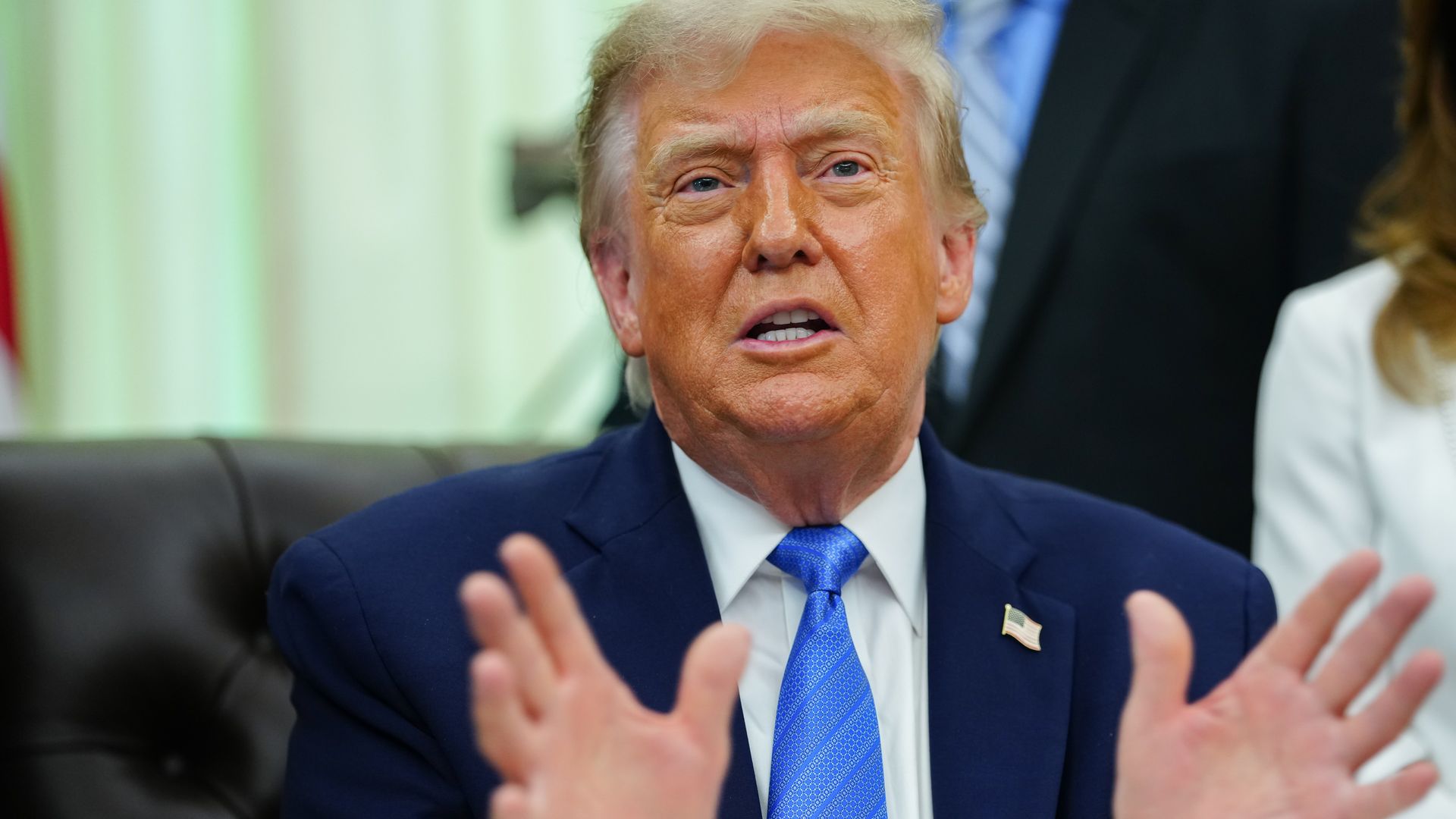
President Trump has been on a roll of rhetorical missteps that could come back to bite Republicans in the midterms.
Why it matters: Trump has served up a platter of ready-made campaign ads to Democrats, suggesting he's fine with rising prices and unconcerned about Americans' financial struggles.
A year's worth of inflation-adjusted wage gains vanished in just four months, leaving workers little better off than when President Trump returned to office.
Why it matters: The reversal shows how the recent energy-driven inflation surge is eating into household purchasing power. Real pay for rank-and-file workers is up just 0.1% since Trump took office in January 2025.
Rising real wages helped underpin the White House's case that the economy was improving. That advantage has now largely disappeared.
Elon Musk is on the verge of financial immortality: The world's richest man — and potentially its first trillionaire — has built a sovereign corporate kingdom that is too systemic to fail.
And yet, on the eve of SpaceX's monster IPO, its CEO was hunkered down in his digital fiefdom stoking far-right culture wars with an impunity unmatched in modern corporate history.
Why it matters: Musk's years in the public eye, marked by serial controversy and an accelerating embrace of white identitarian politics, have inured investors to conduct that would be disqualifying for almost any other CEO.